Suzu occupies a compact address on Post Street in Japantown, where the physical format of the space does much of the editorial work. The dining room sits within San Francisco's broader Japanese restaurant corridor, offering a counter-led experience that positions it in a different register from the city's high-ticket omakase circuit and its progressive American fine-dining tier.
 Discover on Pearl
Pearl is the En Primeur Club membership app — saves, bookings, and concierge access live there. Same editors, same standards.
- Address
- 1825 Post St A, San Francisco, CA 94115
- Phone
- (415) 346-5083
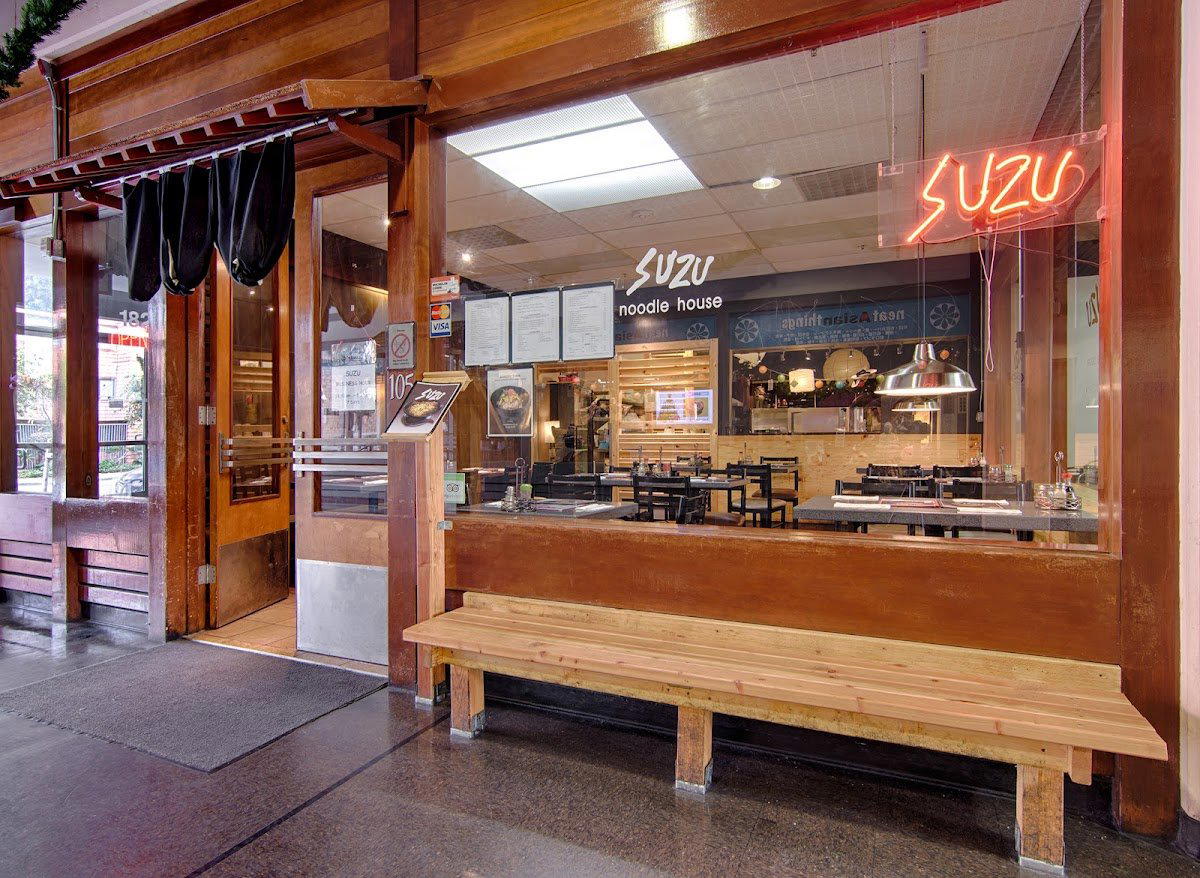
The Space That Sets the Terms
Post Street in Japantown runs through one of the few surviving urban Japanese enclaves in the continental United States, and the buildings along it carry a particular density of purpose. Suzu occupies a compact address at 1825 Post Street, and the physical container shapes the experience before a single dish arrives. The room is tight by design rather than by accident, a format common to Japanese dining traditions that prize intimacy and the controlled choreography of a small service team over the spatial ambitions of a full dining room.
That architectural restraint places Suzu in a specific tradition. Counter seating, where it exists, closes the distance between kitchen and guest in a way that a 60-cover room cannot replicate. The sightlines are different, the ambient sound is different, and the pace of eating is regulated by the kitchen's rhythm rather than by the guest's preference to linger or rush. The address and scale signal a preference for depth over volume, setting it apart from the neighbourhood's more casual ramen and izakaya options and from the city's larger-footprint Japanese concepts.
Japantown and the Broader San Francisco Japanese Dining Context
San Francisco's Japanese dining scene spreads across several distinct tiers. At the leading sit the multi-course omakase counters, where eight to twelve seats and prix-fixe pricing in the range of major American fine dining destinations reflect a booking culture as compressed as anything in the city. Below that sits a mid-tier of quality-focused Japanese restaurants that offer more accessibility without collapsing into casual dining. Suzu's Post Street address places it squarely inside a neighbourhood with a long history of Japanese food culture dating back decades before San Francisco's current restaurant boom.
That context matters for a reader deciding where Suzu fits. The high-ticket end of San Francisco fine dining, represented by restaurants like Benu, Atelier Crenn, and Lazy Bear, operates on a tasting-menu format with advanced booking windows and price points that align with comparable destinations like Alinea in Chicago or Le Bernardin in New York City. Suzu, set against Japantown's Post Street rather than the Financial District or Hayes Valley, reads as a different proposition: a neighbourhood-anchored address where the cultural specificity of the location does some of the positioning work.
What the Address Signals
1825 Post Street is a unit address, meaning Suzu occupies a subdivided commercial space within a larger building, a format that runs through Japantown's Japan Center complex and the retail strips adjacent to it. That physical arrangement is worth noting because it shapes expectations. The entry is not the grand threshold of a destination restaurant; it is closer to the door-within-a-door logic of a Tokyo neighbourhood specialist, where the scale of the entrance is inversely related to the seriousness of what happens inside.
In cities like San Francisco, where restaurant real estate commands significant premiums, a compact format in a neighbourhood-specific corridor is often a deliberate signal about priorities. Quince and Saison occupy larger, architecturally considered spaces that communicate ambition through volume and material quality. Suzu's Japantown unit operates on different logic, where the neighbourhood itself, with its preserved cultural infrastructure and concentrated Japanese food knowledge, supplies the context that a grander room might attempt to manufacture through interior design.
Placing Suzu in the Wider American Japanese Dining Conversation
Japanese cuisine in the United States has undergone a documented shift over the past fifteen years. The category that once split cleanly between sushi bars and ramen shops now includes multi-Michelin-starred omakase counters, regional Japanese specialists (tonkatsu, yakitori, kaiseki, izakaya), and chef-driven fusion formats. Destinations like Atomix in New York City demonstrate how seriously the upper tier of Korean-Japanese dining now competes for the same critical attention as French-lineage fine dining. On the West Coast, Japanese restaurant culture is older and more embedded, particularly in cities with established Japanese-American communities.
San Francisco's Japantown represents a sustained cultural institution rather than a trend-driven restaurant cluster. Dining here carries a different register than eating in SoMa or the Mission, where restaurants often self-consciously position against New York or Los Angeles peers. The Post Street corridor connects to a community history that predates the city's current fine-dining moment by several generations, which gives restaurants operating here a form of contextual authority that a newer neighbourhood cannot replicate as easily. For comparison, The French Laundry in Napa and Single Thread Farm in Healdsburg draw on regional agricultural identity in a similar way, anchoring their menus in a place-specific logic rather than pure technical ambition.
What to Know Before You Go
Suzu sits within a walkable section of the Japantown core, accessible from the Post Street Japan Center area. The surrounding neighbourhood supports an extended visit: the Japantown Peace Plaza, the cinema complex, and the concentration of Japanese food retail along Buchanan Street provide context for a half-day or evening itinerary. Parking along Post Street follows San Francisco's standard metered system, and the 38 Geary bus line provides direct access from Union Square and the Civic Center area.
For readers building a broader San Francisco itinerary that takes in the city's full range of restaurant formats, the San Francisco restaurants guide maps the city's dining tiers from neighbourhood specialists to destination fine dining. Further afield, Providence in Los Angeles, Addison in San Diego, and Blue Hill at Stone Barns in Tarrytown represent comparable investments of time and planning for readers who treat restaurant visits as a primary travel organising principle. For international reference, 8 1/2 Otto e Mezzo Bombana in Hong Kong demonstrates how a neighbourhood-specific cultural address can sustain serious dining credentials. Other American comparisons include Emeril's in New Orleans, Bacchanalia in Atlanta, and The Inn at Little Washington.
Quick Reference: Suzu, 1825 Post St A, San Francisco, CA 94115. Located in Japantown.
Pricing, Compared
Comparable venues nearby, for context on price, style, and recognition.
| Venue | Cuisine | Price | Awards | Notes |
|---|---|---|---|---|
| SuzuThis venue — the venue you are viewing | Japantown, Japanese Ramen | $$ | , | |
| Ebisu Restaurant | Inner Sunset, Authentic Japanese Sushi | $$ | , | |
| Sushi Taka | Financial District, DIY Sushi Rolls | $$ | , | |
| Mikaku Restaurant | $$ | , | Union Square, Authentic Japanese Sushi and Sashimi | |
| Echigo Home cook | Mission, Japanese Sushi and Izakaya | $$ | , | |
| The Wild Fox | $$ | , | Financial District/South Beach, Japanese Cafe |
Continue exploring
More in San Francisco
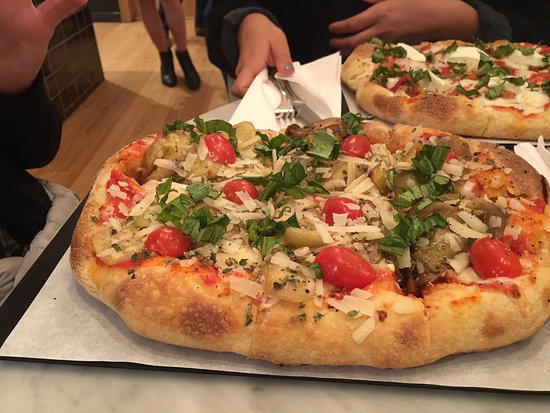
Restaurants in San Francisco
Browse all →
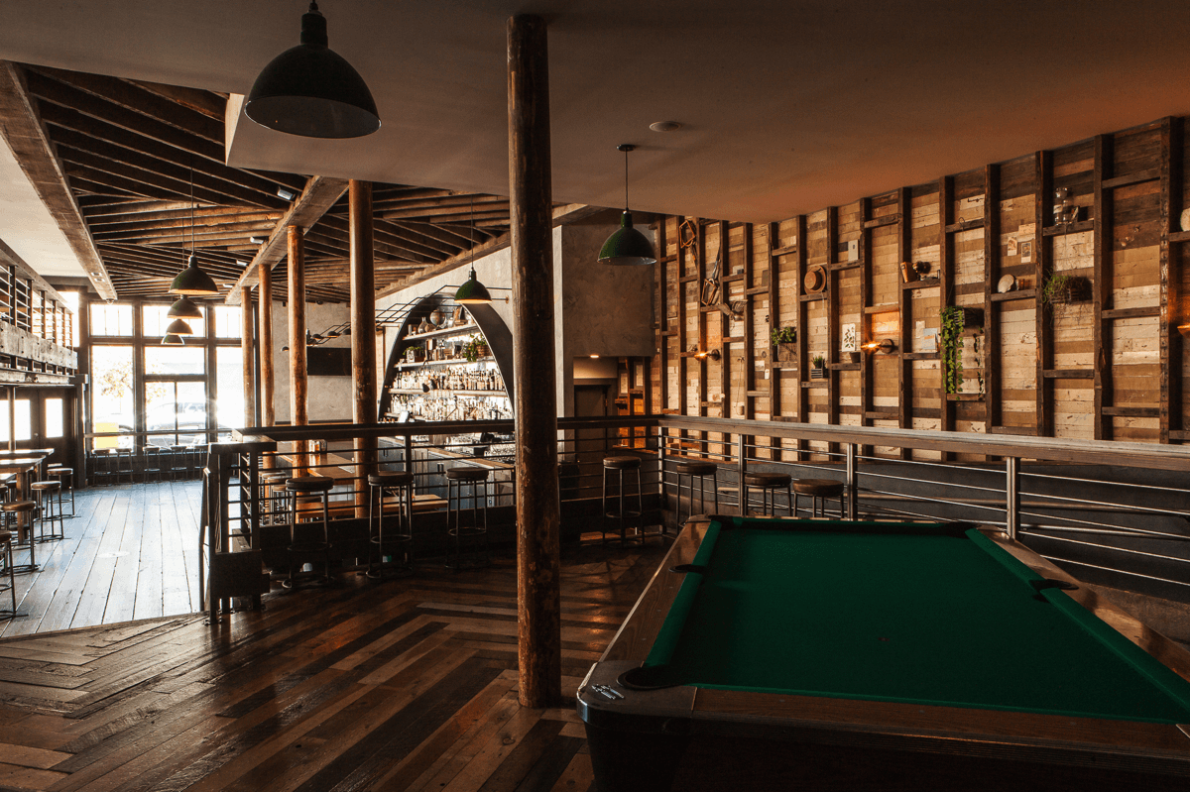
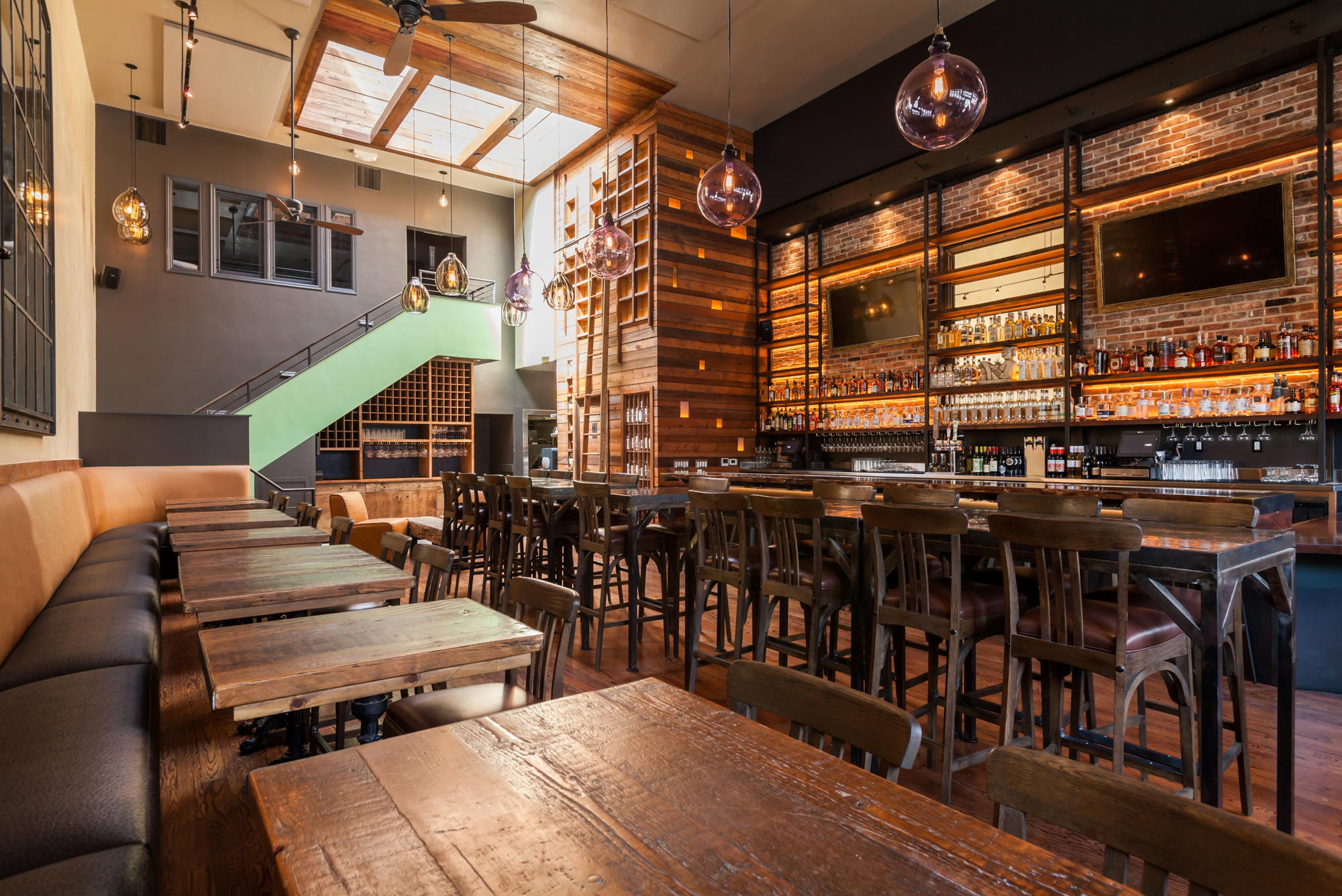
Bars in San Francisco
Browse all →
Hotels in San Francisco
Browse all →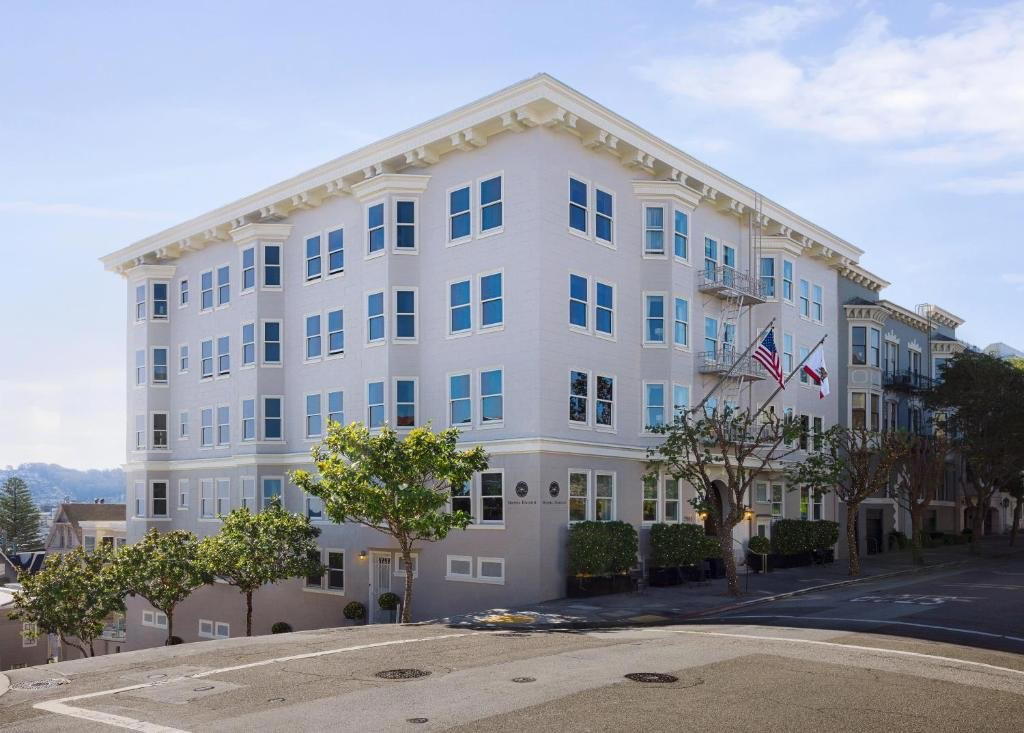
At a Glance
- Cozy
- Casual Hangout
Homey and casual with simple decor, close tables, and a welcoming neighborhood feel.