Sushi-Zen
Sushi-Zen occupies a stretch of North Harrison Street in Arlington's residential north, where the surrounding dining scene skews toward casual and accessible. The address places it within reach of DC's broader sushi conversation without the downtown premium. For the neighbourhood, it represents the kind of specialist focus that distinguishes it from the area's more generalist dining options.
Pearl is the En Primeur Club membership app — saves, bookings, and concierge access live there. Same editors, same standards.
- Address
- 2457 N Harrison St, Arlington, VA 22207
- Phone
- +17035346000
- Website
- sushizen.com
- Directions
- Get directions
 Saves & bookings on Pearl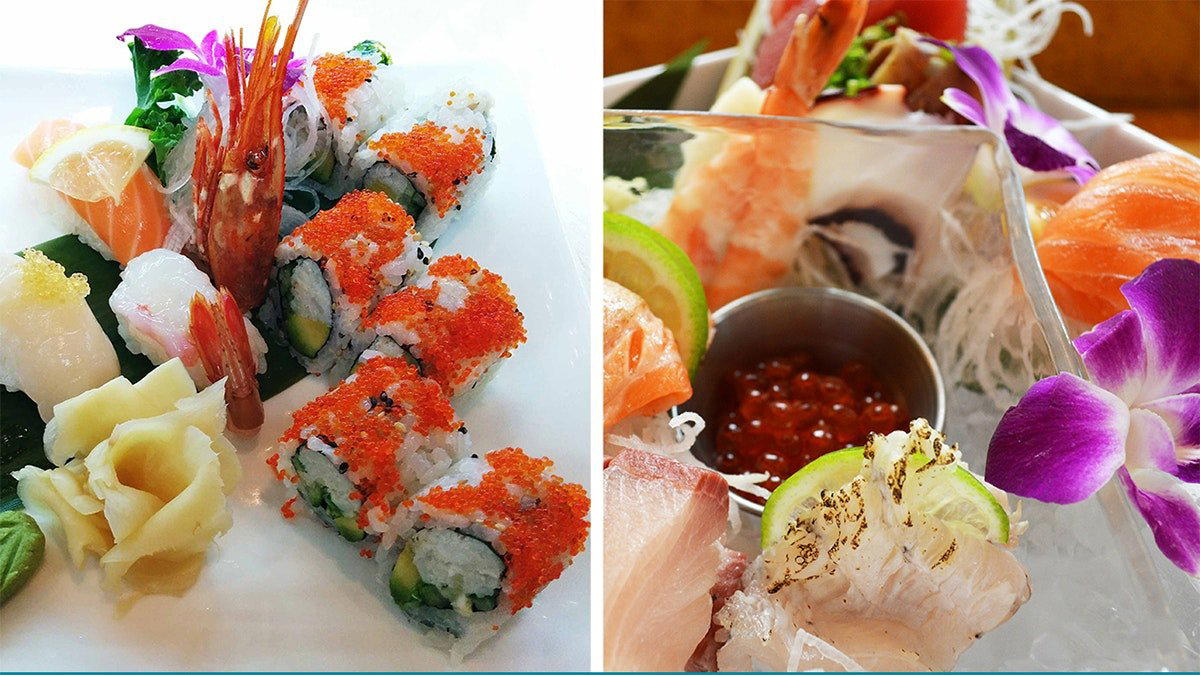
North Harrison Street and the Sushi Conversation in Northern Virginia
The northern arc of Arlington, running through the residential blocks above Lee Highway, does not typically attract the kind of specialist dining attention that falls on Clarendon or Ballston. Most of the food along this corridor skews toward the pragmatic: neighbourhood staples, casual formats, the kind of places that serve a zip code rather than a city. Sushi-Zen, at 2457 N Harrison St, represents a departure from that pattern. In a stretch where the dominant dining conversation involves accessible price points and broad menus, a venue that commits to Japanese culinary form occupies a specific and deliberate position.
That positioning matters more than it might appear. Northern Virginia has a layered Japanese dining scene, ranging from large-format conveyor-belt operations near the commuter corridors to high-commitment omakase counters drawing diners from across the DC metro. Sushi-Zen sits on Harrison Street, which is not a destination strip in the way that DC's Penn Quarter or Bethesda's Woodmont Triangle are. That self-selection tends to concentrate the room: regulars, Japanese food enthusiasts, and residents who have moved past the casual sushi bar phase.
What Sushi as a Cultural Form Demands of a Practitioner
Sushi in its serious form is one of the more exacting food traditions to transplant outside Japan. The craft depends on rice temperature, fish sourcing and aging discipline, knife geometry, and a service rhythm that is calibrated down to the interval between courses. American sushi culture has moved substantially in the past two decades. The mid-2000s California roll era gave way to a wide proliferation of omakase formats, driven partly by the influence of New York counters and partly by a domestic audience that grew up eating Japanese food and began seeking out more rigorous interpretations.
That evolution has been uneven across American cities. In New York, the omakase counter has become a commercial category unto itself, with pricing that now rivals comparable formats in Tokyo. Counters like those associated with top-tier American Japanese dining, such as Atomix in New York City at the Korean-Japanese intersection, demonstrate how far the conversation has moved from simple accessibility toward technical and philosophical depth. In Washington DC, the scene has developed at a slightly slower pace, but the influence of the federal and diplomatic community, with its significant Japanese expatriate population, has kept the quality baseline reasonably high. Northern Virginia, as the residential overflow for much of that professional class, has benefited from the same effect.
The cultural weight of sushi as a format is worth stating plainly: in Japan, a sushi chef's training typically spans a decade before the practitioner earns the right to present rice to a guest independently. The rice itself, seasoned with varying ratios of vinegar, sugar, and salt depending on regional tradition, is considered the test of a chef's development. Fish selection, by contrast, is more visible to the diner but arguably less revealing of craft than what happens in the rice preparation. Venues that understand this hierarchy present differently from those that do not. The difference registers most clearly in the temperature and texture of the shari, the seasoned rice, which should arrive at or near body temperature, formed with just enough pressure to hold shape while collapsing cleanly on the palate.
Arlington's Dining Range and Where Specialist Japanese Fits
Arlington's dining scene, taken as a whole, offers more range than its residential character might suggest. The city has produced serious Italian in the form of A Modo Mio Pizzeria Napoletana, European bistro sensibility at Angie, and deep Southeast Asian specificity at Bangkok 54 Restaurant. The pub format has a strong foothold with Barley Mac, and more casual daytime options like Bayou Bakery, Coffee Bar and Eatery anchor the approachable end. For a broader view of what the city offers across formats, the full Arlington restaurants guide maps the scene in more detail.
Within this range, Japanese sushi occupies a specific tier: higher commitment than the casual category, lower foot traffic than the Clarendon bar strip, and more dependent on word-of-mouth than on passing trade. That is a structural position that either sustains itself through quality and repeat custom or gradually loses ground to competitors with more favourable locations. The address on North Harrison Street is a residential corner, not a restaurant row. That fact sets expectations about the format: table sizes are likely modest, the room probably does not seat large parties, and the experience is calibrated toward people who already know what they are ordering rather than first-time browsers.
The Broader DC-Area Sushi Reference Points
For readers calibrating Sushi-Zen against a wider frame of reference, the DC metropolitan area's most formally recognised dining is heavily French-influenced, anchored by destinations like The Inn at Little Washington. The national fine-dining conversation runs through institutions such as Le Bernardin in New York City, Alinea in Chicago, and The French Laundry in Napa. Japanese-rooted formats have carved out their own strand of that national conversation, with venues like Providence in Los Angeles and Single Thread Farm in Healdsburg drawing on Japanese discipline in different ways. Further afield, Lazy Bear in San Francisco, Blue Hill at Stone Barns in Tarrytown, Addison in San Diego, Emeril's in New Orleans, and 8 1/2 Otto e Mezzo Bombana in Hong Kong illustrate how far the premium dining conversation extends across formats and geographies. Sushi-Zen does not operate in that nationally recognised tier, but the Japanese culinary tradition it draws from is one that rewards serious practice at every scale.
Know Before You Go
| Address | 2457 N Harrison St, Arlington, VA 22207 |
|---|---|
| Reservations | |
| Phone | Not publicly listed |
| Website | Not publicly listed |
| Price Range | Not confirmed; verify before visiting |
| Hours |
Continue exploring
More in Arlington
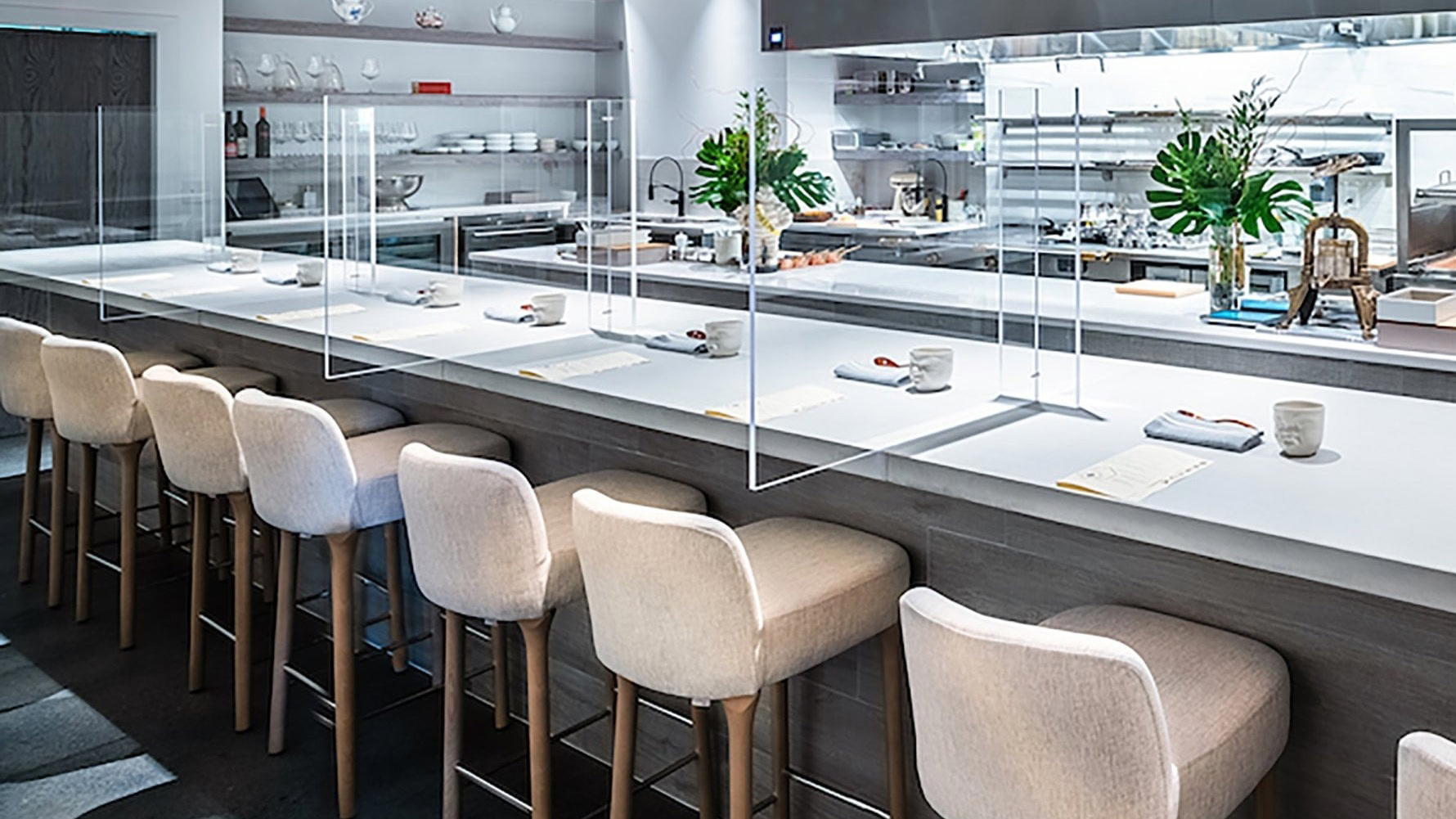
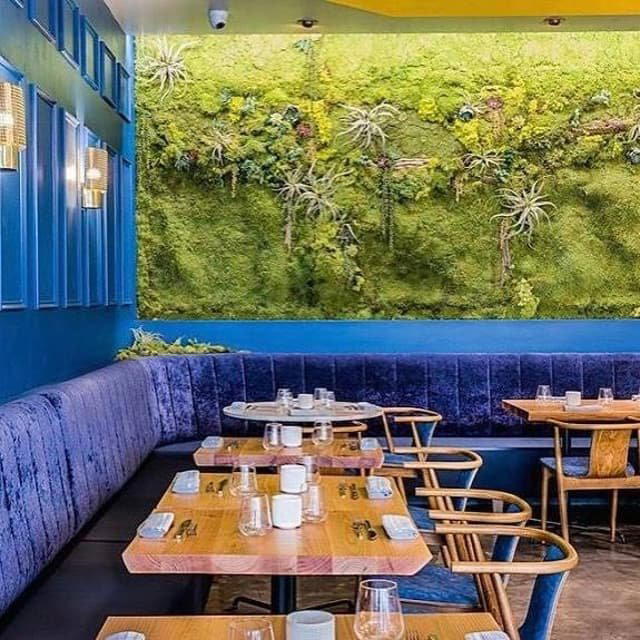
Restaurants in Arlington
Browse all →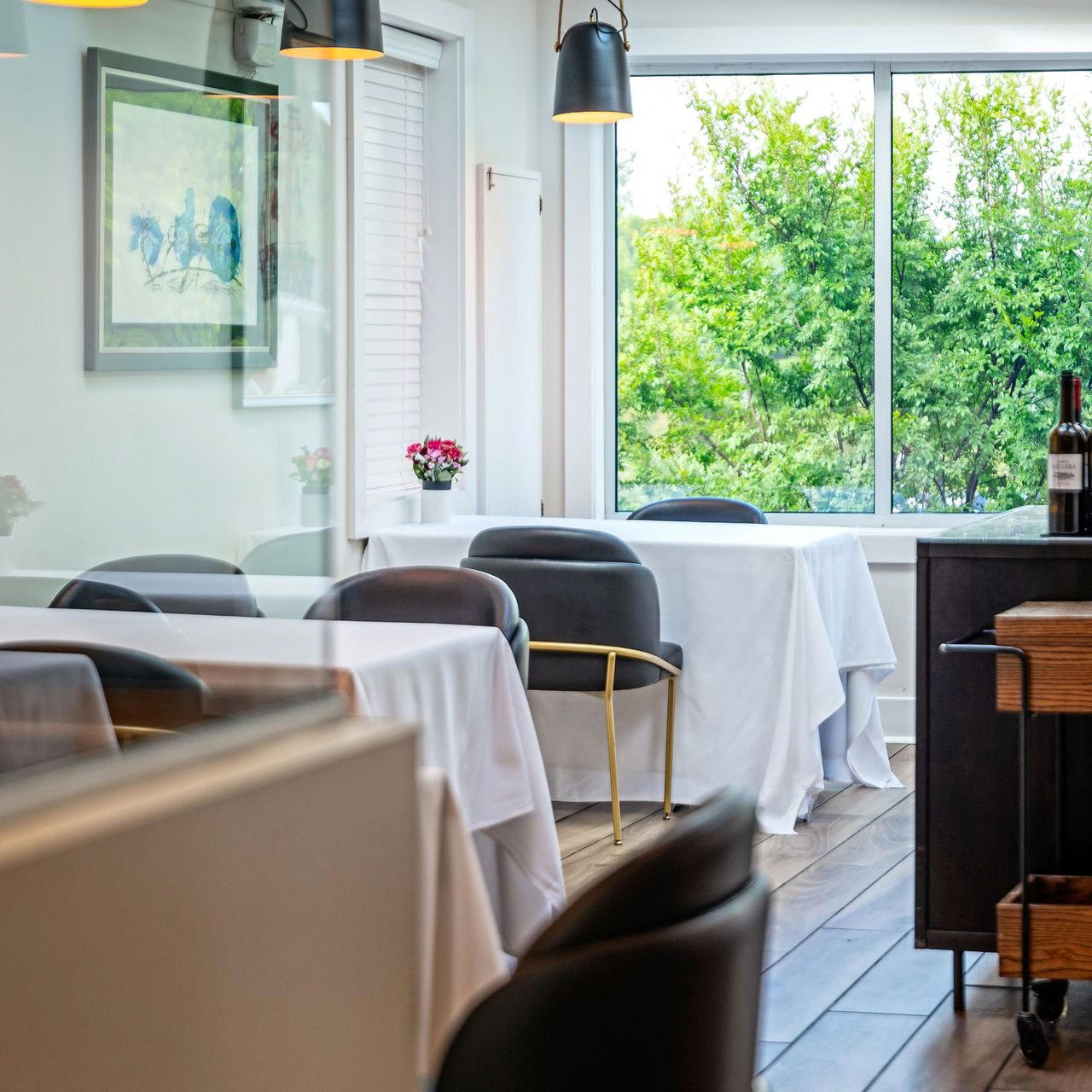
Bars in Arlington
Browse all →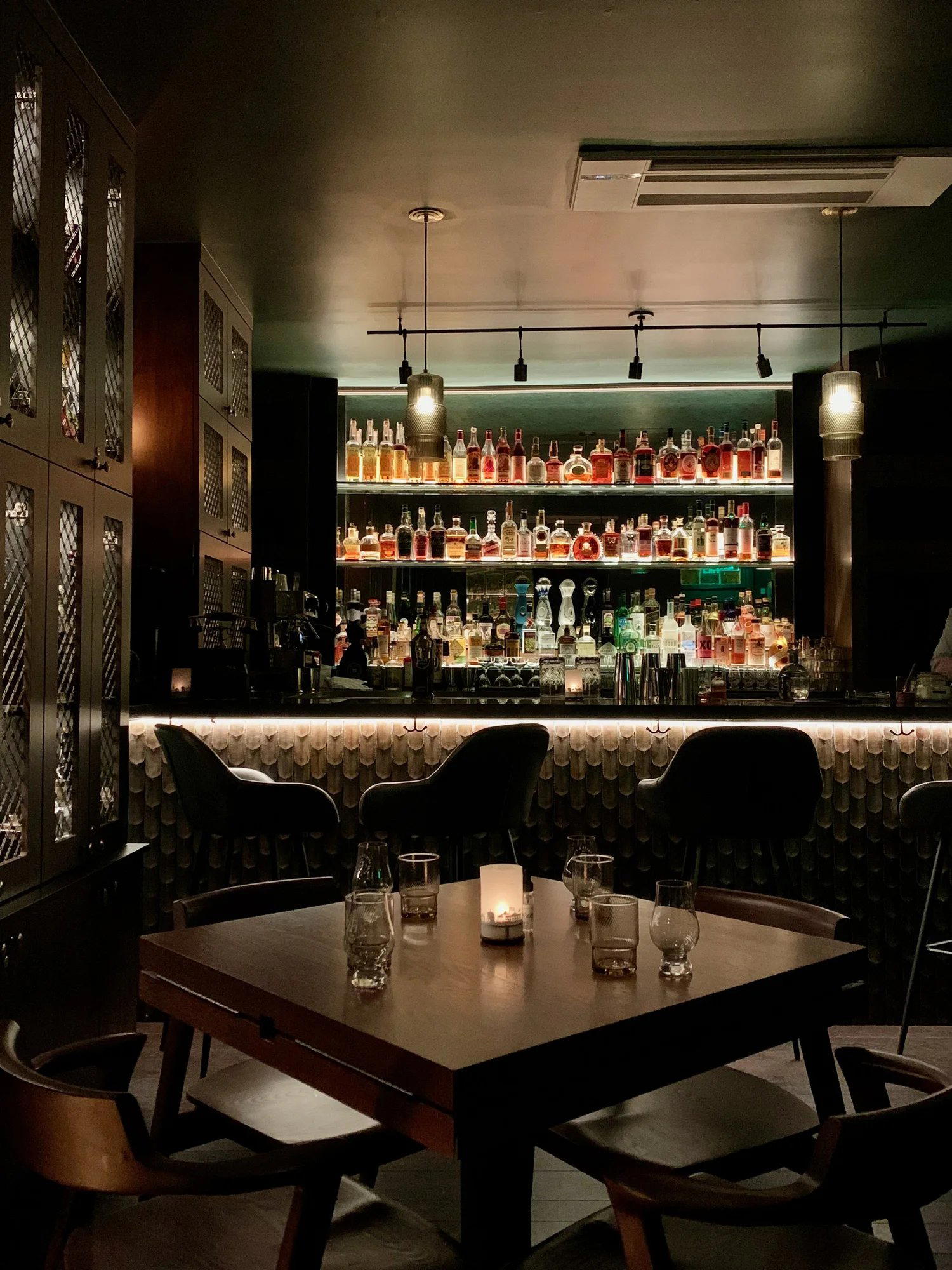
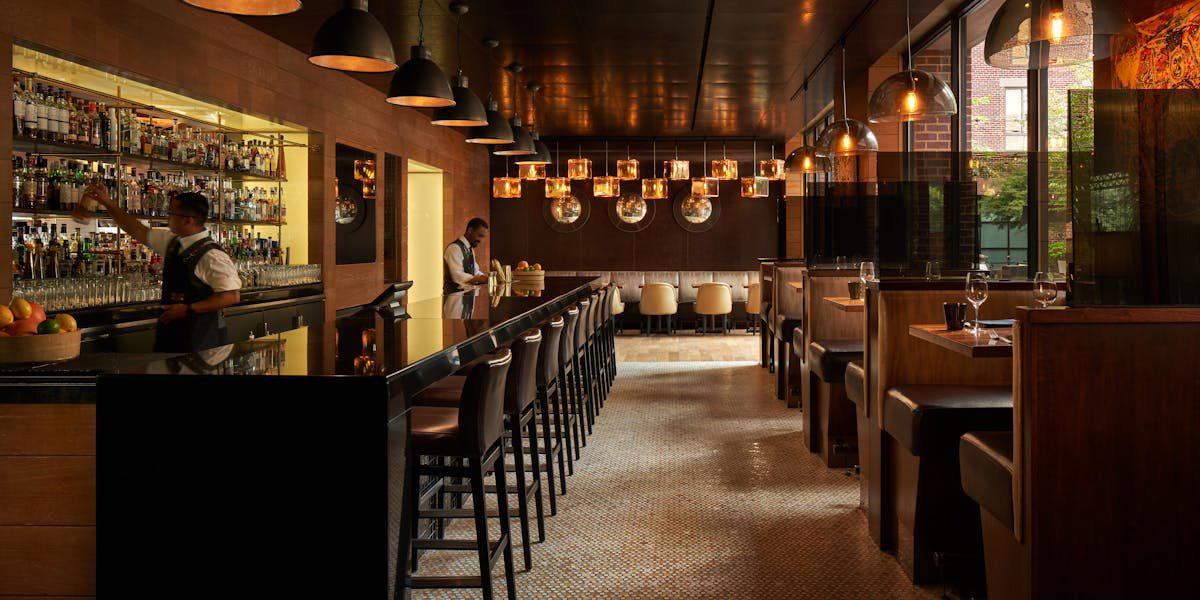
Hotels in Arlington
Browse all →
At a Glance
- Cozy
- Classic
- Intimate
- Family
- Casual Hangout
- Group Dining
- Standalone
- Sake Program
Current opening hours
- Monday
- 4:30–8:30 PM
- Tuesday
- 11:30 AM–2:30 PM, 4:30–8:30 PM
- Wednesday
- 11:30 AM–2:30 PM, 4:30–8:30 PM
- Thursday
- 11:30 AM–2:30 PM, 4:30–8:30 PM
- Friday
- 11:30 AM–2:30 PM, 4:30–9 PM
- Saturday
- 11:30 AM–2:30 PM, 4:30–9 PM
- Sunday
- 4:30–8:30 PM
Hours can change for holidays and private events. Last verified .
Relaxed and peaceful with a quiet, family-friendly environment; described as the 'Cheers of Arlington's sushi scene' with an ebullient welcome upon arrival.
Know Before You Go
- Getting there
- 2457 N Harrison St, Arlington, VA 22207