Angie
Our verdict
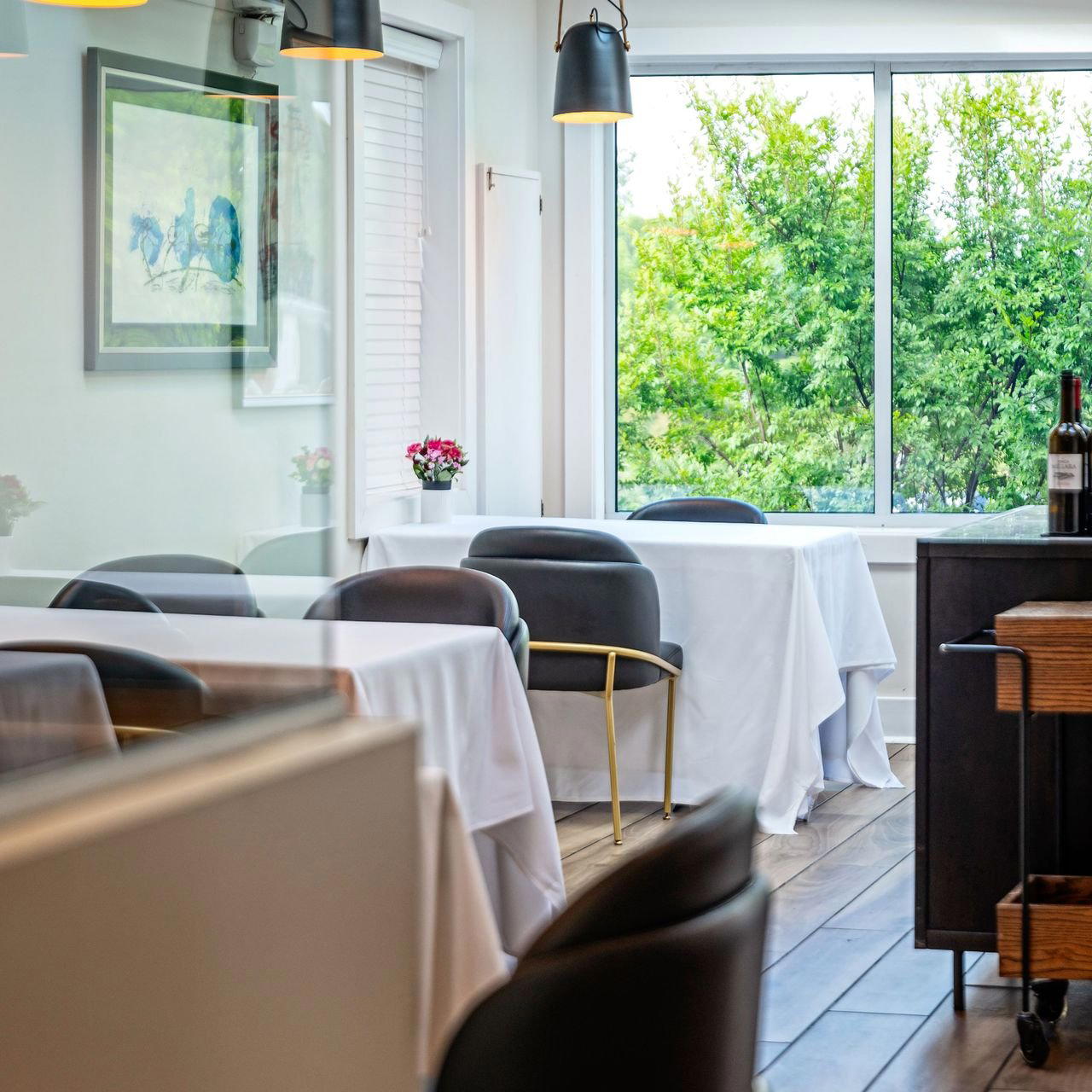
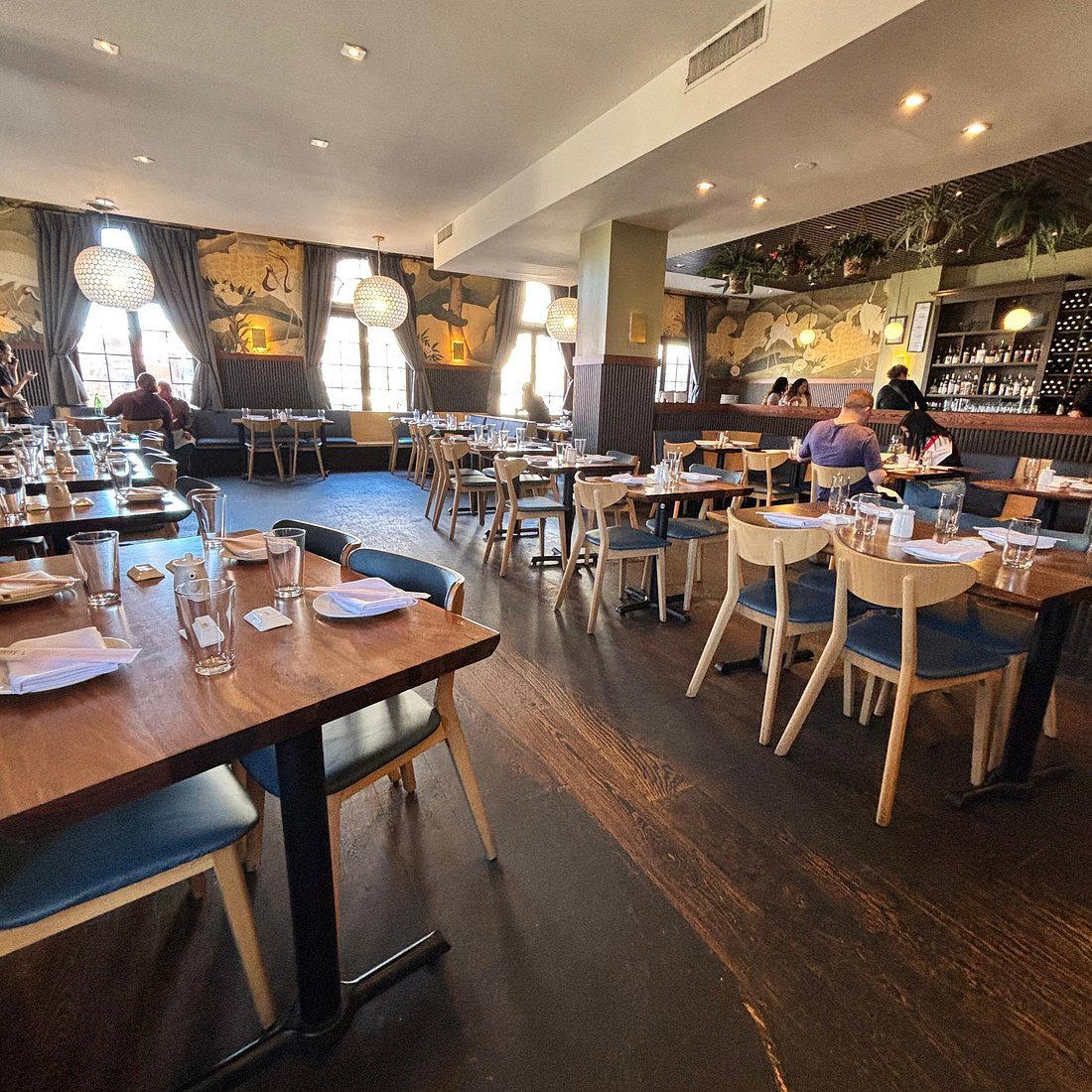
Angie brings a French-influenced European bistro sensibility to Arlington, Massachusetts, occupying a niche in the suburb's dining mix that skews toward provenance-conscious cooking rather than trend-driven formats. Arlington's dining scene is compact enough that a restaurant with this orientation earns attention quickly.

Pearl is the En Primeur Club membership app, where members save venues, book tables and use the concierge.
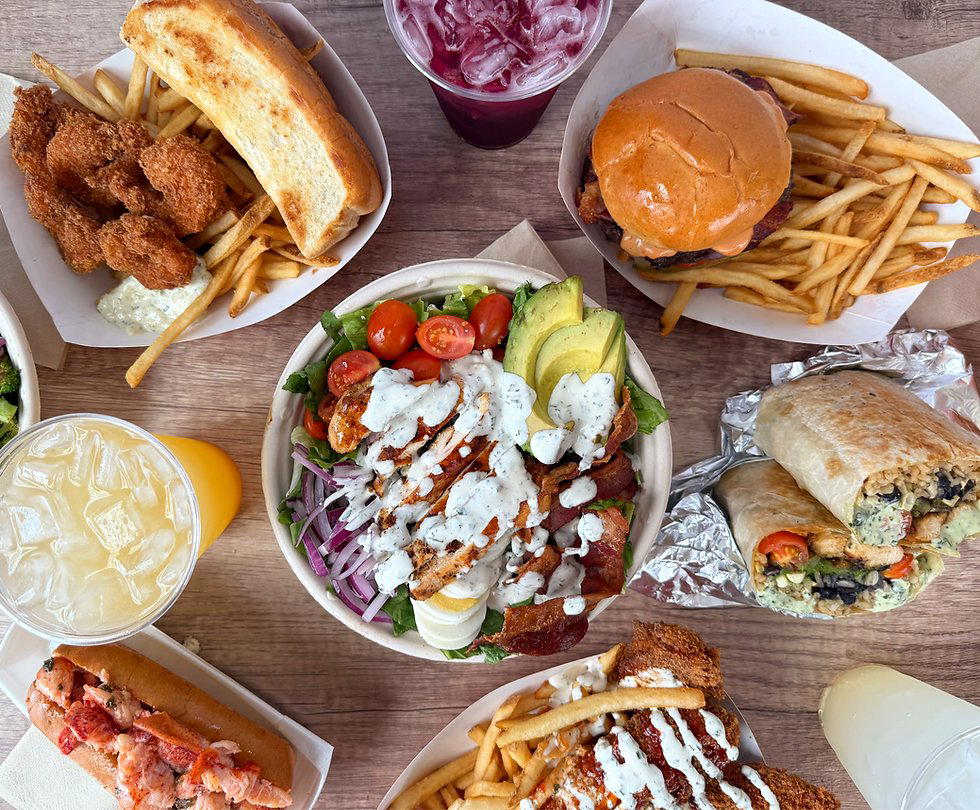
French Bistro Logic in a Boston Suburb
The suburbs north and west of Boston have, over the past decade, developed a more layered restaurant culture than the city-centric narrative usually allows. Arlington sits at an interesting inflection point in that shift: dense enough to sustain ambition, small enough that a French-influenced bistro reads as a considered decision rather than a safe bet. Angie occupies that position, bringing European bistro discipline to a dining corridor where the dominant registers run toward casual Italian, Vietnamese, and barbecue. For context on how varied that corridor is, Arlington's broader restaurant mix includes everything from Pupatella Neopolitan Pizza and A Modo Mio Pizzeria Napoletana on the Italian end to Pho 75 on the Vietnamese end and Smoke'N Ash BBQ anchoring the American barbecue register. Against that backdrop, a French-influenced European bistro is not playing to the room's existing preferences. That's a deliberate positioning.
What French-Influenced Means at This Level
The phrase "French-influenced European bistro" carries a specific set of implied commitments. In the American suburban context, it typically signals classical technique applied to seasonal ingredients, a wine list built around European appellations rather than domestic producers, and a format that prioritizes composed plates over sharing-first menus. It also implies a particular relationship to provenance: French culinary tradition, more than almost any other, is built around the idea that geography determines flavor. The terroir principle that defines French wine has a direct equivalent in French cooking, where the origin of a butter, a cheese, or a cut of meat is treated as load-bearing information rather than optional context.
At the level of Le Bernardin in New York City or Alain Ducasse at Louis XV in Monte Carlo, that commitment to provenance becomes a structuring principle for the entire menu. Bistro formats operate at a different register, but the underlying logic holds: the sourcing matters, and a kitchen that takes French influence seriously is making claims about where its ingredients come from.
Provenance and the Bistro Format
The European bistro model arrived in American cities through a fairly consistent template: zinc-topped bars, chalked-board specials, a menu that rotates with what's available rather than what's been locked into a laminated card. The format thrives on relationships with suppliers because the menu's credibility depends on the quality of what comes through the door each week. New England is unusually well-positioned to support this kind of cooking. The region has a functioning local food economy that includes serious dairy, shellfish, and produce supply chains, and Boston's restaurant culture has developed enough supplier infrastructure that suburban restaurants at a certain ambition level can access the same provenance-conscious sourcing networks as city kitchens.
That regional context matters when thinking about what Angie can reasonably claim. A French-influenced bistro in Arlington isn't operating in isolation from the broader New England food system; it's drawing on the same networks that supply kitchens across greater Boston. Comparisons to destination-format restaurants like The French Laundry in Napa or Single Thread Farm in Healdsburg are structural rather than equivalence claims: those properties built entire supply chains around their menus, but the underlying commitment to knowing where ingredients come from operates at every price point where French technique is taken seriously.
Where Angie Sits in Arlington's Dining Picture
Arlington's dining mix rewards restaurants that occupy specific, well-defined positions rather than trying to cover broad ground. The town's more established operators, including Bayou Bakery, Coffee Bar and Eatery, have built loyal followings by being clearly legible: you know what you're getting and why it matters. A European bistro with French-influenced cooking fits that pattern. The format signals intent precisely enough that the right audience finds it, and Arlington's proximity to Cambridge and Somerville means the restaurant draws from a pool of diners already comfortable with technique-forward, provenance-conscious cooking.
In a town this size, a restaurant with this orientation doesn't need to win a broad audience. It needs to hold a specific one. The French bistro model has historically proven durable in exactly these conditions: mid-size cities and inner suburbs where a critical mass of diners want serious cooking in a format that doesn't require a reservation three months out or a bill that looks like fine dining. Restaurants like Lazy Bear in San Francisco and Alinea in Chicago operate at the far end of the ambition spectrum; Angie's frame of reference is something closer to the neighborhood bistro that earned its regulars through consistency and sourcing discipline rather than through spectacle or awards accumulation. For our full Arlington restaurants guide, Arlington hotels, Arlington bars, Arlington wineries, and Arlington experiences, EP Club maintains separate guides for each category.
Planning Your Visit
Arlington is accessible from Cambridge and Boston by public transit, which makes an evening visit achievable without a car. For a French-influenced bistro at this level, the practical rhythm typically favors midweek visits when the kitchen is less pressured and the room more conversational. Arriving at the start of service, rather than mid-seating, generally yields better pacing in bistro formats. If you're building a broader Arlington evening, the town's compact footprint means dinner can be combined with a walk through the Massachusetts Avenue corridor before or after the meal.
Frequently asked questions
How hard is it to get a table at Angie?
French-influenced bistros operating at a defined, chef-focused register in Boston's suburbs tend to run at high occupancy on weekends, with weeknight availability more open. Booking ahead rather than walking in is the standard approach for restaurants in this category in the Arlington and Cambridge corridor.
What's the standout thing about Angie?
The cuisine type is the clearest differentiator: French-influenced European bistro cooking occupies a specific and relatively uncommon position in Arlington's restaurant mix. Most suburban Boston towns trend toward either casual American or broader global formats, making a French-rooted bistro with committed European technique a distinct presence in the local dining picture.
Fast Comparison
| Venue | Cuisine | Price | Awards | Notes |
|---|---|---|---|---|
| AngieThis venue (the venue you are viewing) | French-influenced / European bistro | Not listed | Not listed | Not listed |
| Bayou Bakery, Coffee Bar and Eatery | New Orleans-Inspired Bakery Cafe | Not listed | Not listed | Sandwiches |
| Pho 75 | Traditional Vietnamese Pho | $10–20 | Not listed | Vietnamese |
| Pupatella Neopolitan Pizza | Authentic Neapolitan Pizza | $20–30 | Not listed | Pizzeria |
| Thai Square | Authentic Thai | $20–30 | Not listed | Thai |
| Smoke'N Ash BBQ | Tex-Ethiopian BBQ | $20–30 | Michelin Plate · James Beard Award Semi Finalist | Barbecue |
Angie
Featured Guides
Continue exploring