Sushi Tokyo
On Kings Highway in Brooklyn, Sushi Tokyo operates in a borough neighbourhood where sushi counters tend toward casual volume rather than deliberate pacing. The address alone signals a different register from Manhattan's omakase circuit, placing it closer to the everyday sushi tradition that predates the city's high-end counter boom. For visitors exploring Brooklyn's broader dining scene, it offers a useful data point on how the format travels across borough lines.
Pearl is the En Primeur Club membership app — saves, bookings, and concierge access live there. Same editors, same standards.
- Address
- 627 Kings Hwy, Brooklyn, NY 11223
- Phone
- +17184342444
- Website
- sushitokyo.com
- Directions
- Get directions
 Saves & bookings on Pearl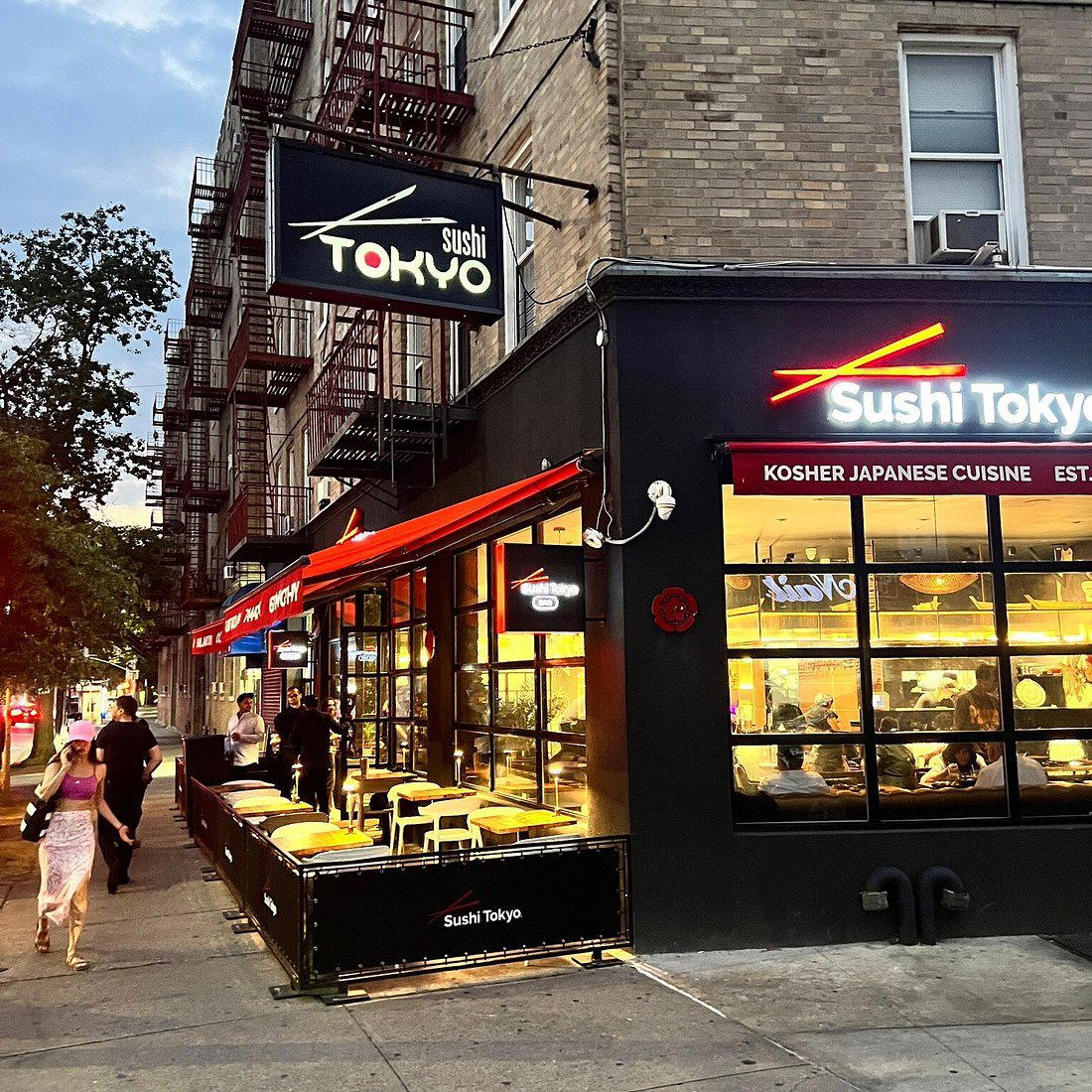
The Ritual Before the Rice: How Pacing Defines a Sushi Counter
Among the customs that separate a considered sushi sitting from a quick plate-and-go order, pacing is especially telling. The sequence matters: how long the kitchen holds between courses, whether the neta arrives at an appropriate temperature, whether the guest is expected to eat each piece immediately after it is placed or left to manage their own rhythm. These are not arbitrary conventions. They are the visible grammar of a tradition that, in its more disciplined forms, treats the counter as a controlled environment rather than a delivery mechanism. Sushi Tokyo is a casual kosher Japanese sushi restaurant at 627 Kings Hwy, Brooklyn, NY 11223.
New York City's sushi scene has bifurcated sharply over the past decade. On one side sits the high-commitment omakase counter, the format most associated with venues like Masa, where the chef-to-guest ratio is tight, the sequence is fixed, and the price per head operates in a bracket that filters the room before anyone arrives. On the other side is the accessible sushi restaurant, a format with deep roots in outer-borough New York, where à la carte ordering, wider menus, and walk-in availability define the experience. Sushi Tokyo's Kings Highway location situates it structurally in the latter category, whatever the quality of its fish on any given evening.
Brooklyn's Sushi Geography
The Kings Highway corridor in southern Brooklyn has a long-established identity as a neighbourhood dining strip rather than a destination restaurant zone. Sushi restaurants in this part of the borough typically serve local regulars rather than cross-borough visitors, and the competitive pressure runs against neighbouring Japanese, Chinese, and Middle Eastern options rather than against the Manhattan omakase tier occupied by venues such as Atomix or Jungsik New York, which compete in a wholly different register of ambition and price.
That geographic and competitive context matters when you are calibrating expectations. The outer-borough sushi restaurant format has produced genuinely sharp kitchens in New York over the years, but the signals you use to evaluate them differ from the ones relevant to Midtown or the West Village. Awards data, chef lineage, and booking scarcity function differently here. What tends to count more is consistency across the menu, quality of fish sourcing relative to neighbourhood price norms, and whether the kitchen respects the basic etiquette of the form, proper rice temperature, clean knife work, correct neta-to-shari ratio, even when the room is not built around that discipline.
The Etiquette of Eating at a Neighbourhood Counter
The dining ritual at a neighbourhood sushi house carries its own internal logic. Unlike the locked-sequence omakase format, where the chef's authority over pacing is absolute and the guest surrenders menu choice on arrival, the à la carte sushi sitting is a negotiation. The guest builds the meal, which demands a different kind of literacy. At its leading, this format rewards guests who know to start with lighter, cleaner fish before moving to richer cuts, who understand that miso soup is a closing gesture rather than an opener in the Japanese tradition, and who resist the impulse to order everything at once in a way that collapses the kitchen's ability to pace the meal properly.
These customs travel across all price tiers. They are as relevant at a Kings Highway counter as they are at the summit of the New York sushi circuit. The difference is that at venues like Masa, the format enforces the ritual on your behalf. At a neighbourhood restaurant, you provide the discipline yourself, or you don't, and the meal reflects that choice accordingly. Visitors accustomed to the controlled environment of high-commitment counters, or those familiar with the structured progression of experiences at places like Per Se or Le Bernardin, will notice the shift immediately.
Placing Sushi Tokyo in the Broader New York Context
New York's sushi offer is wide enough that it functions at nearly every price and formality tier simultaneously. The city has counters that price and sequence against Tokyo's leading omakase rooms, mid-range Japanese restaurants that draw on serious sourcing without the ceremony, and neighbourhood spots that treat sushi as a familiar format rather than a studied one. Understanding where a venue sits in that spectrum is the first interpretive task for any informed visitor.
The restaurant's Kings Highway address, absent awards data or documented chef credentials, positions it in the accessible neighbourhood tier. That is not a dismissal. Some of New York's most consistent fish sourcing has historically come through outer-borough restaurants operating without the overhead of destination dining rooms. But it does mean the signals you would use to evaluate Blue Hill at Stone Barns or The French Laundry do not apply here, and applying them would misread what this type of venue is built to do.
For a broader map of where New York's serious dining sits across all formats, our full New York City restaurants guide covers the range from high-commitment tasting menus to neighbourhood standbys. Comparable outer-tier serious dining in other American cities, including Emeril's in New Orleans, Lazy Bear in San Francisco, Alinea in Chicago, Providence in Los Angeles, Addison in San Diego, Bacchanalia in Atlanta, The Inn at Little Washington, and Single Thread Farm in Healdsburg, each operate with the kind of documented credentials that allow direct comparative assessment, a framework that is useful for calibrating what documented recognition actually signals in practice.
Planning Your Visit
The restaurant is recommended for reservations and has a casual dress code. Budget: Expect about $25 per person. Reservations are recommended.
Comparable Spots
Comparable venues nearby, for context on price, style, and recognition.
| Venue | Cuisine | Price | Notes |
|---|---|---|---|
| Sushi TokyoThis venue — the venue you are viewing | Kosher Japanese Sushi | $$ | Not listed |
| Zutto Nolita | Japanese Ramen Sushi Bar | $$ | SoHo-Little Italy-Hudson Square |
| Takahachi | Japanese Sushi | $$ | East Village |
| Dai Hachi | Traditional Japanese Sushi | $$ | Long Island City-Hunters Point |
| Hori | Authentic Japanese Izakaya | $$ | East Midtown-Turtle Bay |
| Umi | Japanese Sushi | $$ | Fresh Meadows |
Continue exploring
More in New York City
Restaurants in New York City
Browse all →
Bars in New York City
Browse all →
Hotels in New York City
Browse all →






At a Glance
- Lively
- Trendy
- Casual Hangout
- Late Night
- Open Kitchen
- Sake Program
Current opening hours
- Monday
- 11 AM–1 AM
- Tuesday
- 11 AM–1 AM
- Wednesday
- 11 AM–1 AM
- Thursday
- 11 AM–1 AM
- Friday
- 11 AM–4 PM
- Saturday
- 8 PM–2 AM
- Sunday
- 11 AM–1 AM
Hours can change for holidays and private events. Last verified .
Lively atmosphere with great service and a lively vibe suitable for casual dining.