Zutto Nolita
On Broome Street in Nolita, Zutto sits at the intersection where Japanese precision meets New York's restless appetite for local sourcing. The address places it squarely in one of Manhattan's most food-literate neighbourhoods, where the competition for attention is fierce and the bar for craft is set by decades of serious dining culture. A focused, technique-driven operation worth knowing.
Pearl is the En Primeur Club membership app — saves, bookings, and concierge access live there. Same editors, same standards.
- Address
- 384 Broome St, New York, NY 10013
- Phone
- +12122070099
- Website
- zuttonyc.com
- Directions
- Get directions
 Saves & bookings on Pearl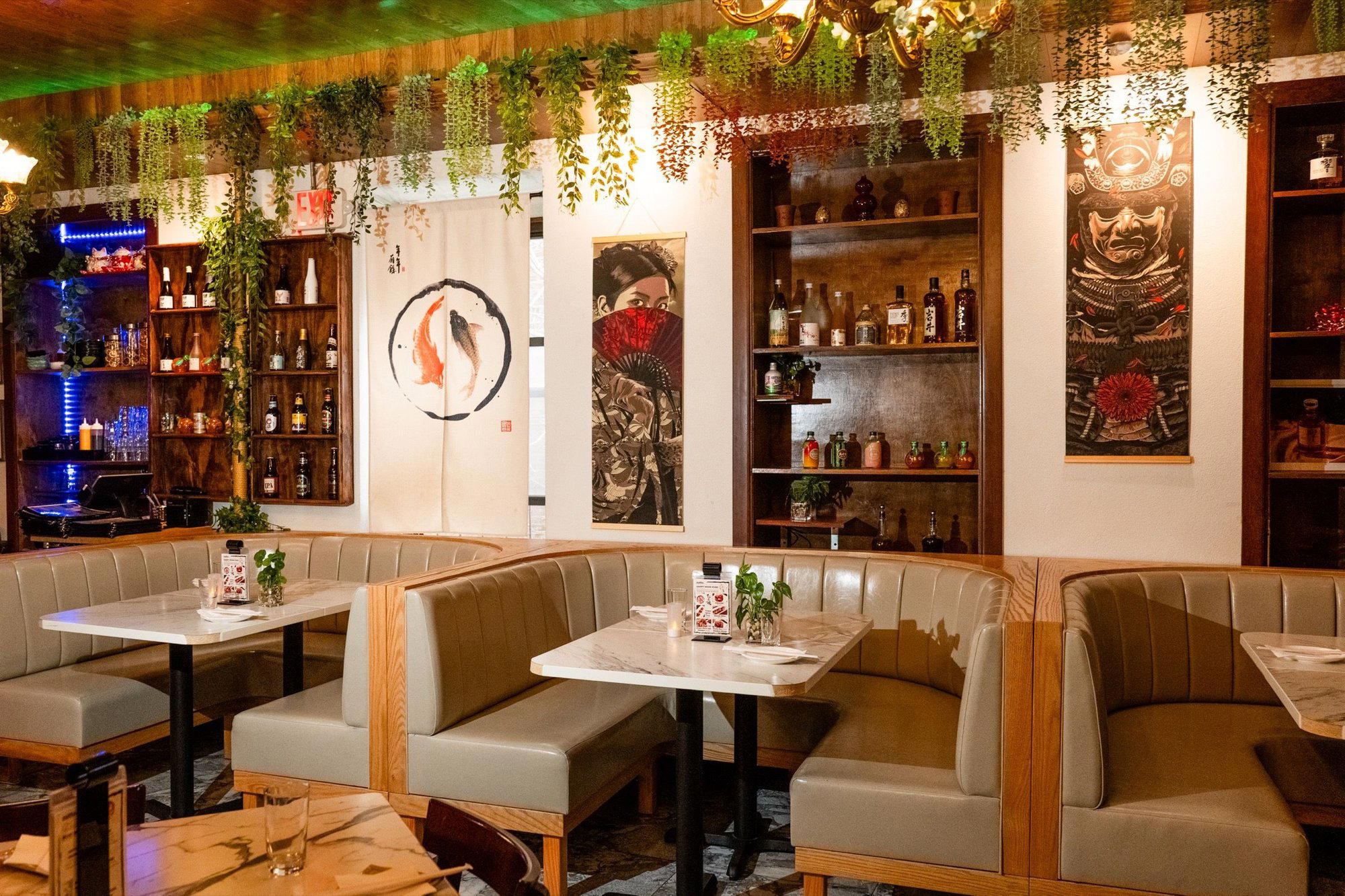
Why Nolita Keeps Producing This Kind of Place
If there is one neighbourhood in Manhattan where a restaurant built around serious technique and local-market sourcing makes instinctive sense, it is Nolita. The blocks around Broome Street have, for the better part of two decades, attracted operators who are less interested in volume and more interested in doing one thing with precision. The result is a dining corridor that reads differently from the Midtown flagships at Le Bernardin or Per Se, less formal, more technically exacting in the ways that go unannounced. Zutto Nolita, at 384 Broome Street, belongs to this tradition.
The neighbourhood context matters here because it shapes the competitive set. Nolita's diners arrive with calibrated expectations: they are not looking for spectacle, and they tend to notice when a kitchen is coasting. That pressure produces sharper restaurants, and it helps explain why a place with Japanese inflection lands here rather than in a more forgiving zip code.
The Intersection of Japanese Method and New York Produce
Across American cities, the conversation around Japanese cooking has evolved considerably. The early wave of sushi-only formats and teriyaki menus has given way to a far more sophisticated engagement with Japanese technique, one that treats the method as a lens rather than a costume. In New York, this shift is visible at the high end: Masa operates at the stratospheric counter-omakase tier, while Atomix and Jungsik New York demonstrate how East Asian culinary frameworks can absorb and transform Western fine dining conventions. Zutto sits in a different register, neighbourhood-scaled rather than destination-formated, but it draws from the same intellectual current.
The editorial angle that defines this tier of New York dining is the pairing of imported method with indigenous product. Japanese knife work and fermentation sensibility applied to Hudson Valley produce, Northeast Atlantic fish, and upstate dairy is not a novelty move here; it has become something closer to a house style for a generation of New York kitchens. What separates the better operators from the trend-followers is the degree to which the technique serves the ingredient rather than the other way around. Comparable conversations are happening at restaurants like Blue Hill at Stone Barns in Tarrytown, where the sourcing framework is primary, or at Single Thread Farm in Healdsburg, where Japanese kaiseki structure organises a deeply local California pantry. Zutto operates on a smaller, more accessible scale, but the underlying logic is the same.
Setting and Format
Broome Street in Nolita is a working residential block with enough foot traffic to sustain a neighbourhood restaurant and enough residential character to keep the atmosphere grounded. The Nolita grid runs tight, there is no sprawl here, no large-format dining rooms, which means most operators design for a specific experience rather than maximum covers. That physical constraint tends to favour intimacy and focus, two qualities that reward the kind of cooking that benefits from proximity between kitchen and table.
Formats of this type, where the room is modest and the cooking is the centrepiece, have performed consistently well across American cities. Lazy Bear in San Francisco built its reputation on an intimate communal format before earning significant critical recognition. Alinea in Chicago long demonstrated that a focused, technically precise format could hold attention for years without needing to expand. The discipline of small-scale operation, done well, tends to age better than the alternative.
Where Zutto Sits in the New York Dining Map
New York's restaurant tiers have sharpened since the post-pandemic reopening. At the summit, a handful of multi-Michelin-starred rooms set pricing and prestige benchmarks that most diners engage with only occasionally. Below that tier, a wider and more interesting mid-market of technically serious neighbourhood restaurants has emerged, places where the cooking reflects genuine craft without requiring the full ceremony of a destination-dining occasion. Zutto occupies this second tier at a Nolita address, which carries its own credibility signal for food-literate visitors.
For comparison, the upper-tier Midtown and Upper West Side operators, Per Se, Le Bernardin, function as event restaurants, planned weeks or months in advance, with dress codes and tasting formats that structure the entire evening. Nolita's better restaurants function differently: they reward regulars, respond to seasons faster, and tend to operate with a lighter hand on the formality dial. That is a structural difference, not a quality gap. Particularly precise cooking in any American city happens in rooms that seat under forty people without a Michelin star in the window.
Other cities offer instructive parallels. Providence in Los Angeles has held serious seafood credentials for years at a similar neighbourhood scale. Addison in San Diego shows how precise European technique translates into a California context. Bacchanalia in Atlanta built a loyal following on local sourcing long before farm-to-table became a marketing phrase. The throughline across all of them is technique applied with discipline to a specific regional pantry, which is precisely the frame through which Zutto reads most clearly.
Planning Your Visit
Zutto Nolita is located at 384 Broome Street, reachable from the Spring Street or Bowery subway stations within a short walk. Nolita's dining scene runs dense in a small footprint, which makes the neighbourhood worth an evening rather than a single reservation. The restaurant is recommended for reservations and the price per person is about $25. Those planning a wider American dining itinerary might also consider Emeril's in New Orleans, The French Laundry in Napa, The Inn at Little Washington, or, for international reference points on technique-driven dining, 8½ Otto e Mezzo Bombana in Hong Kong and Alain Ducasse at Louis XV in Monte Carlo.
Budget and Context
Comparable venues nearby, for context on price, style, and recognition.
| Venue | Cuisine | Price | Notes |
|---|---|---|---|
| Zutto NolitaThis venue — the venue you are viewing | Not listed | $$ | Not listed |
| Katsuhama | Not listed | $$ | Midtown-Times Square, Authentic Japanese Tonkatsu |
| Sushi Yasaka | Not listed | $$ | Upper West Side-Lincoln Square, Traditional Japanese Sushi |
| Tomoe | Greenwich Village, Traditional Sushi | $$ | Not listed |
| Sushi Tokyo | Not listed | $$ | Gravesend (East)-Homecrest, Kosher Japanese Sushi |
| Ramen Setagaya | East Village, Traditional Japanese Ramen | $$ | Not listed |
Continue exploring
More in New York City
Restaurants in New York City
Browse all →
Bars in New York City
Browse all →
Hotels in New York City
Browse all →





At a Glance
- Cozy
- Trendy
- Lively
- Casual Hangout
- Date Night
- After Work
- Open Kitchen
- Craft Cocktails
- Sake Program
Current opening hours
- Monday
- 12–10 PM
- Tuesday
- 12–10 PM
- Wednesday
- 12–10 PM
- Thursday
- 12–10 PM
- Friday
- 12–11 PM
- Saturday
- 12–11 PM
- Sunday
- 12–10 PM
Hours can change for holidays and private events. Last verified .
Lively and cozy atmosphere with a neighborhood pub feel.