Takahachi
Takahachi on Avenue A has anchored the East Village's Japanese dining scene for decades, offering a menu that spans sushi, cooked preparations, and izakaya-style small plates within a neighbourhood that has cycled through many restaurant trends without dislodging its regulars. For visitors mapping New York City's Japanese options across price tiers, it occupies a reliable middle register between the $300-plus omakase counters of Midtown and the fast-casual roll shops found throughout lower Manhattan.
Pearl is the En Primeur Club membership app — saves, bookings, and concierge access live there. Same editors, same standards.
- Address
- 85 Avenue A, New York, NY 10009
- Phone
- +1 212 505 6524
- Website
- takahachieastvillage.net
- Directions
- Get directions
 Saves & bookings on Pearl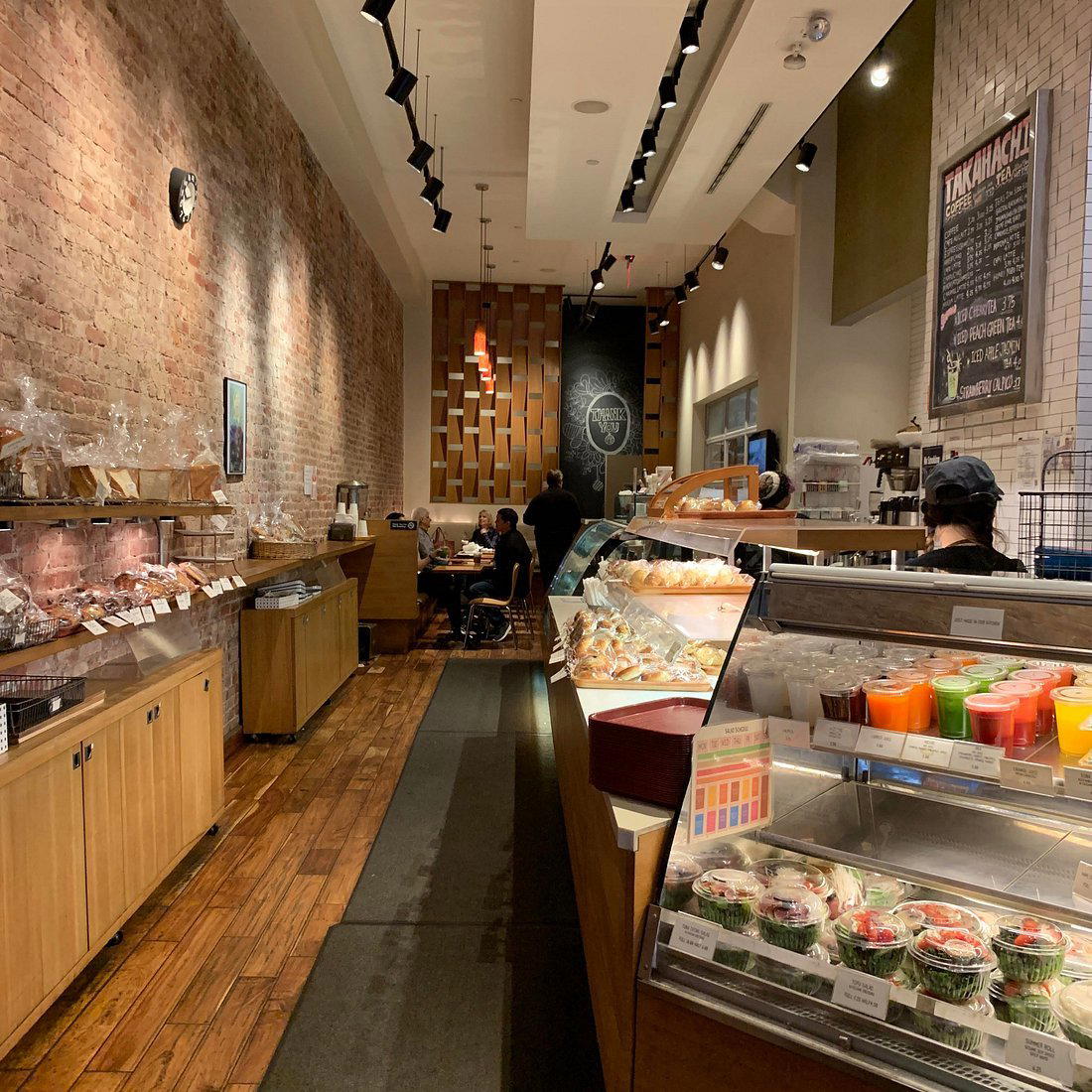
Avenue A and the East Village Japanese Dining Tier
Takahachi is a Japanese sushi restaurant at 85 Avenue A in the East Village, New York, with a casual dress code and a price point around $25 per person. New York's Japanese restaurant market splits cleanly into several tiers. At the leading sit counter-only omakase rooms: Masa in the Time Warner Center charges among the highest per-person minimums in the country, while the high-end counters clustered in Midtown and the Upper East Side price against each other rather than against the broader market. Below that tier, a wide band of neighbourhood Japanese restaurants operates on a different logic entirely: broader menus, walk-in accessibility, and pricing that reflects zip code as much as kitchen ambition. Takahachi, at 85 Avenue A in the East Village, has occupied that middle register for long enough that it predates most of the neighbourhood's current restaurant generation.
The East Village has functioned as one of Manhattan's more permeable dining corridors since at least the 1980s, absorbing waves of Japanese, Ukrainian, Indian, and later more self-consciously chef-driven American cooking. Japanese restaurants took hold early and held on; the neighbourhood's combination of a dense residential population, relatively lower rents compared to the West Village or Flatiron, and proximity to the East Village's own cultural anchors made it hospitable to the kind of mid-market Japanese operation that depends on repeat local custom rather than destination traffic. Takahachi belongs to that tradition.
How the Menu Is Structured, and What It Signals
The editorial angle that matters most when assessing a neighbourhood Japanese restaurant is menu architecture. A kitchen that attempts to do everything, sushi, sashimi, cooked appetisers, noodles, teriyaki, donburi, is making a different argument than one that narrows its scope. The former bets on breadth to serve a neighbourhood's variable moods and group compositions; the latter bets on depth and usually signals culinary ambition that prices accordingly.
Takahachi's menu, consistent with its Avenue A positioning, leans toward breadth. This is not a criticism. An izakaya-influenced structure that moves from cold appetisers through sashimi to maki rolls to cooked preparations serves a particular dining occasion well: the mid-week dinner with no reservation, the group that includes one person who does not eat raw fish, the solo diner who wants several small plates rather than a composed tasting sequence. The menu architecture here is a service decision as much as a culinary one, and it reflects the East Village's demand patterns rather than a chef's desire for editorial control over the meal.
That structural choice places Takahachi in a different competitive conversation than the rooms that EP Club covers at the high end of the New York Japanese market. Atomix in Midtown South offers a tightly sequenced modern Korean tasting format at $$$$ pricing, and Eleven Madison Park on Madison Avenue runs a long plant-based tasting menu with similar structural discipline. These are destinations built around a fixed narrative arc. Takahachi operates closer to the European brasserie model: a list you read, a meal you compose, a kitchen that holds reasonable competence across a wide range of preparations.
For New York visitors building a broader dining itinerary, this distinction matters. The $$$$ tier, represented locally by Le Bernardin, Per Se, and the Midtown Japanese counters, demands advance booking, formal commitment, and significant spend per head. A neighbourhood restaurant like Takahachi fills a different slot: the evening that does not require a three-month lead time or a dress code conversation.
The East Village Context for Visitors
Avenue A sits along the western edge of Alphabet City, a stretch of the East Village that runs from Houston Street north toward 14th. The neighbourhood's dining density is high relative to its tourist profile; most visitors who find themselves on Avenue A are either staying nearby, attending a show at one of the smaller music venues in the area, or following a local's recommendation rather than a guideline's leading ten. This self-selection produces a dining room demographic that skews residential and repeat rather than celebratory and first-time.
That dynamic matters for how to use Takahachi. It is not the address you book when you have one dinner in New York and want the meal to carry narrative weight. It is the address that works when you are in the city for several days, you have already allocated one evening to a high-commitment room, and you want reliable Japanese food within walking distance of the East Village's bars and music venues. Think of it as the kind of place that New York's full dining ecosystem requires: not every meal is an occasion, and the restaurants that understand that tend to survive longer than the ones that are.
For comparison, neighbourhood-anchored restaurants in other American cities that operate on a similar logic include Smyth in Chicago at the ambitious end, and more casual analogs across the country that prioritise community function over destination status. Internationally, the model has parallels in the kind of local Japanese restaurants that fill residential blocks in cities like mid-tier European dining towns.
Planning a Visit
Takahachi is located at 85 Avenue A, accessible by subway via the L train at First Avenue or the F and M trains at Second Avenue, both a short walk from the restaurant. The Avenue A address places it in a block with other long-running neighbourhood restaurants, and the area is most active from early evening through late night, consistent with the East Village's character as a neighbourhood that eats late. Walk-in availability is the primary access mode. The restaurant's longevity in a neighbourhood with high turnover is itself a signal of baseline consistency.
Visitors building a broader New York itinerary can find additional reference points across the city's Japanese tier, from the Masa counter at the leading end, through Midtown's notable rooms, down to neighbourhood operations like Takahachi.
Peers You’d Cross-Shop
Comparable venues nearby, for context on price, style, and recognition.
| Venue | Cuisine | Price | Notes |
|---|---|---|---|
| TakahachiThis venue — the venue you are viewing | Japanese Sushi | $$ | Not listed |
| Uminoie | Homestyle Japanese Izakaya | $$ | East Village |
| Suzume | Japanese Fusion Izakaya | $$ | Williamsburg |
| Dai Hachi | Traditional Japanese Sushi | $$ | Long Island City-Hunters Point |
| Umi | Japanese Sushi | $$ | Fresh Meadows |
| Asuka Sushi | Japanese Sushi | $$ | Chelsea-Hudson Yards |
Continue exploring
More in New York City
Restaurants in New York City
Browse all →
Bars in New York City
Browse all →
Hotels in New York City
Browse all →





At a Glance
- Lively
- Cozy
- Trendy
- Casual Hangout
- Group Dining
- Date Night
- Open Kitchen
- Sake Program
Current opening hours
- Monday
- 4:30–10:30 PM
- Tuesday
- 4:30–10:30 PM
- Wednesday
- 4:30–10:30 PM
- Thursday
- 4:30–10:30 PM
- Friday
- 4:30–11 PM
- Saturday
- 4:30–11 PM
- Sunday
- 4:30–10:30 PM
Hours can change for holidays and private events. Last verified .