Sushi Taku
Sushi Taku brings omakase-style Japanese dining to Wicker Park, a neighbourhood better known for its bar scene and casual eats than its raw fish counters. The address on West Division Street places it at an intriguing remove from Chicago's downtown fine-dining corridor, making it one of the more geographically independent sushi operations in the city.
Pearl is the En Primeur Club membership app — saves, bookings, and concierge access live there. Same editors, same standards.
- Address
- 1904 W Division St, Chicago, IL 60622
- Phone
- +17732528258
- Website
- sushitaku.com
- Directions
- Get directions
 Saves & bookings on Pearl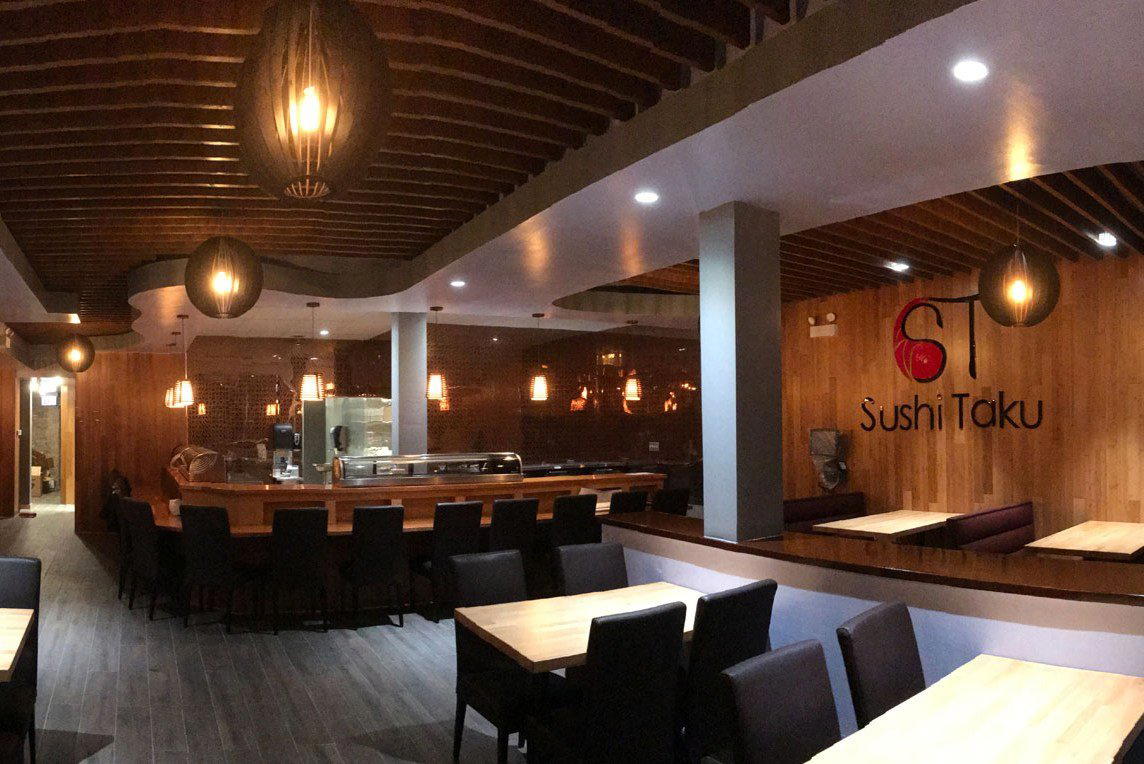
Wicker Park and the Case for Sushi Outside the Loop
Chicago's most decorated restaurants cluster predictably. Alinea, Smyth, and Oriole all occupy the city's established fine-dining corridors, where the logic of proximity to hotel rooms and corporate expense accounts tends to drive real estate decisions. Sushi Taku is an all-you-can-eat Japanese sushi restaurant in Chicago's Wicker Park, at a casual, walk-in-friendly price point of about $25 per person. Sushi Taku sits at 1904 W Division Street in Wicker Park, well outside that geography. The neighbourhood draws its energy from independent retail, late-night bars, and a dining culture that leans more neighbourhood institution than destination restaurant. Placing a serious sushi operation here is a deliberate departure from the standard Chicago premium playbook.
That separation from the downtown cluster is, depending on your perspective, either a friction point or an argument in favour of the restaurant. For residents of Wicker Park, Logan Square, or Ukrainian Village, it removes the Loop commute entirely. For visitors staying in the River North corridor, it adds a twenty-minute cab ride. What it also does, in a city where Kasama and Next Restaurant have demonstrated that destination dining can succeed beyond the centre, is keep costs structurally lower than a prime Streeterville address would allow.
The Lunch and Dinner Divide at a Neighbourhood Sushi Counter
The gap between lunch and dinner service at a serious sushi counter is rarely just a matter of lighting. Across Japanese-influenced restaurants in American cities, daytime service tends to operate on abbreviated formats: shorter omakase runs, à la carte access to cuts that would otherwise appear mid-sequence in an evening progression, and a price ceiling that reflects the midday market rather than the captive dinner crowd. Dinner, by contrast, is where the kitchen has room to pace properly, where the counter dynamic between chef and guest can breathe across fifteen or twenty courses, and where the full range of aged or premium fish can be deployed without interrupting a service rhythm.
At Sushi Taku, the Division Street address suggests a neighbourhood rhythm that may soften this divide. Wicker Park lunches tend to draw locals rather than expense-account traffic, which creates a different atmosphere at the counter than you would find at a downtown property with a rotating cast of out-of-town guests. Evening service in this kind of neighbourhood setting often feels more self-contained, less performative, with regulars who have built relationships with the room over multiple visits. That dynamic is common across neighbourhood sushi operations in cities like New York and Los Angeles, where particularly technically serious counters are sometimes found several blocks from the obvious dining addresses.
For value comparison, lunch service at a counter of this type typically delivers sixty to eighty percent of the evening's technical range at a meaningfully lower price point. The fish sourcing tends to be identical because the kitchen is buying for the week rather than the service. What the lunch format compresses is time and sequence, not quality. If your priority is the ingredient itself rather than the full theatrical arc of a long omakase, the daytime option frequently represents the stronger entry point.
Where Sushi Taku Sits in Chicago's Raw Fish Tier
Chicago's sushi offer has expanded considerably over the past decade. The city now supports multiple omakase counters competing in different price brackets, from entry-level fixed menus in the $60-80 range to high-commitment seatings that approach the pricing of comparable New York operations. That range parallels what has happened in other major American markets: as sourcing networks for premium Japanese fish have matured and direct import relationships have become more accessible, the gap between what a Chicago counter can source and what a Manhattan counter can source has narrowed substantially.
Nationally, the upper tier of Japanese-influenced fine dining includes operations like Le Bernardin in New York City, which approaches Japanese technique through a French lens, and counters in cities from San Francisco to Los Angeles where the omakase format has been adopted and adapted with increasing sophistication. Chicago belongs in that national conversation, even if its sushi scene receives less coverage than its progressive American tasting menu operations. The city's Japanese counter culture is less visible internationally than, say, Napa's French Laundry or Blue Hill at Stone Barns in Tarrytown, but it serves a serious and growing local audience.
The restaurant sits below the ceiling of the Chicago omakase market. Counters that have attracted Michelin attention or consistent national press in the Chicago Japanese dining space tend to operate downtown or in the Gold Coast. A Wicker Park address with limited public-record coverage suggests a restaurant still building its critical profile, or one deliberately operating outside the recognition circuit.
What to Know Before You Go
The address at 1904 W Division Street is accessible via the CTA Blue Line, with Damen station a short walk east. Wicker Park parking is manageable by Chicago standards outside of weekend evening surges. The Division Street corridor is active at night, so the walk from transit to the restaurant passes through a lively street scene rather than a dead commercial block.
Given the absence of confirmed booking data in the public record, planning ahead by at least one to two weeks for weekend evening service is a reasonable default for any counter-format restaurant in this category. Lunch and early-week dinner slots at neighbourhood sushi operations in similar cities typically carry shorter lead times than Friday and Saturday evenings. Checking directly with the restaurant is the only reliable method for current availability, as counter-format seats are a finite resource regardless of the venue's public profile. For context on how Chicago's broader dining scene sequences across a visit, our full Chicago restaurants guide maps the city's options across cuisines and price points.
Comparable planning horizons apply at other serious American tasting-format operations: Addison in San Diego, Atomix in New York City, Single Thread Farm in Healdsburg, The Inn at Little Washington, Emeril's in New Orleans, Bacchanalia in Atlanta, and 8 1/2 Otto e Mezzo Bombana in Hong Kong all require advance planning that reflects the gap between available seats and demand at counter or tasting-format venues.
Quick reference: the restaurant, 1904 W Division St, Chicago IL 60622. Contact the restaurant directly for hours, booking, and current pricing.
Style and Standing
Comparable venues nearby, for context on price, style, and recognition.
| Venue | Cuisine | Price | Notes |
|---|---|---|---|
| Sushi TakuThis venue — the venue you are viewing | All-You-Can-Eat Japanese Sushi | $$ | Not listed |
| Chicago Kalbi BBQ | Japanese Yakiniku BBQ | $$ | Albany Park |
| Lucky Trendy Sushi | Fusion Sushi | $$ | Bucktown |
| Friends Sushi on Rush | Japanese Sushi | $$ | Near North Side |
| Akahoshi Ramen | Modern Sapporo-Style Ramen | $$ | Logan Square |
| Yuzu Sushi & Robata Grill | Japanese Sushi & Robatayaki | $$ | West Town |
At a Glance
- Cozy
- Lively
- Casual Hangout
- Group Dining
- Family
- Sake Program
- Sustainable Seafood
Current opening hours
- Monday
- 12–3:30 PM, 4:30–10 PM
- Tuesday
- 12–3:30 PM, 4:30–10 PM
- Wednesday
- 12–3:30 PM, 4:30–10 PM
- Thursday
- 12–3:30 PM, 4:30–10 PM
- Friday
- 12–3:30 PM, 4:30–10:30 PM
- Saturday
- 12–3:30 PM, 4:30–10:30 PM
- Sunday
- 12–3:30 PM, 4:30–10 PM
Hours can change for holidays and private events. Last verified .
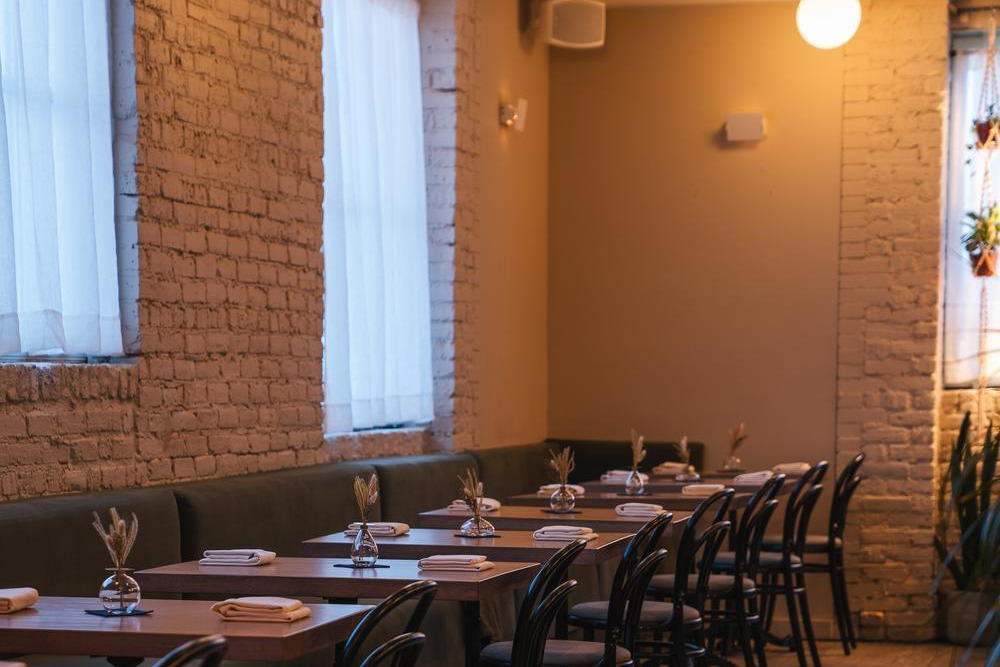
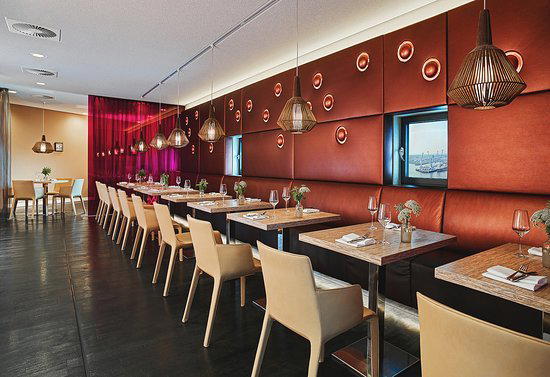
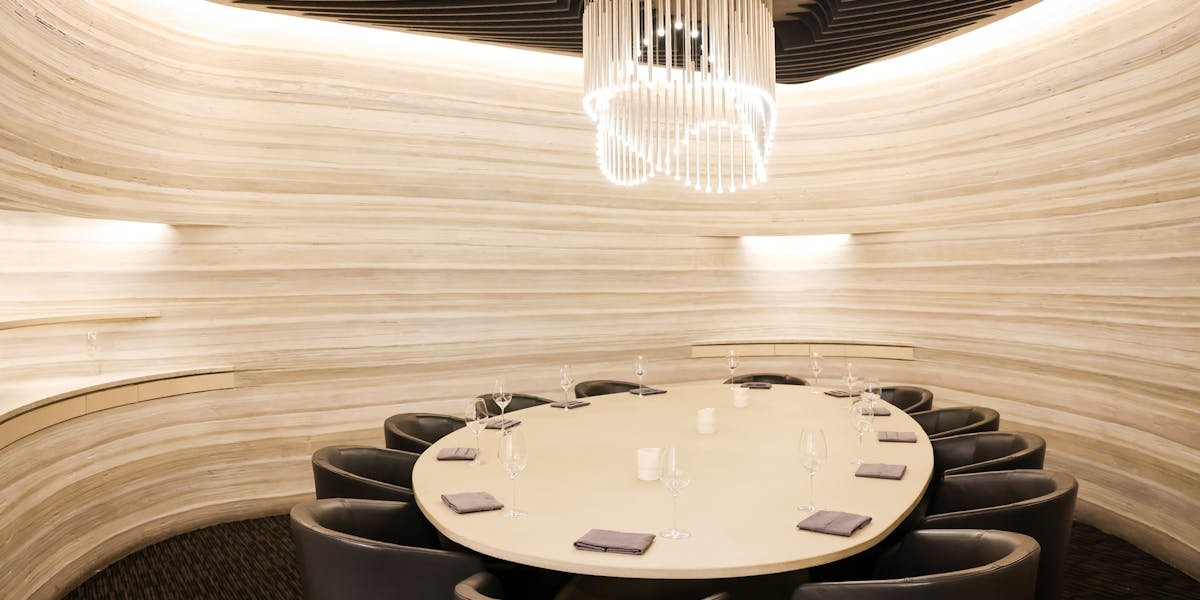
Cozy and inviting atmosphere suitable for casual dining.