Friends Sushi on Rush
On Rush Street, one of Chicago's most trafficked dining corridors, Friends Sushi occupies a position within the city's mid-to-premium Japanese tier. The address at 710 N Rush St places it squarely in the Gold Coast, where competition ranges from expense-account steakhouses to omakase counters chasing Michelin recognition. For sushi specifically, the question is always where sourcing begins.
Pearl is the En Primeur Club membership app — saves, bookings, and concierge access live there. Same editors, same standards.
- Address
- 710 N Rush St, Chicago, IL 60611
- Phone
- +13127878998
- Website
- friendssushi.com
- Directions
- Get directions
 Saves & bookings on Pearl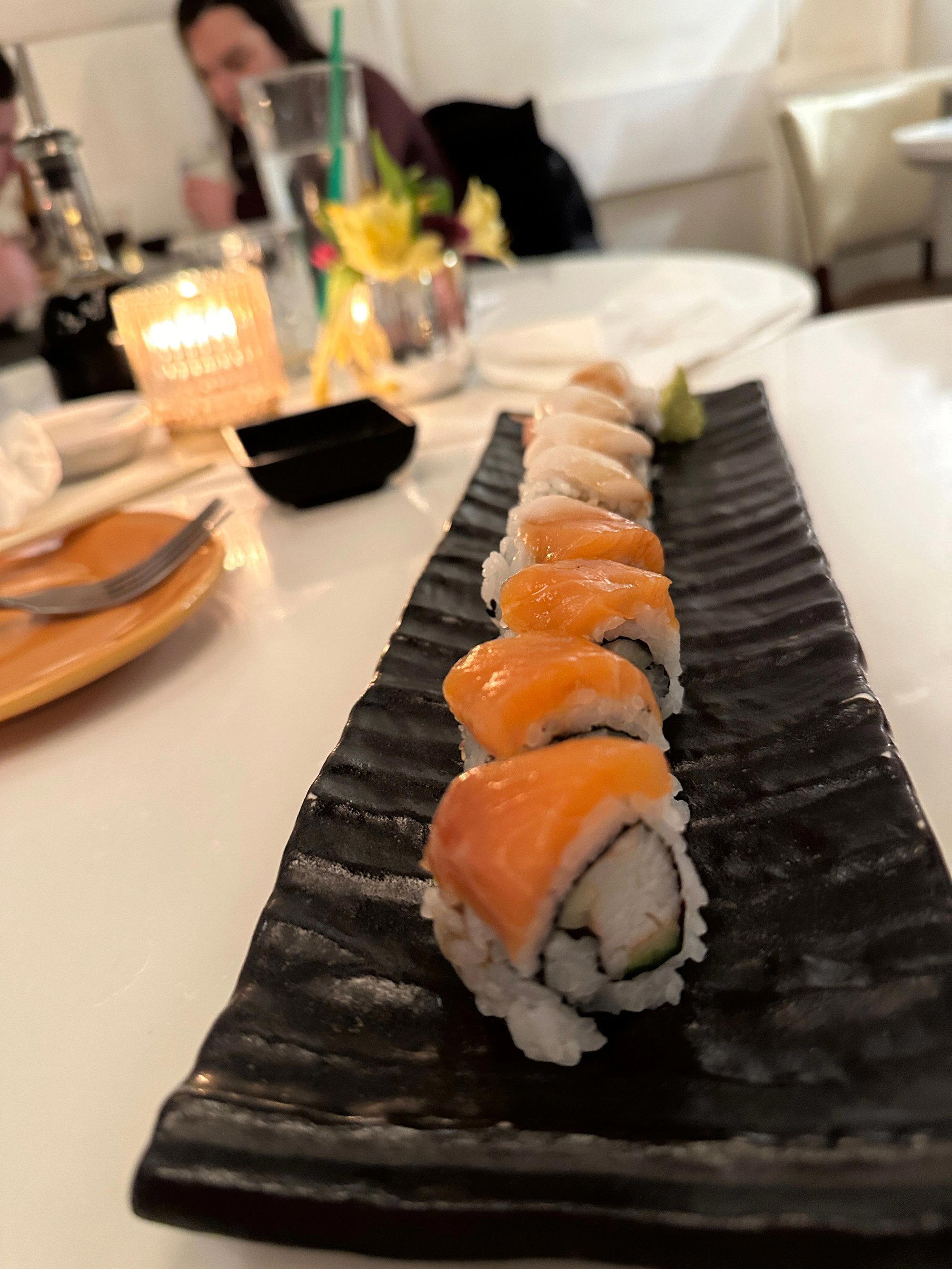
Rush Street and the Question of Where Fish Comes From
Chicago's Gold Coast dining strip runs a tight circuit of cuisines competing for the same after-work and weekend crowd. Rush Street, specifically the stretch north of Chicago Avenue, tilts heavily toward American and Italian formats, which makes the presence of a dedicated sushi address at 710 N Rush St more contextually interesting than it first appears. The neighbourhood does not have a concentrated Japanese dining identity the way the West Loop has staked its claim on tasting-menu formats, or Wicker Park has developed a craft-focused bar culture. A sushi restaurant here is making a bet on destination dining rather than neighbourhood traffic.
That geographical context matters when thinking about ingredient sourcing. Japanese restaurants in cities without a Pacific coast face a structural challenge: the fish supply chain is longer, and the leading cuts of tuna, yellowtail, and seasonal Japanese species require either direct relationships with importers in New York or Los Angeles, or access to the Tsukiji-legacy wholesalers who now operate through Toyosu. Chicago's premium sushi operations have, over the past decade, increasingly closed that gap by building direct sourcing lines. The result is that a well-run sushi address in Chicago can now offer product quality that would have been difficult to guarantee in this city fifteen years ago. The sourcing infrastructure, not the geography, is now the distinguishing variable.
What Ingredient Provenance Means at This Address
The editorial argument for ingredient-forward sushi is rooted in a specific philosophy: the chef's role is primarily one of selection and technique applied to raw material, not transformation. This places sushi closer to the wine world than to French haute cuisine, where the sourcing decision is the primary creative act. Restaurants like Single Thread Farm in Healdsburg and Blue Hill at Stone Barns in Tarrytown have made provenance transparency the architectural spine of their menus, and the same logic applies to serious sushi operations.
For Friends Sushi on Rush, the address on a high-traffic street in the Gold Coast suggests a volume-oriented operation rather than the allocation-model sourcing that defines Chicago's upper omakase tier. Chicago does have counters operating in that allocation bracket, where the fish program is built around advance orders from specific boats or farms rather than daily wholesale purchasing. That tier prices and books differently from what a Rush Street address typically supports. By contrast, operations at 710 N Rush St are more likely drawing from the same distributor network that supplies the broader Chicago Japanese restaurant market, which is a functional and respectable approach but a different one.
Chicago's Sushi Tier and Where This Fits
To understand where Friends Sushi on Rush sits in the city's hierarchy, it helps to map the full range. At the tasting-menu end, Chicago's most ambitious food programs, including Alinea, Smyth, and Oriole, operate on a different axis entirely, where sourcing is one element inside a larger creative framework. Kasama and Next Restaurant similarly fold ingredient provenance into a broader culinary argument. The sushi-specific tier in Chicago runs from accessible neighbourhood spots to allocation-model omakase counters.
Rush Street falls somewhere in the accessible-to-mid tier for Japanese dining, where the format is typically à la carte or prix-fixe rather than the strict omakase sequence. Nationally, the comparison set for this kind of operation would include mid-tier Japanese addresses in cities like Los Angeles and New York, rather than destination-driven operations like Le Bernardin in New York City or Providence in Los Angeles, both of which have built their seafood reputations on documented sourcing relationships. Atomix in New York City represents a different model again, where Korean culinary intelligence is applied to a similar premium-ingredient framework. The point is that ingredient sourcing is not a fixed standard across price tiers; it scales with the format and the investment model.
The Gold Coast Dining Context
Rush Street diners are not, on average, the same audience as the West Loop tasting-menu crowd. The Gold Coast draws hotel guests, post-theatre diners, and the kind of expense-account traffic that prefers recognisable formats over chef-driven experiments. This shapes what a sushi address here needs to do: deliver consistent quality on familiar reference points, sashimi, nigiri, rolls, without requiring the diner to navigate an omakase sequence or commit to a multi-hour format. That is a legitimate and well-attended segment of the market. It is also a segment where sourcing discipline is harder to maintain at volume, because the daily purchasing model leaves less room for the premium allocation relationships that define the upper tier.
For context on what sourcing discipline looks like when it is the explicit editorial proposition, operations like The French Laundry in Napa and Addison in San Diego have made supply-chain transparency a public-facing credential, not just a kitchen-side practice. Atelier Moessmer Norbert Niederkofler in Brunico takes the sourcing argument to its most local extreme, which is a useful reference point for understanding the full spectrum. Frasca Food and Wine in Boulder and Lazy Bear in San Francisco sit in the middle of that spectrum, where sourcing is a meaningful input without being the entire editorial identity of the restaurant. Emeril's in New Orleans represents a different tradition entirely, where regional Gulf sourcing is culturally embedded rather than philosophically imposed.
Planning Your Visit
Address: 710 N Rush St, Chicago, IL 60611. Neighbourhood: Gold Coast, within walking distance of the Magnificent Mile and the northern end of the Streeterville hotel corridor. Reservations are recommended. Budget: about $30 per person. Timing: Mon to Thu and Sun, 11:30 AM to 10 PM; Fri and Sat, 11:30 AM to 11 PM.
Just the Basics
Comparable venues nearby, for context on price, style, and recognition.
| Venue | Cuisine | Price | Notes |
|---|---|---|---|
| Friends Sushi on RushThis venue — the venue you are viewing | Near North Side, Japanese Sushi | $$ | Not listed |
| Kamehachi | Old Town, Traditional Japanese Sushi Bar | $$ | Not listed |
| RAMEN-SAN Deluxe | Not listed | $$ | Streeterville, Japanese Ramen & Sushi Rolls |
| Friends Ramen | Near North Side, Japanese Ramen Izakaya | $$ | Not listed |
| Chicago Kalbi BBQ | Albany Park, Japanese Yakiniku BBQ | $$ | Not listed |
| Sushi Hall | Lincoln Park, Modern Japanese Sushi | $$ | Not listed |
At a Glance
- Trendy
- Lively
- Date Night
- Casual Hangout
- Late Night
- Sake Program
Current opening hours
- Monday
- 11:30 AM–10 PM
- Tuesday
- 11:30 AM–10 PM
- Wednesday
- 11:30 AM–10 PM
- Thursday
- 11:30 AM–10 PM
- Friday
- 11:30 AM–11 PM
- Saturday
- 11:30 AM–11 PM
- Sunday
- 11:30 AM–10 PM
Hours can change for holidays and private events. Last verified .
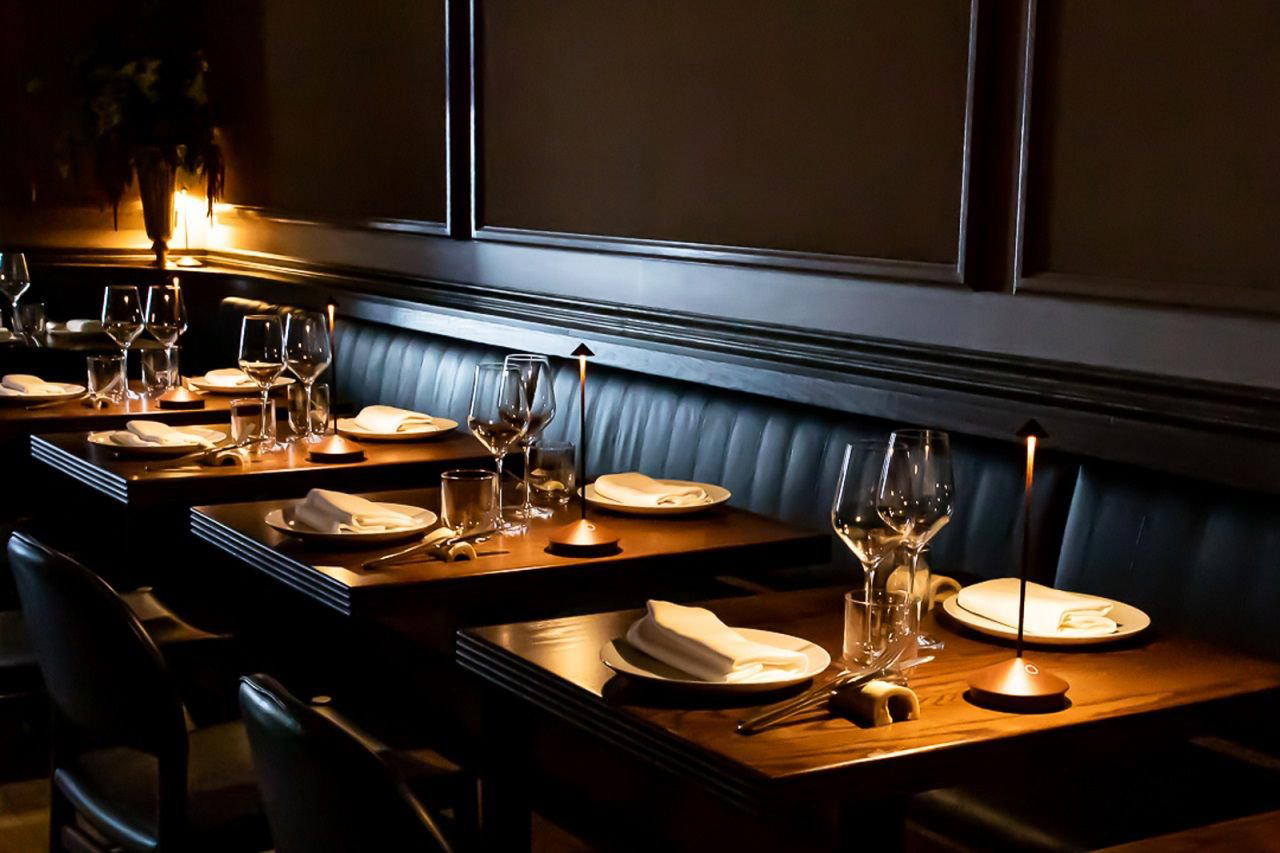
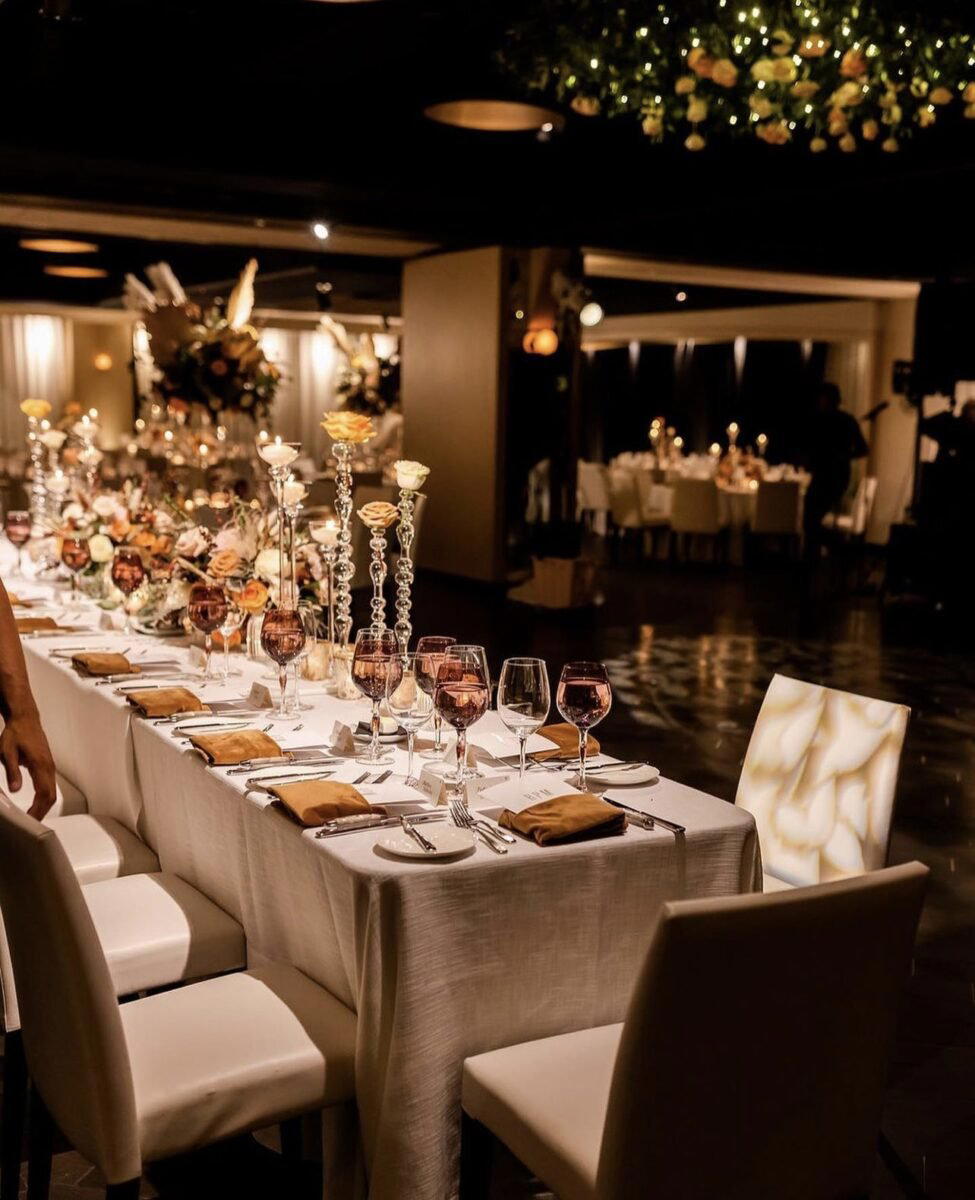
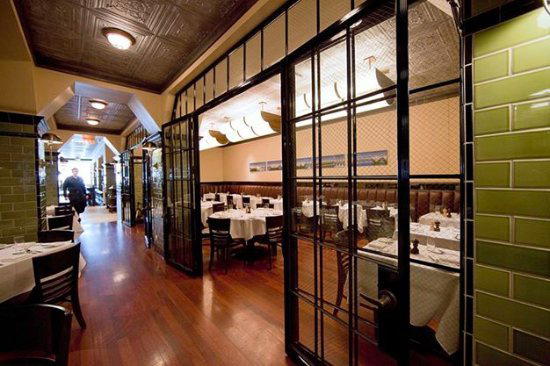
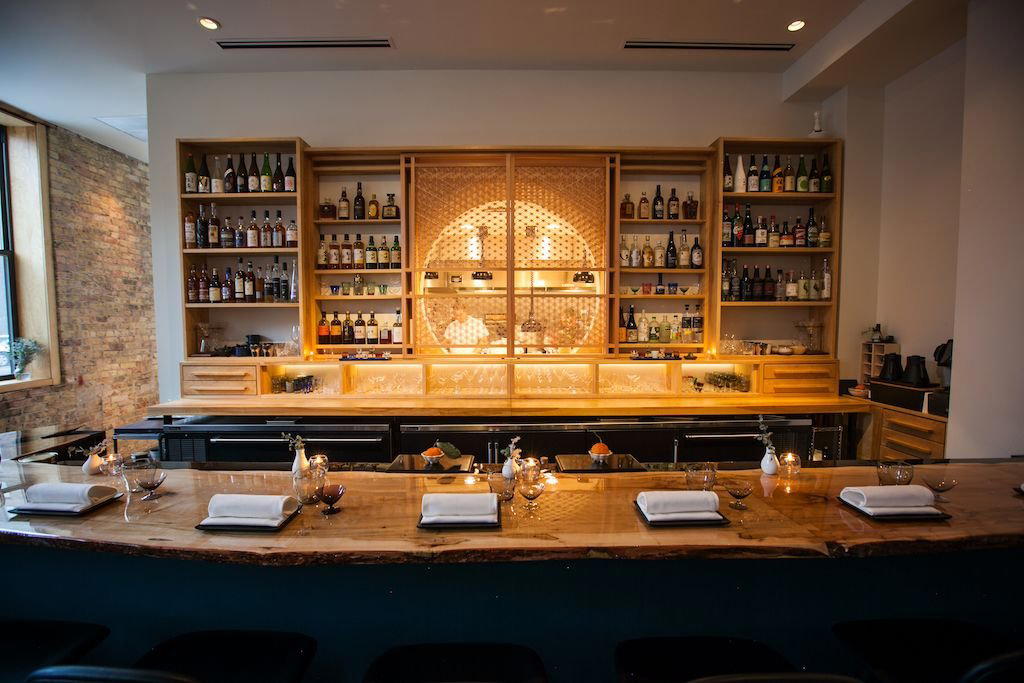
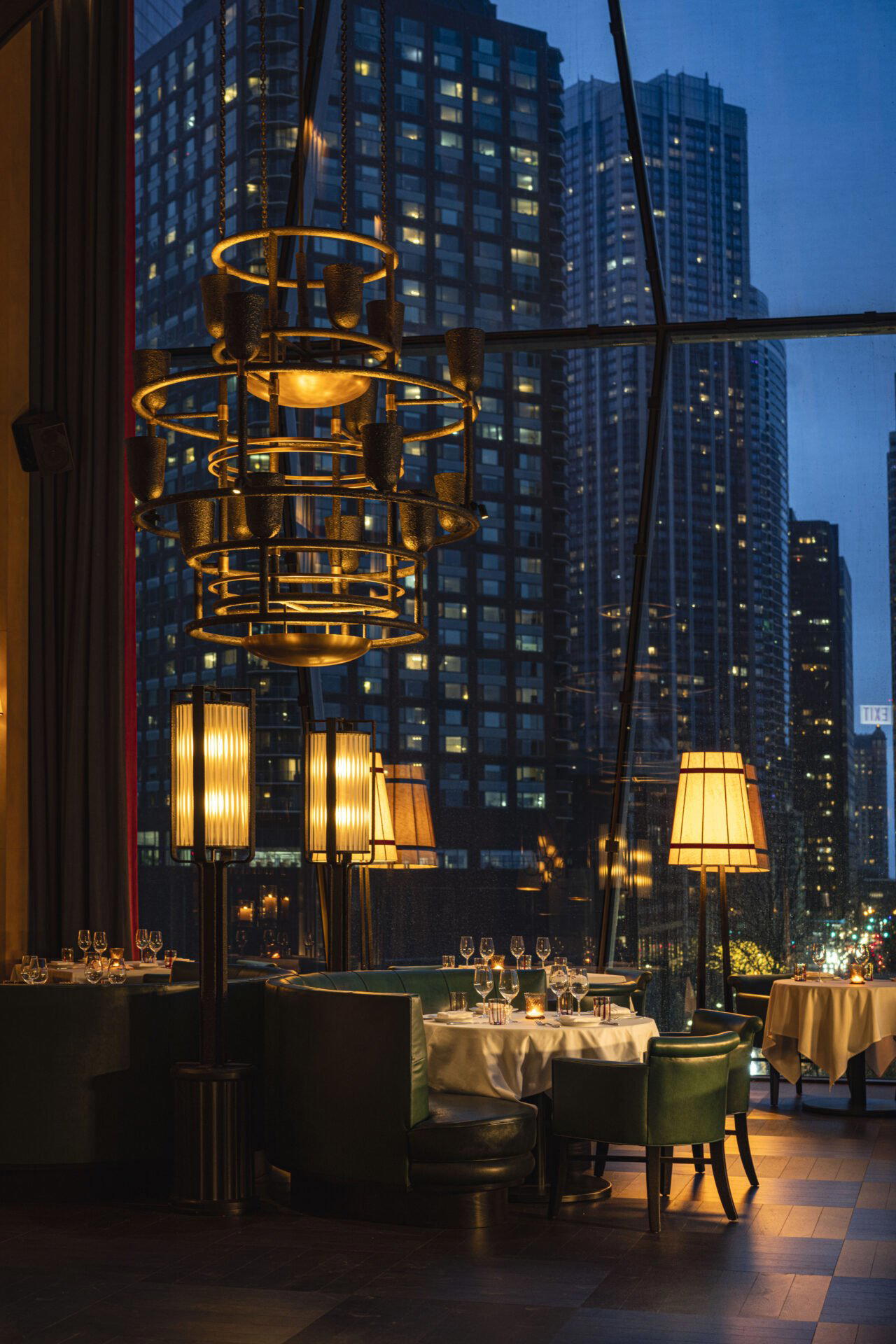
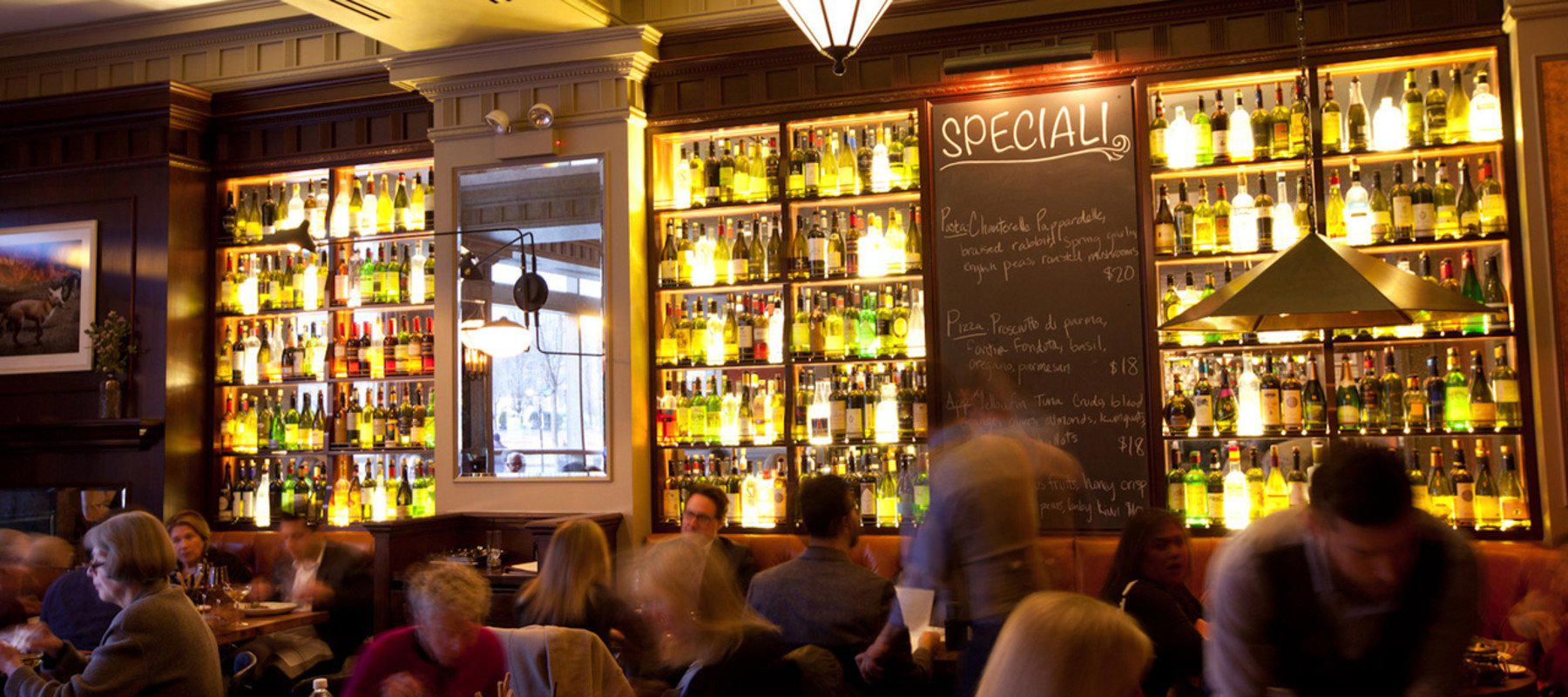
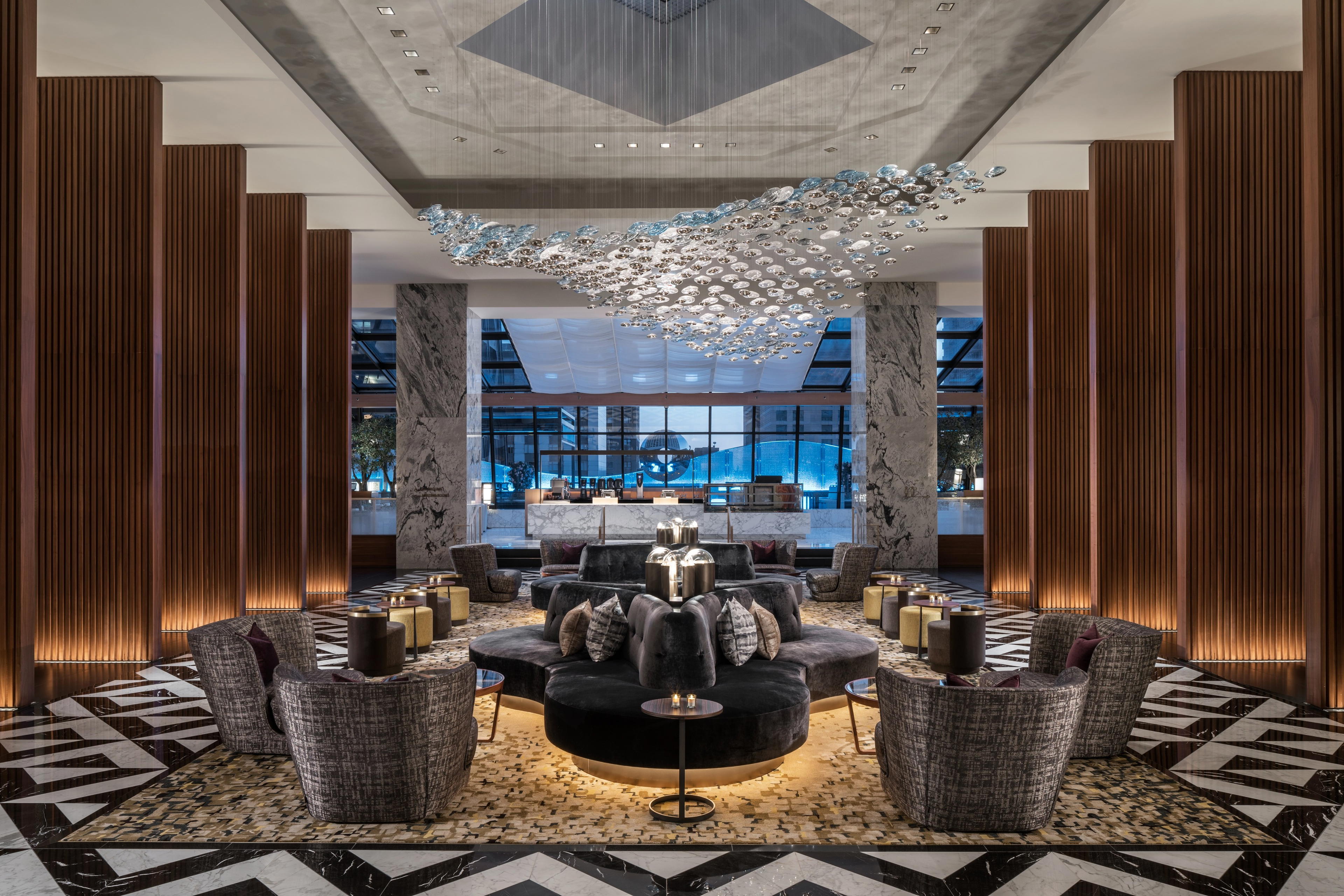
Fun and fancy atmosphere with a lively nightspot vibe featuring sake and Asian martinis.