On Yorkville Avenue, Toronto's most concentrated strip of luxury retail and fine dining, Delysées occupies a specific and underserved niche: a dessert-focused counter in a neighbourhood where the meal rarely ends with anything worth staying for. The format is deliberately compact, the product positioning premium, and the address places it directly inside one of Canada's highest-spending dining corridors.
- Address
- Main Level Retail -Delysees, 161 Yorkville Ave, Toronto, ON M5R 0B9, Canada
- Phone
- +14169253434
- Website
- delysees.com
- Directions
- Get directions
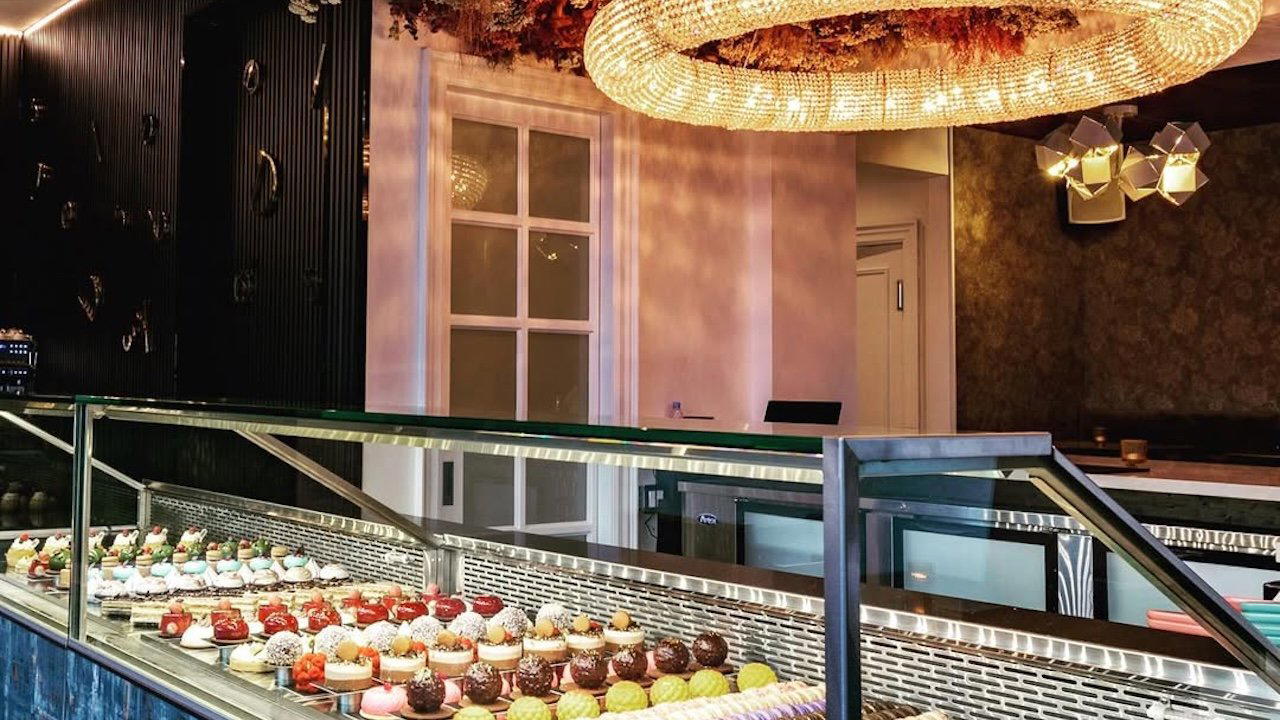
Where Yorkville's Appetite for Luxury Meets the Overlooked Final Course
Delysées Luxury Desserts Yorkville is a Modern French Pastry restaurant in Toronto's Yorkville district, priced around $25 per person. The block between Avenue Road and Bellair concentrates couture retail, high-ticket restaurants, and the kind of foot traffic that arrives already primed to spend. Within that corridor, the dessert category has historically been an afterthought, a gap that feels especially visible when you consider that the neighbourhood's dinner roster, anchored by rooms like Alo and Don Alfonso 1890, runs at the $$$$ tier without apology. Delysées Luxury Desserts, positioned at the main level of 161 Yorkville Ave, addresses that gap directly.
The address itself does editorial work. Main-level retail on Yorkville is not where operators go to minimise costs; it is where a product is presented with the implicit claim that it belongs alongside what surrounds it. For a dessert concept, that placement is a statement about category ambition, positioning confection and patisserie work at the same tier of neighbourhood expectation as the fine dining rooms a short walk in either direction.
The Case for a Dessert-First Format in a Dinner-Heavy Neighbourhood
Toronto's premium dining scene has trended toward tasting-menu formats that absorb the full evening. Counters like Sushi Masaki Saito and Aburi Hana commit the diner to a single, extended sequence where dessert arrives as a prescribed finale, not a point of choice. The standalone dessert format inverts that logic: the sweet course becomes the primary reason for attendance rather than the conclusion of someone else's progression. This is a different kind of hospitality proposition, one that requires the product to carry full narrative weight rather than serve as a resolution to prior savory courses.
Across comparable cities, the standalone dessert counter has found its clearest validation in markets where pastry craft has achieved independent critical recognition. Paris and Tokyo have the longest track records here, with dedicated patisserie counters drawing queues on product merit alone. Canadian cities have been slower to develop that specific culture, which makes a Yorkville address for this format either premature or well-timed, depending on how quickly Toronto's dining public extends its attention to the patisserie tier.
Reading the Room: Service, Format, and What the Address Implies
Premium dessert retail at this address implies a particular service mode. The team dynamic in a dessert-focused counter differs structurally from a full-service restaurant: there is no sommelier pairing savoury courses, no kitchen brigade managing protein temperatures. Instead, the weight falls on whoever is presenting and explaining the product, whether that is a front-counter team fluent in technique and ingredient sourcing, or a more transactional retail interaction. In the leading standalone patisserie operations, that distinction matters considerably. The difference between a good counter and a great one is almost entirely front-of-house: the ability to articulate what makes a given preparation precise, why one texture or temperature was chosen over another, and how the product connects to a broader pastry tradition.
For context, this editorial angle is visible across internationally recognised dessert destinations. At Le Bernardin in New York, the pastry program operates as a distinct discipline with its own internal logic, and the floor team is trained to communicate that logic to the table. At community-rooted operations like Lazy Bear in San Francisco, hospitality collaboration between kitchen and front-of-house defines the guest experience as much as any individual dish. A standalone dessert concept compresses those dynamics into a shorter, more focused interaction, which raises the bar on execution.
Yorkville in the Broader Toronto Dining Conversation
Toronto's premium dining geography is more distributed than most major cities its size. The strongest critical attention has gathered around the downtown core and a handful of neighbourhood anchors, with Yorkville holding a distinct role as the city's luxury-retail dining corridor rather than its culinary innovation district. Restaurants in this neighbourhood tend to perform for a clientele that intersects tourism, corporate entertaining, and affluent local regulars, a mix that rewards consistency and setting over experimentation.
That context matters for a dessert concept at this address. The Yorkville diner is generally not the same profile as someone who travels to Eigensinn Farm in Singhampton for a commitment-intensive experience, or who books months ahead for a counter in a remote setting like Fogo Island Inn. The audience here is present, often between activities, and responsive to quality when it is presented with confidence. For a dessert counter, that is an opportunity: the transaction is lower-commitment than a full dinner, the price ceiling is driven by product quality rather than service hours, and the format is legible to a wide range of visitors.
For those exploring the broader Toronto scene, our full Toronto restaurants guide maps the city's dining tiers from neighbourhood bistros to Michelin-calibre counters, including rooms like DaNico. For comparable fine dining in other Canadian cities, Tanière³ in Quebec City, Jérôme Ferrer - Europea in Montreal, and AnnaLena in Vancouver each represent the upper end of their respective city's dining conversation. For destination-style experiences within Ontario, Restaurant Pearl Morissette in Lincoln and The Pine in Creemore are worth the drive. Further afield, Narval in Rimouski, Busters Barbeque in Kenora, and Cafe Brio in Victoria round out a cross-country picture of Canadian dining at its more specific and considered end.
Planning Your Visit
Address: Main Level Retail, 161 Yorkville Ave, Toronto, ON M5R 0B9. Reservations: Contact details and booking method not confirmed at time of publication; walk-in retail format likely applies. Dress: Yorkville standard, which runs smart-casual as a floor. Budget: Price range not confirmed; the address and positioning suggest premium patisserie pricing consistent with the neighbourhood tier. Getting there: Bay station on the Bloor-Yonge line is one direct transit option; Yorkville Avenue is walkable from the station in under five minutes.
Cuisine Lens
Comparable venues nearby, for context on price, style, and recognition.
| Venue | Cuisine | Price | Notes |
|---|---|---|---|
| Delysées Luxury Desserts YorkvilleThis venue — the venue you are viewing | Modern French Pastry | $$$$ | Not listed |
| Café Boulud Toronto | French Brasserie | $$$$ | Yorkville |
| Biff's Bistro | Classic French Bistro | $$$ | Church-Yonge Corridor |
| Chantecler Boucherie | French Bistro | $$$ | Parkdale |
| Jazz Bistro | French Bistro with Live Jazz | $$$ | Downtown Yonge |
| Cassius | Contemporary Italian | $$$$ | Fashion District |
Continue exploring
More in Toronto
Restaurants in Toronto
Browse all →
Bars in Toronto
Browse all →
Hotels in Toronto
Browse all →

At a Glance
- Elegant
- Modern
- Sophisticated
- Ornate
- Date Night
- Celebration
- Special Occasion
- Design Destination
- Craft Cocktails
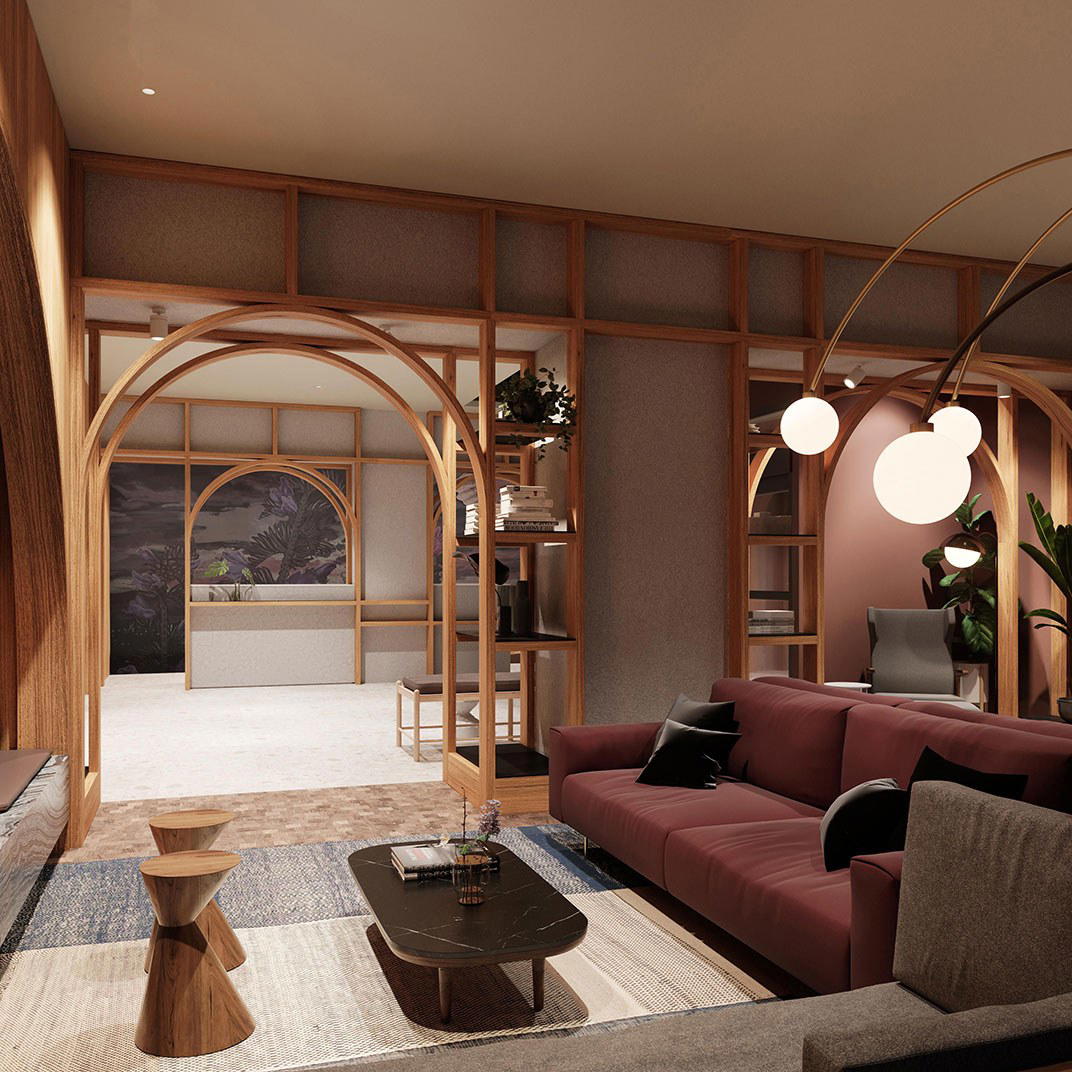
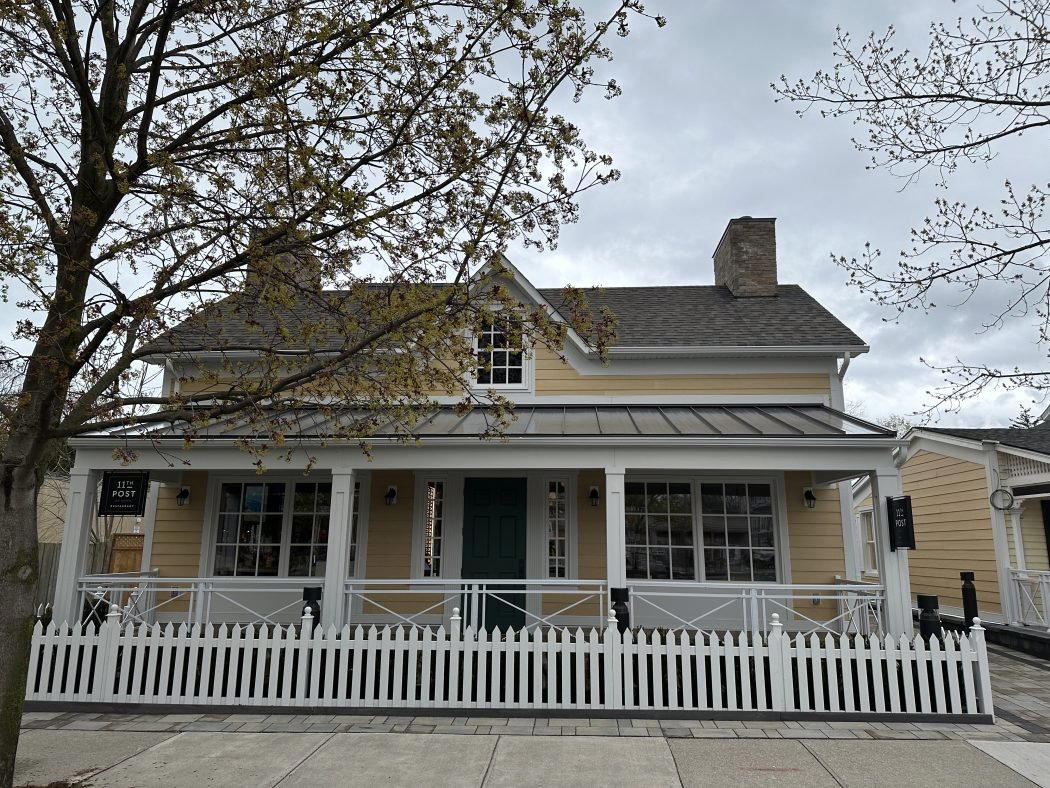
Elegant and stylish with dim lighting, beautiful French music, and a showcase resembling fine jewelry displays.