Our verdict
China Kitchen sits in the quieter Kutchan side of the Niseko dining map, where resort demand meets Hokkaido’s winter produce culture. Treat it as part of the area’s broader cold-weather table: Chinese cooking viewed through a ski-town setting, with location and season shaping the decision as much as cuisine.

Pearl is the En Primeur Club membership app — saves, bookings, and concierge access live there. Same editors, same standards.
- Address
- Aza, 328-47 Iwaobetsu, Kutchan, Abuta District, Hokkaido 044-0082, Japan
- Phone
- +81 136-27-1234
- Website
- hyatt.com
- Directions
- Get directions
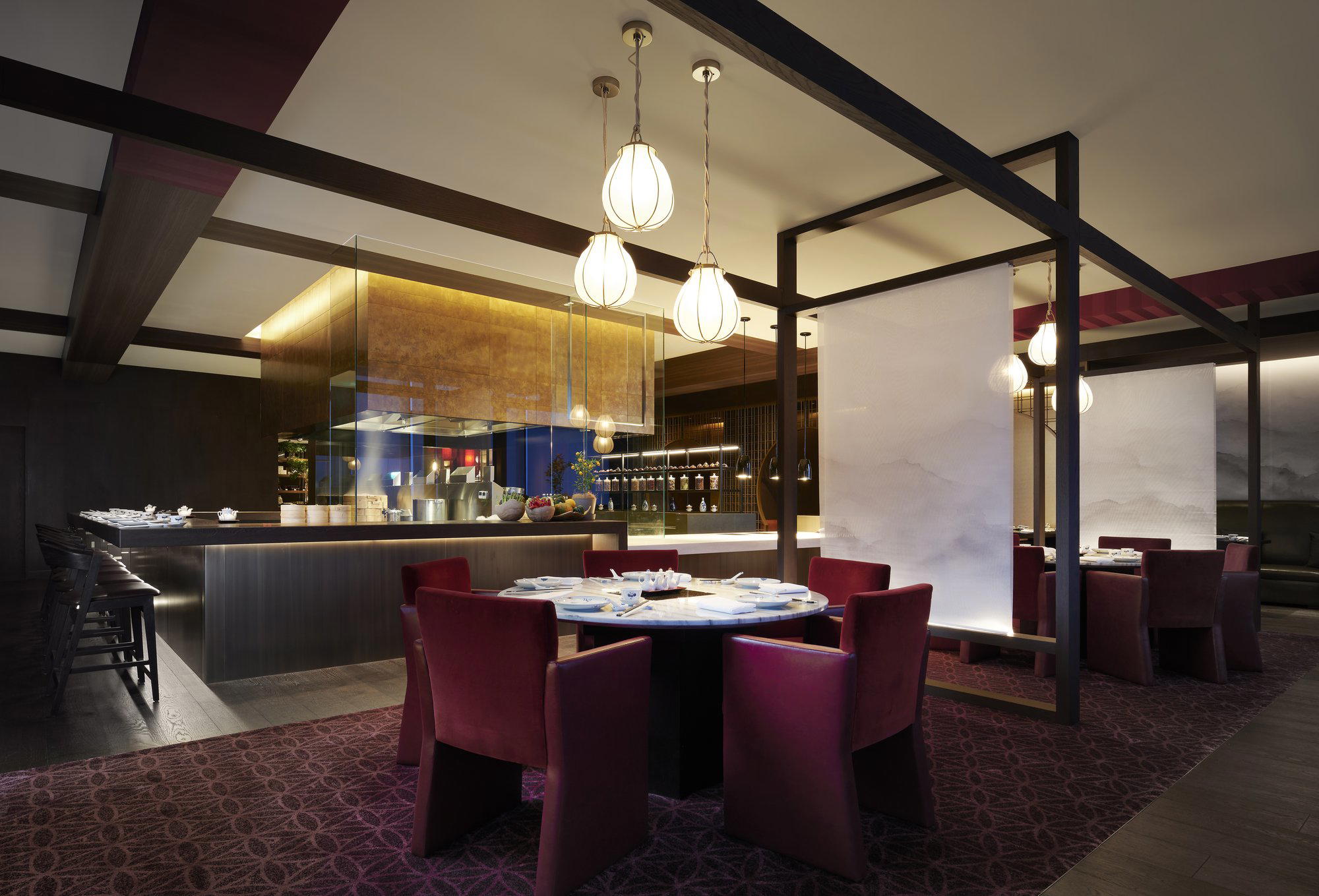
The menu
What to order
- Dim Sum Brunch
- Sichuan Hot Pot
- Cantonese roast dishes
Approaching China Kitchen means stepping away from the densest resort dining circuits and reading Niseko at a practical winter pace: snowbanks, dark roads, and the logistics that shape dinner after a day outside. That matters because Niseko restaurants are rarely judged on the plate alone. In winter, the meal is tied to transport, timing, and the appetite that follows a day on the mountain.
The stronger way to understand the setting is through Hokkaido’s ingredient logic. The region’s food culture is shaped by cold-climate abundance and short growing seasons, and resort meals often work differently from urban hotel dining rooms. Warmth, shareability, and ease have a heavier role because the meal has to answer the weather as well as the table.
Resort-town dining built around winter demand
Niseko’s dining scene splits into several useful lanes. There are destination rooms aimed at visitors planning dinner before they book flights, comfort-focused counters where a quick meal carries the evening, and flexible restaurants that feed groups with mixed tastes after lifts close. China Kitchen belongs to the last pattern, where the value is not ceremony but range: a meal format that can absorb families, skiers, and groups who do not want the slower rhythm of a tasting menu.
That places it in contrast with the area’s more tightly defined options. Some Niseko dining rooms speak to the quick-meal side of resort eating, while other unnamed venues sit in different parts of the same conversation. Compact post-ski meals can serve similar hunger with a faster grammar. China Kitchen points instead toward a broader shared table, where the group can build dinner around flexibility rather than a single narrow format.
The comparison set around Niseko underlines the spread. Robata and Teppan indicate one kind of dinner decision, while Olivio answers a different appetite. Moliere Montagne occupies a more destination-minded lane than the everyday resort dinner decision. Kita Kaiseki Dining signals another formal end of the spectrum. China Kitchen reads more functionally: useful when the group wants warmth, seasoning, and flexibility rather than a long, chef-led progression.
Why sourcing matters more in Hokkaido than menu labels suggest
Ingredient sourcing is not a decorative claim in Hokkaido; it is the reason many visitors eat differently here than they do in Japan’s larger cities. The island’s farming and fishing identity gives even casual restaurants a stronger raw-material backdrop. A kitchen in Niseko can draw meaning from that setting without needing to imitate a more formal dining language. The point is not whether the food performs localness in an obvious way, but whether the meal suits the climate and the produce economy around it.
This is where Niseko differs from Japan’s urban dining routes. In a major city, a shared-plate meal may be judged against hotel dining, specialist rooms, or modern counter formats. Elsewhere, the comparison often runs through speed, price, and appetite. In Niseko, the meal has a seasonal job. Winter compresses demand, pushes dinner earlier for some families and later for skiers, and turns warmth into part of the value proposition. For wider Japan context, the contrast stretches across many kinds of casual dining in different cities. Each place applies a different pressure to the table; Niseko’s pressure is weather, transport, and group planning.
How to place it within a Niseko itinerary
The practical decision is geographic. China Kitchen is in Niseko, so it suits diners already moving through the wider area or those willing to plan transport around dinner. That single detail changes the use case. It is less about wandering in after an improvised night out and more about choosing a meal that fits a planned evening, a family schedule, or a group that wants a broader table than a counter format allows.
For the wider trip, use Our full Niseko restaurants guide to separate casual meals from destination bookings, then pair dinner planning with Our full Niseko hotels guide and Our full Niseko bars guide. The area also has travel categories beyond the dinner table: Our full Niseko wineries guide and Our full Niseko experiences guide help frame how much time to spend off the mountain. For readers comparing dining abroad, unnamed examples overseas show how format shifts once familiar habits leave Japan.
Frequently asked questions
Is China Kitchen okay with children?
Those details are not published. China Kitchen is in Niseko. Check the venue's official channels for the latest details.
What should I expect atmosphere-wise at China Kitchen?
Expect a dining room shaped by Niseko resort patterns rather than a central-hotel setting. In Niseko, that usually means a service pattern influenced by winter traffic and diners moving through the wider area.
What's China Kitchen's location?
Niseko.
How hard is it to get a table at China Kitchen?
Those details are not published. In Niseko, though, demand tends to rise in peak winter months, so planning ahead can matter. Check the venue's official channels for the latest details.
Quick Comparison
Comparable venues by cuisine and price in the same metro.
| Venue | Cuisine | Price | Awards | Notes |
|---|---|---|---|---|
| China KitchenThis venue — the venue you are viewing | Cantonese & Sichuan Chinese with Dim Sum Brunch and Hot Pot | $50–100 | Not listed | Not listed |
| Robata | Japanese Robata Grill | Not listed | Not listed | Not listed |
| Teppan | Japanese-French Teppanyaki | Not listed | Wine Spectator Best of Award of Excellence | Not listed |
| Moliere Montagne | Not listed | Not listed | Not listed | JPY 30,000 - JPY 39,999 View spending breakdown |
Continue exploring
More in Niseko
Restaurants in Niseko
Browse all →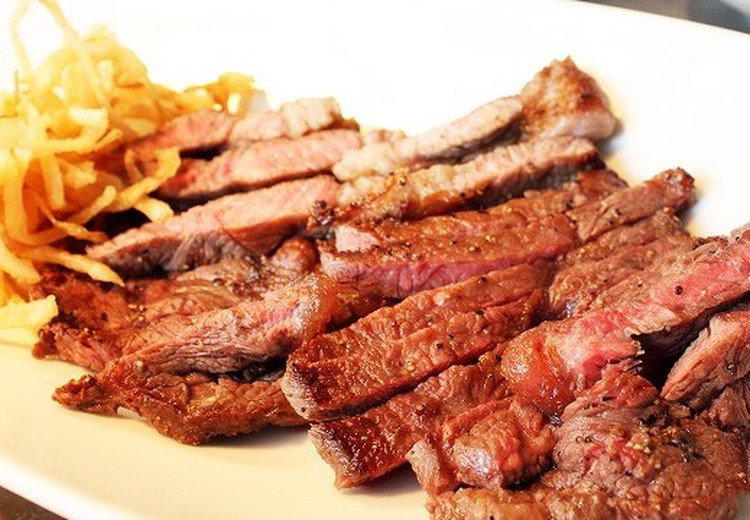
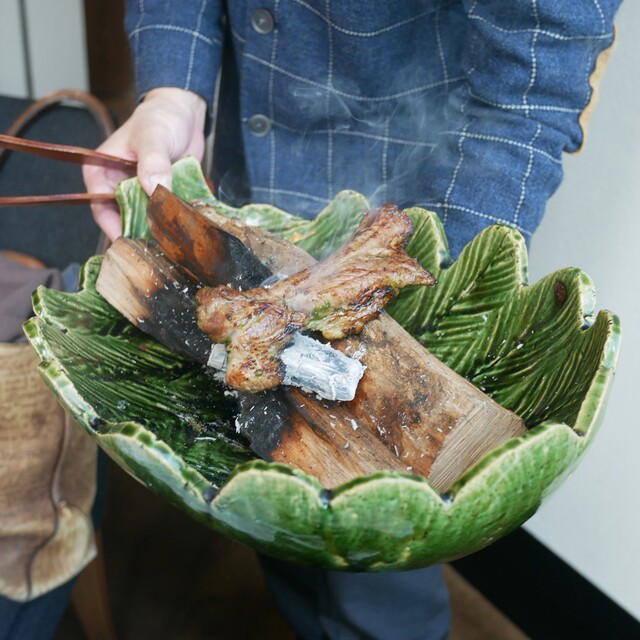

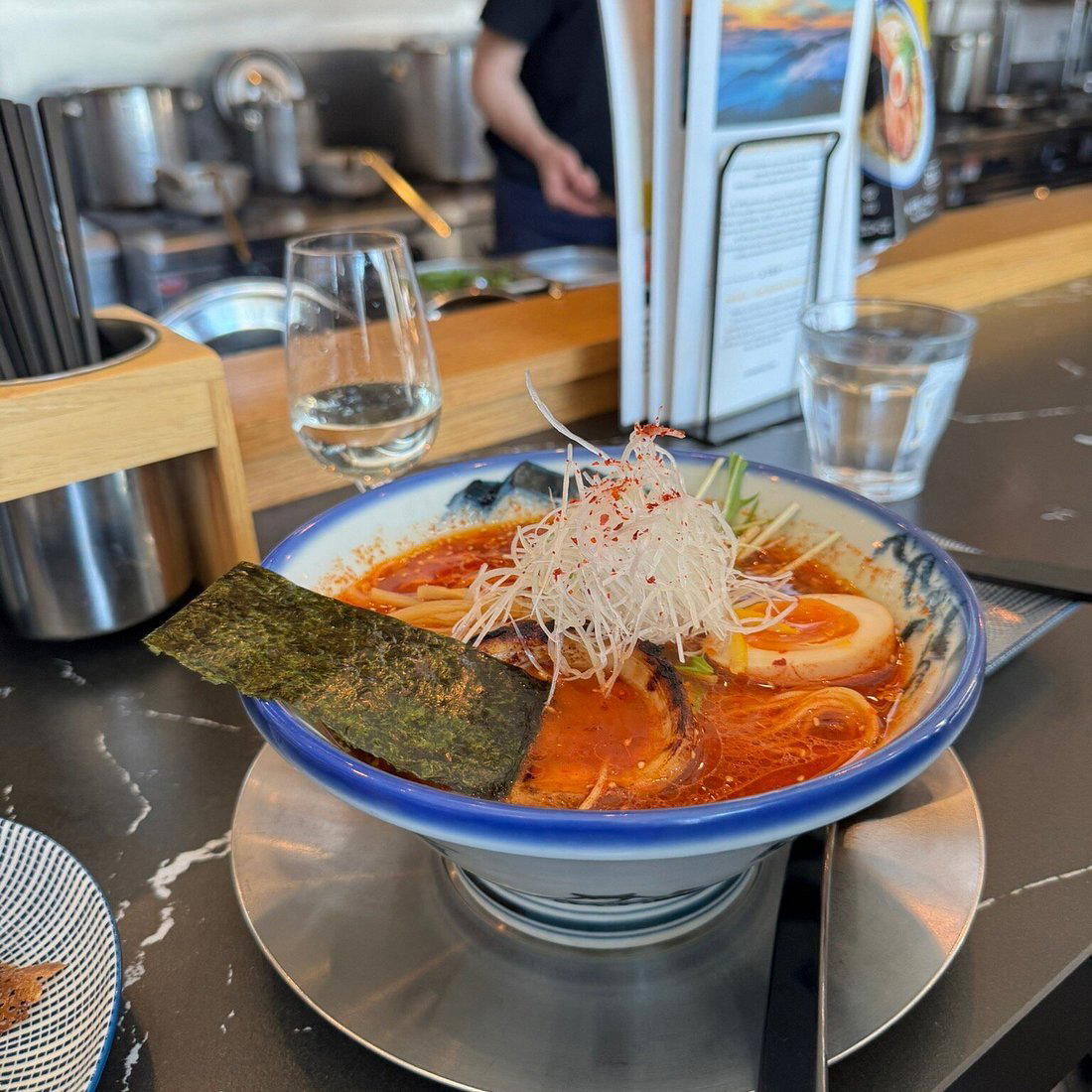
Hotels in Niseko
Browse all →
Wineries in Niseko
Browse all →
Details
- Elegant
- Modern
- Sophisticated
- Scenic
- Family
- Group Dining
- Date Night
- Business Dinner
- Special Occasion
- Hotel Restaurant
- Panoramic View
- Design Destination
- Private Dining
- Extensive Wine List
- Sake Program
- Craft Cocktails
- Local Sourcing
- Sustainable Seafood
- Mountain
- A La Carte
- Small Plates
- Set Menu
- Wine
- Sake
- Cocktails
- Vegetarian Friendly
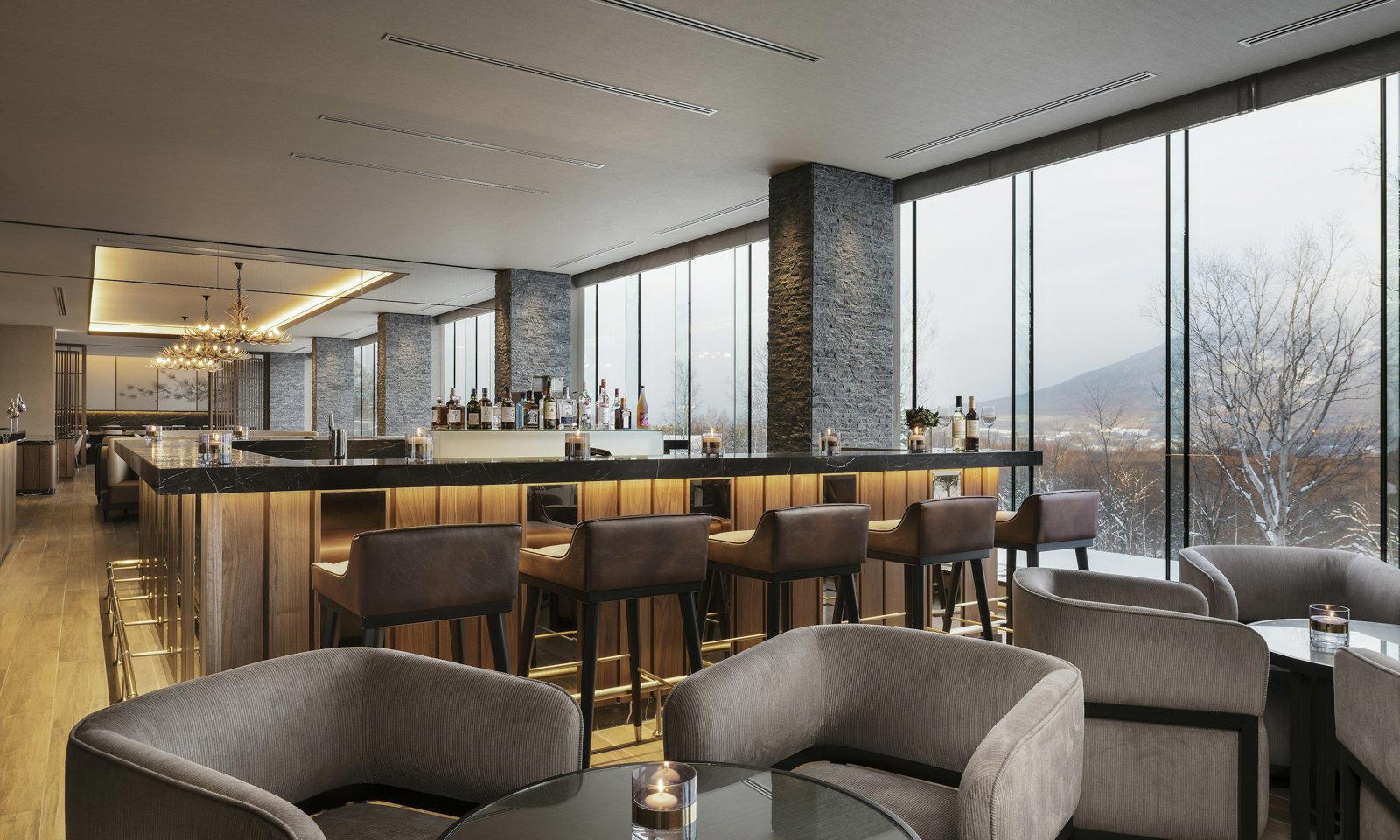
Refined hotel-restaurant setting with contemporary Chinese design accents, soft lighting, polished service, and views towards the Niseko mountain landscape, making it comfortable yet sophisticated for both families and special-occasion dinners.