Sushi Matsumoto

1 Michelin Star
Our verdict
On a quiet side street in Gangnam, Sushi Matsumoto applies the disciplined cadence of mainland Japanese omakase to Seoul's most demanding dining neighbourhood. The tsumami progression and nigiri sequencing follow Edo-style principles without adaptation for local palate trends. Open six days a week with midday and evening sittings; reservations are strongly advised.

Pearl is the En Primeur Club membership app, where members save venues, book tables and use the concierge.
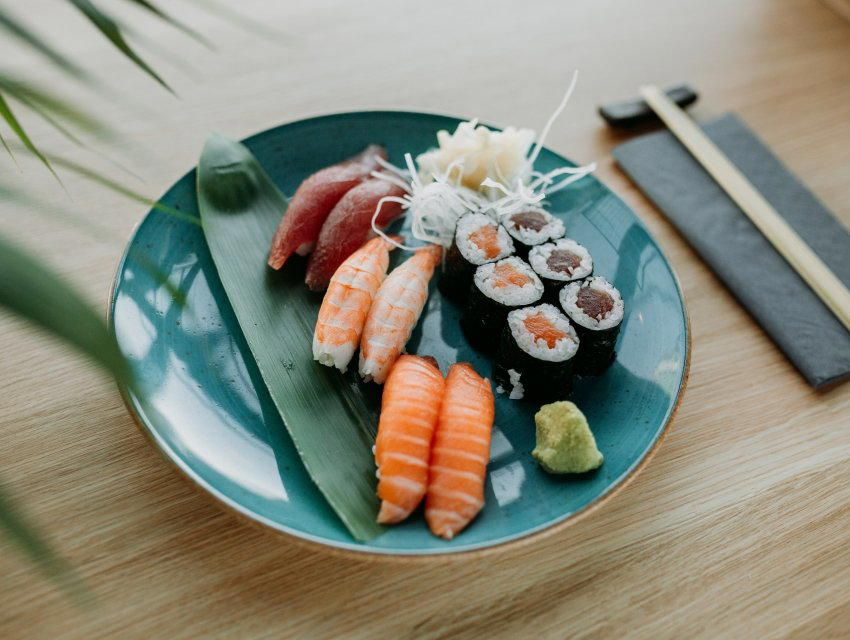
The menu
What to order
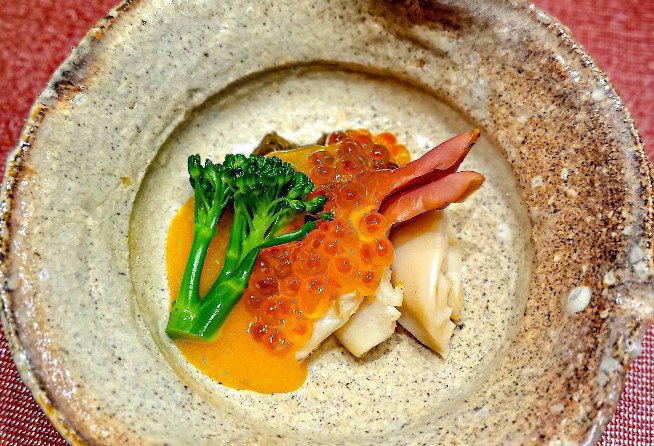
- Abalone with liver sauce
- Soy-marinated bluefin tuna
- Chopped tuna with green onion
- Sea eel
A Japanese Counter in Gangnam's Fine-Dining Grid
Dosan-daero in Gangnam has become the address of choice for Seoul's most considered restaurants. Within a few hundred metres of Sushi Matsumoto, you'll find Mingles, Jungsik, and Soigné, each operating in that upper tier of Seoul dining where the format is fixed, the pace is deliberate, and the price bracket makes the decision for you. Against that backdrop, Sushi Matsumoto occupies a specific niche: a Japanese sushiya committed to replicating the format and standards of its source tradition, not adapting them to the neighbourhood around it.
That distinction matters. Seoul's fine-dining scene has developed an identity of its own, one built around Korean ingredients, fermentation traditions, and the kind of cross-cultural fusion that venues like alla prima and Kwonsooksoo have made central to the city's culinary character. Sushi Matsumoto takes a different position: the counter here is a direct transmission of Japanese sushi culture rather than a local interpretation of it.
The Logic of Authentic Transmission
In Tokyo, the hierarchy of sushi counters is well-established. Edo-mae technique, the management of shari temperature and vinegar balance, the sequencing of neta from lighter to richer cuts, the role of tsumami as a pacing device before the nigiri progression, these are not decorative choices but a system refined over generations. When a sushiya outside Japan commits to that system without modification, the question is whether the fidelity is genuine or performative.
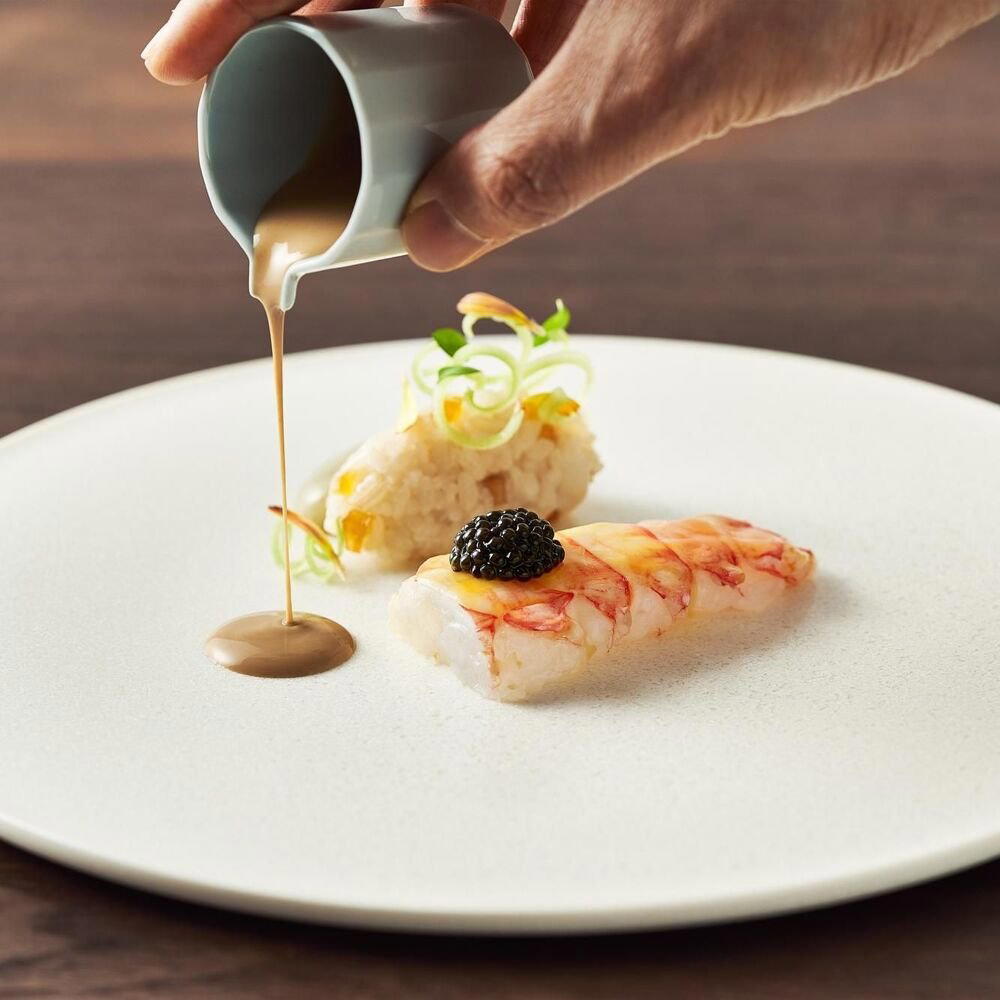
At Sushi Matsumoto, the evidence points toward the former. Chef Matsumoto Mizuho has built a reputation specifically around the authenticity of the replication: the composition of the shari, the arrangement of the neta, and the structure of the service all operate according to the conventions of mainland Japan rather than making concessions to local expectation. The tsumami sequence, the small plates that precede the nigiri, follows the traditional role of building appetite and palate engagement before the counter's main progression begins.
Seoul does have other high-calibre Japanese counters, and the city's diners are sophisticated enough to distinguish between the approach taken here and the more fusion-oriented formats that have proliferated across Gangnam. For the reader who wants a reference point: places like Gaon and 권숙수 - Kwon Sook Soo represent the Korean fine-dining tradition at its most formal; Sushi Matsumoto represents the Japanese counter tradition, transplanted and maintained.
What the Neighbourhood Demands
Gangnam's dining culture is competitive and self-aware. Restaurants here are subject to a well-travelled clientele with direct experience of the Tokyo, Hong Kong, and New York reference points, cities where counters like Le Bernardin or Atomix have set the terms for what serious dining looks like at this price tier. A four-symbol price bracket (₩₩₩₩) in Gangnam places Sushi Matsumoto alongside venues such as Soigné and contemporaries operating at the top of the Seoul market. At that level, the format has to hold under scrutiny.
The knowledgeable service noted in the venue's recognition signals that the counter understands this pressure. In the leading Japanese sushi rooms, the interaction between chef and guest carries as much information as the food itself: the explanation of where a fish comes from, how long the shari has been seasoned, why a particular neta appears at a specific point in the sequence. That level of service literacy is harder to transfer across cultures than the technique itself, and its presence here is one of the clearer indicators that the counter takes the tradition seriously.
For comparison, the Korean fine-dining restaurants nearby, including alla prima and the broader Soigné programme, have built their reputations on a different kind of service intelligence, one rooted in Korean hospitality conventions. The two approaches are not in competition; they serve different reader intentions. Someone who wants to understand Seoul's own culinary voice should look to Mingles or Kwonsooksoo. Someone who wants a Japanese counter held to Japanese standards, located in Seoul's most serious dining district, has fewer options, and Sushi Matsumoto is the most deliberate of them.
Seoul's Broader Japanese Dining Context
Japan and South Korea share a proximity that has always made culinary influence flow in both directions. Seoul has more Japanese restaurants per capita than most Asian cities outside Japan itself, and the quality range is correspondingly wide. At the casual end, ramen and izakaya formats are well-represented across every neighbourhood. At the premium end, omakase counters have proliferated in Gangnam and Mapo over the past decade, some with genuine Tokyo-trained pedigrees, others capitalising on the format's prestige without the depth behind it.
The question for a reader considering Sushi Matsumoto is where it sits in that spectrum. South Korea's fine-dining circuit also extends beyond Seoul, Mori in Busan and Baegyangsa Temple in Jangseong-gun represent very different expressions of serious Korean dining, but within Seoul and within the sushi category specifically, the counter on Dosan-daero 75-gil is a clear reference point.
For those building a broader Seoul itinerary, our full Seoul restaurants guide maps the city's dining scene across price tiers and cuisines. Our Seoul hotels guide, Seoul bars guide, and Seoul experiences guide cover the full picture. For those who want to explore Korea's wine and beverage culture, the Seoul wineries guide provides context there too.
Planning Your Visit
| Detail | Sushi Matsumoto | Comparable ₩₩₩₩ Peers |
|---|---|---|
| Price Tier | ₩₩₩₩ | ₩₩₩₩ (7th Door, Onjium, Zero Complex) |
| Format | Omakase counter, Japanese | Tasting menu (Korean, French, fusion) |
| Hours | Mon–Sat, 12PM–10PM; closed Sunday | Varies; most open Tue–Sun |
| Location | Dosan-daero 75-gil, Gangnam-gu | Gangnam-gu and Mapo-gu spread |
| Booking | Advance reservation advised | Most require advance booking |
The Sunday closure is consistent with many counter-format restaurants in Seoul's premium tier, where the kitchen's supply chain dictates the week's rhythm. Lunch sittings beginning at noon are available Monday through Saturday, with the evening service running to 10PM. Given the format and price tier, same-day availability is unlikely; plan accordingly.
See also: 더 플라잉 호그 - The Flying Hog in Seogwipo and Emeril's in New Orleans for contrast points on how strong regional restaurant identities translate across very different markets. And for the broader Korean fine-dining picture, Soigné and Jungsik provide the clearest Seoul-native frame of reference at a comparable price point.
Frequently asked questions
When is Sushi Matsumoto open?
Hours at Sushi Matsumoto: Monday 12 PM-10 PM Tuesday 12 PM-10 PM Wednesday 12 PM-10 PM Thursday 12 PM-10 PM Friday 12 PM-10 PM Saturday 12 PM-10 PM Sunday closed.
Is Sushi Matsumoto Michelin-listed?
Sushi Matsumoto has received recognition including: Chef Matsumoto Mizuho is renowned for replicating authenticity in local settings. Rather than chasing after gastronomic trends, this sushiya strives to faithfully reproduce the authentic sushi of mainland Japan amidst the Korean milieu. Suc….
What's the must-try dish at Sushi Matsumoto?
The counter does not publish a fixed menu, so single-dish recommendations are unreliable. What the record consistently identifies are two structural highlights: the tsumami sequence of appetizers and the nigiri progression, which is composed to follow the natural cadence of flavors from lighter to richer cuts. Chef Matsumoto Mizuho's focus on shari temperature and neta arrangement means the nigiri themselves carry the weight of the experience.
Price and Positioning
| Venue | Cuisine | Price | Awards | Notes |
|---|---|---|---|---|
| Sushi MatsumotoThis venue (the venue you are viewing) | Edomae Sushi Omakase | $100–150 | 1 Michelin Star | Not listed |
| 7th Door | Modern Korean Fermentation Fine Dining | $100–150 | 1 Michelin Star · World's 50 Best #49 | Korean, Contemporary |
| Solbam | Contemporary Neo-Classical Korean | $200–300 | 1 Michelin Star · World's 50 Best #55 | Contemporary |
| Onjium | Modern Korean Royal Court Cuisine | Not listed | 1 Michelin Star · World's 50 Best #14 | Korean |
| L'Amitié | Classic French Fine Dining | $100–150 | 1 Michelin Star · La Liste Top Restaurants | French |
| Zero Complex | Modern French Neo-Bistro | $100–150 | 1 Michelin Star · La Liste Top Restaurants | Korean-French, Innovative |
Recognition history
Dated appearances from independent guides and award organizations, with the underlying list record or original source where available.
Michelin 1 Star
Michelin
Full recognition history (2 entries)
Michelin 1 Star
Michelin
Continue exploring
More in Seoul
Restaurants in Seoul
All restaurants in Seoul →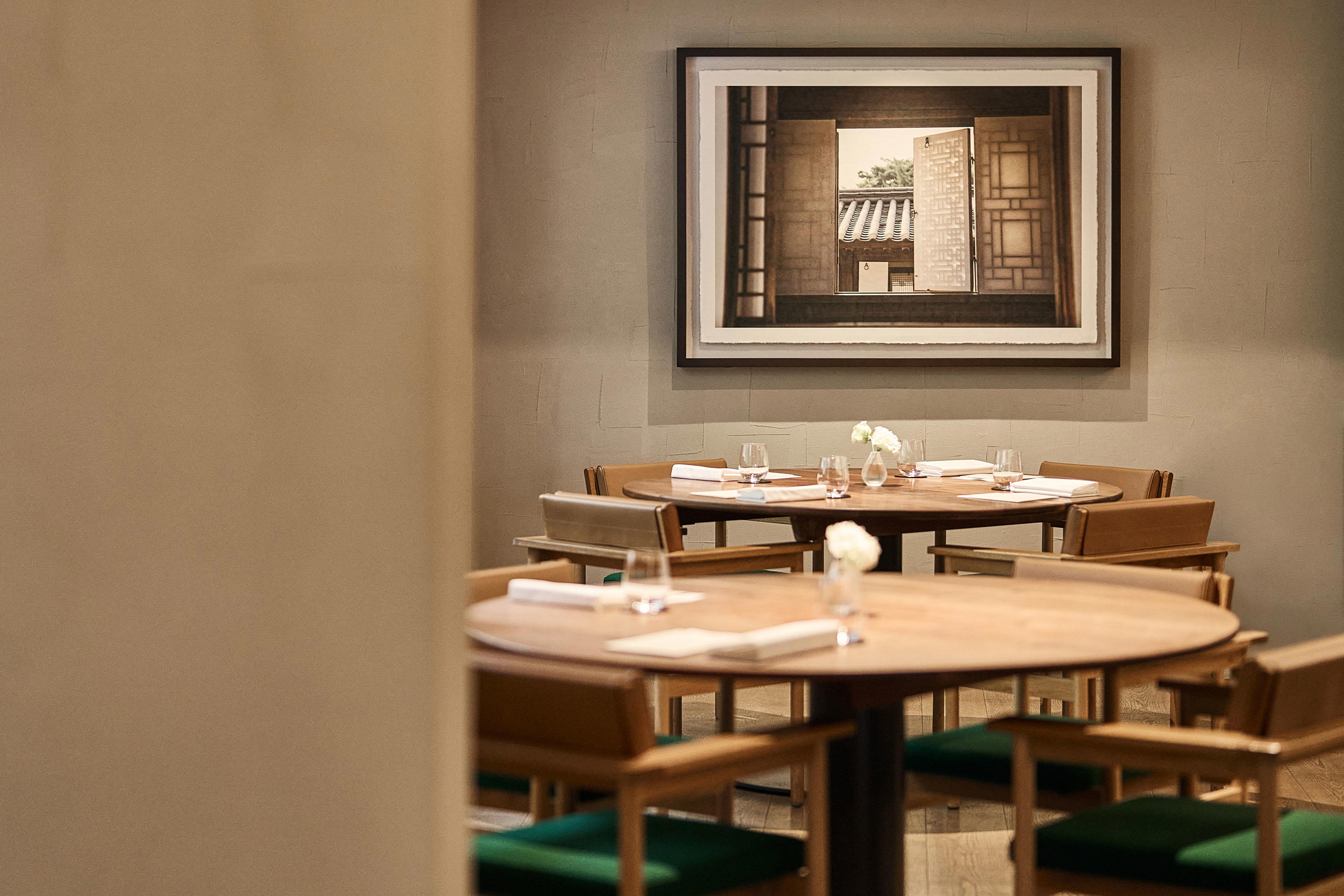
Bars in Seoul
All bars in Seoul →


Details
- Elegant
- Intimate
- Sophisticated
- Date Night
- Solo
- Special Occasion
- Chefs Counter
- Sake Program
- Omakase
- Counter Dining
- Pescatarian Friendly
Current opening hours
- Monday
- 12–9 PM
- Tuesday
- 12–9 PM
- Wednesday
- 12–9 PM
- Thursday
- 12–9 PM
- Friday
- 12–9 PM
- Saturday
- 12–9 PM
- Sunday
- Closed
Hours can change for holidays and private events. Hours as of .
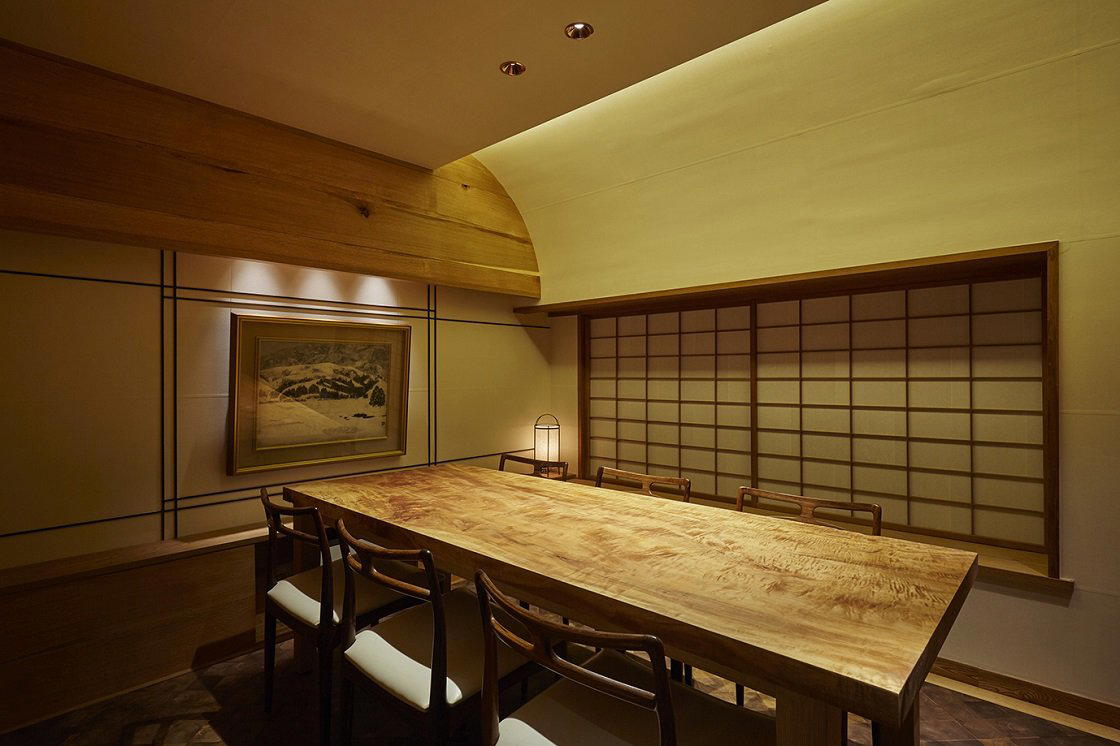
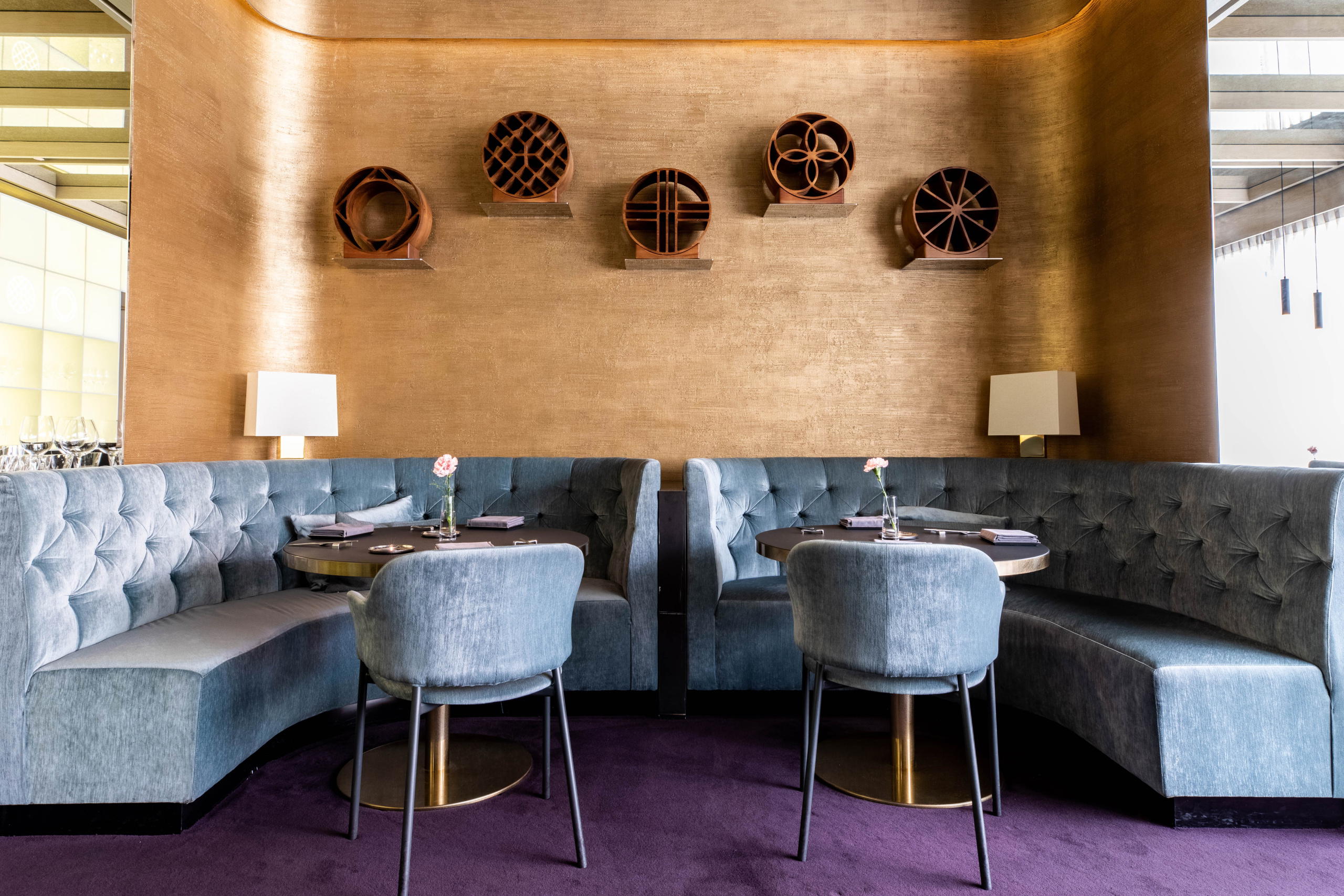
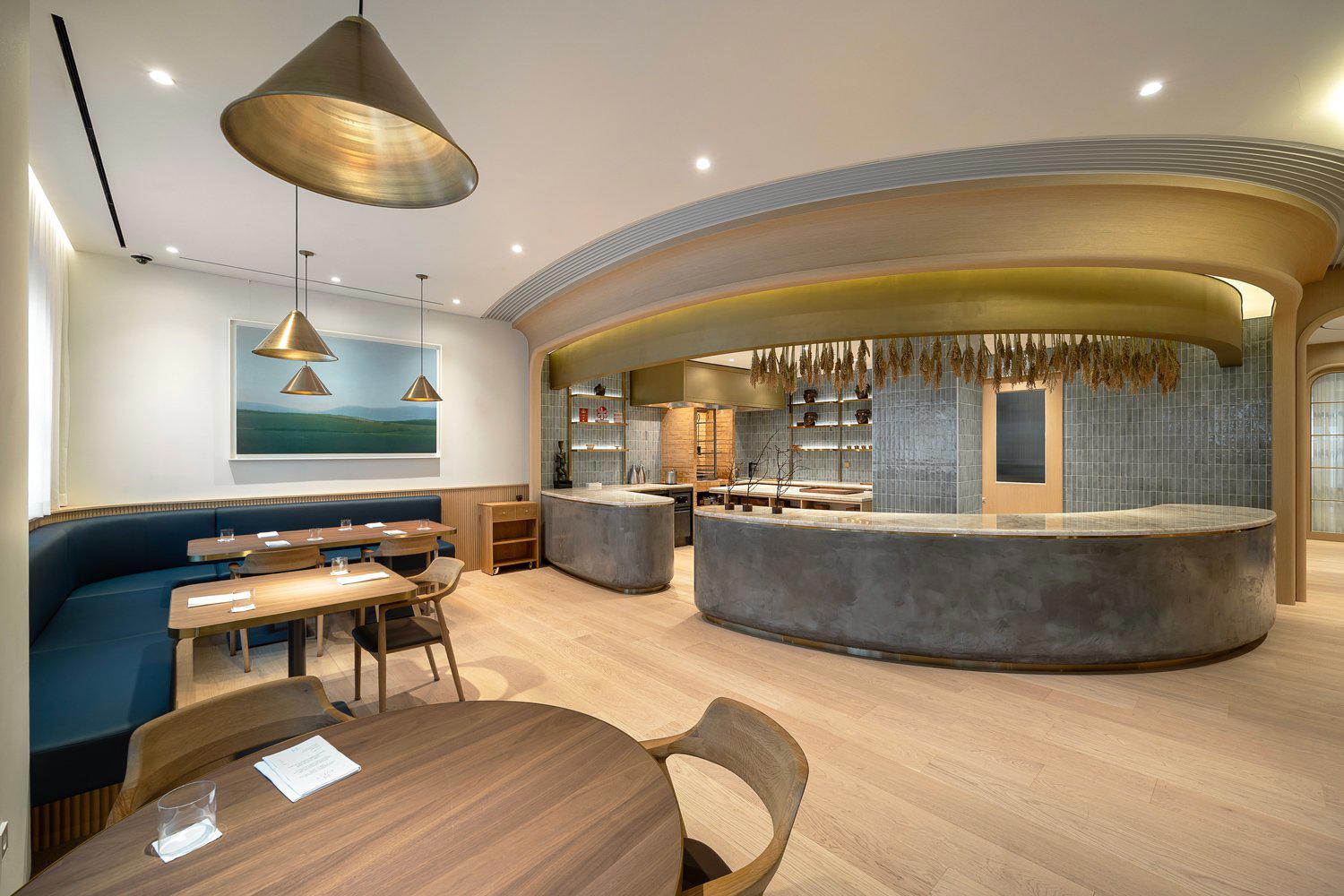
Intimate counter seating with focus on the chef's craft, warm rice, and precise nigiri preparation in a minimalist, authentic sushiya atmosphere.