Sushi Masa

Michelin Plate
Our verdict
Edomae sushi in the Menara Hap Seng tower, where Tokyo chef Masakazu Ishibashi's 200-year-old tradition is interpreted by apprentice Chef Yoshi in omakase format. At the $$$$ price tier, it occupies the upper bracket of KL's Japanese dining circuit.

Pearl is the En Primeur Club membership app, where members save venues, book tables and use the concierge.

Edomae at Midday: Why Lunch Is the Sharper Entry Point
Kuala Lumpur's premium Japanese dining tier has grown more structured over the past decade. Where once a handful of Japanese-run omakase counters held the field largely alone, the city now sustains a recognisable circuit of venues at the $$$$ level, each drawing produce from Japan and positioning against Tokyo and Singapore peer sets rather than the broader local restaurant market. Within that circuit, the lunch sitting, where it exists, tends to offer the same kitchen, the same sourcing, and often the same chef, at a format that feels less ceremonially weighted than an evening booking. For diners who treat omakase as a craft exercise rather than a social occasion, lunch is frequently the more focused experience.
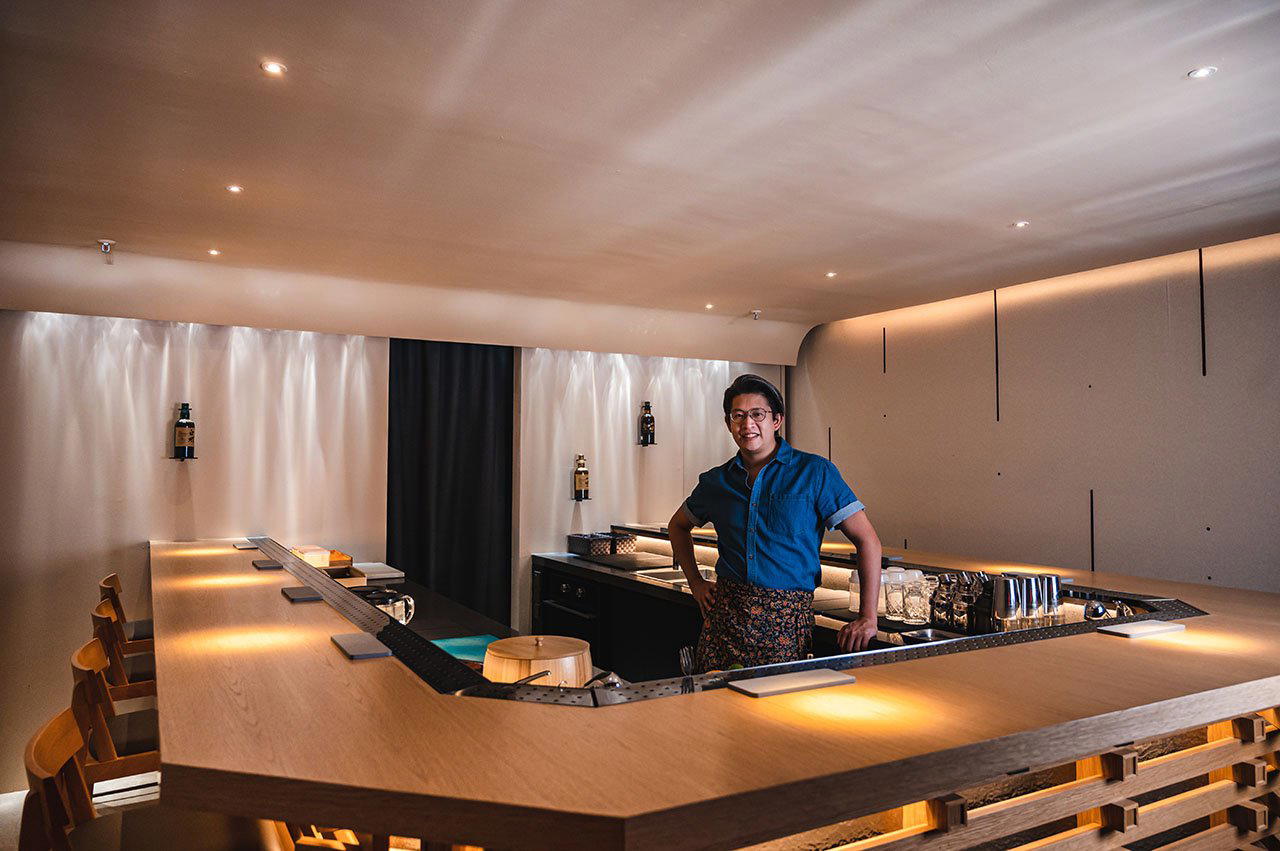
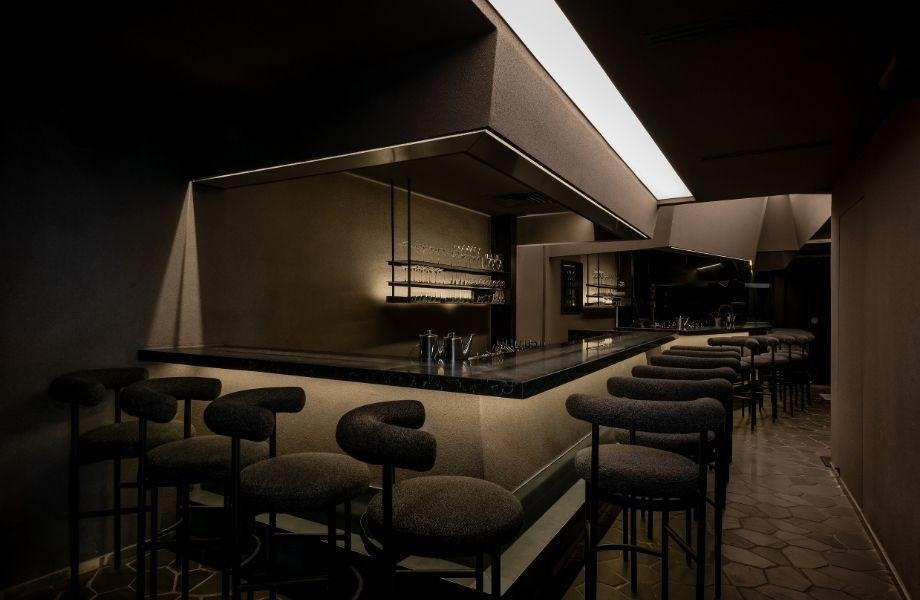
Sushi Masa, on the first floor of Menara Hap Seng on Jalan P. Ramlee, operates within that logic. The address places it in the business-district cluster that has become KL's preferred location for high-format Japanese dining, within easy reach of KLCC and the corridor of corporate towers that generate consistent weekday covers. The building context matters: Menara Hap Seng's lobby-level formality sets a register before you reach the restaurant, and the first-floor positioning means the room reads as deliberately removed from street-level noise without the theatrical elevation of a rooftop venue.
The Tokyo Lineage Behind the KL Counter
Edomae sushi, the Tokyo tradition codified over roughly two centuries, built on precise rice seasoning, specific fish-curing techniques, and a disciplined relationship between the hand and the fish, has spread across Asian capitals in ways that vary considerably in fidelity. Some outposts adopt the name and the format while adjusting sourcing to local supply chains. Others maintain the direct Japan import chain and the apprenticeship structure that the tradition depends on. Sushi Masa belongs to the latter category. Chef Masakazu Ishibashi, whose Tokyo restaurant established the house style, carries lineage that traces directly to the 200-year-old Edomae framework. In KL, his apprentice Chef Yoshi executes the omakase menus, which means the counter retains the apprenticeship continuity the tradition requires rather than importing a finished product and detaching it from its pedagogical roots.
That lineage signal matters when reading the 2025 Michelin Plate recognition. The Plate is not a star, but within the Michelin framework it denotes a kitchen producing food of sufficient quality and consistency to warrant inclusion. For a relatively young outpost operating at the apprentice level in a city where the guide's Japan-format coverage is still developing, it places Sushi Masa in the tier just below KL's star-holding Japanese venues and well above the broader market. Peer comparisons within KL's omakase circuit, including Sushi Ori and Sushi Taka, give context for where Sushi Masa prices and positions itself, each venue drawing from similar Japan-sourced supply chains but differentiating on style and house philosophy.
For regional comparison, the Edomae format at this tier sits alongside venues like Shoukouwa in Singapore and Sushi Shikon in Hong Kong, both of which have established the benchmark for how Tokyo-lineage sushi translates in Southeast and East Asian capitals. In Tokyo itself, the reference points include Harutaka, Sukiyabashi Jiro Roppongiten, and Sushi Harasho in Osaka, counters that define the tier Sushi Masa's house style reaches toward.
What the Menu Is Actually Doing
The omakase format here runs as a multi-course meal rather than a purely nigiri-focused sequence, which places it in the contemporary Edomae school that incorporates tsumami (snack courses) and cooked sections before the nigiri progression.
The nigiri is sourced directly from Japan, which at this price tier is table stakes rather than a differentiator, but it does confirm the counter is not adapting its fish specification to local availability. More specific to this kitchen: the Botan Ebi preparation, combining the prawn with egg yolk sauce and caviar, is cited as a dish that concentrates umami across three ingredients that each carry it in different registers. That type of combination, layering rather than contrasting, is characteristic of contemporary Edomae interpretation, where classical restraint gives way to considered richness without abandoning the structural discipline of the form.
KL's Japanese Fine Dining in Context
Kuala Lumpur's top-tier dining conversation has broadened considerably beyond Japanese cuisine. The city has developed serious credentials in progressive Malaysian cooking, Dewakan and Beta represent that direction at the $$$$ and $$$ tiers respectively, and French contemporary formats hold space at venues like DC. by Darren Chin. Japanese fine dining, however, occupies a distinct and largely self-contained circuit within KL's premium market, drawing a clientele that is often specifically seeking the omakase format and the Japan-sourcing guarantee rather than treating Japanese and non-Japanese high-format options as interchangeable. Sushi Masa sits within that circuit and prices accordingly at the $$$$ level.
Elsewhere in Malaysia, the restaurant comparison set shifts considerably. Auntie Gaik Lean's Old School Eatery in George Town, Bee See Heong in Seberang Perai, and The Planters at The Danna in Langkawi represent entirely different formats and price tiers, useful reference points for a wider Malaysia trip but not adjacent to the Sushi Masa experience.
Planning Your Visit
Sushi Masa is located at Lot 1-03, First Floor, Menara Hap Seng, 3 Jalan P. Ramlee, Kuala Lumpur 50250, a central business-district address with direct access from KLCC and the Bukit Nanas area. At the $$$$ tier and omakase format, advance booking is standard practice for counters operating at this level; the format's fixed-sequence structure means walk-ins are unlikely to be accommodated. Booking method and in, so direct contact with the venue is the appropriate route for reservations and timing (experiences guide).
What do regulars order at Sushi Masa?
The nigiri sequence, sourced directly from Japan, is the structural backbone of the omakase, regulars at this tier of omakase tend to track the nigiri closely as the primary indicator of the kitchen's current sourcing and seasonal reach. The broader omakase format includes creative twists on traditional dishes, so the menu shifts with what Chef Yoshi and the Ishibashi house style determine is worth exploring in a given period. For the most current menu composition, direct inquiry at the time of booking is the reliable method.
At-a-Glance Comparison
| Venue | Cuisine | Price | Awards | Notes |
|---|---|---|---|---|
| Sushi MasaThis venue (the venue you are viewing) | Edomae-style Japanese Omakase | $200–300 | Michelin Plate | Not listed |
| Dewakan | Modern Malaysian Fine Dining | $150–200 | 2 Michelin Stars · World's 50 Best #62 | Malaysian |
| Beta | Modern Malaysian Fine Dining | $100–150 | 1 Michelin Star · La Liste Top Restaurants | Malaysian |
| Molina | Avant-Garde European Fine Dining | $150–200 | 1 Michelin Star | Innovative |
| DC. by Darren Chin | French Contemporary Fine Dining | Not listed | 1 Michelin Star · La Liste Top Restaurants | French Contemporary |
| Ah Hei Bak Kut Teh | Traditional Herbal Bak Kut Teh | $10–20 | Michelin Bib Gourmand | Not listed |
Recognition history
Dated appearances from independent guides and award organizations, with the underlying list record or original source where available.
Michelin Plate
Michelin
Full recognition history (3 entries)
Michelin Plate
Michelin
Michelin Plate
Michelin
Continue exploring
More in Kuala Lumpur
Restaurants in Kuala Lumpur
All restaurants in Kuala Lumpur →
Bars in Kuala Lumpur
All bars in Kuala Lumpur →
Details
- Intimate
- Elegant
- Sophisticated
- Modern
- Date Night
- Special Occasion
- Chefs Counter
- Open Kitchen
- Sake Program
- Sustainable Seafood
- Omakase
- Counter Dining
- Sake
Current opening hours
- Monday
- Closed
- Tuesday
- 6–10:30 PM
- Wednesday
- 12–2:30 PM, 6–10:30 PM
- Thursday
- 12–2:30 PM, 6–10:30 PM
- Friday
- 6–10:30 PM
- Saturday
- 12–2:30 PM, 6–10:30 PM
- Sunday
- 12–2:30 PM, 6–10:30 PM
Hours can change for holidays and private events. Hours as of .
Cozy wood-clad intimate setting with stylish, subdued tones and welcoming atmosphere.