Google: 4.5 · 284 reviews
Sushi Taka
.png)
Operating from a dedicated space on Level 3A of The St. Regis Kuala Lumpur since 2016, Sushi Taka has earned consecutive Michelin Plate recognition in 2024 and 2025 for omakase anchored by fish flown directly from Japan. The kitchen's specificity extends to the sushi rice itself, sourced from a particular town in Niigata. At the top price tier for Kuala Lumpur dining, it occupies a narrow peer set alongside the city's most serious Japanese counters.
 Discover on Pearl
Pearl is the En Primeur Club membership app — saves, bookings, and concierge access live there. Same editors, same standards.
Japanese Sourcing Discipline in a Hotel Setting
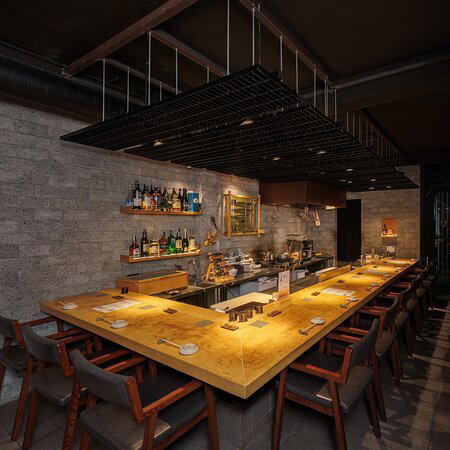
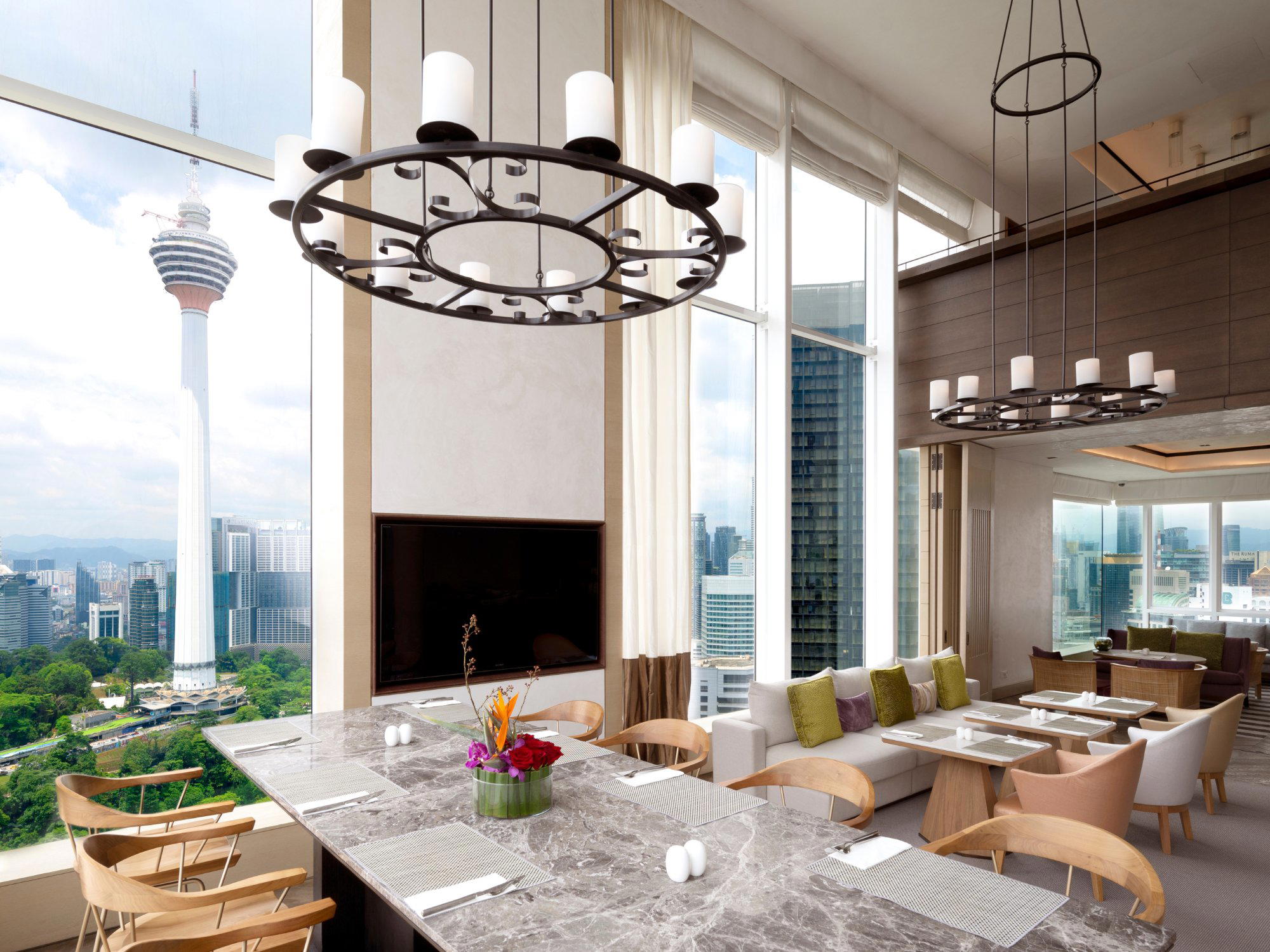
Hotel-based Japanese restaurants in Southeast Asia occupy an interesting position: they carry the infrastructure and prestige of a five-star address while needing to justify themselves against the city's standalone specialist counters. At The St. Regis Kuala Lumpur, level 3A holds a sushi-ya that has been doing exactly that since 2016. The room sits above the bustle of KL Sentral, and the formality of a St. Regis corridor gives way to an environment calibrated for focus — the kind of quiet that signals the kitchen expects your attention in return.
That expectation is earned through sourcing. The supply logic here follows the orthodox Tokyo omakase model: fish is airfreighted from Japan on a schedule tied to seasonal availability, not local market convenience. This is not unusual at the city's handful of serious Japanese counters, but it is far from standard practice across KL's wider Japanese dining scene, where proximity to domestic seafood markets often shapes what appears on the plate. The sourcing commitment means the menu shifts with Japanese seasons rather than Malaysian ones — a distinction that separates this tier of counter from the broader field.
The Rice Question
Among the details that define omakase discipline, sushi rice is often the least visible to the diner and the most contested among practitioners. The rice at Sushi Taka is sourced from a specific town in Niigata Prefecture, a region in northwestern Japan with a long reputation for short-grain rice cultivation shaped by snowmelt water and extended cold winters. That specificity is not incidental. In a format where protein sourcing gets most of the attention, the decision to trace the rice to a named origin is a signal about the kitchen's standards across every component of the preparation, not just the fish on leading.
Niigata rice appears at high-end counters across Tokyo and has become a reference point in omakase circles across Asia. Encountering it in Kuala Lumpur, specified by provenance rather than generic grade, places Sushi Taka in a conversation with counters like Harutaka in Tokyo and Shoukouwa in Singapore, where the granularity of sourcing across all elements , not just the headline fish , is part of the value proposition.
The Omakase Format
The menu structure follows a familiar progression: appetisers, sashimi, and then the ten-piece nigiri sequence that forms the core of the omakase. This format has become the dominant framework for premium sushi dining across Asia's major cities, from Sushi Shikon in Hong Kong to Sukiyabashi Jiro Roppongiten in Tokyo and Sushi Harasho in Osaka. The ten-nigiri sequence is compact enough to maintain pacing while allowing the chef to move through contrasting cuts and temperatures across the meal.
What the format demands is execution consistency across every piece, and here the kitchen's sourcing logic becomes structural rather than decorative. When fish arrives from Japan at frequency tied to seasonal availability, the nigiri sequence can respond to what is genuinely at its peak rather than defaulting to a fixed roster. That responsiveness is what separates a sourcing-led omakase from a menu that happens to use imported fish.
Where Sushi Taka Sits in the KL Japanese Tier
Kuala Lumpur's serious Japanese counter scene is small. A handful of omakase addresses operate at the leading price tier , $$$$, the same bracket occupied by Dewakan and DC. by Darren Chin in their respective categories , and within that set, the Japanese specialists compete on sourcing provenance, chef lineage, and format discipline. Sushi Taka's consecutive Michelin Plate recognition in 2024 and 2025 places it inside that credentialled tier, alongside Sushi Masa and Sushi Ori as addresses where the Michelin guide has found something worth noting.
The Michelin Plate designation, distinct from a starred award, signals cooking that the guide considers good without placing it in the starred tier. At the $$$$ price point, that context matters: the diner is paying for sourcing commitment and format authenticity, not for the shorthand of a star. Whether that trade-off is compelling depends on what the reader is comparing it against. In KL's current Japanese scene, the alternatives at comparable price and seriousness are limited, and Sushi Taka's nine-year operating history at this address gives it a consistency record that newer counters cannot match.
For those exploring KL's wider dining scene alongside a Japanese counter dinner, the city offers considerable range. The Beta team's approach to Malaysian cuisine at $$$ provides an interesting contrast in sourcing philosophy, anchored in local and heritage ingredients rather than imported ones. The broader picture of what KL dining looks like across formats, price tiers, and cuisines is covered in our full Kuala Lumpur restaurants guide.
The Sake List and the Wider Beverage Program
The pairing option at a sourcing-led sushi counter matters more than it might at a restaurant where the kitchen's identity is less ingredient-specific. A well-considered sake list at an omakase counter serves a structural purpose: sake, particularly junmai daiginjo expressions, is designed not to compete with raw fish flavours in the way that tannin-forward wine can. The list here is described as well-curated, and for oenophiles, it represents an extension of the kitchen's attention to provenance , the same logic that traces rice to a Niigata town applies to the regional diversity and grade selection of the sake program.
Planning a Visit
Sushi Taka is located on Level 3A of The St. Regis Kuala Lumpur at 6 Jalan Stesen Sentral 2, within the KL Sentral development, making it one of the more accessible fine-dining addresses in the city for visitors arriving by rail. The price tier is $$$$ , the leading bracket in the KL market , and the Google rating of 4.5 from 282 reviews indicates consistent satisfaction over time. The omakase format means reservations are the appropriate way to approach a visit; the restaurant has been operating at this address since 2016, and demand at this tier in KL warrants advance planning. For accommodation context, our Kuala Lumpur hotels guide covers the wider options around the city. Those building a broader Malaysia itinerary may also find value in comparing the dining scenes at Auntie Gaik Lean's Old School Eatery in George Town, Bee See Heong in Seberang Perai, and The Planters at The Danna in Langkawi. For bars and experiences within the city, the KL bars guide and experiences guide cover the adjacent options.
Style and Standing
Comparable options at a glance, pulled from our tracked venues.
| Venue | Cuisine | Awards | Notes |
|---|---|---|---|
| Sushi Taka | Sushi | Since 2016, this upmarket sushi-ya in a prestigious hotel has been prized for th… | This venue |
| Dewakan | Malaysian | Michelin 2 Star | Malaysian, $$$$ |
| Beta | Malaysian | Michelin 1 Star | Malaysian, $$$ |
| Molina | Innovative | Michelin 1 Star | Innovative, $$$$ |
| DC. by Darren Chin | French Contemporary | Michelin 1 Star | French Contemporary, $$$$ |
| Ah Hei Bak Kut Teh | Malaysian | Malaysian, $ |
Continue exploring
More in Kuala Lumpur
Restaurants in Kuala Lumpur
Browse all →
Bars in Kuala Lumpur
Browse all →


At a Glance
- Elegant
- Sophisticated
- Intimate
- Quiet
- Special Occasion
- Date Night
- Solo
- Chefs Counter
- Open Kitchen
- Hotel Restaurant
- Sake Program
- Sommelier Led
- Sustainable Seafood
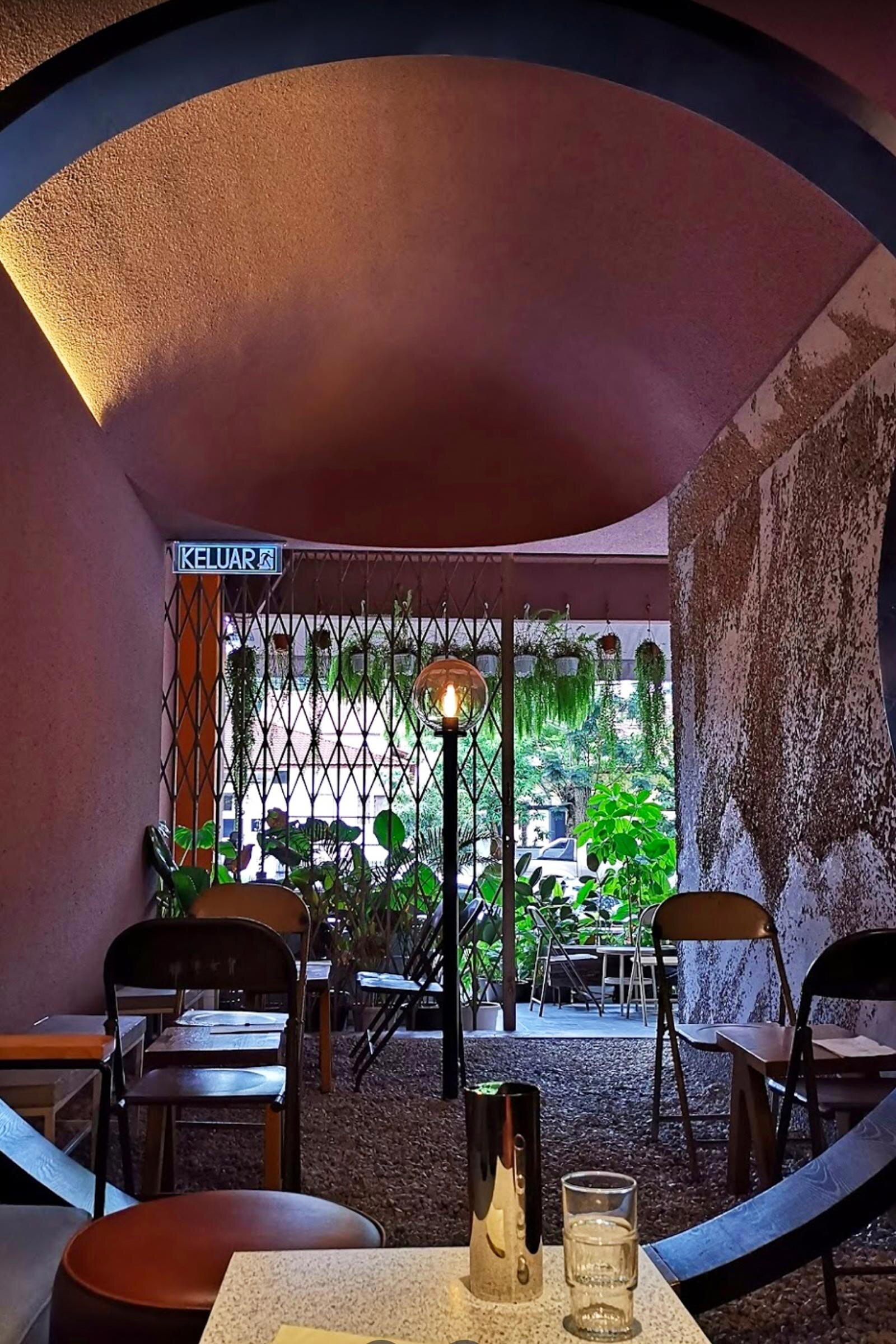
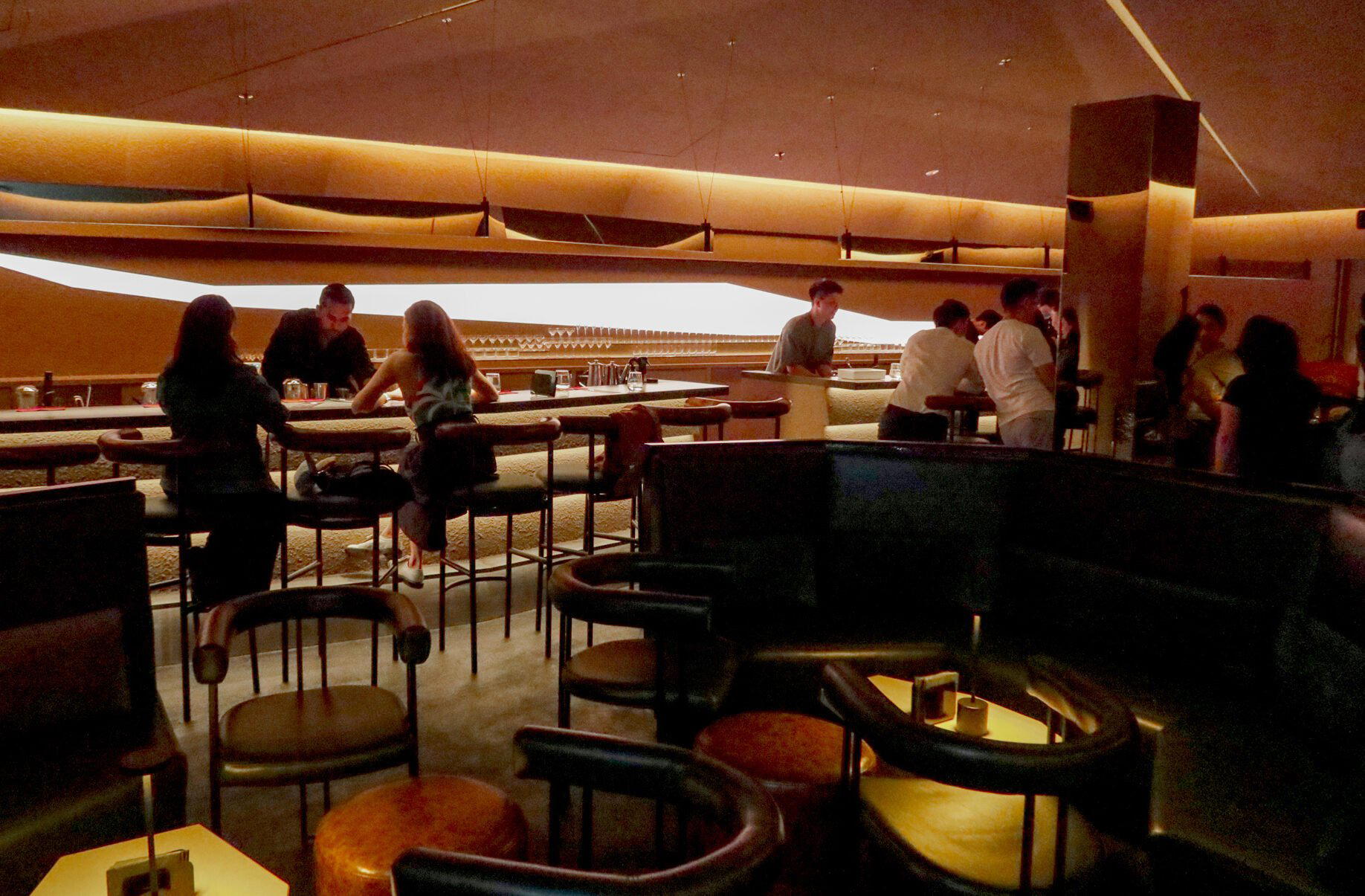
Peaceful, elegant, and posh atmosphere with a serene counter setting where diners can watch the master chef prepare each piece with meticulous attention to detail.