Hide




Michelin Plate · Star Wine List · Tatler Best 20
Our verdict
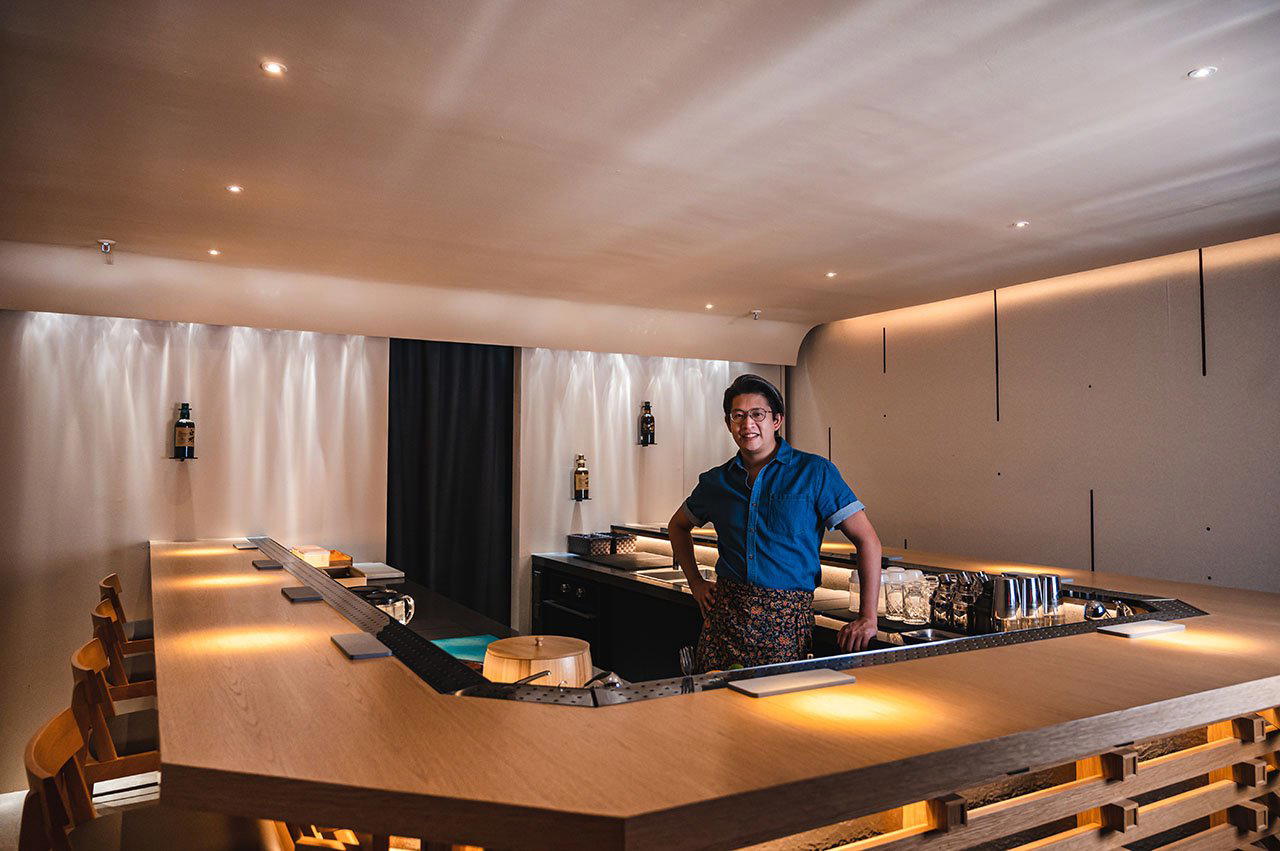
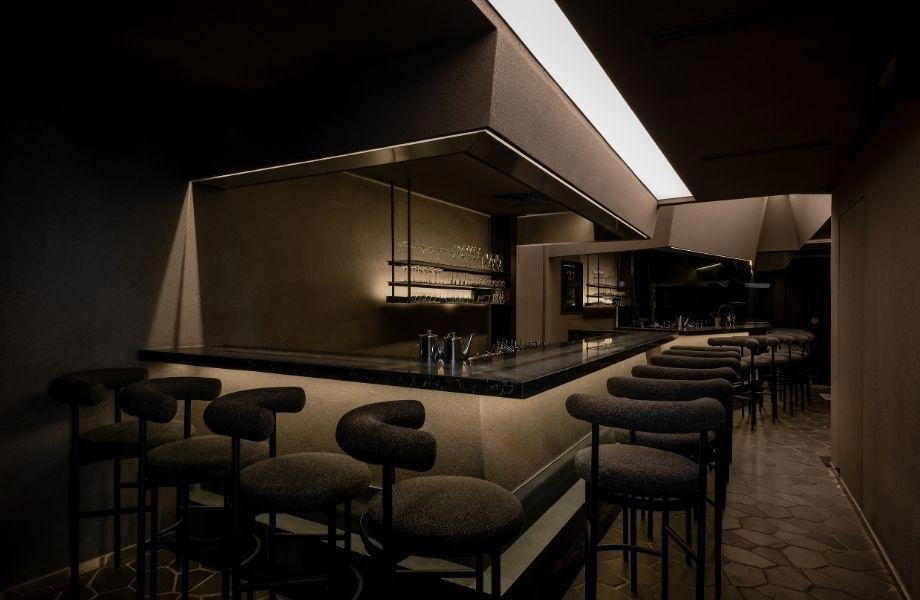
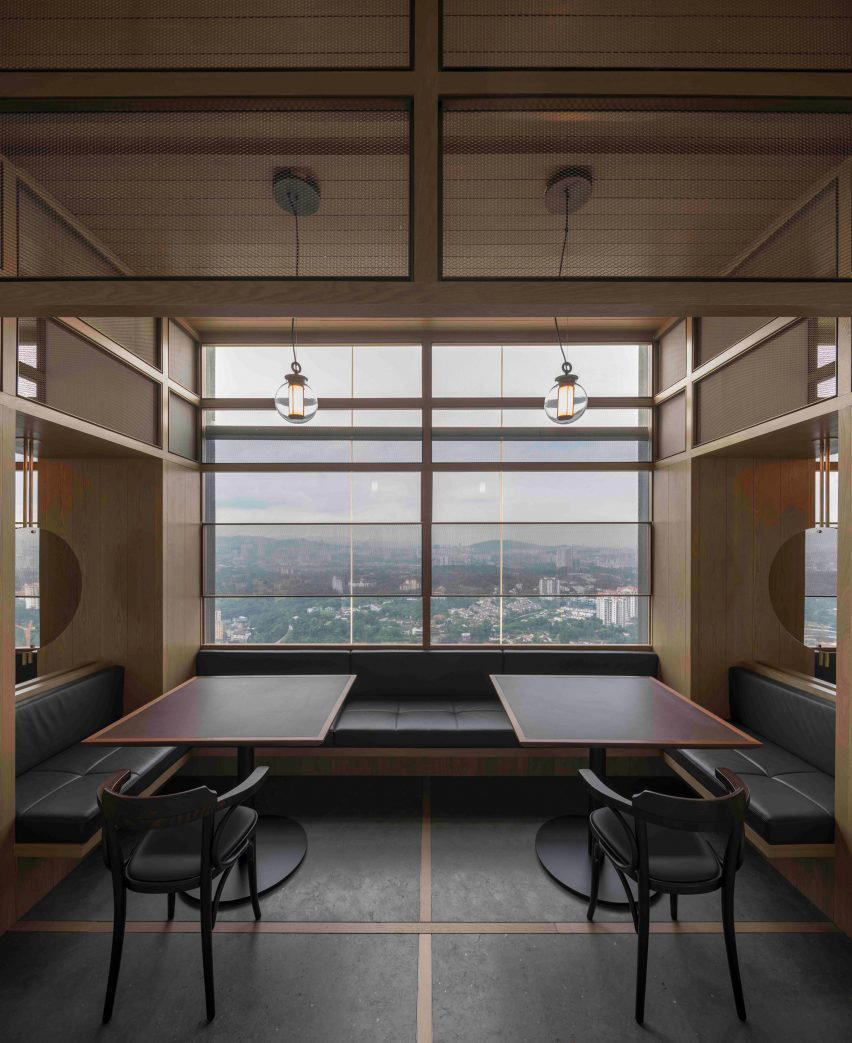
Hide occupies a 13-seat chef's table counter inside the Ritz-Carlton Residences on Jalan Ampang, making it the first format of its kind in Kuala Lumpur when it opened in 2021. The U-shaped marble counter faces an open kitchen, and the season-driven tasting menu carries the Michelin Plate recognition it earned in 2025. Chef Ollie Dabbous lends the kitchen its European fine-dining lineage within a format built for intimacy.

Pearl is the En Primeur Club membership app, where members save venues, book tables and use the concierge.
The menu
What to order
- Chicken & Foie with Tamarind Glaze
- Not a Bread (Airless Meringue with Comte)
- Melinjo Curry Noodles
- Nasi Ulam with Black Cod and Crab Curry
- Aged Penang Duck
A Corner That Asks You to Pay Attention
The entrance to Hide gives little away. Tucked into the concourse level of the Ritz-Carlton Residences on Jalan Ampang, it sits among paintings with no obvious fanfare, the kind of placement that rewards guests who already know where they are going. Once inside, the room resolves into a single architectural gesture: a U-shaped marble counter wrapping around an open kitchen, with 13 seats arranged so that every position faces the work directly. There is no dining room in the conventional sense, no separation between the table and the stove. The format is chef's table in the structural sense, not as a marketing category.
This physical configuration was deliberate and, in 2021, without a direct precedent in Kuala Lumpur. The city's fine-dining tier had long operated through conventional table service, with even its most ambitious kitchens keeping the pass at a polite distance from the guest. Hide's counter format introduced a different social contract: the kitchen becomes the focal point, timing is collective, and the menu unfolds as a shared sequence rather than a series of individual orders. KL's innovative dining scene has since expanded considerably, with counter-led formats appearing at Molina and Ling Long, but Hide's 2021 opening marked the moment that format arrived with serious intent.
What the Menu Architecture Reveals
The tasting menu at Hide is described as season-driven, which in this context means something more specific than a rotation of local produce. The structure weaves diverse influences into a sequential format, drawing on the European fine-dining grammar that chef Ollie Dabbous carries from his London background while placing it inside a Malaysian context that operates on different ingredient rhythms and flavour registers. The result is a menu that does not read as fusion in the casual sense but as a considered layering of culinary reference points, where the architecture of the meal, the progression from lighter to more complex, the use of contrast as a structural device, reflects a European tasting menu logic applied to ingredients and influences that shift with what the season and the region make available.
This is a meaningful distinction in a city where the innovative tier divides broadly into two approaches: restaurants that use Malaysian ingredients as a starting point and build outward from local tradition, as Dewakan (Malaysian) does with considerable rigour, and restaurants that arrive with a fully formed external culinary vocabulary and find the local context within it. Hide sits closer to the second position. Guests who have eaten at Nadodi or Seed will recognise the category even if the specific vocabulary differs sharply.
Across Asia, the innovative tasting menu format has produced a cluster of restaurants that hold this same tension productively. Thevar and Meta in Singapore, alla prima and Soigné in Seoul, and MAZ in Tokyo all operate within a format where the structure of the meal is itself an argument about where the chef stands between their training and their address. Hide makes a version of that argument from Jalan Ampang.
Recognition and Where It Places Hide
Hide holds a Michelin Plate for 2025, which in the Guide's terminology signals a kitchen producing food that is good enough to note without yet reaching the starred tier. Within KL's competitive fine-dining market, this places Hide in a mid-recognition bracket: acknowledged by the Guide, operating at a price point and format ambition that targets the starred tier, but without the star that would cement its position in the leading rank. The Opinionated About Dining rankings add a different data layer: ranked 212th among European restaurants in 2025 (up from 255th in 2024, and highly recommended as a new entry in 2023), a trajectory that suggests a kitchen gaining traction with a specialist audience rather than plateauing.
It is worth noting that the OAD ranking categorises Hide within a European frame, reflecting Dabbous's training and the menu's primary culinary lineage rather than its geographic location. This is not unusual for chef's table formats built around a named international chef operating outside their home market, but it does clarify where the kitchen's critical audience primarily sits.
The Format's Practical Implications
Thirteen seats is not a capacity that accommodates casual drop-ins. The chef's table format at this price tier, combined with the property's position inside the Ritz-Carlton Residences on Jalan Ampang, means booking in advance is a practical necessity rather than a precaution. The address places the restaurant within reach of the broader Golden Triangle, making it accessible in the context of KL's larger fine-dining circuit, though the Residences setting means first-time visitors should account for the slightly unconventional entry route through the concourse level. The $$$$ price classification aligns Hide with KL's top-tier tasting menu bracket, where DC. by Darren Chin and Dewakan operate at comparable spend levels.
For guests building a broader KL dining itinerary, our full Kuala Lumpur restaurants guide maps the city's tasting menu options across price tiers and culinary approaches. Those staying in the area and wanting to extend beyond dining should also consult our full Kuala Lumpur hotels guide, our full Kuala Lumpur bars guide, our full Kuala Lumpur experiences guide, and our full Kuala Lumpur wineries guide for a complete picture of what the city offers at the premium tier.
For those building a broader Malaysian itinerary around serious dining, the country's restaurant scene extends well beyond KL. Auntie Gaik Lean's Old School Eatery in George Town and Bee See Heong in Seberang Perai represent the Penang end of the spectrum, while The Planters at The Danna in Langkawi offers a resort-setting alternative for those heading north.
Frequently asked questions
Who is the chef or culinary lead at Hide?
The chef associated with Hide is Ollie Dabbous.
What distinctions does Hide have?
Hide has received recognition including: The first Chef's Table concept in Kuala Lumpur with only 13 seats and an open kitchen. Hide Restaurant is located in a small corner of Ritz Carlton Residences and they opened in 2021. Chef and Founder...; Hide hides its entrance in a quiet ….
What dish is Hide famous for?
Hide does not publicise a signature dish, which is consistent with its chef's table format: the season-driven tasting menu rotates rather than anchoring on a single item. The kitchen's approach, recognised by a Michelin Plate in 2025, is structured around menu-wide coherence across courses rather than a single standout plate. Guests booking the 13-seat counter should expect the menu to shift with the season, making any fixed dish reference unreliable as advance guidance.
What style of cooking does Hide do?
How much does it cost to eat at Hide?
Pricing at Hide is listed as $$$$.
What's Hide's location?
Hide is located at Concourse, Ritz-Carlton Residences, 105, Jln Ampang, Kuala Lumpur, 50450 Kuala Lumpur, Wilayah Persekutuan Kuala Lumpur, Malaysia, Kuala Lumpur.
Cuisine Context
| Venue | Cuisine | Price | Awards | Notes |
|---|---|---|---|---|
| HideThis venue (the venue you are viewing) | Modern Global Tasting Menu with Malaysian Heritage | $100–150 | Michelin Plate · Star Wine List | Not listed |
| Dewakan | Modern Malaysian Fine Dining | $150–200 | 2 Michelin Stars · World's 50 Best #62 | Malaysian |
| Beta | Modern Malaysian Fine Dining | $100–150 | 1 Michelin Star · La Liste Top Restaurants | Malaysian |
| Molina | Avant-Garde European Fine Dining | $150–200 | 1 Michelin Star | Innovative |
| DC. by Darren Chin | French Contemporary Fine Dining | Not listed | 1 Michelin Star · La Liste Top Restaurants | French Contemporary |
| Ah Hei Bak Kut Teh | Traditional Herbal Bak Kut Teh | $10–20 | Michelin Bib Gourmand | Not listed |
Recognition history
Dated appearances from independent guides and award organizations, with the underlying list record or original source where available.
Michelin Plate
Michelin
Star Wine List
Star Wine List
Tatler Best 20
Tatler
Opinionated About Dining Top Restaurants in Europe Ranked #212
Opinionated About Dining
Full recognition history (8 entries)
Tatler Best 20
Tatler
Tatler Listed in Best Restaurants Asia-Pacific
Tatler
Opinionated About Dining Top Restaurants in Europe Ranked #255
Opinionated About Dining
Opinionated About Dining Top New Restaurants in Europe Highly Recommended
Opinionated About Dining