The Brasserie

The Brasserie at The St. Regis Kuala Lumpur holds consecutive Michelin Plate recognition (2024 and 2025) for its modern French cooking with Mediterranean and Asian inflections. The kitchen's signature Pithivier de Louise, beef, foie gras and chicken mousse in buttery pastry, is designed for two, while a five- to seven-course tasting menu sits alongside à la carte and vegetarian options at the $$$-tier price point.
Pearl is the En Primeur Club membership app — saves, bookings, and concierge access live there. Same editors, same standards.
- Address
- Level 2, The St. Regis, 6, Jalan Stesen Sentral 2, Kuala Lumpur Sentral, 50470 Kuala Lumpur, Wilayah Persekutuan Kuala Lumpur, Malaysia
- Phone
- +60 3-2727 6696
- Website
- thebrasseriekl.com
- Directions
- Get directions
 Saves & bookings on Pearl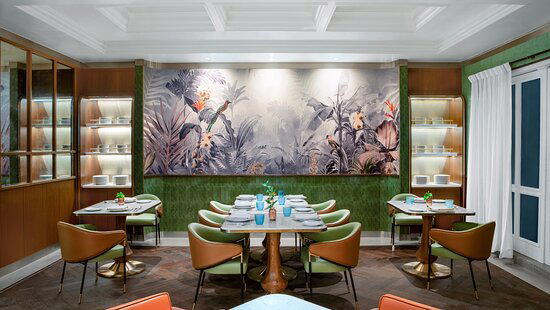
Arriving at Level 2, KL Sentral
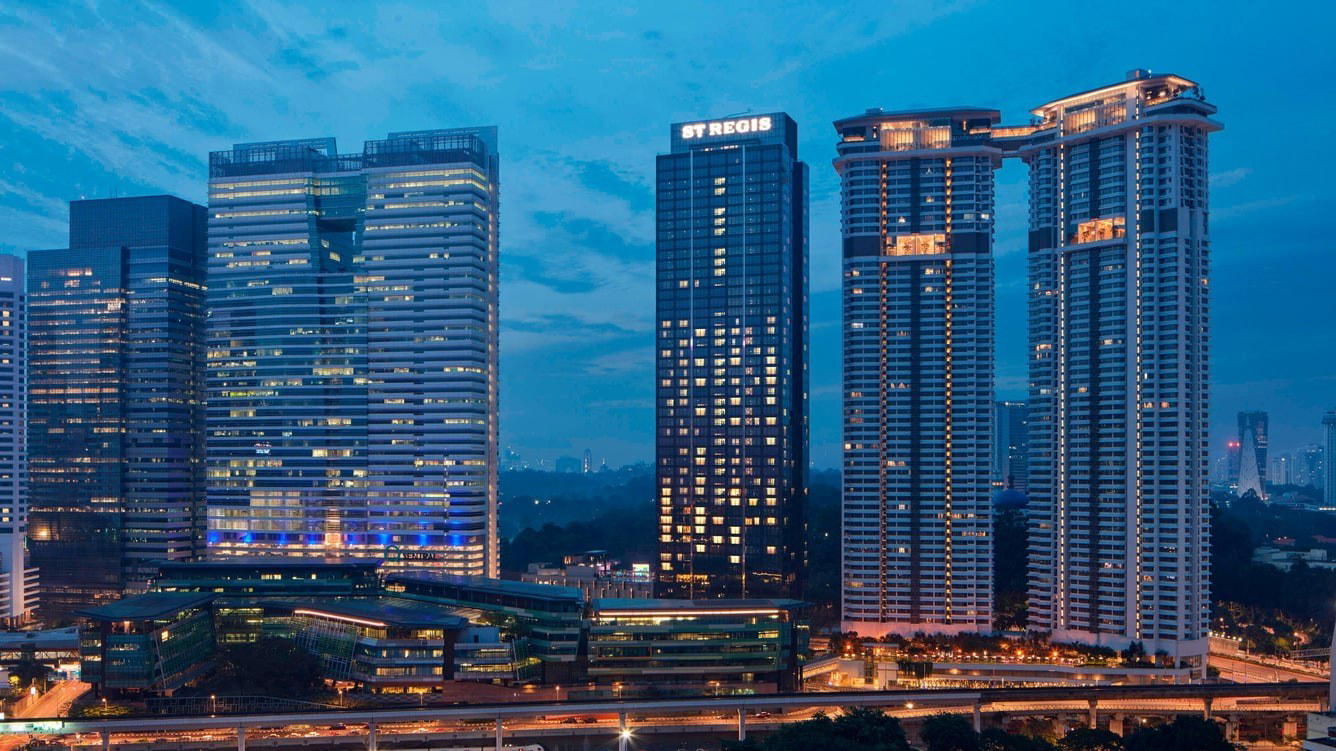
KL Sentral is the kind of address that signals intention. The transport hub's gravity pulls in a cross-section of the city, and the hotel towers around it have staked their F&B; programming accordingly. Arriving at The St. Regis means riding past the lobby's marble columns and up to Level 2, where The Brasserie occupies a position that already communicates a certain register before a menu is opened. The room belongs to the international luxury-hotel dining category, a category that in Kuala Lumpur has become increasingly competitive.
Where This Kitchen Sits in KL's French Contemporary Scene
French contemporary dining in Kuala Lumpur has developed into a genuine competitive field. DC. by Darren Chin operates at the $$$$-tier with a tightly curated omakase-style format, while Cilantro, Dominic, Entier, and Potager each occupy distinct positions across the price-format spectrum. The Brasserie at $$$ places itself as the accessible end of serious French cooking in the city, not a hotel café that happens to use butter, but a Michelin-recognised kitchen operating at a price point that doesn't require the financial commitment of KL's upper-tier tasting-menu houses.
Michelin Plate recognition in 2024 and 2025 is one concrete trust signal available here. A Michelin Plate denotes cooking that stands above the category average without reaching the starred threshold, a position that in practice describes many of the more interesting dining rooms in any city. For Kuala Lumpur's French contemporary scene, that credential places The Brasserie in a confirmed comparable set rather than on a speculative recommendation.
The regional context is useful too. French contemporary cooking across Southeast Asia tends to split between the technically exact and the culturally layered. Amber in Hong Kong, Odette in Singapore, and Robuchon au Dôme in Macau sit at the starred ceiling of the format in the region. Feuille in Hong Kong has staked a position on hyper-local produce philosophy. The restaurant's stated approach, European classical technique carrying Mediterranean and Asian inflections, reflects a broader school of thinking in the region: that the boundaries between French form and local flavour are worth testing systematically, not just occasionally.
The Menu Architecture
The kitchen offers three entry points: à la carte, a standalone vegetarian option, and a five- to seven-course tasting menu. That structure matters practically. A five-to-seven-course range within a single tasting-menu format signals that the kitchen builds menus with some flexibility, whether that reflects seasonal changes, the table's preferences, or the kitchen's current direction is detail that warrants confirmation at the time of booking. The vegetarian option appearing as a distinct track rather than an afterthought is worth noting; in Kuala Lumpur's Muslim-majority dining context, the kitchen's explicit acknowledgment of dietary alternatives reflects awareness of who is actually eating in the city.
Pithivier de Louise is the dish with the public profile in the available record. Layers of beef, foie gras, and chicken mousse enclosed in buttery, flaky pastry, it is a format with deep classical roots in French cooking, and the fact that it is designed for two people positions it as a centrepiece rather than a starter or solo plate. The technique required to execute a Pithivier well is not trivial: the pastry must hold against the moisture of the filling, the interior must reach temperature without overcooking, and the visual presentation needs to arrive intact. That this dish appears as a signature reflects a kitchen comfortable operating in the classical-showcase register.
The menu's Mediterranean-Asian inflection reflects the chef's training across Europe and Asia. The ability to move between those culinary reference points with coherence is what the format requires.
Planning the Visit
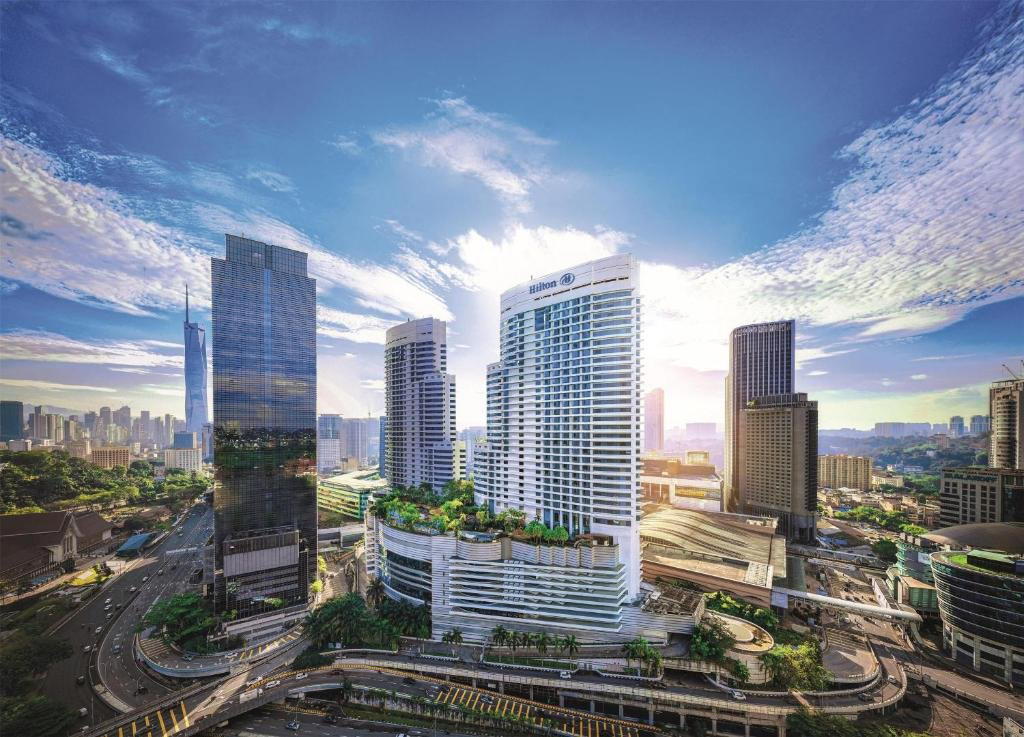
St. Regis Kuala Lumpur at Jalan Stesen Sentral 2 sits inside KL Sentral, the city's main rail interchange. KTM Komuter, KLIA Ekspres, LRT, and Monorail all feed into the hub, and the hotel connects directly to the Sentral complex. For travellers moving between the airport and the city centre, the address functions as an efficient stop rather than a detour.
$$$-tier pricing places the restaurant above the mid-range Kuala Lumpur dining market but below the $$$$-tier that characterises DC. by Darren Chin and Molina. At this tier, a tasting menu dinner for two in KL typically sits in the range that requires advance planning rather than spontaneous booking, but the hotel-dining context generally means reservation lead times are more forgiving than standalone tasting-menu houses. Confirming availability and current menu format, particularly the course count and any seasonal adjustments, at the time of booking is a practical step that avoids surprises. The vegetarian track and the à la carte option mean the table doesn't need to align on a single format, which reduces pre-visit negotiation for mixed groups.
Beyond KL, Malaysian dining worth planning around includes Auntie Gaik Lean's Old School Eatery in George Town, Bee See Heong in Seberang Perai, and The Planters at The Danna in Langkawi. If French contemporary is the specific interest on a regional trip, the comparison set extends to Bagatelle in Trier for a European benchmark.
What to Know Before You Book
What dish is the restaurant famous for?
Pithivier de Louise is the kitchen's most-noted signature: a classical French pastry case filled with beef, foie gras, and chicken mousse, served as a dish for two. It sits within the à la carte menu alongside the five- to seven-course tasting menu, which provides the fullest picture of how the kitchen moves between French classical structure and its Mediterranean and Asian reference points. The restaurant holds Michelin Plate recognition in both 2024 and 2025, and the signature dish reflects the classical-showcase cooking that credential typically accompanies.
Accolades, Compared
Comparable venues nearby, for context on price, style, and recognition.
| Venue | Cuisine | Price | Awards | Notes |
|---|---|---|---|---|
| The BrasserieThis venue — the venue you are viewing | French-Mediterranean Brasserie | $$$$ | Michelin Plate | Not listed |
| Café Café | Classic French Bistro | $$$$ | Michelin Plate | Bukit Petaling |
| Skillet | Modern European with Asian Influences | $$$ | Michelin Plate | Kampong Baharu |
| Ushi | Japanese Ozaki Beef Kaiseki | $$$$ | Michelin Plate | Brickfields |
| Seed | Modern French-Japanese Fusion | $$$$ | Michelin Plate | Taman Cheras |
| Kazu | Edomae Sushi Omakase | $$$$ | Michelin Plate | Kampong Bukit Mati |
Recognition history
Dated appearances from independent guides and award organizations, with the underlying list record or original source where available.
Michelin Plate
Michelin
Michelin Plate
Michelin
Michelin Plate
Michelin
Continue exploring
More in Kuala Lumpur
Restaurants in Kuala Lumpur
Browse all →
Bars in Kuala Lumpur
Browse all →
At a Glance
- Elegant
- Sophisticated
- Classic
- Brunch
- Family
- Celebration
- Business Dinner
- Hotel Restaurant
- Local Sourcing
Current opening hours
- Monday
- 6:30 AM–10 PM
- Tuesday
- 6:30 AM–10 PM
- Wednesday
- 6:30 AM–10 PM
- Thursday
- 6:30 AM–10 PM
- Friday
- 6:30 AM–10 PM
- Saturday
- 6:30 AM–10 PM
- Sunday
- 6:30 AM–10 PM
Hours can change for holidays and private events. Last verified .
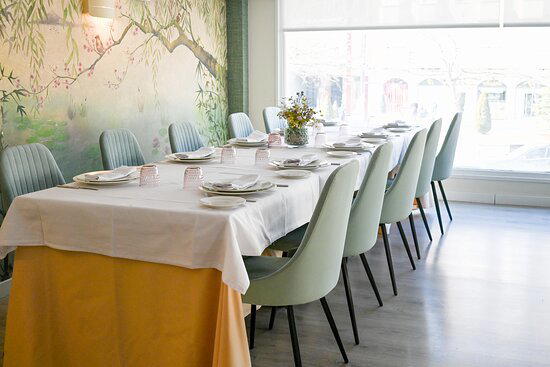
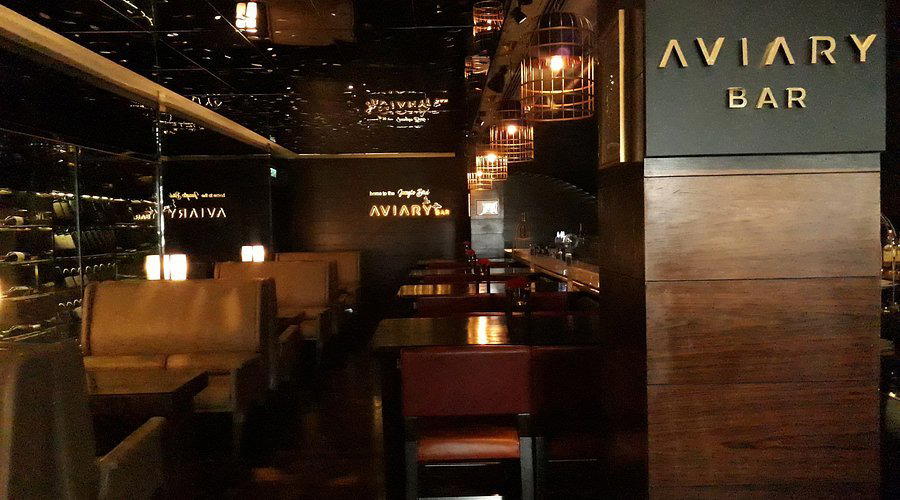
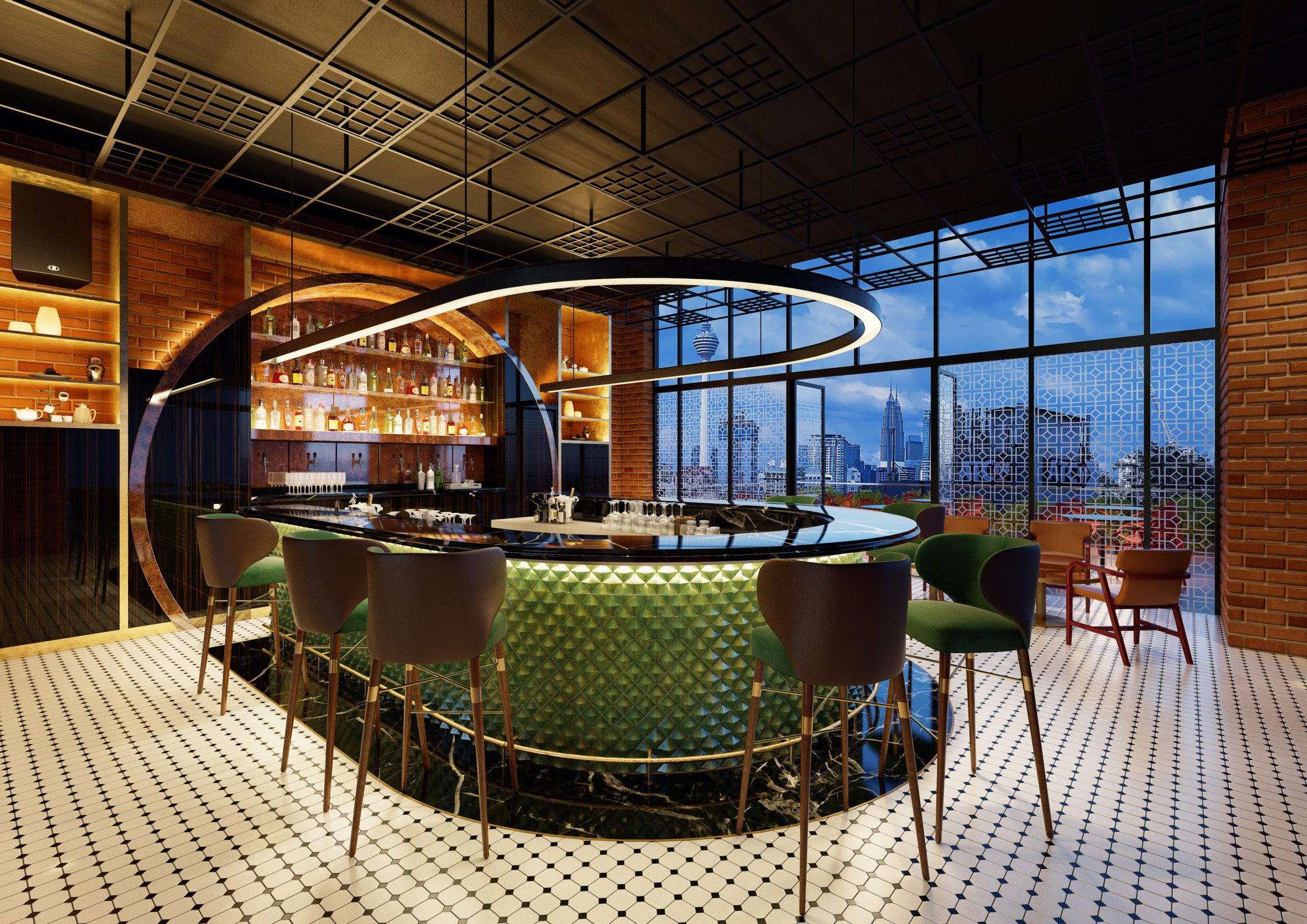
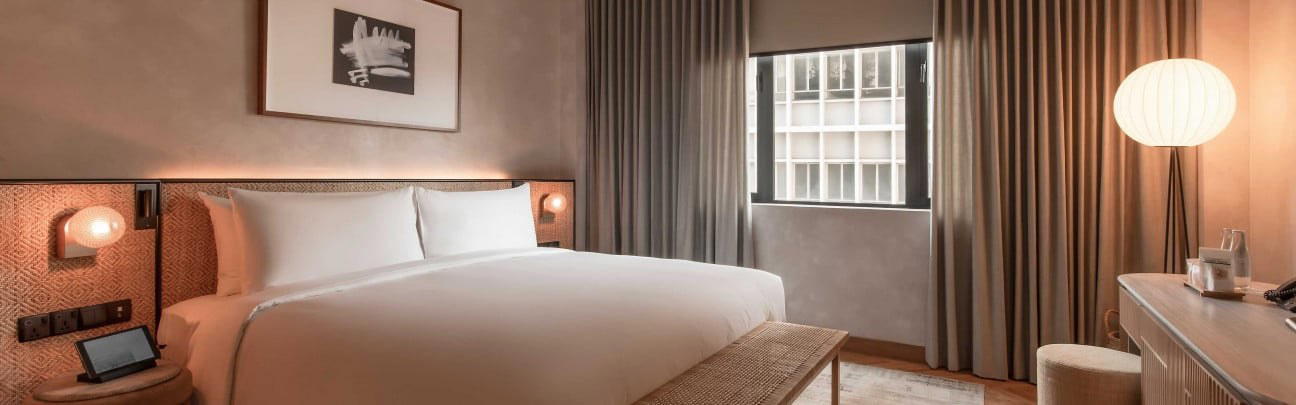
Elegant and airy with natural light, sophisticated decor reminiscent of a refined French café, and a welcoming upscale atmosphere.