Sushi Ishikawa

Our verdict
Sushi Ishikawa on Manhattan's Upper East Side has built a consistent presence on the Opinionated About Dining North America rankings since 2023, climbing from a recommended listing to a ranked position in both 2024 and 2025. Under chef Don Pham, the East 74th Street counter operates within the city's mid-to-upper omakase tier, away from Midtown's most visible sushi addresses and closer to the neighbourhood dining rhythm of the Upper East Side.

Pearl is the En Primeur Club membership app, where members save venues, book tables and use the concierge.
The menu
What to order
- Toro with caviar and gold leaf
- Uni
- Truffle sushi
A Counter in the Upper East Side's Quieter Register
New York's omakase market has reorganised itself over the past decade into a recognisable hierarchy. At one end, a handful of Midtown and downtown counters operate at trophy-dinner price points, drawing destination diners and corporate expense accounts in roughly equal measure. At the other, a wider bracket of neighbourhood-anchored sushi rooms has developed loyal followings without the same visibility or volume of press coverage. Sushi Ishikawa, at 419 East 74th Street, belongs to the second group. Its three consecutive appearances on the Opinionated About Dining North America rankings, recommended in 2023, ranked #385 in 2024, and ranked #419 in 2025, confirm a sustained level of quality without placing it in the same competitive bracket as the city's most-discussed Japanese rooms.
That positioning matters for how the Upper East Side functions as a dining address. The neighbourhood has never been the centre of New York's restaurant conversation, but it supports a category of high-quality, lower-profile dining that suits residents who eat well without seeking spectacle. Sushi Ishikawa fits that pattern. East 74th Street is residential in character, and a sushi counter at that address is designed for repeat visits rather than first-night-in-New-York occasions.
The Physical Container and What It Implies
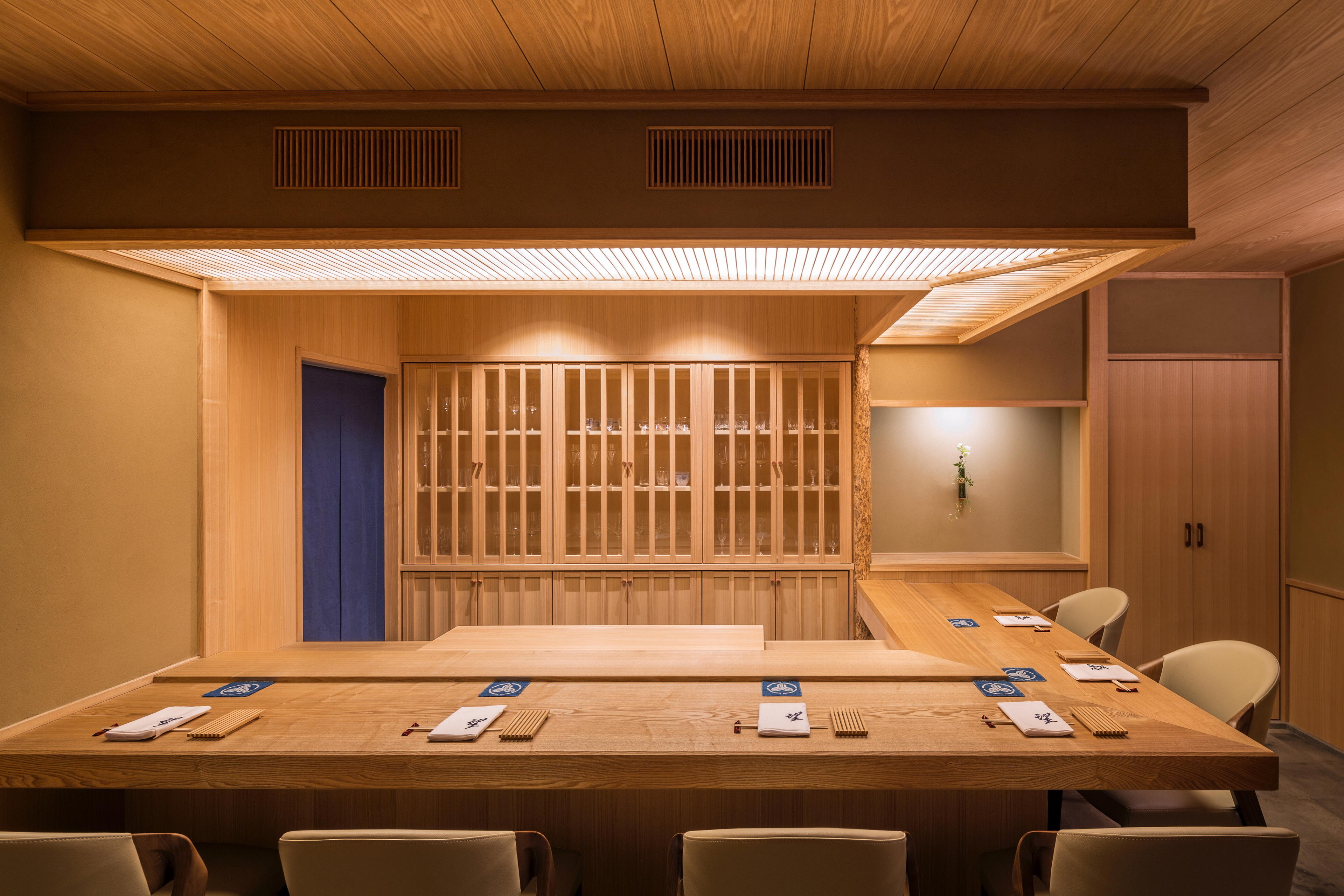
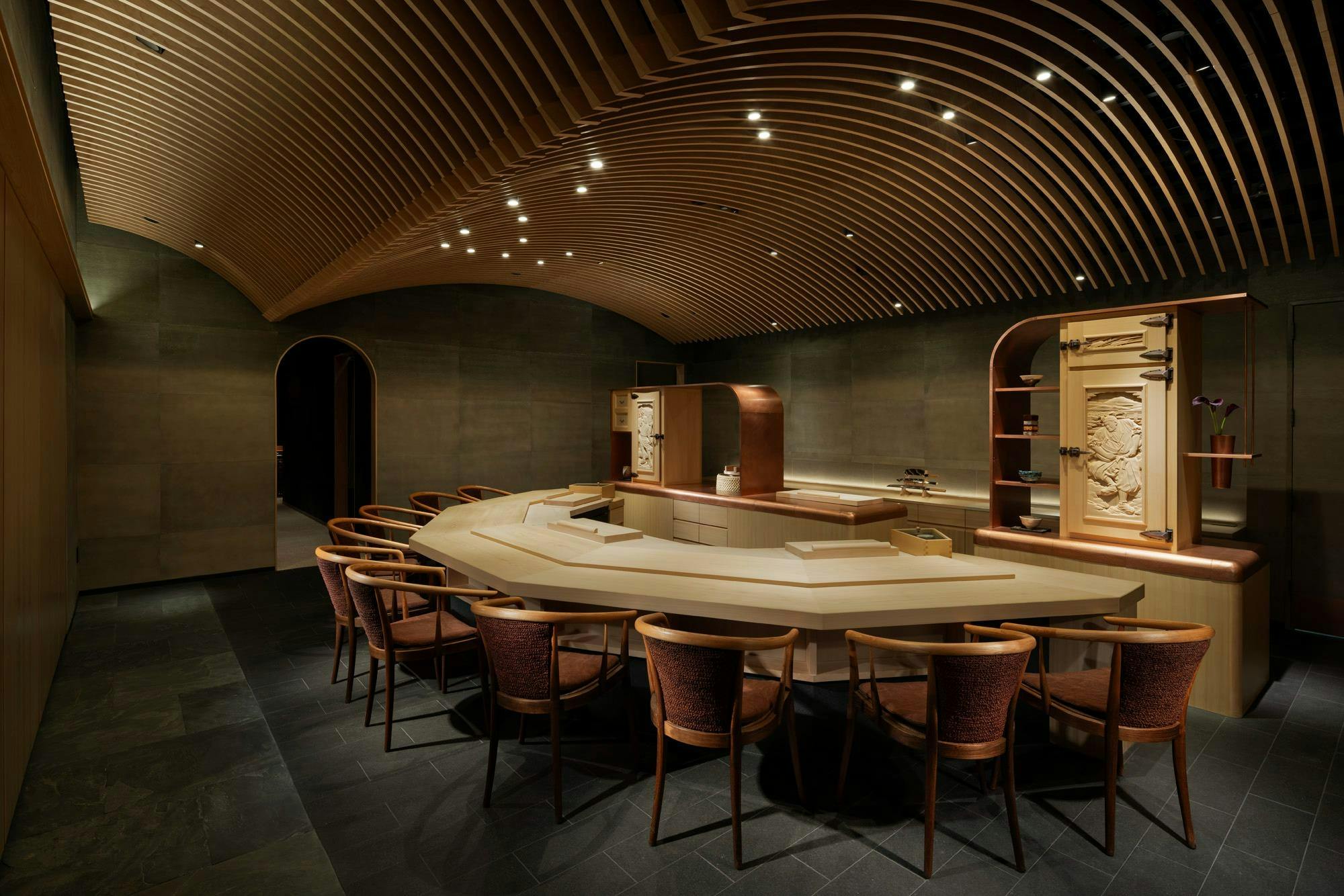
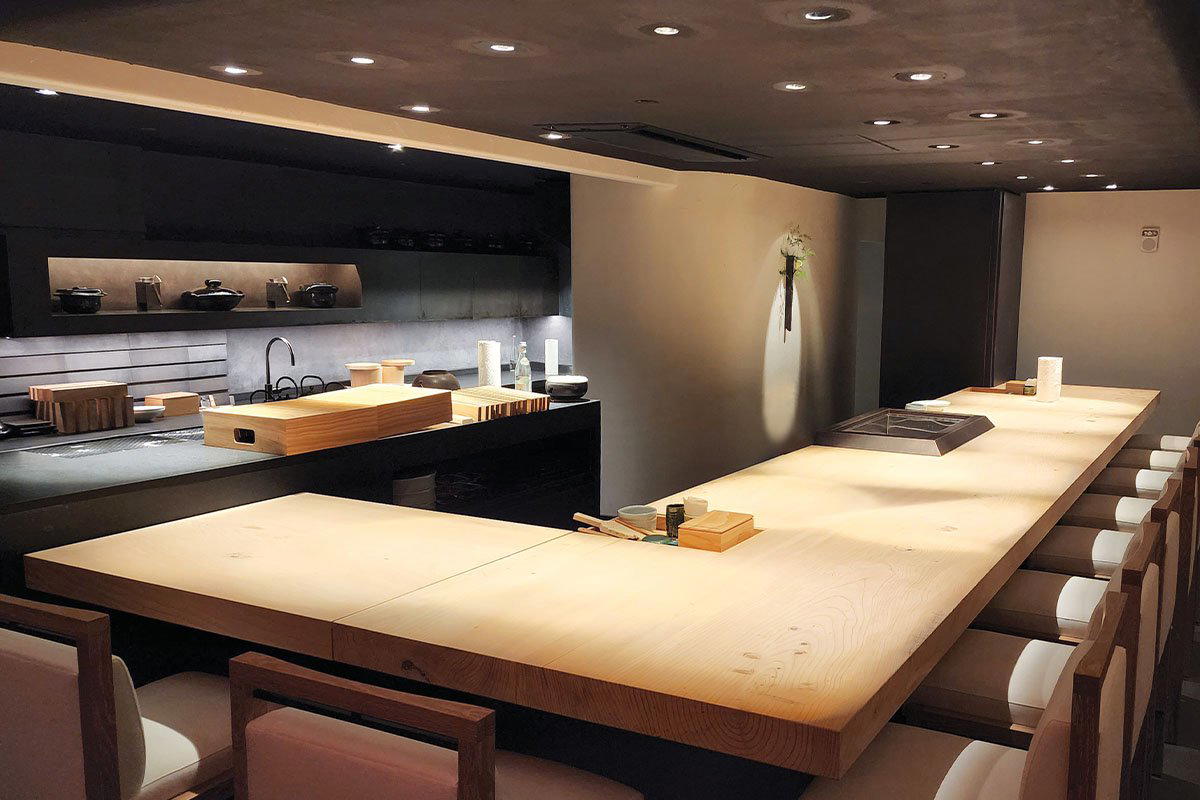
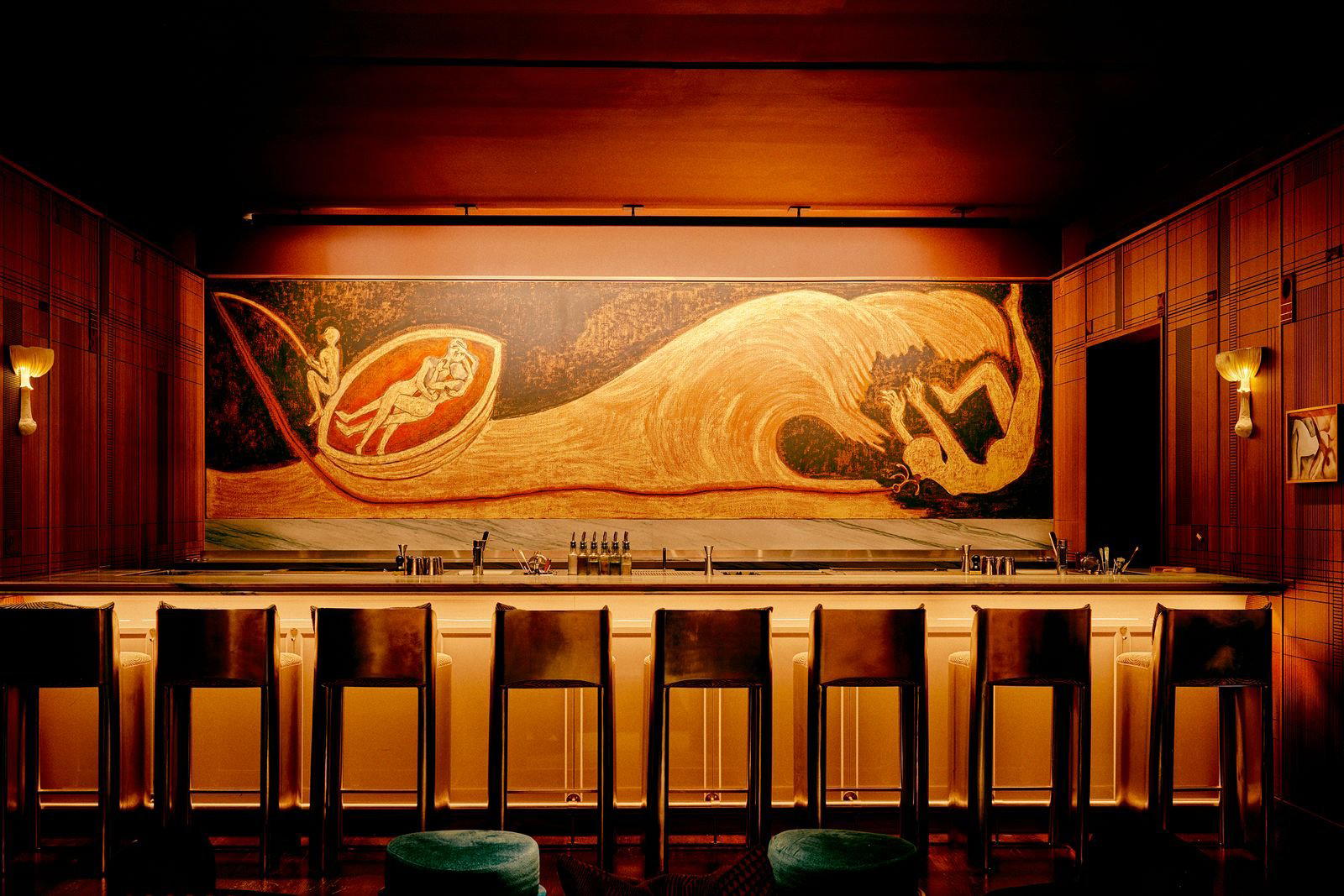
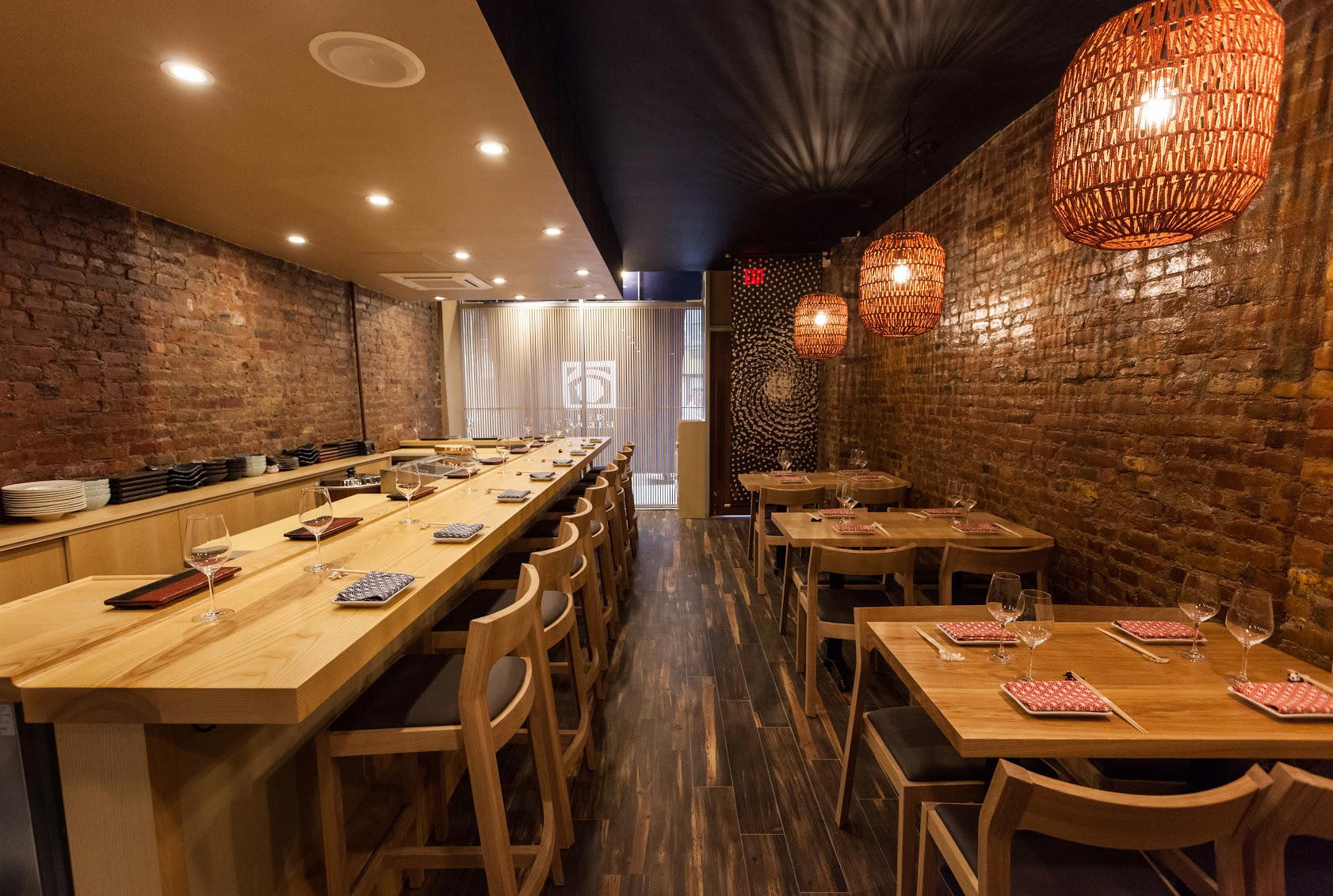
The design language of serious omakase counters in New York has converged around a particular set of signals: pale wood, minimal overhead, close proximity between chef and diner, and a deliberate absence of visual distraction. These are not aesthetic choices in isolation. They are functional, the counter format places the preparation itself at the centre of the experience, and the room is built to support that priority rather than compete with it.
What distinguishes neighbourhood counters from their downtown or Midtown counterparts is often scale and proportion. Smaller rooms create a different acoustic and social environment. The conversation at a twelve-seat counter stays more contained than at a larger room; the pacing is set by the chef rather than by the rhythm of multiple seatings turning simultaneously. This intimacy is a structural feature, not incidental. It changes the nature of the meal in ways that square footage and decor alone cannot.
Sushi Ishikawa's East 74th Street address places it in a context where the room is likely to reflect these neighbourhood-counter characteristics rather than the larger-footprint formats that anchor bigger dining destinations. For comparison, counters like Joji and Shion 69 Leonard Street operate in parts of Manhattan where the physical address carries its own prestige signal. The Upper East Side, by contrast, keeps the focus on what happens at the counter itself.
Chef Don Pham and the OAD Ranking Trajectory
The Opinionated About Dining list draws on a specific community of evaluators with documented track records eating at high-end restaurants globally, which makes it a different instrument from guidebooks that rely on anonymous inspectors or reader polls. An entry-level recommended listing in 2023 followed by ranked appearances in both subsequent years is a pattern that reflects genuine, repeated approval from that community rather than a single strong season.
Chef Don Pham's presence behind the counter is the credential that anchors that trajectory. The OAD methodology weights the consistency of the experience over time, so a restaurant that climbs or holds its ranking across three editions has demonstrated that its kitchen is not subject to the variability that tends to affect newer or less stable operations. For context within New York's Japanese dining tier, Sushi Sho and Bar Masa occupy different price and format brackets, while Blue Ribbon Sushi serves a different function altogether as a late-night, à la carte room. Sushi Ishikawa sits between those poles.
Internationally, the omakase format has its most refined expression in Tokyo, where counters like Harutaka set the standard for fish sourcing and rice temperature discipline, and in Hong Kong, where Sushi Shikon operates as one of the few outposts of Tokyo-style omakase to earn top-tier recognition outside Japan. New York's leading counters are evaluated against that global benchmark by OAD's most active raters, which gives the rankings additional weight when assessing where a room sits in the international picture.
Where Sushi Ishikawa Sits Among North American Fine Dining
The OAD North America list that Sushi Ishikawa appears on also includes rooms operating in entirely different formats and traditions. Restaurants like Alinea in Chicago, The French Laundry in Napa, Lazy Bear in San Francisco, Single Thread Farm in Healdsburg, Providence in Los Angeles, and Emeril's in New Orleans all represent the broader spread of serious American dining. Within that field, a New York sushi counter ranked in the 385-419 range holds its place in a crowded, competitive list. It is not in the very top tier of that ranking, but it has held ground across multiple editions, which is its own kind of evidence.
That alignment across two different evaluation systems is a stronger signal than either one alone.
Planning Your Visit
Sushi Ishikawa operates at 419 East 74th Street on Manhattan's Upper East Side. Reservations: no booking platform is confirmed in available data; contacting the restaurant directly is advisable, and advance planning is recommended given the consistent OAD recognition. Dress: no stated code, though the counter format and price tier of the Upper East Side omakase scene generally favour smart casual at a minimum. Budget: price range data is not confirmed; expect omakase counter pricing commensurate with the quality tier the OAD ranking implies, which typically falls in the upper-mid range for New York sushi. Getting there: the East 74th Street address is accessible from the Q train at 72nd Street on the Upper East Side. For broader planning across the city, see our full New York City hotels guide, our full New York City bars guide, our full New York City experiences guide, and our full New York City wineries guide.
Frequently asked questions
Does Sushi Ishikawa have a Michelin star or similar recognition?
Sushi Ishikawa has received recognition including: Opinionated About Dining Top Restaurants in North America Ranked #419 (2025); Opinionated About Dining Top Restaurants in North America Ranked #385 (2024); Opinionated About Dining Top Restaurants in North America Recommended (2023).
How would you describe the cuisine at Sushi Ishikawa?
What do people recommend at Sushi Ishikawa?
Chef Don Pham has earned consecutive Opinionated About Dining recognition from 2023 through 2025, which signals that regular OAD evaluators, a community focused on high-end dining globally, have found the kitchen consistent across multiple visits.
Where is Sushi Ishikawa located?
Sushi Ishikawa is located at 419 E 74th St, New York, NY 10021, New York City.
Who is the chef or culinary lead at Sushi Ishikawa?
The chef associated with Sushi Ishikawa is Don Pham.
What's the best way to book Sushi Ishikawa?
The most reliable approach is to check the venue's official channels at 419 East 74th Street on Manhattan's Upper East Side. Counter-format omakase rooms in New York at this ranking tier typically operate on a reservation-only basis, so contacting well in advance is advisable.
What makes Sushi Ishikawa worth seeking out?
Sushi Ishikawa has appeared on the Opinionated About Dining Top Restaurants in North America list three consecutive years, moving from a Recommended listing in 2023 to #385 in 2024 and #419 in 2025. That trajectory within the OAD system, built on evaluators with documented track records at high-end restaurants globally, places it among a small group of New York omakase counters that earn sustained critical attention outside the Michelin framework. Its Upper East Side address at 419 East 74th Street also positions it outside the downtown and Midtown clusters where most of its OAD-ranked peers operate.
Style and Standing
A quick snapshot of similar venues for side-by-side context.
| Venue | Cuisine | Price | Awards | Notes |
|---|---|---|---|---|
| Sushi IshikawaThis venue (the venue you are viewing) | Creative Modern Omakase | $100–150 | Not listed | Not listed |
| Le Bernardin | French Seafood Fine Dining | $300–500 | 3 Michelin Stars · World's 50 Best #13 | French, Seafood |
| Atomix | Modern Korean Tasting Menu | $300–500 | 2 Michelin Stars · World's 50 Best #7 | Modern Korean, Korean |
| Masa | Seasonal Hokkaido Tempura Omakase | $150–200 | Tabelog 100 #34 | Sushi, Japanese |
| Per Se | French Fine Dining Tasting Menu | $300–500 | 3 Michelin Stars · World's 50 Best #40 | French, Contemporary |
| Eleven Madison Park | Contemporary Plant-Based Fine Dining | $300–500 | 3 Michelin Stars · World's 50 Best #4 | French, Vegan |
Recognition history
Dated appearances from independent guides and award organizations, with the underlying list record or original source where available.
Opinionated About Dining Top Restaurants in North America Recommended
Opinionated About Dining
Full recognition history (4 entries)
Opinionated About Dining Top Restaurants in North America Ranked #419
Opinionated About Dining
Opinionated About Dining Top Restaurants in North America Ranked #385
Opinionated About Dining
Opinionated About Dining Top Restaurants in North America Recommended
Opinionated About Dining