Sushi Ichika
Our verdict
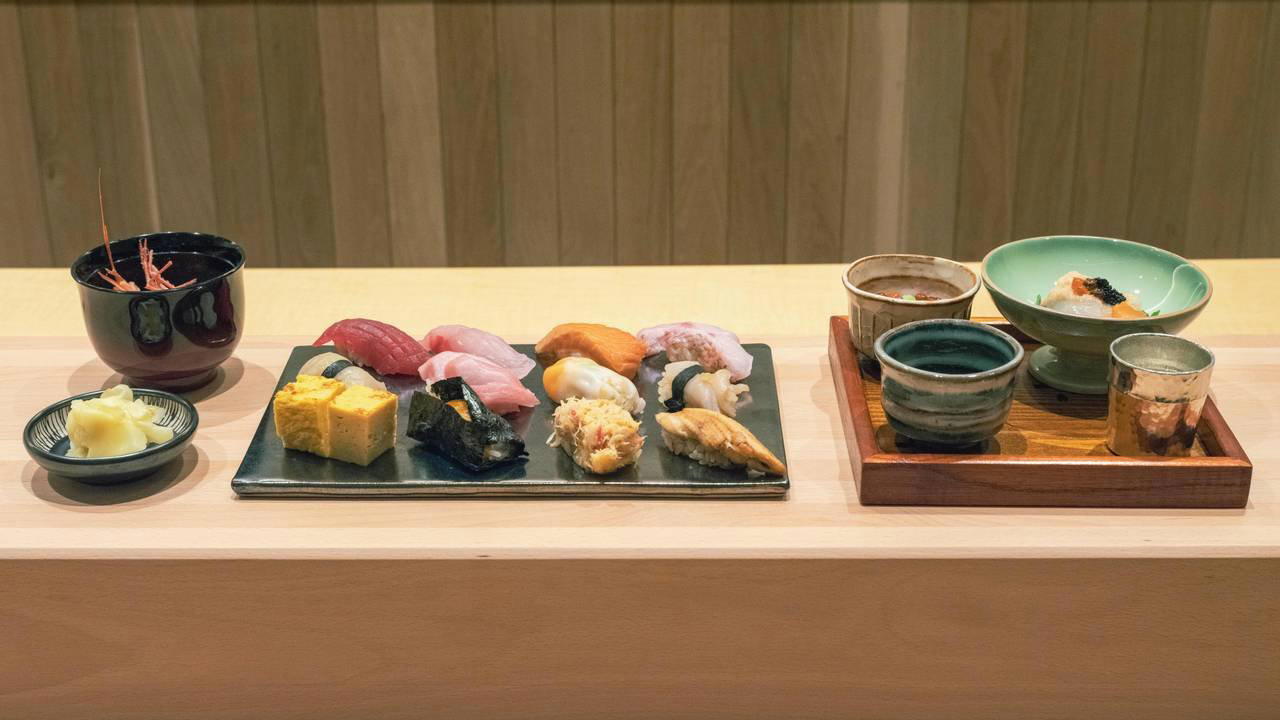
Sushi Ichika on Piikoi Street runs a Traditional Japanese Omakase Sushi and Tempura chefs counter, with a sake program and sustainable seafood shaping an extended, conversational dinner.

Pearl is the En Primeur Club membership app — saves, bookings, and concierge access live there. Same editors, same standards.
- Address
- 434 Piikoi St, Honolulu, HI 96814
- Phone
- (808) 341-0860
- Hours
- Mon–Tue 5:30–10 PMWed ClosedThu–Sat 5:30–10 PMSun Closed
- Website
- ichikahawaii.com
- Directions
- Get directions
- Booking
- Book on the venue's website
Kakaako's Quiet Counter Culture
The stretch of Piikoi Street that runs through Kakaako sits at an interesting remove from Waikiki's tourist pull and the polished restaurant rows of Ala Moana. The neighbourhood has shifted in the past decade from light industrial to a place where independent operators have found room to do focused, format-driven work without the overhead of a beachfront address. Sushi Ichika, at 434 Piikoi St, operates in that context: a sushi counter in a part of Honolulu where the audience tends to arrive with prior knowledge rather than stumbling in from the strip.
That positioning matters for what a sushi counter of this type signals. Across American cities, the omakase format has stratified considerably since the mid-2010s. The highest tier runs eight to twelve seats, prices its menus well above the casual sushi category, and books weeks or months in advance through dedicated reservation systems. Below that sits a broader mid-tier of quality-focused counters that draw on similar sourcing and technique but operate with less ceremony and more flexibility. Where exactly Sushi Ichika lands in that spectrum is a question leading answered by visiting, but the Kakaako address and the format name together suggest a deliberate positioning away from mass-market Japanese dining.
The Omakase Format in a Hawaiian Context
Honolulu occupies a specific position in American sushi culture that few other cities can replicate. Geographic proximity to Japan means that fish sourcing — always the central variable in sushi quality — operates differently here than in New York or Chicago. Bluefin, yellowtail, and seasonal white fish from Japanese auction markets reach Hawaii with transit times that are structurally shorter than those facing landlocked American counters. That context raises the baseline across the city's sushi category and sharpens the competition for counters trying to distinguish themselves on quality rather than novelty.
The omakase format itself, in which the chef sequences the meal and the guest surrenders menu control, rewards this environment. When sourcing is strong and fish arrives in condition, the format lets that quality speak without distraction from printed menus or à la carte negotiation. Counters like Bar Maze have approached the format with a cocktail-bar hybrid that suits the Honolulu market's appetite for experimentation, while more traditional Japanese operators in the city, including Fujiyama Texas and Ginza Bairin, hold down the middle ground of accessible Japanese cuisine. A dedicated sushi counter taking the omakase format seriously occupies a narrower lane, one where the technical and sourcing standards are harder to obscure.
For comparison, the best-performing counters in comparable American markets make their reputation through fish temperature, rice seasoning, and the precision of their cuts before they earn it through décor or name recognition. Operations like Providence in Los Angeles or Atomix in New York City have built their reputations on sustained technical discipline in a specific format. A sushi counter working toward that standard in Honolulu has the advantage of the city's sourcing environment and the challenge of an audience that, having access to a lot of good fish at a lot of price points, has calibrated expectations accordingly.
What the Atmosphere Does
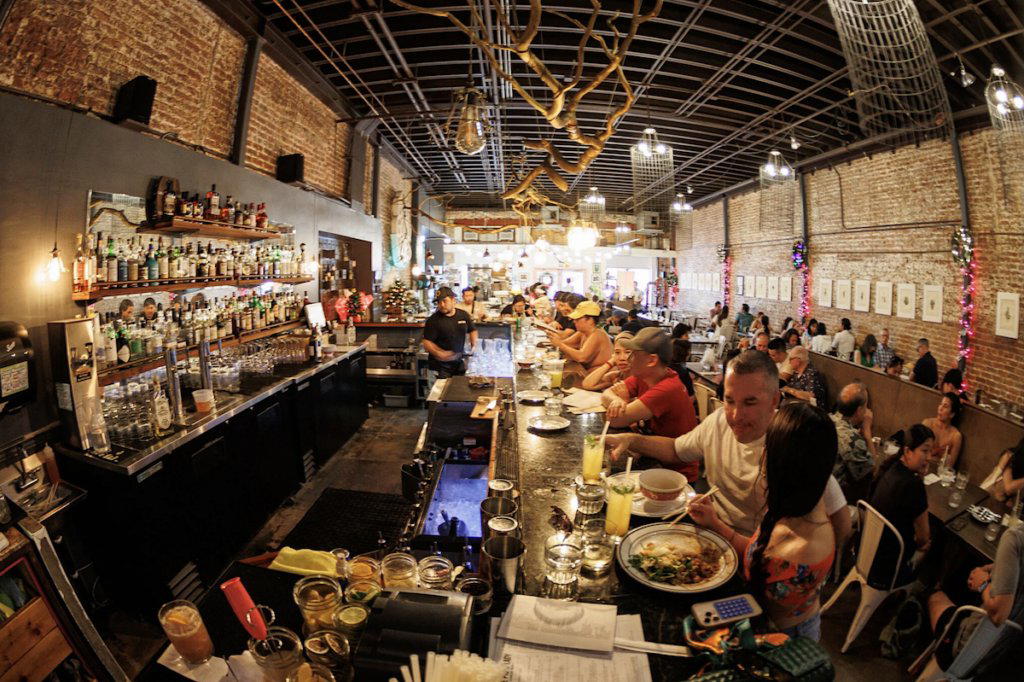
Counter dining at this scale is fundamentally a sensory format. The physical arrangement of an omakase counter, typically a run of wood facing the chef's workspace, eliminates most of the variables that define a conventional restaurant experience. You are not reading a menu, you are watching preparation unfold. The sounds are specific: the clean drag of a knife through fish, the compression of rice between palms, the occasional instruction from chef to apprentice. The smell shifts as the meal progresses from the cool, oceanic register of raw fish to the faint char of a briefly torched surface. These are not details restaurants can manufacture; they emerge from the format working correctly.
In Honolulu, that sensory environment carries an additional layer. The city's own character, the trade wind light, the particular quality of evening air at the edge of the Pacific, bleeds into the experience of walking to and from a meal even when the interior is spare and controlled. Kakaako in particular has developed a street-level atmosphere that reads as neither tourist district nor purely local neighbourhood. The creative and food businesses that have moved into the area over the past decade have given it a texture that rewards the kind of deliberate dining visit a counter reservation requires.
How Sushi Ichika Sits in Honolulu's Broader Scene
Honolulu's dining scene now spans a wider range than its reputation as a resort city sometimes suggests. 3660 On the Rise has held a position in the city's serious dining tier for years. 53 By The Sea commands one of the more dramatic physical settings in American dining. Fête represents the New American strand of the city's independent restaurant culture. Cultural dining experiences like the Ahaaina Luau and operators like 855-ALOHA address a different register of the market entirely. Against that backdrop, a focused sushi counter represents a format that requires commitment from the guest as much as from the kitchen.
The national comparison set for this kind of operation runs through some of the most methodical kitchens in the country. The French Laundry in Napa, Le Bernardin in New York City, Alinea in Chicago, Single Thread Farm in Healdsburg, Lazy Bear in San Francisco, Blue Hill at Stone Barns in Tarrytown, Addison in San Diego, The Inn at Little Washington, and Emeril's in New Orleans all built their standing through format discipline and sourcing credibility before recognition followed. Internationally, operations like 8 1/2 Otto e Mezzo Bombana in Hong Kong demonstrate how a specific format, consistently executed, can anchor a premium dining identity in a city otherwise known for different food cultures. The mechanism is the same for a sushi counter in Honolulu: the format works when the discipline is sustained across every service.
For a full picture of where Sushi Ichika sits within the city's dining options, see our full Honolulu restaurants guide.
Know Before You Go
- Address: 434 Piikoi St, Honolulu, HI 96814
- Neighbourhood: Kakaako, Honolulu
- Price range:; omakase counters in this market typically price at a premium tier above casual sushi
- Hours:; confirm directly before visiting
- Dress code: Not stated; counter dining of this format generally favours smart casual
Frequently asked questions
What do people recommend at Sushi Ichika?
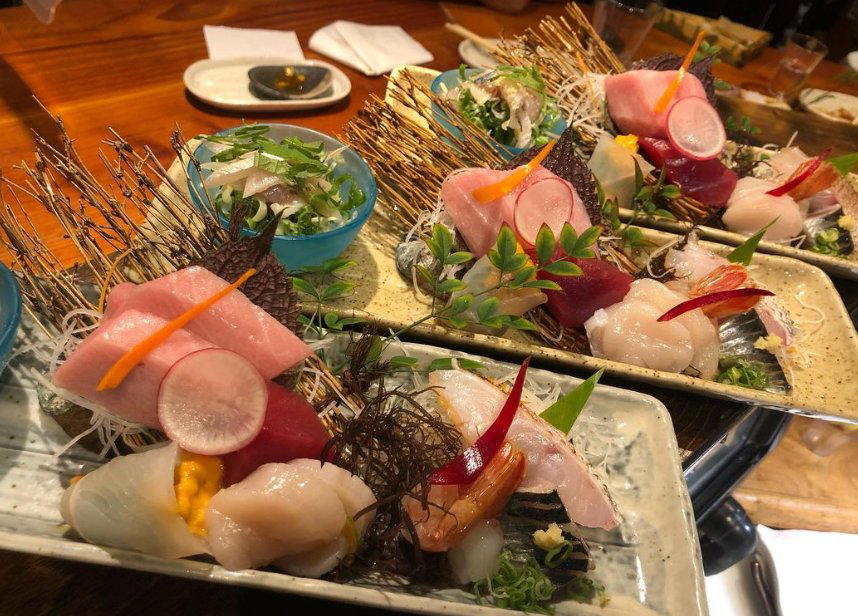
Specific menu recommendations require current, verified sourcing, and the omakase format means the sequence changes with availability and season. In omakase settings generally, the dishes that generate the most discussion tend to be those where fish temperature, rice seasoning, and knife work converge. For Sushi Ichika specifically, the most reliable recommendation is to trust the format: the counter structure exists precisely so that the kitchen sequences the meal at its finest rather than the guest selecting from a static list.
What is the ideal way to book Sushi Ichika?
Demand for focused omakase counters in the city tends to run ahead of casual reservation windows, so reaching out early is advisable regardless of the specific system in use.
What is Sushi Ichika known for?
Sushi Ichika is a sushi counter operating in Honolulu's Kakaako neighbourhood, a part of the city that has developed a concentration of format-driven independent dining in the past decade. The counter format and Kakaako address together position it within the serious end of Honolulu's Japanese dining category, distinct from the tourist-facing sushi market around Waikiki and from the casual mid-tier that dominates by volume in the city.
Is Sushi Ichika suitable for a special occasion dinner in Honolulu?
Counter omakase formats across American cities have become the format of choice for occasion dining precisely because the structure provides a complete, sequenced experience without the guest needing to make decisions across a long menu. Honolulu's sourcing advantages in seafood, shorter transit from Japanese markets than most mainland cities face, make a well-run sushi counter here a credible choice for a meal where quality of fish is the central concern. Confirming availability and any format details directly with the venue before booking is advisable.
In Context: Similar Options
Comparable venues nearby, for context on price, style, and recognition.
| Venue | Cuisine | Price | Notes |
|---|---|---|---|
| Sushi IchikaThis venue — the venue you are viewing | Traditional Japanese Omakase Sushi and Tempura | $150–200 | Not listed |
| Japanese BBQ Yoshi | Japanese Yakiniku | $50–100 | Makiki Ako |
| Tempura inaba Hanalei'i Sushi inaba Hanalei'i | Tempura Omakase | $100–150 | Moiliili |
| Sushi Ginza Onodera Honolulu | Traditional Japanese Omakase | $300–500 | Kapahulu |
| Ichifuji | Japanese Shabu-Shabu | Not listed | Mōʻiliʻili |
| Ki Club | Japanese Fusion | $30–50 | Ala Moana |
Details
- Intimate
- Elegant
- Sophisticated
- Date Night
- Special Occasion
- Chefs Counter
- Sake Program
- Sustainable Seafood
- Omakase
- Counter Dining
- Sake
Current opening hours
- Monday
- 5:30–10 PM
- Tuesday
- 5:30–10 PM
- Wednesday
- Closed
- Thursday
- 5:30–10 PM
- Friday
- 5:30–10 PM
- Saturday
- 5:30–10 PM
- Sunday
- Closed
Hours can change for holidays and private events. Last verified .
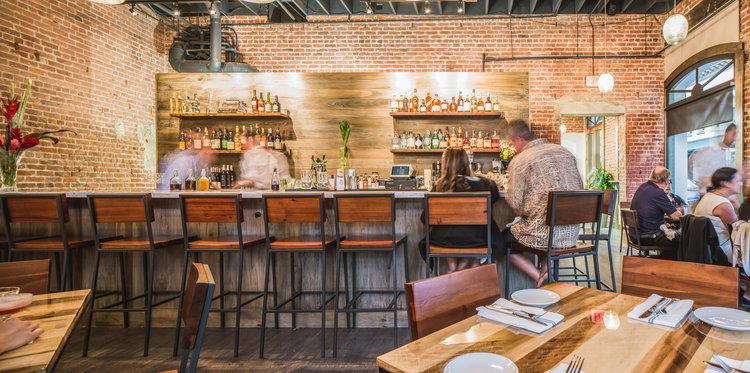
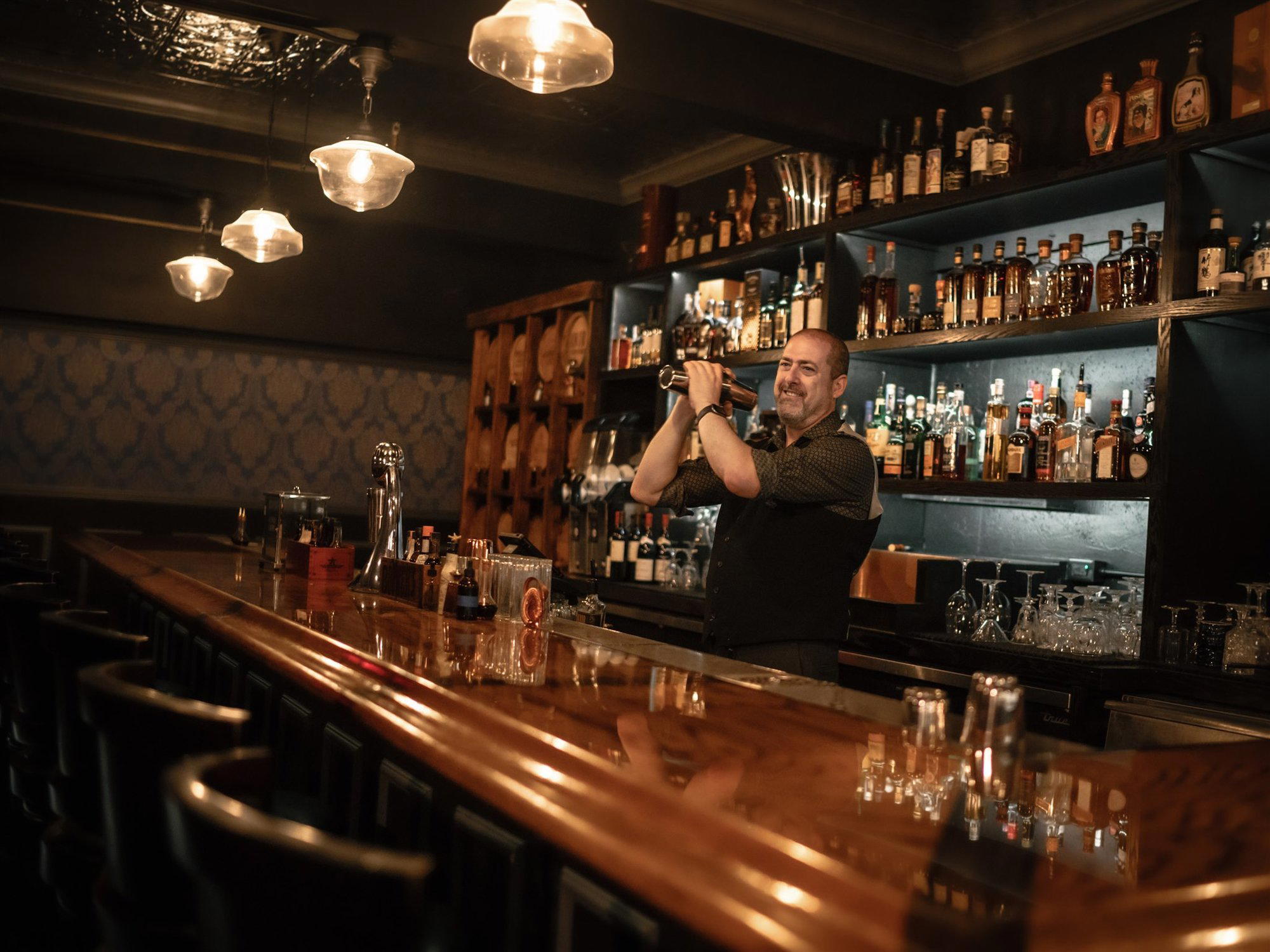
Refined and serene with intimate counter seating for seven, attentive service, and energetic yet sophisticated atmosphere.