Japanese BBQ Yoshi
Our verdict
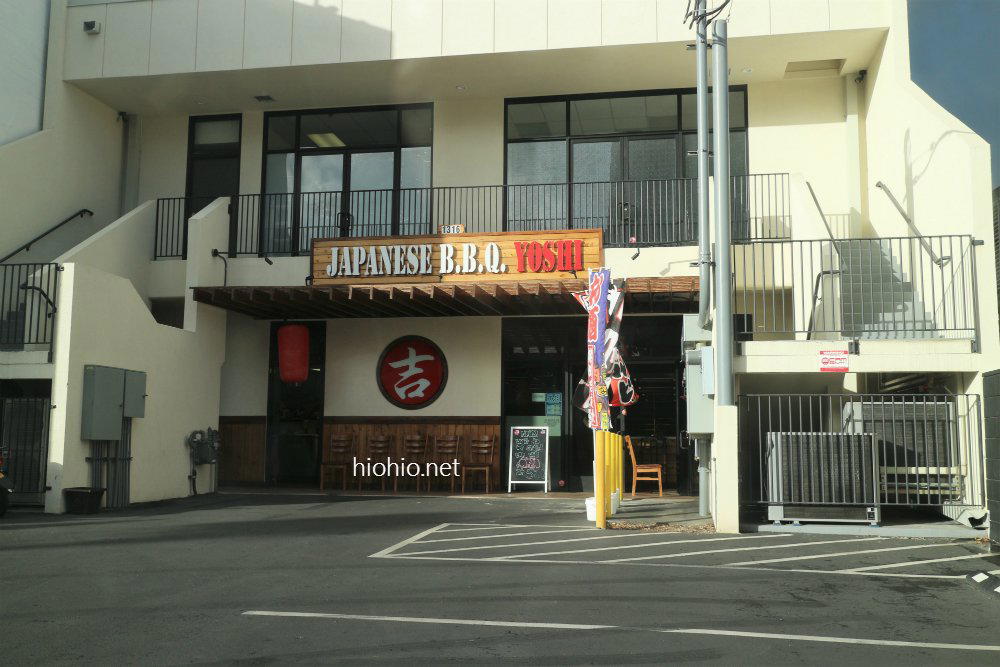
Japanese BBQ Yoshi on Young Street sits in the middle of Honolulu's working residential corridor, a few blocks from the high-visibility dining strips. The format follows the yakiniku tradition — tabletop grilling, cut-to-order proteins, social pacing — which has established a durable foothold across Hawaiian dining culture. For readers mapping Honolulu's Japanese restaurant tier, Yoshi belongs to the neighbourhood-specialist category rather than the resort circuit.

Pearl is the En Primeur Club membership app — saves, bookings, and concierge access live there. Same editors, same standards.
- Address
- 1316 Young St, Honolulu, HI 96814
- Phone
- (808) 773-7013
- Hours
- Mon–Fri 5–10 PM, 10:30 PM–2 AMSat–Sun 5–10 PM
- Website
- japanese-bbq-yoshi.com
- Directions
- Get directions
- Booking
- Book on OpenTable
Yakiniku in Honolulu: A Format That Has Outlasted Its Trends
Japanese barbecue — yakiniku — arrived in Hawaii through the same cultural conduit that shaped so much of the island's food identity: decades of Japanese immigration, plantation-era cooking, and the slow absorption of grilling traditions into local muscle memory. The format is now woven into Honolulu's dining fabric at every price point, from fast-casual strip-mall grill houses to more deliberate table-service operations where the quality of the charcoal matters as much as the cut. Japanese BBQ Yoshi, at 1316 Young Street in the Makiki-adjacent corridor, occupies a position in that middle tier, neighbourhood-rooted, repeat-customer-driven, and insulated from the resort-district noise that skews so much of Honolulu's dining coverage.
Young Street itself is instructive context. The stretch running south from the H-1 toward Kakaako has never been a destination dining corridor in the way that Kaimuki or Chinatown have drawn editorial attention. That positioning has historically meant lower rents, longer-tenured operators, and a clientele drawn from the surrounding residential blocks rather than from hotel concierge lists. Venues in this pocket tend to build loyalty differently, through consistency and value alignment rather than through visibility campaigns or award cycles. It is the kind of street where a restaurant either earns its regulars or closes quietly.
How the Yakiniku Tradition Has Shifted in Honolulu
The evolution of Japanese BBQ as a dining format in the United States, and in Hawaii specifically, tracks closely with broader changes in how American diners approach interactive eating. A decade ago, the dominant frame was Korean BBQ, which had achieved mainstream visibility through large-format grill tables, banchan spreads, and the social theatrics of smoke and sizzle. Yakiniku, the Japanese cousin, operates with more restraint: smaller portions, more selective protein sourcing, and a pace that rewards patience over volume. The two traditions have increasingly cross-pollinated in markets like Honolulu, where Japanese and Korean culinary influence sit in close proximity, and where chefs and operators have moved fluidly between the two vocabularies.
What that evolution has produced, across Honolulu's Japanese BBQ segment, is a bifurcation. On one side: high-specification operations with wagyu programs, premium charcoal sourcing, and price points that align them with the city's fine-dining tier, closer in ambition to venues like 53 By The Sea or Fête in terms of spend-per-head, if not in format. On the other: neighbourhood operators where the draw is the ritual itself, the tabletop grill, the convivial pace, the cut variety, rather than the sourcing credentials. Japanese BBQ Yoshi's address and positioning suggest it belongs to the latter category, where the experience is accessible and the repeat-visit cycle is short.
That distinction matters for how you plan the visit. The yakiniku format is inherently social and unhurried; it rewards groups over solo diners and extended evenings over quick turnarounds. Honolulu's Japanese restaurant tier, which includes specialists like Ginza Bairin and Fujiyama Texas in adjacent categories, has expanded its overall depth in the past five years, giving diners more points of comparison and sharpening the question of what each venue does that its neighbours do not.
Placing Yoshi in Honolulu's Wider Restaurant Scene
Honolulu's dining scene has matured considerably beyond its resort-corridor origins. The city now hosts a range of formats that would hold their own in any major American food city: the New American precision of 3660 On the Rise, the event-format traditions of Ahaaina Luau, and the more experimental registers found along the Chinatown and Kaimuki corridors. The Japanese segment, specifically, benefits from Hawaii's direct cultural and geographic proximity to Japan, the ingredient pipeline, the chef movement, and the diner literacy are all higher here than in most continental US markets.
That context places neighbourhood yakiniku operators in an interesting position. They are not competing with the tasting-menu ambition of Le Bernardin in New York City or the farm-integrated formats of Blue Hill at Stone Barns in Tarrytown or the precise modernism of Alinea in Chicago. They are competing with each other, and with the broader category question of whether a diner wants an interactive, self-paced grill experience or a plated one. For visitors arriving from cities with dense Japanese dining scenes, the kind of markets served by venues like Atomix in New York City or Providence in Los Angeles, the Honolulu yakiniku tier will feel familiar in format if distinct in local inflection.
Readers building a broader Honolulu itinerary should cross-reference our full Honolulu restaurants guide for neighbourhood-by-neighbourhood context, and consider how venues like 855-ALOHA fit adjacent experiential categories. The Young Street corridor is worth understanding on its own terms, not as a compromise option relative to Waikiki, but as a different register of the city's food culture entirely.
Planning Your Visit
Japanese BBQ Yoshi is located at 1316 Young Street, accessible from central Honolulu without significant travel from most accommodation hubs. The Young Street corridor is primarily residential and commercial rather than tourist-facing, which shapes both the atmosphere and the parking situation, street parking and small lots serve the immediate blocks. Given the interactive format of yakiniku, the experience is well suited to groups of two or more; solo diners can participate but the social mechanics of tabletop grilling are calibrated for shared plates and shared pacing.
Frequently asked questions
Where is Japanese BBQ Yoshi in Honolulu?
Japanese BBQ Yoshi is located at 1316 Young St, Honolulu, HI 96814, Honolulu.
How does Japanese BBQ Yoshi fit into Honolulu's broader Japanese dining scene?
Honolulu has one of the densest concentrations of Japanese dining formats outside Japan in the United States, shaped by decades of cultural exchange between Hawaii and Japan. Japanese BBQ Yoshi operates within the yakiniku segment of that scene from Young Street in Makiki, a corridor that draws local residents rather than resort-area foot traffic. That positioning places it alongside neighbourhood specialists rather than the hotel-adjacent Japanese dining that dominates tourist-facing reviews of the city.
What do regulars order at Japanese BBQ Yoshi?
Across Honolulu's yakiniku segment, anchoring an order around short rib, beef tongue, and intestine cuts is the standard move for anyone familiar with the format. These proteins show a kitchen's sourcing range and give the table a cross-section of textures to work across a grill session. At a neighbourhood spot on Young Street serving a largely local clientele, the expectation is that the protein selection skews toward the full cut range rather than a tourist-edited version.
Is Japanese BBQ Yoshi reservation-only?
Reservation practice at neighbourhood yakiniku operators in Honolulu varies by day and hour. Walk-ins are generally absorbed during mid-week off-peak slots, while weekends at spots with a strong local following tend to fill faster than their size suggests. Contacting Japanese BBQ Yoshi at 1316 Young Street directly before a Friday or Saturday visit is advisable.
What's Japanese BBQ Yoshi best at?
In the yakiniku format, neighbourhood operators on Young Street distinguish themselves through protein range, marinade depth, or the precision of their grill-side service rather than through a single signature dish. Japanese BBQ Yoshi's position in the Makiki corridor, serving a predominantly local Honolulu clientele, points toward a menu calibrated for repeat visitors who know the format rather than one built around introductory sets.
Is Japanese BBQ Yoshi allergy-friendly?
Yakiniku as a format involves soy-based marinades and sesame as standard components, and shared or adjacent grill surfaces are the norm rather than the exception. Diners with soy, gluten, or sesame sensitivities should confirm specific preparation details directly with the restaurant at 1316 Young Street before visiting. Cross-contact at the grill level is an inherent structural consideration across the format.
Reputation First
Comparable venues nearby, for context on price, style, and recognition.
| Venue | Cuisine | Price | Notes |
|---|---|---|---|
| Japanese BBQ YoshiThis venue — the venue you are viewing | Japanese Yakiniku | $50–100 | Not listed |
| Sushi Gyoshin | Omakase Sushi | $150–200 | Ala Moana |
| Omakase By Aung | Modern Japanese Omakase | $100–150 | Kapahulu |
| Ichifuji | Japanese Shabu-Shabu | Not listed | Mōʻiliʻili |
| Amaterasu | Omakase Sushi | $150–200 | Ala Moana |
| Tanaka of Tokyo East | Teppanyaki Japanese Steakhouse | $50–100 | Kapahulu |
Details
- Cozy
- Elegant
- Group Dining
- Special Occasion
- Date Night
- Open Kitchen
- Sake Program
- A La Carte
- Vegetarian Friendly
- Gluten Free Options
Current opening hours
- Monday
- 5–10 PM, 10:30 PM–2 AM
- Tuesday
- 5–10 PM, 10:30 PM–2 AM
- Wednesday
- 5–10 PM, 10:30 PM–2 AM
- Thursday
- 5–10 PM, 10:30 PM–2 AM
- Friday
- 5–10 PM, 10:30 PM–2 AM
- Saturday
- 5–10 PM
- Sunday
- 5–10 PM
Hours can change for holidays and private events. Last verified .
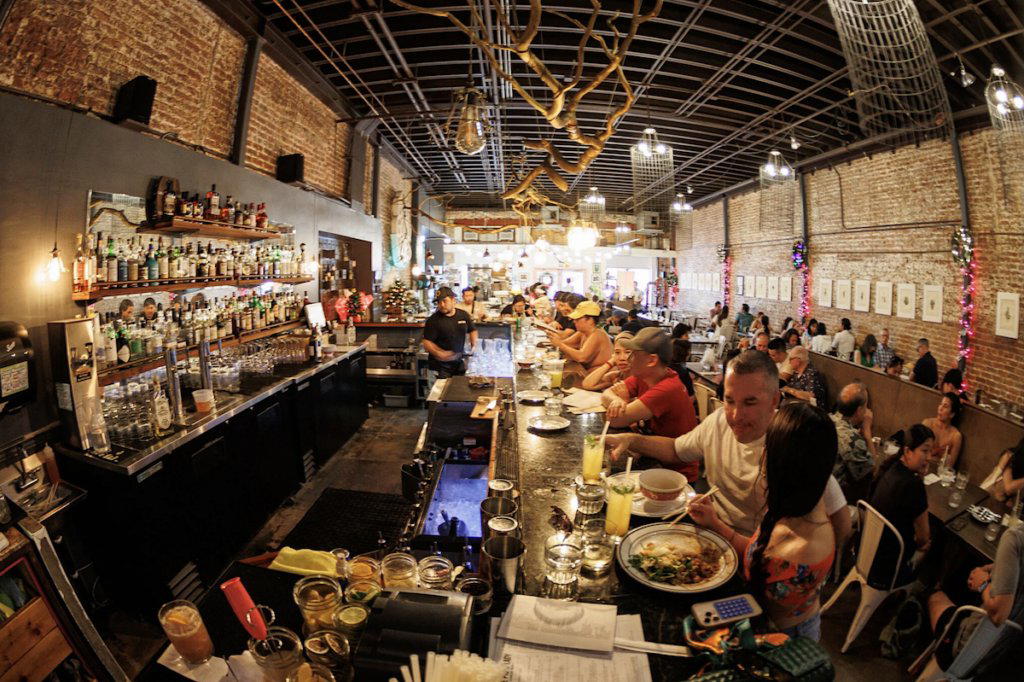
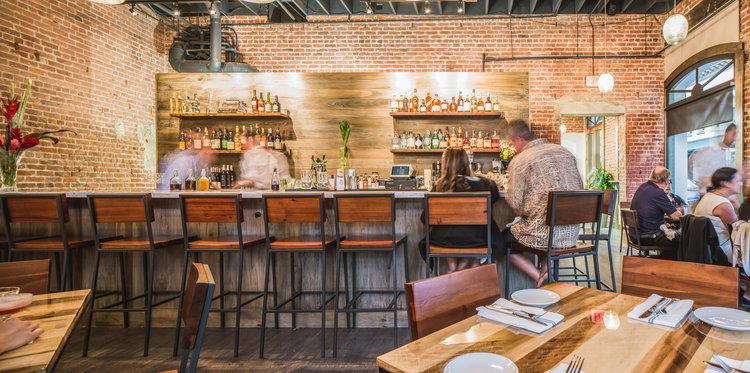
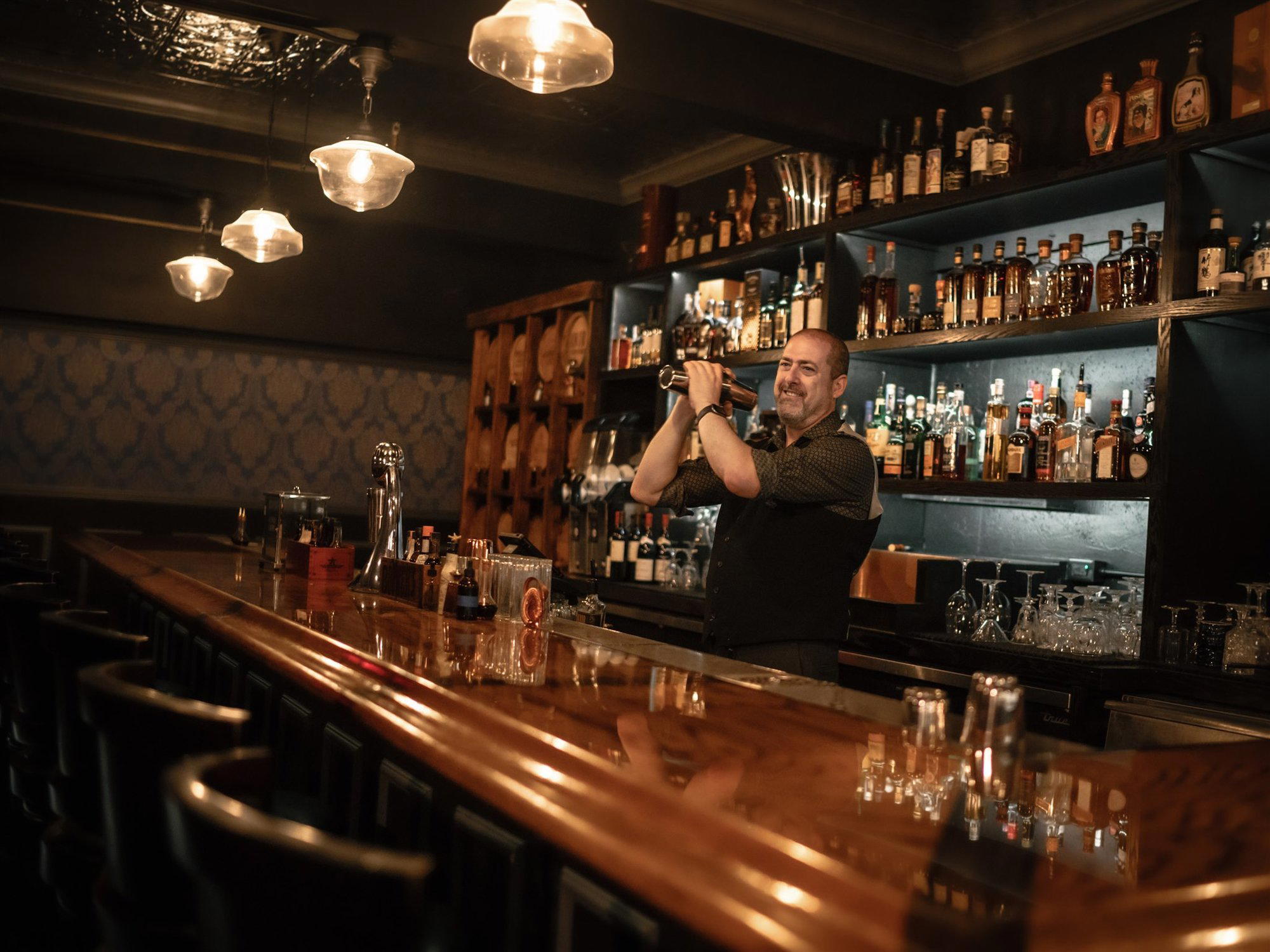
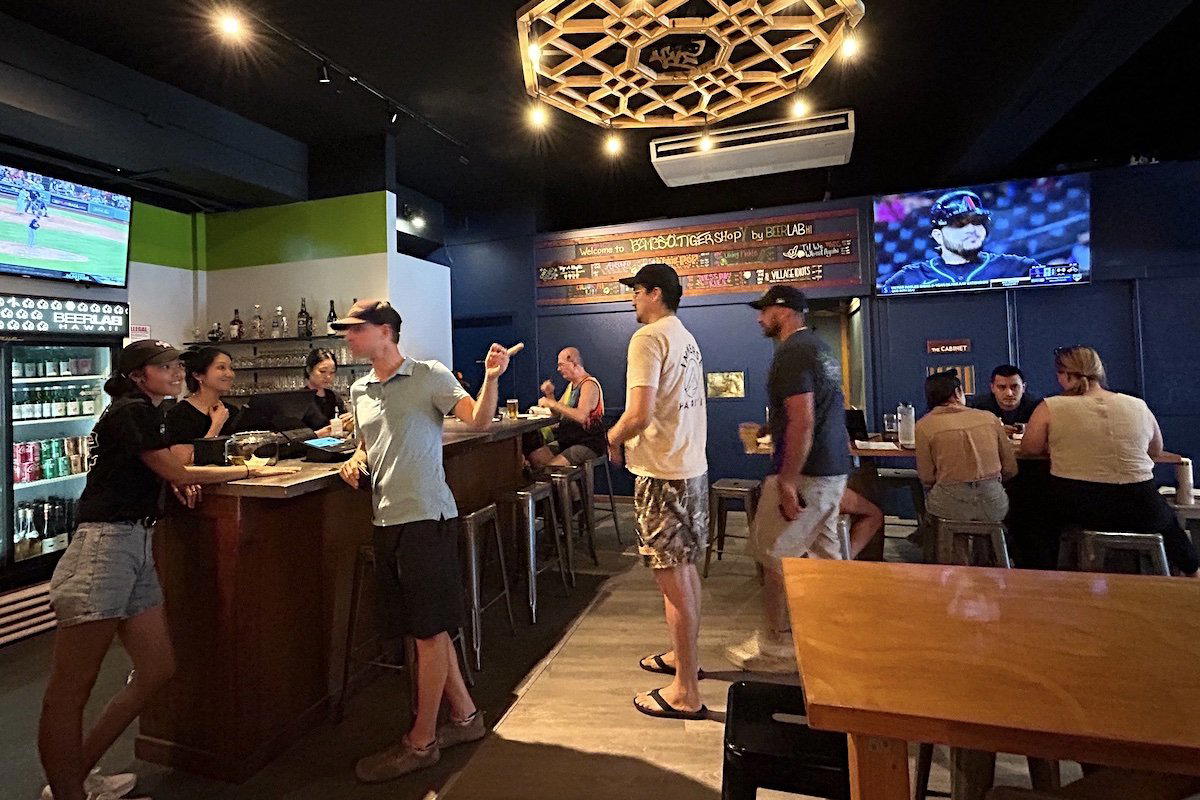
Inviting interior with a cozy atmosphere well-suited for gatherings or intimate dinners, moderate noise level.