SCMP 100 Top Tables Restaurants
Our verdict
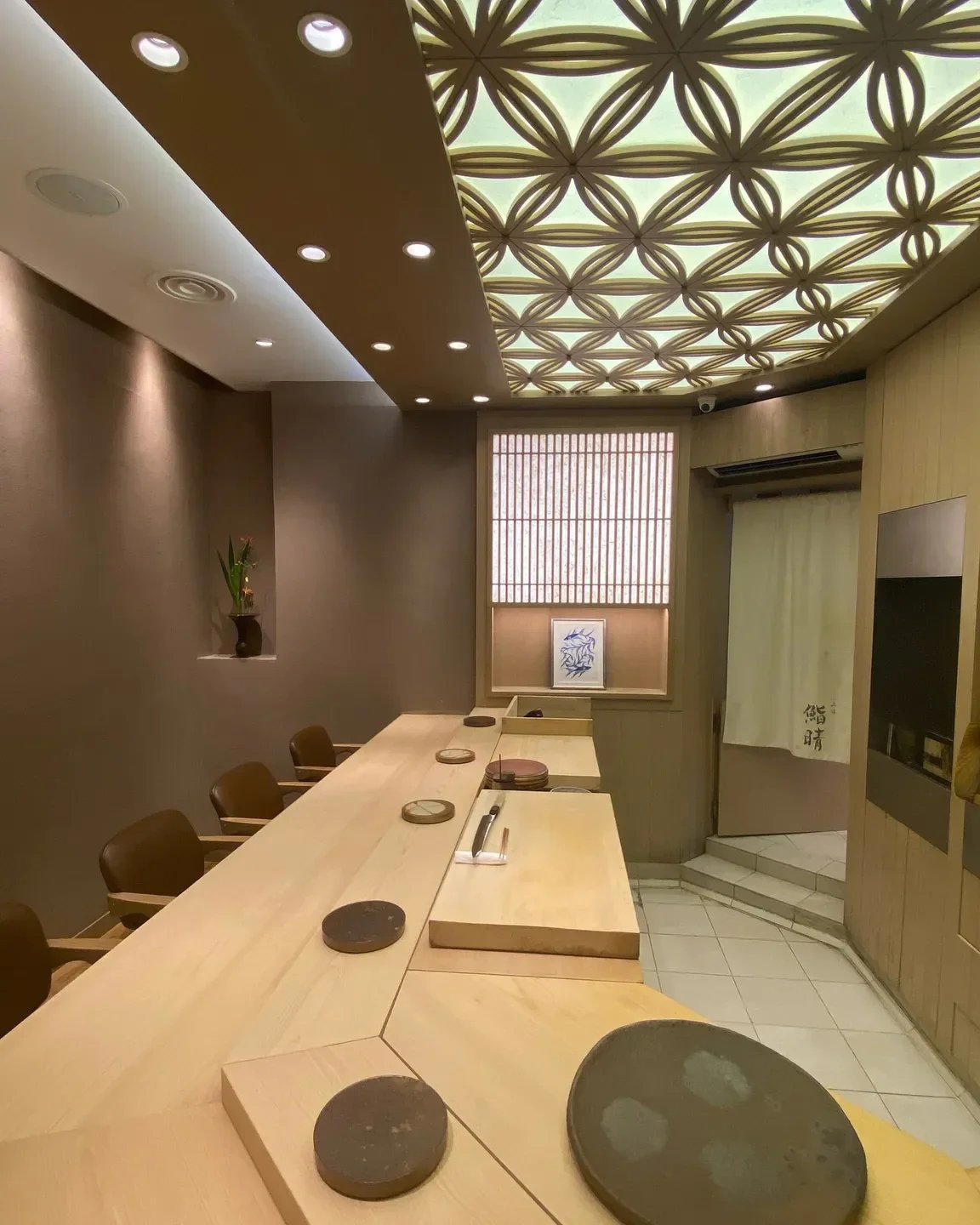
Sushi Haré occupies a ground-floor address on Bridges Street in Sheung Wan, a neighbourhood where old Hong Kong printing houses have steadily given way to considered dining. The format follows the omakase tradition, counter seating, chef-directed pacing, placing it within a tier of Japanese restaurants that now form one of Central and Western's most competitive dining categories.

Pearl is the En Primeur Club membership app, where members save venues, book tables and use the concierge.
Bridges Street and the Sushi Counter That Belongs Here
Sheung Wan has its own logic. The neighbourhood sits just west of Central's financial density, and its streets, Hollywood Road running through antique dealers, the quieter lanes dropping toward the waterfront, have accumulated a dining character that differs from the high-gloss towers a few blocks east. Bridges Street, where Sushi Haré occupies a ground-floor address at number 29, carries that same mix: accessible but not crowded, known to the city's regular diners without being trafficked by every passing tourist group. For a Japanese counter restaurant, this positioning matters. The leading omakase experiences in Hong Kong tend to reward guests who are already oriented toward the city rather than those arriving with a checklist.
The broader context is worth placing early. Hong Kong's Japanese dining category has deepened considerably over the past decade, and the sushi counter format in particular has developed a clear internal hierarchy. At the upper end sit counters with long waitlists; below that, a mid-tier of serious operations with trained chefs and sourcing discipline that price against quality rather than address prestige. Sheung Wan and the Central and Western district more broadly now host several of these, alongside the larger destination restaurants, among them 8½ Otto e Mezzo BOMBANA and AMMO, that anchor the area's reputation as a serious dining district. Sushi Haré sits within this field, drawing guests who treat the neighbourhood as a known destination rather than a fallback.
What the Omakase Format Asks of This Address
The omakase structure imposes its own requirements on a room. Counter seating means intimacy is architectural: what you hear, see, and smell is the preparation happening in front of you. Sheung Wan's lower-key street character, the sound of the neighbourhood rather than the white-noise of a hotel corridor, feeds into that atmosphere at ground level, where foot traffic is local and deliberate rather than random. A venue on Bridges Street earns its guests through reputation among the city's Japanese food community, which in Hong Kong is a demanding and well-travelled group.
This matters because the competition for that audience is specific. Counters like HAKU in Tsim Sha Tsui and others across the harbour set benchmarks for sourcing, service pacing, and the quality of the chef-guest exchange. Sushi Haré enters this conversation from a Sheung Wan address that gives it neighbourhood authenticity without the premium rent of a Central tower, a position that allows pricing and format decisions to be made on culinary grounds rather than real-estate ones.
The Neighbourhood as Context for the Meal
Arriving at Bridges Street on foot from the Sheung Wan MTR station is a five-to-ten minute walk that passes through one of the more grounded sections of the island. The antique trade that built Hollywood Road's character has contracted, but the street-level mix of older shophouses and newer food operations remains intact. This is not the Hong Kong of finance lobbies and dress-code dining rooms in towers; it is a working urban neighbourhood that happens to have accumulated serious culinary options. Aaharn on Hollywood Road and Bayi nearby represent the range: restaurants that chose this part of the city for reasons connected to the community and the space, not the postcode cachet.
Guests who have walked through Sheung Wan to reach Bridges Street arrive differently than those deposited by taxi outside a hotel restaurant. The approach creates a frame of attention, a recognition that the meal is the destination rather than a feature of somewhere else. That perceptual shift is worth more to an omakase format than most physical room upgrades could provide.
Where Sushi Haré Sits in Hong Kong's Japanese Dining Tier
Hong Kong's appetite for Japanese cuisine is structurally different from most other cities. The concentration of high-net-worth diners, the direct Japan travel patterns of the local population, and decades of sustained Japanese restaurant investment mean that standards here are calibrated against Tokyo and Osaka benchmarks rather than regional Southeast Asian ones. A counter that wants to hold this audience must compete on sourcing credibility, chef lineage, and service discipline, the same criteria that apply in Ginza or Minami-Aoyama, just in a city that also has 8 1/2 Otto e Mezzo Bombana and an entire tier of European fine dining in the same few square kilometres.
Against this breadth, a focused sushi counter in Sheung Wan occupies a deliberate niche: high-investment, low-volume, neighbourhood-anchored. That combination is becoming harder to find as the city's premium dining increasingly concentrates in new development zones and hotel podiums.
Planning Your Visit
The restaurant is at G/F, 29 Bridges Street, Sheung Wan, Hong Kong. Sheung Wan MTR station is the practical arrival point; the walk from Exit A2 is direct through the mid-levels street grid. Given the counter format and the concentration of serious diners this part of the city draws, advance booking is essential.
Frequently asked questions
What part of town is Sushi Haré in?
Sushi Haré is located at G/F, 29 Bridges St, Sheung Wan, Hong Kong.
How does Sushi Haré's Sheung Wan location compare to sushi counters in Central or Tsim Sha Tsui?
Sushi Haré sits on Bridges Street in Sheung Wan, roughly one neighbourhood west of Central's concentration of hotel-adjacent Japanese restaurants, which means it operates outside the premium tourist circuit that drives pricing and visibility in those districts. Hong Kong's high-net-worth dining base extends into Sheung Wan, but the area carries a more local, less corporate character, a distinction that typically shapes the room's pace and composition of guests. For diners comparing options across Hong Kong Island, the Sheung Wan MTR station provides direct access, with the walk from Exit A2 taking under ten minutes.
What's the must-try dish at Sushi Haré?
Sushi Haré serves traditional Edomae-style omakase.
Is Sushi Haré reservation-only?
Reservations are essential.
What do critics highlight about Sushi Haré?
Sushi Haré is rated 4.5 on Google from 42 reviews.
Is Sushi Haré allergy-friendly?
Guests with dietary restrictions should communicate them directly when making a reservation.
Cuisine-First Comparison
Comparable venues nearby, for context on price, style, and recognition.
| Venue | Cuisine | Price | Awards | Notes |
|---|---|---|---|---|
| Sushi HaréThis venue (the venue you are viewing) | Traditional Edomae-style Omakase | $200–300 | SCMP 100 Top Tables Restaurants | Not listed |
| Ippoh | Osaka-Style Tempura | $150–200 | Michelin Plate | Central |
| HANARE | Japanese Wagyu Kaiseki | Not listed | Not listed | Central |
| Honjo | Modern Japanese | $50–100 | Not listed | Sheung Wan |
| Sabatini IFC | Authentic Italian Fine Dining | $150–200 | Not listed | Central And Western |
Recognition history
Dated appearances from independent guides and award organizations, with the underlying list record or original source where available.
Opinionated About Dining Top Restaurants in Asia Recommended
Opinionated About Dining
SCMP 100 Top Tables Restaurants
SCMP 100 Top Tables