Sushi Hamatyo occupies a quiet stretch of Avenida Pedroso de Morais in Pinheiros, one of São Paulo's most food-literate neighbourhoods. The address places it inside a dining corridor where Japanese culinary traditions have taken deep root over decades, sustained by Brazil's largest Nikkei community.
Pearl is the En Primeur Club membership app — saves, bookings, and concierge access live there. Same editors, same standards.
- Address
- Av. Pedroso de Morais, 393 - Pinheiros, São Paulo - SP, 05419-000, Brazil
- Phone
- +551138131586
- Website
- hamatyo.com.br
- Directions
- Get directions
 Saves & bookings on Pearl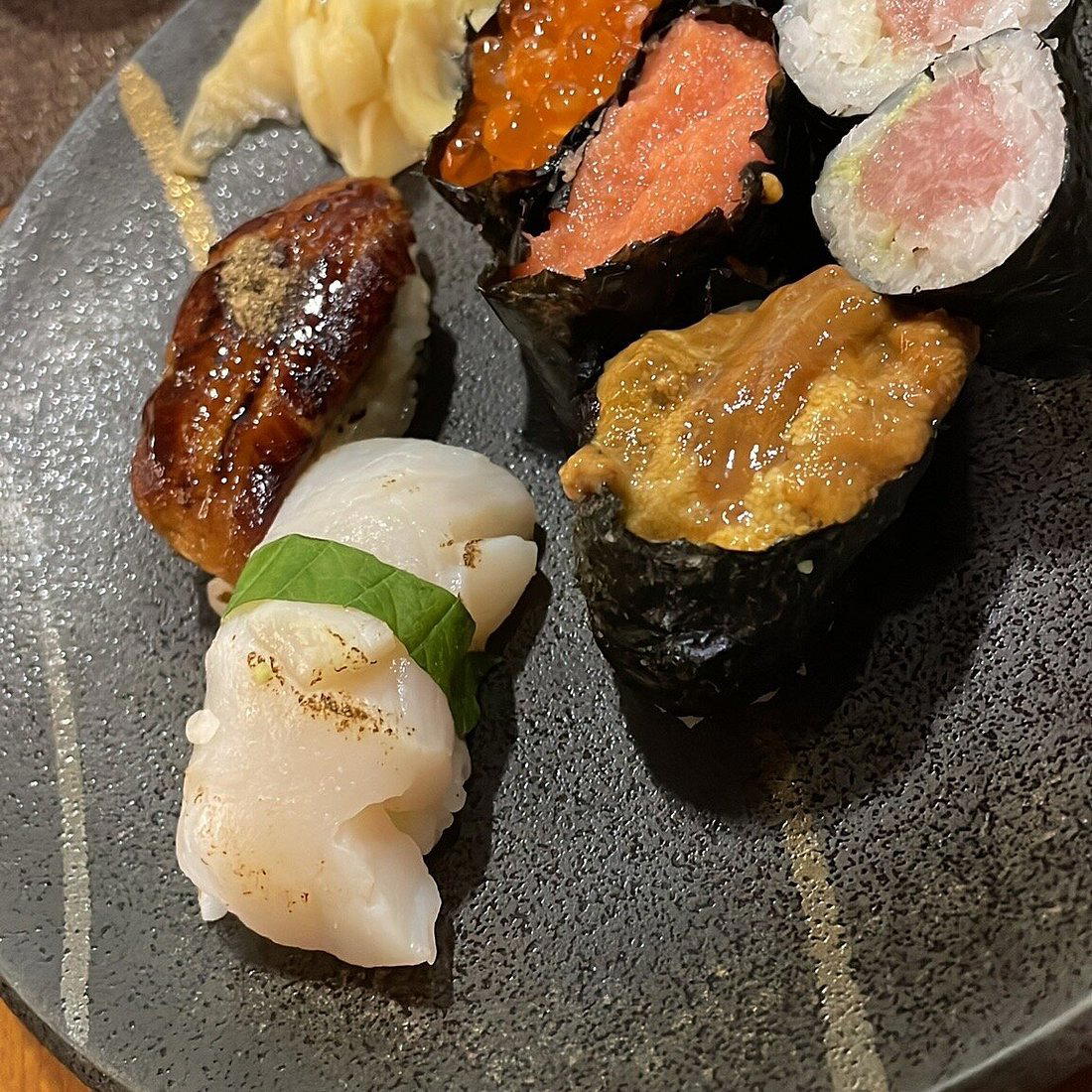
Pinheiros and the Weight of São Paulo's Japanese Dining Tradition
Few cities outside Japan have absorbed Japanese culinary culture as thoroughly as São Paulo. Brazil received successive waves of Japanese immigration from 1908 onward, and the community that settled across São Paulo state built among the more coherent Japanese food cultures outside the archipelago itself. That inheritance is visible not just in the Liberdade district, which carries the symbolic weight of Nikkei identity, but increasingly in Pinheiros, where Japanese-inflected restaurants have multiplied alongside wine bars, natural food shops, and the neighbourhood's general drift toward food-literate, lower-key dining. Sushi Hamatyo sits on Avenida Pedroso de Morais at number 393, a street that threads through Pinheiros with a density of considered restaurants per block that few São Paulo addresses match.
The neighbourhood context matters for understanding what this address signals. Pinheiros is not a tourist dining corridor. It draws the city's restaurant professionals on their nights off, the kind of crowd that has already eaten at Maní and Fame Osteria and is looking for something specific rather than something impressive. A sushi counter operating in this neighbourhood operates in a demanding local context, surrounded by a clientele that benchmarks against memory, not novelty.
Japanese Counter Culture in a Brazilian City
São Paulo's sushi scene has developed along a trajectory unlike Tokyo's and unlike New York's. The city's Nikkei population, now numbering around 1.5 million in the greater metropolitan area, created demand for Japanese food across every price tier simultaneously, which means the market never stratified cleanly into entry-level conveyor belt operations and rarefied omakase counters the way it did in some other cities. São Paulo has long had serious Japanese restaurants charging serious prices alongside neighbourhood-level sushi houses that operate with comparable technical discipline. The result is a scene where quality signals are harder to read from price alone, and where a modest address can house genuinely rigorous cooking.
That context places Sushi Hamatyo in a comparable set that includes Jun Sakamoto, the long-established Pinheiros counter widely considered a reference point for Japanese precision in São Paulo, as well as newer operators who have studied in Japan or trained under Nikkei masters working in Brazil. Across this tier, what differentiates one counter from another is usually technique at the level of rice temperature and seasoning, fish sourcing and aging, and the discipline of service pacing rather than any single showpiece ingredient or architectural plating.
For the reader planning a broader São Paulo table strategy, the city's leading end is well represented by venues like D.O.M. Evvai, and Tuju, all of which operate in the creative and fine dining registers. Sushi Hamatyo occupies a different register entirely: the specifically Japanese counter tradition, where the discipline is narrower and the execution standards more unforgiving precisely because the format allows less room for distraction.
The Pinheiros Address in Practice
Avenida Pedroso de Morais runs through Pinheiros, passing a stretch that has become one of the city's reliable dining avenues. The surrounding blocks hold a mix of long-running neighbourhood institutions and newer arrivals, and the foot traffic skews local rather than hotel-concierge-recommended. Arriving on foot from Faria Lima metro station is direct; the walk takes under ten minutes and passes through the kind of block-level street life that characterises Pinheiros rather than, say, Jardins. By car, parking is typically managed through nearby valet operations common to the neighbourhood's restaurant cluster.
Further afield within Brazil, our coverage extends to venues like Bistro Fitz Carraldo in Manaus, Cantina Pozzobon in Santa Maria, Aero Burguer e Grill in Santa Cruz do Sul, Arte e Café Imperial in Angra dos Reis, Casa da Dika in Bragança, Casa da Flor in Dourados, Casa da Picanha Penedo in Itatiaia, Famosa Pizza in Ribeirão Preto, and Fornazzo Pizzaria in Passo Fundo. For international reference points in the Japanese and precision dining categories, Atomix in New York and Le Bernardin in New York represent the kind of rigorous technical standard against which São Paulo's leading Japanese counters are increasingly measured by internationally mobile diners.
Planning Your Visit
The restaurant's Pinheiros location makes it most logically combined with an evening that starts or ends in the neighbourhood's adjacent bar and wine scene, which has grown substantially over the past five years along Rua Wisard and Rua Joaquim Antunes. A counter dinner here fits naturally into an evening in Pinheiros.
Price and Positioning
Comparable venues nearby, for context on price, style, and recognition.
| Venue | Cuisine | Price | Notes |
|---|---|---|---|
| Sushi HamatyoThis venue — the venue you are viewing | Pinheiros, Traditional Japanese Omakase | $$$$ | Not listed |
| Jam Jardins Japanese Cusine | Jardim Paulista, Japanese Fusion | $$$ | Not listed |
| S I M O N E | Not listed | $$$$ | Pinheiros, Modern Northern Italian Tasting Menu |
| Templo da Carne Marcos Bassi | Vila Bela Vista, Brazilian Steakhouse | $$$$ | Not listed |
| Terraço Itália | Republica, Tuscan Italian Fine Dining | $$$$ | Not listed |
| Rubaiyat Faria Lima | Pinheiros, Brazilian Steakhouse | $$$$ | Not listed |
Continue exploring
More in São Paulo
Restaurants in São Paulo
Browse all →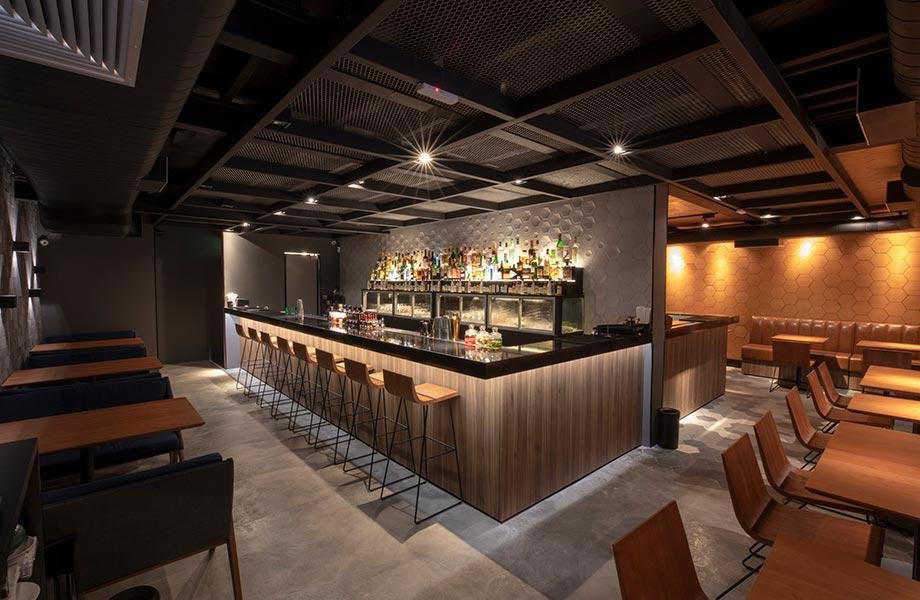
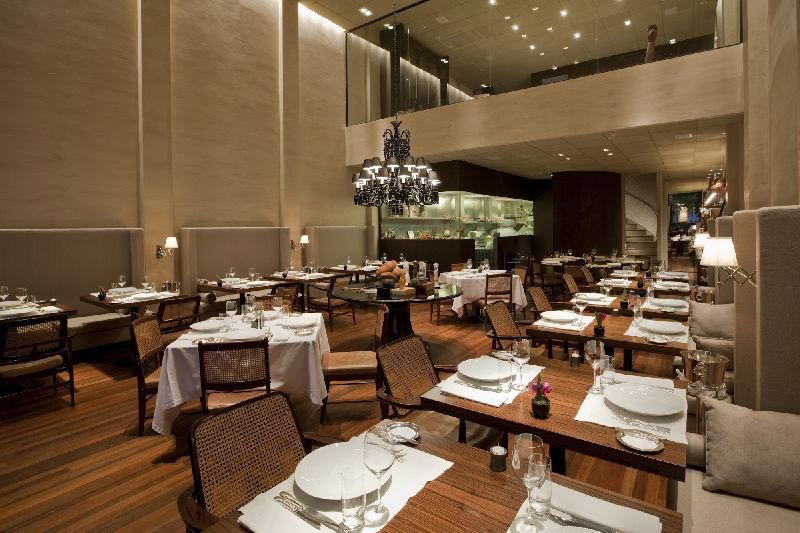
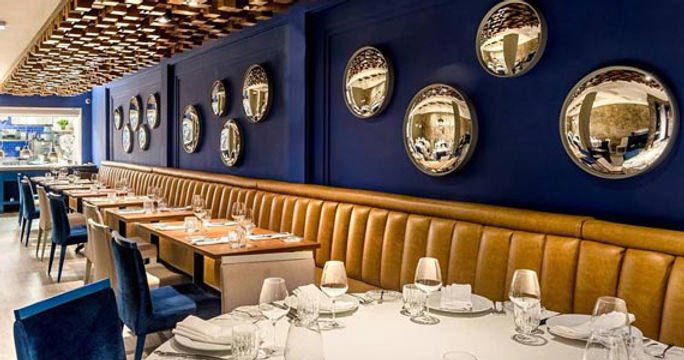
Bars in São Paulo
Browse all →
At a Glance
- Intimate
- Rustic
- Cozy
- Quiet
- Classic
- Date Night
- Solo
- Special Occasion
- Chefs Counter
- Open Kitchen
- Standalone
- Sake Program
- Sustainable Seafood
Current opening hours
- Monday
- 6:30–9:30 PM
- Tuesday
- 6:30–9:30 PM
- Wednesday
- 6:30–9:30 PM
- Thursday
- 6:30–9:30 PM
- Friday
- 6:30–9:30 PM
- Saturday
- 6:30–9:30 PM
- Sunday
- Closed
Hours can change for holidays and private events. Last verified .
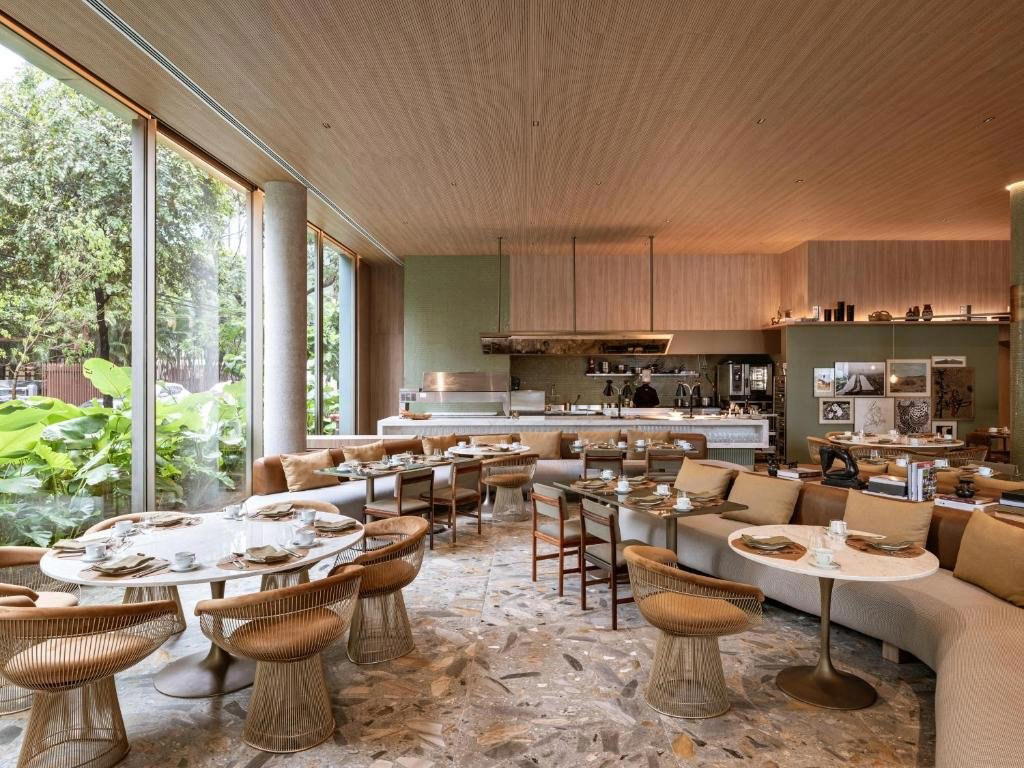
Simple, rustic, and understated interior with minimal decor; intimate counter seating directly facing the sushi chef creates a serene, respectful atmosphere that feels like an authentic Japanese sushi bar.