
Michelin Plate
Our verdict
On a quiet stretch of Rua Tapinas in Itaim Bibi, S I M O N E occupies a position in São Paulo's increasingly ingredient-driven fine dining conversation. The address sits within one of the city's most concentrated pockets of serious cooking, where sourcing philosophy and producer relationships have become the organizing logic behind menus. For visitors mapping São Paulo's contemporary dining scene, this is a name that circulates in the right conversations.

Pearl is the En Primeur Club membership app, where members save venues, book tables and use the concierge.
The menu
What to order
- Tajarin al Ragù di Coniglio
- Tagliata al Barolo
Itaim Bibi and the Sourcing Turn in São Paulo's Serious Kitchens
Rua Tapinas runs through a part of Itaim Bibi where the density of considered restaurants is high enough that proximity alone signals something about a kitchen's ambitions. The neighbourhood has shifted over the past decade from a corporate dining corridor into one of the city's more concentrated zones for cooking that takes its raw materials seriously. S I M O N E, at number 118, sits inside that shift. The address is quiet by São Paulo standards, no marquee frontage, no queue management theatrics, which in this city's dining culture tends to be read as a mark of confidence rather than obscurity.
The broader context matters here. São Paulo's top tier of restaurants has organised itself increasingly around provenance. Where a previous generation of prestige dining in the city borrowed its grammar from European technique, the more recent movement, visible across venues from D.O.M. to Tuju, has made the Brazilian producer relationship central to the proposition. Ingredients from the Cerrado, the Amazon basin, and the Atlantic coastal belt have moved from supporting roles to structural positions on menus. S I M O N E enters that conversation at a moment when that shift has become the expectation rather than the exception at this level of cooking.
The Logic of Where Food Comes From
In cities where fine dining has matured past the phase of technique-as-spectacle, the question that organises the serious kitchens is simpler and harder to answer well: where does this come from, and does it matter? São Paulo's geography gives its leading restaurants access to an ingredient range that few cities in the world can match. The state of São Paulo alone produces coffee, citrus, cane, and some of the country's most interesting small-farm proteins. Further afield, the Amazon supplies ingredients, açaí, tucupi, priprioca, jambu, that have no close analogues in European or North American cooking traditions.
The restaurants in Itaim Bibi that have sustained serious reputations tend to be the ones that have built actual relationships with producers rather than simply listing origins on the menu as a branding gesture. The difference shows in consistency and in the depth of what a kitchen can do with a single ingredient across preparations. Maní has operated on that logic for years, and venues like Evvai and Fame Osteria have each found their own versions of that sourcing discipline within their respective culinary frameworks. S I M O N E sits within this cohort of kitchens where the supply chain is part of the editorial point of the meal.
Placing S I M O N E in São Paulo's Competitive Tier
São Paulo's fine dining market has stratified clearly. At the top of the pricing and prestige bracket, you have tasting-menu operations with international recognition and booking windows that extend months out, D.O.M. remains the most internationally cited example of that tier. Below that, a second cohort operates with serious kitchens and distinct culinary points of view but slightly more accessible formats. Maní at the $$$ price band has demonstrated that this middle tier can sustain a national reputation over time. S I M O N E's address in Itaim Bibi places it geographically and contextually within this second cohort, where the question of sourcing discipline and kitchen identity matters more than the presence of a tasting menu with a fixed course count.
For comparison, the São Paulo market shows that ingredient-led restaurants outside the very leading price bracket can generate disproportionate critical attention when the sourcing story is coherent and the execution consistent. Lasai in Rio de Janeiro has shown a version of this dynamic in a different city context, where a garden-to-table sourcing framework became the organising principle rather than the marketing overlay. That same logic applies to how S I M O N E positions itself in São Paulo's current dining conversation.
The Itaim Bibi Effect on Dining Expectations
Neighbourhoods shape expectations before a guest sits down. Itaim Bibi carries the weight of São Paulo's business class alongside its restaurant culture, which means kitchens operating there face a clientele that eats frequently, compares actively, and has reference points that extend to comparable restaurants in New York, Tokyo, and Copenhagen. That context raises the standard for what counts as a considered meal. A guest who has eaten at Le Bernardin in New York or Atomix arrives with calibrated expectations about the relationship between sourcing narrative and plate execution.
This is why sourcing philosophy in Itaim Bibi kitchens functions differently from the same rhetoric in a more insulated dining environment. The claim has to survive comparison. It also means that restaurants in this neighbourhood that underperform on ingredient quality have nowhere to hide behind neighbourhood goodwill or novelty. The competitive pressure is lateral as much as hierarchical, a guest choosing between S I M O N E and its neighbours on a given evening is making a genuine decision between kitchens with distinct culinary identities, not simply picking a price point.
For visitors building a São Paulo itinerary, Itaim Bibi rewards walking the neighbourhood before dinner. The restaurant density means that what a kitchen does with its exterior, or chooses not to do, tells you something about its orientation. S I M O N E's address on Rua Tapinas sits within a few minutes of multiple serious kitchens, which makes the area a logical anchor for an evening rather than a single destination. Our full São Paulo restaurants guide maps the broader neighbourhood context for visitors planning across multiple evenings.
Planning a Visit
S I M O N E is located at Rua Tapinas, 118, in Itaim Bibi, one of São Paulo's most walkable fine dining districts. The neighbourhood is accessible by taxi or rideshare from the city's central hotels in under twenty minutes during off-peak hours, though São Paulo traffic makes earlier departures advisable for evening reservations. Given the venue's position in a competitive and active dining neighbourhood, booking ahead through available reservation channels is the standard practice for Itaim Bibi restaurants at this level. For context on what to expect from São Paulo's broader restaurant landscape at comparable addresses, venues like Tuju and Evvai offer useful reference points for format, pacing, and the sourcing-forward approach that defines this tier of cooking in the city.
Frequently asked questions
What is the signature dish at S I M O N E?
In São Paulo's ingredient-driven restaurant tier, signature dishes at this level of kitchen tend to anchor around a single high-quality Brazilian ingredient, whether a coastal fish, a native fruit from the Cerrado, or a small-farm protein, prepared with sufficient restraint to let provenance read clearly on the plate. For verified menu details, contacting the restaurant directly is the reliable route. The broader sourcing philosophy of the Itaim Bibi dining scene provides useful context: kitchens here tend to rotate dishes seasonally, which means the menu shifts more frequently than at format-heavy tasting-menu operations.
How hard is it to get a table at S I M O N E?
Booking difficulty at São Paulo's Itaim Bibi restaurants correlates closely with award recognition and international press coverage. At venues in the same neighbourhood tier with Michelin recognition or significant critical attention, such as D.O.M. at the top of the market, lead times of several weeks are standard. Booking through the restaurant's direct reservation channel as early as possible remains the standard approach for the neighbourhood.
What is the signature at S I M O N E?
The sourcing framework at kitchens operating in S I M O N E's position in the São Paulo market typically means the menu's defining element is less a fixed dish and more a consistent ingredient philosophy. Across São Paulo's ingredient-led restaurants, from Maní to Tuju, the approach that generates the strongest critical recognition involves native Brazilian ingredients handled with enough technique to be coherent but enough restraint to remain legible.
Is S I M O N E suitable for guests who want to explore Brazilian regional ingredients rather than international cuisine?
São Paulo's Itaim Bibi restaurant tier has shifted decisively toward Brazilian ingredient identity over the past decade, and venues at this address level tend to foreground regional sourcing as a core part of the proposition rather than offering an internationally neutral menu. For guests specifically seeking Brazilian regional ingredients, ingredients from the Amazon, the Cerrado, or the Atlantic forest belt, the Itaim Bibi dining cluster, including S I M O N E, sits in the cohort most likely to deliver that experience. For additional context on how the city's kitchens position Brazilian ingredients at different price points, our full São Paulo restaurants guide covers the relevant range.
Reputation First
Comparable venues nearby, for context on price, style, and recognition.
| Venue | Cuisine | Price | Awards | Notes |
|---|---|---|---|---|
| S I M O N EThis venue (the venue you are viewing) | Modern Northern Italian Tasting Menu | $150–200 | Michelin Plate | Not listed |
| Veridiana | Neapolitan Pizza | $30–50 | 50 Top Pizza Latin America #12 | Jardim Paulista |
| Altruísta Osteria e Enoteca | Italian Osteria with Wine Focus | $50–100 | Not listed | Jardim Paulista |
| Veridiana Pizzaria - Jardins | Neapolitan Pizza | $30–50 | 50 Top Pizza Latin America #12 | Jardim Paulista |
| Nakka | Modern Japanese Omakase & Sushi | $50–100 | Not listed | Pinheiros |
| Rodeio | Traditional Brazilian Churrascaria | $50–100 | Not listed | Jardim Paulista |
Recognition history
Dated appearances from independent guides and award organizations, with the underlying list record or original source where available.
Michelin Plate
Michelin
Continue exploring
More in São Paulo
Restaurants in São Paulo
All restaurants in São Paulo →
Bars in São Paulo
All bars in São Paulo →
Details
- Elegant
- Intimate
- Modern
- Sophisticated
- Special Occasion
- Date Night
- Open Kitchen
- Standalone
- Corkage Allowed
- Local Sourcing
- Tasting Menu
- Prix Fixe
- Wine
Current opening hours
- Monday
- Closed
- Tuesday
- 7–11:30 PM
- Wednesday
- 7–11:30 PM
- Thursday
- 7–11:30 PM
- Friday
- 7–11:30 PM
- Saturday
- 7–11:30 PM
- Sunday
- Closed
Hours can change for holidays and private events. Hours as of .
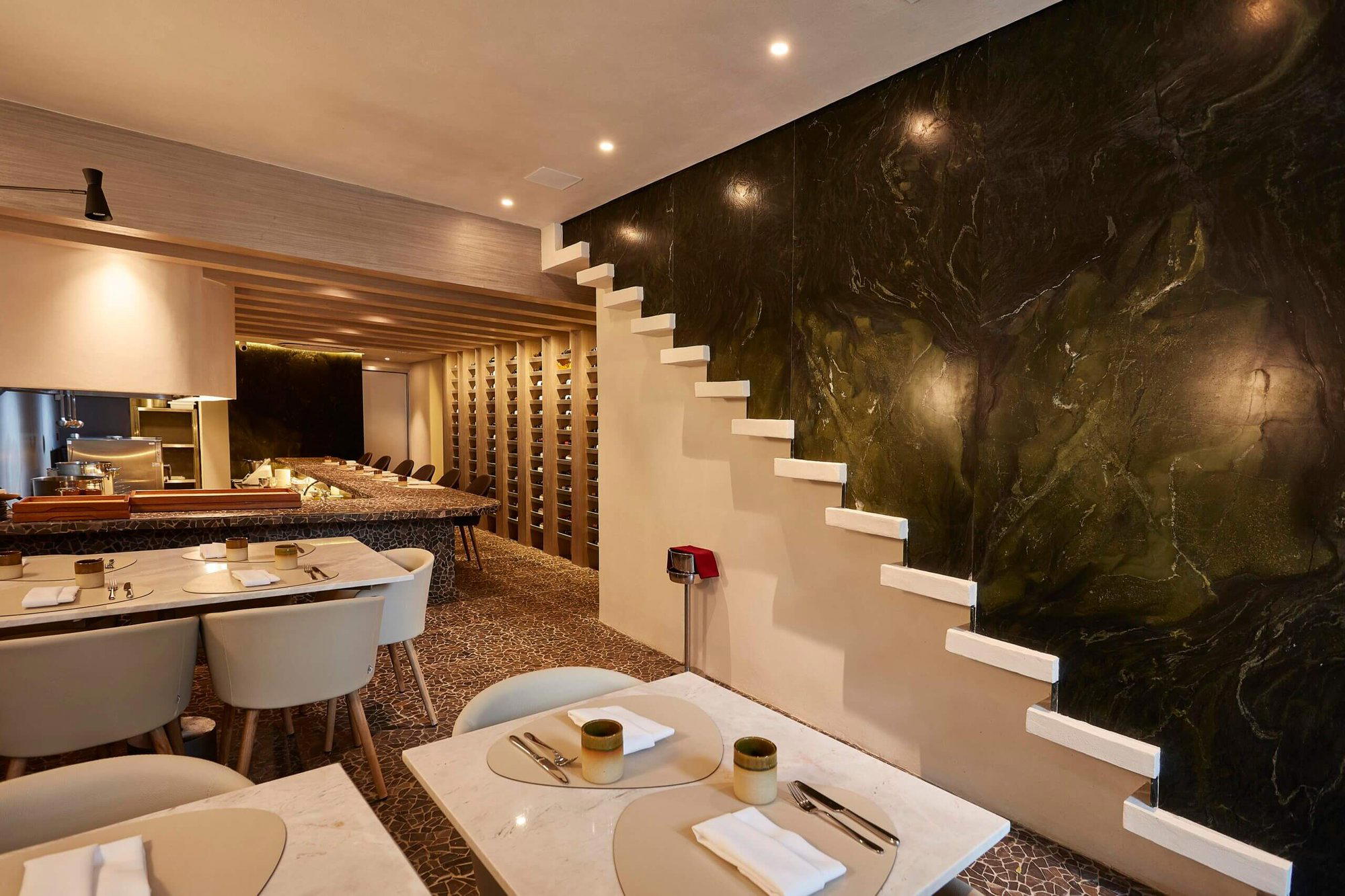
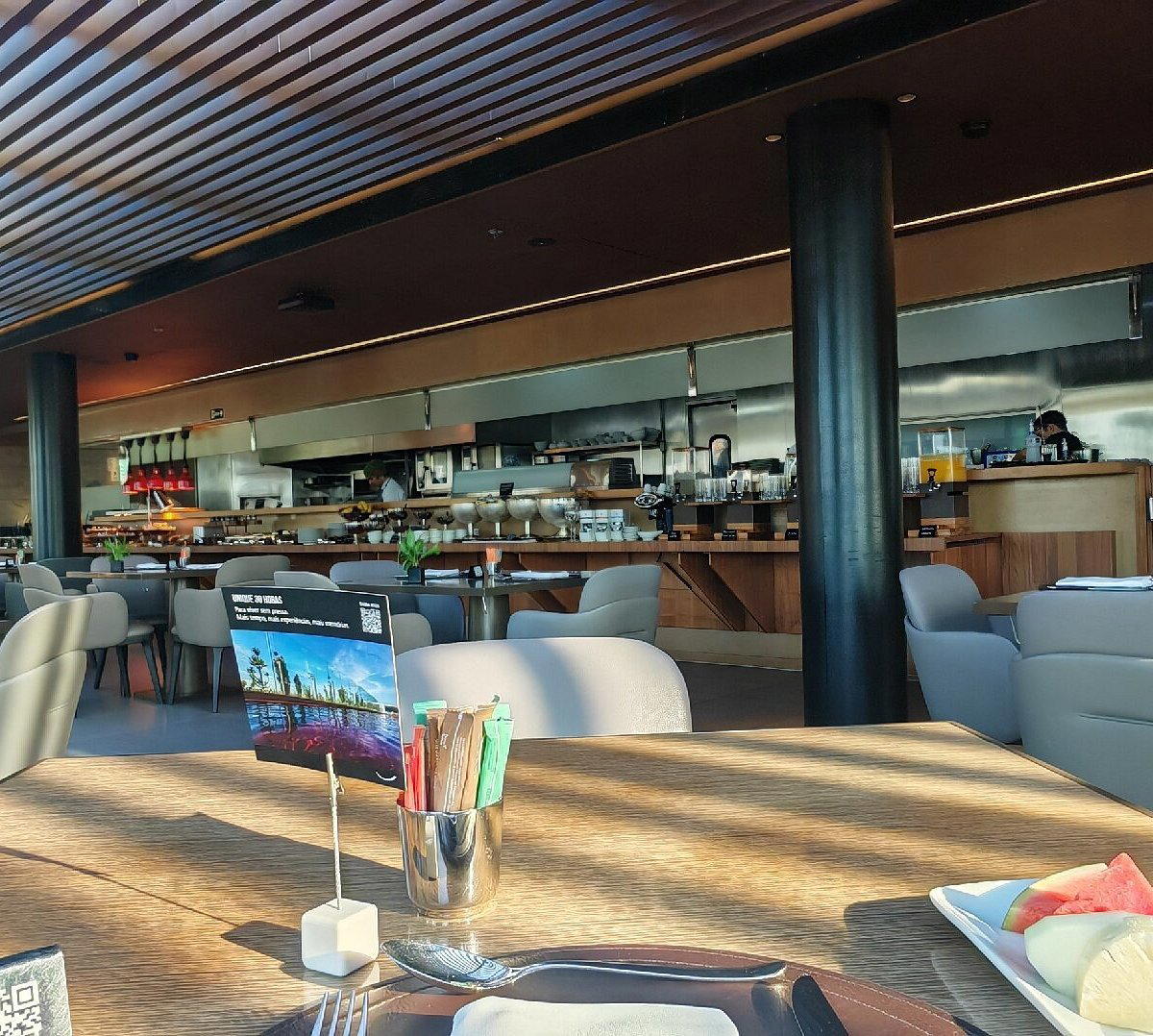
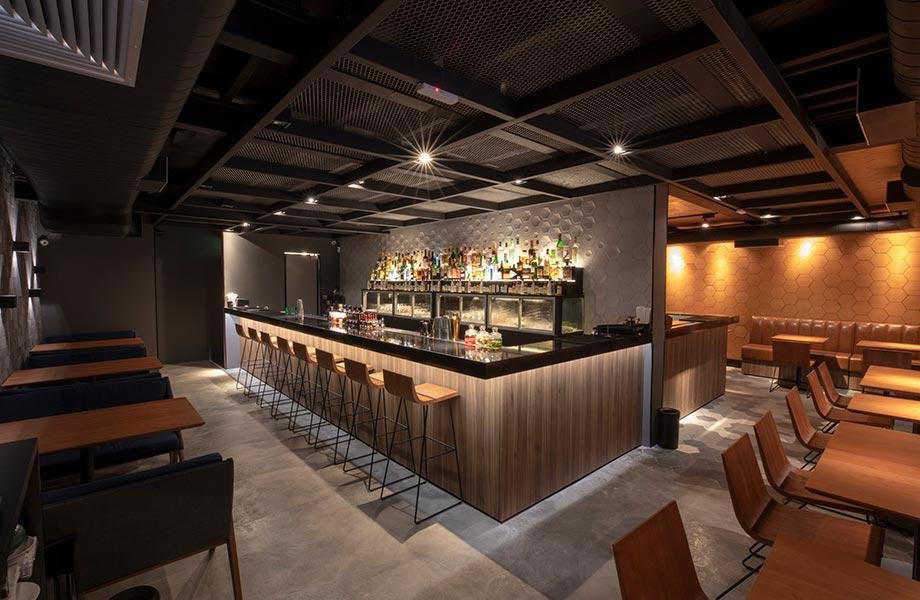
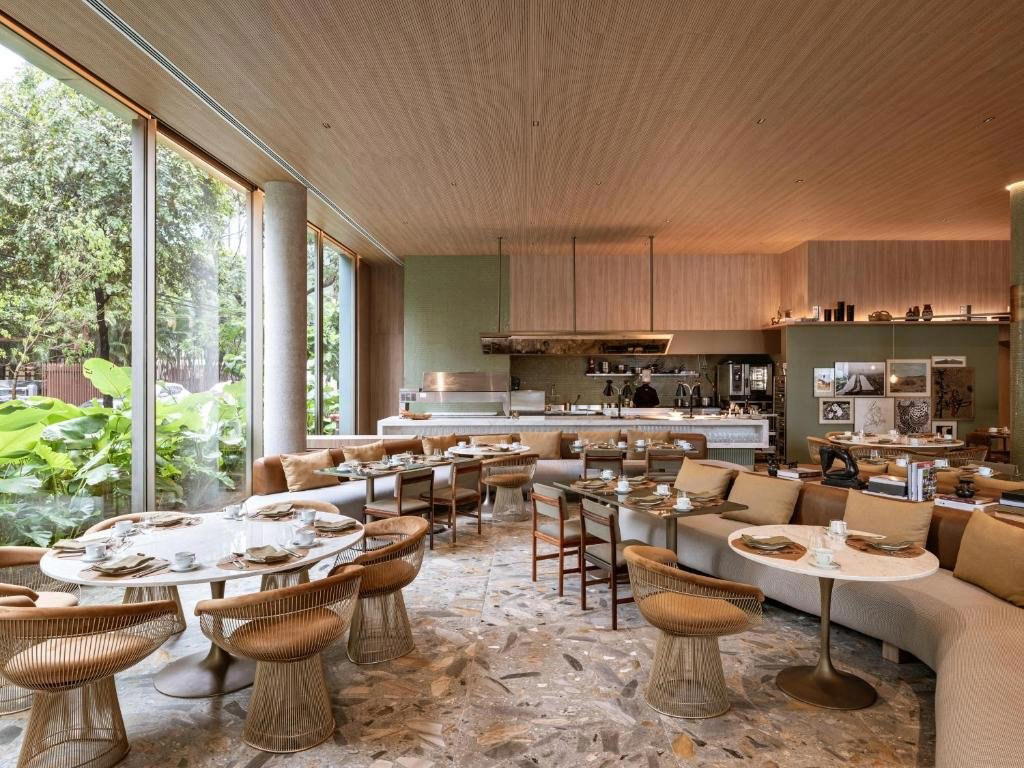
Contemporary and refined with an open glass kitchen allowing diners to observe the chef's meticulous preparation; minimalist modern design emphasizing ingredient-driven fine dining.