Nanako occupies a quiet stretch of Chamberí, one of Madrid's most settled residential districts, and positions itself within a neighbourhood dining tradition that prizes consistency over spectacle. The address on Calle de Raimundo Lulio places it away from the tourist-facing circuits of Chueca or Malasaña, signalling a room that earns its following from locals rather than passers-by. Details on booking, pricing, and current format are best confirmed directly with the venue.
Pearl is the En Primeur Club membership app — saves, bookings, and concierge access live there. Same editors, same standards.
- Address
- C. de Raimundo Lulio, 24, Chamberí, 28010 Madrid, Spain
- Phone
- +34914452762
- Website
- nanako.es
- Directions
- Get directions
 Saves & bookings on Pearl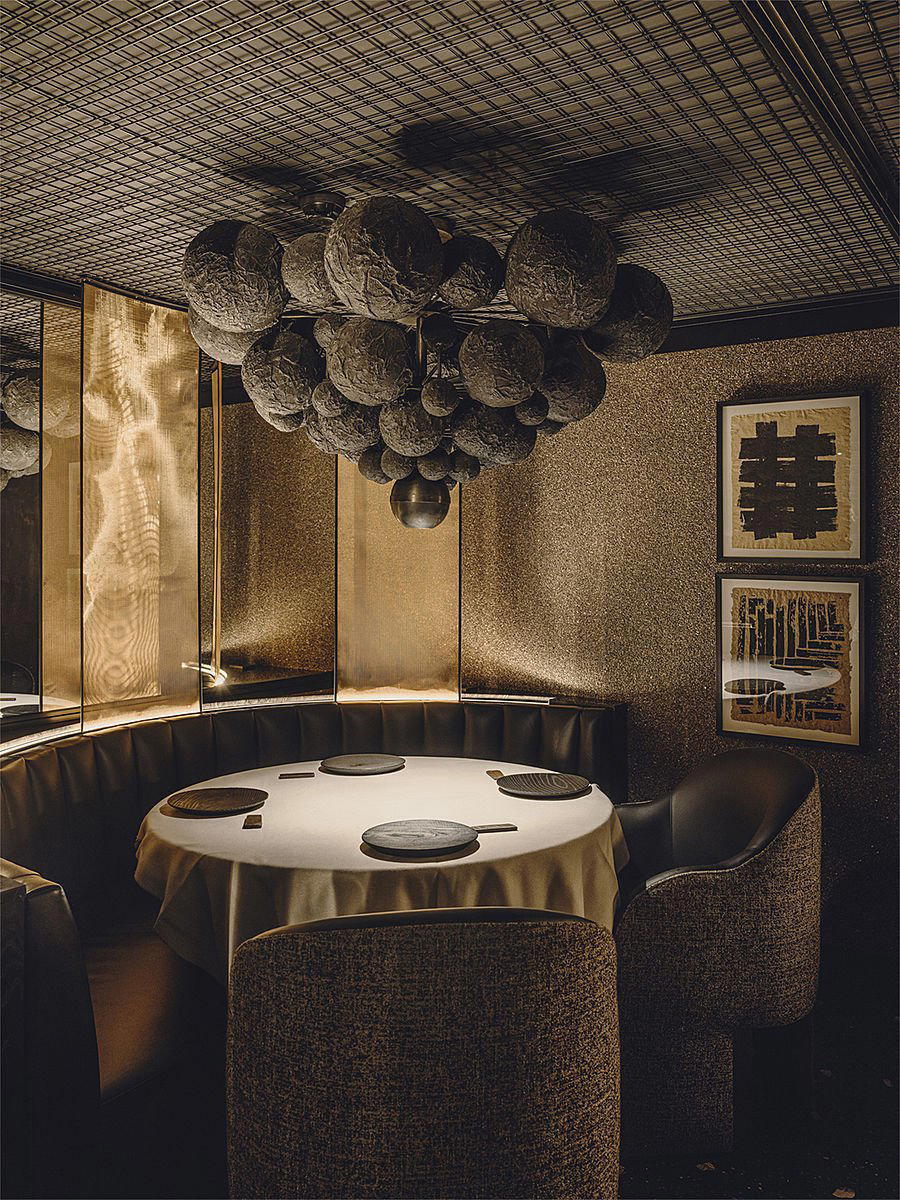
A Chamberí Address and What It Signals
Madrid's dining geography sorts itself into reasonably legible tiers. The headline addresses, DiverXO, Coque, Deessa, occupy a city-wide stage and draw an international audience that plans trips around tables. Below that tier, and far more interesting to the reader who lives in or returns repeatedly to Madrid, sits a stratum of neighbourhood restaurants that sustain themselves on earned local loyalty. Chamberí is one of the districts where that stratum is most legible. The barrio runs north of Malasaña, bounded roughly by Alonso Martínez and the Glorieta de Quevedo, and its restaurant culture skews toward the comfortable and the considered rather than the showy.
Nanako sits on Calle de Raimundo Lulio 24, in the western part of Chamberí. The street is residential without being obscure, the kind of address that requires mild intention to arrive at rather than the kind discovered by accident. In Madrid's neighbourhood dining culture, that mild friction is often a reliable signal: rooms that need to be sought tend to fill with a more committed audience than those swept up by foot traffic from a major artery.
Menu Architecture as Editorial Statement
The way a restaurant structures its menu is one of the more honest forms of self-description available to it. A long à la carte signals a kitchen hedging toward crowd-pleasing breadth; a single tasting menu signals confidence in a singular direction; a short, rotating carte signals a kitchen organized around product availability rather than brand identity. Each format encodes assumptions about the dining relationship the restaurant wants to have with its guests.
In Madrid's current scene, that architectural question has sharpened. The upper tier of the city's creative dining, DSTAgE, Paco Roncero, has largely committed to tasting menu formats where sequence and pacing are as deliberate as ingredient selection. The neighbourhood tier has responded differently: shorter menus built around market logic, where the kitchen's decisions reflect what arrived that morning rather than what photograph well on an Instagram grid. This latter approach tends to produce more honest eating, if occasionally less dramatic eating.
What can be said is that its Chamberí location and evident neighbourhood positioning place it in a dining tradition where menu brevity is more common than sprawl, and where the relationship between kitchen and regular guest tends to be more conversational than transactional.
Where Nanako Sits in Madrid's Mid-Tier
Madrid's restaurant scene has developed a confident middle register over the past decade, filling the gap between the Michelin-flagged rooms and the corriente neighbourhood bar. Spain's broader fine-dining infrastructure, from El Celler de Can Roca in Girona to Martin Berasategui in Lasarte-Oria to Arzak in San Sebastián, has long modelled how serious cooking can exist at the neighbourhood scale, and Madrid's younger cohort of restaurants has absorbed that lesson. The city no longer concentrates its culinary ambition in a handful of destination rooms; it distributes it across barrios.
In that distributed model, Chamberí has become a reliable district for finding cooking that takes itself seriously without requiring the guest to treat dinner as a formal occasion. Nanako operates within that context. Its comparable set is not the three-Michelin-star tier, not Aponiente or Mugaritz in scale of ambition, but the more numerous group of restaurants that serve as the reliable anchor of a neighbourhood's culinary identity. That role carries its own form of distinction. A room that fills consistently with local regulars across multiple years is making a quieter argument than a room chasing awards, but it is not a lesser one.
Compared to Madrid's confirmed €€€€-tier creative rooms, DiverXO, Coque, Deessa, Paco Roncero, Nanako reads as a different proposition entirely: accessible in address and likely in price, oriented toward the guest who returns rather than the guest who arrives once for a milestone occasion. The Spanish cities that have built durable food cultures, from Barcelona to Valencia, have done so partly on the strength of exactly this tier. See also Ricard Camarena in València and Cocina Hermanos Torres in Barcelona for how Spain's regional cities have developed their own confident mid-to-upper tier.
Planning Your Visit
| Venue | District | Category | Price Tier | Format Signal |
|---|---|---|---|---|
| Nanako | Chamberí | Not confirmed | Not confirmed | Neighbourhood dining |
| DiverXO | Fuencarral | Progressive Asian, Creative | €€€€ | Destination tasting menu |
| Coque | Chamberí | Spanish, Creative | €€€€ | Destination tasting menu |
| Deessa | Salamanca | Modern Spanish, Creative | €€€€ | Destination tasting menu |
| Paco Roncero | Centro | Creative | €€€€ | Destination tasting menu |
For the broader Madrid picture, covers the city's dining tiers, from the Michelin-flagged creative rooms to the neighbourhood anchors that define daily eating life in each barrio. International points of comparison for technically ambitious but architecturally restrained dining can be found at Le Bernardin in New York City and Atomix in New York City, two rooms that demonstrate how menu discipline functions as a form of editorial authority. Spain's own wider range of serious regional cooking is well represented by Atrio in Cáceres, Azurmendi in Larrabetzu, and Quique Dacosta in Dénia.
A Credentials Check
Comparable venues nearby, for context on price, style, and recognition.
| Venue | Cuisine | Price | Awards | Notes |
|---|---|---|---|---|
| NanakoThis venue — the venue you are viewing | Japanese Omakase with Brazilian Fusion | $$$$ | Not listed | Not listed |
| Yakiniku Rikyu | Japanese-Korean Yakiniku Grill | $$$ | Not listed | Almagro |
| 47 Ronin | Creative Japanese Fusion | $$$ | Not listed | Recoletos |
| El Invernadero - Rodrigo De La Calle | Vegetable-led Spanish fine dining tasting menu | $$$$ | Not listed | Chamberí |
| Espacio Isaac Salido - Peluquería & Concept Store | Japanese food and cocktails | Not listed | Not listed | Castellana |
| TA-KUMI | Modern Japanese Sushi | $$$$ | Michelin Plate | Castellana |

At a Glance
- Intimate
- Modern
- Elegant
- Cozy
- Date Night
- Special Occasion
- Celebration
- Chefs Counter
- Open Kitchen
- Extensive Wine List
Current opening hours
- Monday
- Closed
- Tuesday
- 1:30–3:30 PM, 7:30–11 PM
- Wednesday
- 7:30–11 PM
- Thursday
- 1:30–3:30 PM, 7:30–11 PM
- Friday
- 1:30–3:30 PM, 7:30–11 PM
- Saturday
- 1:30–3:30 PM, 7:30–11 PM
- Sunday
- Closed
Hours can change for holidays and private events. Last verified .
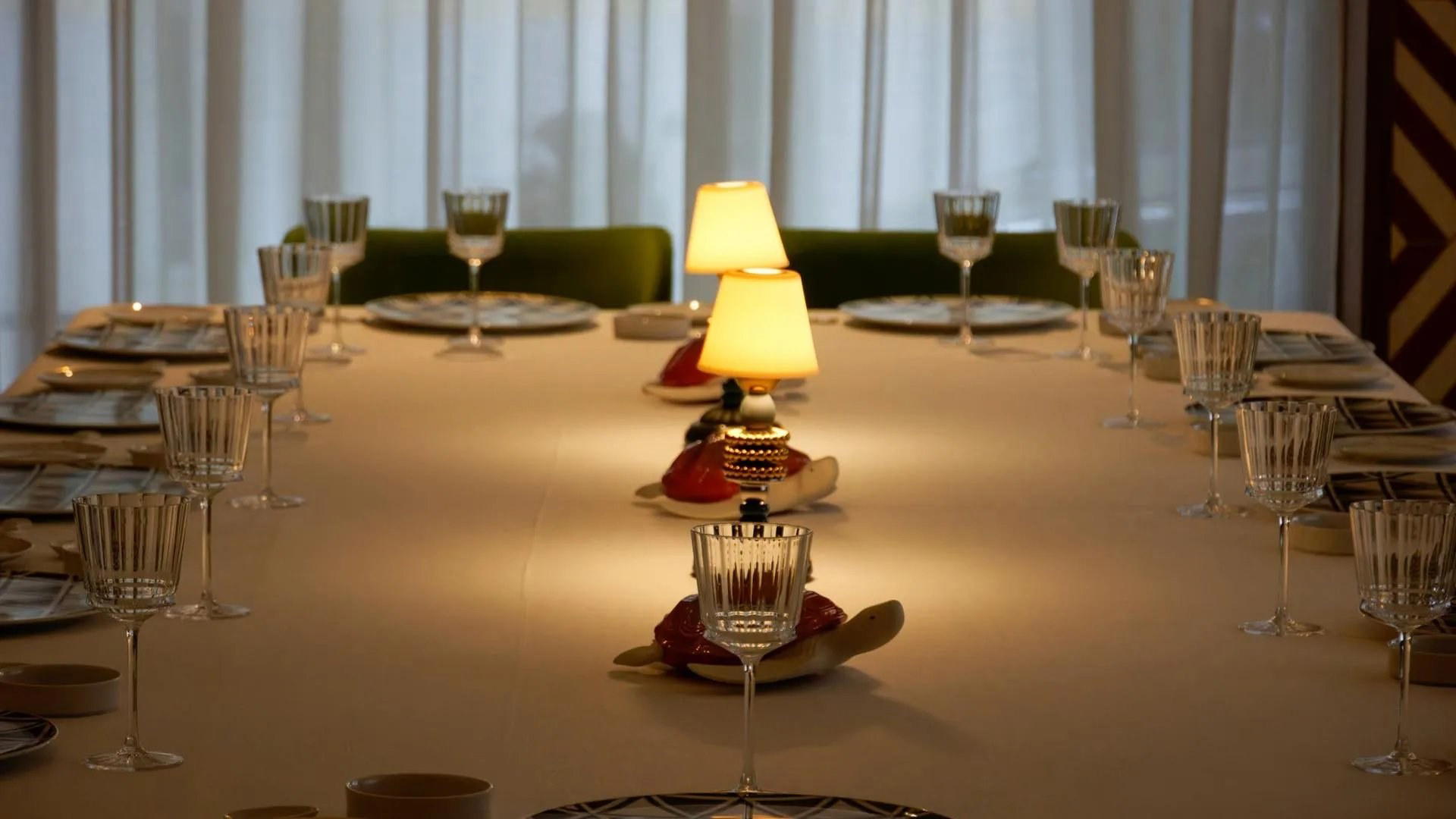
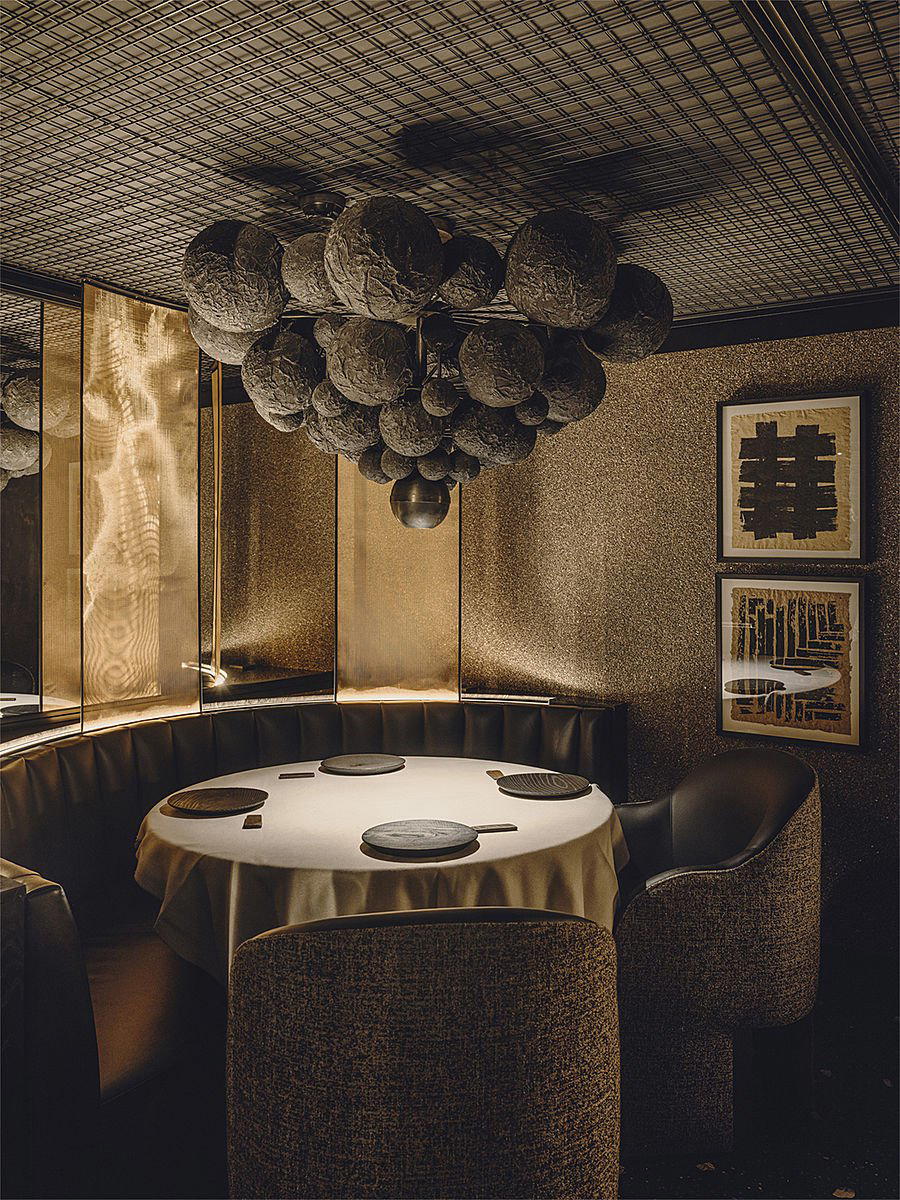
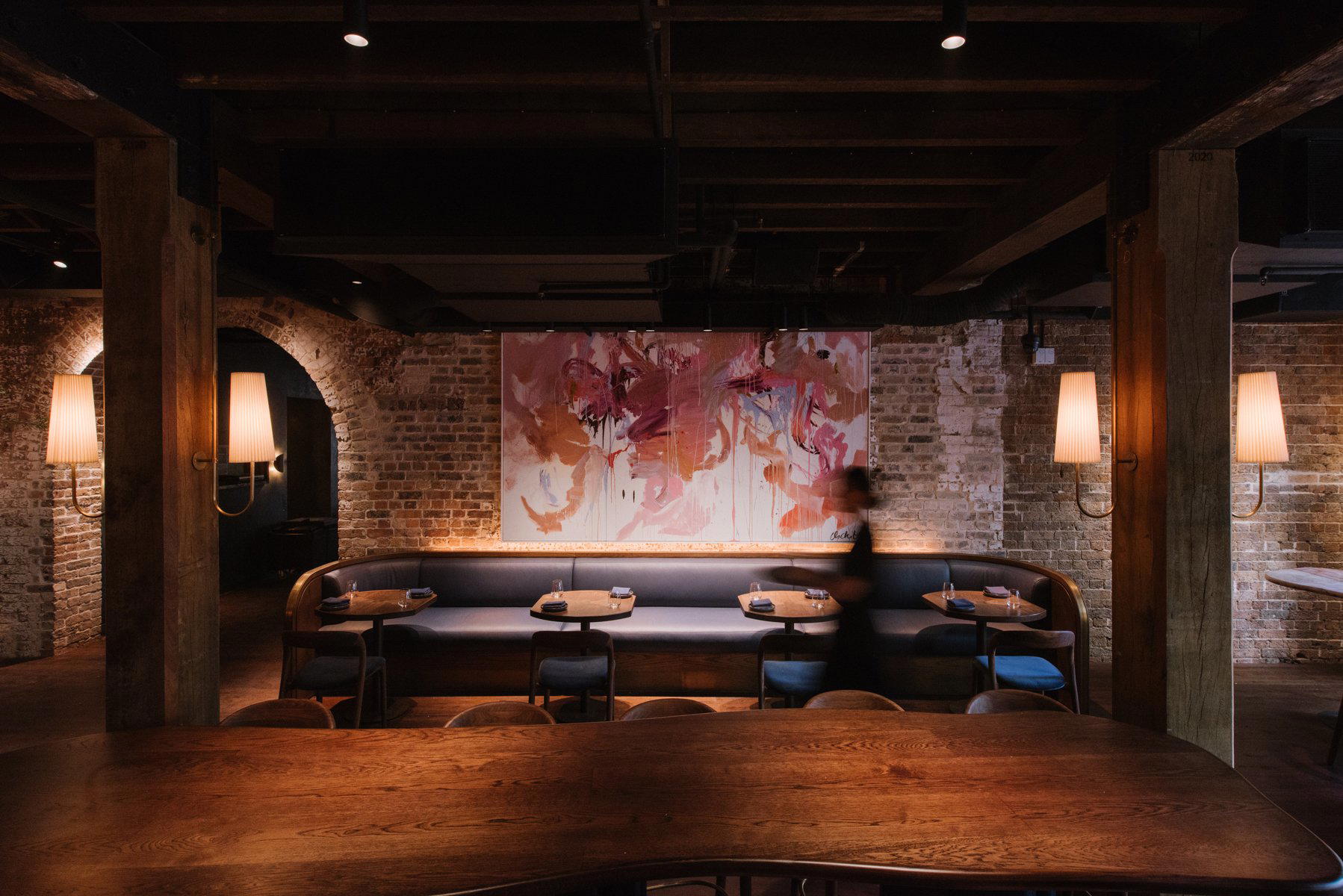
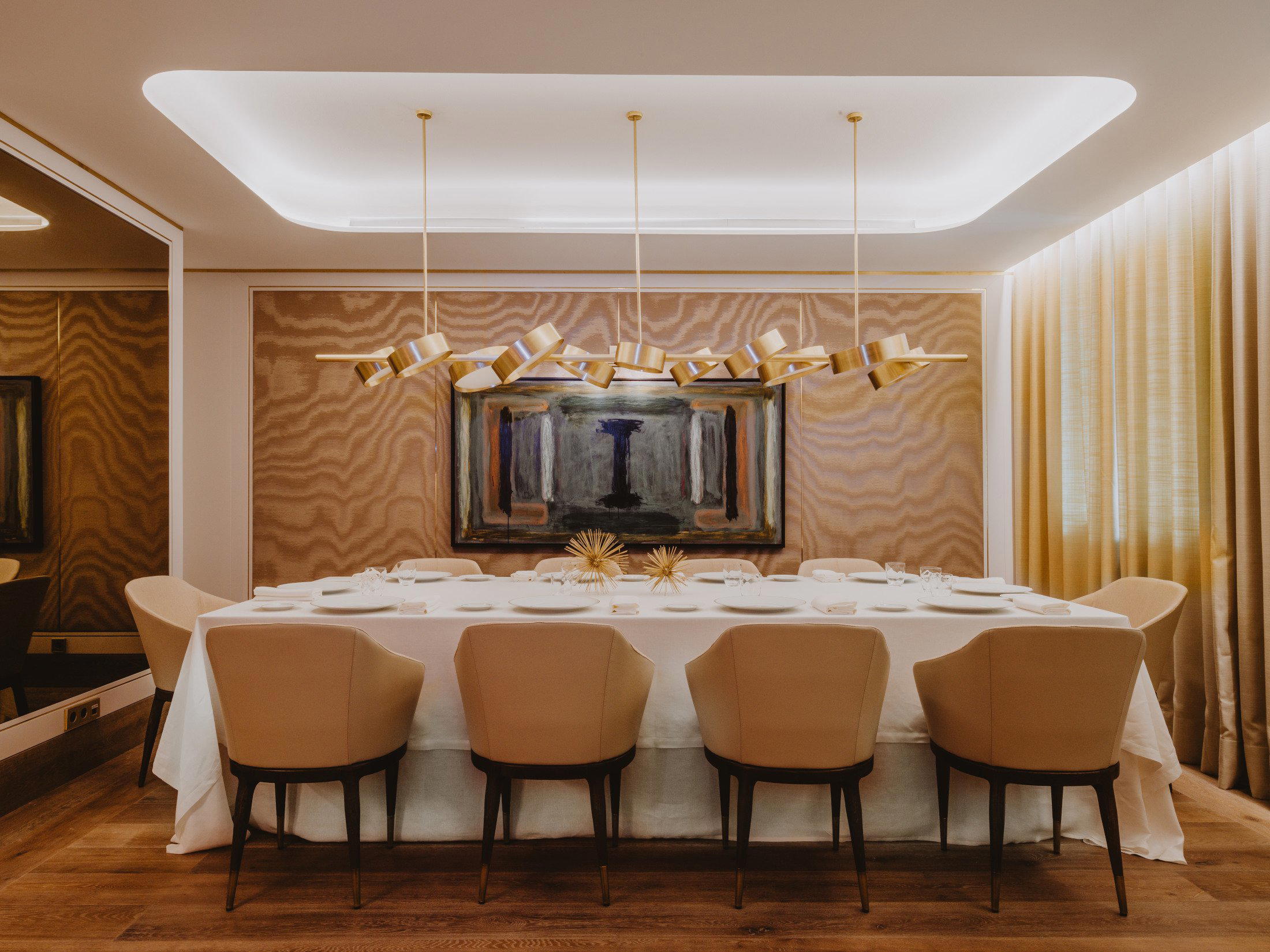
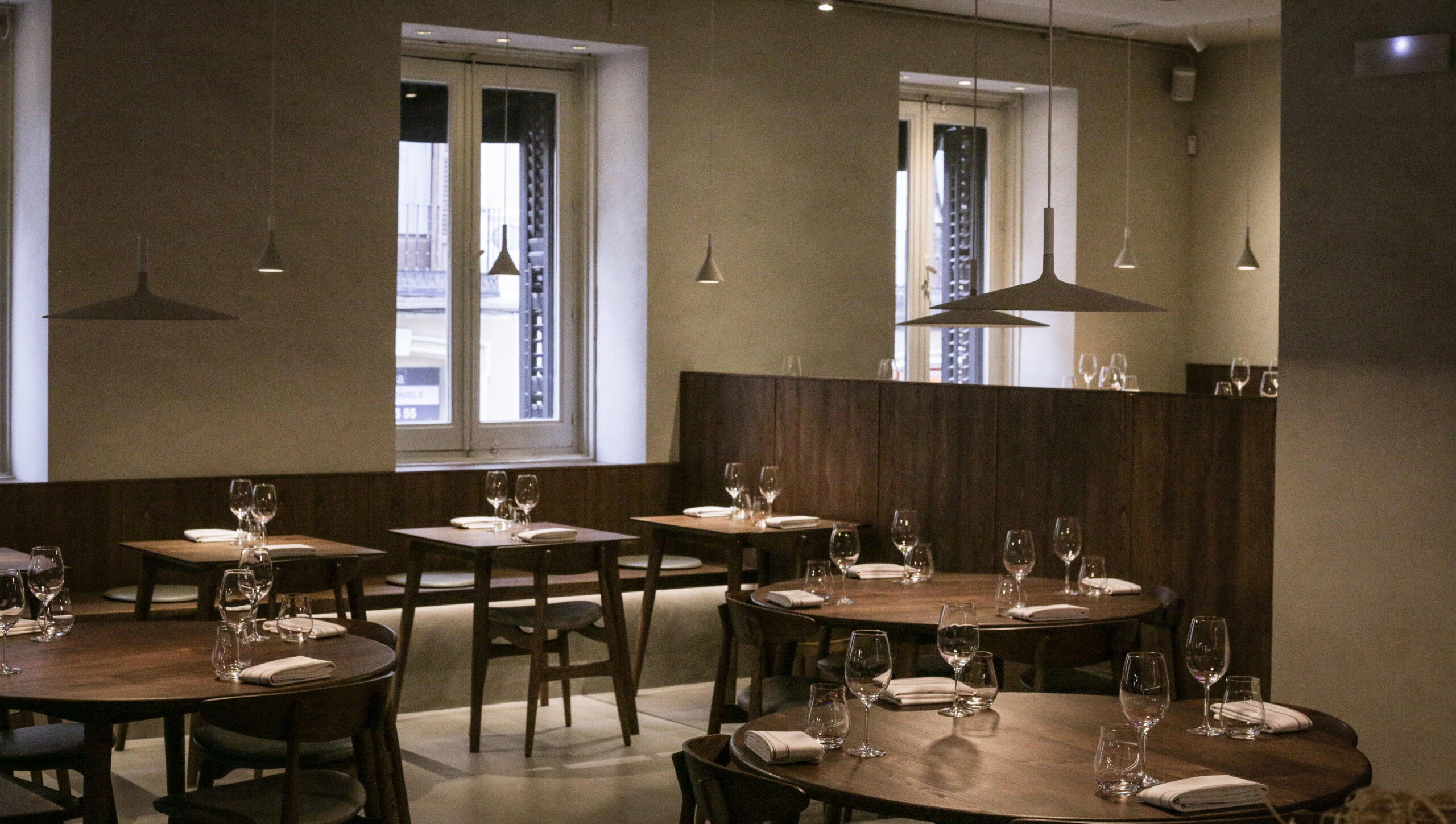
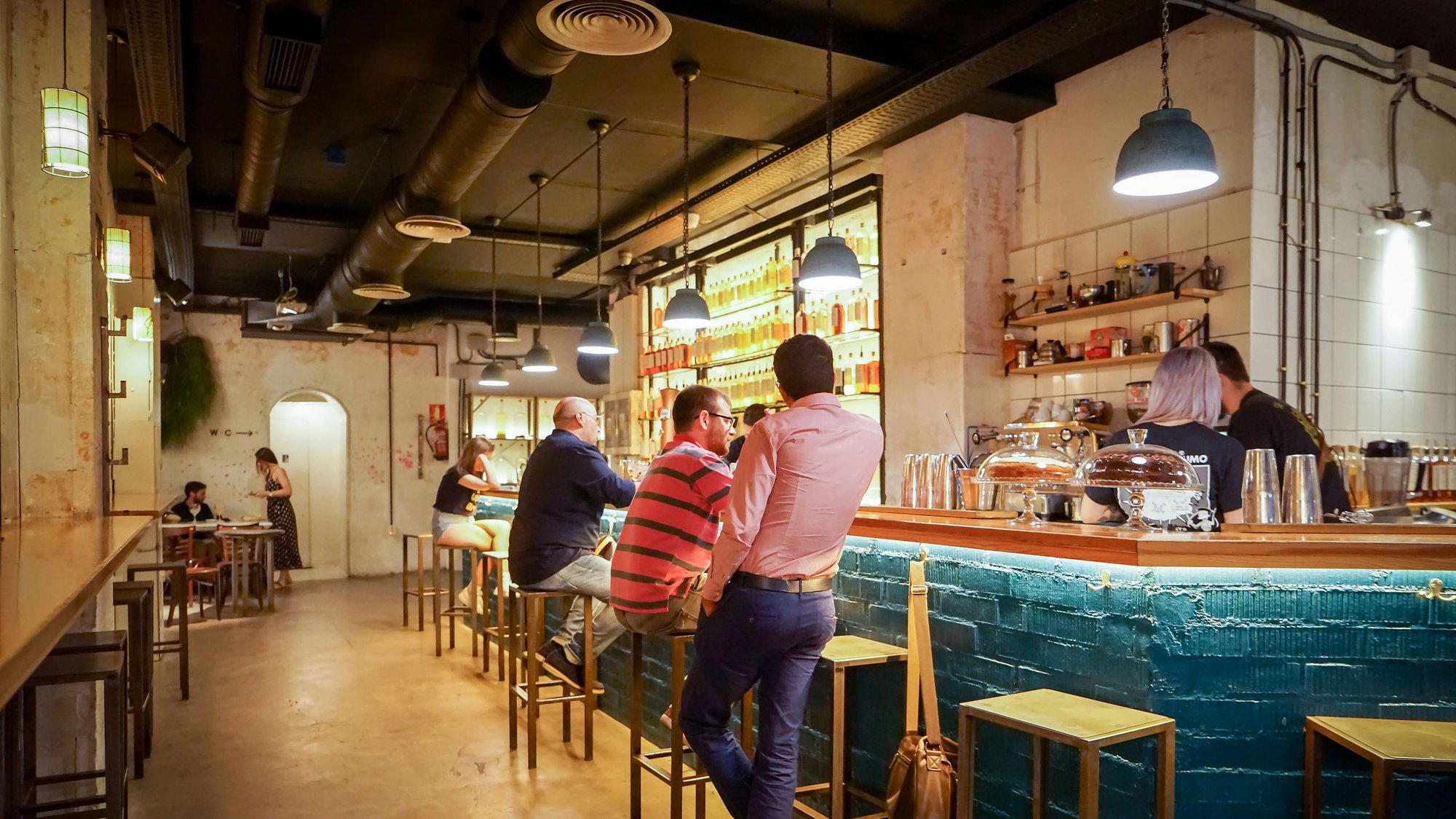
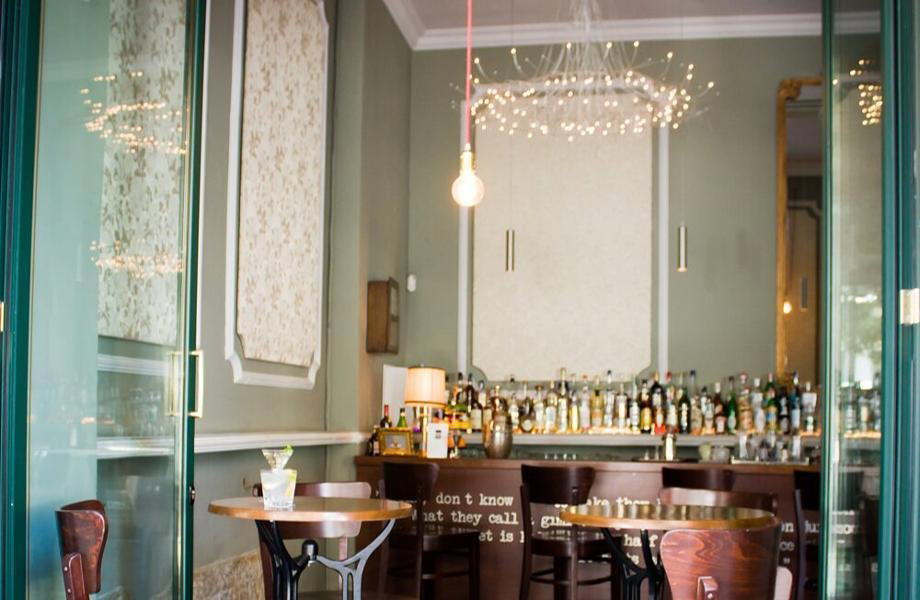
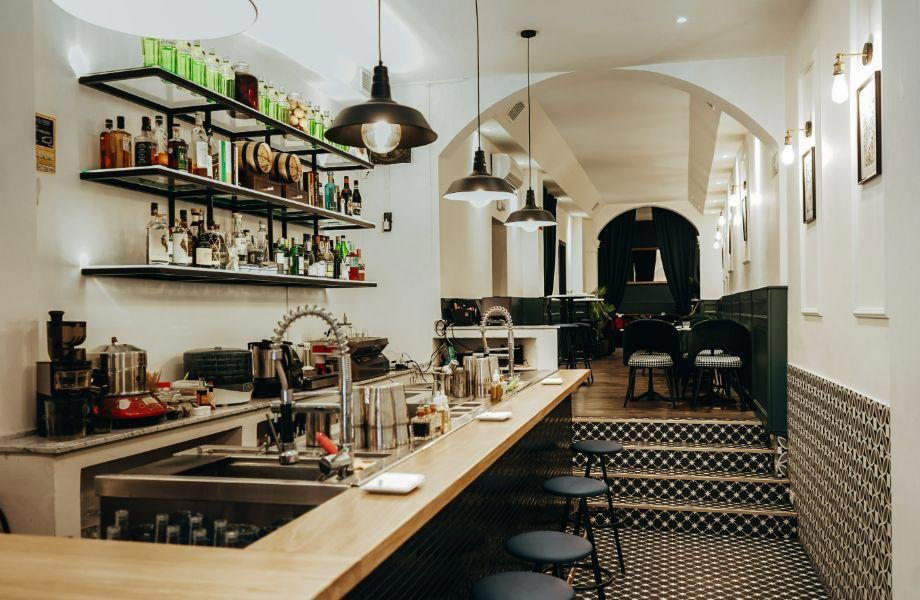
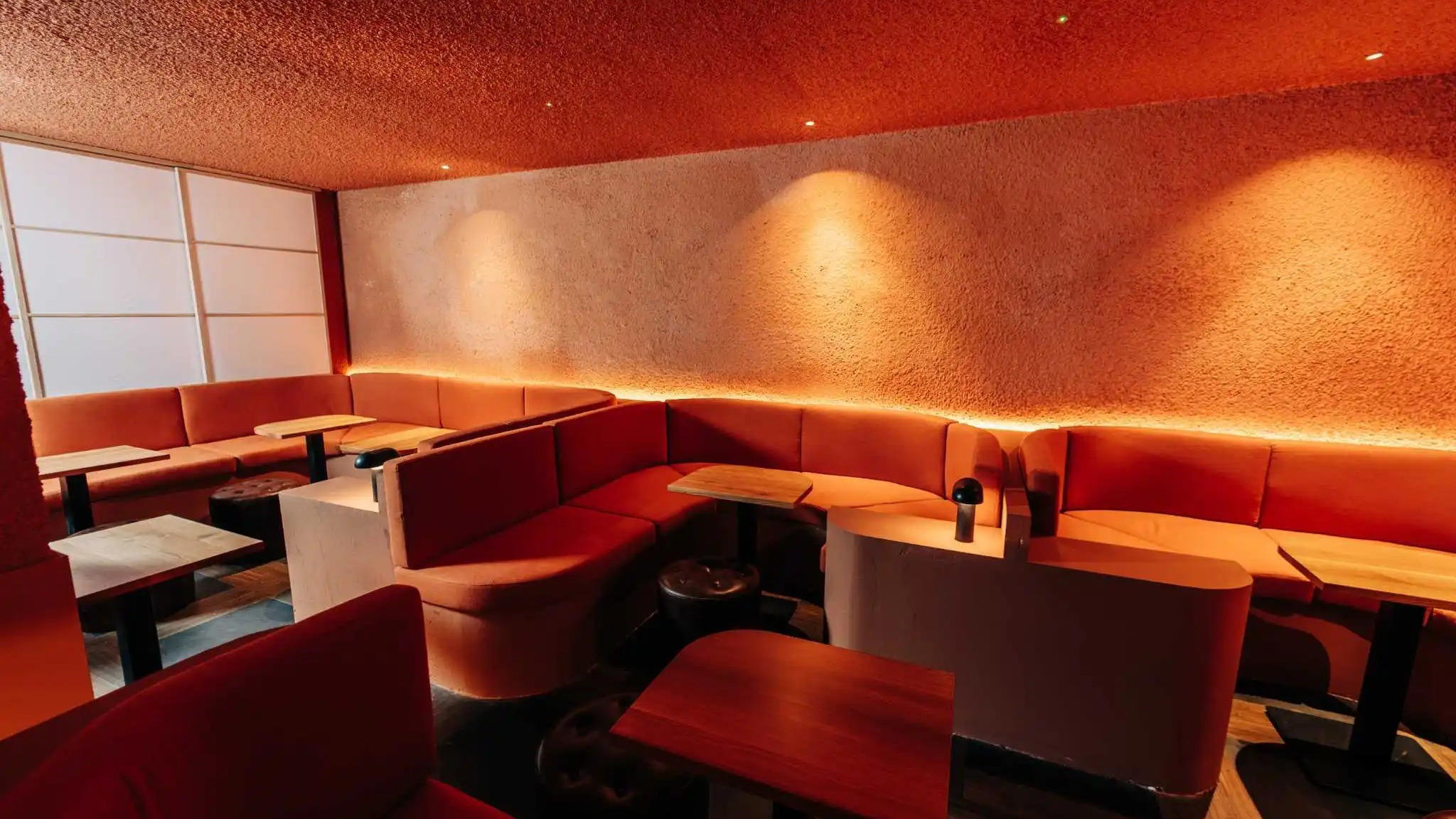
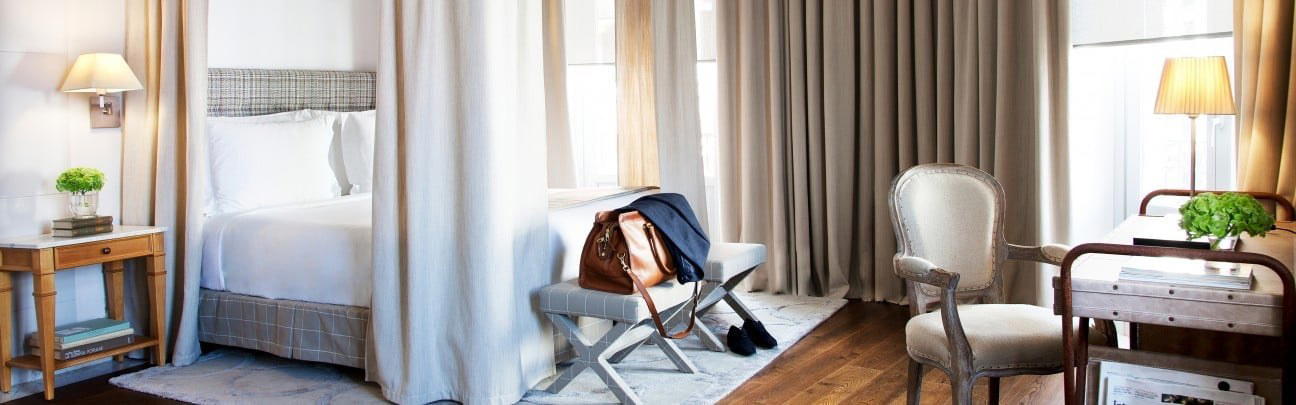
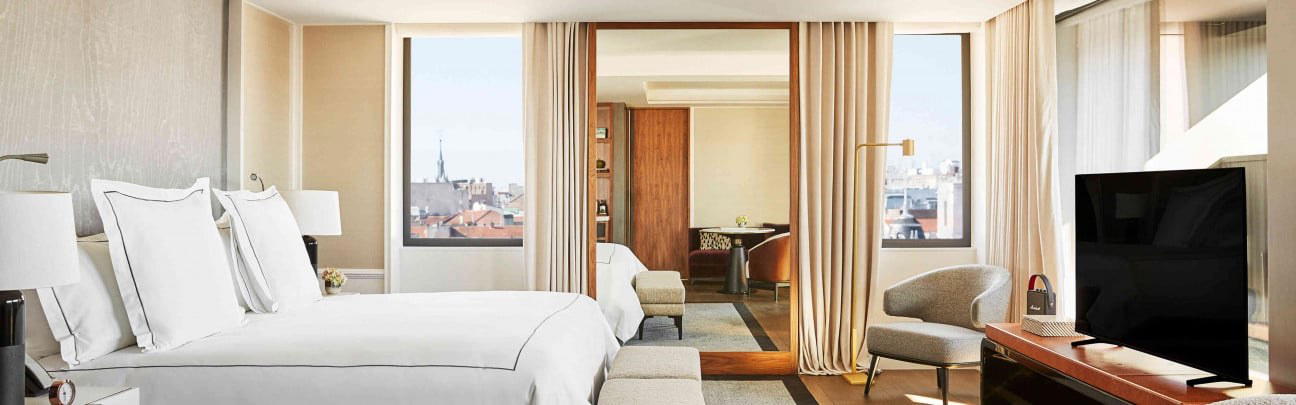
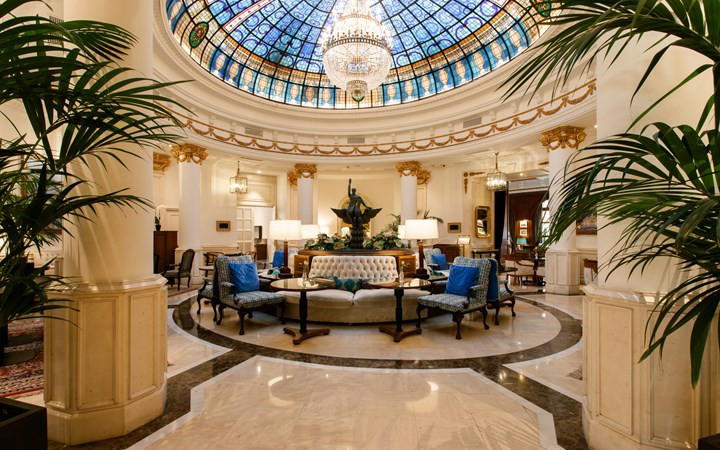
Intimate and modern setting with counter seating offering views of the open kitchen and chef action; cozy atmosphere with tall tables in the front.