


Michelin Plate · Macarfi 7.6 Food Rating
Our verdict
On a narrow street beside the Rosewood Villa Magna in Madrid's Salamanca district, Sushi Bar Hannah operates in the quieter register that serious Japanese kitchens tend to prefer. Chef Valen Zhang runs two tasting menus, a Kaiseki focused on meticulous detail and an Omakase built around seasonal fish, alongside an à la carte spanning sashimi, nigiri, tempura, and charcoal-grilled dishes. A Michelin Plate holder since 2024 and ranked among Europe's top restaurants by Opinionated About Dining in 2025.

Pearl is the En Primeur Club membership app, where members save venues, book tables and use the concierge.
The menu
What to order
- Mullet tempura
- Kaiseki menu
- Omakase
- Sashimi
- Nigiri
Where Salamanca Meets Japanese Precision
Madrid's Salamanca district has long been the address where discretion signals quality. The neighbourhood's grid of wide avenues and expensive postcode draws a specific type of restaurant: one that does not need a terrace or a sign visible from thirty metres. On the Calle del Marqués de Villamagna, immediately beside the Rosewood Villa Magna hotel, the entrance to Sushi Bar Hannah fits that register exactly. Nothing about the façade competes for attention. The counter inside, however, is where the case for the restaurant is made.
Madrid's Japanese dining scene has matured considerably over the past decade. What was once a category dominated by approachable, broadly pan-Asian formats has fractured into a tiered market: sushi counters with serious technical programs at the leading, mid-market fusion in the middle, and conveyor-belt and delivery concepts below. Sushi Bar Hannah sits in the upper tier, a €€€€ price point, two structured tasting menus that require 24-hour advance booking, and recognition from both Michelin and Opinionated About Dining in 2025. Within Madrid's wider fine-dining bracket, where properties like Yugo The Bunker bring a high-concept Japanese-influenced format and Hotaru Madrid operates in the more intimate omakase space, Sushi Bar Hannah occupies a distinct position: traditionalist in technique, expansive in repertoire.
The Menu Architecture
Japanese fine dining in Europe has generally converged on two formats: the kaiseki, with its seasonal progression of small, composed courses demanding precision at every stage, and the omakase, which places the chef's reading of available fish and seafood above any fixed structure. Sushi Bar Hannah offers both, and the distinction matters for how you plan the evening.
The Kaiseki menu follows the logic of meticulous detail, courses are calibrated against each other in texture, temperature, and visual weight. It is the format that rewards diners who want to understand the kitchen's range across cooking methods: the soups, pickles, tempuras, steamed preparations, and charcoal-grilled dishes that form the broader architecture of Chef Valen Zhang's repertoire. The Omakase shifts the emphasis toward seasonal fish and seafood, and is better suited to guests whose primary interest is the quality and sourcing of the raw material.
Both menus require a minimum 24-hour booking notice, not an unusual policy at this level, but one worth factoring into travel planning. The bar counter remains the recommended position: proximity to the preparation makes the technical approach legible in a way that a table further back does not replicate. Among Madrid's Japanese counters, Ikigai Velázquez and Ikigai Flor Baja pursue a comparable philosophy of counter-forward Japanese dining; Ebisu by Kobos takes a different angle with its izakaya-leaning format.
Recognition and Competitive Position
Michelin's Plate designation, awarded in both 2024 and 2025, sits below star level but signals that the guide's inspectors find the cooking competent and consistent. In the context of Madrid's €€€€ Japanese tier, consistent recognition across two consecutive years matters as a marker of stability rather than novelty. The Opinionated About Dining ranking, #579 among Europe's leading restaurants in 2025, places Sushi Bar Hannah inside a peer group that operates across the continent's most serious kitchens. OAD rankings are crowd-sourced from a vetted population of frequent fine diners rather than a single inspectorate, which makes them a different kind of signal: one that reflects repeat-visitor satisfaction over time.
Within the wider Madrid €€€€ tier, the comparison set includes Yugo The Bunker at the high-concept end and the Spanish creative houses, DiverXO, Deessa, Smoked Room, Coque, Paco Roncero, that dominate the city's fine-dining conversation. Sushi Bar Hannah competes in a different register: it is not asking to be measured against Spain's avant-garde tradition but against the leading Japanese cooking available in a European capital. For that comparison, Tokyo's kaiseki counters, including Myojaku and Azabu Kadowaki, remain the reference point, and the gap, as with almost all Japanese restaurants outside Japan, is primarily one of fish sourcing rather than technique.
The Evolution of Sushi Bar Hannah
The restaurant's current direction reflects a pattern visible across Europe's serious Japanese kitchens: a move away from the hybridised, fusion-adjacent formats that characterised the category in the early 2000s, and toward greater fidelity to Japanese culinary structure. The dual tasting menu format, Kaiseki alongside Omakase rather than a single chef's menu, suggests a kitchen confident enough in its range to offer two distinct philosophical frameworks to the same dining room. The charcoal-grilled dishes and pickles that sit alongside the sashimi and nigiri program are not decorative additions; they signal that the kitchen understands kaiseki as a discipline built on method and sequence rather than a sushi counter with extra courses.
Chef Valen Zhang leads the kitchen at a moment when Spanish diners have become significantly more sophisticated about Japanese cooking. The growth of premium Japanese dining in Madrid over the past five years has created an audience that can distinguish between different approaches, a shift that has raised the competitive floor for the category and created space for a restaurant like Sushi Bar Hannah to pursue technical rigour without needing to package it for an uninitiated audience. For broader context on Spain's leading fine dining options, see our features on Aponiente in El Puerto de Santa María, Arzak in San Sebastián, El Celler de Can Roca in Girona, Disfrutar in Barcelona, Quique Dacosta in Dénia, and Azurmendi in Larrabetzu.
Planning Your Visit
| Detail | Sushi Bar Hannah | Ikigai Velázquez | Yugo The Bunker |
|---|---|---|---|
| Cuisine focus | Traditional Japanese (Kaiseki / Omakase) | Japanese counter | Japanese-influenced, high-concept |
| Price tier | €€€€ | €€€€ | €€€€ |
| Recognition (2025) | Michelin Plate, OAD #579 Europe | Michelin-listed | Michelin-listed |
| Tasting menu notice | 24-hour advance booking required | Advance booking advised | Advance booking advised |
| Counter seating | Recommended | Available | Available |
| Location | Salamanca, beside Rosewood Villa Magna | Salamanca | Central Madrid |
The address, C. del Marqués de Villamagna, 1, places the restaurant in the Salamanca district, Madrid's most expensive residential and commercial neighbourhood. The proximity to the Rosewood Villa Magna makes it a practical dinner option for guests of that hotel, but the restaurant operates independently.
For more on where to eat, drink, and stay in the Spanish capital, see our full Madrid restaurants guide, Madrid hotels guide, Madrid bars guide, Madrid wineries guide, and Madrid experiences guide.
Frequently asked questions
What does dinner at Sushi Bar Hannah typically cost?
Pricing at Sushi Bar Hannah is listed as €€€€.
Similar Picks
A short peer table to compare basics side-by-side.
| Venue | Cuisine | Price | Awards | Notes |
|---|---|---|---|---|
| Sushi Bar HannahThis venue (the venue you are viewing) | Authentic Japanese Omakase and Kaiseki | Not listed | Michelin Plate · Macarfi 7.6 Food Rating | Not listed |
| DiverXO | Avant-Garde Spanish Tasting Menu | $300–500 | 3 Michelin Stars · World's 50 Best #4 | Progressive - Asian, Creative |
| Deessa | Modern Valencian Fine Dining | $150–200 | 2 Michelin Stars · La Liste Top Restaurants | Modern Spanish, Creative |
| Smoked Room | Modern Japanese Fire Omakase | $200–300 | 2 Michelin Stars · La Liste Top Restaurants | Progressive Asador, Contemporary |
| Coque | Modern Spanish Fine Dining | $300–500 | 2 Michelin Stars · La Liste Top Restaurants | Spanish, Creative |
| Paco Roncero | Avant-Garde Spanish Fine Dining | $150–200 | 2 Michelin Stars · La Liste Top Restaurants | Creative |
Recognition history
Dated appearances from independent guides and award organizations, with the underlying list record or original source where available.
Michelin Plate
Michelin
Macarfi 7.6 Food Rating
Macarfi
Opinionated About Dining Top Restaurants in Europe Recommended
Opinionated About Dining
Full recognition history (6 entries)
Michelin Plate
Michelin
Opinionated About Dining Top Restaurants in Europe Ranked #579
Opinionated About Dining
Michelin Plate
Michelin
Continue exploring
More in Madrid
Restaurants in Madrid
All restaurants in Madrid →
Bars in Madrid
All bars in Madrid →

Details
- Intimate
- Elegant
- Minimalist
- Date Night
- Special Occasion
- Solo
- Chefs Counter
- Open Kitchen
- Sake Program
- Sustainable Seafood
- Omakase
- Tasting Menu
- A La Carte
- Counter Dining
- Sake
Current opening hours
- Monday
- Closed
- Tuesday
- 1–3 PM, 8–10 PM
- Wednesday
- 1–3 PM, 8–10 PM
- Thursday
- 1–3 PM, 8–10 PM
- Friday
- 1–3 PM, 8–10 PM
- Saturday
- 1–3 PM, 8–10 PM
- Sunday
- Closed
Hours can change for holidays and private events. Hours as of .
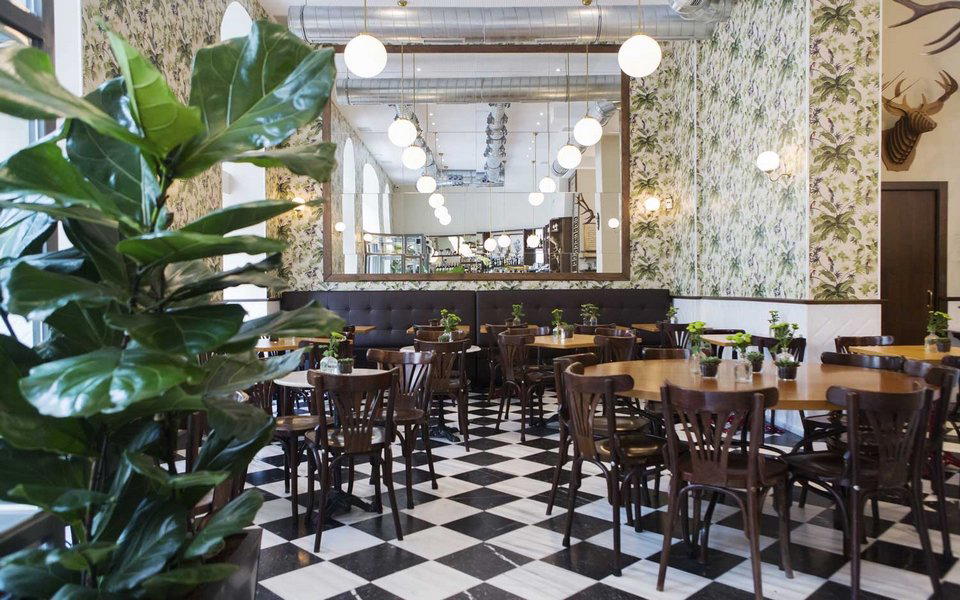
Zen Japanese atmosphere with authentic interior, bamboo trees, carefully considered touches, uniformed table settings, and just-right lighting that transports diners to Japan.