


Michelin Plate · Guía Repsol 1 Sol · Macarfi 7.7 Food Rating
Our verdict
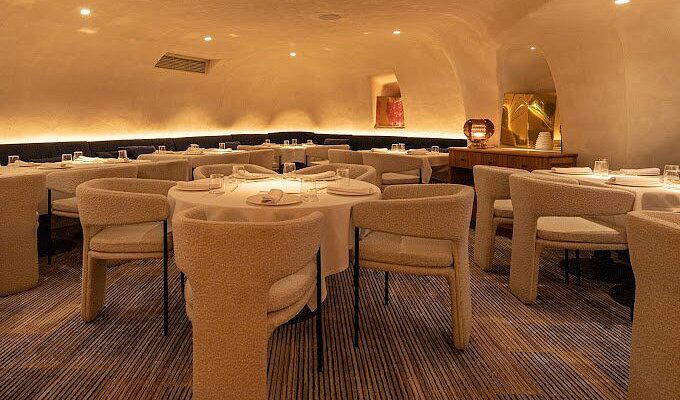
Ikigai Velázquez sits below street level on Calle Velázquez in Chamartín, offering a sushi-bar-centred dining room with design references drawn from 1980s New York. The kitchen runs both à la carte Japanese options and a full tasting menu, earning consecutive Michelin Plate recognition in 2024 and 2025. It occupies a distinct, more accessible tier within Madrid's growing Japanese dining scene.

Pearl is the En Primeur Club membership app — saves, bookings, and concierge access live there. Same editors, same standards.
- Address
- Calle Velázquez, 136, Chamartín, 28006 Madrid, Spain
- Phone
- +34 910 88 82 00
- Hours
- Daily 1:30–4:30 PM, 8:30–11:30 PM
- Website
- ikigaivelazquez.com
- Directions
- Get directions
The menu
What to order
- Tuna Tartare
- Gyoza
- Nigiri Selection
- Flambéed Salmon
Below Street Level, Above the Noise: Madrid's Japanese Dining Scene and Where Ikigai Velázquez Sits Within It
Descending a flight of stairs to reach a restaurant is, in many cities, a reliable cue for a certain kind of intentional dining. Madrid's Japanese segment has matured considerably over the past decade, splitting between high-concept omakase formats, neighbourhood izakaya registers, and a middle tier that combines technical sushi work with a broader menu accessible enough to draw regulars rather than one-time visitors. Ikigai Velázquez occupies that middle tier on Calle Velázquez, in the Chamartín district, with a room designed around a central sushi bar visible from every seat and a programme that runs from sashimi and gyoza to fusion nigiris and a complete tasting menu.
The broader Ikigai name in Madrid functions as a two-property group, with Ikigai Flor Baja serving as the elder sibling. That parent relationship matters for understanding the Velázquez address: it operates with the kitchen confidence of an established concept rather than a debut, and the menu draws directly from the same repertoire, adapted for a room with its own character. Across Madrid's wider Japanese restaurant field, venues like Yugo The Bunker, Ebisu by Kobos, Hotaru Madrid, and Izariya each stake out different positions, from premium omakase to relaxed Japanese-European crossover. Ikigai Velázquez reads as deliberate mid-register: technically credible without the reservation difficulty of a counter-only format, priced at €€€ rather than the €€€€ bracket occupied by Madrid's starred creative restaurants.
Critical Reception and What Two Consecutive Michelin Plates Signal
Michelin's Plate designation, awarded here in both 2024 and 2025, is a signal worth contextualising. The Plate does not indicate a star, but its consecutive appearance in the guide does confirm that the kitchen is cooking at a standard Michelin inspectors consider worth directing readers toward. In a city where the starred tier is dominated by Spanish creative cooking, with addresses like DiverXO at three stars and Coque, Deessa, and Smoked Room each holding two, the Plate distinction positions Ikigai Velázquez as a venue operating with discipline at a more accessible price point. For readers comparing Spanish fine dining across the country, the contrast is instructive: a three-star meal at El Celler de Can Roca in Girona or a three-star at Arzak in San Sebastián operates in a different stratosphere of both price and formality. Ikigai Velázquez's Plate recognition places it in a tier that rewards the curious diner who wants kitchen seriousness without the ceremony of a full tasting-menu-only format.
A large-sample rating at that level, maintained over hundreds of visits, tends to indicate reliable execution rather than occasional brilliance. It is a stronger signal than a smaller pool of higher scores, and for a Chamartín address drawing both local regulars and visitors, it suggests the kitchen delivers on its stated programme across different table types and visit contexts.
The Room and the Menu: What the Format Communicates
The interior design reference at Ikigai Velázquez, drawing from 1980s New York apartments, places it in a category of Japanese restaurants that have consciously rejected the spare minimalism associated with high-end Tokyo omakase. That design tension is itself an editorial statement about the kind of experience the room is trying to create. In Tokyo's premium omakase tier, addresses like Myojaku and Azabu Kadowaki lean into warm materials and intimacy, but the format remains rigidly chef-led. At Ikigai Velázquez, the sushi bar anchors the room visually without forcing every table into an omakase relationship with the counter. The result is a space that can function as a dinner destination for groups or pairs without the structural pressure of a timed tasting format.
The menu architecture reflects the same logic. Sashimi varies with market availability across four fish, which is a practical commitment to seasonal sourcing rather than a fixed display. Gyoza, tartares, and a range of nigiris both classic and fusion appear alongside the full tasting menu, giving the kitchen flexibility to satisfy tables with different appetite levels and time constraints. That breadth is typical of the stronger mid-tier Japanese restaurants in European cities, where the market is wide enough to support variety but not deep enough to fill a single-format counter seven nights a week.
Chamartín Context and How Calle Velázquez Functions as a Dining Address
Chamartín is not Madrid's most discussed dining neighbourhood in international press, which tends to focus on Chueca, Malasaña, or the area around Retiro. But Calle Velázquez carries a specific character: residential at upper floors, with ground-level and below-ground dining that draws a local clientele with spending capacity. The postcode, 28006, runs through a section of the city with a higher density of professional residents and a preference for reliable quality over trend-chasing formats. A Japanese restaurant holding consecutive Michelin Plate recognition in this context is not competing with nightlife-adjacent venues. It is offering a dinner-destination proposition to a neighbourhood that expects substance.
For visitors building a Madrid itinerary, Chamartín is practical for those staying in the northern hotel districts or visiting the Bernabéu area. It is less central than Salamanca but shares the same basic grid logic. Our full Madrid restaurants guide maps the city's dining scene by neighbourhood and price tier, and our guides to hotels, bars, wineries, and experiences in Madrid cover the broader city in the same editorial register. For readers planning wider Spanish trips, starred addresses across the country, from Aponiente in El Puerto de Santa María to Azurmendi in Larrabetzu, Cocina Hermanos Torres in Barcelona, and Martin Berasategui in Lasarte-Oria, provide the upper-end anchors around which a trip can be structured.
Know Before You Go
- Address: Calle Velázquez, 136, Chamartín, 28006 Madrid, Spain
- Cuisine: Japanese (sashimi, nigiris, gyoza, tasting menu)
- Price range: €€€
- Awards: Michelin Plate 2024, Michelin Plate 2025
- Access: Below street level via a flight of stairs; confirm accessibility requirements before booking
- Booking: Contact details not currently listed; check the restaurant directly for reservations
- Hours: Not confirmed; verify directly before visiting
Frequently asked questions
Is Ikigai Velázquez suitable for children?
At €€€ pricing with a formal sushi bar at the centre of the room, Ikigai Velázquez is pitched at adult diners and groups with an interest in Japanese cooking. The menu's range, from gyoza to full tasting menus, means it is not rigidly formal in the way a single-format omakase would be. Families with older children who eat Japanese food comfortably would find the format workable; it is less suited to very young children or large groups requiring flexible noise levels. Madrid's broader dining scene offers more casual Japanese options for family meals.
How would you describe the vibe at Ikigai Velázquez?
The room references 1980s New York apartment design rather than Tokyo minimalism, which signals a warmer, more social register than the spare interiors common in premium omakase settings. Consecutive Michelin Plate recognition at €€€ pricing in Chamartín positions it as a serious neighbourhood dinner destination rather than a special-occasion-only address. In a city where the €€€€ tier is dominated by Spanish creative formats, Ikigai Velázquez offers a Japanese alternative with enough kitchen credibility to satisfy diners looking for quality without the ceremony of a two or three-star evening.
What is the dish to order at Ikigai Velázquez?
The Michelin Plate recognition covers the kitchen's full programme, which includes both the tasting menu and the à la carte selection. The sashimi, which rotates across four fish according to market availability, is the clearest demonstration of the kitchen's sourcing approach and technical baseline. Classic and fusion nigiris appear on both the tasting menu and the broader menu, making them the most representative single item to judge the kitchen's range. Given the menu's breadth, the tasting menu is the most complete way to read what the kitchen is doing across formats, though the à la carte gives flexibility to focus on the sushi bar's core output.
Cuisine and Recognition
A compact comparison to help you place this venue among nearby peers.
| Venue | Cuisine | Price | Awards | Notes |
|---|---|---|---|---|
| Ikigai VelázquezThis venue — the venue you are viewing | Japanese Fusion | $100–150 | Michelin Plate · Guía Repsol 1 Sol | Not listed |
| DiverXO | Avant-Garde Spanish Tasting Menu | $300–500 | 3 Michelin Stars · World's 50 Best #4 | Progressive - Asian, Creative |
| Deessa | Modern Valencian Fine Dining | $150–200 | 2 Michelin Stars · La Liste Top Restaurants | Modern Spanish, Creative |
| Smoked Room | Modern Japanese Fire Omakase | $200–300 | 2 Michelin Stars · La Liste Top Restaurants | Progressive Asador, Contemporary |
| Coque | Modern Spanish Fine Dining | $300–500 | 2 Michelin Stars · La Liste Top Restaurants | Spanish, Creative |
| Paco Roncero | Avant-Garde Spanish Fine Dining | $150–200 | 2 Michelin Stars · La Liste Top Restaurants | Creative |
Recognition history
Dated appearances from independent guides and award organizations, with the underlying list record or original source where available.
Michelin Plate
Michelin
Guía Repsol 1 Sol
Guía Repsol
Macarfi 7.7 Food Rating
Macarfi
Full recognition history (5 entries)
Michelin Plate
Michelin
Michelin Plate
Michelin
Continue exploring
More in Madrid
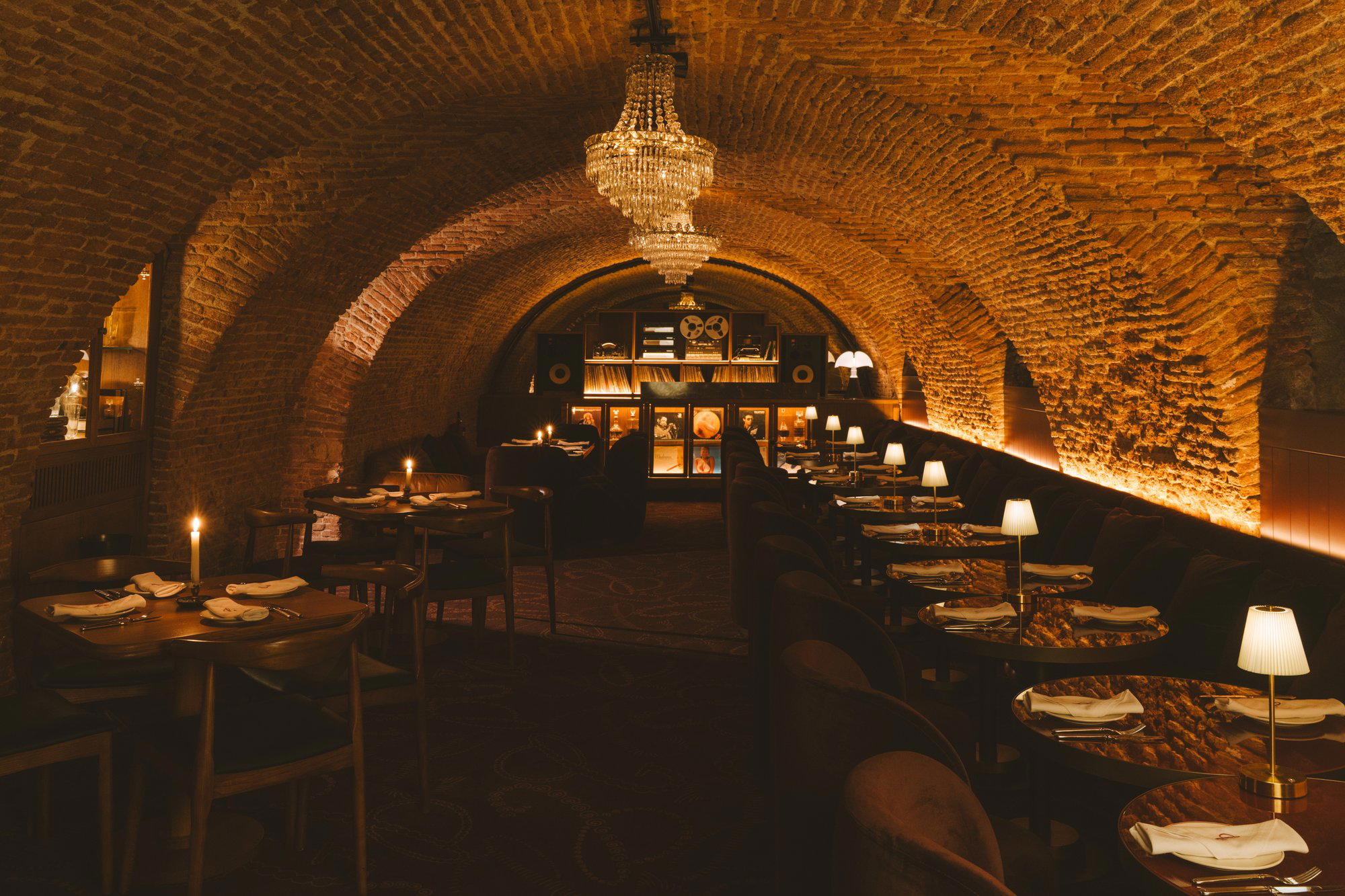
Restaurants in Madrid
Browse all →
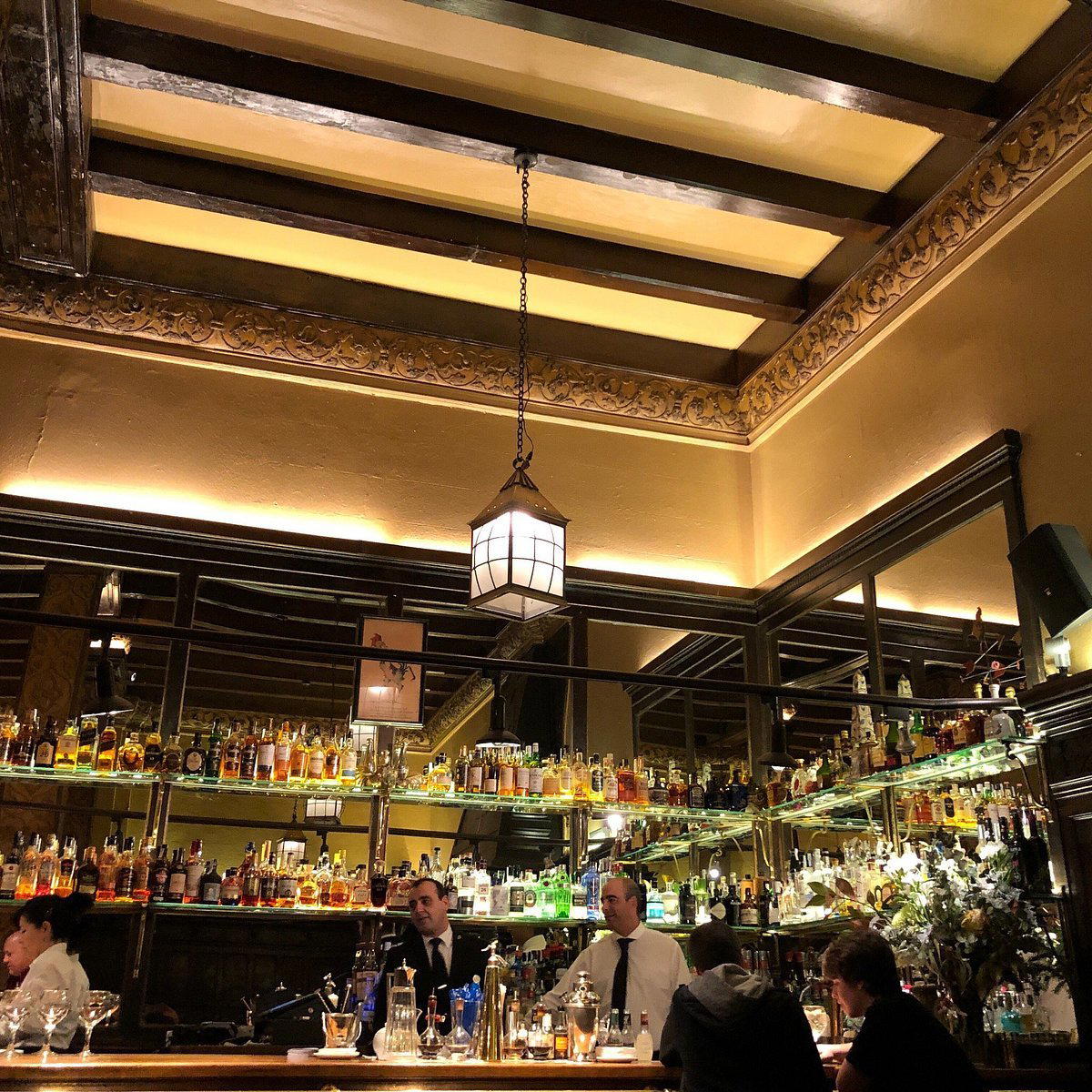
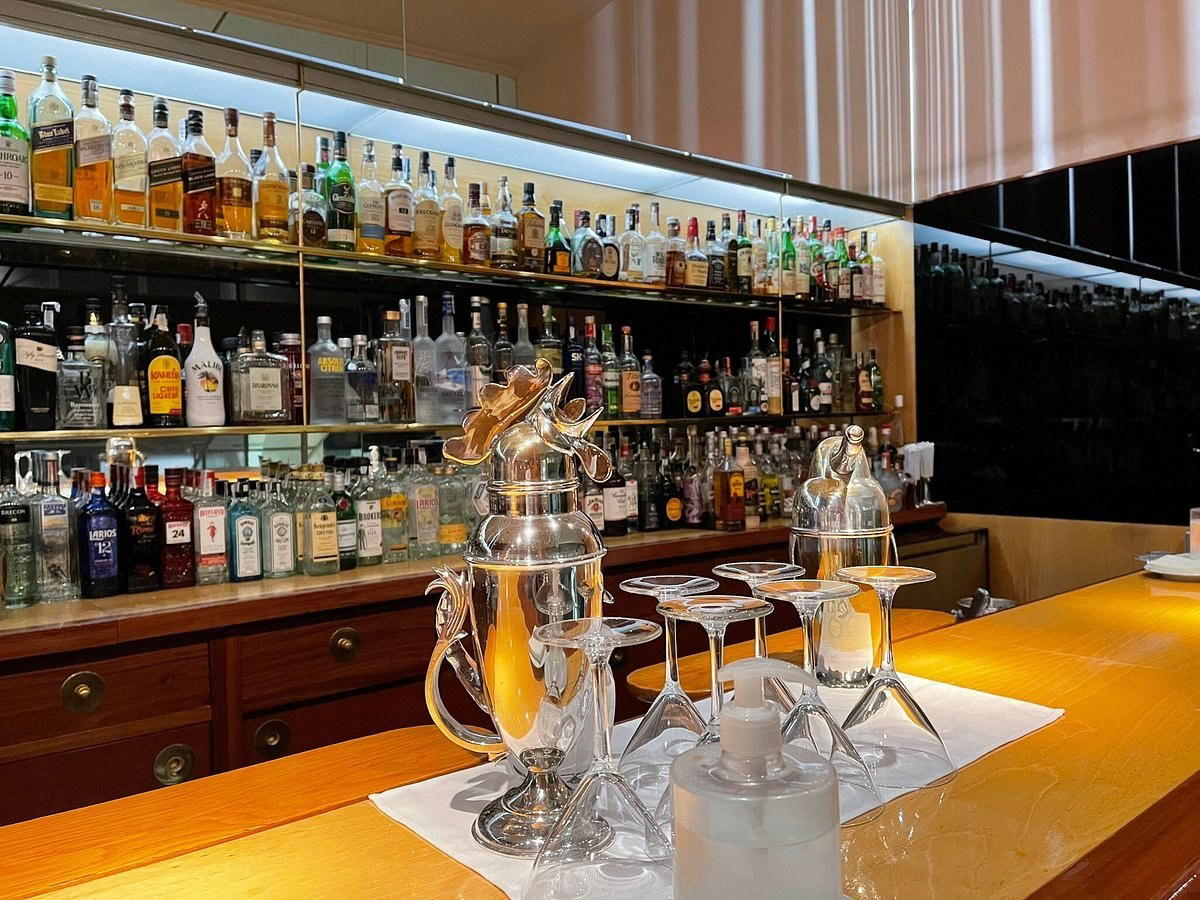
Bars in Madrid
Browse all →
Hotels in Madrid
Browse all →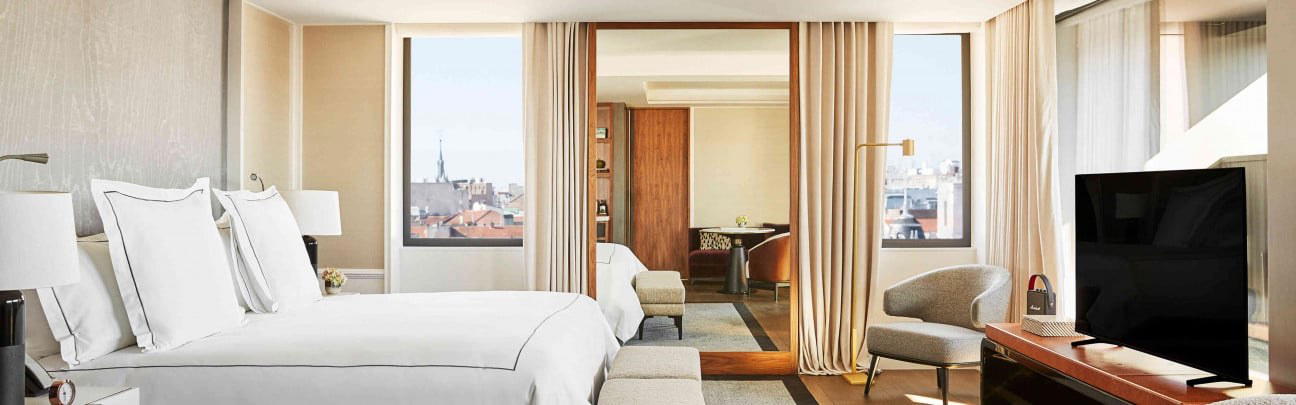


Ikigai Velázquez
The wine
- Wine program
- Curated wine list
- Extensive wine list
Details
- Cozy
- Modern
- Elegant
- Intimate
- Trendy
- Date Night
- Business Dinner
- Open Kitchen
- Extensive Wine List
- A La Carte
- Tasting Menu
- Small Plates
- Vegetarian Friendly
Current opening hours
- Monday
- 1:30–4:30 PM, 8:30–11:30 PM
- Tuesday
- 1:30–4:30 PM, 8:30–11:30 PM
- Wednesday
- 1:30–4:30 PM, 8:30–11:30 PM
- Thursday
- 1:30–4:30 PM, 8:30–11:30 PM
- Friday
- 1:30–4:30 PM, 8:30–11:30 PM
- Saturday
- 1:30–4:30 PM, 8:30–11:30 PM
- Sunday
- 1:30–4:30 PM, 8:30–11:30 PM
Hours can change for holidays and private events. Last verified .
Cozy and artistic basement with white curved walls, cave-like feel, dim lighting, and a comfortable yet stylish atmosphere.