
World's 50 Best #49
Our verdict
Susar brings Modern Israeli cooking to Toronto's St Clair West neighbourhood, carrying a place in culinary history as a former World's 50 Best Restaurants entry (ranked 49th in 2002). The restaurant draws on the bold, herb-forward, and spice-layered traditions of Israeli cuisine within a city increasingly comfortable with that idiom. It occupies a distinct position in Toronto's broader fine-dining conversation.

Pearl is the En Primeur Club membership app, where members save venues, book tables and use the concierge.
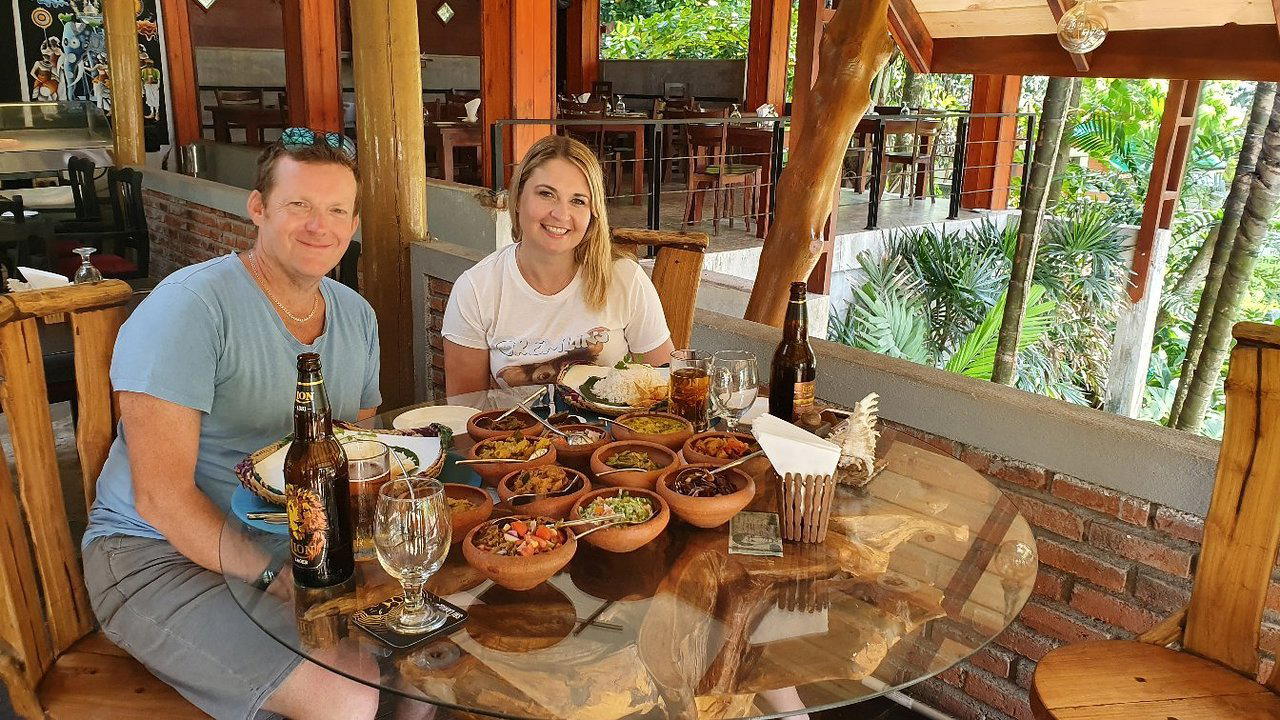
St Clair West and the Case for Modern Israeli in Toronto
Toronto's fine-dining map has, for much of its modern history, been drawn along familiar axes: Japanese precision counters like Sushi Masaki Saito and Aburi Hana, Italian-rooted tasting menus such as DaNico and Don Alfonso 1890, and the kind of contemporary Canadian ambition that Alo has come to represent in the downtown core. Modern Israeli cuisine sits outside all of those traditions, which is precisely what gives Susar, at 1154 St Clair Ave W, its particular purchase on the city's attention.
The neighbourhood context matters. St Clair West is not King Street or Yorkville. It is a corridor that has historically housed immigrant communities and independent operators, and the dining culture there reflects that pattern: less performative than downtown's trophy-restaurant tier, more likely to reward sustained attention than a single high-profile visit. Placing a restaurant with serious culinary credentials in that postcode is a statement about audience and intention, whether explicit or not.
Modern Israeli cuisine itself has shifted considerably in how Western diners understand it. A decade ago, it was often filtered through the lens of mezze and shared plates, levantine spicing, and the influence of figures like Yotam Ottolenghi, whose cookbooks moved the idiom from specialty to mainstream. The more recent iteration, visible at serious restaurants like OCD Restaurant in Tel Aviv and Chakra in Jerusalem, is less about shared-plate informality and more about technique-led cooking that draws on the full depth of Middle Eastern, North African, and Eastern European culinary inheritance. Susar operates within that newer register.
A Place in the Record: The 2002 World's 50 Best
In 2002, Susar appeared at number 49 on the World's 50 Best Restaurants list, a credential that requires some unpacking to appreciate fully. The World's 50 Best was still in its formative years at that point, its methodology and scope quite different from the elaborate institutional apparatus it became by the 2010s. Inclusion in 2002 signalled serious peer recognition at a time when the list's selectivity was, if anything, less filtered by commercial or PR machinery than in later years. For a Modern Israeli restaurant operating in Toronto, that placement was not a regional achievement hedged by category: it was a signal visible across the international culinary community.
That history sets Susar apart from the broader field of Toronto restaurants in a specific, documentable way. In a city where fine-dining credibility is often argued through current Michelin recognition or recent 50 Best placements, a 2002 entry represents a different kind of provenance. It is the difference between a winery with a documented critical history and one making its reputation now. The relevant comparison in the Canadian context is to restaurants like Tanière³ in Québec City or Jérôme Ferrer's Europea in Montreal, where longevity and accumulated reputation carry weight distinct from the current season's rankings.
The Collaborative Architecture of the Room
Modern Israeli restaurants that operate at a serious level tend to depend on a specific kind of front-of-house fluency: the ability to explain a cuisine that many diners have partial but incomplete knowledge of, to pace a meal through courses that may be unfamiliar in sequence or combination, and to build a beverage program that does genuine work alongside food that is spice-forward, acidic, and herb-intensive. That is a more demanding brief than accompanying, say, classic French or Italian cuisine, where both the kitchen and the floor are working from a shared cultural script the diner already holds.
The team dynamic at a restaurant serving this kind of food requires genuine coordination between kitchen and floor. A sommelier or drinks lead dealing with za'atar, preserved lemon, pomegranate molasses, and charred aubergine in a single dish needs a different toolkit than one pairing with European-derived cooking. The front-of-house role is less about recitation and more about active translation, explaining not just what is in a dish but where it sits within a broader culinary tradition that runs from Ashkenazi to Sephardic to Mizrahi influences, often within a single menu. When that translation works, it is one of the more instructive dining experiences a city can offer. When it does not, the food can feel contextless.
Susar's position in the Canadian fine-dining conversation is most usefully understood alongside restaurants where that kind of team precision is the product: AnnaLena in Vancouver and The Pine in Creemore both operate in this register of coordinated, intentional hospitality where the experience depends as much on the floor as the kitchen. Restaurant Pearl Morissette in Lincoln similarly integrates wine and food as a single editorial position rather than two separate programs running in parallel. Susar's cuisine makes that integration especially visible, because the ingredient palette is specific enough to make careless pairing obvious.
What the Cuisine Demands of the Diner
Modern Israeli cooking in a fine-dining setting asks something particular of the diner: a willingness to encounter familiar-sounding ingredients in unfamiliar compositions, and to let the kitchen set the logic of the meal rather than importing expectations from other culinary traditions. Dishes built on legumes, fermented dairy, stone fruits, and aromatic seeds are not surprising in isolation; what changes at the serious end of this cuisine is the structural precision brought to their combination and presentation.
In Toronto's competitive restaurant environment, where the top tier now includes four-and five-course tasting formats from Alo to highly technical Japanese counter experiences, Susar's Israeli framework represents a culinary tradition that is underrepresented at the price point and ambition level it inhabits. That scarcity is itself an editorial argument for the restaurant's place in the city's dining conversation. For readers exploring the full scope of what Toronto's table offers, our full Toronto restaurants guide maps the broader competitive set; the Toronto bars guide, hotels guide, wineries guide, and experiences guide round out the picture for those planning around a meal here.
Know Before You Go
Address: 1154 St Clair Ave W, Toronto, ON M6E 1B3, Canada
Cuisine: Modern Israeli
Notable Award: World's 50 Best Restaurants #49 (2002)
Price Range: Not confirmed, contact the restaurant directly
Reservations: Booking method not confirmed, check current availability directly with the venue
Hours: Not confirmed, verify before visiting
Getting There: St Clair Ave W is accessible via the TTC St Clair streetcar (504); the address sits in the mid-stretch of the corridor between Dufferin and Dufferin West stops
Frequently asked questions
Would Susar be comfortable with kids?
Susar operates at a fine-dining register, it earned the #49 spot on the 2002 World's 50 Best Restaurants list, which signals a setting oriented toward adult dining. Modern Israeli cuisine at this level tends to involve multi-component plates and a deliberate pace that may not suit young children. Families with older, food-curious teenagers would likely find it more appropriate than those with younger kids.
What's the overall feel of Susar?
Susar sits on St Clair Avenue West, away from the downtown core, which already signals a neighbourhood-rooted rather than scene-driven atmosphere. The Modern Israeli format encourages a conversational, course-by-course engagement with the food. A placement on the 2002 World's 50 Best list puts it in company with venues that prioritise substance over spectacle.
Is Susar Michelin-listed?
Susar has received recognition including: World's 50 Best Best Restaurants #49 (2002).
What dish is Susar famous for?
Modern Israeli cooking at the fine-dining level typically builds around shared plates drawing on Levantine pantry staples, preserved lemons, tahini, spiced braised meats, and charred vegetables, but any specific menu attribution for Susar would require direct confirmation from the restaurant.
Fast Comparison
Comparable venues nearby, for context on price, style, and recognition.
| Venue | Cuisine | Price | Awards | Notes |
|---|---|---|---|---|
| SusarThis venue (the venue you are viewing) | French-Asian Fusion | $100–150 | World's 50 Best #49 | Not listed |
| Mhel | Korean-Japanese Fusion Small Plates | $100–150 | World's 50 Best #28 · Canada's 100 Best Restaurants #30 | Dovercourt-Wallace Emerson-Junction |
| Edulis | Mediterranean Seafood Tasting Menu | $150–200 | 1 Michelin Star · World's 50 Best #25 | Niagara |
| Shoushin | Edomae Omakase | $300–500 | 1 Michelin Star · Canada's 100 Best Restaurants #62 | Lawrence Park North |
| Don Alfonso 1890 | Modern Italian Fine Dining | $200–300 | 1 Michelin Star · La Liste Top Restaurants | Harbourfront |
| Enigma Yorkville | Modern Contemporary Fusion | Not listed | 1 Michelin Star · Star Wine List | Bay Street Corridor |
Recognition history
Dated appearances from independent guides and award organizations, with the underlying list record or original source where available.
World's 50 Best Restaurants #49
World's 50 Best
Continue exploring
More in Toronto
Restaurants in Toronto
All restaurants in Toronto →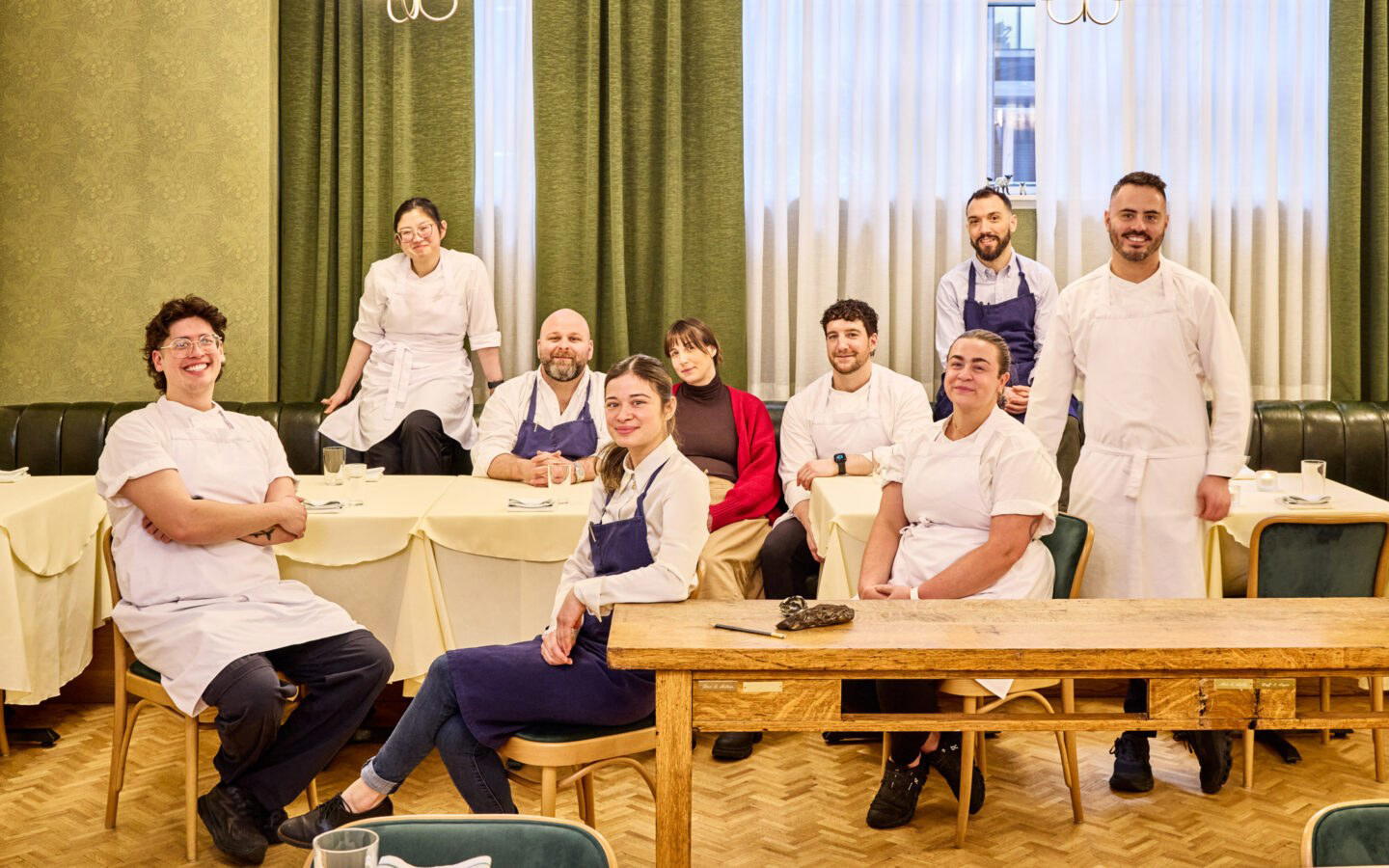
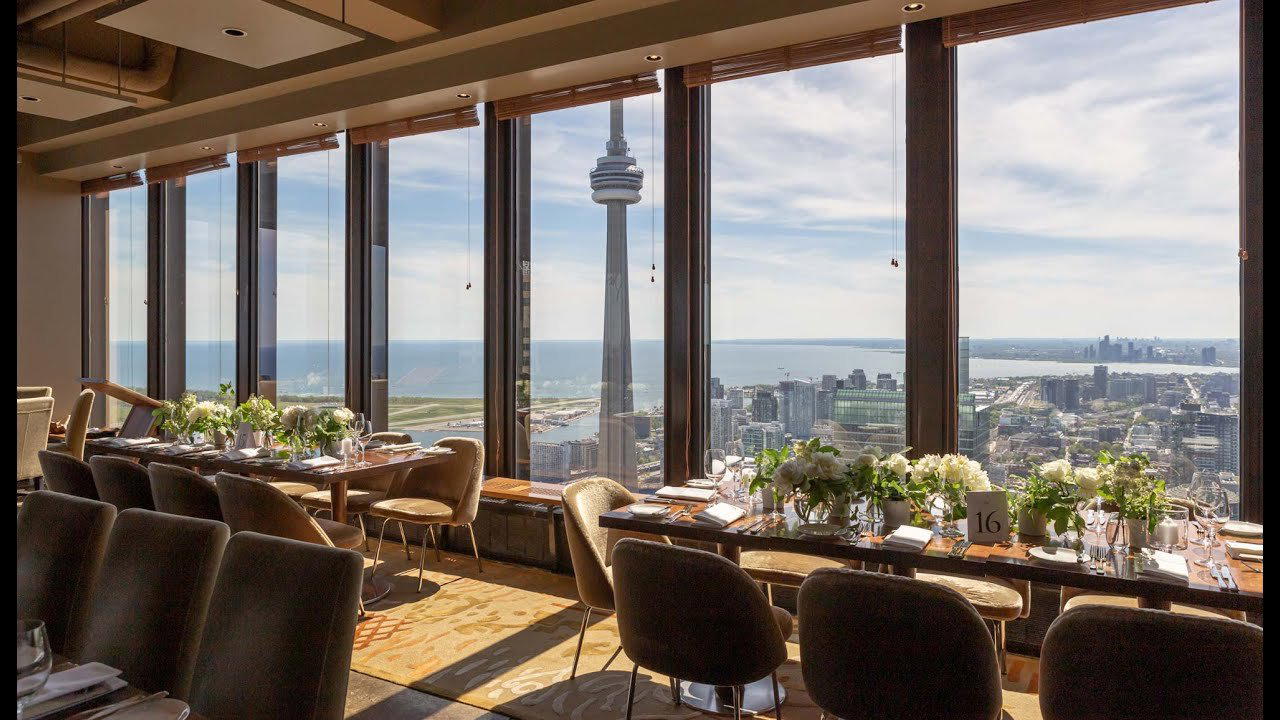
Bars in Toronto
All bars in Toronto →

Details
- Lively
- Modern
- Elegant
- Sophisticated
- Date Night
- Business Dinner
- Group Dining
- Special Occasion
- Open Kitchen
- Private Dining
- Craft Cocktails
- A La Carte
- Tasting Menu
- Small Plates
- Vegetarian Friendly
- Vegan Options
- Gluten Free Options
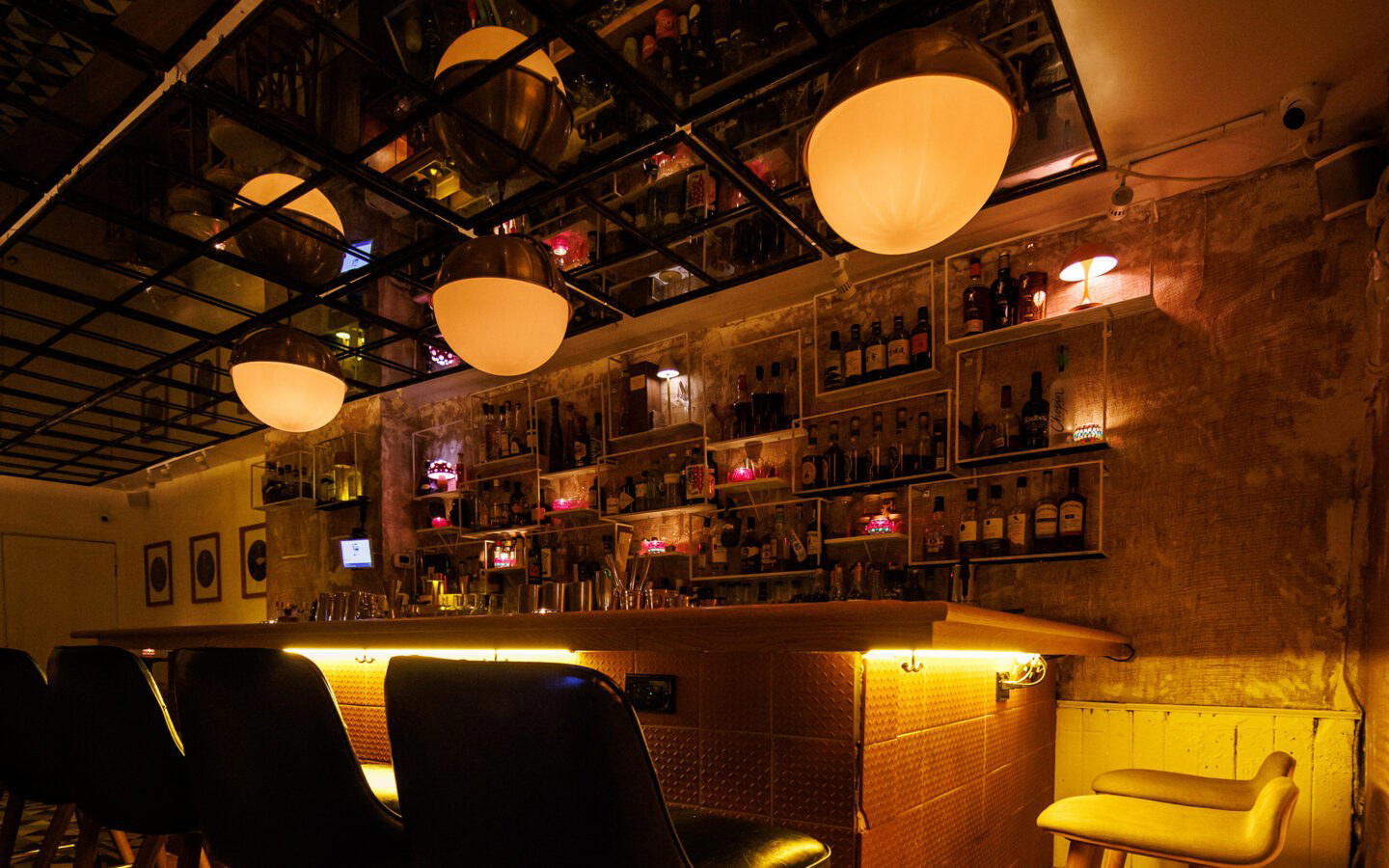
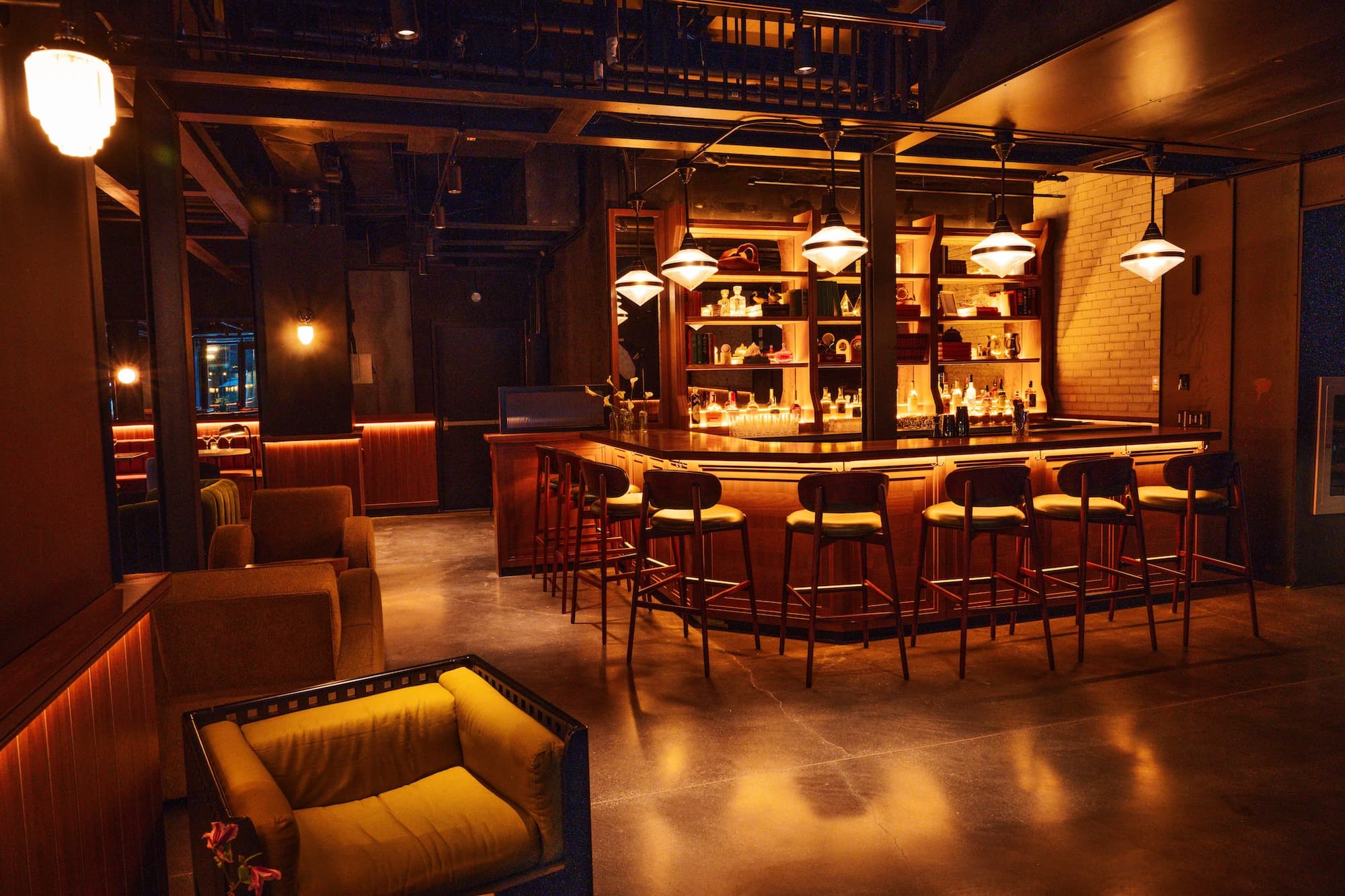
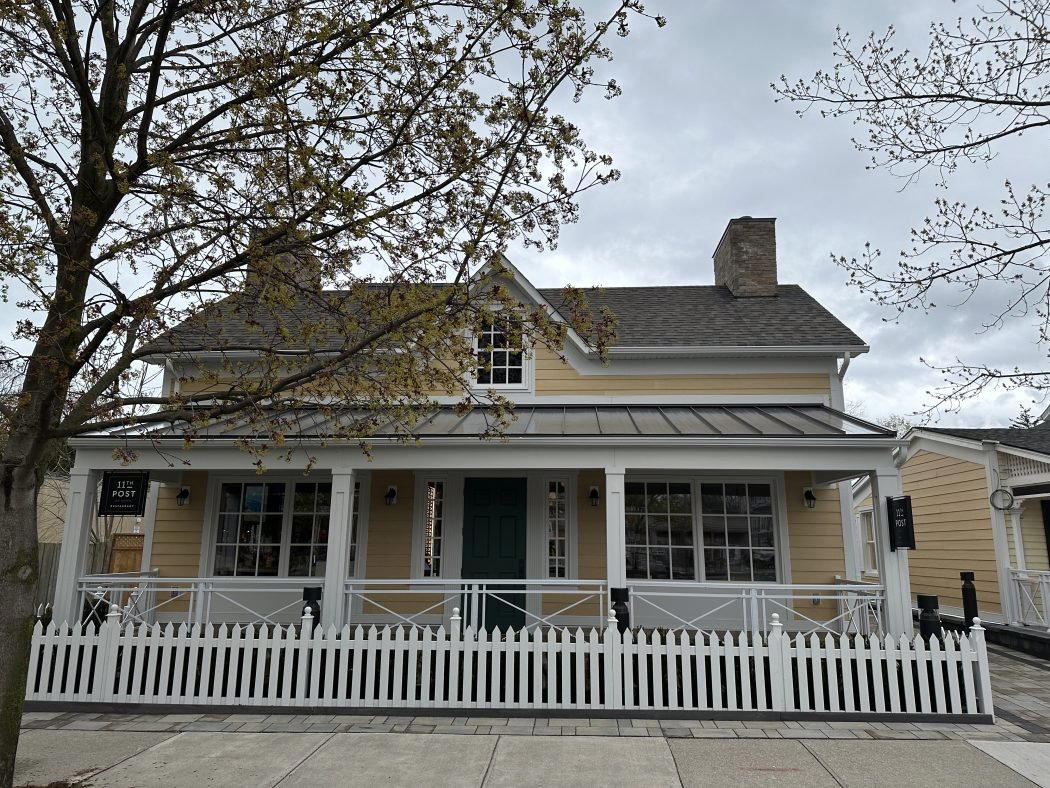
Warm inviting atmosphere with dark wood, brass accents, and modern lighting that balances vintage and contemporary design cues, creating privacy for conversation in a lively setting.