Supperclub @ Le Petit Parisien
On the Upper East Side, Supperclub @ Le Petit Parisien occupies a niche that New York's dining scene rarely produces cleanly: an intimate supper club format where French bistro sensibility meets the deliberate technique of a city that has long absorbed global culinary methods. The address on East 78th Street places it squarely in a neighbourhood that rewards understated discovery over marquee signage.
Pearl is the En Primeur Club membership app — saves, bookings, and concierge access live there. Same editors, same standards.
- Address
- 355 E 78th St, New York, NY 10075
- Phone
- +19172620910
- Website
- supperclublpp.com
- Directions
- Get directions
 Saves & bookings on Pearl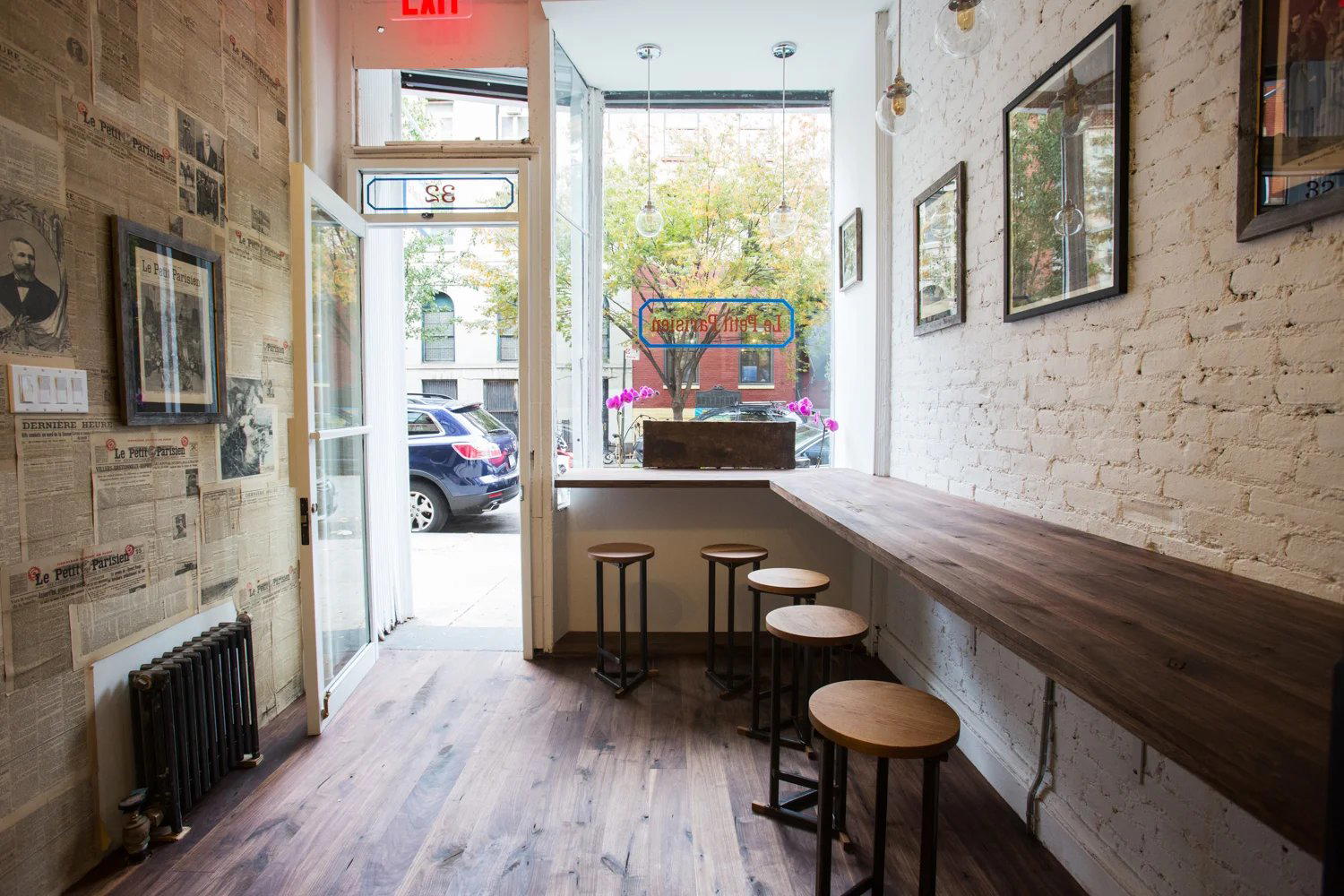
The Upper East Side's Supper Club Format, in Context
New York's premium dining tier has, over the past decade, split into two legible camps. The first is the high-visibility tasting menu circuit, anchored by addresses like Per Se and Masa, where the format is long, the room is quiet, and the price reflects a chef's full artistic brief. The second is a quieter movement toward the supper club model: smaller, more social, often structured around a prix-fixe that invites conversation rather than demanding reverence. Supperclub @ Le Petit Parisien is a restaurant in New York City’s Upper East Side, serving Modern French Bistro cuisine. Supperclub @ Le Petit Parisien, at 355 East 78th Street, belongs to the second camp. Its Upper East Side postcode is not incidental. This is a neighbourhood that has historically supported neighbourhood institutions over destination restaurants, and a supper club format reads naturally here, where the expectation is for a committed local following rather than a tourist queue.
French Framing, New York Execution
The supper club tradition in America has always carried a dual inheritance. Historically, it borrowed European salon culture and the French idea of the table as a setting for extended sociability, then adapted it to the American appetite for informality and abundance. What gives venues in this format their contemporary edge is the tension between those two poles: a French bistro sensibility that prizes restraint, technique, and the hierarchy of the composed plate, set against the New York instinct to push toward intensity, cross-cultural reference, and theatrical presentation.
This intersection of imported method and local energy is where particularly interesting supper clubs currently operate. Across American cities, the format has proven adaptable: Lazy Bear in San Francisco runs a communal-table supper club that codes as hyper-local and ingredient-first; Alinea in Chicago takes the theatrical end of the spectrum to its furthest point. The French-inflected register that Le Petit Parisien's name signals puts this New York address in a different bracket, one more concerned with the bistro tradition's classical grammar than with either of those extremes.
French technique as a foundation for New York cooking is, of course, not a new idea. Le Bernardin has built one of the city's most durable reputations on exactly that foundation, as has Per Se on the Time Warner Center's fourth floor. What distinguishes the supper club application of French technique from those institutional examples is scale and proximity. A supper club does not ask you to perform appreciation; it asks you to eat well in good company.
The Supper Club Model Across American Fine Dining
The supper club format has found serious practitioners in nearly every American city with an active fine dining culture. Single Thread Farm in Healdsburg runs a farm-to-table supper format rooted in kaiseki structure. Blue Hill at Stone Barns in Tarrytown, close enough to New York to function as a reference point for Upper East Side diners, built its entire identity around the idea that the ingredients themselves should direct the menu, with technique serving provenance rather than the reverse. The French Laundry in Napa and Emeril's in New Orleans represent older versions of the model, where a chef's personal canon becomes the evening's architecture.
More recently, venues like Providence in Los Angeles, Addison in San Diego, and Bacchanalia in Atlanta have demonstrated that the format travels well across American markets, each adapting the core logic of extended, structured dining to a local register. The Inn at Little Washington takes the supper club concept furthest toward the grand country house dinner, where theatre and comfort carry equal weight. What connects all of these is a commitment to the meal as a full evening rather than a transaction.
New York's supper club tier also intersects, at the more technical end, with the progressive Korean addresses that have reshaped the city's upper bracket. Atomix and Jungsik New York both operate on a structured, multi-course logic that shares formal DNA with the supper club model, even if their culinary reference points are entirely different. The comparison is useful: it shows that the prix-fixe supper format in New York is not the exclusive property of French or European cooking traditions. The city absorbs techniques globally, then applies them to whatever ingredients and contexts make sense locally. Internationally, that cross-cultural technical ambition is visible in addresses like 8½ Otto e Mezzo Bombana in Hong Kong and Alain Ducasse at Louis XV in Monte Carlo, both of which use European classical method as a foundation while drawing on local and regional product.
East 78th Street: What the Postcode Tells You
The Upper East Side has a specific relationship with restaurants that other Manhattan neighbourhoods do not replicate. It is one of the few areas of the city where a restaurant can build a loyal, repeat local clientele that sustains it across years without requiring the external validation of a major award cycle or a viral moment. This dynamic favours formats that reward familiarity: the supper club, the neighbourhood bistro, the wine bar with a serious kitchen. A venue at 355 East 78th Street is not competing for the Midtown expense-account dinner or the SoHo weekend crowd. Its competitive set is defined by the block, not by the borough.
That specificity of audience shapes what a supper club in this part of the city can do. It can price for regulars, sequence a menu for conversation, and build a room that feels like a private address rather than a public stage. The French bistro tradition, which the Le Petit Parisien name invokes, maps onto that logic with considerable precision. The bistro was always a neighbourhood institution first, a destination second.
Planning Your Visit
| Venue | Format | Price Tier | Booking Lead Time |
|---|---|---|---|
| Supperclub @ Le Petit Parisien | Supper club, French-inflected | Confirm directly | Confirm directly |
| Per Se | Tasting menu, French contemporary | $$$$ | Several weeks minimum |
| Le Bernardin | Prix-fixe, French seafood | $$$$ | 2-3 weeks typical |
| Atomix | Counter tasting menu | $$$$ | Several weeks minimum |
Compact Comparison
Comparable venues nearby, for context on price, style, and recognition.
| Venue | Cuisine | Price | Notes |
|---|---|---|---|
| Supperclub @ Le Petit ParisienThis venue — the venue you are viewing | Not listed | $$$$ | Not listed |
| L'Atelier de Joël Robuchon | Not listed | $$$$ | Chelsea-Hudson Yards, Modern French Fine Dining |
| Barnea Bistro | Not listed | $$$$ | East Midtown-Turtle Bay, Kosher French Fine Dining |
| Maison Barnes | Not listed | $$$$ | Upper East Side-Carnegie Hill, Contemporary French Fine Dining |
| Cafe Fleuri | Not listed | $$$$ | Financial District-Battery Park City, Southern French with North African Accents |
| Café Mulberry | Nolita, French Bistro Café | $$$$ | Not listed |
Continue exploring
More in New York City
Restaurants in New York City
Browse all →
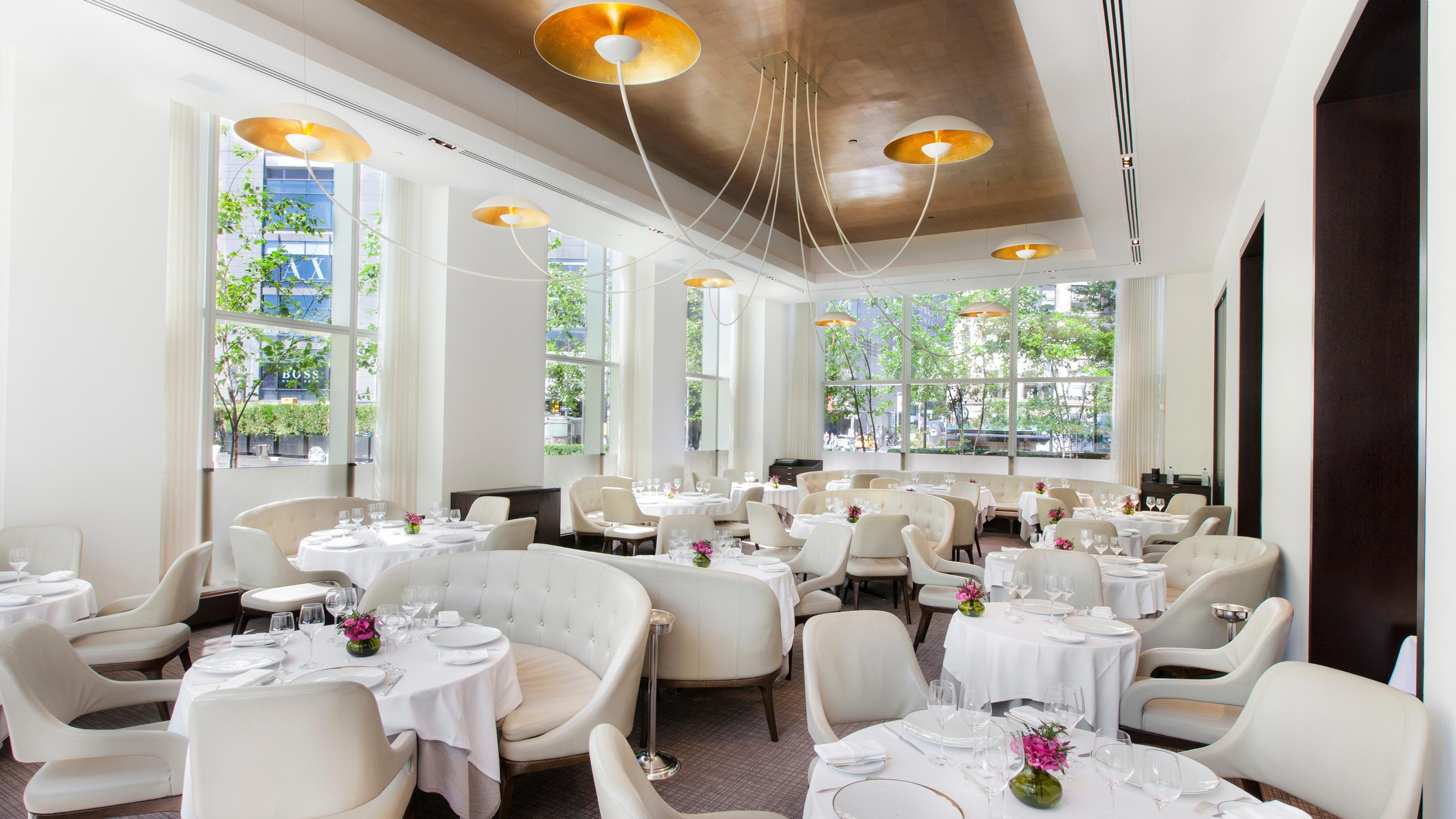
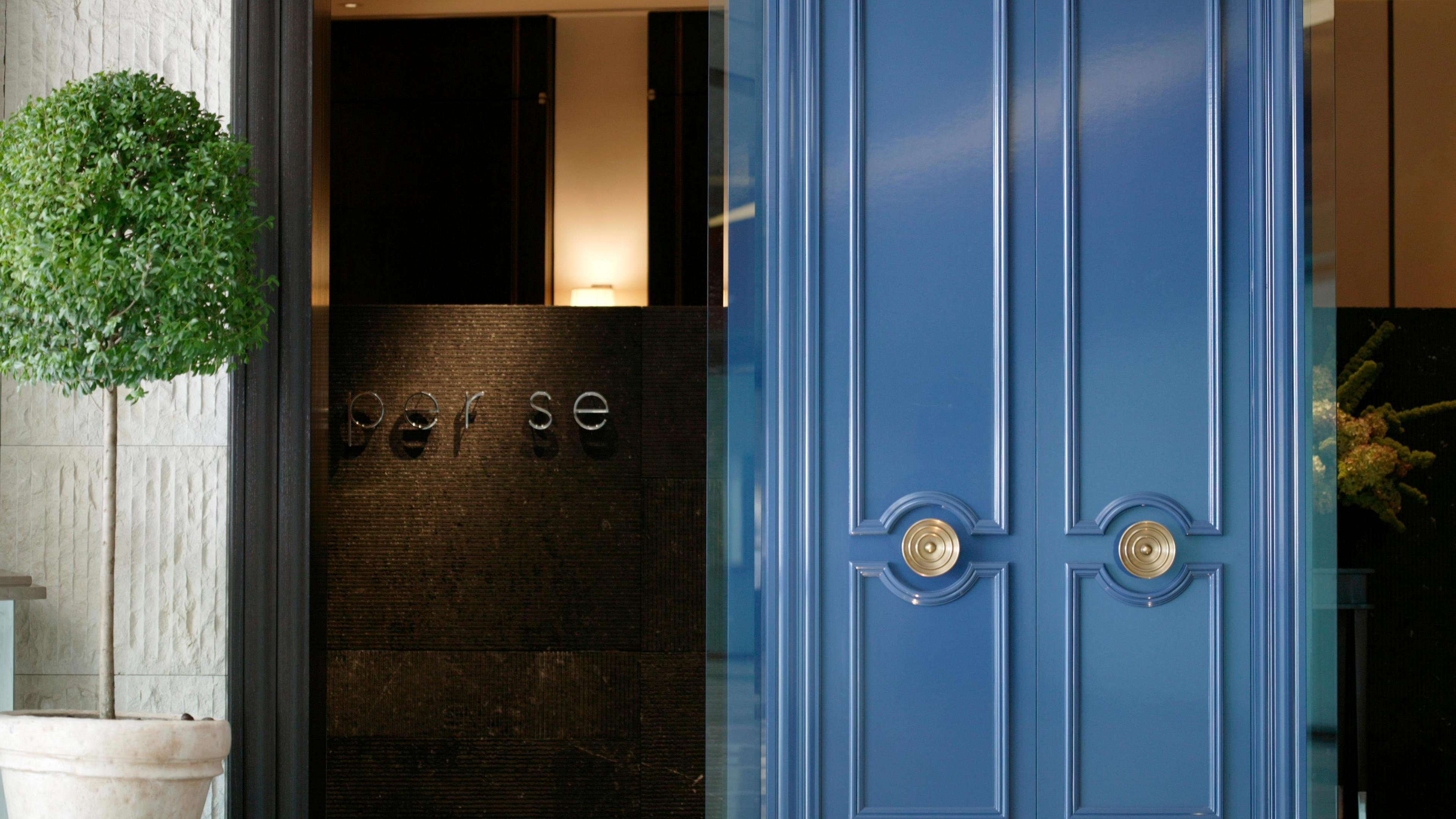
Bars in New York City
Browse all →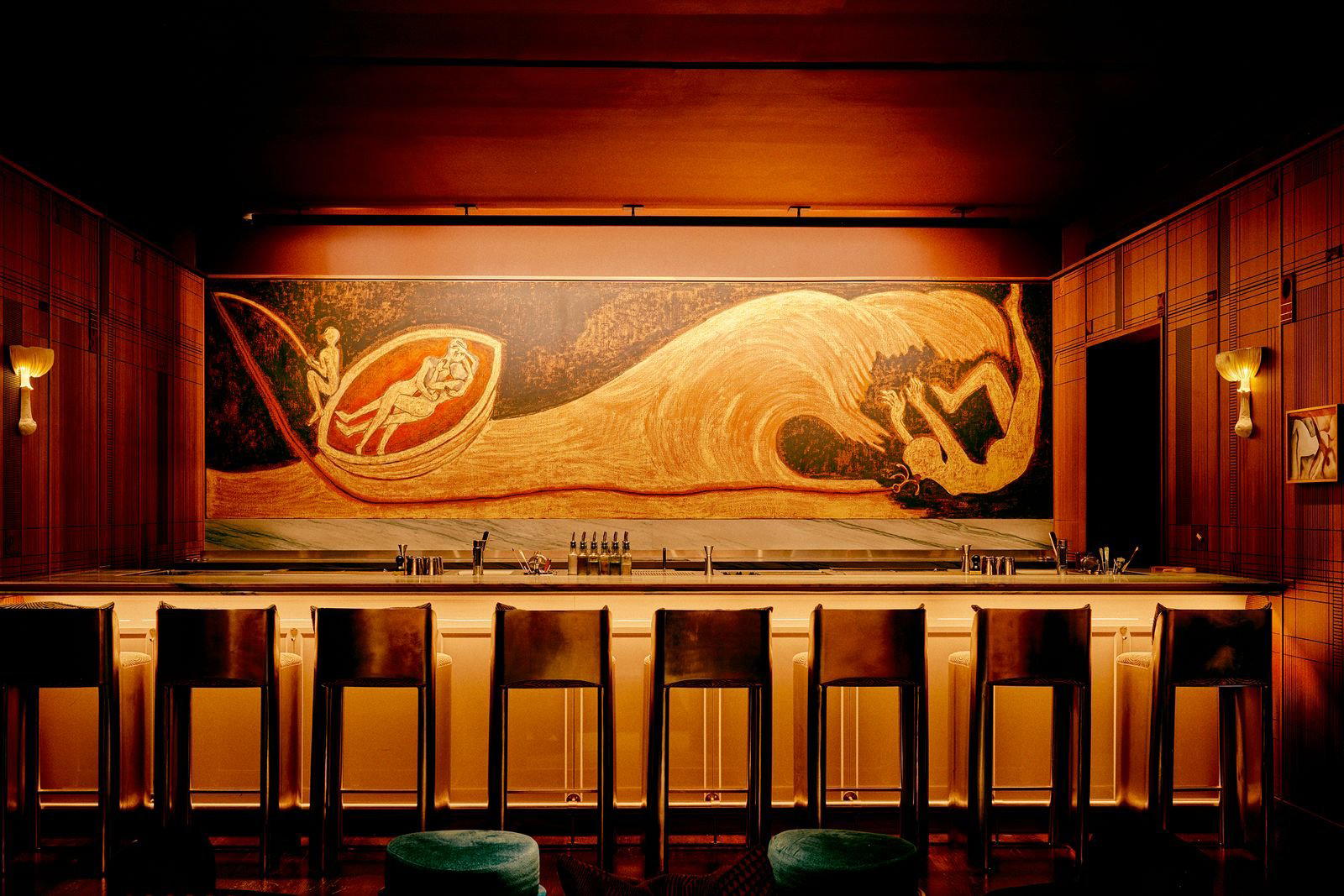
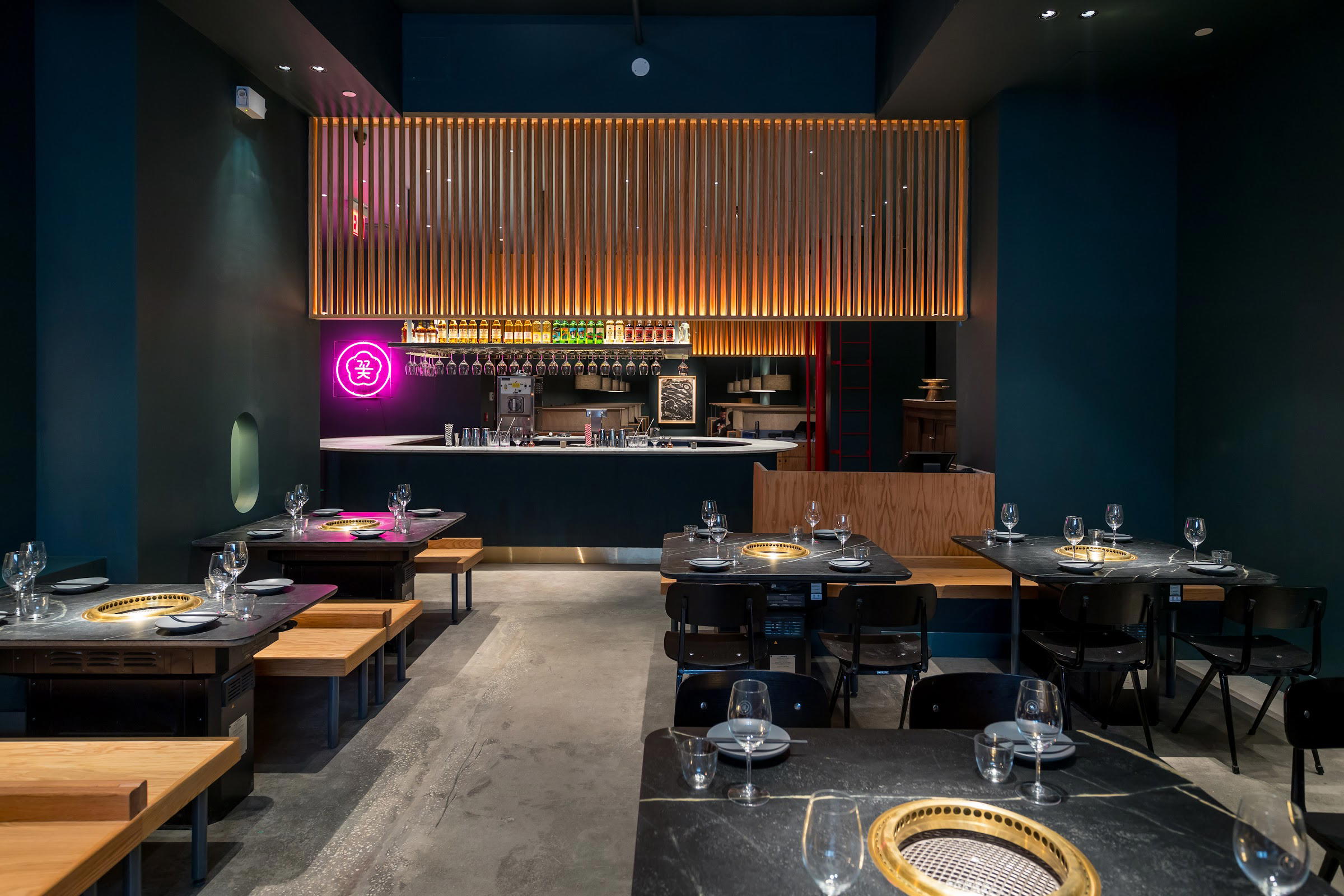
Hotels in New York City
Browse all →





At a Glance
- Cozy
- Intimate
- Romantic
- Elegant
- Date Night
- Special Occasion
- Live Music
- Extensive Wine List
- Local Sourcing
Current opening hours
- Monday
- Closed
- Tuesday
- Closed
- Wednesday
- 5:30–10:30 PM
- Thursday
- 5:30–10:30 PM
- Friday
- 5:30–10:30 PM
- Saturday
- 5:30–10:30 PM
- Sunday
- 5:30–10 PM
Hours can change for holidays and private events. Last verified .
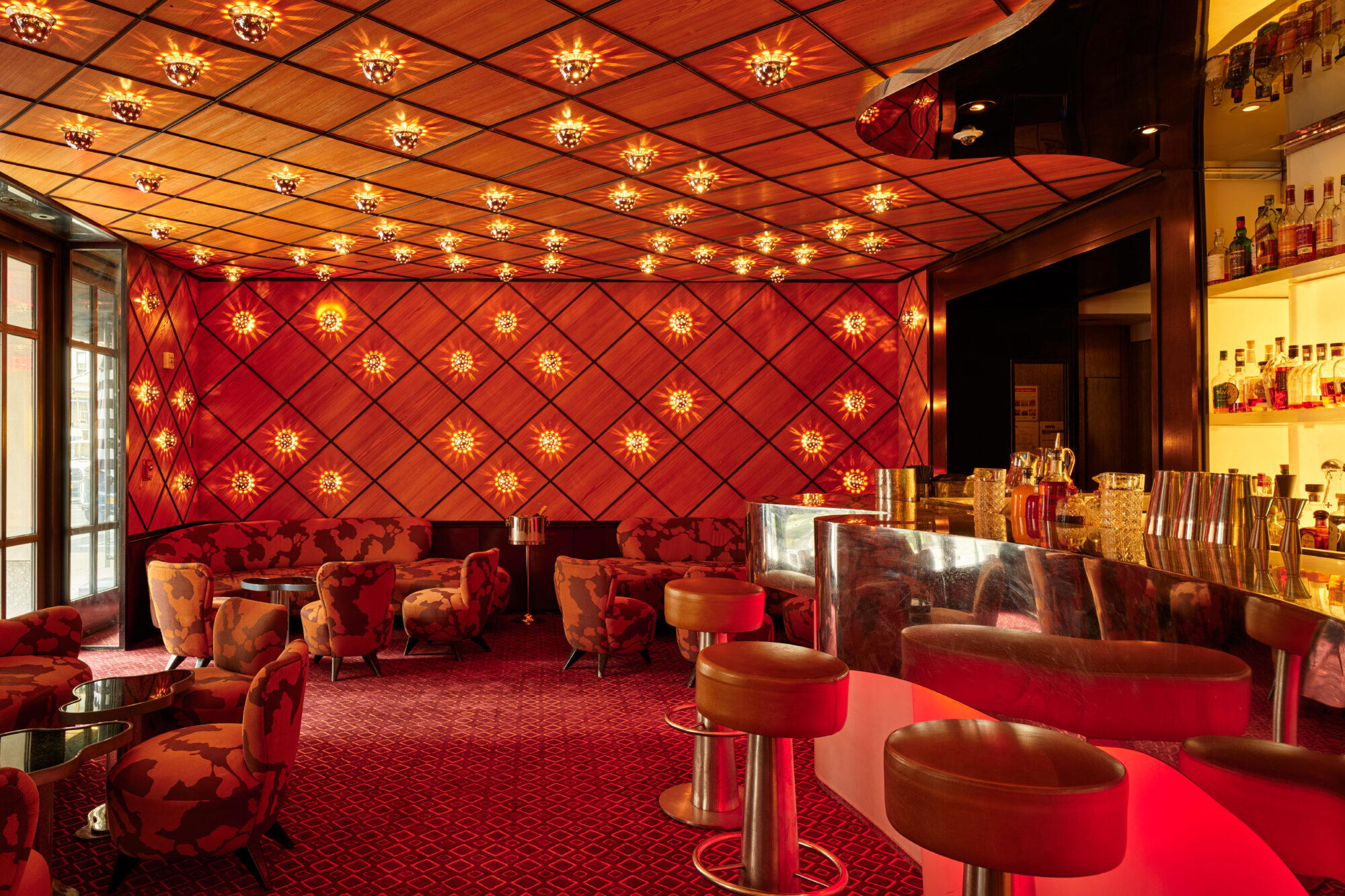
Warm, cozy setting with soft lighting, Parisian bistro vibe, and soft jazz creating an intimate atmosphere away from the city bustle.