Café Mulberry
Café Mulberry brings the unpretentious register of the classic French bistro to New York City, where that format has historically been filtered through Manhattan ambition and price pressure. A bistro-format option in a city whose French dining conversation tends to be dominated by tasting-menu counters, it operates in the tier below landmark rooms like Le Bernardin and Per Se while drawing on the same culinary tradition.
Pearl is the En Primeur Club membership app — saves, bookings, and concierge access live there. Same editors, same standards.
- Address
- 251 Mulberry St, New York, NY 10012
- Phone
- (212) 226-1777
- Website
- cafemulberrynyc.com
- Directions
- Get directions
 Saves & bookings on Pearl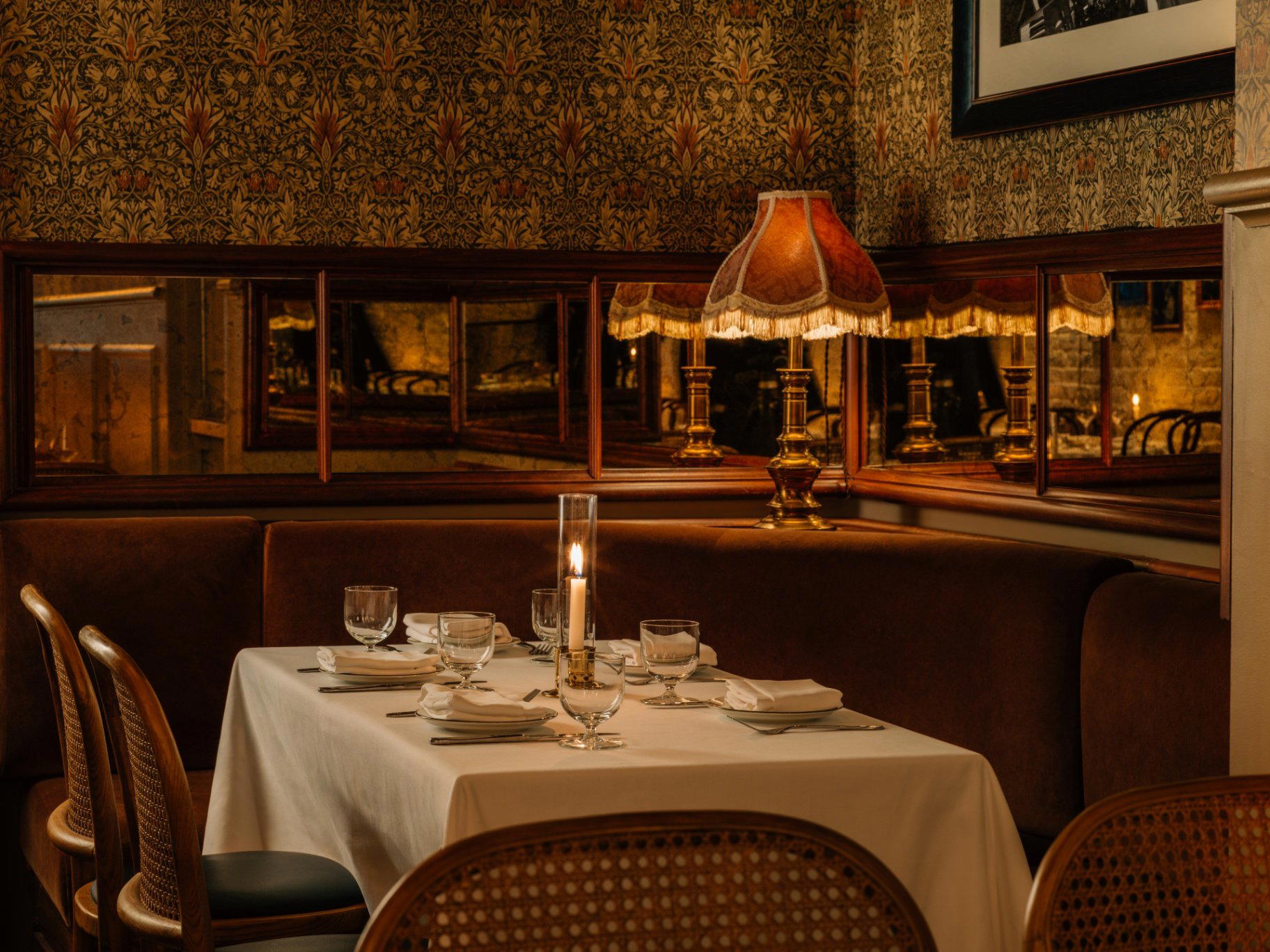
The Bistro Format in a City That Keeps Trying to Upgrade It
The French bistro is, by definition, a resistant form. It resists ceremony and the drift toward tasting menus. In New York, that resistance is harder to maintain than in Paris, where the format has centuries of cultural infrastructure behind it. Manhattan's rent arithmetic and its hospitality culture's appetite for the next formal destination room have, over decades, pushed French dining in the city toward the tasting-menu end: Per Se, Eleven Madison Park, and Le Bernardin define the category in most visitors' mental shortlists, and all three operate at the $$$$-tier, anchored by Michelin recognition and multi-hour commitment. The bistro, with its shorter menus, à la carte rhythm, and lower ticket, occupies a different position in that hierarchy, and it is the harder position to sustain with integrity in a city that financially incentivizes formality.
Café Mulberry is a French Bistro Café in New York City, priced at about $65 per person. Where the rooms mentioned above are built around the logic of the grand occasion, a functioning bistro is built around repetition: the regular who comes twice a week, the unremarkable Tuesday dinner that is nonetheless good, the carafe of wine that doesn't need to be a statement. That is a different hospitality proposition, and it is rarer in Manhattan than the density of French-flagged restaurants might suggest.
What Defines the Bistro Register
The word bistro is applied loosely enough in American restaurant culture that it risks meaning nothing at all. In its French original, the bistro occupies a middle tier between the brasserie (larger, louder, more brewery-adjacent in its origins) and the restaurant (with its implied formality and full brigade). The bistro is smaller, more personal, and structured around a short, rotating menu that reflects what is available and what the kitchen can execute well at volume. Steak frites, roast chicken, onion soup, côte de bœuf for two: these are bistro signatures not because they are simple but because they are honest, dishes that reveal the quality of sourcing and technique without elaborate presentation to compensate for either.
In the American context, and specifically in New York, the bistro has often been a vehicle for a kind of aspirational casualness: the room looks the part (zinc bar, bentwood chairs, chalkboard specials), but the pricing and pacing sometimes drift into territory that the Paris original would not recognize. The more credible bistro operators in New York have held the line on the format's core logic: a menu you can order from quickly, a price point that doesn't require mental preparation, and a room that doesn't perform its own importance. That is the competitive comparable set Café Mulberry occupies, not the $$$$-tier French rooms that attract the majority of critical attention in the city.
New York's French Dining Tiers and Where the Bistro Sits
French cuisine in New York currently distributes across roughly three price tiers. At the leading, a small cluster of destination rooms with Michelin stars and booking windows measured in weeks or months command the conversation: the rooms already mentioned, alongside Alain Ducasse's Louis XV in Monte Carlo and Alléno Paris au Pavillon Ledoyen representing how that format plays in European capitals. In the middle, a range of French-American hybrid rooms operate with broader menus and moderately high price points. At the lower end of the formal scale sits the bistro tier, which, when executed properly, is the format most closely aligned with how most French people actually eat in restaurants.
Café Mulberry, operating under a bistro/French classification, positions itself in that third tier by format. This matters because the comparison set is different: you are not benchmarking against the tasting-menu counters or the celebrity-chef destinations. The relevant comparable set is the neighborhood bistro that gets things right consistently, the kind of room that other cities, notably Paris and Lyon, produce in greater numbers than New York tends to.
For context, the city's broader dining scene spans well beyond French formats. Korean tasting menus like Atomix and Japanese omakase counters like Masa now compete with French rooms for the same premium dining occasions. The bistro, as a category, sidesteps that competition by operating at a different price and format register entirely, which is both its limitation and its advantage.
The Bistro in American Cities: A Brief Comparison
New York is not the only American city wrestling with what the French bistro format means in a local context. Emeril's in New Orleans and Lazy Bear in San Francisco each represent a different American interpretation of French culinary influence, the former drawing on Creole-French synthesis, the latter operating a communal-table format that echoes certain French countryside traditions. Alinea in Chicago, Single Thread Farm in Healdsburg, and Providence in Los Angeles all sit in the destination tier, where French technique underpins ambitious tasting formats. The straight bistro, the room that doesn't attempt to transform the format into a destination event, remains a harder sell in American cities, which tend to reward novelty and spectacle more readily than consistency and restraint.
Planning a Visit
The restaurant recommends reservations. As a general principle, New York bistros in established neighborhoods tend to fill midweek dinner slots more quickly than their Paris counterparts would, reflecting both the density of local demand and the smaller room sizes that the format typically uses. Arriving without a reservation during peak dinner hours carries more risk in Manhattan than the casual bistro format might imply.
A Pricing-First Comparison
Comparable venues nearby, for context on price, style, and recognition.
| Venue | Cuisine | Price | Notes |
|---|---|---|---|
| Café MulberryThis venue — the venue you are viewing | Nolita, French Bistro Café | $$$$ | Not listed |
| La Goulue New York | Not listed | $$$$ | Upper East Side-Carnegie Hill, Classic French Bistro |
| Le Bilboquet | Not listed | $$$$ | Upper East Side-Carnegie Hill, French Bistro |
| Majorelle | Not listed | $$$$ | Upper East Side-Carnegie Hill, French Mediterranean with Moroccan Influences |
| Yves | Not listed | $$$ | Tribeca-Civic Center, Modern French Bistro |
| Brasserie Boulud Lincoln Center | Not listed | $$$ | Lincoln Square, Seasonal French Brasserie by Daniel Boulud |
Continue exploring
More in New York City
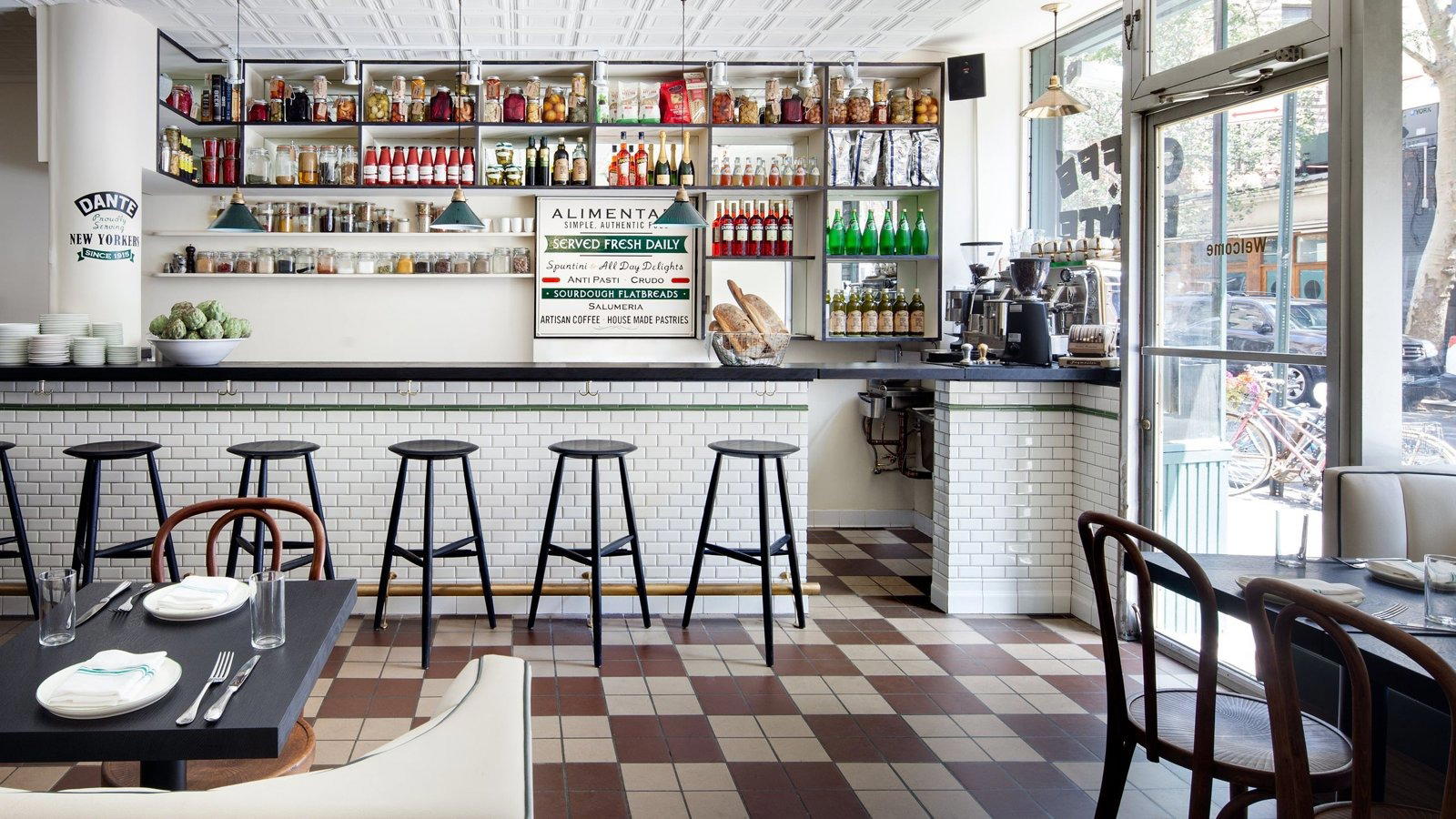
Restaurants in New York City
Browse all →
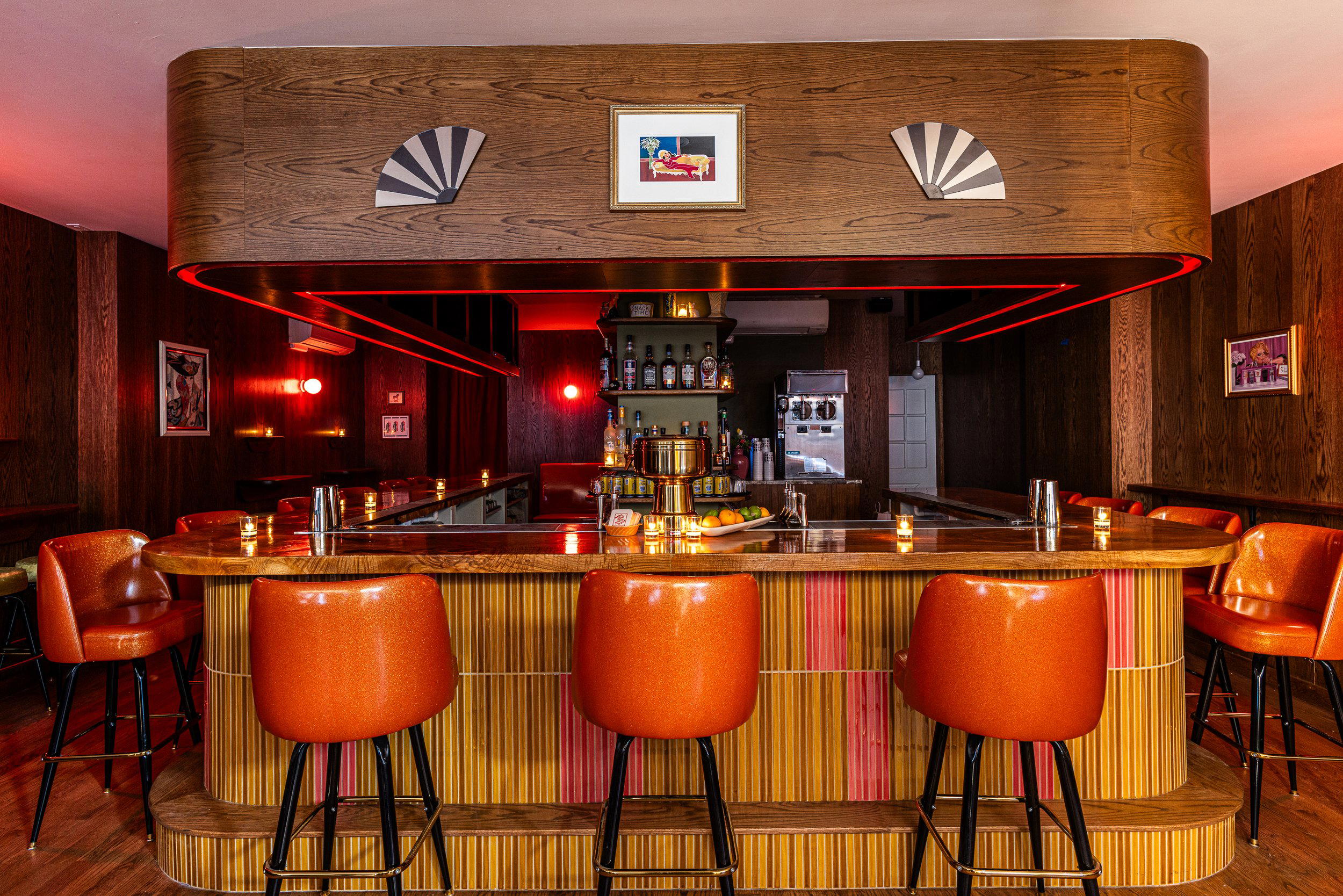
Bars in New York City
Browse all →
Hotels in New York City
Browse all →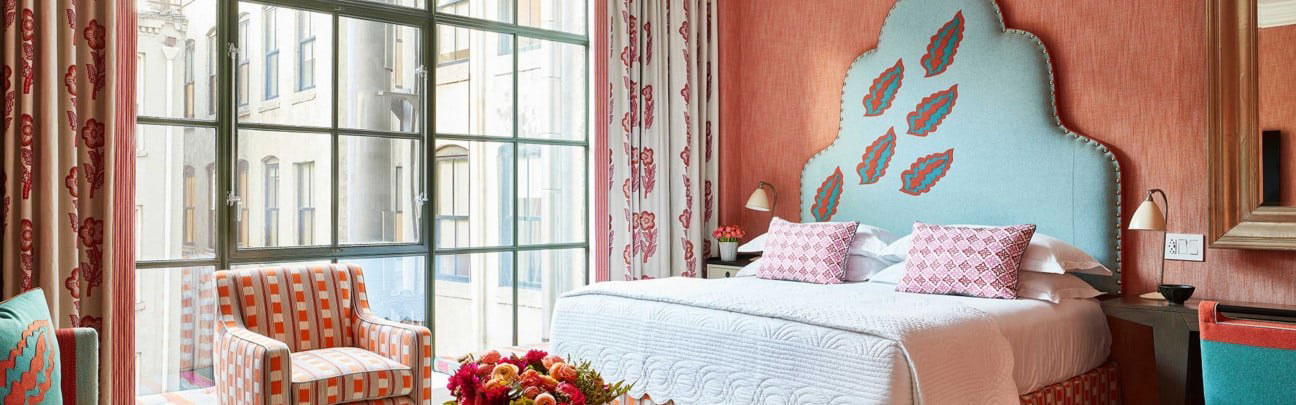





At a Glance
- Intimate
- Elegant
- Sophisticated
- Cozy
- Date Night
- Solo
- Brunch
- Standalone
- Extensive Wine List
- Craft Cocktails
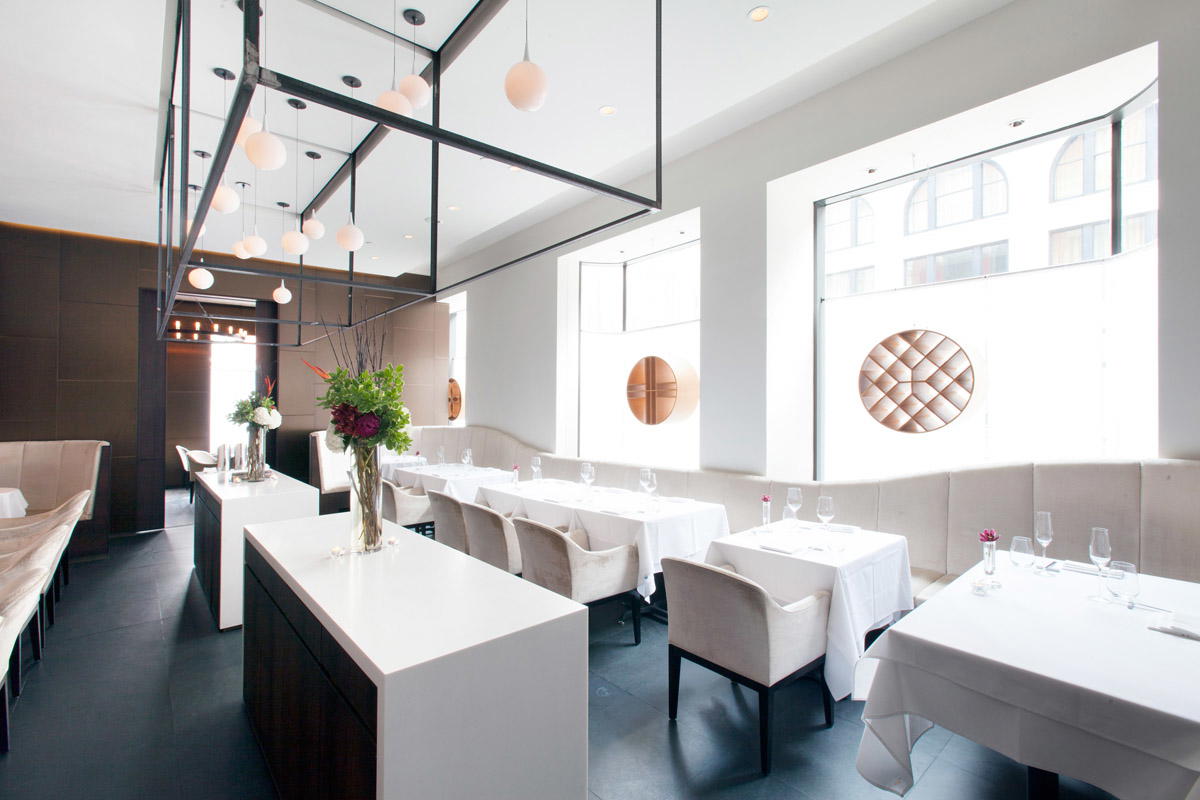
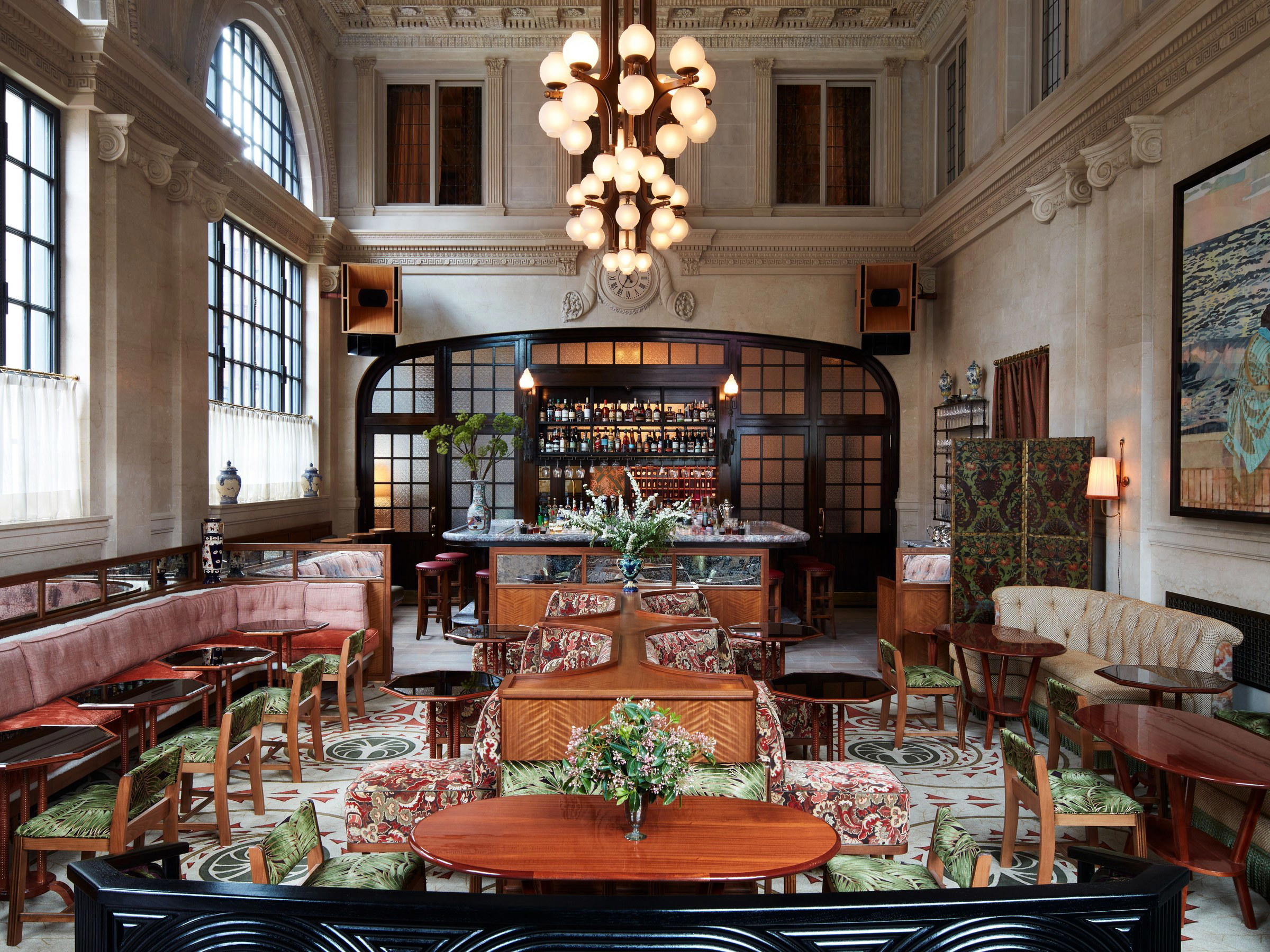
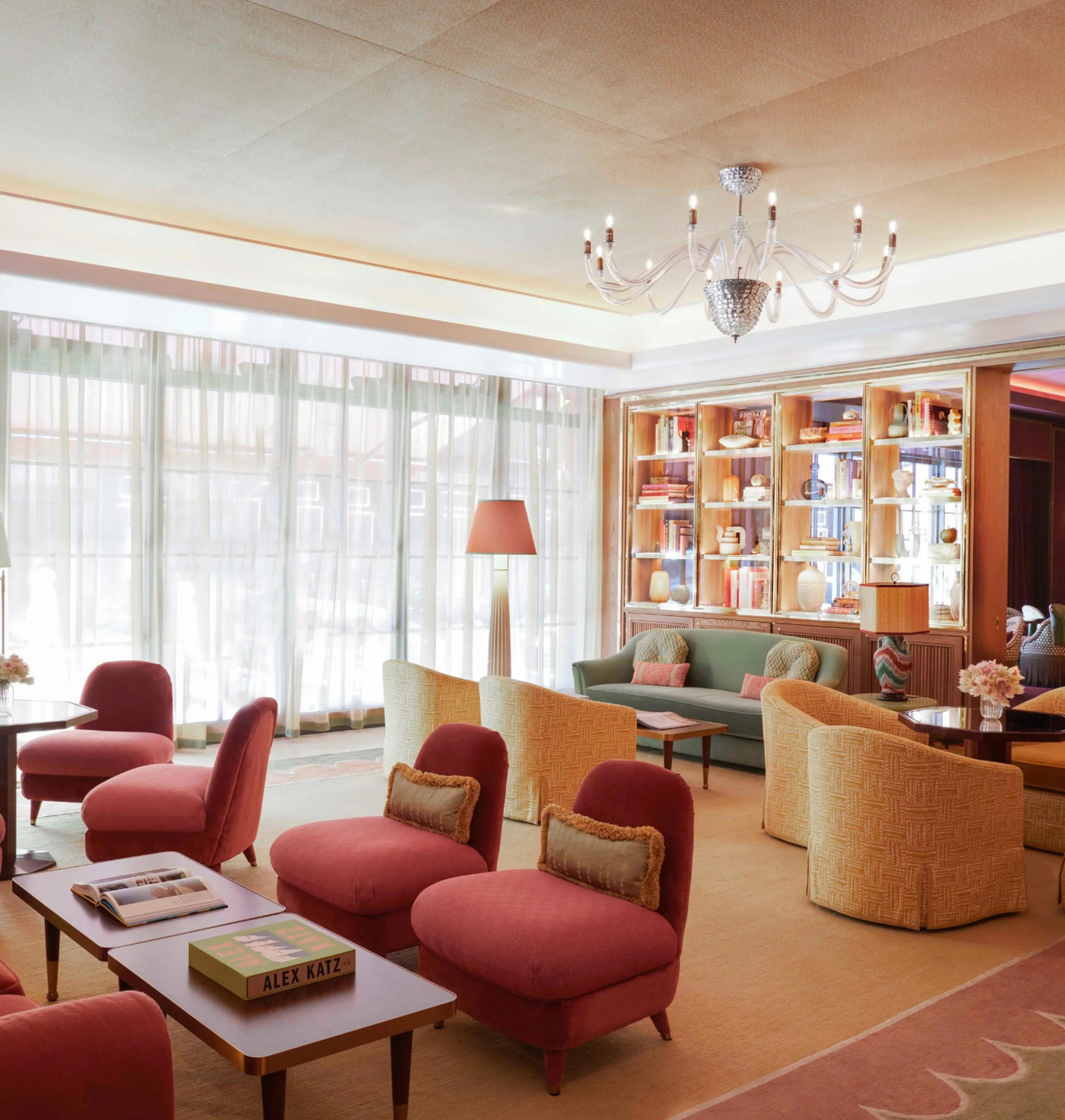
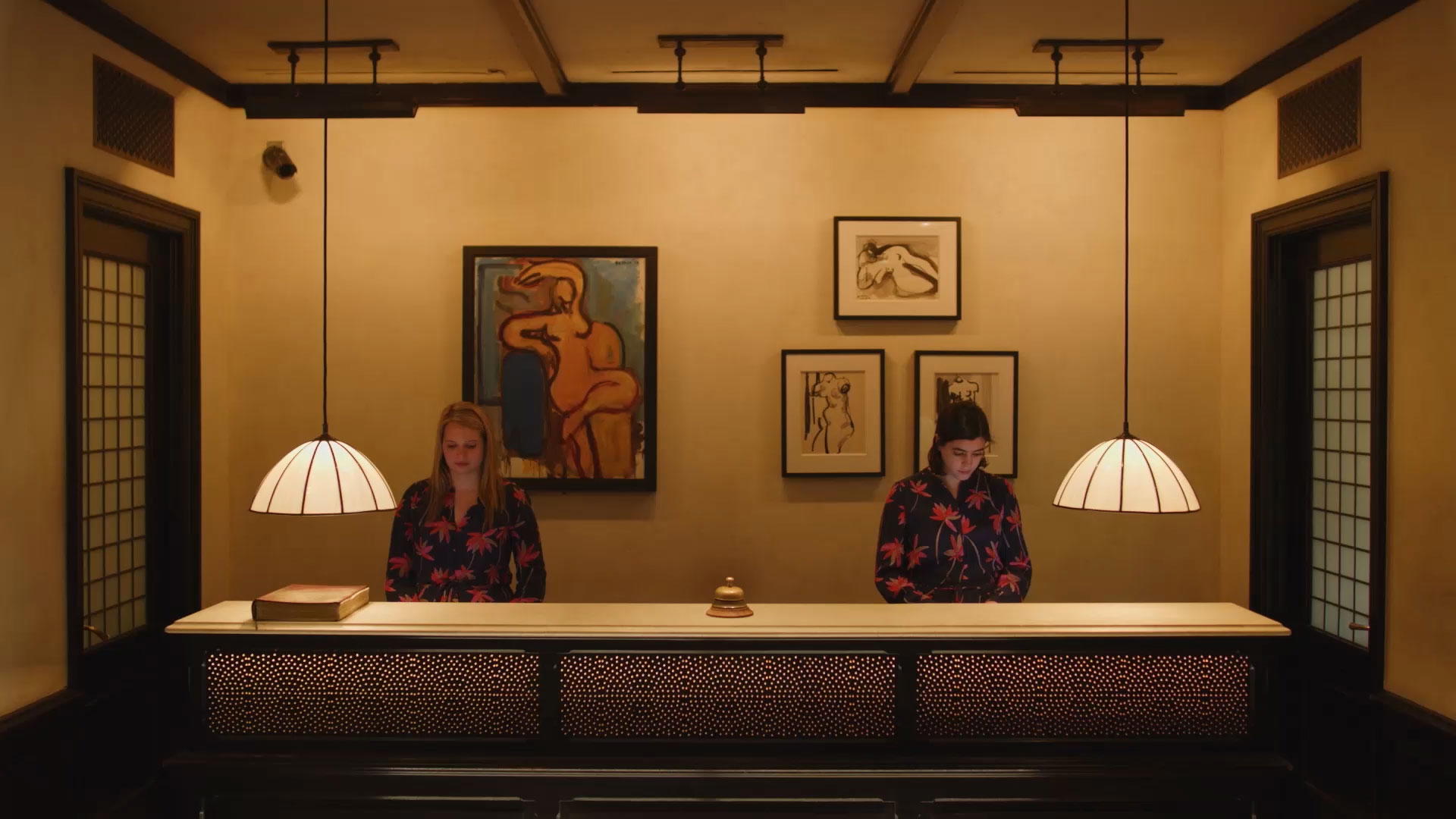
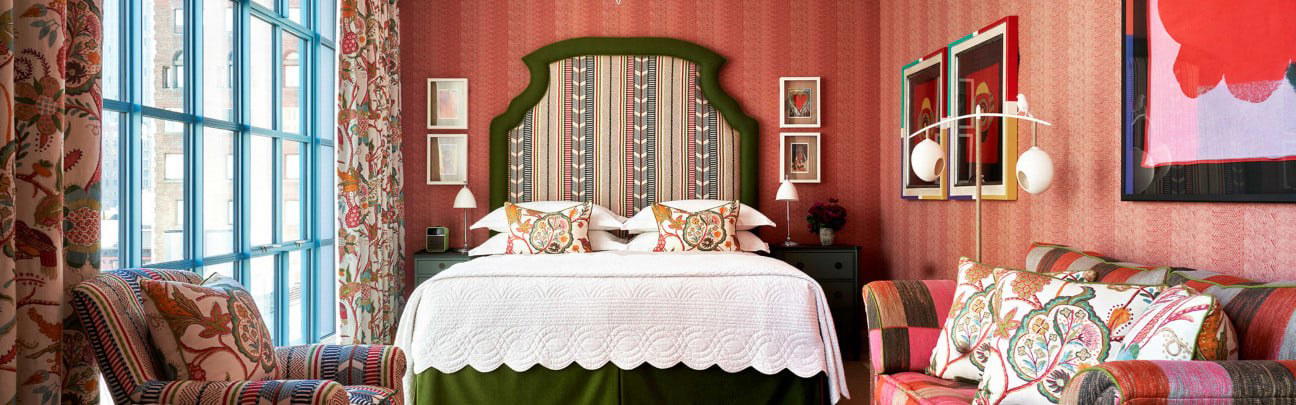
Intimate and sophisticated with French sensibility; warm lighting and understated elegance without pretension; tucked away behind a charming coffee counter creating a secretive, exclusive feel.