
Macarfi 6.5 Food Rating
Our verdict
El Perro y La Galleta occupies a corner address on Claudio Coello, one of Salamanca's most composed streets, where the neighbourhood's appetite for serious dining sits alongside its reputation for careful consumption. The restaurant operates in a Madrid moment defined by ethical sourcing and product-led cooking, placing it inside a wider city conversation about where responsible gastronomy and pleasure intersect.

Pearl is the En Primeur Club membership app, where members save venues, book tables and use the concierge.
The menu
What to order
- Gyozas de pollo con salsa de soja
- Tacos de pato confitado a la naranja
- Croquetas de queso de cabra y frutos secos
- Chocolate Galeta di Mama
- Eggs Benedict
Salamanca's Quieter Frequency
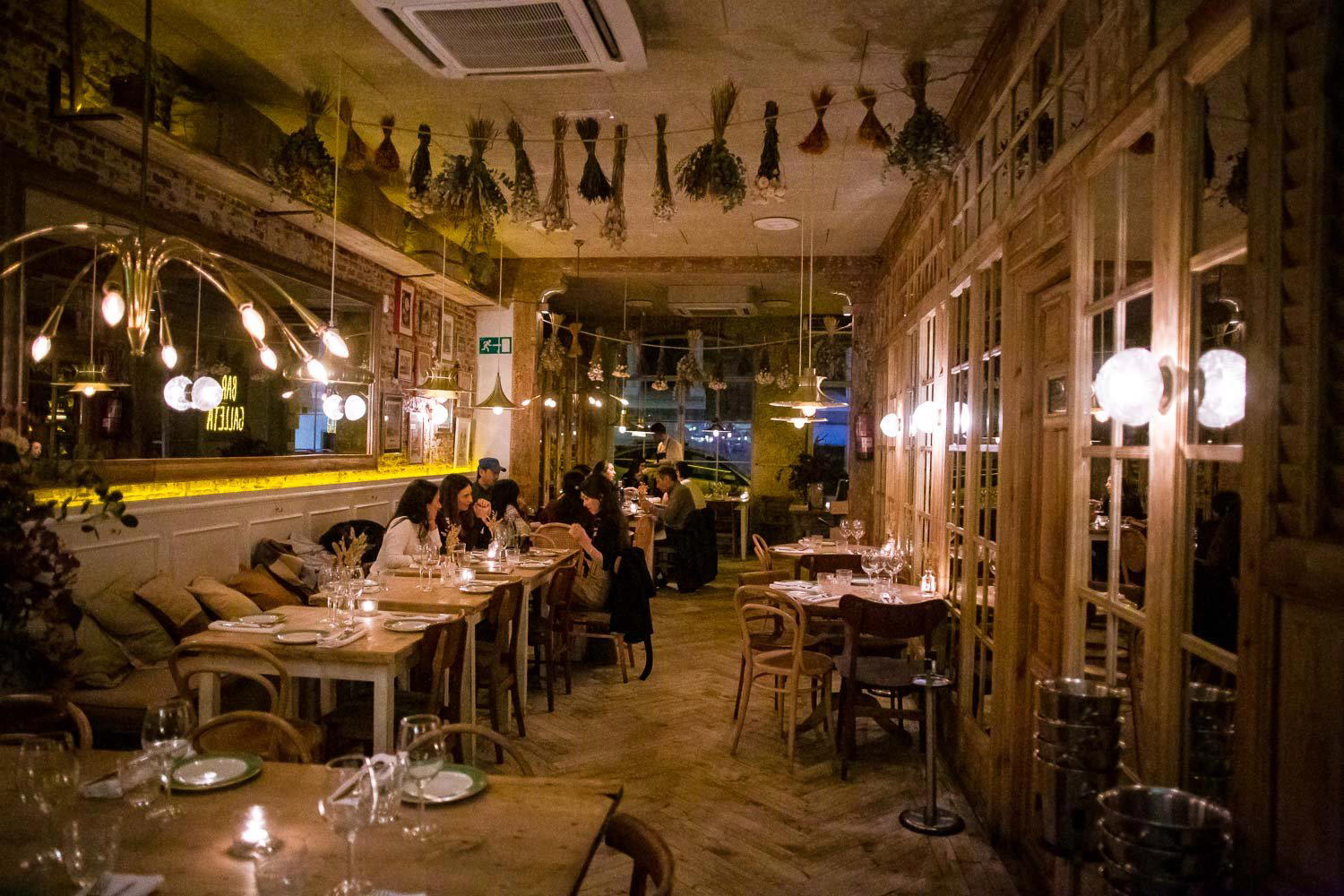
Madrid's Salamanca district runs on a particular kind of confidence. The streets around Claudio Coello and Serrano are not loud about what they offer; they assume you already know. Restaurants here tend toward the considered rather than the conspicuous, and the dining culture reflects a clientele that reads menus rather than photographs them. El Perro y La Galleta sits at Claudio Coello 1, precisely at the point where the barrio's composed residential grid meets the Retiro's edge, an address that tells you something about the register the restaurant aims for before you push through the door.
That address also places it in a specific competitive conversation. Madrid's headline creative dining DiverXO, Coque, DSTAgE, Deessa, and Paco Roncero, clusters around tasting menus, elaborate production, and Michelin recognition at the top tier. El Perro y La Galleta operates in a different register within that city: one oriented around the product itself, the provenance behind it, and a room that holds its atmosphere without theatrical intervention.
Where Ethical Sourcing Shapes the Room
Spanish fine dining has been moving in two directions simultaneously. One pulls toward spectacle and technique abstraction; the other pulls back toward the land, the sea, and the producer relationship. The second direction is where Spain's broader sustainability conversation lives, and it has its most documented expression not in Madrid but in the country's coastal and rural kitchens. Aponiente in El Puerto de Santa María built an entire philosophy around marine waste reduction and neglected species. Azurmendi in Larrabetzu has held three Michelin stars while integrating a working greenhouse and on-site garden into its sourcing loop. Mugaritz in Errenteria has long framed its radical menu development around seasonal and ecological constraint rather than abundance.
What makes the Madrid version of this story interesting is that it plays out inside a city traditionally more associated with roasting traditions and market-hall staples than with the kind of farm-to-table vocabulary that dominates coastal and Basque fine dining. When a restaurant in Salamanca commits to supplier transparency and waste-conscious preparation, it is operating against the grain of its postcode in a way that deserves attention. The product at the centre of the plate, and the chain of decisions that brought it there, becomes the editorial point of the meal rather than a supporting note.
The Cooking Mode and What It Implies
What can be read from the restaurant's position, Salamanca address, the name itself suggesting a certain irreverence and warmth, the category signals from its neighbourhood peers, is that this is a kitchen operating in the mode of confident informality rather than ceremony. The dog and the biscuit of the name carry a particular Madrid sensibility: direct, slightly wry, not interested in impressing you with its own seriousness.
That tonal register matters for how sustainability reads in the room. When ethical sourcing is worn heavily, as doctrine, it can flatten the pleasure of a meal into a lecture. The more interesting version, and the one that endures in cities like Madrid, San Sebastián, and Barcelona, treats producer relationships and seasonal constraint as the natural condition of cooking well rather than as a statement of virtue. Ricard Camarena in València is one of the clearest Spanish examples: zero-kilometre sourcing and deep supplier relationships, delivered without the self-congratulation that often accompanies that kind of commitment. El Celler de Can Roca in Girona has made similar moves at scale, integrating family-farm sourcing into a three-star operation without making the provenance narrative the dominant note of the experience.
The strongest Spanish argument for this approach may come from outside Spain's borders for comparison. Lazy Bear in San Francisco built its entire format around communal, producer-led menus that foreground sourcing without sacrificing occasion. Le Bernardin in New York City demonstrates that ingredient integrity and restraint in preparation can sustain decades of recognition without repositioning toward trend. The through-line is confidence in the product over confidence in the technique.
Madrid's Broader Fine Dining Map
For visitors orienting around Spain's wider restaurant geography, Madrid sits at the centre of a national network rather than at its edge. The Basque Country, Arzak in San Sebastián, Martin Berasategui in Lasarte-Oria, remains the reference point for technical ambition and terroir-led sourcing in Spain. Quique Dacosta in Dénia and Cocina Hermanos Torres in Barcelona extend that conversation southward and eastward. Atrio in Cáceres represents a further outpost of serious cooking in an undervisited city. Madrid's own contribution to this map has historically leaned toward the creative and the international, with the Salamanca district providing a residential anchor for dining that is quieter in register but no less considered in execution.
Our full Madrid restaurants guide maps the broader city dining structure, from the tasting-menu tier through neighbourhood trattorias, and is the recommended starting point for first-time visitors building an itinerary across multiple nights.
Planning Your Visit
| Venue | District | Format | Price Tier | Booking Lead Time |
|---|---|---|---|---|
| El Perro y La Galleta | Salamanca, Madrid | Not confirmed | Not confirmed | |
| DiverXO | Madrid | Tasting menu | €€€€ | Several weeks minimum |
| Coque | Madrid | Tasting menu | €€€€ | Several weeks minimum |
| DSTAgE | Madrid | Tasting menu | €€€€ | Weeks in advance |
| Paco Roncero | Madrid | Tasting menu | €€€€ | Weeks in advance |
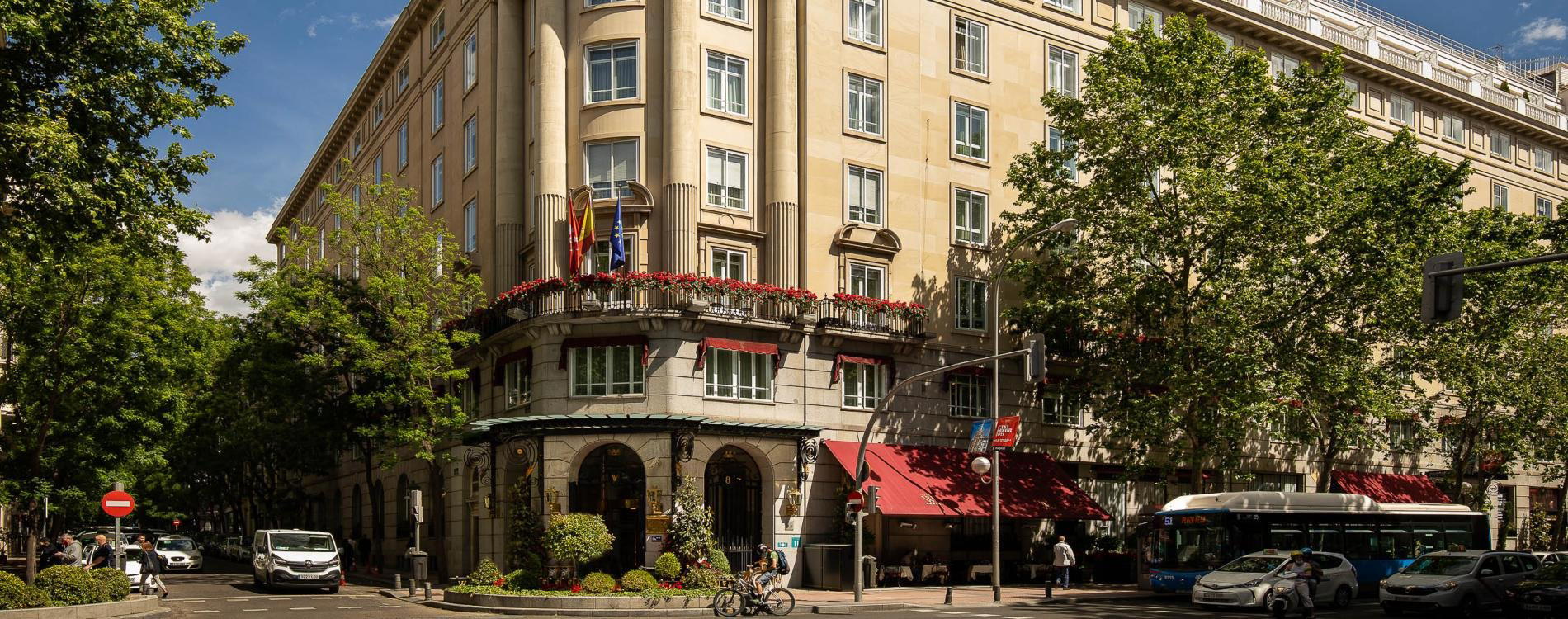
El Perro y La Galleta is located at Calle de Claudio Coello 1, in the Salamanca district of Madrid, postcode 28009. The nearest Metro stations are Retiro (Line 9) and Serrano (Line 4), both within a short walk.
Frequently asked questions
How hard is it to get a table at El Perro y La Galleta?
In Madrid's upper-mid and fine dining tier, booking difficulty correlates tightly with Michelin recognition and media attention. Venues such as DiverXO and Coque operate with waiting periods of several weeks at a minimum. What the Salamanca address and neighbourhood character suggest is a restaurant that draws a loyal local following, which in practice can mean tighter weekend availability than the room size alone would imply.
What makes El Perro y La Galleta worth seeking out?
Salamanca is not the district where Madrid goes for novelty; it is where the city goes for consistency and quality of ingredient. A restaurant at Claudio Coello 1 that operates with ethical sourcing as a structural commitment rather than a marketing layer occupies a specific and increasingly relevant niche in that context. Comparable reasoning applies to how Ricard Camarena has positioned himself in València: the sourcing integrity is the argument, not the decoration around it.
Is El Perro y La Galleta suitable for a full evening's dining rather than a quick meal?
The name and the Salamanca address together suggest a venue calibrated for the kind of unhurried evening that the barrio tends to support rather than the in-and-out pace of a casual lunch spot. Madrid's dining rhythm, later starts, longer tables, wine lists that expect to be worked through, fits naturally with a restaurant in this district. For visitors building a multi-course evening around a single Madrid address, Claudio Coello 1 is an address that rewards arriving without a fixed departure time.
Cost and Credentials
Comparable venues nearby, for context on price, style, and recognition.
| Venue | Cuisine | Price | Awards | Notes |
|---|---|---|---|---|
| El Perro y La GalletaThis venue (the venue you are viewing) | Modern Mediterranean with Spanish Influences | $30–50 | Macarfi 6.5 Food Rating | Not listed |
| HABANERA | Mediterranean with Cuban Influences | $30–50 | Macarfi 6.3 Food Rating | Almagro, Mediterranean with Cuban Influences |
| Bar Tomate | Mediterranean with Spanish Influences | $30–50 | Macarfi 6.1 Food Rating | Almagro, Mediterranean with Spanish Influences |
| Magasand Retiro | Healthy Mediterranean Cafe | $10–20 | Not listed | Recoletos, Healthy Mediterranean Cafe |
| Anica Waksman | Modern Mediterranean Tapas | $20–30 | Not listed | Hispanoamerica, Modern Mediterranean Tapas |
| Desengaño13 | Mediterranean Fusion Tapas | $30–50 | Not listed | Malasana, Mediterranean Fusion Tapas |
Recognition history
Dated appearances from independent guides and award organizations, with the underlying list record or original source where available.
Macarfi 6.5 Food Rating
Macarfi
Continue exploring
More in Madrid
Restaurants in Madrid
All restaurants in Madrid →
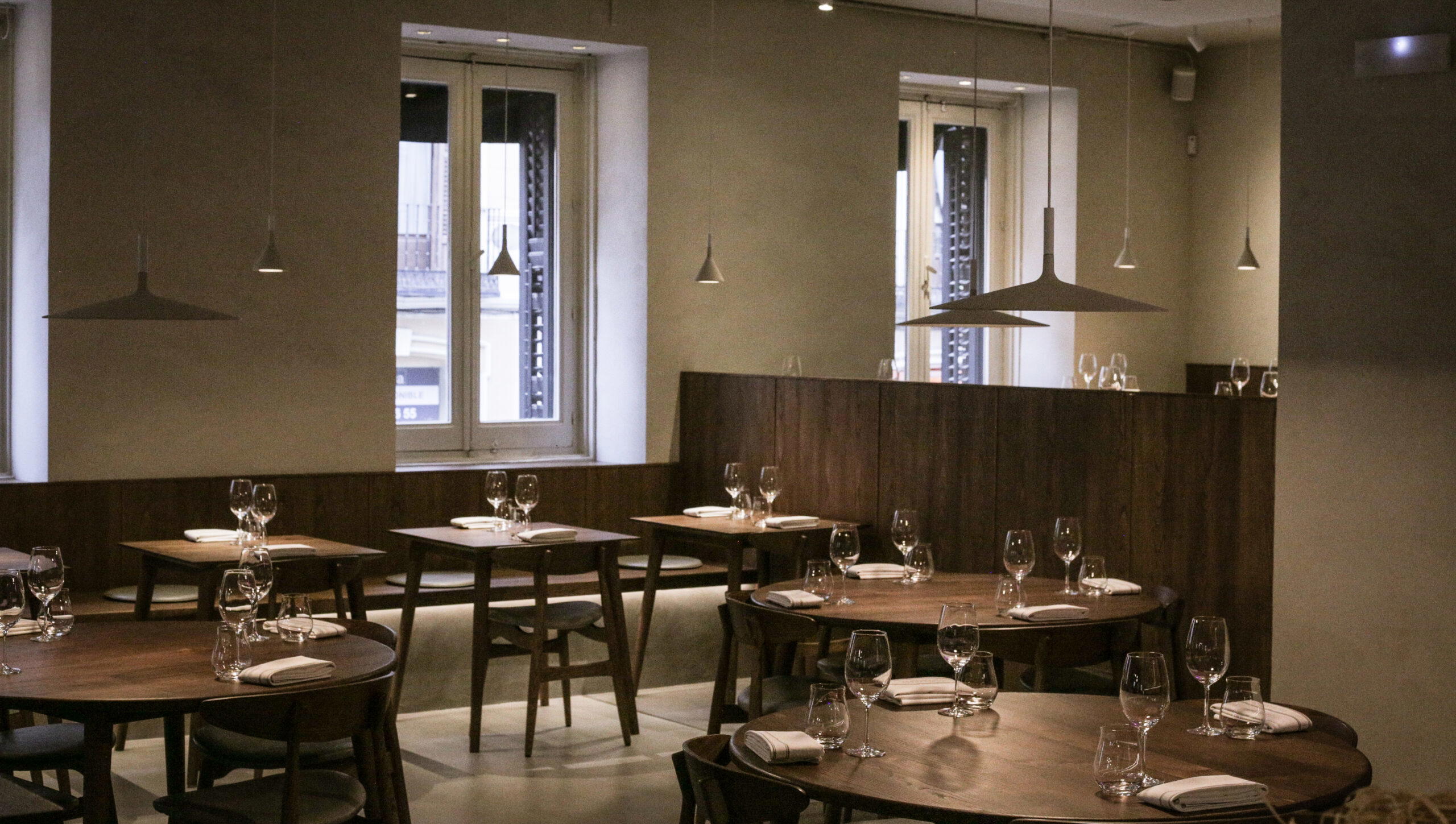
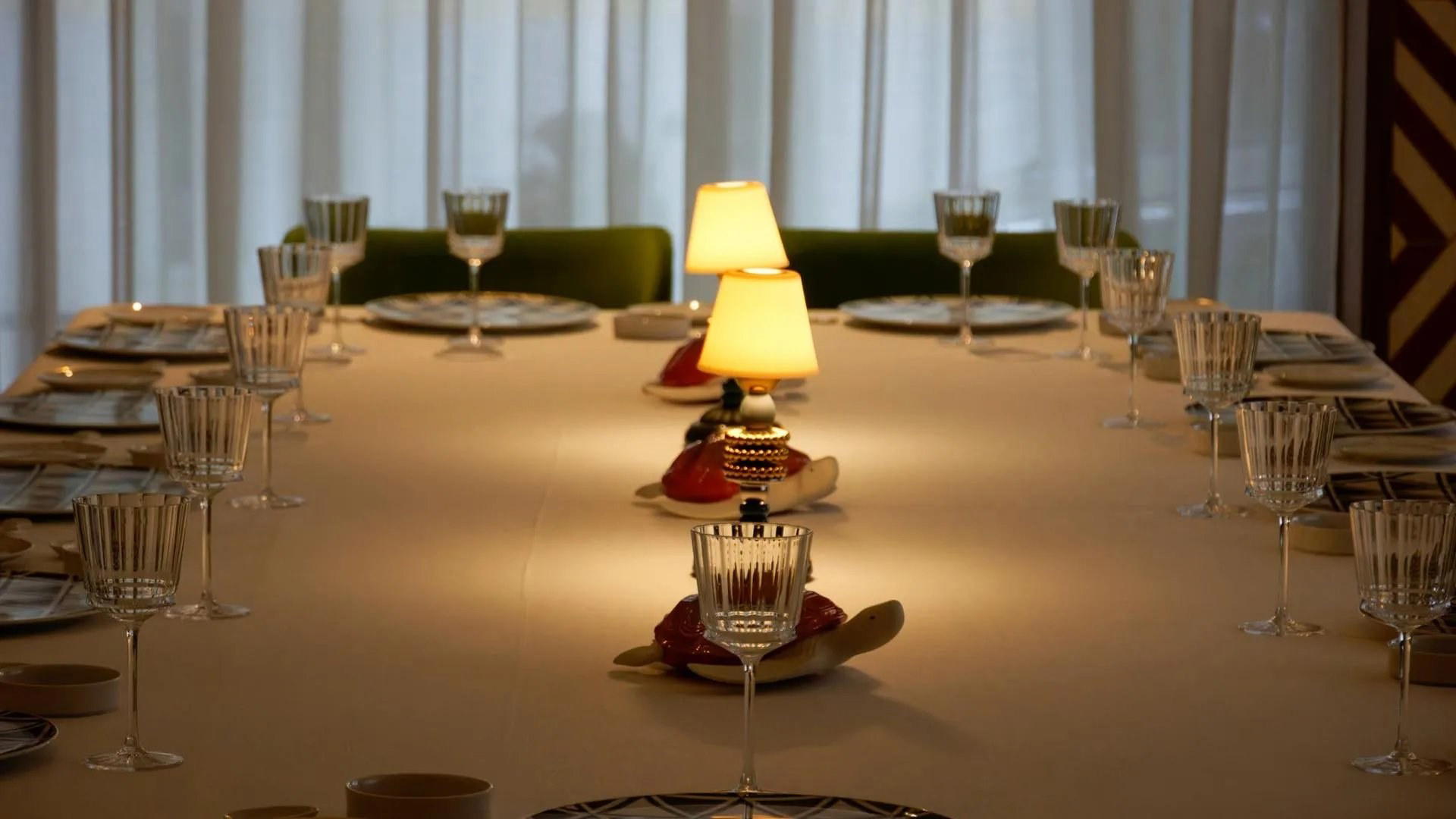
Bars in Madrid
All bars in Madrid →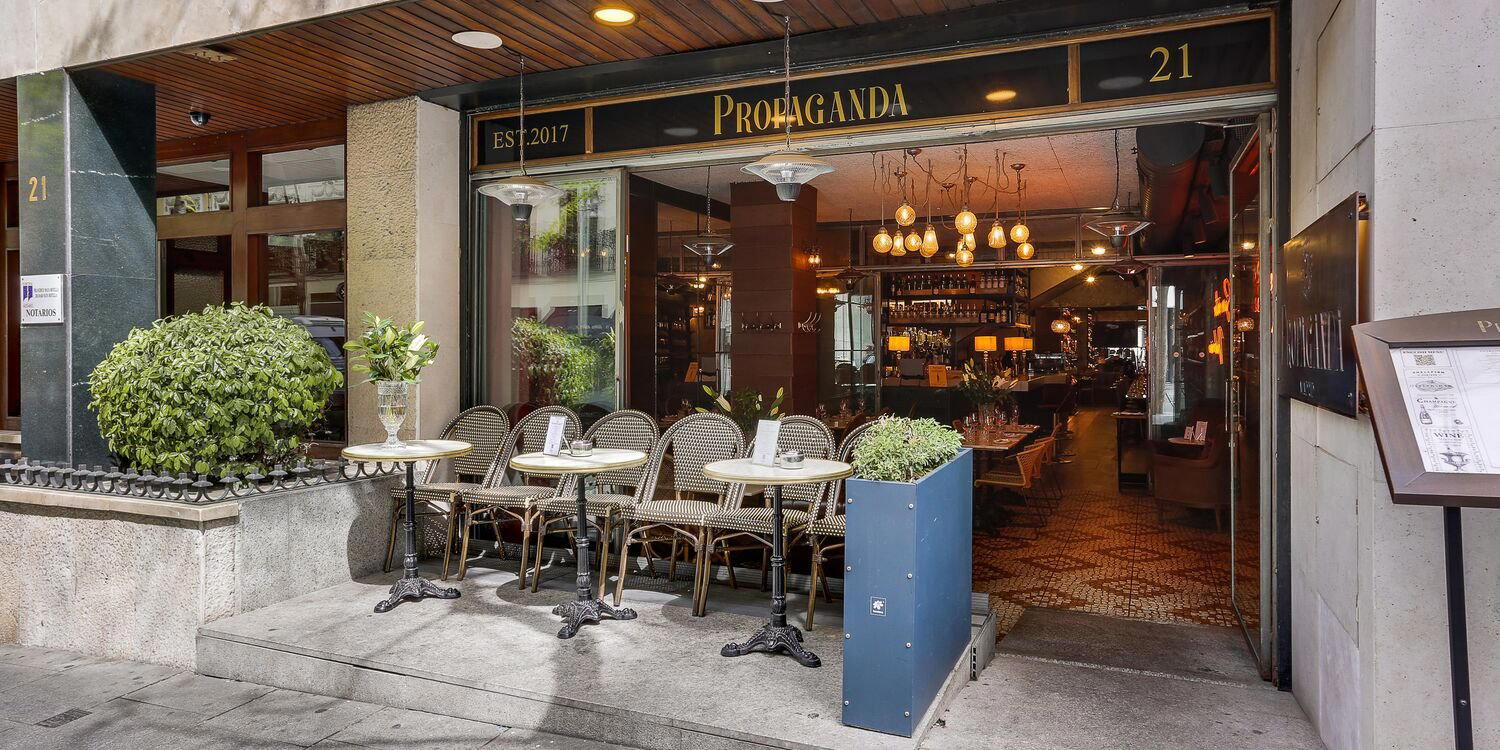
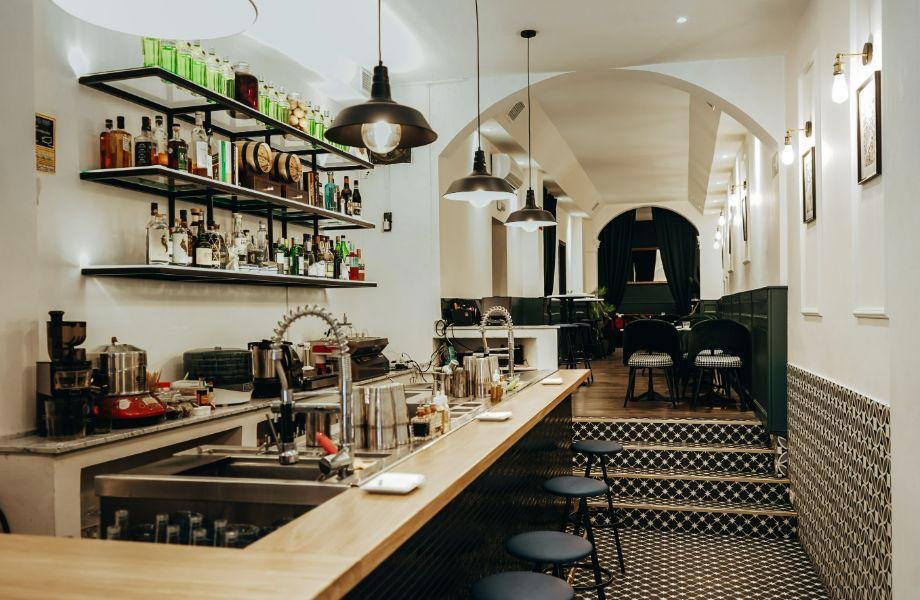

Details
- Cozy
- Whimsical
- Elegant
- Rustic
- Casual Hangout
- Group Dining
- Brunch
- Family
- Standalone
- Design Destination
- A La Carte
- Small Plates
- Vegetarian Friendly
Current opening hours
- Monday
- 1 PM–2:30 AM
- Tuesday
- 1 PM–2:30 AM
- Wednesday
- 1 PM–2:30 AM
- Thursday
- 1 PM–2:30 AM
- Friday
- 1 PM–2:30 AM
- Saturday
- 10 AM–12:30 AM
- Sunday
- 10 AM–12:30 AM
Hours can change for holidays and private events. Hours as of .
Bright and welcoming with beautiful large glass windows, vintage radios, cameras, and dog portraits creating a cozy yet sophisticated atmosphere with great music.