
Tabelog 100 #91
Our verdict
Suna no Misaki brings Indian curry into a Setagaya house-restaurant setting, with a small 16-seat format and a price band of JPY 1,000–JPY 1,999. Its Tabelog 100 selection for Asian and Ethnic cuisine in Tokyo 2024 places it in a serious local curry conversation rather than a casual neighbourhood-only category.

Pearl is the En Primeur Club membership app, where members save venues, book tables and use the concierge.
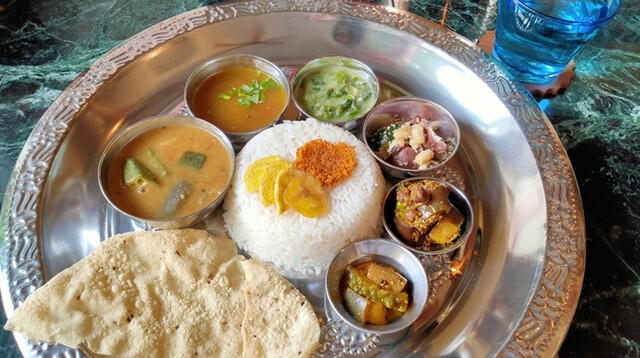
The menu
What to order
- Meels (South Indian-style set meal)
- Indian curry plate
- Mutton Kheema Puff
- Veg Patteis
- Indian Classic Biscuits
Approaching Suna no Misaki through Tokyo, scale tells the story before the food does: this is not a venue to understand through spectacle, but through the narrower language of a focused curry specialist. Tokyo curry spans quick everyday counters to more deliberate small restaurants, and the most rewarding examples often depend less on volume than on consistency, balance, and a clear point of view.
Suna no Misaki fits that smaller lane. Categorized as Indian and Indian curry, it sits between Indian food references and Tokyo’s exacting casual-dining culture. The public record is concise rather than theatrical: a specialist category, a modest listed price band, and recognition in Tabelog’s 2024 Hyakumeiten context. In a city where curry can mean many different things, that restraint is part of the appeal.
Indian curry filtered through Tokyo's ingredient discipline
Tokyo has become one of Asia’s serious curry cities by treating spice as craft, not novelty, from compact lunch counters to specialist rooms with narrow ambitions and loyal followings. Suna no Misaki’s 2024 Tabelog Hyakumeiten recognition, with a listed score of 3.68 and a JPY 1,000–JPY 1,999 price band, places it in the recognized specialist tier rather than the generic curry-shop field.
The restaurant’s frame is best read through what is actually listed: Indian and Indian curry, handled at a casual Tokyo price point. That keeps the focus on the meal rather than on invented ceremony. The clearer reading is not luxury dining disguised as spice cuisine, nor a broad claim about a whole regional canon, but a Tokyo curry address whose reputation rests on being specific, affordable, and consistently noted by diners.
That rhythm separates it from comparable casual-price references without requiring forced equivalence. Thai Curry Pikinu works in another curry grammar at a similar JPY 1,000–JPY 1,999 range, while Suna no Misaki remains fixed in the Indian and Indian curry lane. It belongs to the broader Tokyo shift toward global technique at domestic scale: direct, modestly priced, and built around curry rather than spectacle.
A small room changes the way curry functions
Format shapes the meal even when the public facts are limited. A focused curry restaurant does not need tasting-menu theatre to matter, and Suna no Misaki is better understood through that quieter lens. The result is part curry specialist, part everyday Tokyo dining choice: the kind of place where category, price, and reputation carry more weight than elaborate description.
The 2024 recognition is the useful anchor. It shows how the restaurant is being read within Tokyo’s wider field of specialist dining, where casual price does not necessarily mean casual ambition. The category listing—Indian, Indian curry—keeps the identity clear, while the Tabelog score and Hyakumeiten source give diners a practical signal without overstating what is known.
For mapping the wider city, this is where Suna no Misaki helps. It is not the same decision as other Tokyo dining rooms built around skewers, set courses, seafood, or bar-led evenings. It answers another question: where does Tokyo’s low-to-mid-priced dining show real craft without needing the structure or pricing of a formal destination meal?
Where it sits in a Tokyo itinerary
The strongest use case is a planned Tokyo curry stop rather than an improvised late-night solution. The listed budget makes it easy to place within a day of casual eating, and the category is specific enough that it should be chosen because Indian curry is what you want, not because it is a generic nearby option.
Practical planning should stay close to confirmed information. The listed price range is JPY 1,000–JPY 1,999, and the public phone number is +81-80-4248-7720. For current hours, availability, ordering details, and payment policies, check the venue’s official or booking channels before going rather than relying on static guide-page assumptions.
The location should be treated simply as Tokyo for planning purposes. For broader planning, use Our full Tokyo restaurants guide alongside Our full Tokyo hotels guide, Our full Tokyo bars guide, Our full Tokyo wineries guide, and Our full Tokyo experiences guide.
Travelers comparing curry and casual dining across the city can keep the frame local and flexible. Suna no Misaki sits alongside other unnamed Tokyo dining rooms where the draw is not grandeur but specialization, price clarity, and repeatable quality. For contrast within the comparisons set, Thai Curry Pikinu offers a different curry direction, while Bäckerei Brotheim, IL GiOTTO, Pizzeria da Peppe Napoli Sta’ Ca”, and イル ジョット point to other casual or specialist choices in Tokyo’s broader dining map.
Know Before You Go
- Format: Indian and Indian curry in Tokyo.
- Recognition: Listed in the 2024 Tabelog Hyakumeiten source, with a score of 3.68.
- Price band: JPY 1,000–JPY 1,999.
- Budget: Dinner not listed; lunch is listed at JPY 1,000–JPY 1,999.
- Access: Tokyo.
- Contact: +81-80-4248-7720.
- Useful details: Treat current hours, booking rules, menus, and payment details as items to confirm directly before visiting.
Frequently asked questions
What's the address for Suna no Misaki?
Tokyo.
Is Suna no Misaki expensive?
Pricing at Suna no Misaki is listed as JPY 1,000 - JPY 1,999.
How hard is it to get a table at Suna no Misaki?
The confirmed public details here are its Tokyo location, Indian and Indian curry category, and listed price band. For availability, current hours, and booking rules, check the venue's official channels or call before visiting.
What's Suna no Misaki best at?
Its clearest credential is the 2024 Tabelog Hyakumeiten listing, alongside a Tabelog score of 3.68. The venue is categorized as Indian and Indian curry, with pricing listed at JPY 1,000 - JPY 1,999.
Can Suna no Misaki adjust for dietary needs?
The confirmed category is Indian and Indian curry.
Accolades, Compared
Comparable venues for context, by category and price tier.
| Venue | Cuisine | Price | Awards | Notes |
|---|---|---|---|---|
| Suna no MisakiThis venue (the venue you are viewing) | Indian curry & meels restaurant | $20–30 | Tabelog 100 #91 | Not listed |
| Sri Mangalam A/C Soshigaya-Okura Soshigaya ookura ten | Indian Curry | Not listed | Tabelog 100 #82 | Setagaya |
| Ooiwa Shokudo | South Indian curry & Sri Lankan-style spice dishes | $20–30 | Tabelog 100 #79 | Suginami |
| PondyBhavan Musashi nitta | Traditional South Indian restaurant | $10–20 | Tabelog 100 #52 | Ōta |
| ERICK SOUTH Toranomon hiruzu ten | South Indian curry & biryani | $20–30 | Tabelog 100 #80 | Minato |
| NANDHINI Toranomon ten | Authentic South Indian (Halal) Restaurant | $20–30 | Tabelog 100 #35 | Minato |
Recognition history
Dated appearances from independent guides and award organizations, with the underlying list record or original source where available.
Tabelog 100 #91 · No. 91
Tabelog · Tabelog 100 - Asian cuisine / Ethnic cuisine - TOKYO - 2024
Continue exploring
More in Tokyo
Restaurants in Tokyo
All restaurants in Tokyo →


Bars in Tokyo
All bars in Tokyo →




Details
- Cozy
- Intimate
- Classic
- Solo
- Casual Hangout
- After Work
- Date Night
- Standalone
- Design Destination
- Set Menu
- A La Carte
- Vegetarian Friendly
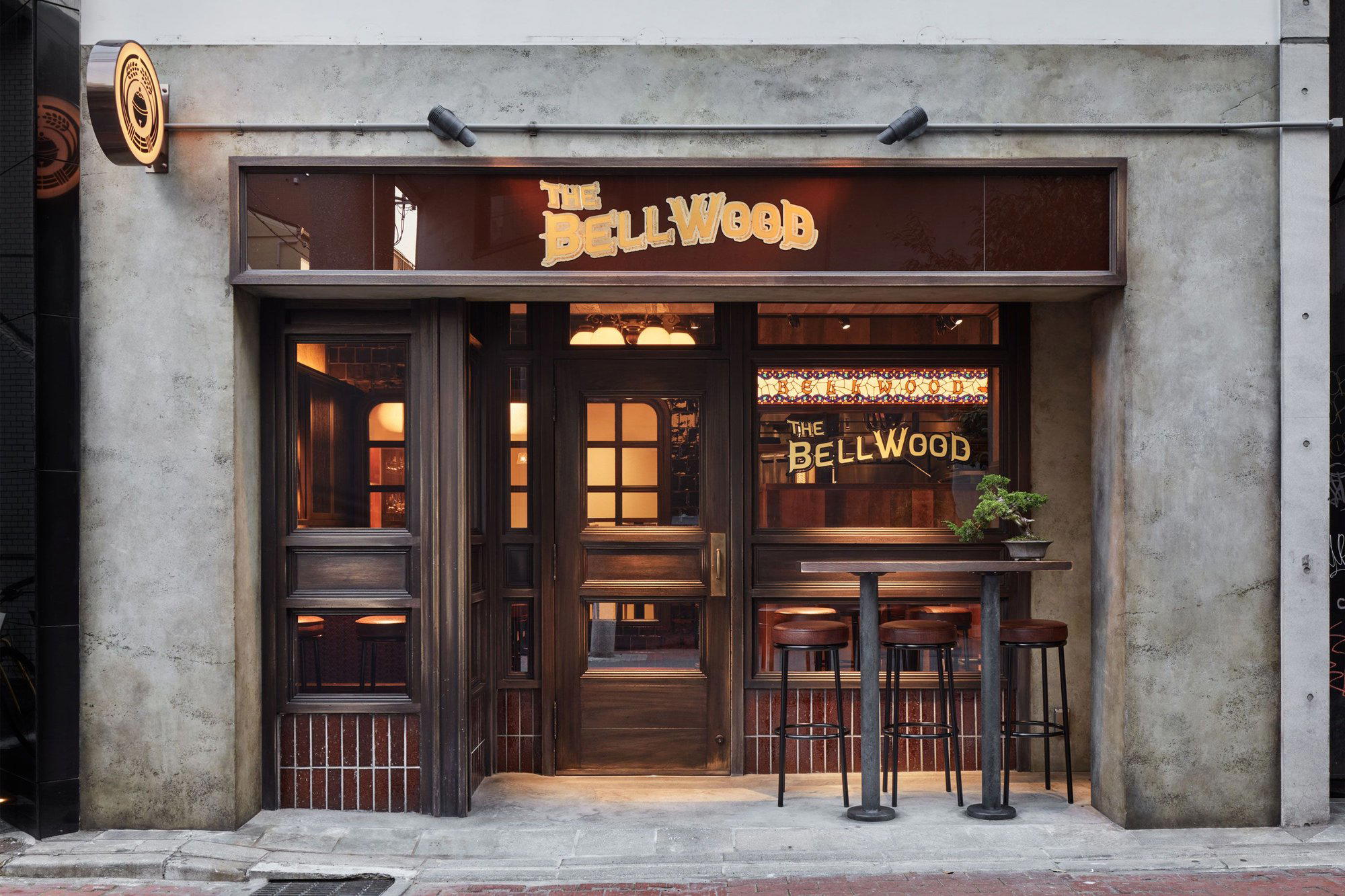
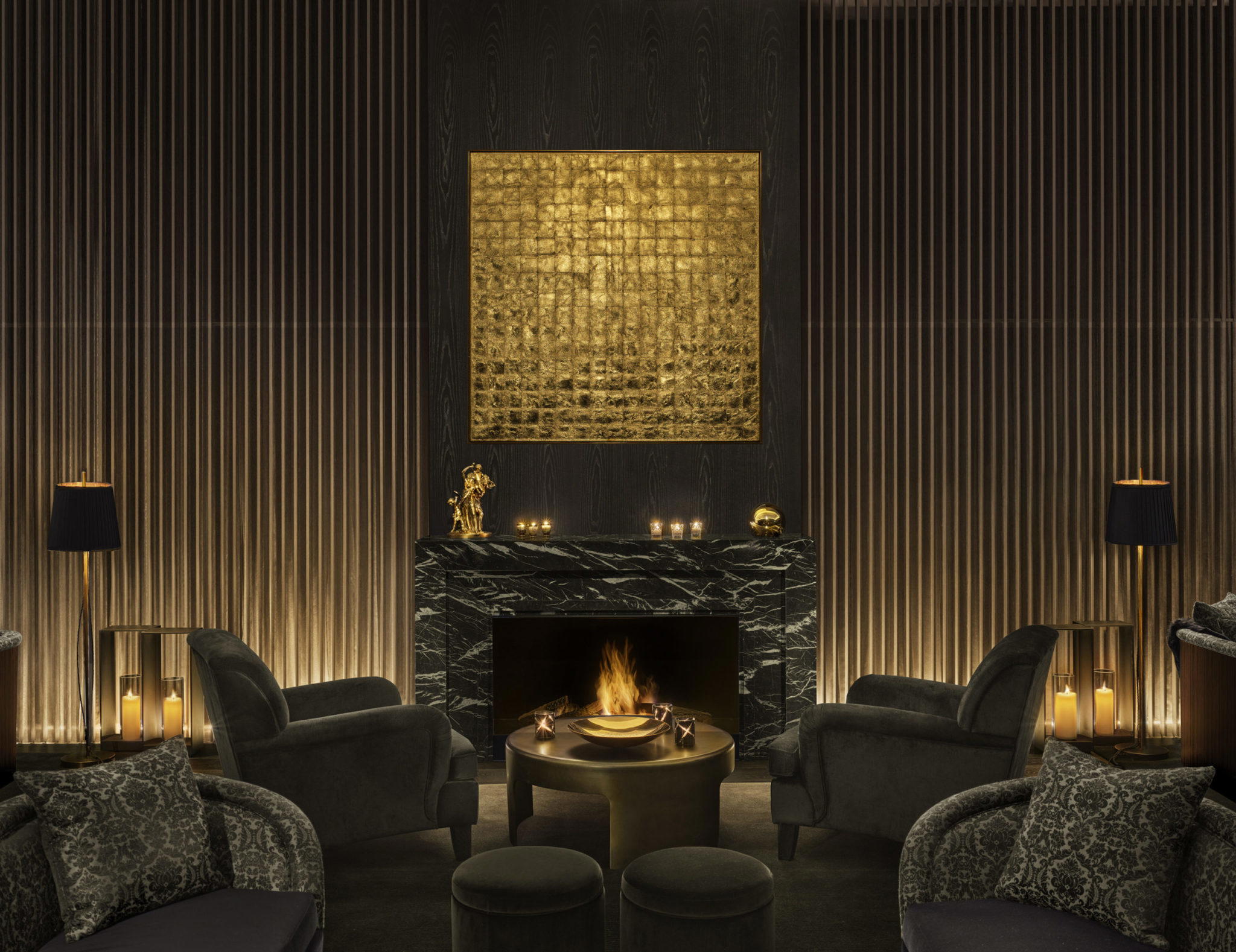
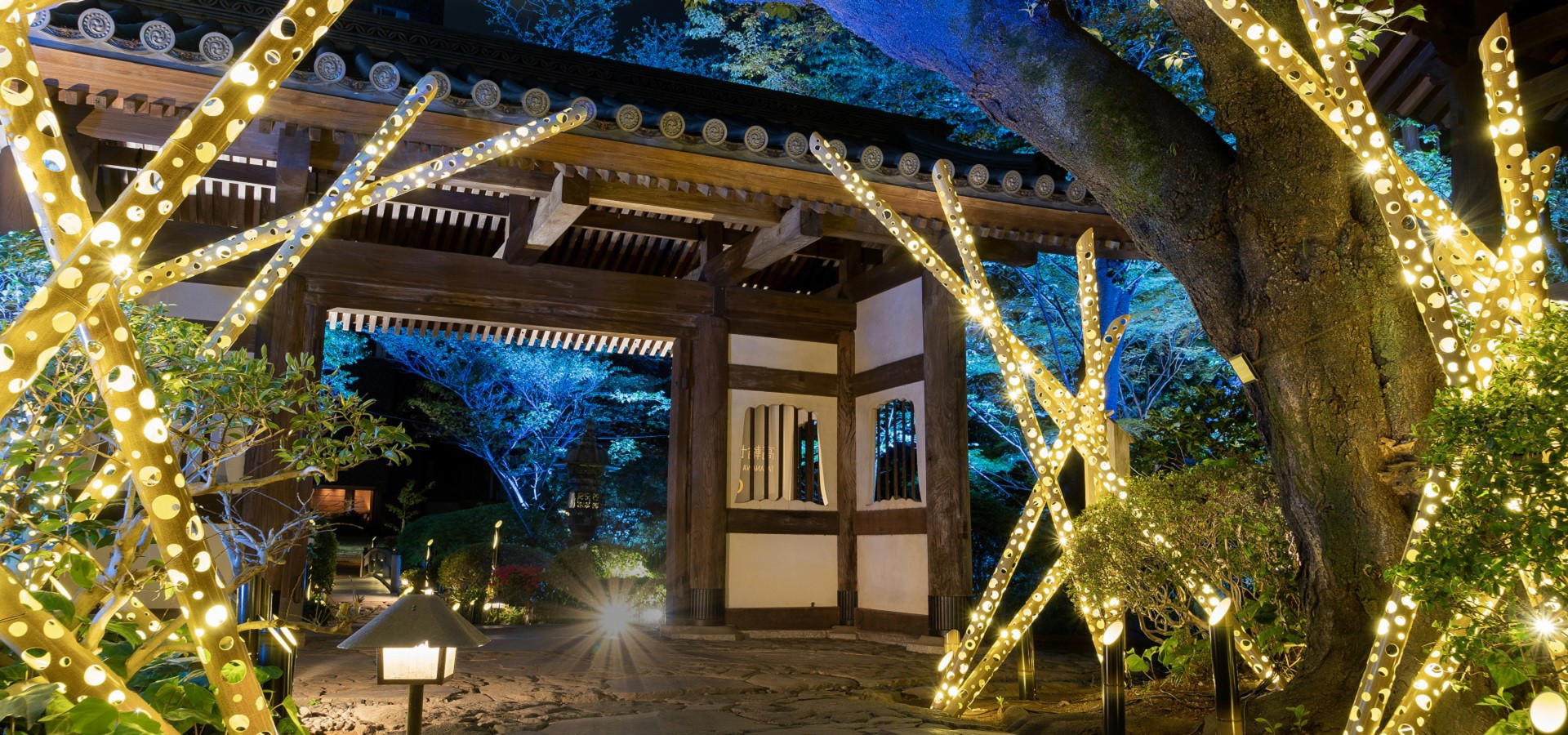
Warm and intimate with a small 14-seat layout over counter and upstairs seating, giving a cozy, home-style Indian canteen feel where the focus is on thoughtfully spiced curries and meels rather than formality.