
Tabelog 100 #35
Our verdict
Toranomon’s business-district dining is usually read through sushi counters, tempura rooms, and expense-account Japanese cooking. NANDHINI Toranomon ten shifts that frame toward Indian curry and vegetable-conscious South Asian cooking, with Tabelog 100 Asian/Ethnic Tokyo selections in 2022, 2023, and 2024 giving it a clear credibility signal beyond the office-lunch crowd.

Pearl is the En Primeur Club membership app, where members save venues, book tables and use the concierge.
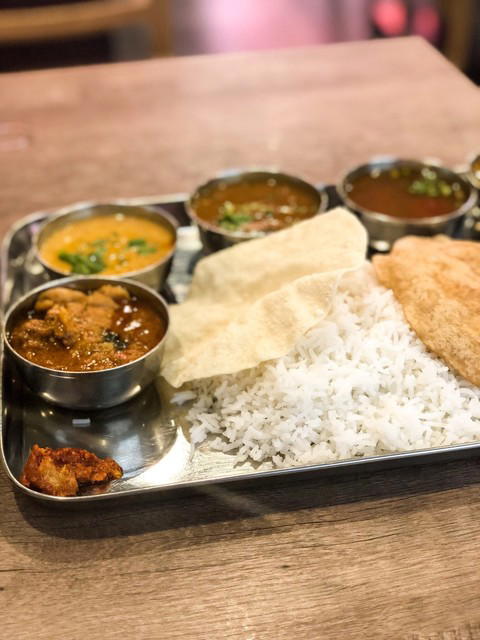
The menu
What to order
- Masala dosa
- Plain dosa
- Idli and vada sets
- South Indian meals (thali-style)
- Biryani
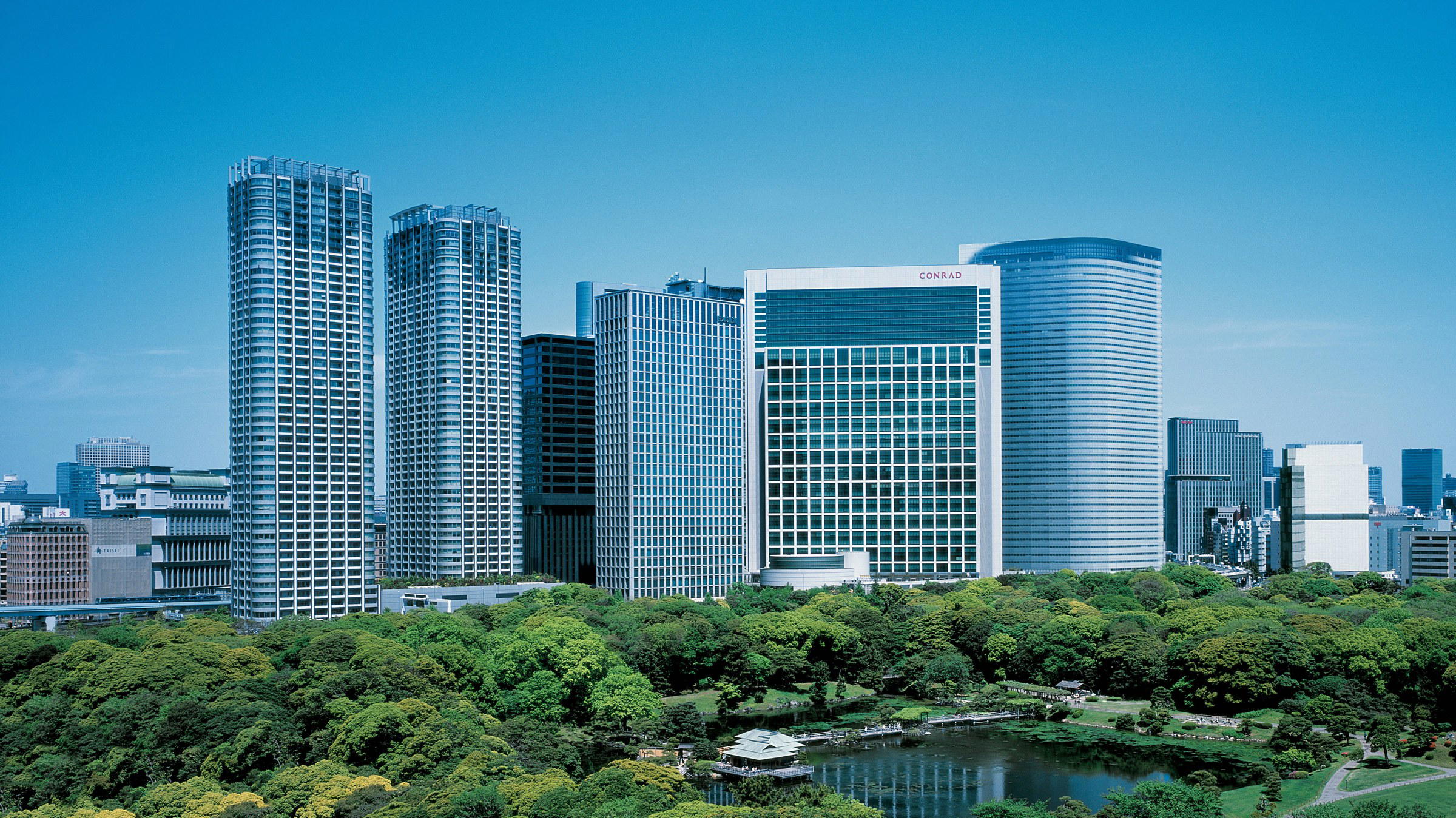
The approach to a Tokyo weekday meal is shaped by glass towers, arterial roads, and the lunchtime choreography of office workers. Here, Indian cooking plays a different role from the city’s hushed prestige counters: faster, more communal, less ceremonial, yet still serious. The stronger addresses carry spice architecture, curry breadth, and the practical rhythm of a city that eats precisely even in everyday formats.
NANDHINI Toranomon ten belongs to that Tokyo, where curry is not one dish but a broad category spanning Japanese curry shops, Indian restaurants, Indian curry specialists, and hybrid lunch formats built for speed. Its 2024 Tabelog Hyakumeiten recognition places it within a defined local group, not the luxury omakase economy. That matters: Tokyo prestige often rewards scarcity, while better curry-focused rooms are judged on repeatability, seasoning control, and whether a weekday meal has enough depth to pull diners beyond convenience.
Indian and curry cooking in a city built for speed
Tokyo’s business districts give restaurants a demanding lunch audience. The city rewards kitchens that move quickly without flattening flavor into generic heat. Indian restaurants in Tokyo negotiate several expectations at once: Japanese diners familiar with curry rice, international diners seeking more specificity, and office workers needing a short-break meal. Selection for Tabelog’s Hyakumeiten list is not a reward for theatre, but recognition in a category where consistency is the harder test.
The listed categories, Indian, Indian curry, and curry, are broad, but the useful signal is that NANDHINI Toranomon ten is being judged within Tokyo’s competitive everyday dining field rather than as a formal counter experience. In Tokyo, that distinction is not minor. Many high-end formats operate through fixed rituals and narrow scripts. Curry and Indian dining can offer a more flexible path for travelers reading Tokyo beyond sushi, tempura, and wagyu, and this is where the city’s international dining habits become visible.
The comparison with more formal Tokyo rooms is useful. Kawada, Koshikiryori Koki, Tempura Aratamikawa, Yakitori Nakamura, and Tempura Osaka occupy lanes where specialization often means tighter scripts and, in several cases, a different kind of spend. NANDHINI Toranomon ten works in a more democratic register, closer to the city’s daily dining engine than its ceremonial one. That does not make it less serious; it changes the assessment. The question is whether the cooking holds its line through the practical demands of lunch, dinner, repeat visits, and curry-focused expectations.
Why the Tabelog 100 signal matters here
Tabelog’s Hyakumeiten lists are useful in categories Michelin and international rankings often under-cover. Curry and Indian dining in Tokyo is deep, uneven, and spread across business districts, residential stations, and local dining corridors. A 2024 Tabelog score of 3.68 creates a practical trust marker: local diners have not treated this as a passing novelty. Read the score in Japanese context, where ratings cluster tightly and anything comfortably above the mid-threes can indicate sustained approval.
There is also a cultural point. Tokyo has long absorbed many outside food traditions into everyday city systems: punctual service, clean lunch-dinner segmentation, and predictable habits around everyday meals. Indian food in the city now ranges from curry specialists to broader restaurant formats. NANDHINI Toranomon ten sits at that intersection, legible to office diners as curry, yet credible enough within its listed categories to be recognized by Tabelog Hyakumeiten in 2024. That is authority of a different kind from a chef biography or tasting-menu manifesto.
The format explains the experience as much as the award does. The official category language is simple, Indian, Indian curry, and curry, while the listed budget stays approachable for Tokyo: dinner at JPY 2,000 - JPY 2,999 and lunch at JPY 1,000 - JPY 1,999. Those details suggest a restaurant woven into everyday city usage rather than preserved as a destination set piece. It is the sort of address where credibility comes from repeatability, local recognition, and the ability to sit naturally inside a working Tokyo day.
How to place it in a Tokyo food itinerary
For visitors, the smart use is contextual rather than trophy-driven. Pair it mentally with the city’s other casual-specialist threads: curry shops, izakaya-style counters, yakitori rooms, and design-led cafés. A traveler could compare NANDHINI Toranomon ten with other Tokyo curry and Indian dining rooms, then contrast that with unnamed seafood, grilled, yakitori, or café stops elsewhere in the city. The point is not to rank unlike formats, but to see how Tokyo’s everyday dining has become as mapped and competitive as its formal counters.
It also corrects itineraries overloaded with reservation theatre. Tokyo dining is not only eight-seat rooms and months-ahead planning; it is also stations, lunch queues, everyday payment habits, and restaurants serving office workers, families, and solo diners efficiently. For a wider city read, use Our full Tokyo restaurants guide alongside broader Tokyo planning resources for hotels, bars, wineries, and experiences to build an itinerary moving between dining, drinking, and city texture.
Readers following Japanese and Indian food beyond Tokyo can widen the lens through other dining rooms across Japan and abroad without needing to force direct comparisons. Curry, casual Japanese formats, and restaurant culture all change shape by city, audience, and daily use. Back in Tokyo, NANDHINI Toranomon ten is valuable because it rejects the narrow version of Tokyo dining prestige: it shows the city judging Indian curry with the same obsessive local scrutiny it applies elsewhere.
Compact Comparison
Comparable venues to anchor price and recognition.
| Venue | Cuisine | Price | Awards | Notes |
|---|---|---|---|---|
| NANDHINI Toranomon tenThis venue (the venue you are viewing) | Authentic South Indian (Halal) Restaurant | $20–30 | Tabelog 100 #35 | Not listed |
| Kawada | Traditional Japanese Omakase | $300–500 | Tabelog Bronze #171 | Japanese Cuisine |
| Koshikiryori Koki | Hong Kong-Style Chinese Fine Dining | $100–150 | 1 Michelin Star · Tabelog 100 #56 | Chinese |
| Tempura Aratamikawa | Edomae Tempura Omakase | $100–150 | Michelin Plate · Tabelog 100 #41 | Tempura |
| Yakitori Nakamura | Yakitori Omakase | $100–150 | Tabelog 100 #80 | JPY 10,000 - JPY 14,999 |
| Tempura Osaka | Seasonal Tempura Omakase | $100–150 | Tabelog 100 #94 | JPY 20,000 - JPY 29,999 JPY 10,000 - JPY 14,999 |
Recognition history
Dated appearances from independent guides and award organizations, with the underlying list record or original source where available.
Tabelog 100 #35 · No. 35
Tabelog · Tabelog 100 - Asian cuisine / Ethnic cuisine - TOKYO - 2024
Continue exploring
More in Tokyo
Restaurants in Tokyo
All restaurants in Tokyo →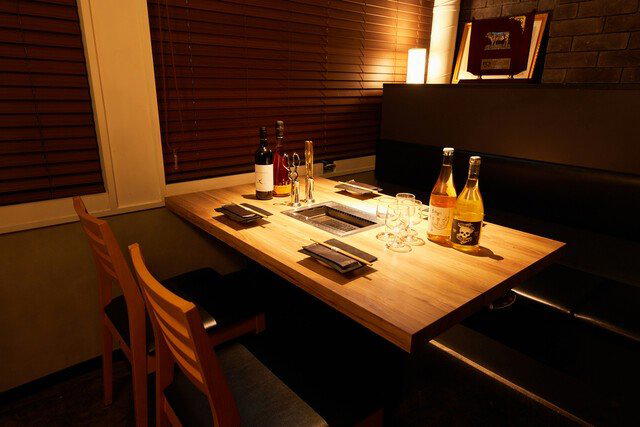
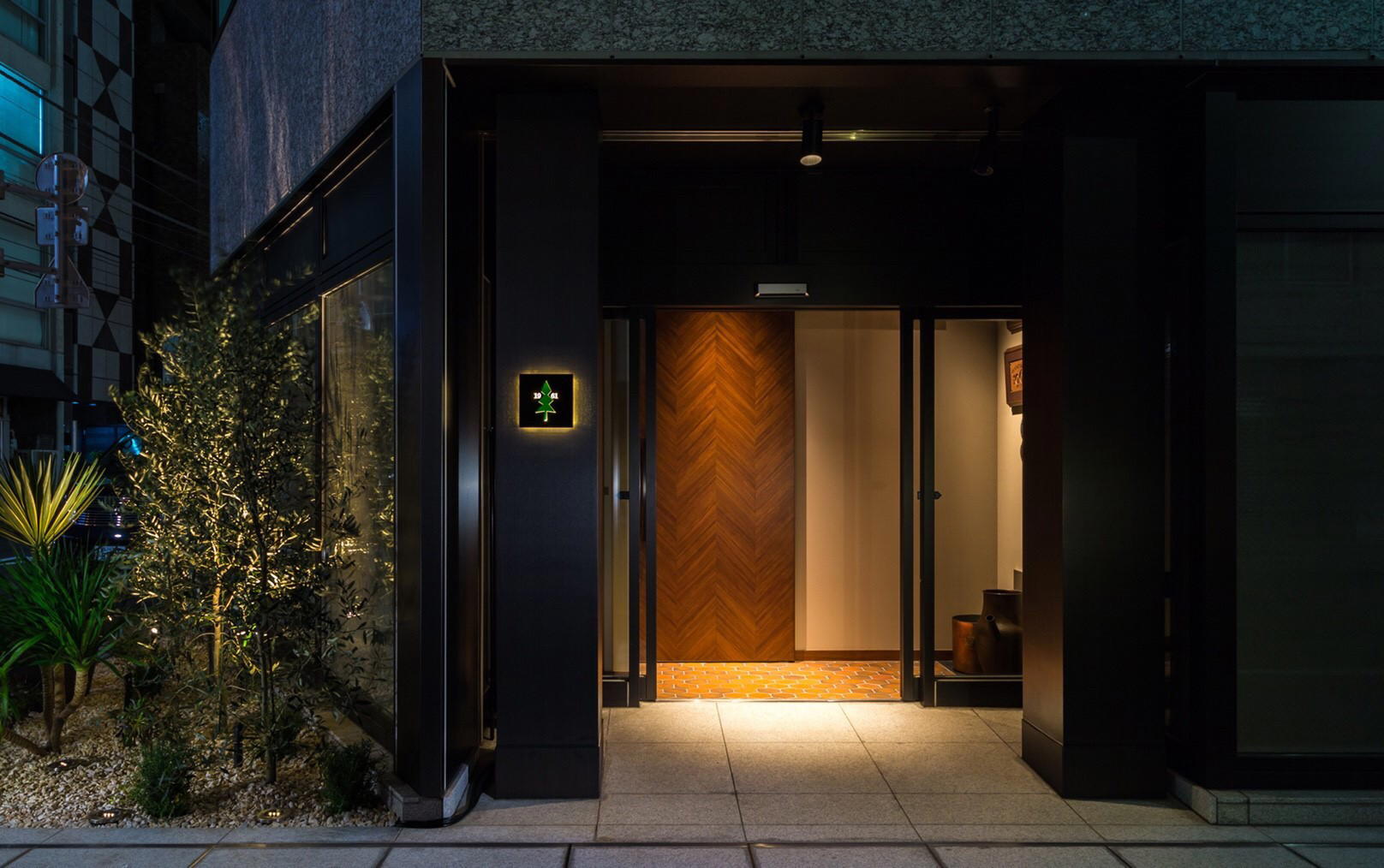
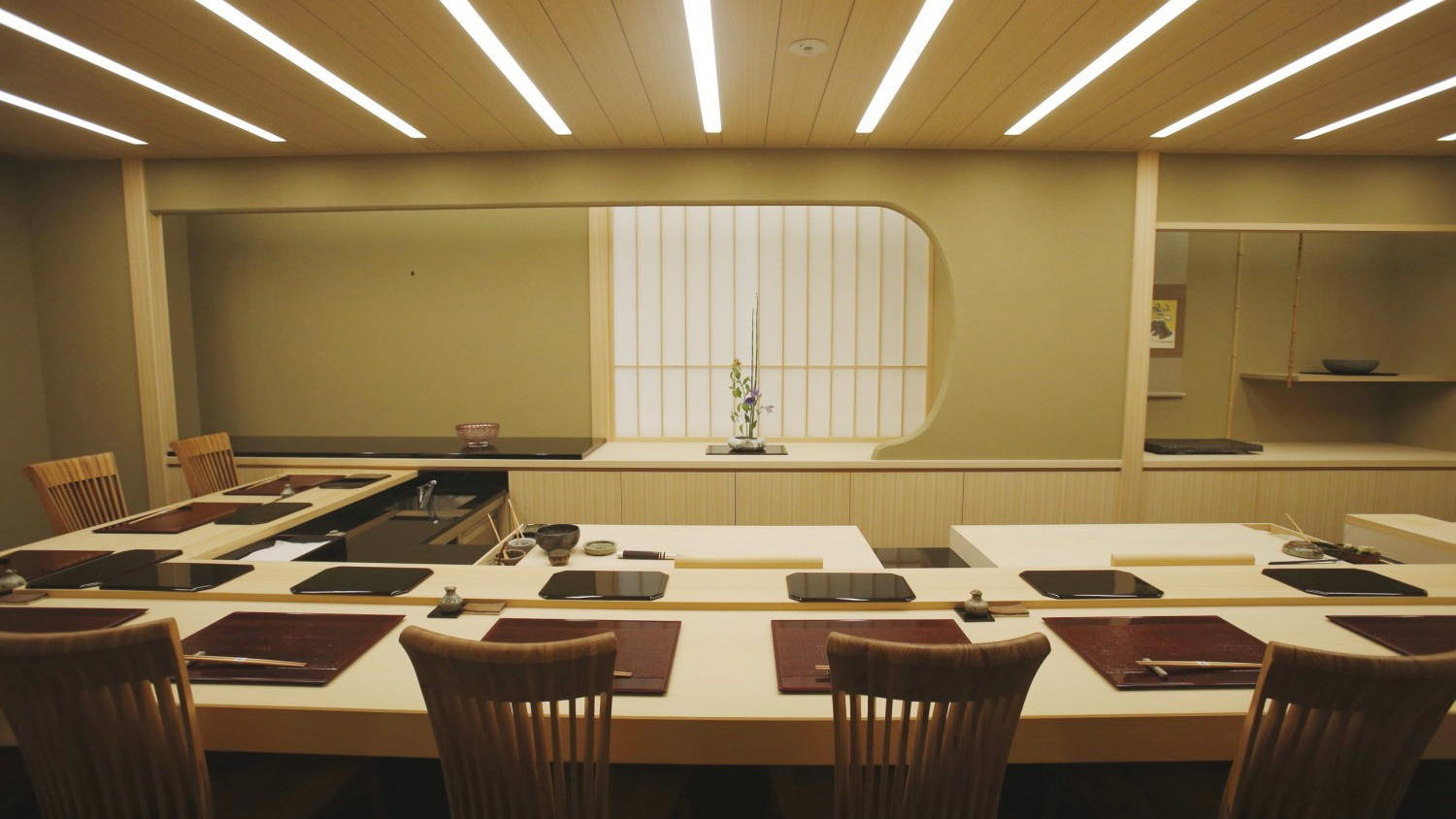
Bars in Tokyo
All bars in Tokyo →
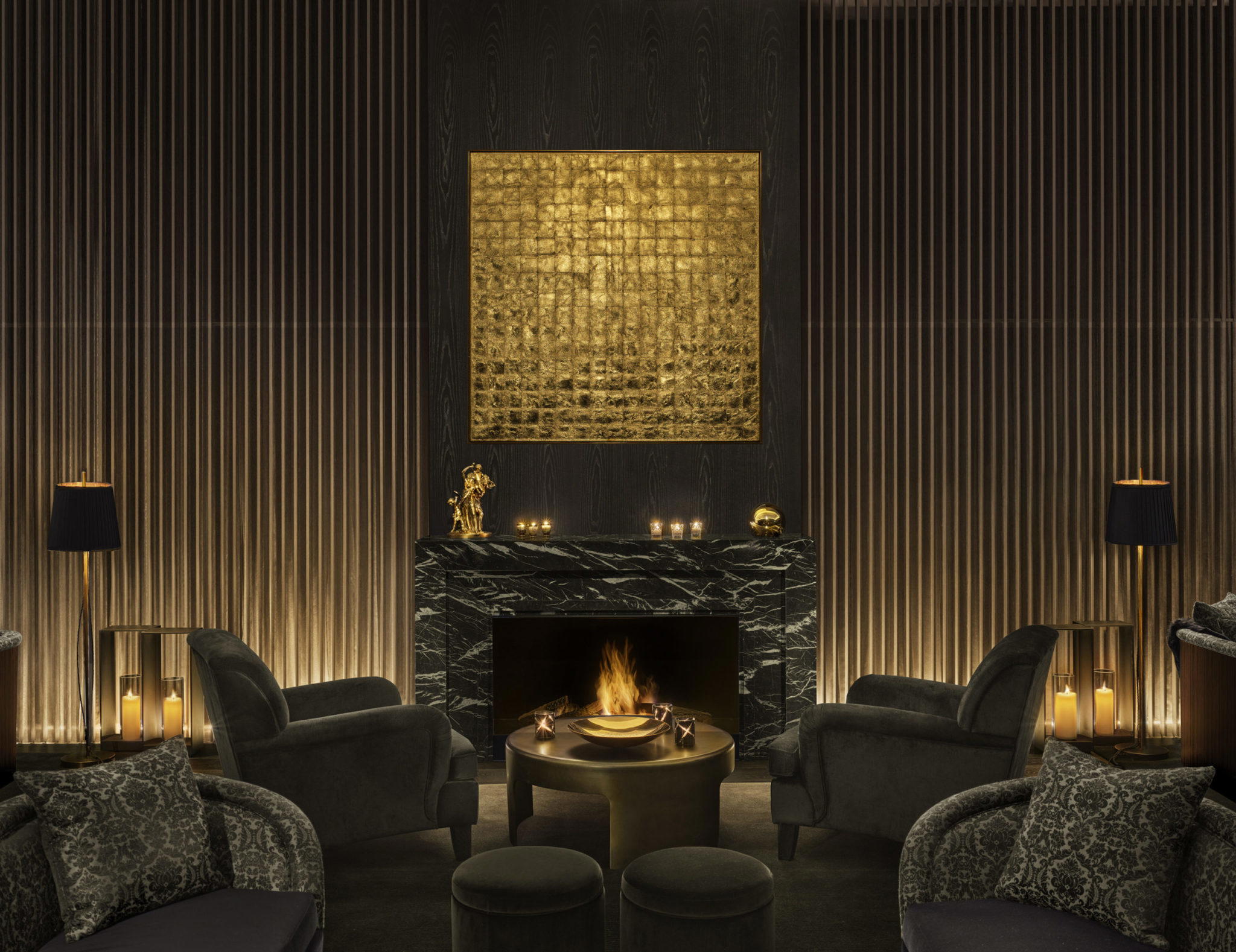
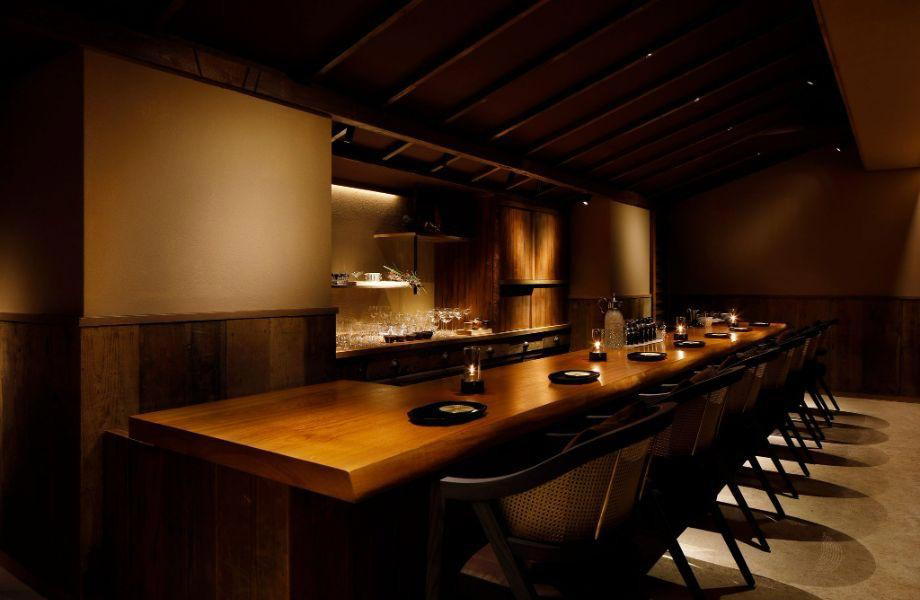
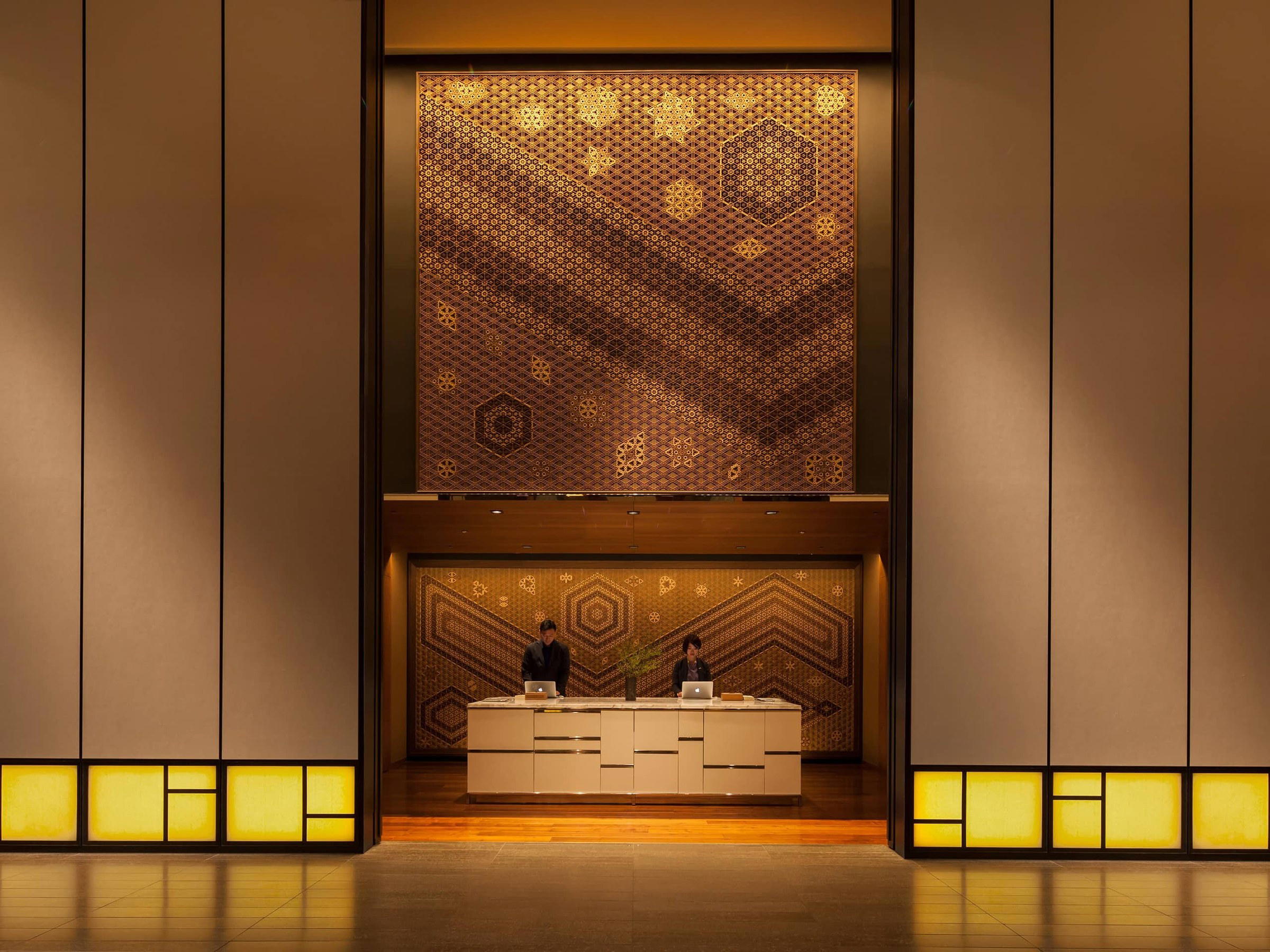
Details
- Lively
- Casual
- Modern
- Cozy
- Group Dining
- Family
- Casual Hangout
- After Work
- Solo
- Standalone
- A La Carte
- Set Menu
- Buffet
- Vegetarian Friendly
- Vegan Options
- Halal
Current opening hours
- Monday
- 11 AM–2:30 PM, 5:30–10 PM
- Tuesday
- 11 AM–2:30 PM, 5:30–10 PM
- Wednesday
- 11 AM–2:30 PM, 5:30–10 PM
- Thursday
- 11 AM–2:30 PM, 5:30–10 PM
- Friday
- 11 AM–2:30 PM, 5:30–10 PM
- Saturday
- 11 AM–2:30 PM, 5:30–10 PM
- Sunday
- 11 AM–2:30 PM, 5:30–10 PM
Hours can change for holidays and private events. Hours as of .
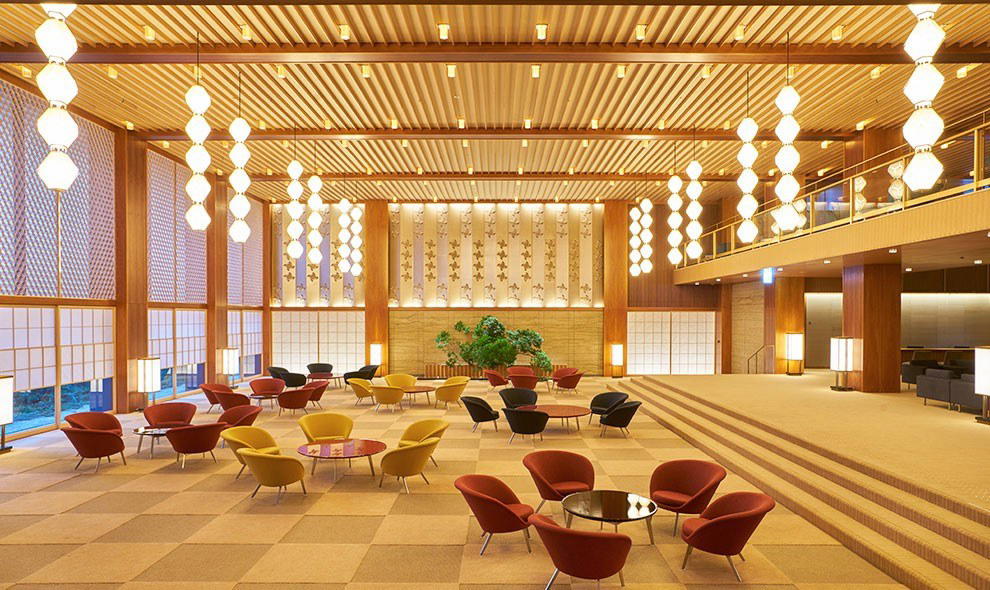
Casual, brightly lit neighborhood Indian restaurant with a functional modern interior; atmosphere is lively at meal times and focused on enjoying generous South Indian set meals and dosa in a relaxed, family-friendly setting.