
PondyBhavan Musashi nitta places South Indian cooking inside Tokyo’s broader, deeply competitive curry and ethnic-dining circuit rather than the city’s luxury restaurant lane. Its Tabelog 100 selections across curry and Asian/ethnic categories, compact 22-seat room, and Pondicherry chef connection make it a serious address for diners tracking regional Indian food beyond central Tokyo.
Pearl is the En Primeur Club membership app — saves, bookings, and concierge access live there. Same editors, same standards.
- Address
- Japan, 〒146-0093 Tokyo, Ota City, Yaguchi, 1 Chome−7−9 第三伊和起ビル
- Phone
- +81 3-6715-2888
- Website
- pondybhavan.gorp.jp
- Directions
- Get directions
 Saves & bookings on Pearl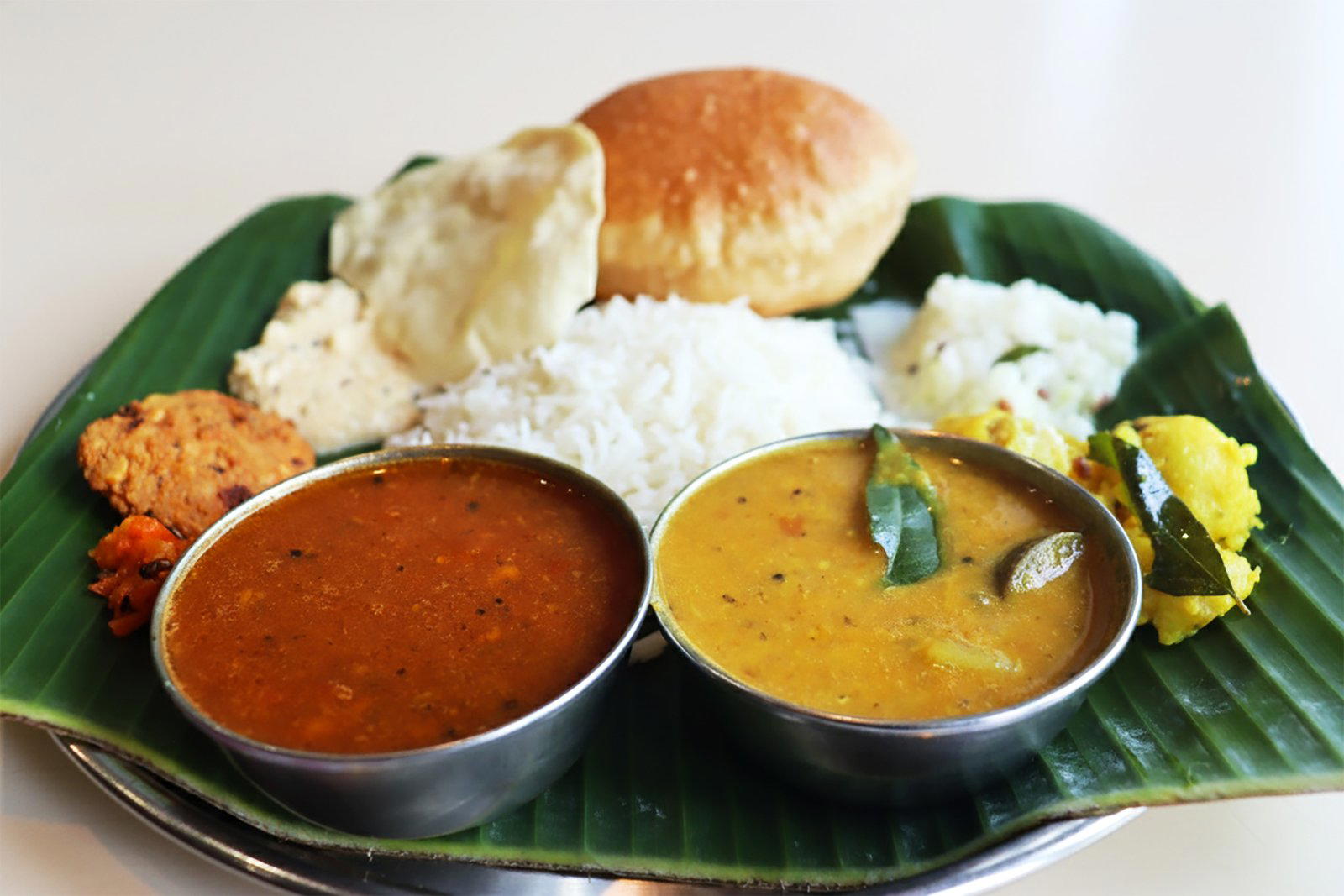
Musashi Nitta is not the Tokyo most visitors picture for dinner. The station sits in Ota Ward, away from hotel corridors and tasting-menu districts, so meals feel closer to neighbourhood routine than destination theatre. Here, PondyBhavan Musashi nitta represents a quieter Tokyo dining strand, where regional cooking earns attention through consistency, repeat custom, and specialist recognition rather than staging.
Tokyo’s Indian restaurant scene reaches beyond curry-rice shorthand: North Indian grills, Japanese curry shops, canteen-style lunch counters, South Indian tiffin formats, and spice-led health menus serve different diners. The South Indian lane is narrower and more demanding: rice-based breads, lentil cookery, sourness, heat, and vegetables carry more of the meal than cream or grilled meat. PondyBhavan Musashi nitta sits in that lane, with Indian, Indian curry, and medicinal cooking listed as categories.
South Indian cooking in a Tokyo curry city
Read this address through Tokyo’s appetite for curry, not fine-dining hierarchy. A dinner budget of JPY 2,000 to JPY 2,999 and lunch below JPY 999 put it far from Ginza counters or hotel restaurants. It suits diners who know Tokyo’s casual food culture can be exacting, and who treat a train ride to Ota as normal eating logistics.
The awards trail supports that claim. The restaurant was selected for Tabelog Curry TOKYO 100 in 2019 and 2020, then for Tabelog Asian cuisine / Ethnic cuisine TOKYO 100 in 2022, 2023, and 2024. The progression suggests a place first read through curry, then folded into a wider ethnic-dining category as Tokyo’s classification of non-Japanese regional cooking became more nuanced.
Chef detail explains the regional anchor. Public listings describe South Indian cuisine by a chef from Pondicherry, a former French colonial city on India’s southeastern coast, with food shaped by Tamil, coastal, and cross-cultural influences. That does not make every dish a geography lesson, but separates the restaurant from Tokyo curry rooms built around generalized Indian menus.
For readers mapping Tokyo by category rather than neighbourhood, this is the same city that holds specialist curry shops such as 3 Chome no Curry Ya San, visual-concept cafés like 2D Cafe, yakitori destinations such as 124. KAGURAZAKA (Yakitori), and grill-led rooms including . 鮪と炭火焼き うお炭 秋葉原店. PondyBhavan Musashi nitta belongs to Tokyo’s habit of narrow specialization, not a generic international-food bracket.
The reservation calculus is about scale, not ceremony
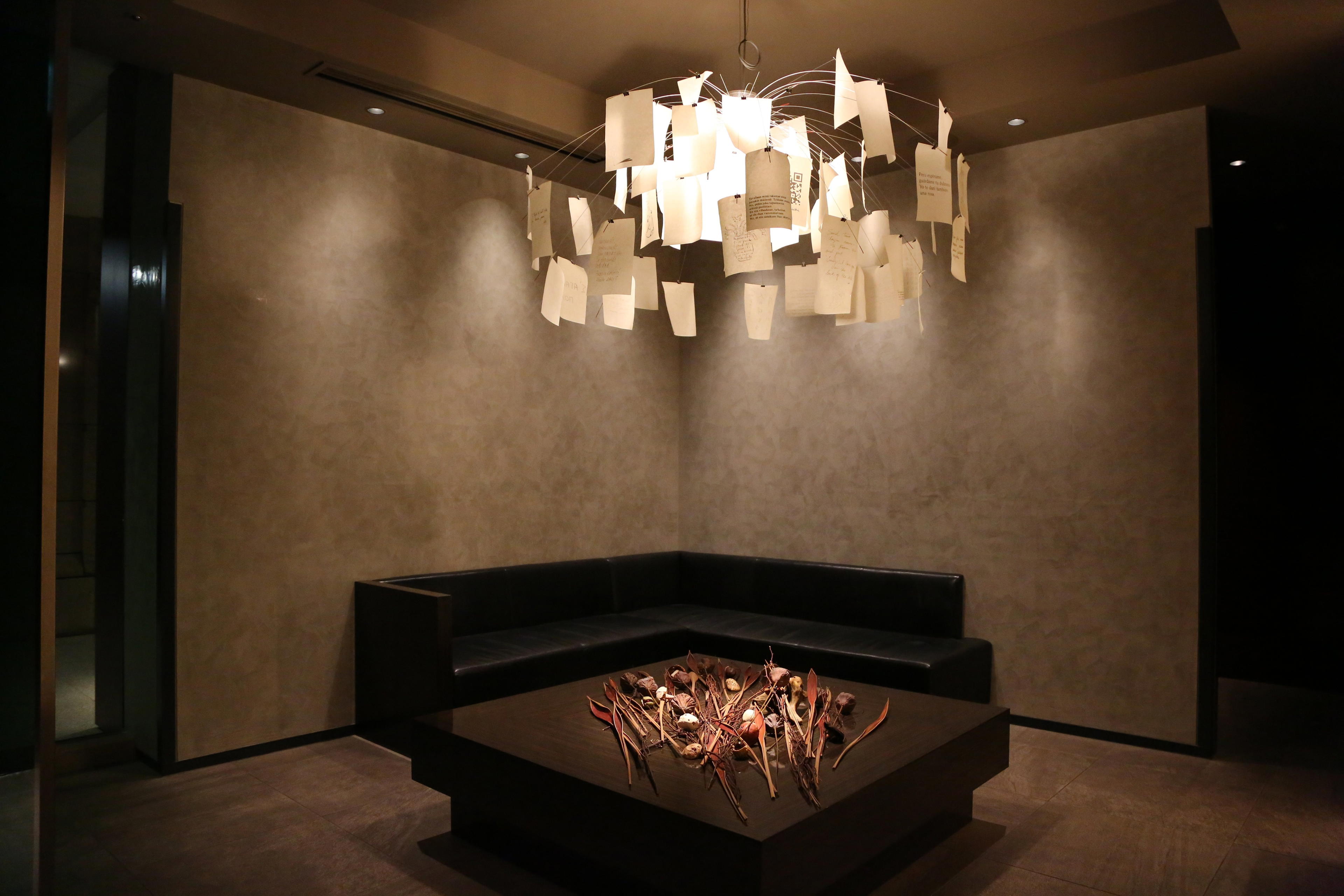
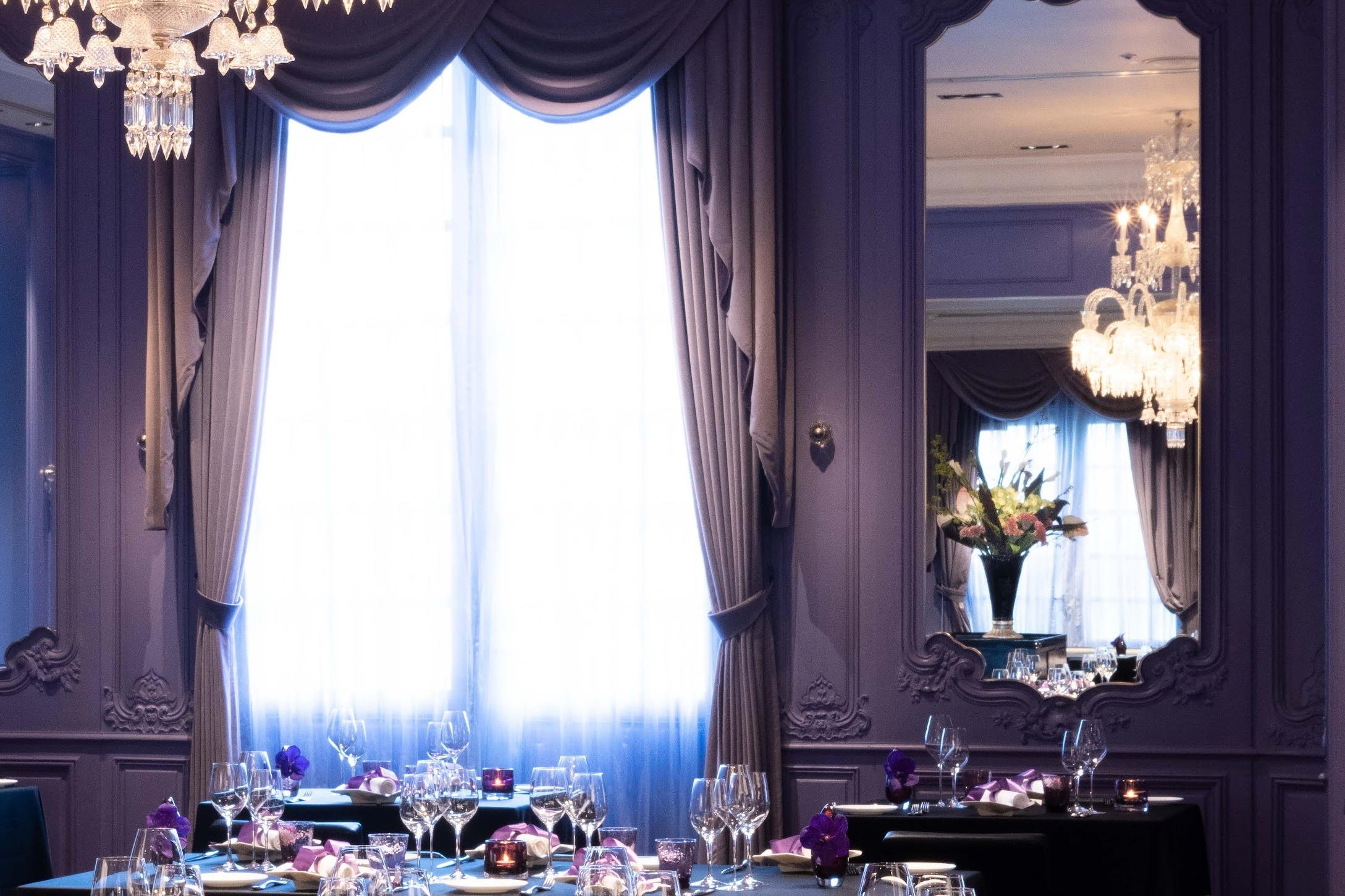
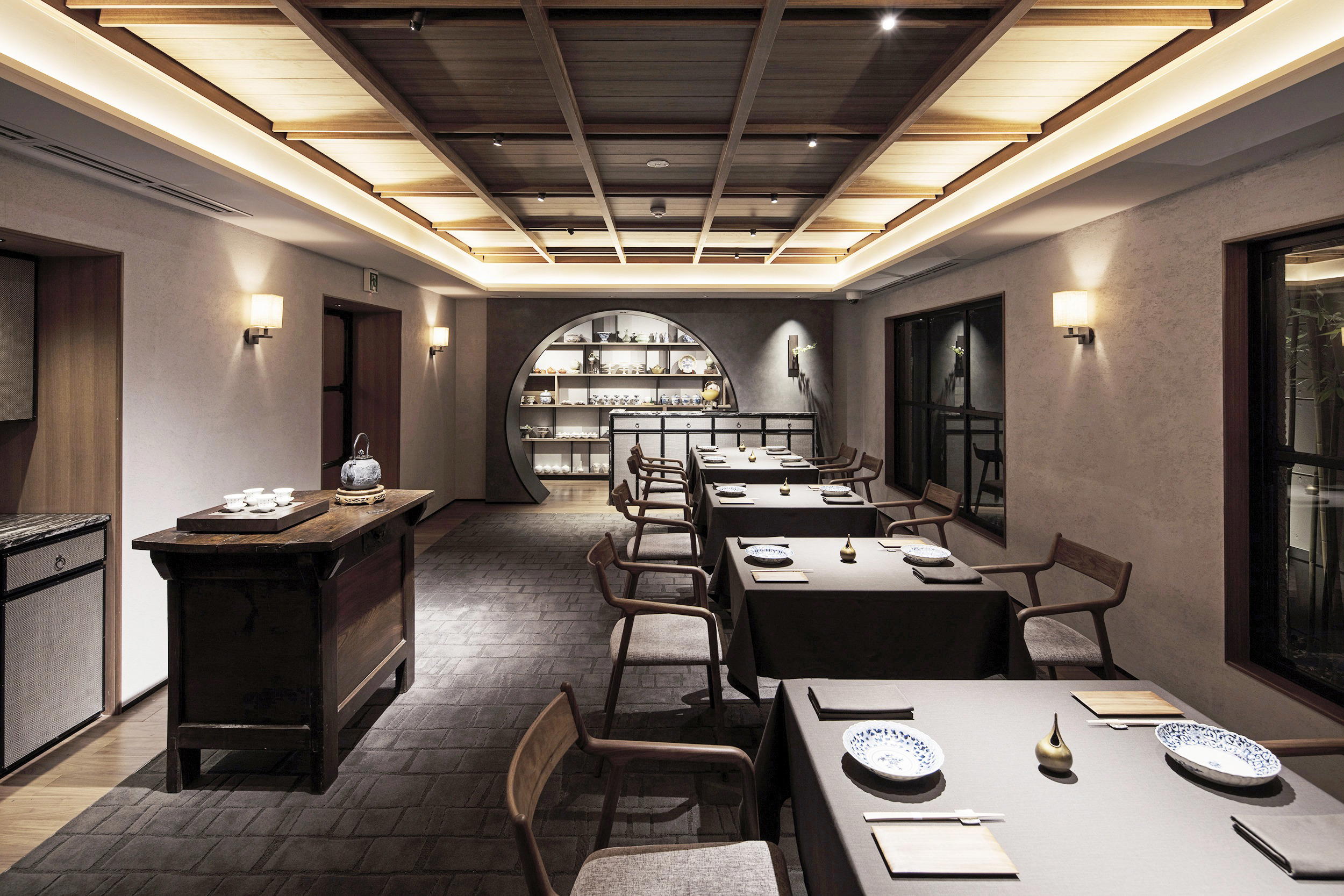
The room has 22 seats, all table seating for two to six people, with private use available up to 20. This is not a sprawling hall where a late decision disappears into capacity; it is a small neighbourhood restaurant with limited tables and a following strong enough for repeated Tabelog curated lists. Treat it as a planned meal, especially for groups.
The format explains the social fit. Public listings associate it with meals among friends, take-out, and parties over 2.5 hours, closer to relaxed shared dining than counter-driven Tokyo sushi or kappo. Wine is listed among drinks, a sign that it is not merely a quick curry stop, even if the price band remains accessible.
Against other casual Tokyo names in similar spend ranges, the positioning is sharper. THE LIVING is listed at JPY 2,000 to JPY 2,999, Natsuya no Chuka Soba around JPY 1,000 to JPY 1,999, and Okonomiyaki Fukutake also at JPY 1,000 to JPY 1,999. Jinenbo runs higher, while Tonkatsu Enraku occupies a tonkatsu lane. These restaurants are not interchangeable; Tokyo’s lower and mid-price tiers contain highly specific formats. PondyBhavan Musashi nitta’s specificity is South Indian and curry-led, with a medicinal-food tag signalling a health-conscious subset rather than luxury posture.
That helps travellers decide how to use it. This is not a grand finale after department-store browsing. It makes more sense as a targeted detour for diners comfortable crossing Tokyo by rail, or repeat visitors who have exhausted the central-city checklist and want to see how regional Indian cooking fits everyday Tokyo dining.
Why Ota Ward changes the read
Location shapes expectation. Ota Ward is less internationally mythologised than Shinjuku, Ginza, or Nihonbashi, which can help diners: restaurants are judged by practical repeatability, value, clear format, and local return custom. A Tabelog score of 3.57 is not a headline alone, but combined with repeated 100-list selections, it evidences sustained category approval.
The long operating history adds another signal. The opening date is listed as February 15, 2010, placing the restaurant well beyond novelty. In a city where small independent restaurants can disappear quickly under rent, staffing, and shifting commuter patterns, more than a decade in a specialist category carries editorial weight.
Practical boundaries matter. Parking and private rooms are unavailable; payment includes cards, electronic money, and QR code options; and smoking is allowed under the listed house policy. These details suit diners comfortable with compact, rules-specific Tokyo neighbourhood restaurants more than those seeking a frictionless hotel-concierge experience.
For broader planning, use the restaurant as one point in a wider Tokyo food map, not a standalone trophy. The city’s range is clearer through clusters and contrasts: 12/10 Shinjuku ten for a different central-city rhythm, Our full Tokyo restaurants guide for the broader dining edit, Our full Tokyo hotels guide for where to base the trip, Our full Tokyo bars guide for after-dinner planning, Our full Tokyo wineries guide for wine-focused detours, and Our full Tokyo experiences guide for cultural structure around meals.
The comparison also travels beyond Tokyo. Regional Japanese dining rewards specificity in places as different as -Grilled beef Sukiyaki- KAMAKURA TANUKIAN 鎌倉 たぬき庵 in Kamakura.cafe in Osaka.know in Kumamoto, (Shoku) Vietnam in Kawasaki, [Curry Senmon Ten] Maruyama Kyoju. in Sapporo, and [ki:] in Kyoto. For transpacific context, Jōdo Saké Bar in Los Angeles and Onigiri Time in Pasadena show how Japanese and Asian dining formats shift outside Japan.
The editorial case is simple: this is a small, category-recognised South Indian restaurant in an outer Tokyo ward, priced for regular use rather than ceremony, and backed by repeated Tabelog 100 selections. For travellers who know Tokyo’s serious food culture extends beyond luxury counters, that justifies the detour.
Cuisine and Awards Snapshot
Comparable venues at a glance for context.
| Venue | Cuisine | Price | Notes |
|---|---|---|---|
| PondyBhavan Musashi nitta | Traditional South Indian restaurant | $$ | Ōta |
| BLOCK HOUSE Suiyou Curry | Creative Indian-style curry house (Wednesday-only) | $$ | Shibuya |
| Eric South Masala Diner | Modern South Indian diner & curry house | $$ | Shibuya |
| ERICK SOUTH Toranomon hiruzu ten | South Indian curry & biryani | $$ | Minato |
| COCHIN NIVAS | South Indian curry house | $$ | Shinjuku |
| Spicy Curry House Ginza Hangetsu | Indian Curry House | $$ | Chūō |
Recognition history
Dated appearances from independent guides and award organizations, with the underlying list record or original source where available.
Tabelog 100 #52 · No. 52
Tabelog · Tabelog 100 - Asian cuisine / Ethnic cuisine - TOKYO - 2024








At a Glance
- Cozy
- Intimate
- Casual Hangout
- Family
- Group Dining
- Celebration
- Solo
- After Work
- Standalone
Current opening hours
- Monday
- 11 AM–3 PM, 5:30–10 PM
- Tuesday
- 11 AM–3 PM, 5:30–10 PM
- Wednesday
- 11 AM–3 PM, 5:30–10 PM
- Thursday
- 11 AM–3 PM, 5:30–10 PM
- Friday
- 11 AM–3 PM, 5:30–10 PM
- Saturday
- 11 AM–3 PM, 5:30–10 PM
- Sunday
- 11 AM–3 PM, 5:30–10 PM
Hours can change for holidays and private events. Last verified .