SukiFood
Our verdict
Almere's Dining Scene and Where SukiFood Fits Almere occupies an unusual position in the Netherlands: a planned city built almost entirely from scratch on reclaimed polder land, now home to more than 220,000 residents and a food scene that has...

Pearl is the En Primeur Club membership app — saves, bookings, and concierge access live there. Same editors, same standards.
- Address
- Globeplein 3, 1334 BS Almere, Netherlands
- Phone
- +31629147357
- Hours
- Daily 12–10 PM
- Website
- sukifood.nl
- Directions
- Get directions
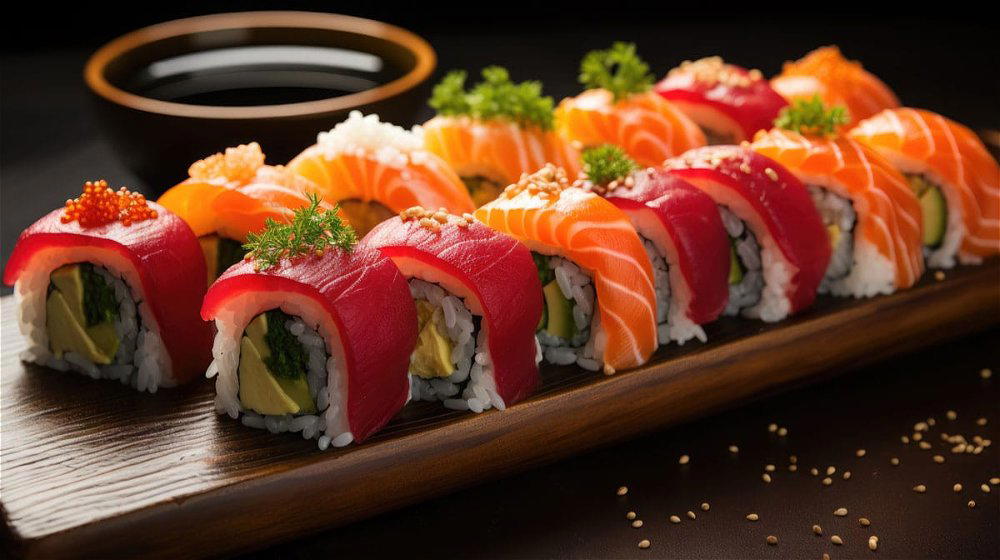
Almere's Dining Scene and Where SukiFood Fits
Almere occupies an unusual position in the Netherlands: a planned city built almost entirely from scratch on reclaimed polder land, now home to more than 220,000 residents and a food scene that has grown in pace with its population rather than its culinary reputation. The city sits roughly 25 kilometres east of Amsterdam, close enough to draw comparisons but operating with its own internal logic. Dining here ranges from international fast-casual formats clustered around the main station to a quieter set of independent restaurants in residential districts. SukiFood, located at Globeplein 3 in Almere, occupies the latter category: a neighbourhood-facing address in the Muziekwijk area, away from the high-street corridor.
In a city where the restaurant stock skews heavily toward accessible, family-oriented formats, a venue whose name references sukiyaki or broader East Asian hot-pot tradition signals something deliberate about ingredient sourcing and cooking approach. That framing matters in Almere more than it might in a city with a denser specialist food culture, because the baseline assumption here is convenience rather than provenance.
The Logic of Hot-Pot in a Dutch New Town
Hot-pot formats, whether Japanese shabu-shabu, Chinese huoguo, or Korean jeongol, are built around the sourcing premise that the ingredient speaks before the technique does. The broth is infrastructure; what matters is what goes into it. Thinly sliced beef, seasonal vegetables, and hand-prepared accompaniments carry the full weight of the meal. This is a format where a supplier relationship is visible on the plate in a way that is harder to obscure than in a sauce-heavy dish.
That tradition has found traction across Western European cities with significant East and Southeast Asian communities, partly because the communal format translates well across cultural contexts and partly because the sourcing logic appeals to a generation of diners who want to see the ingredient rather than have it concealed. In the Netherlands specifically, where De Nieuwe Winkel in Nijmegen has made ingredient provenance the organizing principle of a two-Michelin-star kitchen, and where De Lindehof in Nuenen grounds its contemporary Dutch menu in regional producer relationships, the sourcing conversation is not confined to fine dining. It runs through the whole spectrum.
What the Address Tells You
Globeplein 3 is a practical address in a practical part of Almere: accessible by public transport from Almere Centrum station (roughly a 10-to-15-minute journey depending on route), and set within a residential district that generates its own foot traffic independent of tourists or day-trippers from Amsterdam. That geography shapes the clientele. A venue here is feeding neighbours and regulars, not passing trade, which tends to impose its own discipline on consistency and value.
The Dutch restaurant tier below the Michelin-starred bracket, which includes venues like Aan de Poel in Amstelveen at the accessible end of the fine-dining conversation and Tribeca in Heeze at a similar mid-to-upper register, is where most diners actually spend their restaurant budgets. SukiFood operates below that starred tier and closer to the neighbourhood independent category, where the competitive pressure is on repeat visits rather than destination draws.
For a broader picture of where SukiFood sits within Almere's wider restaurant offering, our full Almere restaurants guide maps the city's dining character by district and format. Nearby, Afrikaans Restaurant Seni represents the kind of independent, cuisine-specific operator that has started to give Almere's food scene more texture.
Sourcing as the Central Argument
The ingredient-sourcing logic of Asian hot-pot formats is worth taking seriously as a critical frame rather than a marketing one. When a restaurant's format depends on uncooked or lightly cooked protein presented at the table, the supply chain is not hidden behind a preparation technique. Diners interact with the raw material directly, which means quality differences between sourcing tiers are immediately perceptible. A thinly sliced piece of beef over a charcoal flame or a clear dashi broth has nowhere to hide.
This is a different kind of transparency from the farm-to-table rhetoric that has attached itself to contemporary Dutch fine dining. At venues like De Groene Lantaarn in Staphorst or De Lindenhof in Giethoorn, ingredient sourcing is a stated philosophical position, typically communicated through tasting menu narratives and producer credits on printed menus. In a neighbourhood hot-pot setting, the argument is more direct: the sourcing either shows up in the bowl or it does not.
Internationally, the format has attracted serious culinary attention. The clarity of technique at Le Bernardin in New York City and the Korean-influenced precision at Atomix in New York City demonstrate how rigorously sourcing-led approaches can be executed at the highest level. SukiFood operates in a different register entirely, but the underlying sourcing logic that structures formats like theirs connects to the same principle: identify the leading available ingredient, then apply the minimum technique required to present it well.
The Broader Netherlands Context
Dutch dining at the leading end has concentrated its Michelin recognition in a handful of cities and smaller towns: De Librije in Zwolle, 't Nonnetje in Harderwijk, Ciel Bleu in Amsterdam, De Bokkedoorns in Overveen, Inter Scaldes in Kruiningen, FG in Rotterdam, Brut172 in Reijmerstok, and De Treeswijkhoeve in Waalre. Almere is not in that cluster. The city's restaurant culture is younger, more diverse, and significantly less dependent on any single culinary tradition. That makes it a more interesting territory than its reputation suggests, precisely because the formats operating here are building audiences from scratch rather than inheriting a dining culture.
Asian dining formats in particular have grown across mid-sized Dutch cities as population demographics have shifted and as second-generation immigrant communities have created demand for regional specificity rather than generalized pan-Asian menus. The gap between what a city like Almere's residents want to eat and what its restaurant stock has historically offered is narrowing. Venues that occupy that gap with genuine category focus are positioned to build durable regulars before the competition catches up.
Planning Your Visit
SukiFood is at Globeplein 3, 1334 BS Almere. Public transport access from Almere Centrum is practical, and the Muziekwijk area is navigable on foot from nearby bus stops. Given the neighbourhood setting and the format, this is a venue suited to groups and family meals rather than solo counter dining.
Frequently asked questions
Can I bring kids to SukiFood?
Hot-pot formats are inherently table-centred and interactive, which tends to suit families well. The Globeplein 3 address in Almere is accessible by public transport and in a walkable neighbourhood, so arriving with children is practical. For specific seating arrangements or high-chair availability, check the venue's official channels before your visit.
What kind of setting is SukiFood?
SukiFood occupies a ground-floor address at Globeplein 3 in the Muziekwijk area of Almere, a planned district built on reclaimed polder land roughly 10 to 15 minutes from Almere Centrum station on foot. The format is centred on communal hot-pot dining, which shapes the room toward shared tables and active cooking at the table rather than plated service. The atmosphere follows the format: participatory rather than formal.
Is SukiFood in Almere a good option for groups wanting Asian hot-pot in the greater Amsterdam area?
Almere sits around 25 kilometres east of Amsterdam by rail, making SukiFood at Globeplein 3 one of the more accessible hot-pot destinations outside the capital for travellers already in the region. Hot-pot formats are well suited to groups of four or more, since the shared broth structure scales naturally to larger tables. Almere's dining scene skews toward neighbourhood practicality rather than destination gastronomy, which means SukiFood operates in a city with limited direct competition in the Asian hot-pot category.
What dish is SukiFood famous for?
The name itself signals the offer: suki is shorthand for sukiyaki and the broader family of Japanese and Asian hot-pot cooking. That format, where diners cook ingredients in a shared simmering broth at the table, is the central proposition. The sourcing logic of hot-pot places the quality of raw ingredients at the centre of the experience rather than kitchen plating or sauce work.
How do I find SukiFood?
SukiFood is located at Globeplein 3, 1334 BS Almere, Netherlands, Almere.
Can I walk in to SukiFood?
No booking data is currently confirmed for SukiFood, so walk-in availability cannot be stated with certainty. The venue is at Globeplein 3 in Almere, reachable from Almere Centrum station in roughly 10 to 15 minutes on foot. Arriving off-peak or contacting the restaurant ahead of your visit is the practical approach until reservation policy details are confirmed.
Comparable Spots, Quickly
Comparable venues nearby, for context on price, style, and recognition.
| Venue | Cuisine | Price | Notes |
|---|---|---|---|
| SukiFoodThis venue — the venue you are viewing | Japanese Sushi & Wok | $10–20 | Not listed |
| Afrikaans Restaurant Seni | Authentic African & Eritrean | $30–50 | Almere haven |
| Hakata Senpachi | Traditional Japanese Yakitori Izakaya | $50–100 | Wielingenbuurt |
| The Red Sun | Japanese Fine Dining | $100–150 | Blaricum |
| Don Dining Kounosuke | Japanese Donburi | $20–30 | Westerkade |
| Kong Izakaya | Japanese Izakaya | Not listed | city center |
Continue exploring
More in Almere
Restaurants in Almere
Browse all →
Bars in Almere
Browse all →
Hotels in Almere
Browse all →
Wineries in Almere
Browse all →
Details
- Casual Hangout
- A La Carte
Current opening hours
- Monday
- 12–10 PM
- Tuesday
- 12–10 PM
- Wednesday
- 12–10 PM
- Thursday
- 12–10 PM
- Friday
- 12–10 PM
- Saturday
- 12–10 PM
- Sunday
- 12–10 PM
Hours can change for holidays and private events. Last verified .