

Sui Tang Li occupies the second floor of a Jing'An address on Shimen Road, where contemporary Chinese cooking earns dual recognition from Michelin (Plate, 2024 and 2025) and the Black Pearl guide (1 Diamond, 2025). At a ¥¥¥ price point, it sits in the mid-to-upper tier of Shanghai's Chinese Contemporary category, offering a multi-course format where classical references and modern technique share the same table.
Pearl is the En Primeur Club membership app — saves, bookings, and concierge access live there. Same editors, same standards.
- Address
- China, Shanghai, Jing'An, 366, Shimen Rd (No.1), 366号2层 邮政编码: 200041
- Phone
- +86 21 3216 8068
- Website
- thehousecollective.com
- Directions
- Get directions
 Saves & bookings on Pearl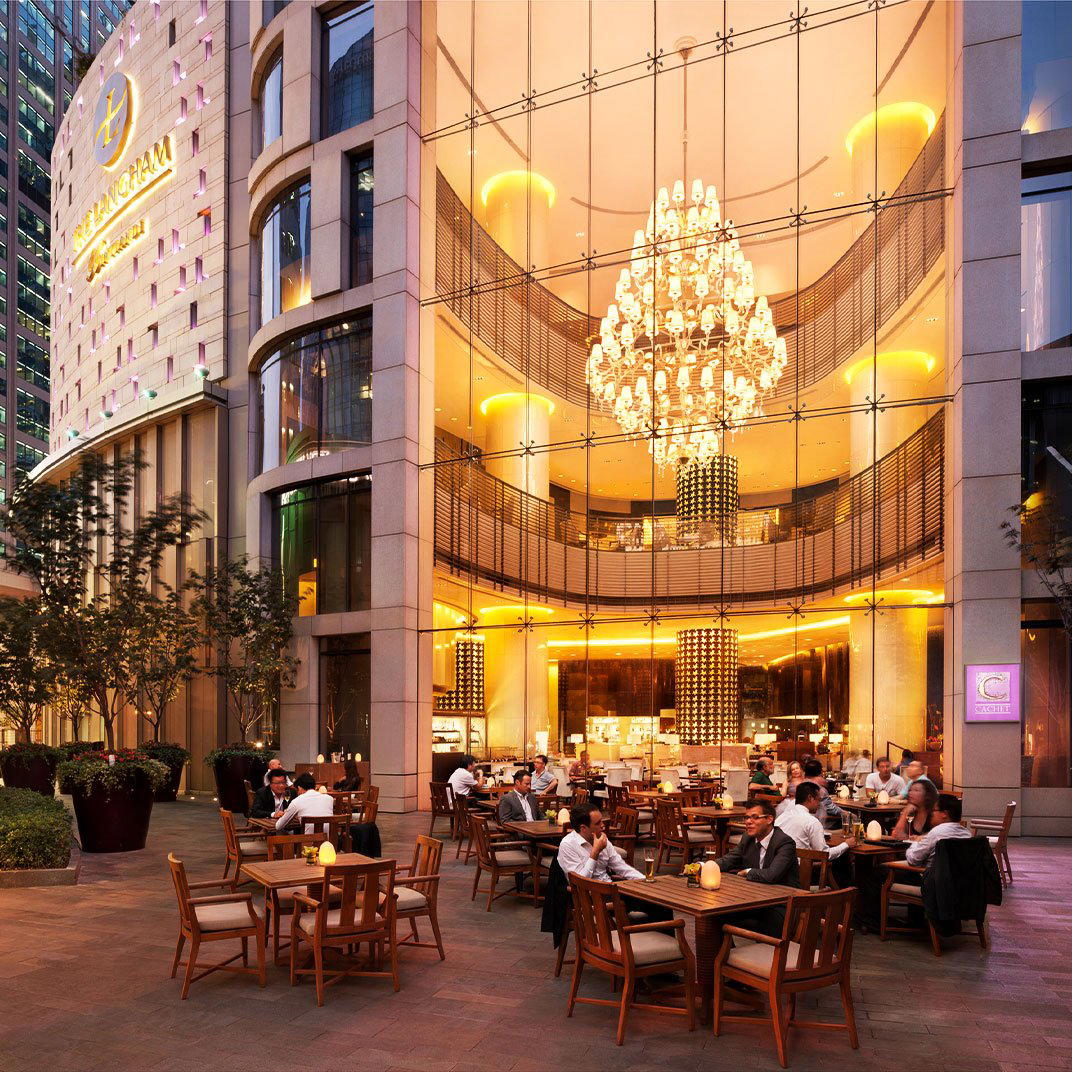
Second Floor, Jing'An: The Physical Setting as Editorial Statement
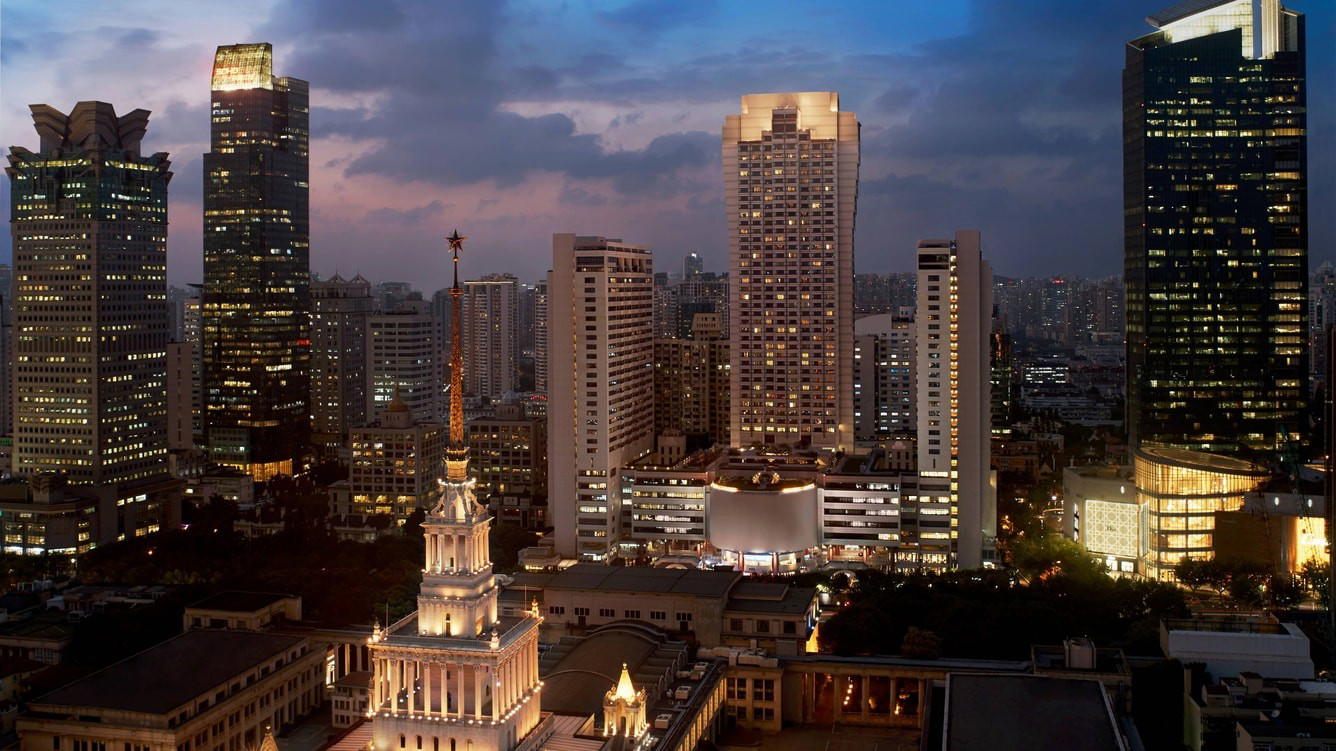
The second-floor position on Shimen Road (No. 1, 366号2层) already signals something about how Sui Tang Li wants to be read. In Shanghai's Jing'An district, where ground-floor visibility drives foot traffic for most mid-range dining, a restaurant that steps up a level is making a quiet but legible argument: come because you know to come, not because you happened to pass by. The neighbourhood itself has consolidated over the past decade into one of the city's most demanding dining corridors, a stretch where international flagships and serious Chinese kitchens compete for the same Thursday-evening reservations.
That competitive context matters. Shanghai's Chinese Contemporary category is crowded at every price point, and the ¥¥¥ tier specifically houses particularly contested tables in the city, places where classical regional cooking, technical reinvention, and aesthetic presentation all arrive on the same plate and are judged against each other. Sui Tang Li holds its position in that tier with two consecutive Michelin Plates (2024 and 2025) and a Black Pearl 1 Diamond recognition in 2025, a dual-guide endorsement that positions it at the more credentialled end of its price bracket without crossing into the ¥¥¥¥ category occupied by places like Fu He Hui (Vegetarian).
The Meal as Sequence: How the Kitchen Structures Its Argument
Contemporary Chinese restaurants in Shanghai, and across the broader Chinese fine-dining circuit in cities like Beijing, Hangzhou, and Chengdu, have largely moved away from the à la carte banquet model toward tighter, sequenced formats that force the kitchen to make editorial decisions about the meal's arc. This shift is significant: it transfers narrative control from the guest to the kitchen and asks the diner to trust a progression rather than build their own evening from a long menu card.
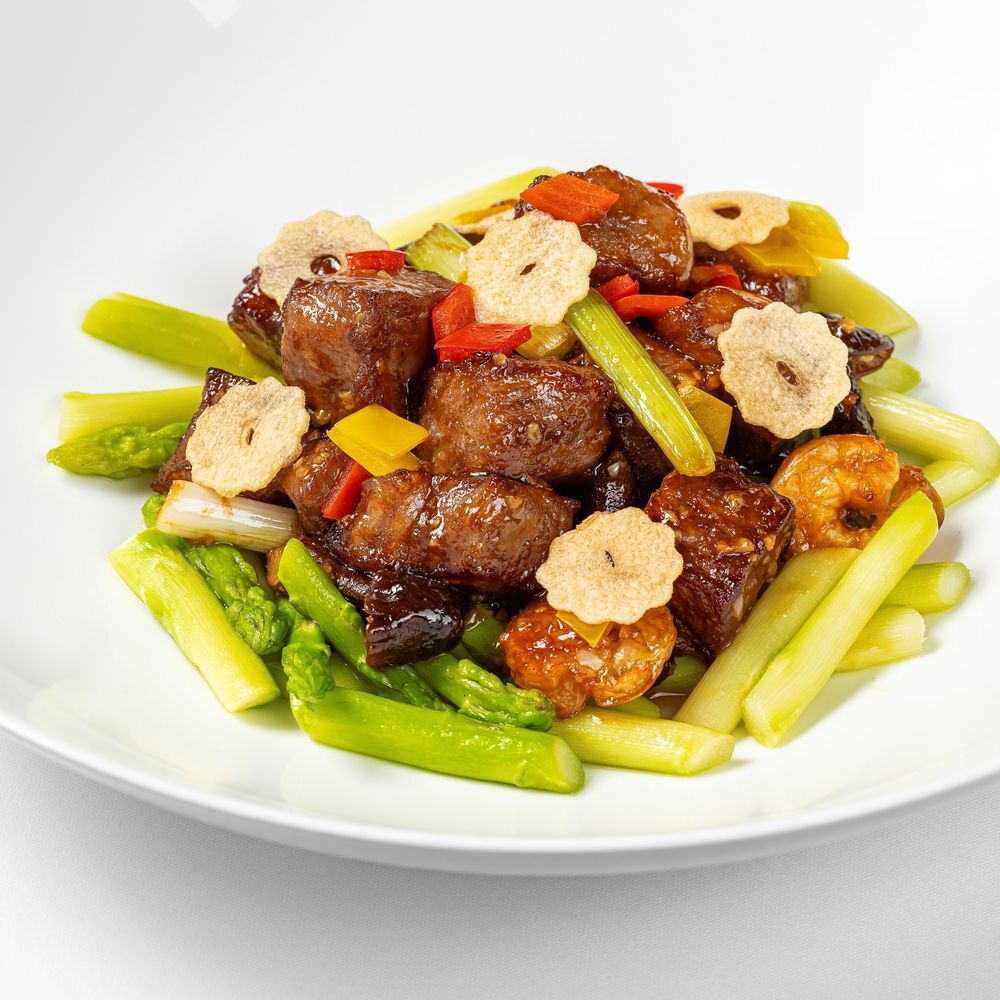
At Sui Tang Li, the cooking sits inside that sequenced framework. The name itself is a reference to the Tang dynasty (618 to 907 CE), one of Chinese civilisation's periods of greatest culinary and cultural exchange, when trade routes brought new ingredients into Chinese kitchens and court cooking developed into something approaching codified gastronomy. That historical anchor isn't decorative. It shapes how a meal here unfolds: dishes are positioned not as isolated technical exercises but as points in a longer cultural conversation, where classical references and contemporary method arrive together on the same ceramic.
The progression logic in Chinese Contemporary at this level typically moves from cold preparations and precise vegetable work through fermented and aged elements toward richer protein courses and finishes that return to restraint. The kitchen's ability to hold that arc without the meal collapsing into either nostalgia or novelty is what separates credentialled addresses from the merely fashionable ones. Two Michelin Plate recognitions in consecutive years suggest the execution is consistent enough to earn repeat evaluation, which in the Michelin system is a signal as meaningful as the first recognition.
Where Sui Tang Li Sits in the Shanghai Chinese Contemporary comparable set
To understand what the restaurant represents, it helps to map the competitive terrain it occupies. Shanghai's Chinese Contemporary dining has branched into at least three legible sub-tiers. The high-spectacle end is exemplified by addresses like Da Dong (Xuhui) and Gastro Esthetics at DaDong, where theatrical presentation and large format are part of the offer. The Cantonese-anchored mid-tier is represented by addresses like 102 House (Cantonese). Then there is the quieter, more editorial tier, restaurants where the physical scale is smaller, the format is tighter, and the dual-guide recognition signals that critics, rather than social-media virality, are the primary validation mechanism.
The restaurant belongs to that third group. For comparison, Hakkasan in Shanghai operates at a different scale and international brand logic entirely, making peer comparison with the restaurant approximate at leading.
Across the broader Chinese Contemporary category in mainland China, the Michelin-and-Black-Pearl dual endorsement pattern is increasingly the standard credentialling signal for restaurants operating at ¥¥¥ and above. You see the same pattern at addresses like Xin Rong Ji (Xinyuan South Road) in Beijing, Ru Yuan in Hangzhou, and Wild Yeast, Chinese Contemporary in Hangzhou. Across the region more broadly, comparable formal Chinese dining appears at Chef Tam's Seasons in Macau, Imperial Treasure Fine Chinese Cuisine in Guangzhou, and Dai Yuet Heen in Nanjing. The restaurant operates in the same credentialled tier as those addresses, calibrated specifically for Shanghai's Jing'An audience. For more on how Chengdu's Chinese Contemporary scene compares, see Xin Rong Ji in Chengdu.
Jing'An as Dining Neighbourhood
Jing'An has a particular character in Shanghai's dining geography. Unlike Xintiandi's heritage-block tourism pull or the French Concession's western-café density, Jing'An mixes residential density with corporate-district spending power in a way that sustains a specific kind of serious restaurant: mid-to-high price point, adult clientele, no particular obligation to be photogenic from the street. Shimen Road sits inside that logic. Reaching the address is direct from the Jing'An Temple or Shimen Yi Lu metro stations, both on Line 2 or Line 13 respectively, keeping it accessible from the central city without the transport complexity of peripheral dining districts.
Know Before You Go
- Address: 2F, 366 Shimen Road (No. 1), Jing'An, Shanghai 200041
- Price range: ¥¥¥ (mid-to-upper tier for Shanghai Chinese Contemporary)
- Awards: Michelin Plate 2024 and 2025; Black Pearl 1 Diamond 2025
- Cuisine: Chinese Contemporary
- Getting there: Jing'An Temple (Line 2) or Shimen Yi Lu (Line 13) are the closest metro options
- Booking: Reservations are essential.
Comparison Snapshot
Comparable venues nearby, for context on price, style, and recognition.
| Venue | Cuisine | Price | Awards | Notes |
|---|---|---|---|---|
| Sui Tang LiThis venue — the venue you are viewing | Modern Chinese Dim Sum | $$$$ | Michelin Plate | Not listed |
| Lin Jiang Yan | Modern Jiangzhe Cuisine | $$$$ | Michelin Plate | Lu Jia Du |
| Dong Ping Chao | Modern Cantonese Tasting | $$$$ | Michelin Plate | Da Pu Qiao |
| Wan Yan (Changning) | Anhui Cuisine | $$$$ | Michelin Plate | Jing'an |
| Chaimen Hui (Pudong) | Modern Sichuan | $$$ | Michelin Plate | Yanqiao Xiang |
| Madam Goose | Cantonese Roast Goose | $$$ | Not listed | Da Pu Qiao |
Recognition history
Dated appearances from independent guides and award organizations, with the underlying list record or original source where available.
Black Pearl 1 Diamond
Black Pearl
Black Pearl 1 Diamond
Black Pearl
Michelin Plate
Michelin
Michelin Plate
Michelin
At a Glance
- Modern
- Elegant
- Sophisticated
- Cozy
- Intimate
- Date Night
- Business Dinner
- Group Dining
- Special Occasion
- Open Kitchen
- Hotel Restaurant
- Extensive Wine List
- Garden
- Street Scene
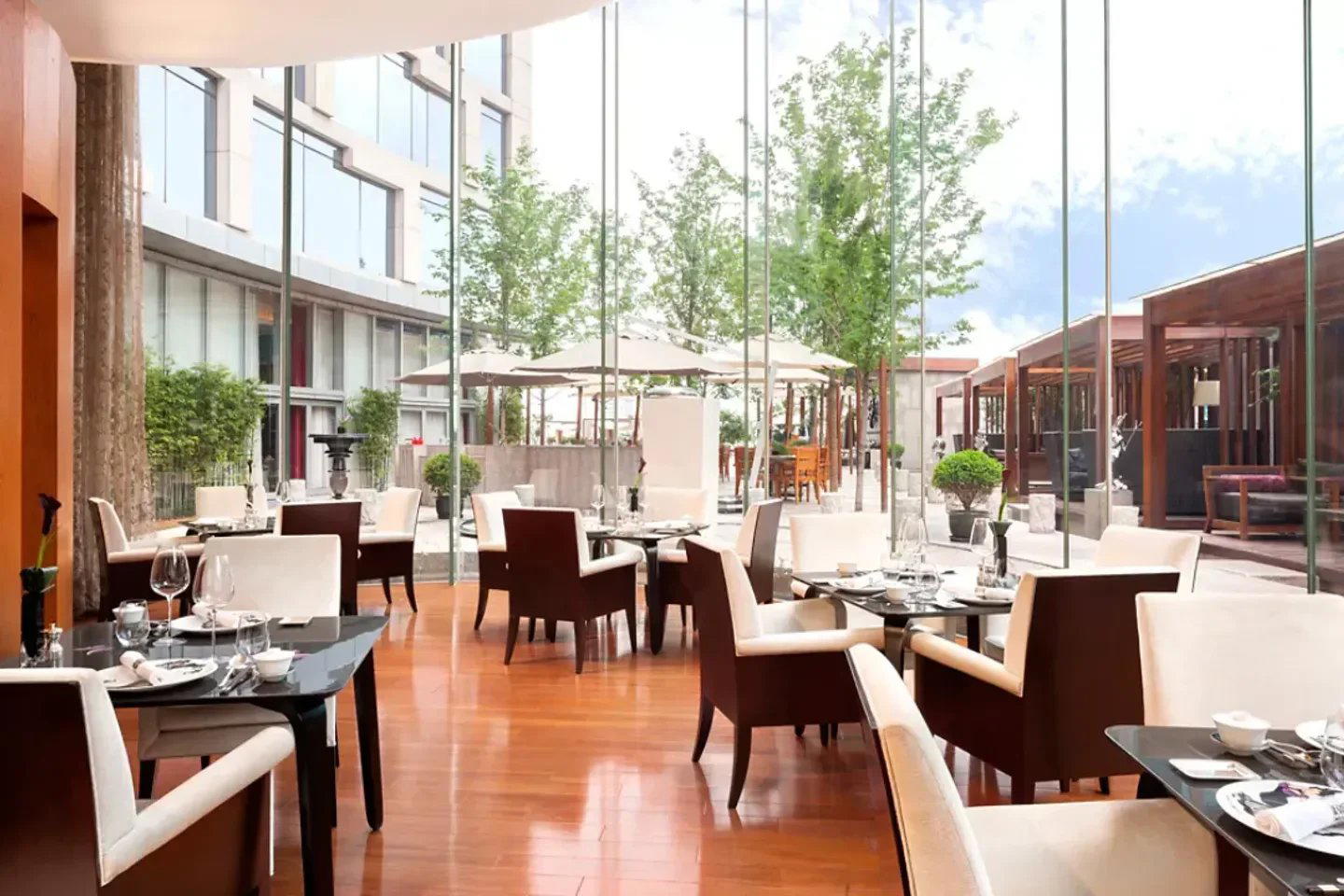
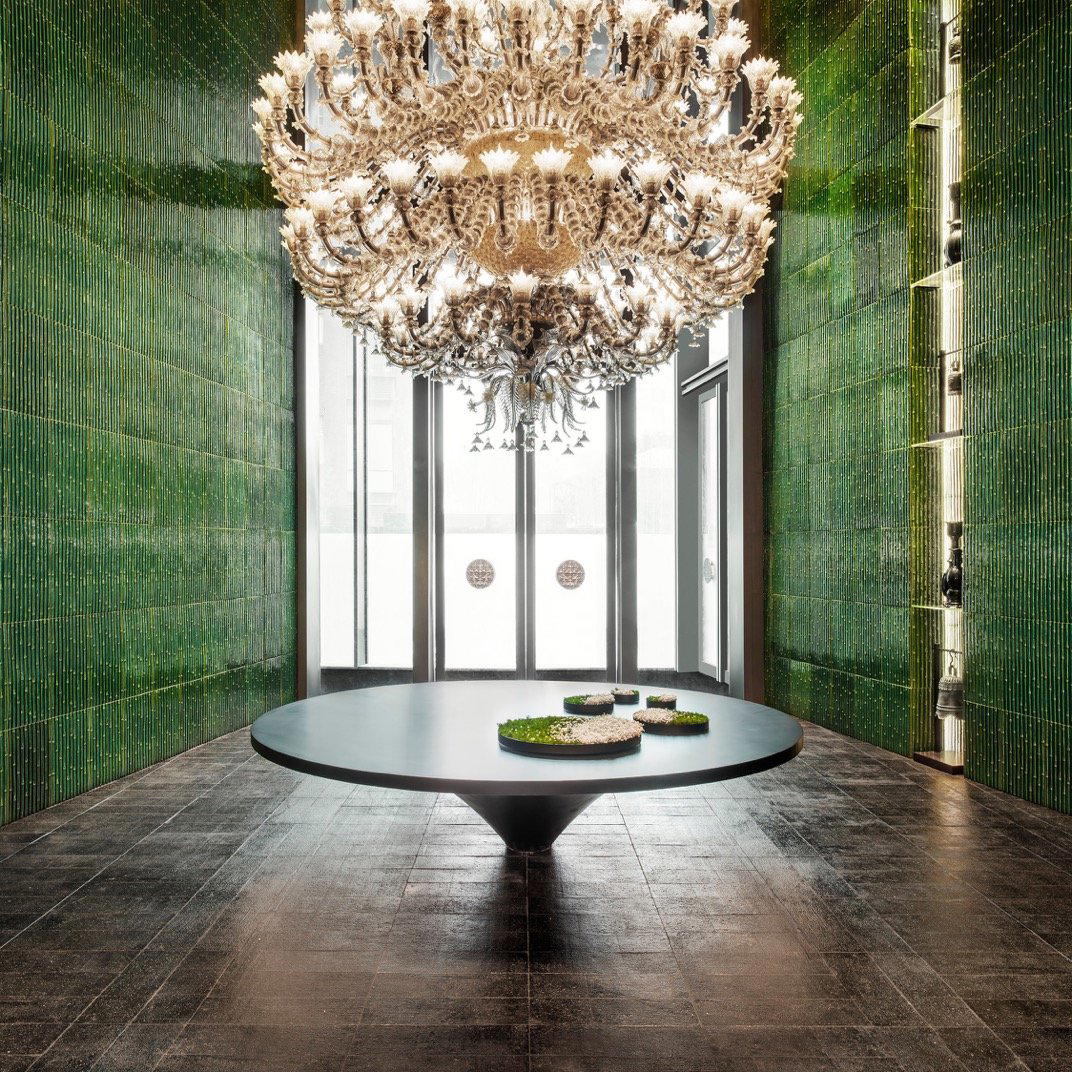
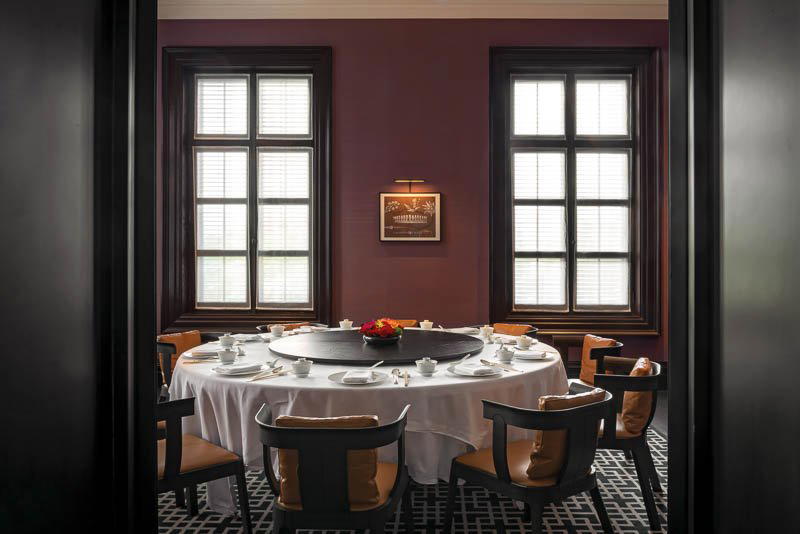
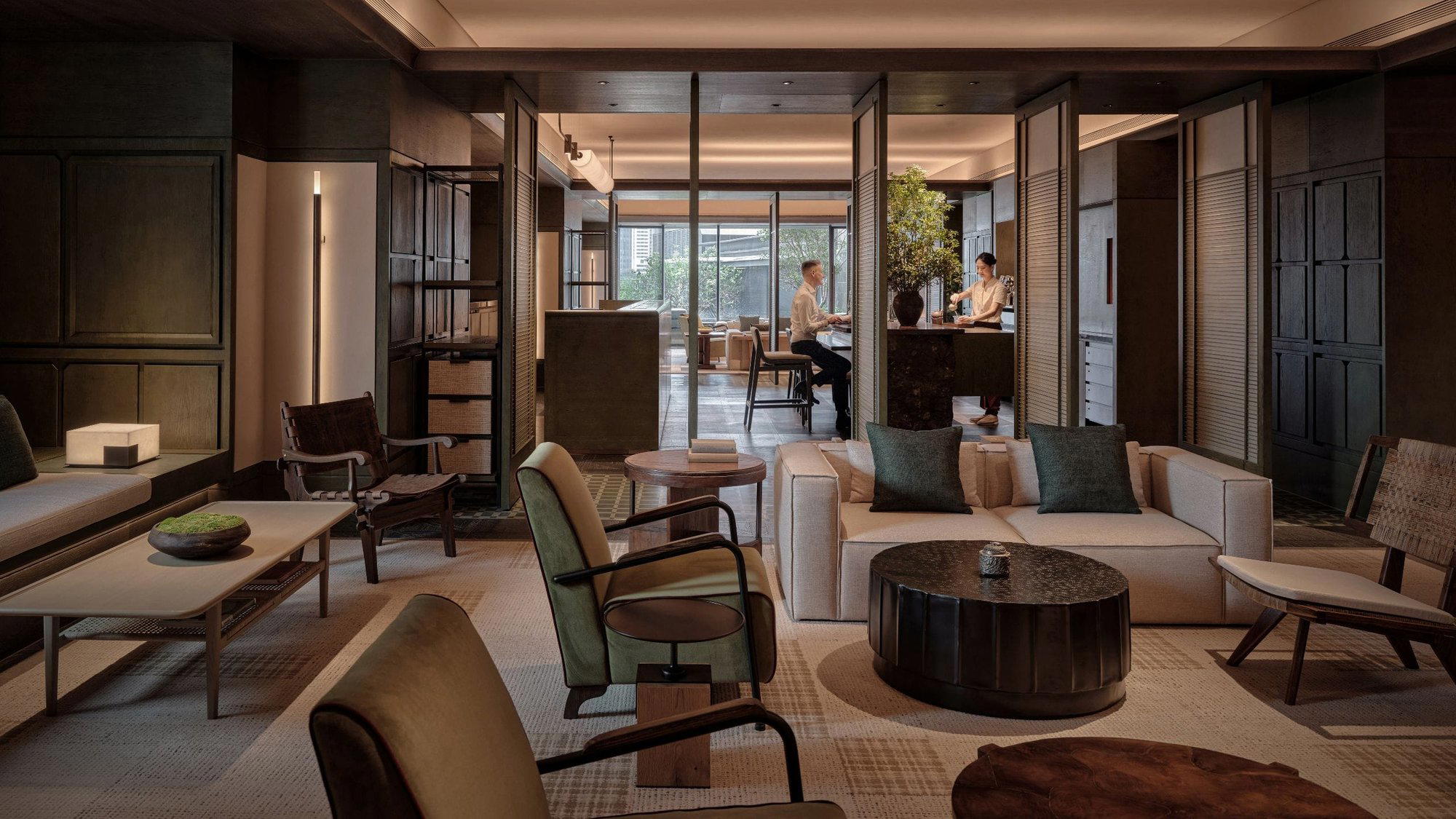
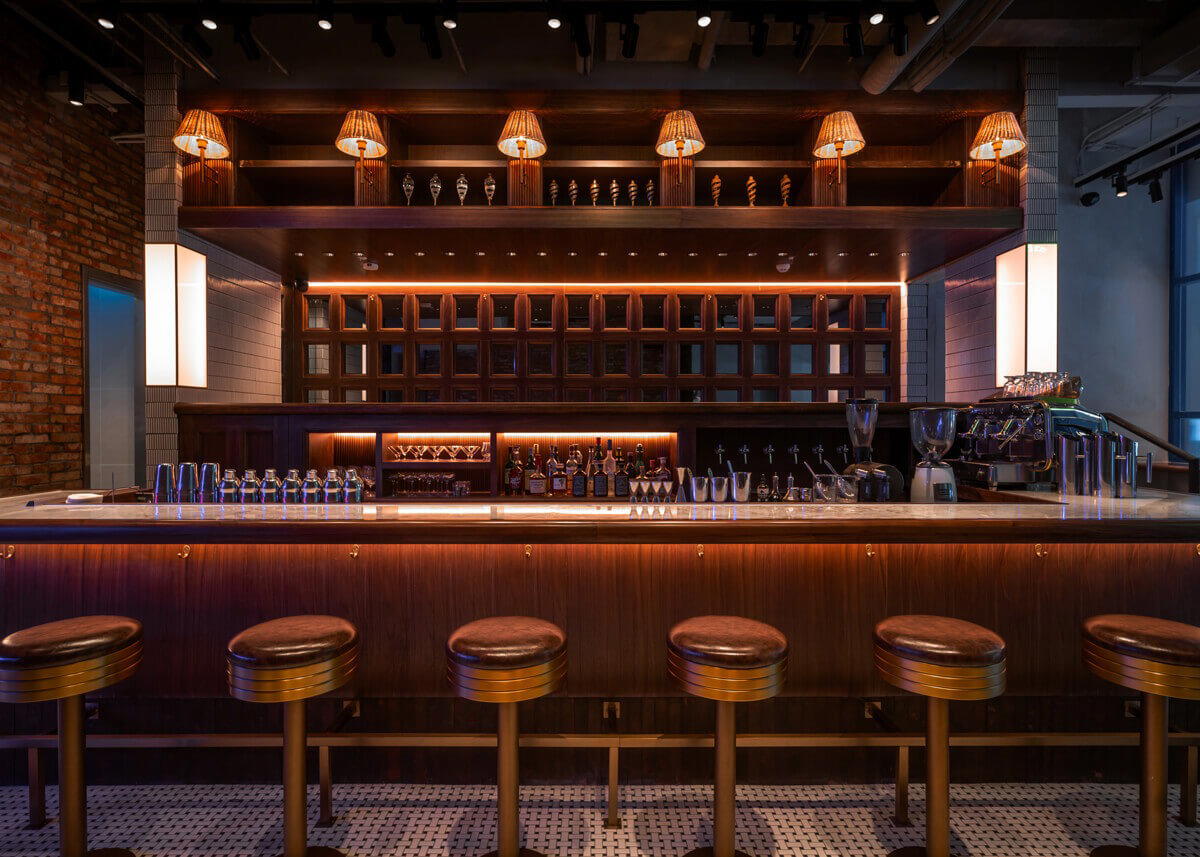
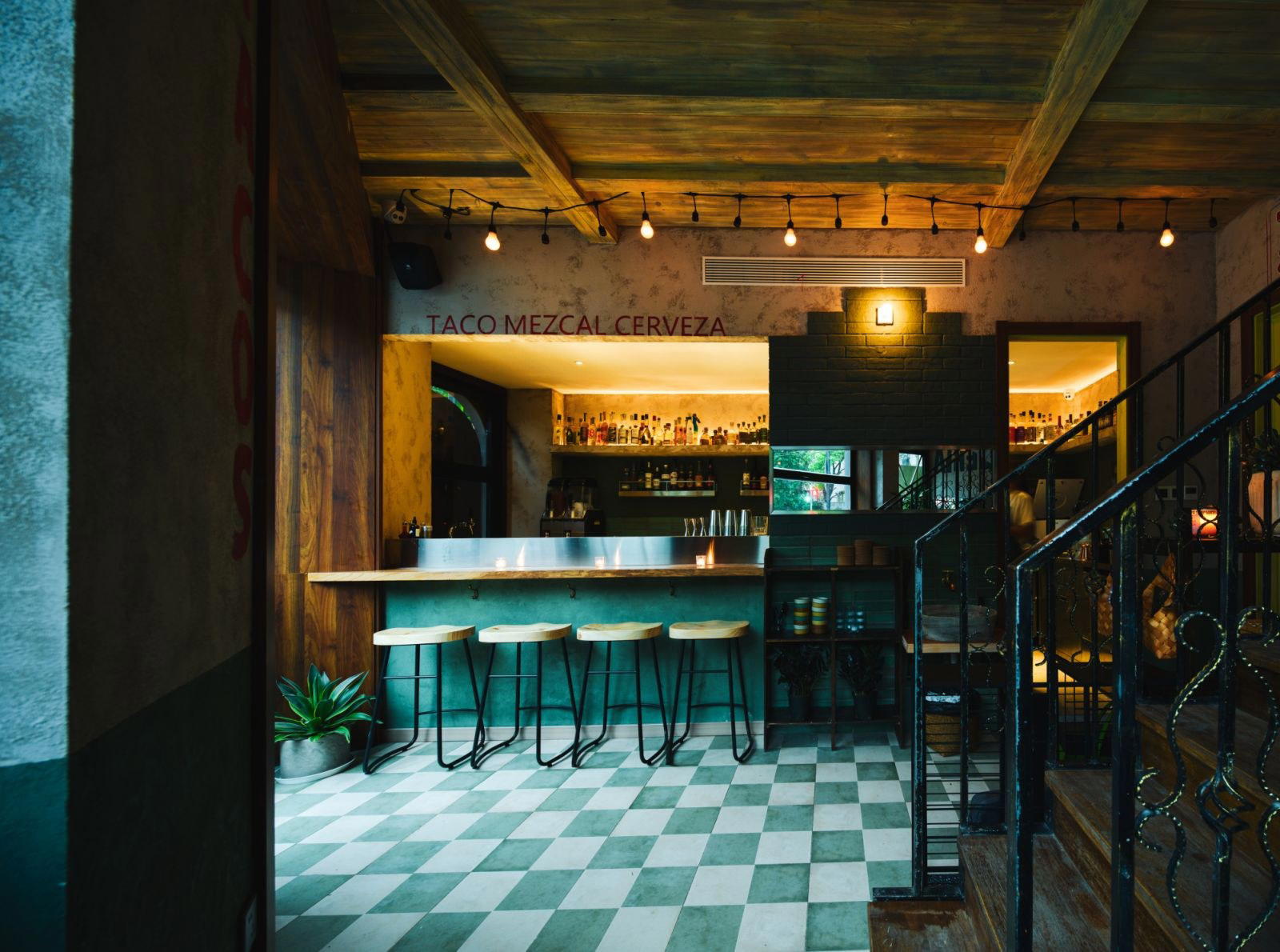
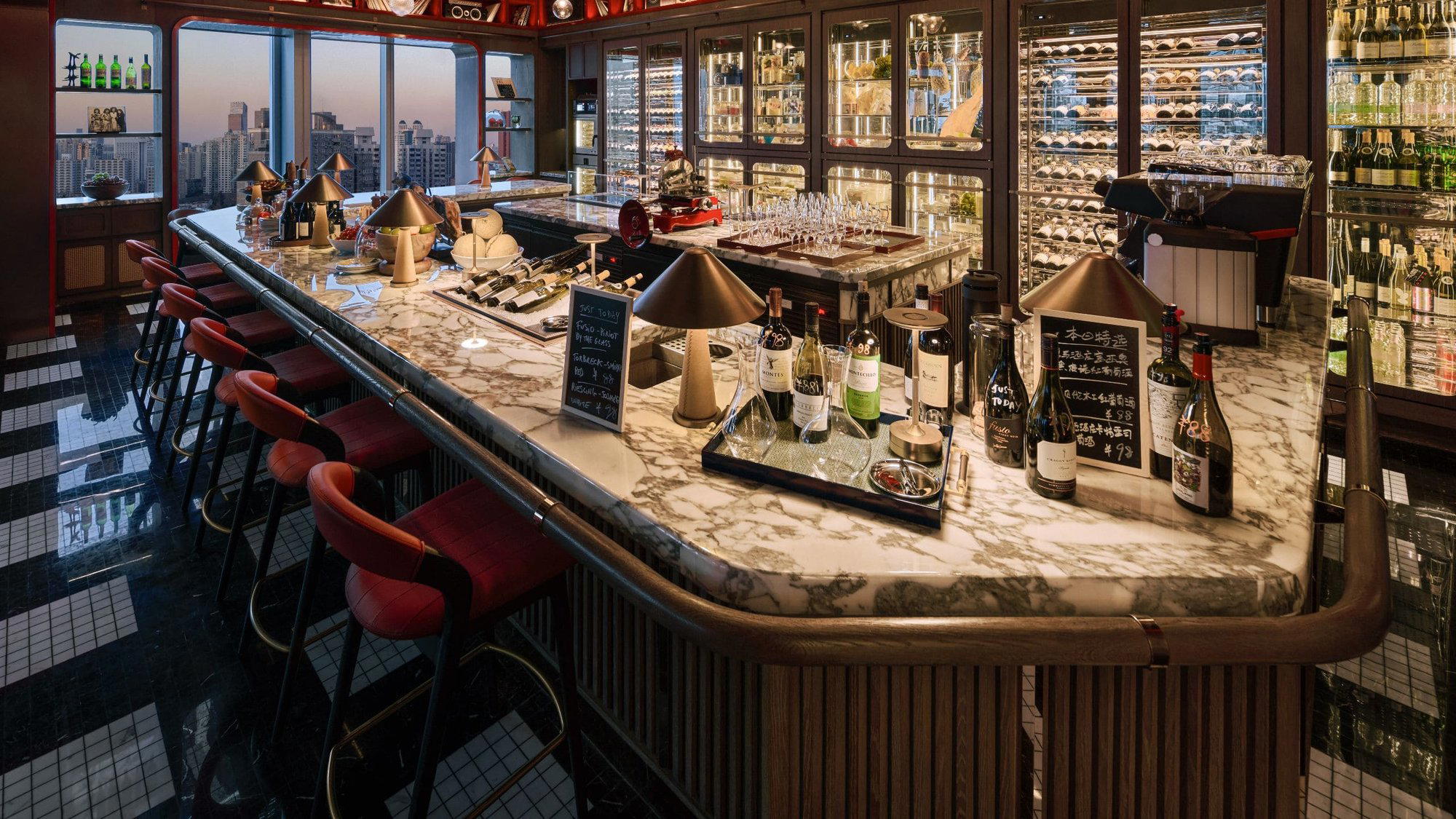
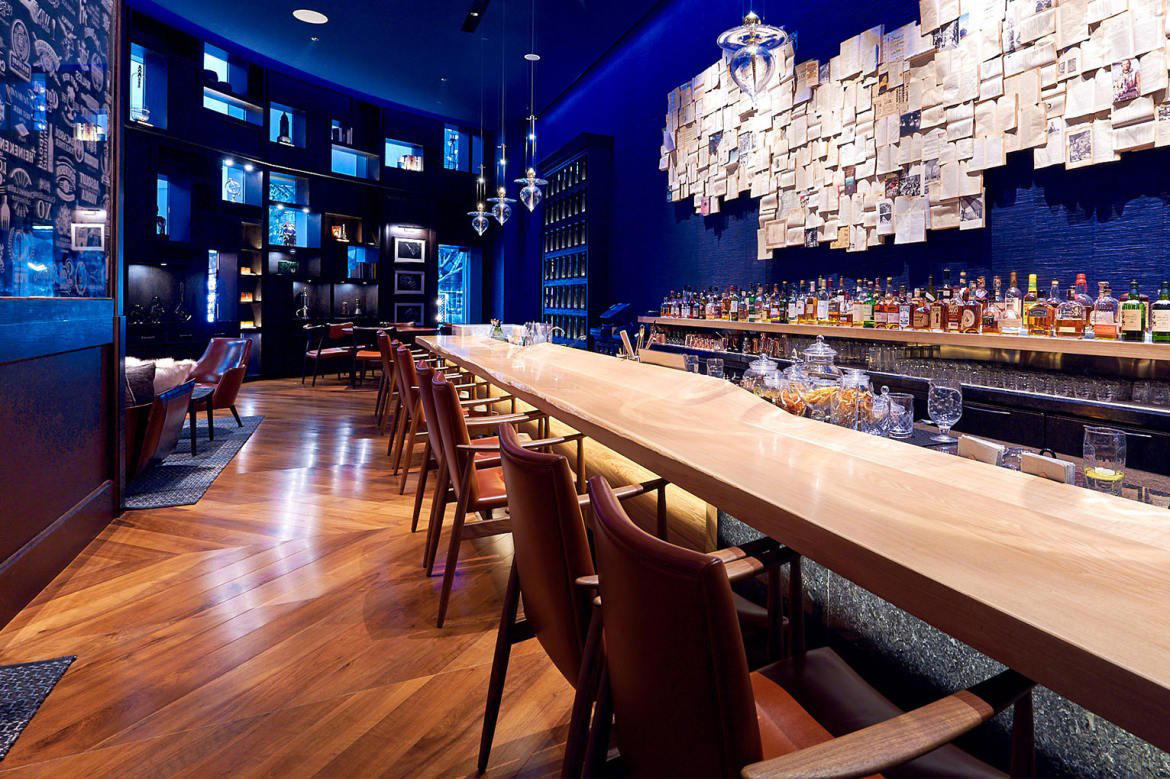
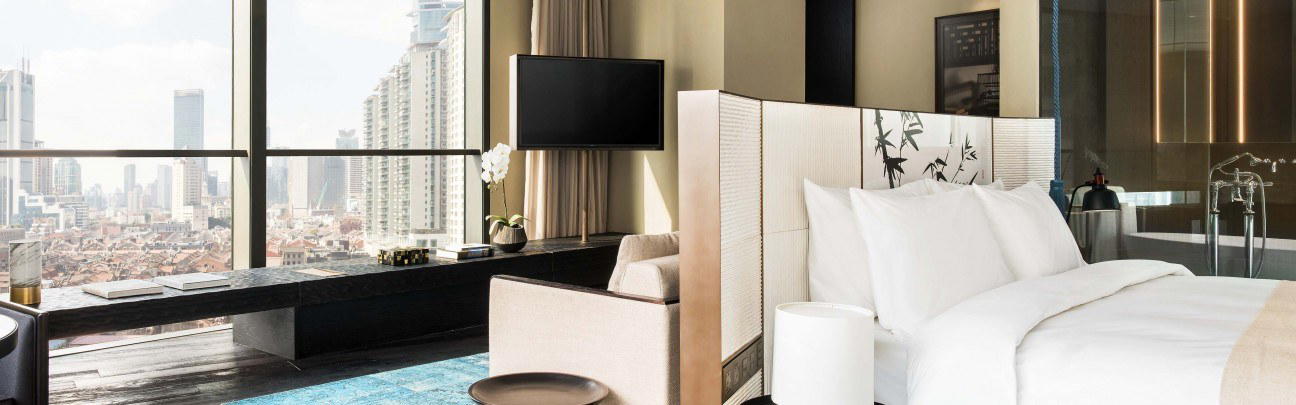
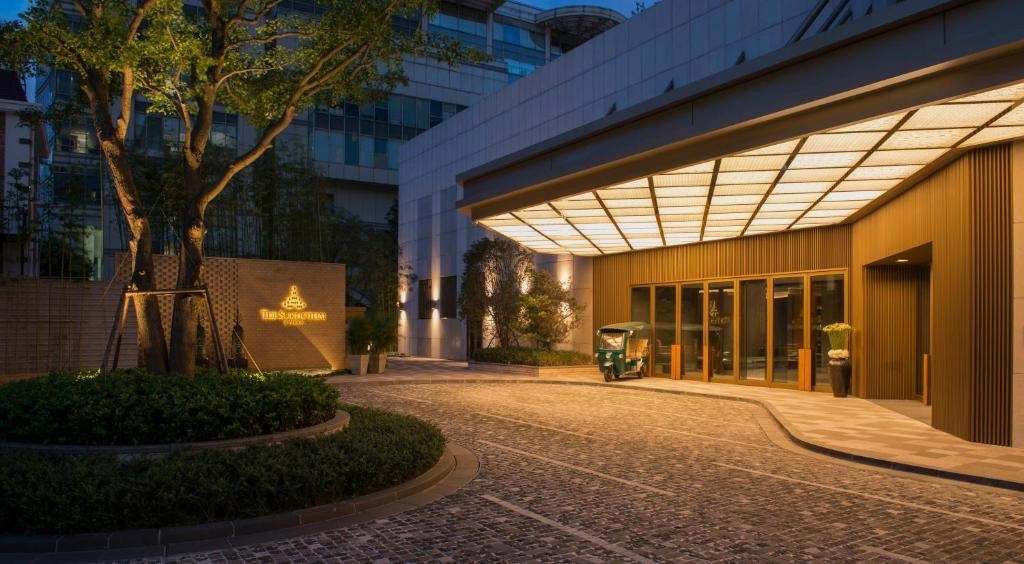
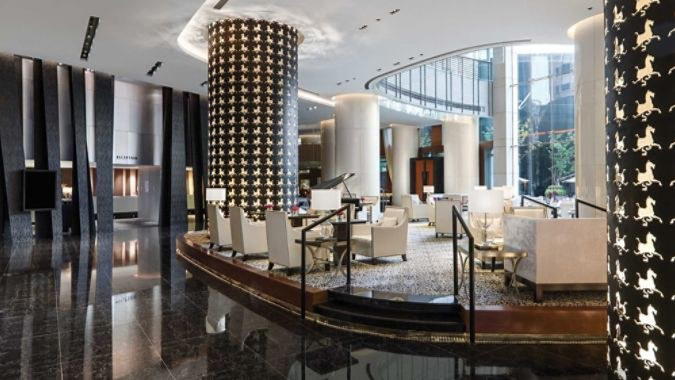
Sun-drenched during the day with natural light, warm mood lighting at night, bold designer vibes featuring a dramatic spiral staircase, glass show kitchen, and zen-ish interior with large windows overlooking bamboo greenery.