
Hakkasan on the Bund brings the brand's Chinese contemporary format to one of Shanghai's most recognizable addresses, earning a Michelin Plate in 2025 at the ¥¥¥ price tier. The room positions itself between casual Cantonese dining and the city's full-star fine-dining bracket. For visitors to the Huangpu waterfront, it represents a considered middle ground in a district dominated by spectacle.
Pearl is the En Primeur Club membership app — saves, bookings, and concierge access live there. Same editors, same standards.
- Address
- 18 Zhongshan Rd (E-1), Waitan, Huangpu, Shanghai, China, 200125
- Phone
- +86 21 6321 5888
- Website
- hakkasan.com
- Directions
- Get directions
 Saves & bookings on Pearl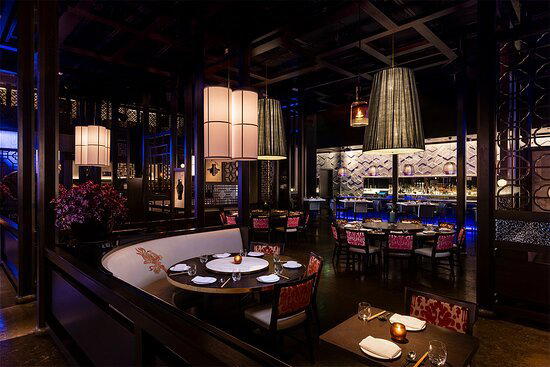
The Bund as a Price Bracket, Not Just a Postcode
Shanghai's Bund strip has long functioned as a price signal in itself. Restaurants along Zhongshan Road (E-1) price against the view and the address as much as against the kitchen, which makes Hakkasan's position here worth examining on its own terms. Hakkasan is a Modern Cantonese restaurant in Shanghai, priced at about $120 per person. The Chinese contemporary category in Shanghai spans an enormous range, from neighborhood Cantonese rooms operating at ¥¥ to multi-starred vegetarian destinations like Fu He Hui (Vegetarian) at ¥¥¥¥. Hakkasan sits at ¥¥¥, which in this district means it is priced above the accessible mid-market but below the city's most decorated Chinese fine-dining rooms. That middle tier is competitive and, where the value question gets most interesting.
Hakkasan holds a 2025 Michelin Plate. That recognition signals consistent quality worth flagging. In a city where the guide's Chinese contemporary category is increasingly crowded, that recognition at the ¥¥¥ tier places Hakkasan in a defensible position: you are paying for a Bund address and a recognized kitchen, not for proximity to a starred tasting menu format.
What the Room Communicates Before the Food Arrives
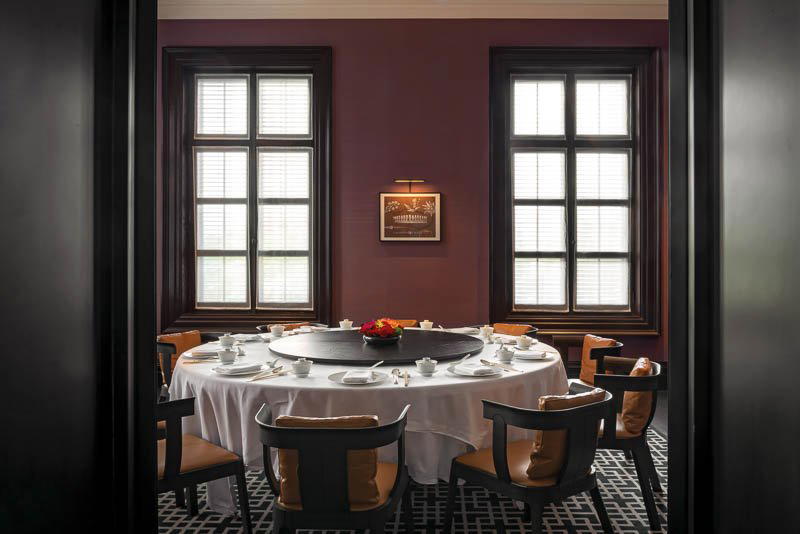
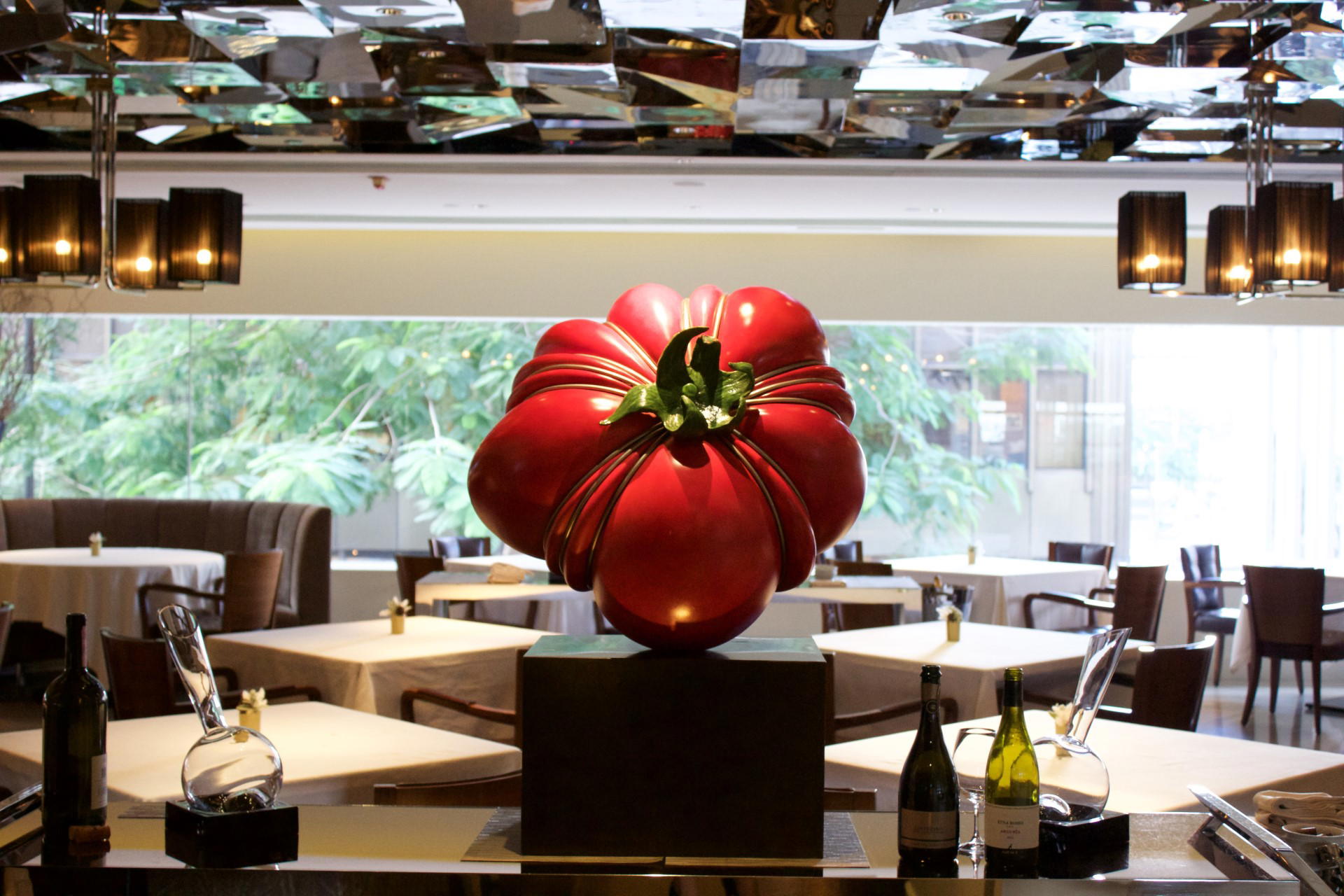
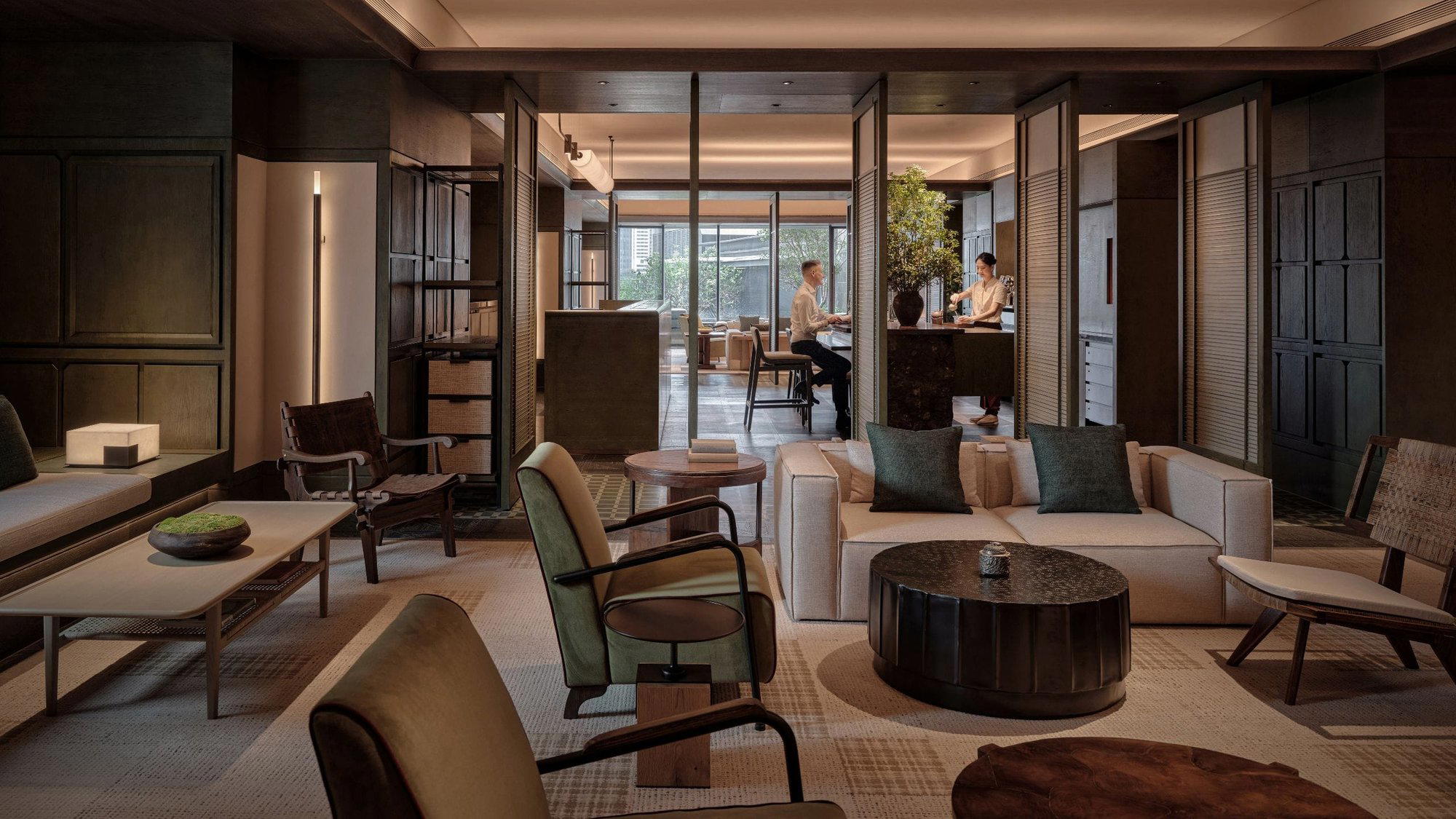
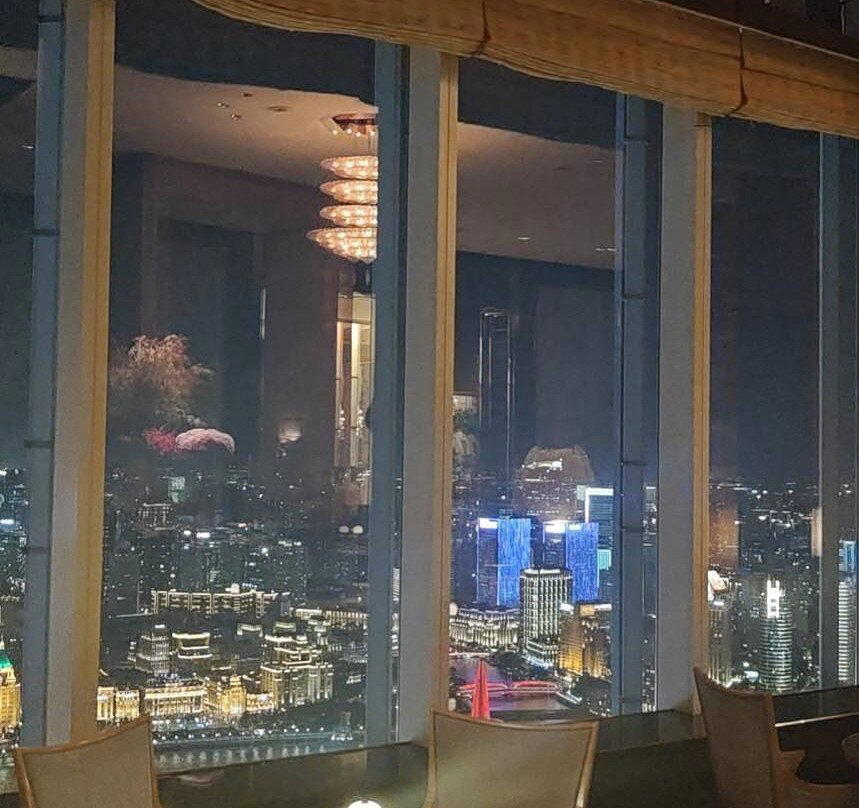
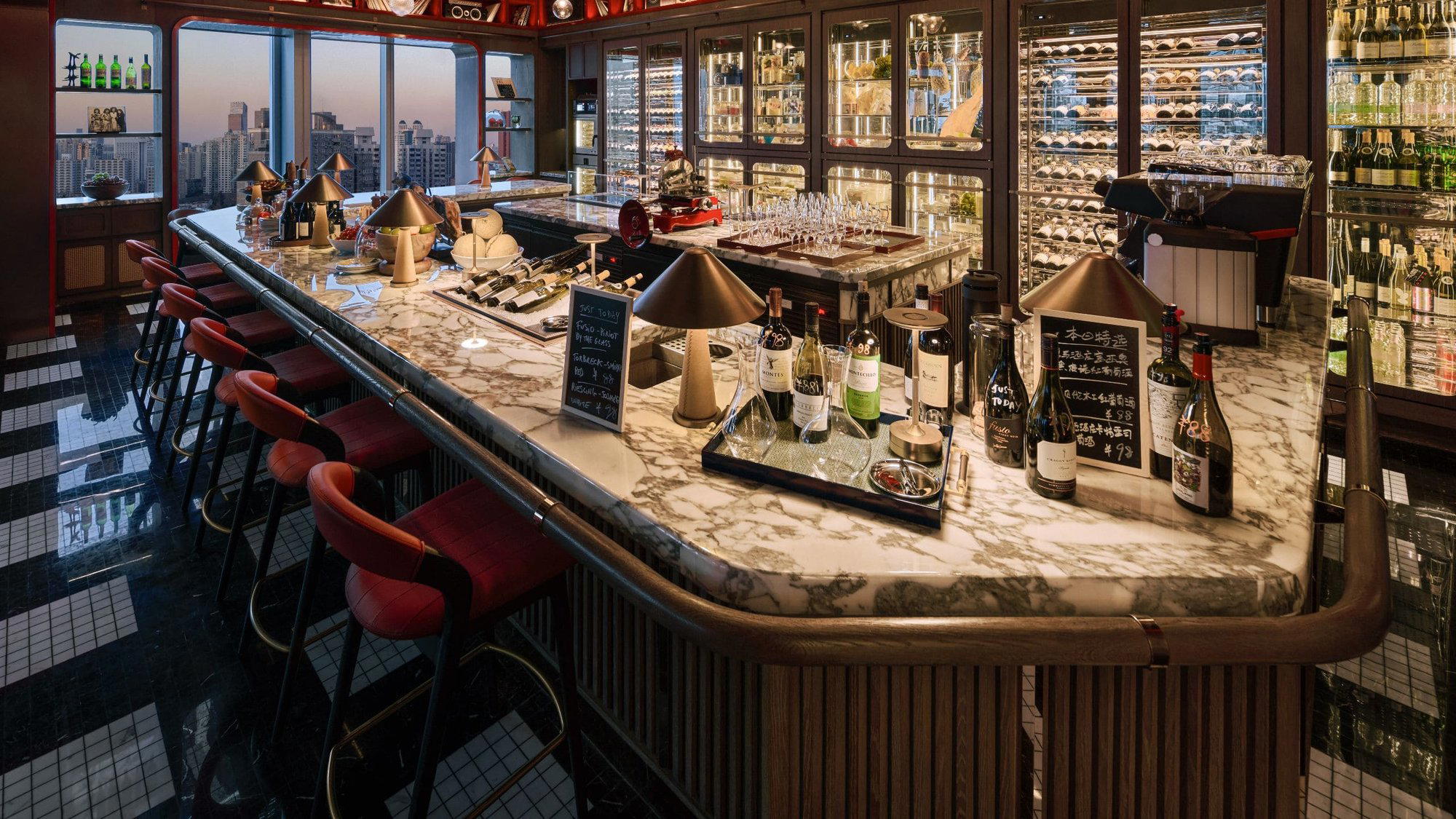
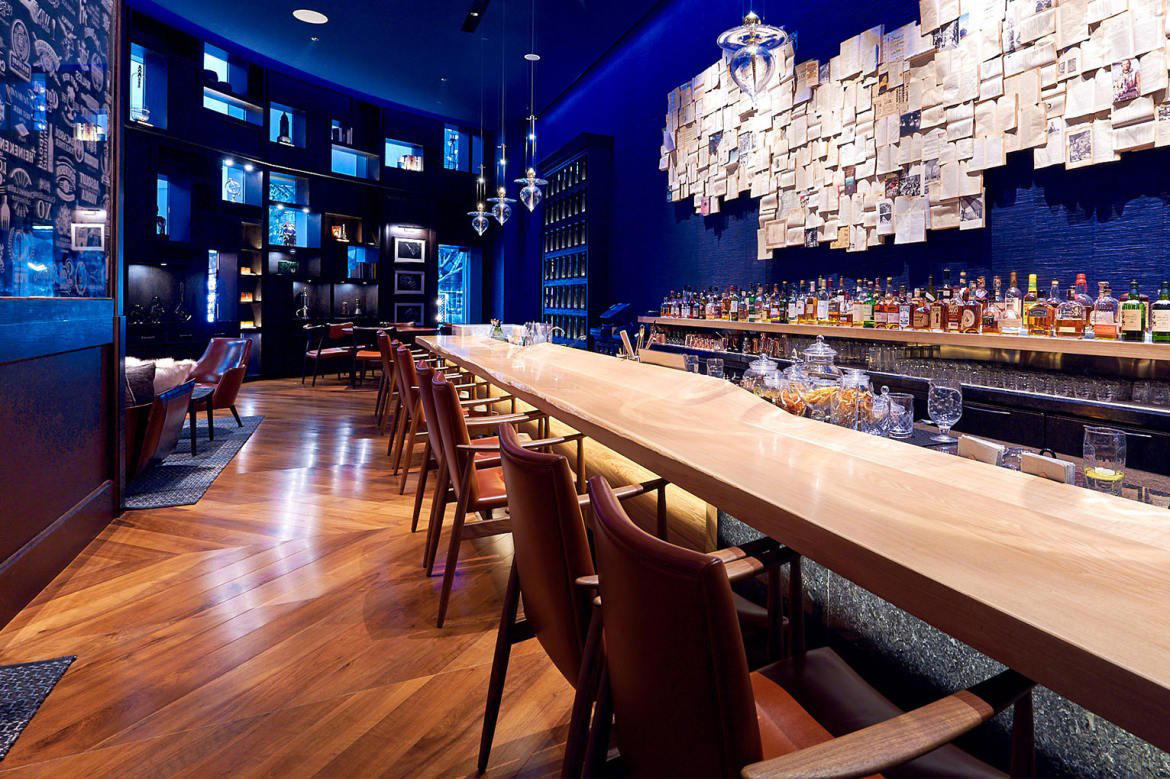
Hakkasan as a global format has always prioritized atmosphere as a load-bearing element of the dining proposition. The brand's signature approach involves low lighting, dark lacquered surfaces, and a spatial design that reads more closely to a considered lounge than a conventional dining room. In Shanghai's Huangpu district, that aesthetic registers differently than it might in London or Dubai, because the competition on the waterfront leans heavily into spectacle and scale. Hakkasan's interior language is deliberate restraint by comparison, which functions as a positioning statement as much as a design choice.
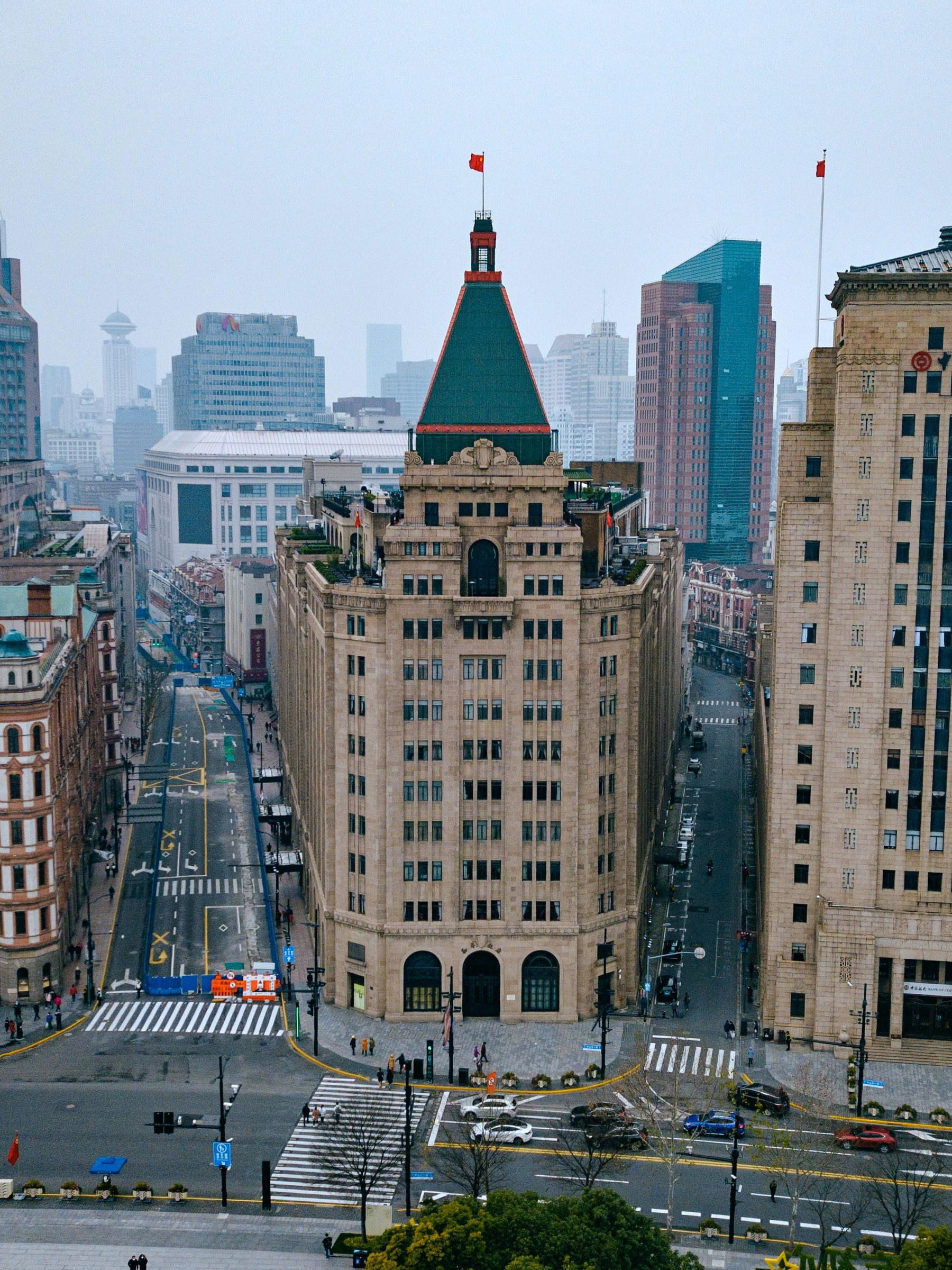
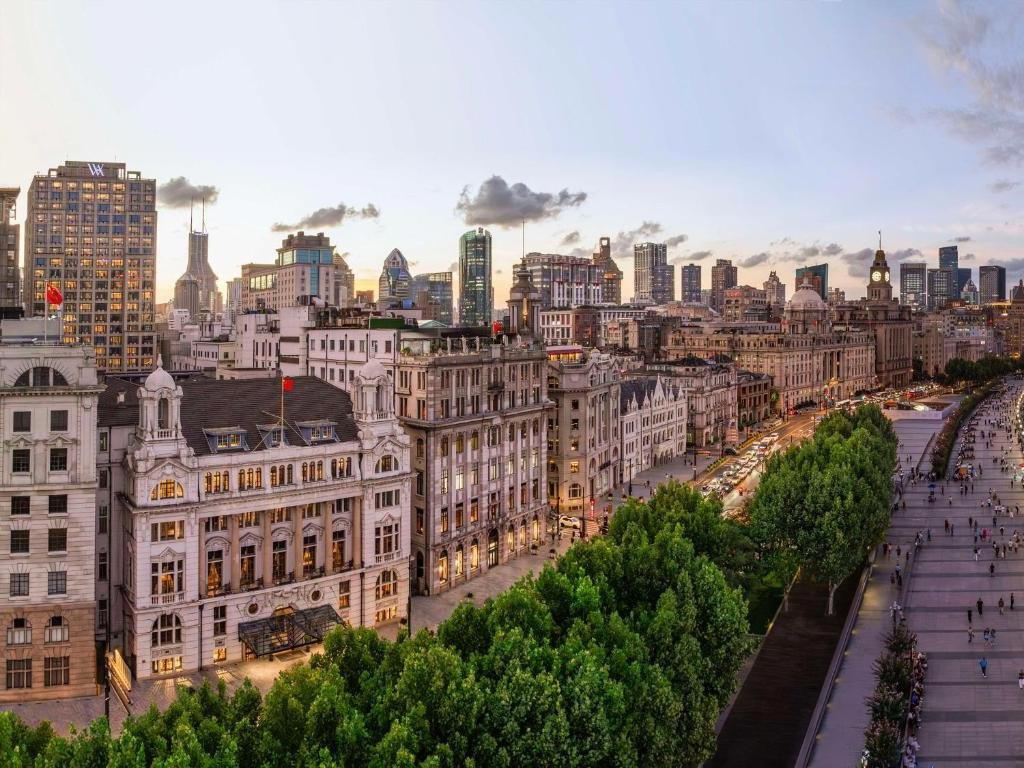
The Bund address at 18 Zhongshan Road (E-1) places the restaurant within walking distance of the waterfront promenade. Walking into a room that consciously dials back that visual noise is, for a specific kind of visitor, precisely the point.
Chinese Contemporary in Shanghai: Where Hakkasan Sits
The Chinese contemporary category in Shanghai is not a monolith. At the upper end, Gastro Esthetics at DaDong and Da Dong (Xuhui) approach the cuisine through a distinct conceptual lens, while Sui Tang Li and 102 House (Cantonese) represent the category's more classically grounded expressions. Hakkasan's version of Chinese contemporary is internationally legible, built on Cantonese foundations and refined for an audience that may be approaching the cuisine without deep regional fluency.
That international legibility is, depending on your expectations, either the format's strength or its limitation. For travelers who want a reliable, well-executed Chinese contemporary meal in a room that communicates confidence without demanding prior knowledge of regional sub-styles, Hakkasan delivers a clear proposition. For those seeking the more granular expressions of Shanghai's Chinese dining scene, the city's Cantonese and regional specialist rooms offer a different depth of engagement. Both needs are legitimate; the question is which one you're bringing to the table.
Across Greater China, the Chinese contemporary tier is increasingly competitive. Chef Tam's Seasons in Macau and Imperial Treasure Fine Chinese Cuisine in Guangzhou operate in comparable price and format territory, while Xin Rong Ji (Xinyuan South Road) in Beijing and Xin Rong Ji in Chengdu represent the category's regional expansion. Ru Yuan in Hangzhou, Dai Yuet Heen in Nanjing, Gastro Esthetics DaDong in Beijing, and Wild Yeast in Hangzhou round out the broader field for travelers moving between Chinese cities and building a coherent picture of the category. Within that geography, Hakkasan's Shanghai outpost is a Bund-positioned, Michelin-recognized entry in a globally familiar format, not especially adventurous choice in the region but among the more predictably executed ones.
The Value Calculation at ¥¥¥ on the Bund
Pricing at the Bund tier is always partly environmental. The real estate cost, the staffing model, and the expectation management that comes with a high-traffic international address all feed into what ends up on the bill. At ¥¥¥, Hakkasan is asking for roughly the same outlay as comparable Chinese contemporary rooms in less prominent Shanghai neighborhoods, which means the Bund premium is either absorbed into the format or the format is genuinely competitive at that tier.
The Michelin Plate is one useful external calibration point. It suggests the kitchen is performing at a level that justifies the price relative to the category, even without the star elevation. Travelers comparing this against the ¥¥¥¥ investment required for Fu He Hui's two-star vegetarian format will find Hakkasan a more accessible entry point to recognized Chinese contemporary dining on the waterfront. Those comparing it against lower-priced alternatives will need to weigh whether the address and the room design carry sufficient weight for the differential.
Pricing, Compared
Comparable venues nearby, for context on price, style, and recognition.
| Venue | Cuisine | Price | Awards | Notes |
|---|---|---|---|---|
| HakkasanThis venue — the venue you are viewing | Lan Ni Du, Modern Cantonese | $$$$ | Michelin Plate | Not listed |
| Dining Room | Not listed | $$$$ | Michelin Plate | Jing An Si, Modern Shanghainese & Zhejiang Cuisine |
| Restaurant LING LONG | Huangpu, Neo-Chinese Fine Dining | $$$$ | Not listed | Not listed |
| Bai Rong | Da Pu Qiao, Modern Shandong Seafood | $$$$ | Michelin Plate | Not listed |
| Dong Ping Chao | Da Pu Qiao, Modern Cantonese Tasting | $$$$ | Michelin Plate | Not listed |
| ZIFUHUI | Not listed | $$$$ | Not listed | Zhoujiaqiaq, High-End Cantonese Private Dining |
Recognition history
Dated appearances from independent guides and award organizations, with the underlying list record or original source where available.
Michelin Plate
Michelin
Michelin Plate
Michelin
At a Glance
- Elegant
- Sophisticated
- Modern
- Ornate
- Date Night
- Business Dinner
- Special Occasion
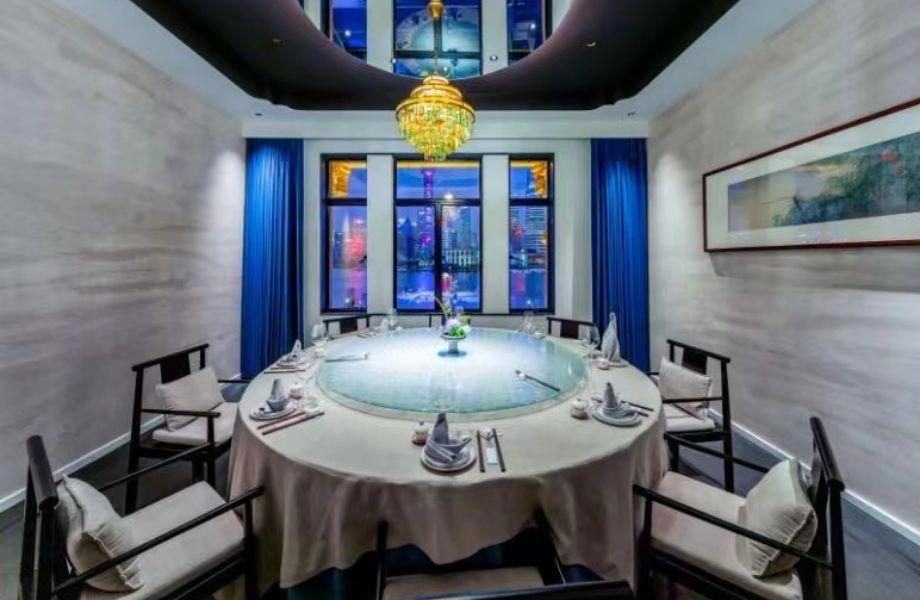
- Private Dining
- Live Music
- Hotel Restaurant
- Craft Cocktails
- Sake Program
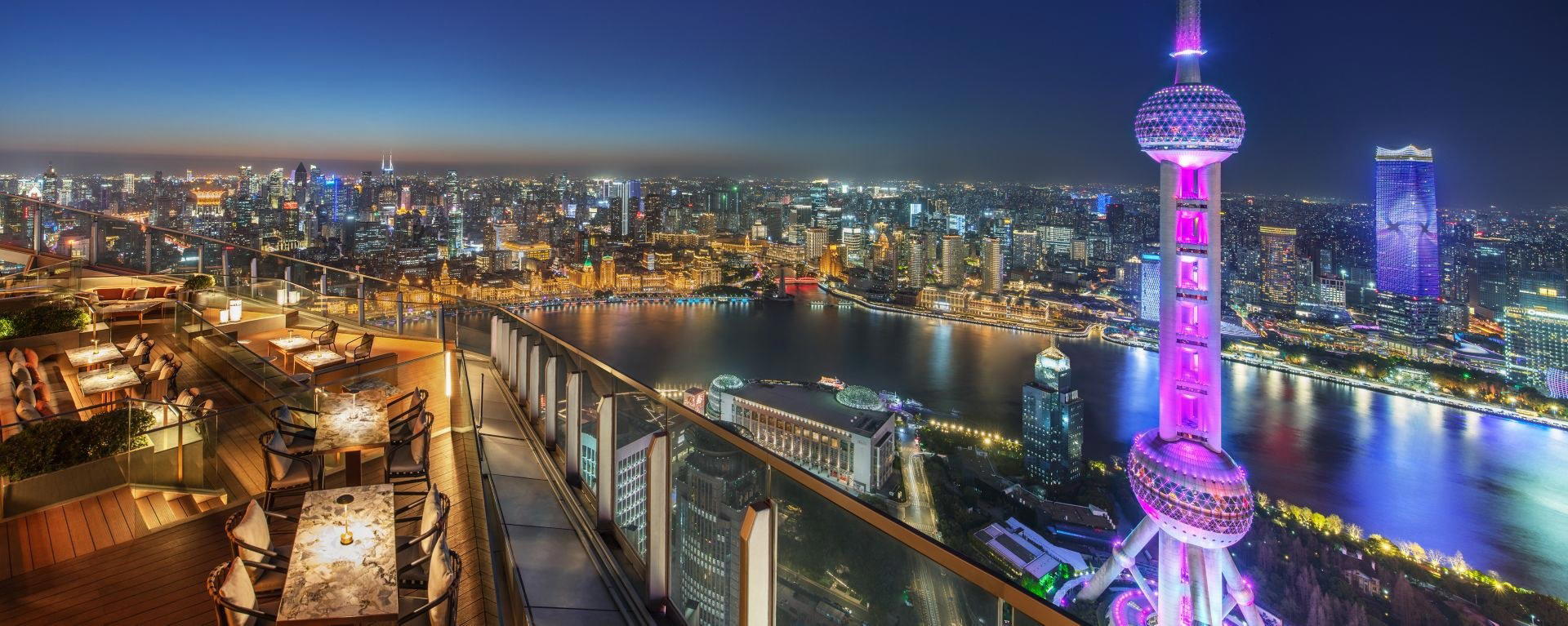
- Skyline
Current opening hours
- Monday
- 5–11 PM
- Tuesday
- 5–11 PM
- Wednesday
- 5–11 PM
- Thursday
- 5–11 PM
- Friday
- 11 AM–2:30 PM, 5–11 PM
- Saturday
- 11 AM–2:30 PM, 5–11 PM
- Sunday
- 11 AM–2:30 PM, 5–11 PM
Hours can change for holidays and private events. Last verified .
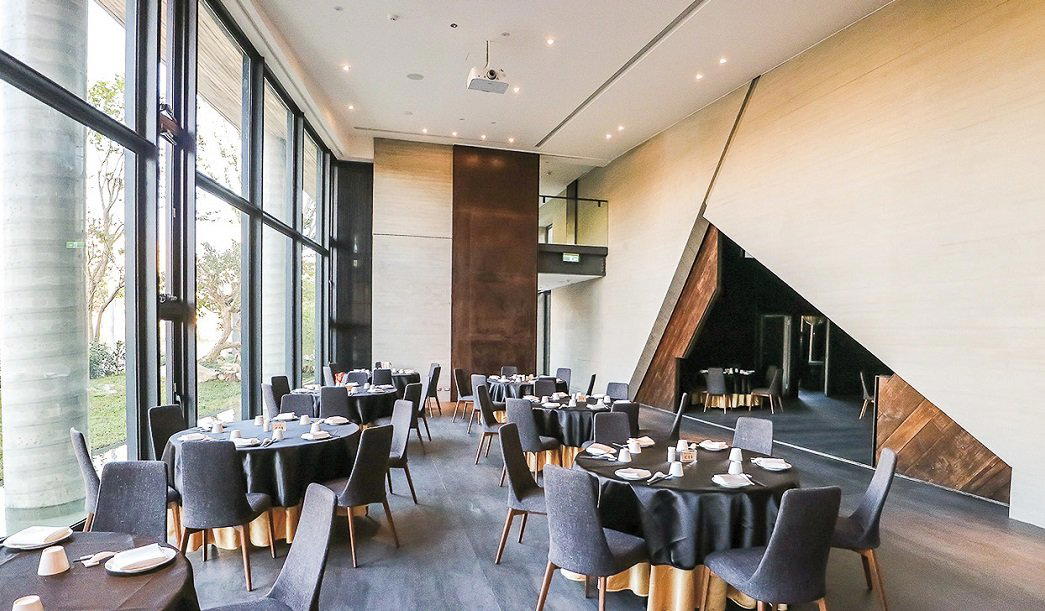
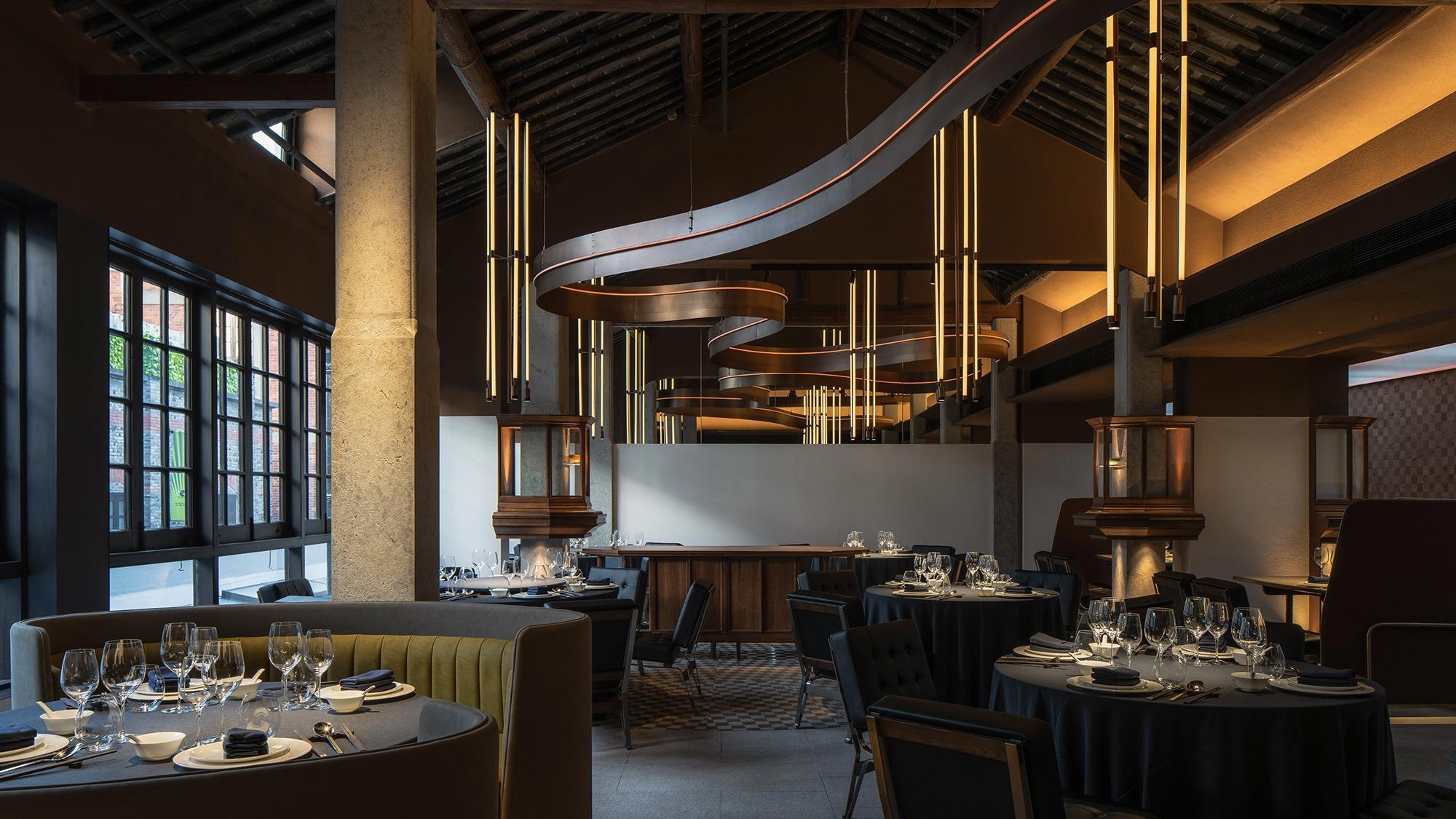
Sophisticated aura blending tranquility and modesty in a luxuriously modern environment with latticed woodwork 'Cage', high ceilings, and theater-like lounge.