Sugar Monk

Sugar Monk occupies a specific corner of Harlem's drinking culture at 2292 Frederick Douglass Boulevard, where the bar's sensory character places it closer to a jazz-era cocktail parlour than a standard neighbourhood spot. Positioned well outside the Midtown corridor where venues like Le Bernardin and Per Se anchor the city's fine-dining circuit, it operates on its own register, one shaped by neighbourhood, mood, and craft rather than by awards infrastructure.
Pearl is the En Primeur Club membership app — saves, bookings, and concierge access live there. Same editors, same standards.
- Address
- 2292 Frederick Douglass Blvd, New York, NY 10027
- Phone
- +19174090028
- Website
- sugarmonklounge.com
- Directions
- Get directions
 Saves & bookings on Pearl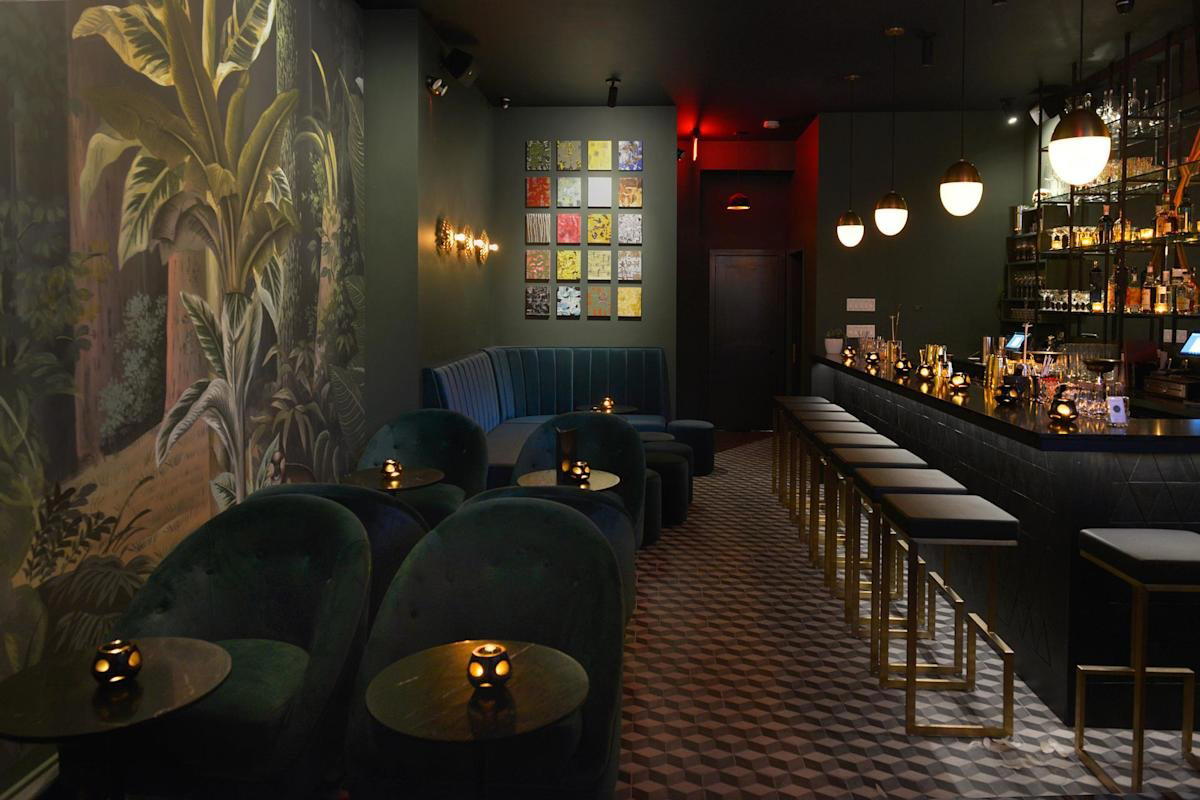
Harlem's Cocktail Register and Where Sugar Monk Sits Within It
New York's cocktail culture has spent the better part of two decades sorting itself into legible tiers. Lower Manhattan and the West Village consolidated the technically rigorous, reservation-forward bar programs. Midtown held the hotel bar circuit. And Harlem, historically, operated on its own rhythm, less interested in the clarified-drink formalism that defines downtown menus, more attuned to a kind of sociable, atmosphere-first drinking that predates the city's cocktail revival by several generations. It lands in that tradition while inflecting it with something more considered. It operates in a different register entirely, one defined by neighbourhood identity, deliberate atmosphere, and a cocktail sensibility rooted in African and diaspora flavour traditions.
That positioning matters because Harlem's Upper Manhattan corridor has historically been underrepresented in the city's editorial bar coverage, despite a drinking culture with documented depth. Sugar Monk draws on that context and makes it legible to a broader audience without flattening it into trend signalling. The address on Frederick Douglass Boulevard places it squarely in Central Harlem, a neighbourhood whose character is shaped as much by its jazz and civil rights history as by the recent northward creep of Manhattan's dining economy.
What the Room Does to You Before the First Drink Arrives
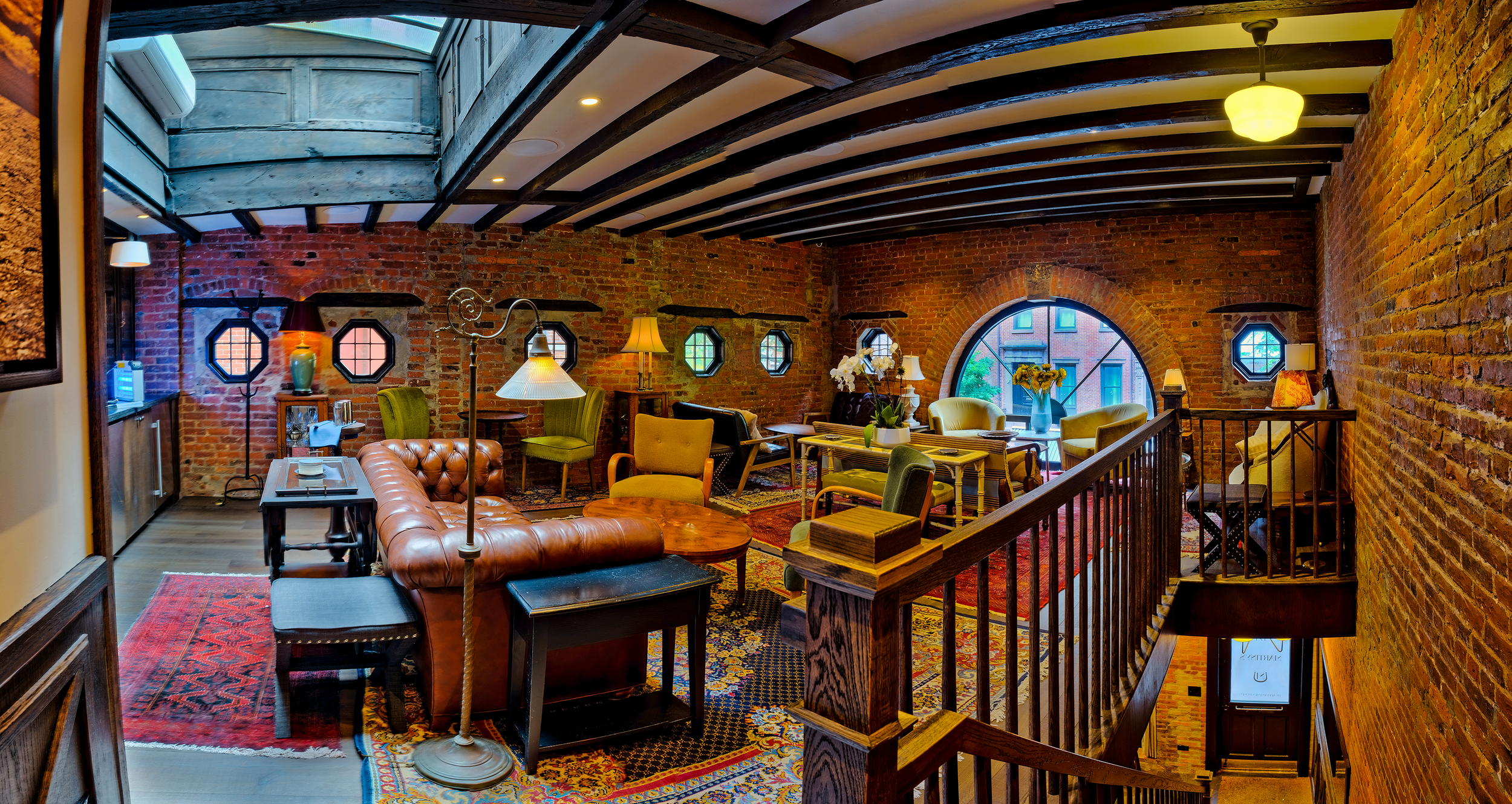
The sensory architecture of a bar is often the truest indicator of its intentions. At the high end of New York's cocktail circuit, venues tend toward visual restraint: dark wood, low ceilings, controlled lighting calibrated to flatter both drinks and faces. Sugar Monk shares some of that grammar, the low light, the warmth, but layers it with an aesthetic rooted in African and African-American visual culture. The effect is less of a cocktail laboratory and more of a curated parlour, the kind of space that communicates that someone made deliberate decisions about what to hang on the walls and what to put on the shelves. That specificity of intention is, in itself, an atmospheric statement. Rooms that feel inhabited rather than designed tend to produce a different quality of evening.
Sound is part of that equation. Jazz, broadly understood, has been the sonic backdrop of Harlem's drinking culture for a century. A bar that leans into that lineage, as Sugar Monk does, is making a choice about time as well as place. The music signals something about pace: that the evening is not to be rushed, that conversation is the primary activity, and that the drink in your hand is supporting that conversation rather than being the point of it. Compared to the focused, almost clinical quiet of high-end tasting counter bars like Masa or Per Se, the restaurant's atmosphere is explicitly sociable.
The Cocktail Approach: Diaspora as Framework
Among the more significant shifts in American craft bartending over the past decade has been the move toward non-European flavour frameworks. The canonical cocktail canon, built around French spirits, British gin, and Italian bitters, has faced steady pressure from programs drawing on West African botanicals, Caribbean rum traditions, and Afro-Caribbean citrus profiles. The restaurant operates within that shift. The cocktail program foregrounds ingredients and flavour logic drawn from the African diaspora, which gives the menu a coherence that genre-spanning lists often lack. This is not a bar trying to cover every contemporary trend; it is a bar with a point of view about what flavours belong together and why.
That kind of editorial discipline in a menu is relatively rare at the neighbourhood bar level, where volume and approachability typically take priority over thematic coherence. It places the restaurant in a different conceptual bracket than most Upper Manhattan bars, even if the price point and formality are lower than the downtown programs that attract critical attention. For comparison, the progressive Korean tasting menus at Jungsik New York and Atomix make a similar kind of commitment, to a specific cultural framework as the organising logic of a menu, and are recognised accordingly. The restaurant's version of that commitment operates at a different scale and price tier, but the underlying intellectual move is comparable.
Neighbourhood Geography and Practical Access
Frederick Douglass Boulevard has been one of Central Harlem's more active dining and drinking corridors for several years. The street's commercial strip between 110th and 125th Streets draws a mix of longtime neighbourhood residents and visitors from further downtown, a combination that gives the area's better bars a more heterogeneous crowd than the tourist-heavy circuits of Times Square or the foodie-optimised blocks of the West Village. The restaurant sits within walking distance of the B and C train stops, which connect directly to the Upper West Side and Midtown, making the logistics considerably easier than the geography might initially suggest for visitors based downtown.
The bar's position also places it within a broader Harlem cultural circuit worth knowing. An evening that begins at the restaurant can reasonably extend toward the neighbourhood's live music venues, which remain among the city's most consistent. This is a different kind of evening than the structured progression of a Michelin-tracked dinner at one of the city's formal restaurants, but it is no less considered for that. For those exploring New York's drinking culture beyond the obvious nodes,
Placing Sugar Monk in the National Craft Bar Context
The cultural specificity that defines the restaurant's approach has parallels elsewhere in the American dining scene, though usually at the restaurant rather than bar level. The commitment to a non-European cultural framework as an organising principle recalls what venues like Blue Hill at Stone Barns do with agricultural regionalism, or what Lazy Bear in San Francisco does with counter-culture communality, using a specific identity as the lens through which all menu and atmosphere decisions are made. At the bar level, this kind of programmatic coherence is harder to sustain, which makes the restaurant's approach notable within its tier. Other American cities with strong independent bar cultures, Chicago's Alinea-adjacent cocktail scene, New Orleans' legacy bars around Emeril's neighbourhood, produce similar pockets of conceptual seriousness below the fine-dining line. The restaurant belongs in that conversation.
Planning Your Visit
| Venue | Neighbourhood | Price Tier | Reservation Required | Primary Draw |
|---|---|---|---|---|
| The restaurant | Central Harlem | Neighbourhood bar | Walk-in typical | Diaspora cocktail program, atmosphere |
| Atomix | Flatiron | $$$$ | Advance booking required | Modern Korean tasting counter |
| Le Bernardin | Midtown West | $$$$ | Advance booking required | French seafood, Michelin three-star |
| Jungsik New York | TriBeCa | $$$$ | Advance booking required | Progressive Korean tasting menu |
The restaurant's recommended reservations and mid-range pricing make it a different kind of planning from the advance-booking, high-spend evenings anchored by Midtown or downtown venues. The bar is accessible via the B and C lines at 116th Street.
At a Glance
Comparable venues nearby, for context on price, style, and recognition.
| Venue | Price | Notes |
|---|---|---|
| Sugar MonkThis venue — the venue you are viewing | $$$ | Not listed |
| Motek NY | $$$ | Midtown South-Flatiron-Union Square, Modern Mediterranean (Kosher-Style) |
| Bubo | $$$ | Murray Hill-Kips Bay, Modern Mediterranean Small Plates |
| Gigi’s | $$$ | Greenpoint, Hudson Valley Mediterranean Trattoria |
| Celestine | $$$ | Downtown Brooklyn-DUMBO-Boerum Hill, Seasonal Mediterranean Waterfront |
| Olive Tree Cafe | $$ | Greenwich Village, Mediterranean & American |
Recognition history
Dated appearances from independent guides and award organizations, with the underlying list record or original source where available.
Pinnacle Guide 1 Pin
Pinnacle Guide
Continue exploring
More in New York City
Restaurants in New York City
Browse all →
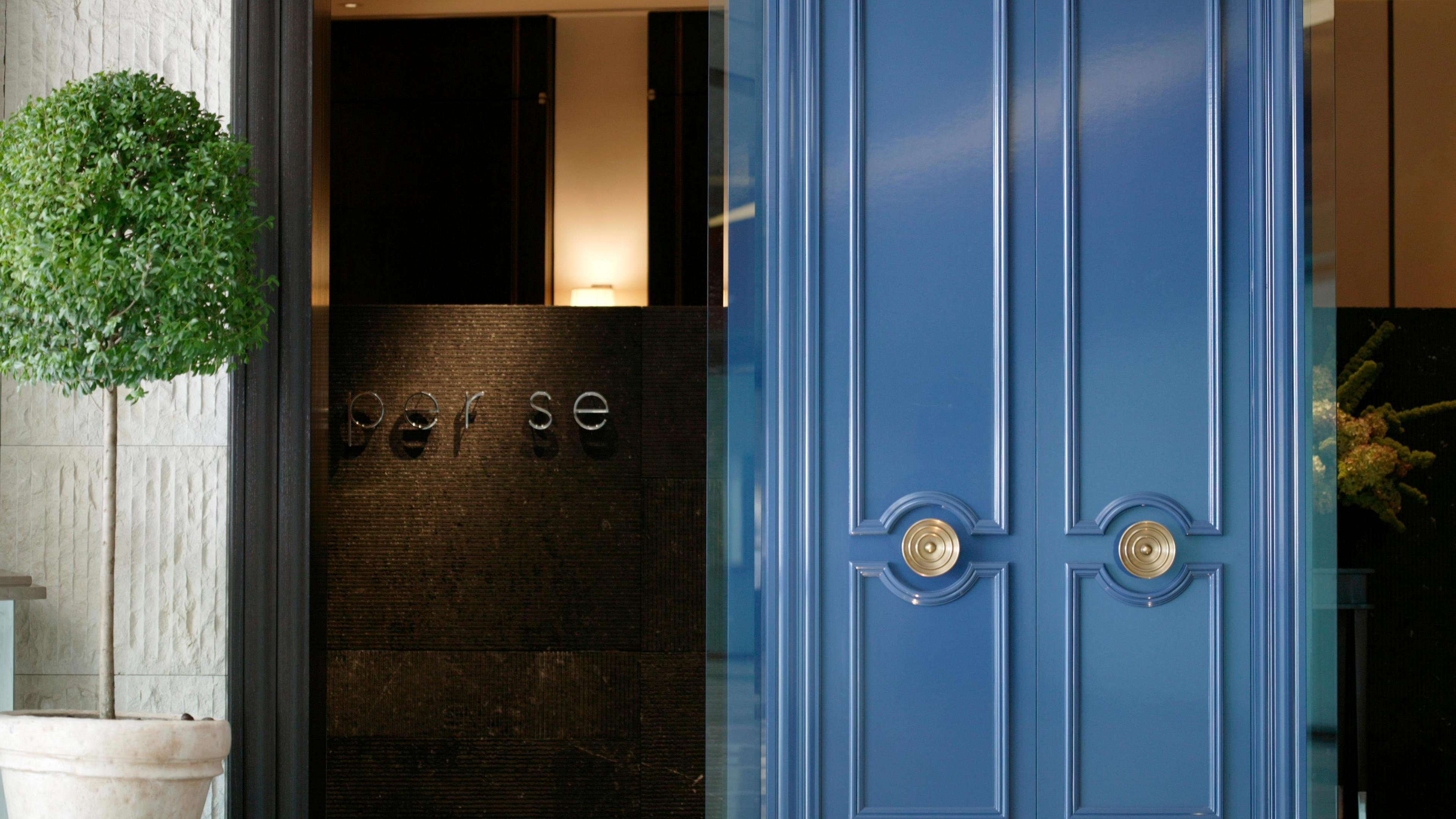
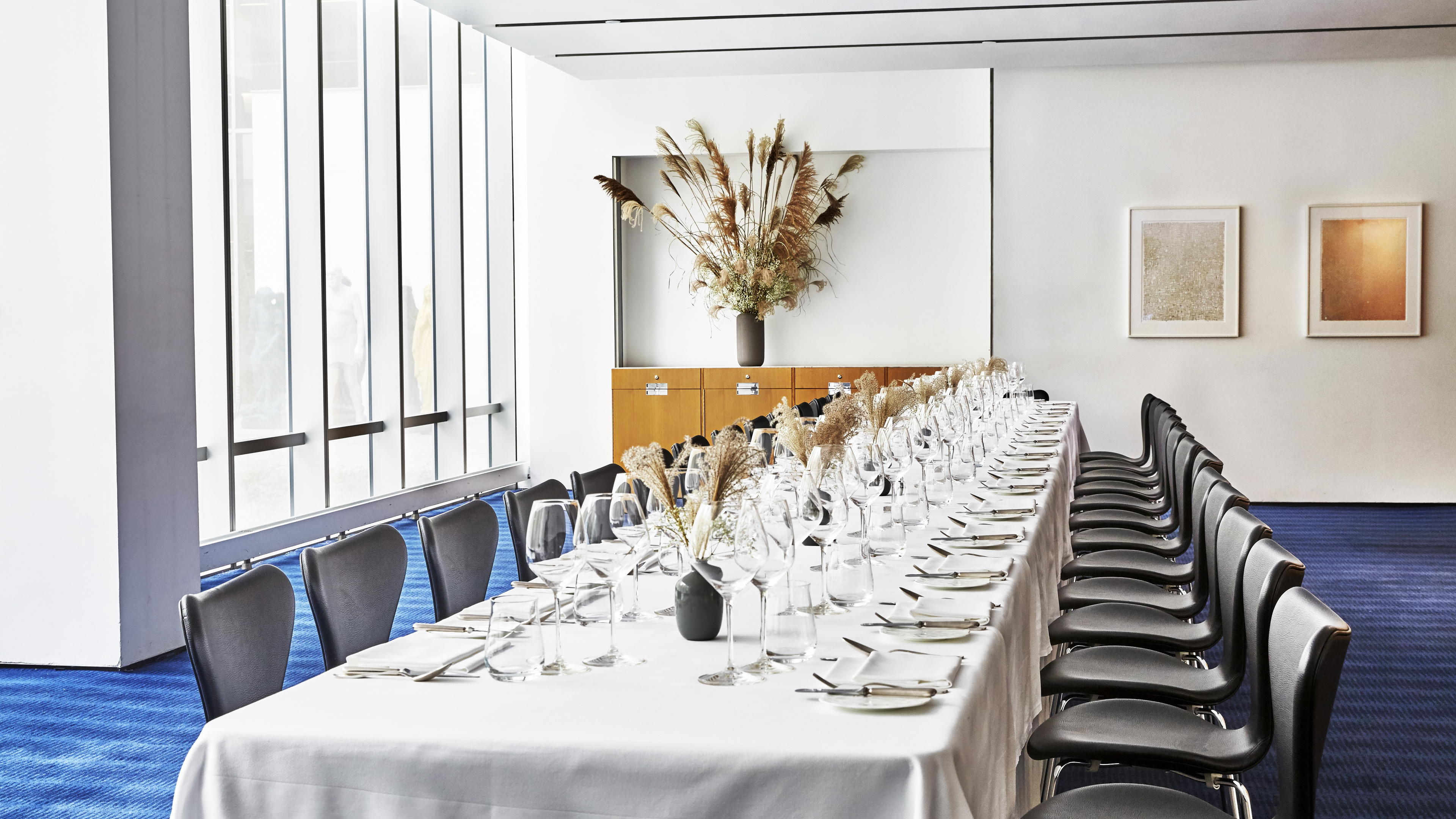
Bars in New York City
Browse all →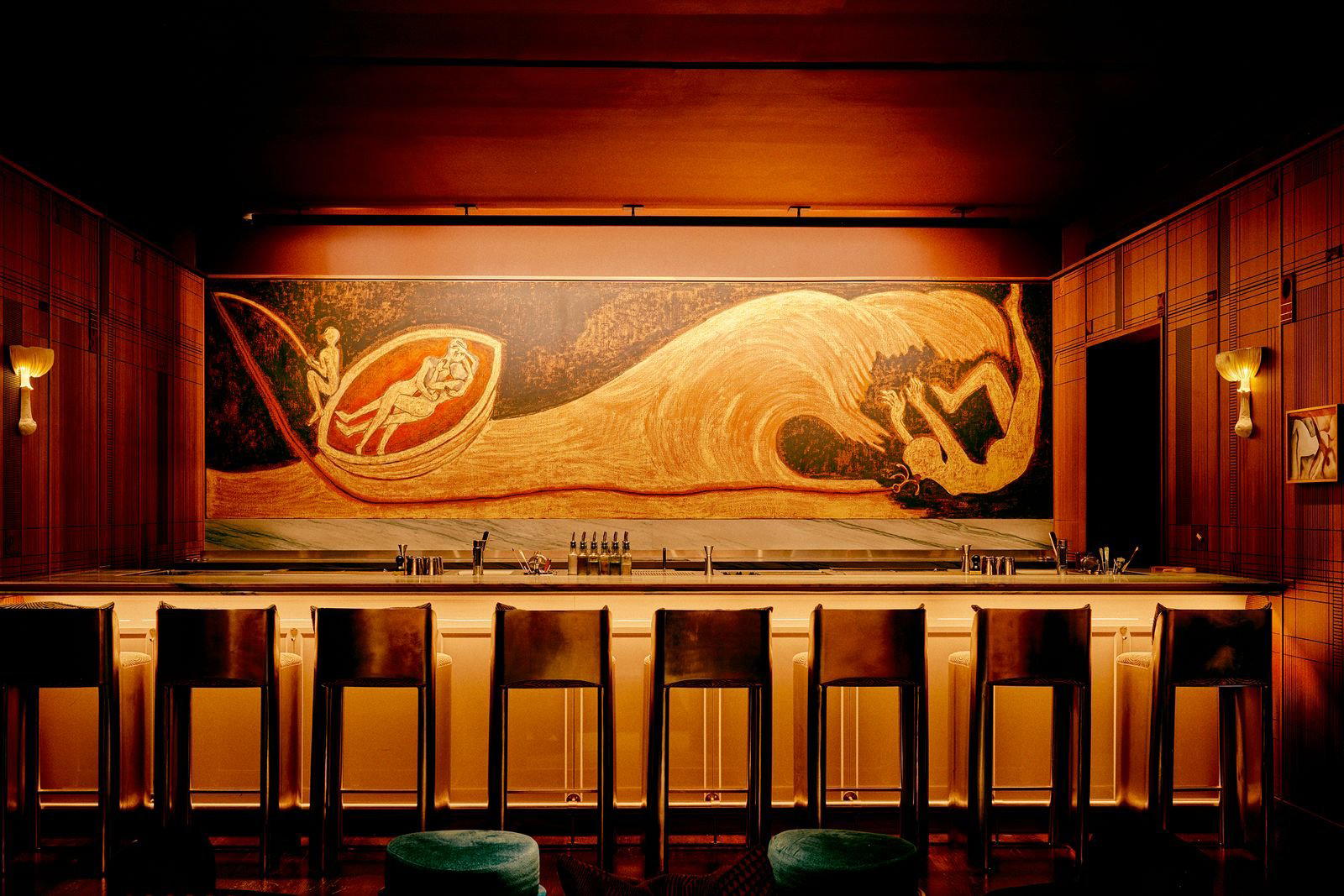
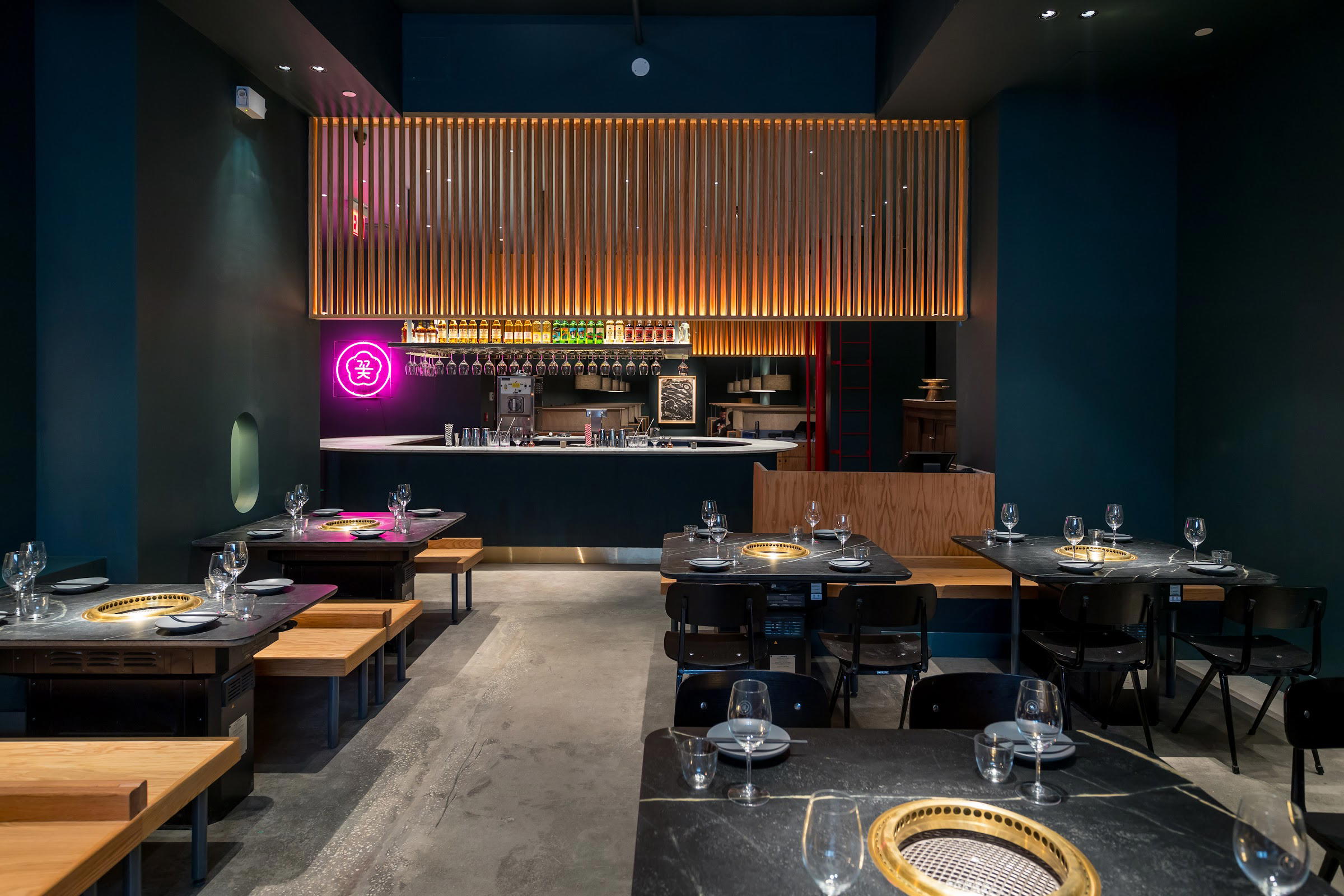
Hotels in New York City
Browse all →




At a Glance
- Intimate
- Cozy
- Elegant
- Sophisticated
- Date Night
- Special Occasion
- Late Night
- Live Music
- Craft Cocktails
- Sake Program
- Local Sourcing
Current opening hours
- Monday
- 5 PM–12 AM
- Tuesday
- 5 PM–12 AM
- Wednesday
- 5 PM–1 AM
- Thursday
- 5 PM–1 AM
- Friday
- 5 PM–1:30 AM
- Saturday
- 1 PM–1:30 AM
- Sunday
- 1 PM–12 AM
Hours can change for holidays and private events. Last verified .
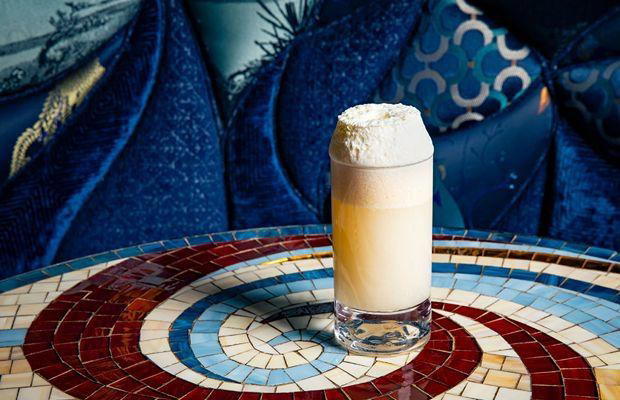
Dimly lit, velvet-draped space with artistic touches and captivating artwork creating an intimate, cozy atmosphere.