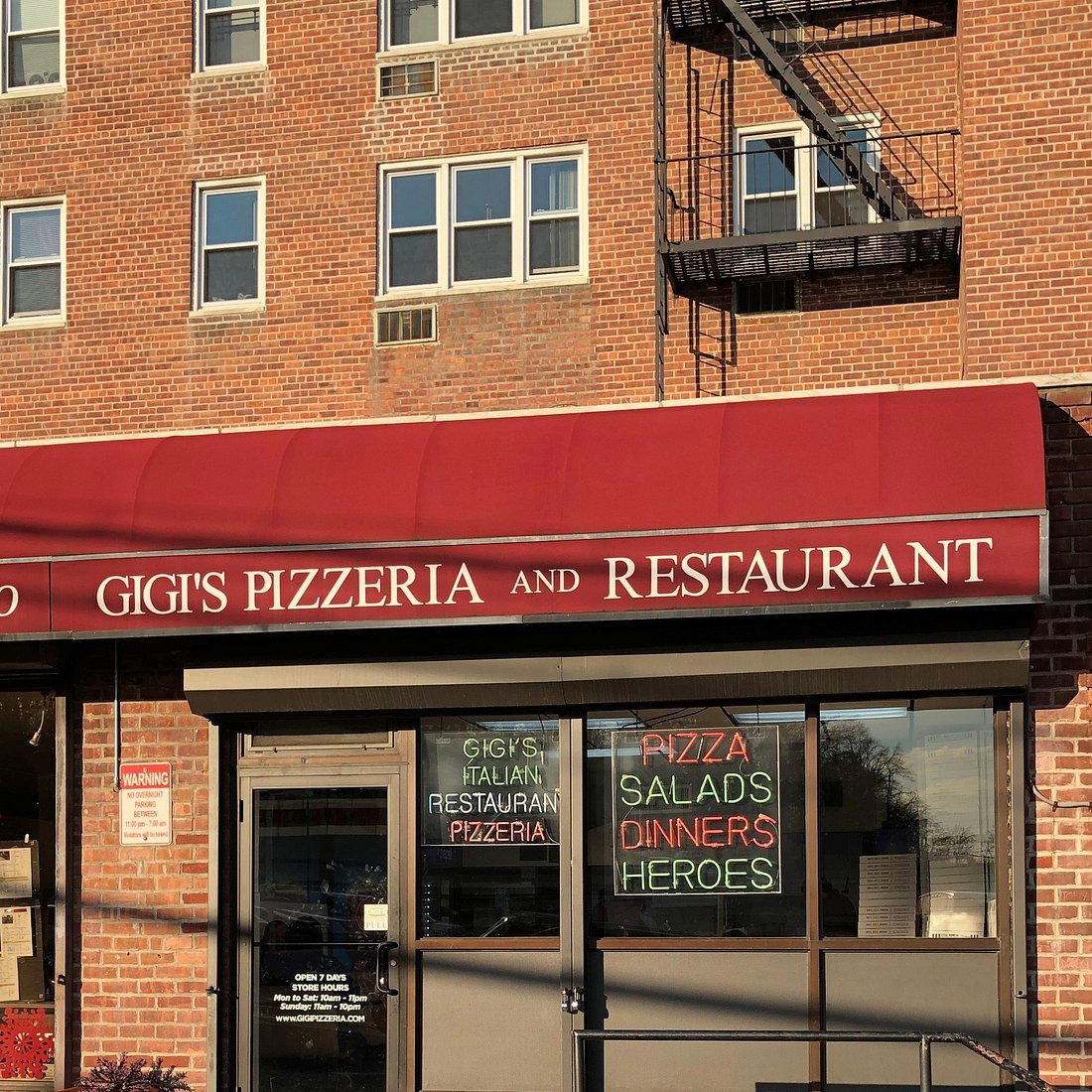
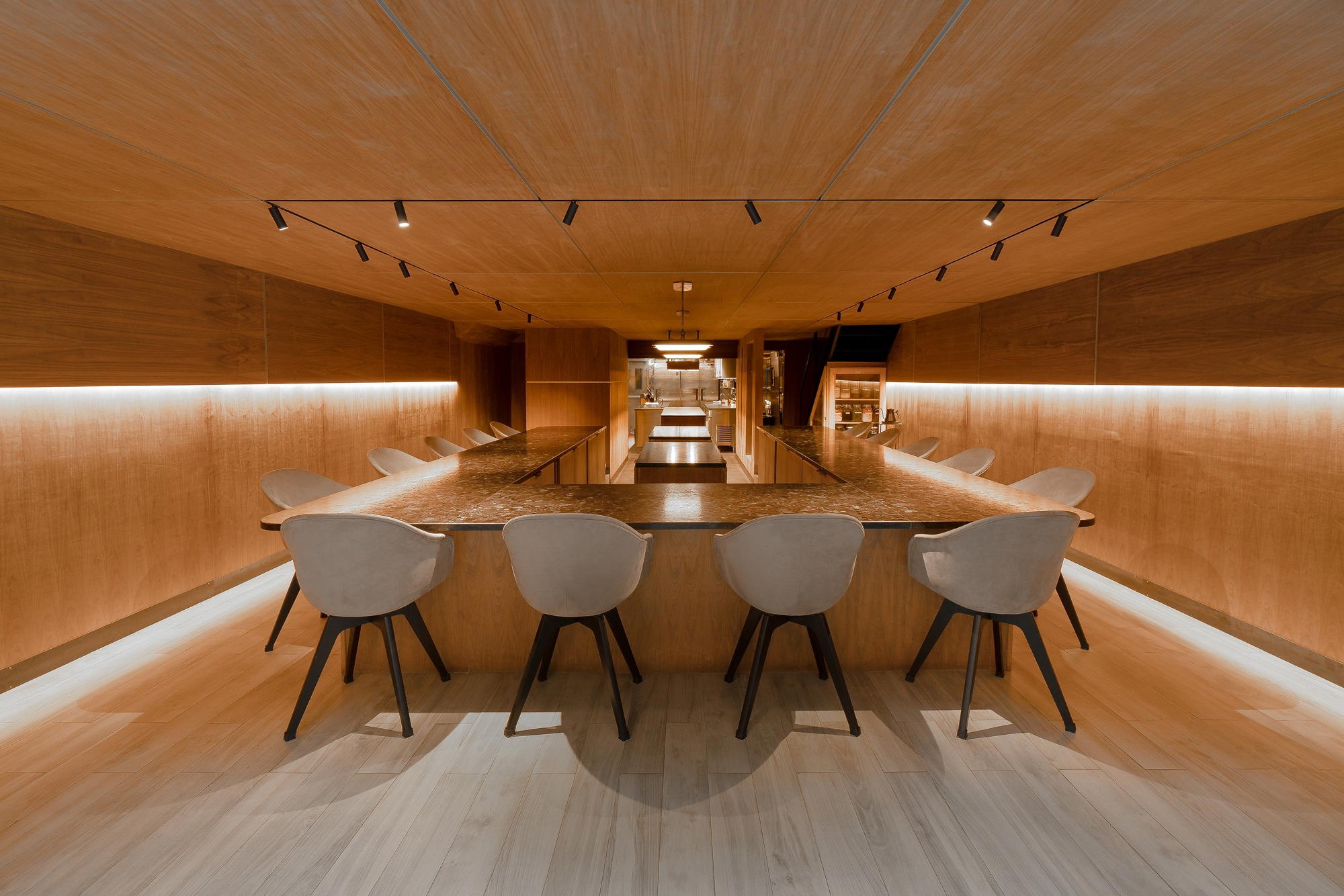
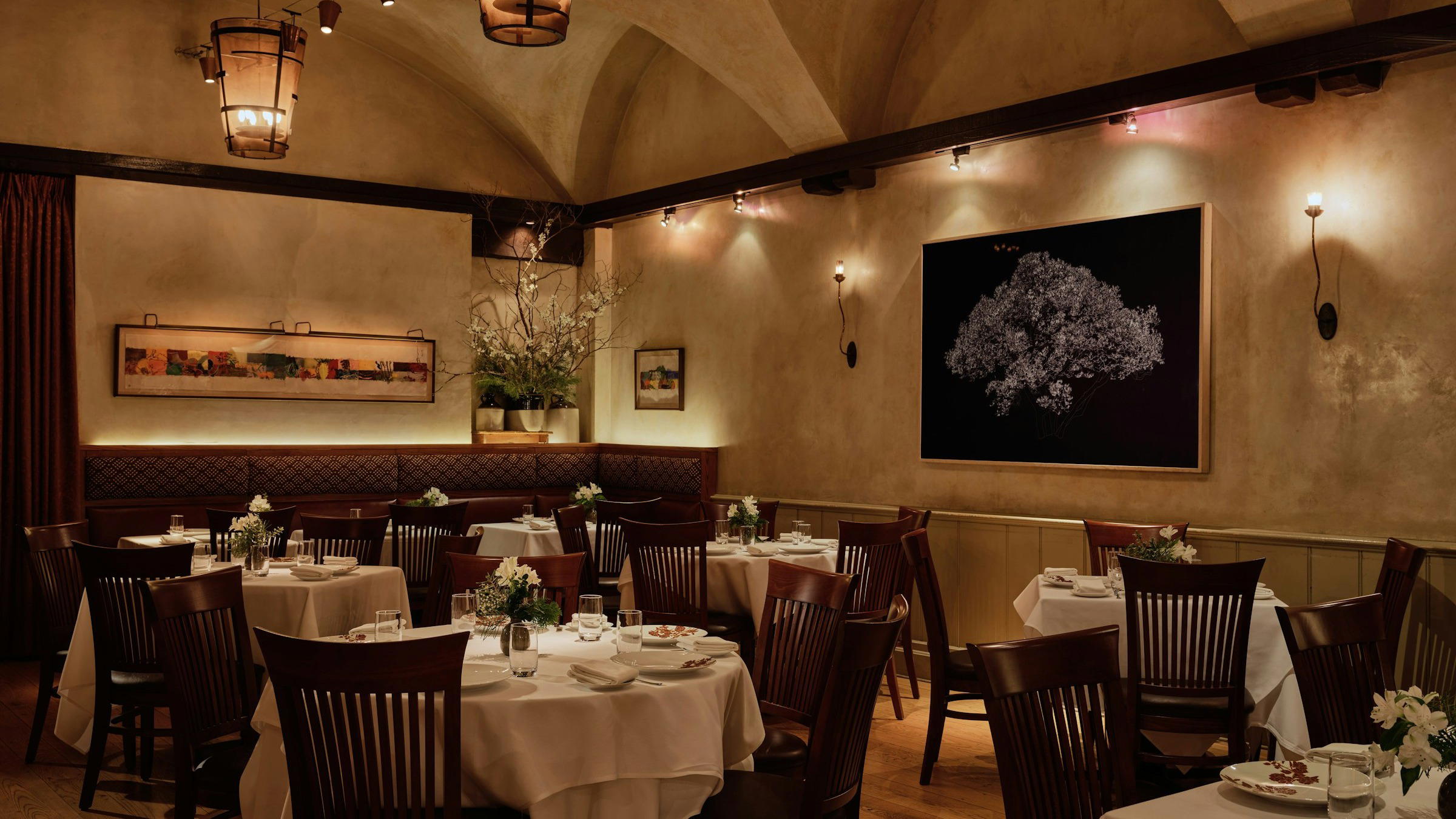
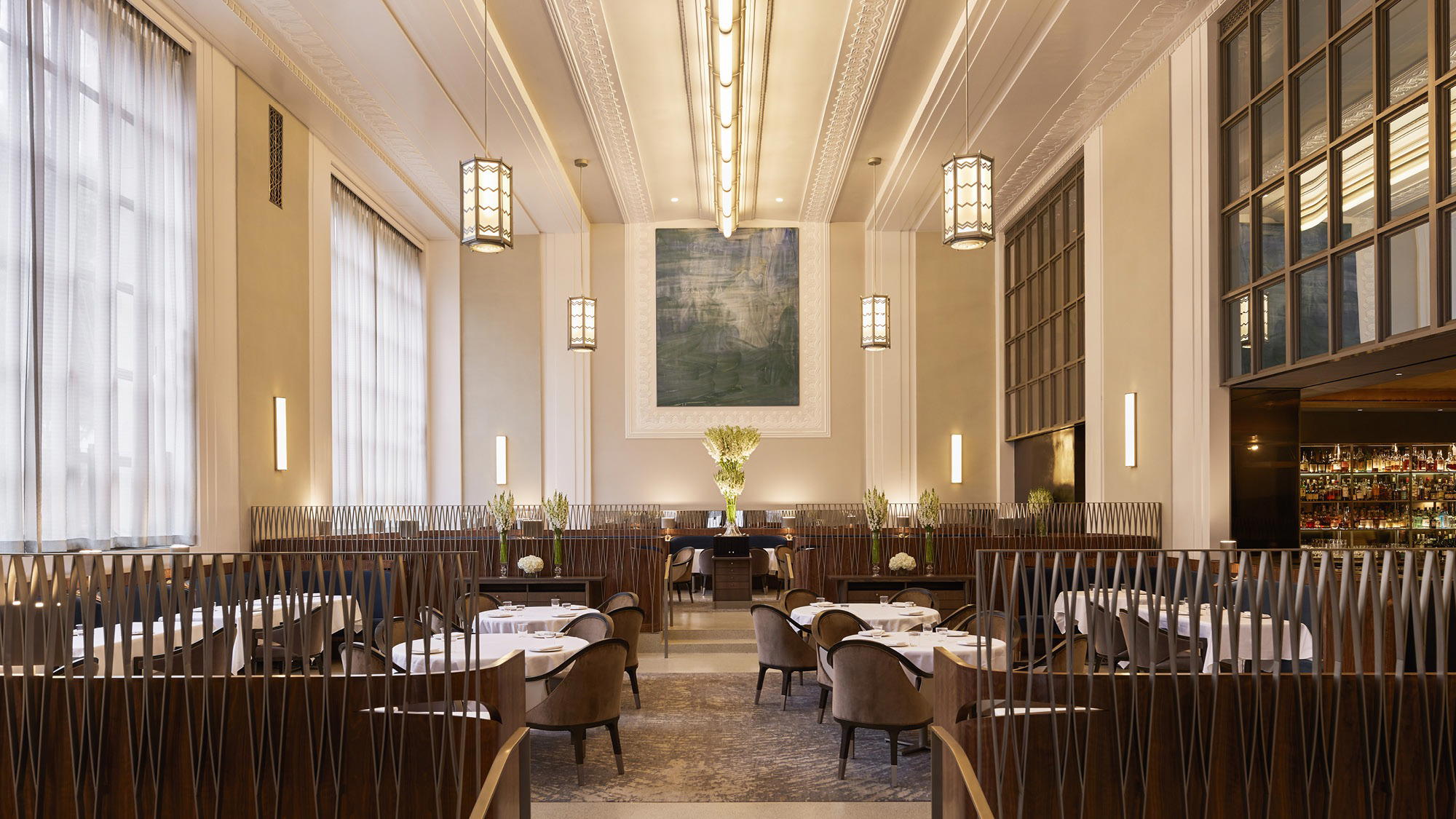
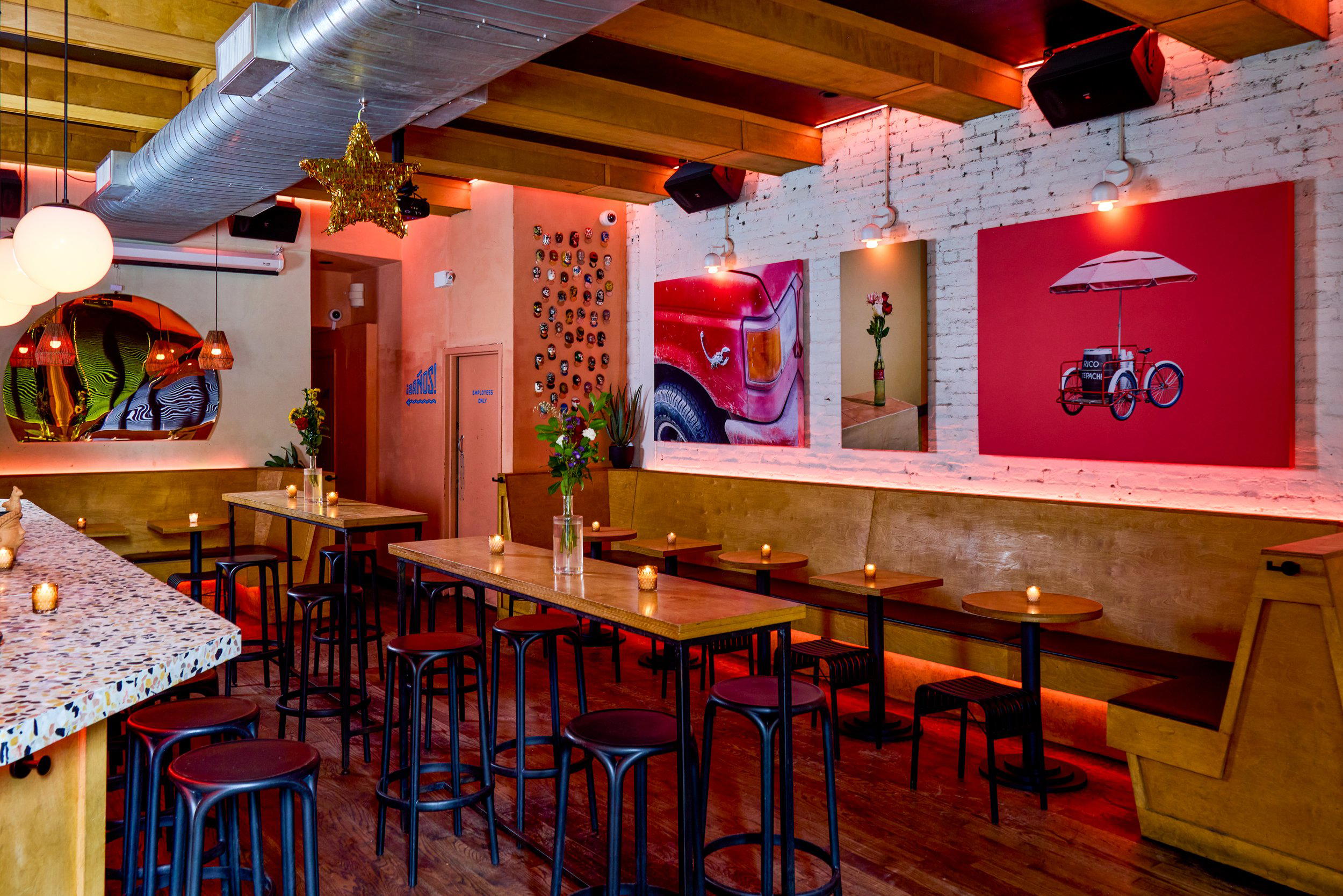
Gigi’s
Gigi's sits within New York City's increasingly ingredient-conscious dining tier, where provenance and sourcing discipline separate the serious rooms from the merely expensive ones. The restaurant draws comparisons to peers operating at the upper end of the market, where the origin of each component carries as much weight as the technique applied to it. For a city running several of the country's most closely watched dining programs, Gigi's holds a position worth tracking.
Pearl is the En Primeur Club membership app — saves, bookings, and concierge access live there. Same editors, same standards.
- Address
- 138 Franklin St, Brooklyn, NY 11222
- Phone
- (347) 223-4836
- Website
- fulgurances.com

What the Room Tells You Before the Food Arrives
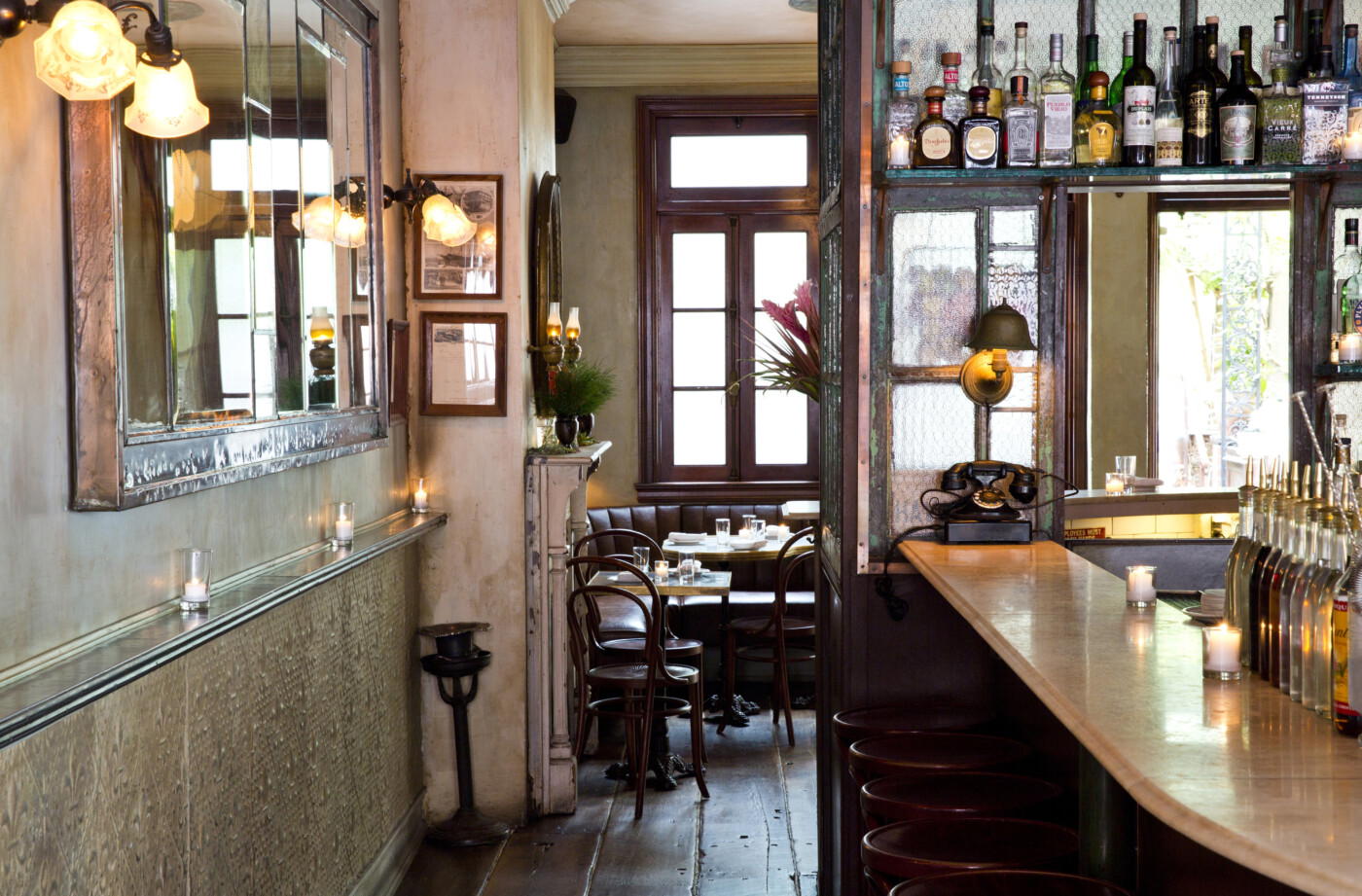
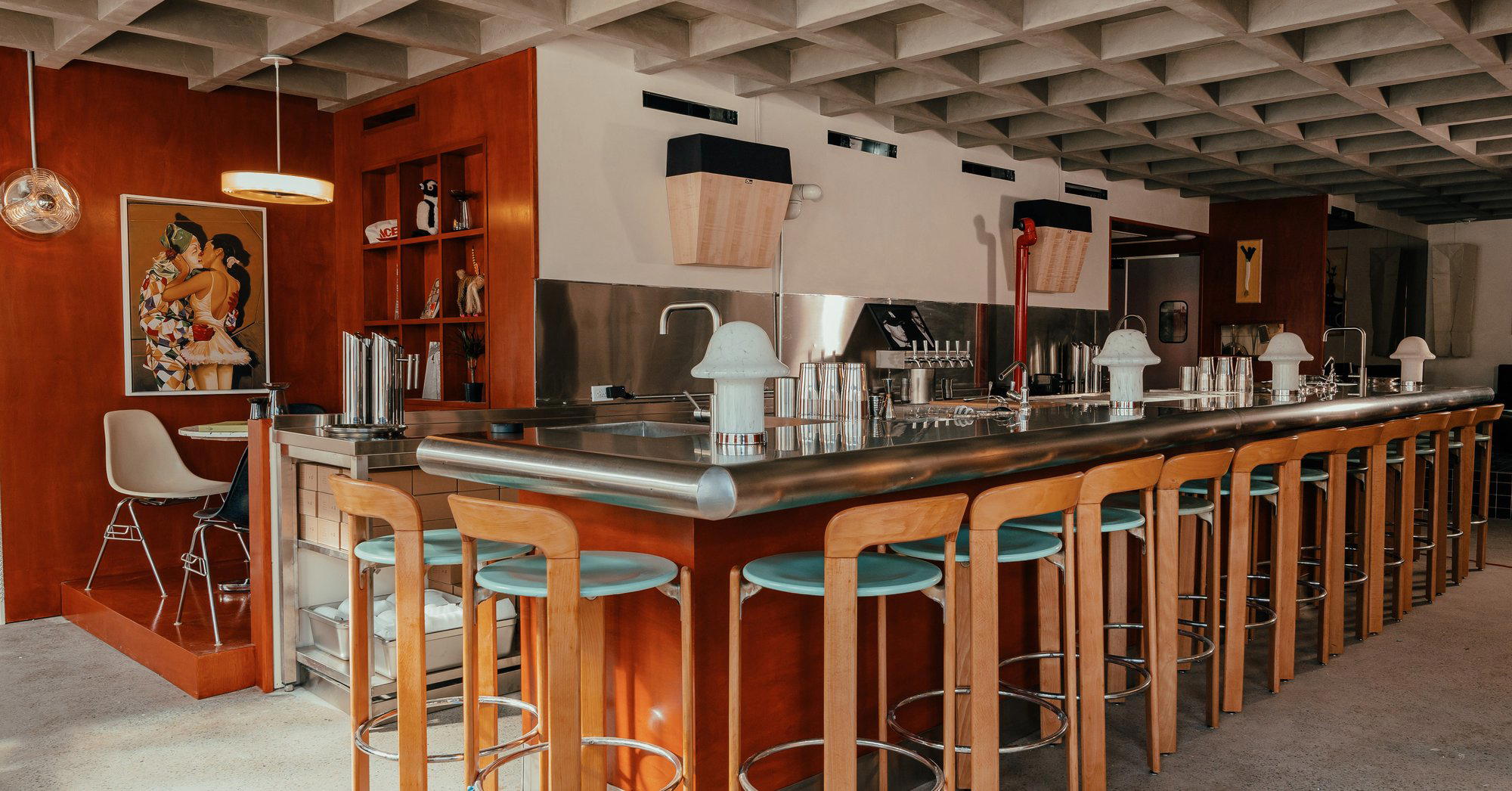
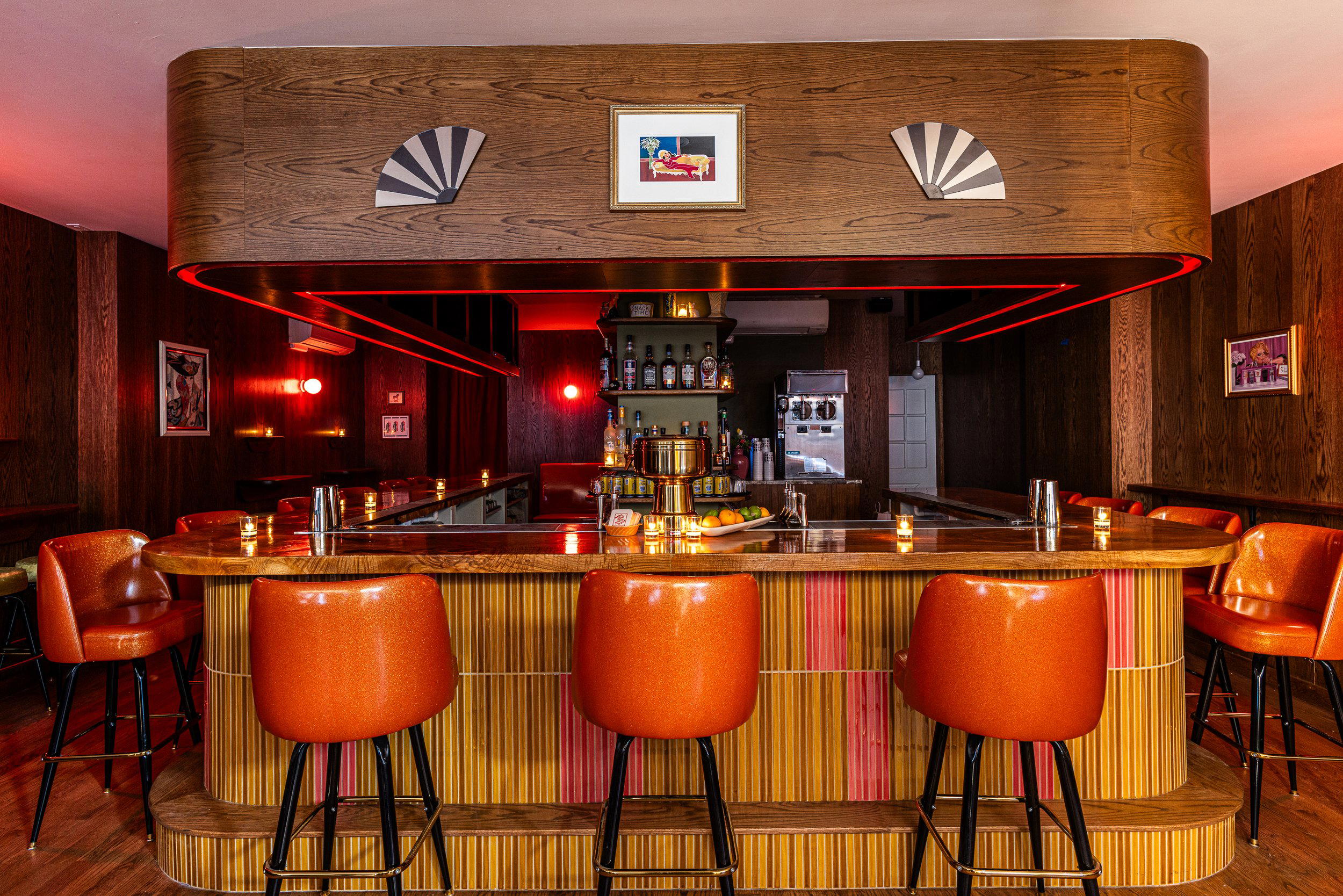
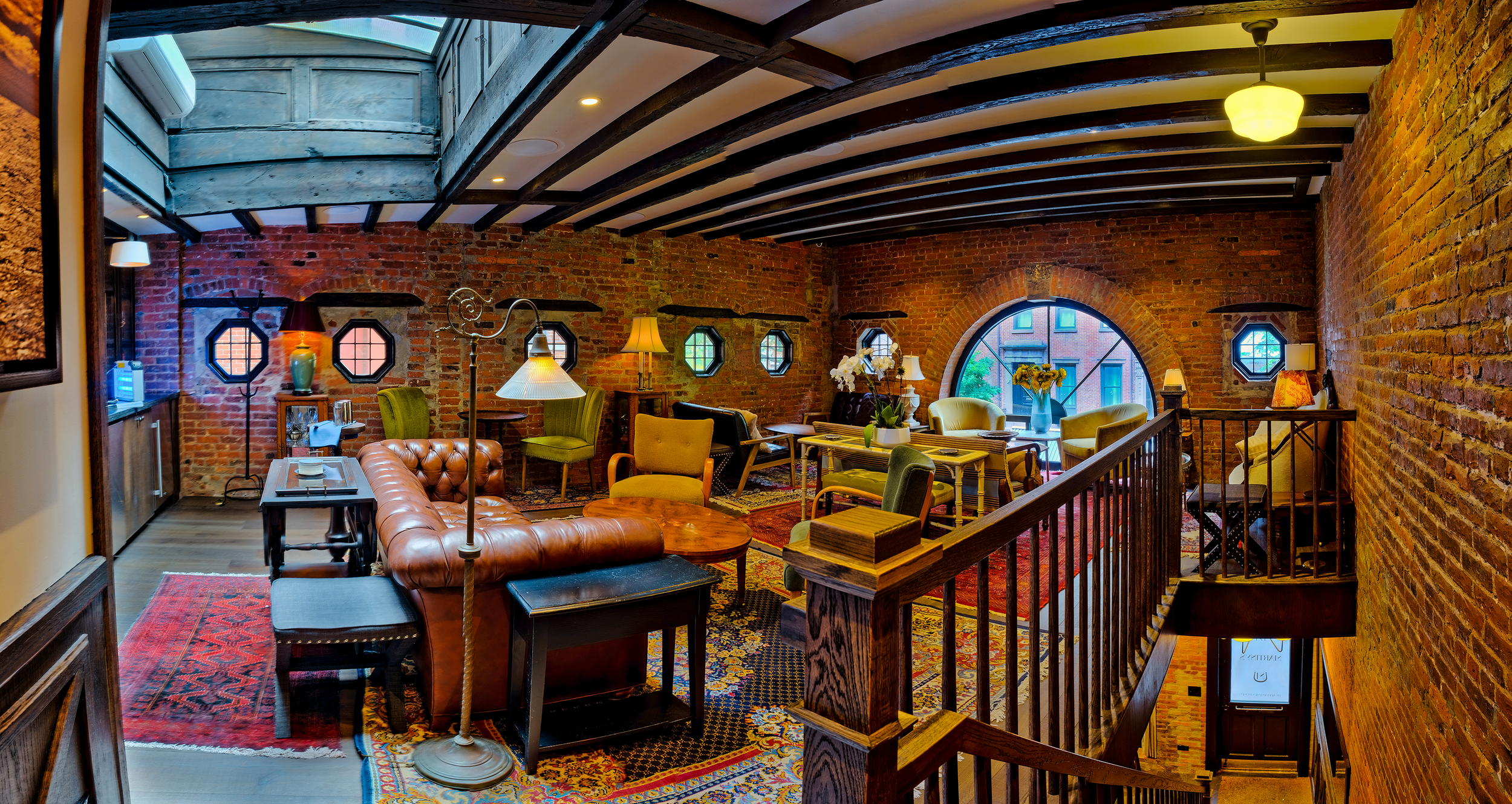
New York's serious dining rooms have a particular grammar. The ones that have thought carefully about what they're doing tend to show it in the details that precede the menu: the weight of the glassware, the acoustics, the pace at which the first pour arrives. Gigi's operates in a city where rooms at this level compete against deeply established programs at places like Le Bernardin and Per Se, both of which have spent decades calibrating exactly that kind of environmental language. The question any newer room faces is whether the physical experience and the sourcing philosophy behind the food justify the positioning. Gigi’s is a Hudson Valley Mediterranean Trattoria at 138 Franklin St, Brooklyn, with a Google rating of 4.8 from 60 reviews and an approximate price of $50 per person.
New York has seen a sustained shift over the past decade toward dining programs that treat ingredient origin as the primary editorial statement. This is not a trend unique to the city, Blue Hill at Stone Barns in Tarrytown built its entire identity around that premise, and Single Thread Farm in Healdsburg has applied a similar farm-to-counter rigor on the West Coast. But in Manhattan, where supply chains are longer and ingredient sourcing requires more active relationship-building, the rooms that commit to genuine provenance transparency tend to occupy a narrower and more deliberate market position.
Sourcing as the Central Argument
The broader pattern across American fine dining in the 2020s is that sourcing has moved from footnote to headline. Menus that once buried supplier credits in small print now lead with them. This reflects both a genuine shift in kitchen values and a recognition that the people spending serious money on dinner are paying more attention to where food comes from than they were fifteen years ago. Restaurants operating in New York's upper pricing tiers, where Masa charges for Japanese fish flown in daily and Atomix has built a tasting format around Korean fermentation and seasonal Korean produce, have collectively made the case that provenance is a legitimate differentiator, not just a marketing posture.
Gigi's enters this conversation in a city already crowded with rooms making ingredient-based claims. The relevant question is always whether the sourcing story is structural to the kitchen's approach or cosmetic. Structural sourcing changes the menu: it means the kitchen accepts constraints based on what's available rather than building a fixed menu and sourcing backward into it. Cosmetic sourcing is the reverse. The former tends to produce food that reads differently across seasons; the latter produces a stable menu with supplier credits appended. For a room positioning itself in New York's attentive dining tier, this distinction matters more than any single dish.
American restaurants that have made sourcing genuinely structural, Providence in Los Angeles with its sustainable seafood commitments, Addison in San Diego with its regional California produce focus, Bacchanalia in Atlanta with its long relationships with Southern farmers, share a common characteristic: the menu's seasonal variability is visible and deliberate. These are rooms where returning visitors notice real change rather than minor garnish adjustments. Gigi's, operating in New York, is measured against that standard whether it intends to be or not.
New York's Upper Dining Tier: Where Gigi's Fits
The city's leading dining programs currently occupy several distinct sub-tiers. At the highest price point, Japanese-influenced omakase and kaiseki formats (Masa being the reference point) operate with near-complete sourcing control because they import the primary ingredient. Progressive Korean programs like Atomix and Jungsik New York have built their own sourcing networks around fermentation-forward cooking that responds to seasonal availability. The French-tradition rooms anchor the other end: Le Bernardin with its decades-long relationships with specific fishing operations, Per Se with its Thomas Keller organization's supply infrastructure.
Gigi's, with its current market profile, sits in a position where it needs to identify its competitive comparable set clearly. This is simply how New York's dining market works. A room that is not immediately legible within an established sub-tier tends to be evaluated against the loudest neighbors rather than its genuine peers. The rooms that have navigated this most effectively tend to have a clear sourcing story, a defined format (tasting counter, à la carte, prix fixe), and a booking pattern that signals demand. The broader sourcing-led positioning places it in a conversation that includes those rooms whether by design or association.
For context on what ingredient-focused American dining looks like at its most developed, the comparison set extends beyond New York. Alinea in Chicago, Lazy Bear in San Francisco, and The French Laundry in Napa all operate tasting formats where ingredient sourcing is foregrounded in the narrative presented to guests. Internationally, rooms like Alain Ducasse at Louis XV in Monte Carlo and 8½ Otto e Mezzo Bombana in Hong Kong show how European and Asian dining cultures have integrated sourcing discipline into high-end formats with different emphases. The American version, including what Gigi's appears to be pursuing, tends to center regional agriculture and producer relationships more explicitly.
Planning Your Visit
New York's upper-tier dining rooms generally require advance booking, and those that have built a following around a specific format (tasting menus, omakase counters) tend to book out further in advance than their à la carte counterparts. For current reservation availability, booking format, and pricing at Gigi's, check directly through the restaurant.
| Venue | Format | Price Tier | Cuisine Orientation | Sourcing Signal |
|---|---|---|---|---|
| Gigi's | Confirm directly | Confirm directly | Hudson Valley Mediterranean Trattoria | Provenance-forward |
| Le Bernardin | À la carte / prix fixe | $$$$ | French seafood | Named fishing relationships |
| Atomix | Tasting counter | $$$$ | Modern Korean | Korean produce, fermentation |
| Per Se | Prix fixe tasting | $$$$ | French contemporary | Keller organization supply network |
| Blue Hill at Stone Barns | Tasting / farm format | $$$$ | American farm-driven | On-site farm, named producers |
Comparable Venues
Comparable venues nearby, for context on price, style, and recognition.
| Venue | Cuisine | Price | Awards | Notes |
|---|---|---|---|---|
| Gigi’sThis venue — the venue you are viewing | Hudson Valley Mediterranean Trattoria | $$$ | , | |
| Mezze on the River | Modern Mediterranean Seafood | $$$ | , | Financial District-Battery Park City |
| Nanoosh | Mediterranean Hummus Bar | $$ | , | Midtown South-Flatiron-Union Square |
| White Olive | Modern Greek-Turkish Mediterranean | $$$ | , | Midtown-Times Square |
| Or'esh | Live-Fire Modern Levantine Mediterranean | $$$$ | , | SoHo-Little Italy-Hudson Square |
| Pangea | Eclectic Mediterranean-American Fusion | $$ | , | East Village |
Continue exploring
More in New York City
Restaurants in New York City
Browse all →Bars in New York City
Browse all →Hotels in New York City
Browse all →At a Glance
- Cozy
- Elegant
- Classic
- Date Night
- Family
- Special Occasion
- Open Kitchen
- Farm To Table
- Local Sourcing
Classy yet informal with warm hospitality and convivial atmosphere.