
1 Michelin Star
Our verdict
Suan Thip holds a Michelin star for its refined Royal Thai cuisine served across a sprawling riverside garden of pavilions and ponds in Pak Kret, Nonthaburi. The menu centres on traditional techniques, with dishes built around the aromatics that define Thailand's central-plains cooking tradition. Open daily, it draws diners willing to make the journey north from Bangkok for food and setting in equal measure.

Pearl is the En Primeur Club membership app, where members save venues, book tables and use the concierge.
The menu
What to order
- Chicken curry with roti
- Green curry
- Catfish red curry with khi lek leaves
- Deep-fried sea bass with green mango
- Kratong-thong appetizer
- Miang Kum
- Khao chae
A Riverside Garden Forty Minutes from the Capital
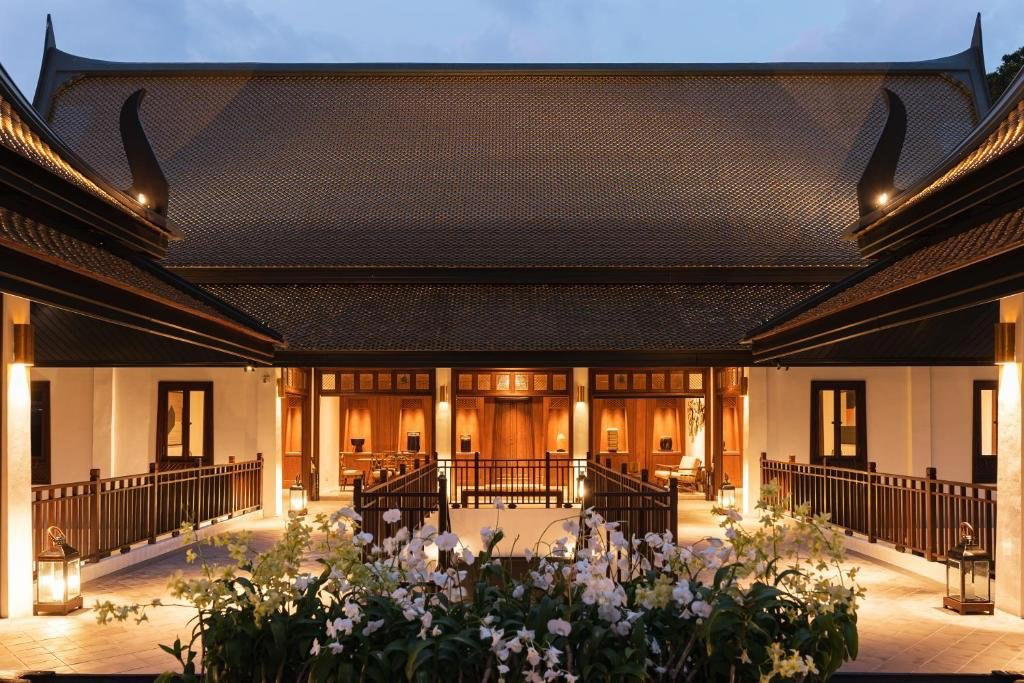
The approach to Suan Thip sets a different register from Bangkok's restaurant scene. The garden opens up before you reach the dining rooms: ponds, flowering trees, open-air pavilions strung along the riverbank in Bang Phut sub-district, Pak Kret. What the capital offers in urban density, this address trades for horizontal space and what feels like a separate temporal zone. The journey from central Bangkok, roughly forty minutes north into Nonthaburi province, functions less as an inconvenience and more as a pacing device. By the time you sit down, the city's noise is genuinely distant.
This kind of destination-garden dining has a particular lineage in Thailand. The tradition of the suan aharn, the garden restaurant sited along a waterway, designed as much for the setting as the food, runs deep in central Thai culture. Suan Thip belongs to that tradition, but with a culinary register that places it several tiers above the category's usual output. Holding a Michelin star since the 2024 guide, it is the only property in Pak Kret to carry that credential, a fact that positions it differently from the district's broader dining offer.
The Aromatics That Structure Royal Thai Cooking
Royal Thai cuisine is, before anything else, a discipline of aromatics. The kitchen tradition that developed in the palace courts of Bangkok did not invent kaffir lime, galangal, lemongrass, or Thai basil, those ingredients were already foundational to central Thai cooking, but it codified their deployment with unusual precision, building dishes that balance fragrance, heat, and acidity within tightly controlled proportions. Where street-level Thai cooking rewards improvisation and speed, the Royal tradition rewards patience and technique.
At Suan Thip, that hierarchy of aromatics is visible throughout the menu. The catfish red curry prepared with khi lek leaves is instructive: khi lek (Siamese cassia) is a bitter-edged leaf used with discipline rather than abundance, and its inclusion signals a kitchen that reaches beyond the standard herb shelf. Kaffir lime appears not as a garnish but as a structural component, its chiffonade cut into the stir-fried crispy catfish alongside dry curry paste, where the citrus oils integrate into the dish's aromatic base rather than resting on top of it. Deep-fried sea bass with green mango brings a different set of contrasts: the astringency of unripe mango pulling against fish fat, the whole thing grounded by whatever paste the kitchen deploys underneath.
The betel leaf wraps, Miang Kum, demonstrate the form at its clearest. Miang Kum is one of the most aromatics-forward preparations in the Thai repertoire, a single bite designed to deliver sweet, sour, salty, and bitter in sequence. Pink lotus petals in the version here are a refinement specific to the Royal tradition, where presentation and ingredient selection carry equal weight. This is not decoration. The petal's mild astringency is doing something in the flavour sequence.
For broader context on how Royal Thai cooking has found its way into Bangkok's starred tier, Nahm in Bangkok and Samrub Samrub Thai in Bangkok offer useful comparison points, each approaching the tradition from a different institutional angle. Outside the capital, Sorn in Bangkok works with southern Thai aromatics, while PRU in Phuket takes a farm-sourcing approach that intersects with, but diverges from, the palace-cuisine lineage.
Where Suan Thip Sits in Pak Kret's Dining Context
Pak Kret's restaurant scene is broader than most Bangkok visitors register. The district runs along the Chao Phraya's eastern bank north of Nonthaburi city, and its food offer reflects both its Thai-Chinese demographic history and its position as a satellite of the capital rather than a destination in its own right. The bulk of the area's restaurants sit at the ฿฿ price tier: Chang-Wang-Imm, Hong Seng, and Chuan Kitchen all operate at that register, with Thai-Chinese and Southeast Asian formats that suit the area's everyday dining habits. Kaithong Original follows the same pattern. AKKEE moves up to ฿฿฿, the only other address in the district that approaches Suan Thip's price positioning, though its format differs.
Suan Thip's ฿฿ pricing is somewhat misleading as a shorthand. Within the district it appears to share a tier with casual Thai-Chinese shophouses, but the cuisine grade, the space, and the Michelin recognition place it in a different competitive conversation: not against Pak Kret's everyday lunch spots, but against starred Thai restaurants in the capital. The garden setting and the journey required are part of the value calculus. For diners comparing it against Angeum in Phra Nakhon Si Ayutthaya or regional Thai addresses further afield like Aeeen in Chiang Mai, the proposition is clearly premium dining in a non-premium postcode.
Service, Setting, and the Logic of Coming Here
The service team at Suan Thip combines experienced senior staff with younger front-of-house, a structure that appears in several of Thailand's more established family-style fine dining addresses. It tends to produce a floor that is attentive without the formality of a hotel restaurant, which suits the garden setting and the mood the space creates.
The pavilion arrangement means that the experience of the space is genuinely cumulative. Walking the grounds before sitting down, past the ponds and through the garden plantings, functions as a kind of extended arrival, and critics who have covered the restaurant have noted that the setting itself registers as a meaningful part of what makes the meal coherent. The Royal Thai tradition has always been presented alongside decorative formality; the garden at Suan Thip provides a version of that spatial intention outside the palace context.
For visitors with more than one meal in the area, the full Pak Kret restaurants guide maps the district's range. The Pak Kret hotels guide covers accommodation for those treating the area as an overnight, and the Pak Kret bars guide, wineries guide, and experiences guide round out the broader picture. The Spa in Lamai Beach and Agave in Ubon Ratchathani illustrate how Thailand's garden-and-setting dining tradition extends beyond the Bangkok orbit into beach and Isan contexts.
Planning Your Visit
Suan Thip opens daily from 11 AM to 9 PM, seven days a week, which makes it more accessible than many Michelin-starred addresses that close mid-week. The address is 17, 9 Sukkhaprachasan 2, Bang Phut Sub-district, Pak Kret District, Nonthaburi 11120. From central Bangkok, the most practical route is by road; the restaurant's position in Bang Phut places it off Chaeng Watthana Road, accessible by car or ride-hailing app. The garden size and the private pavilion format mean groups and celebrations are a recurring part of the booking mix, so weekend evenings in particular warrant advance planning.
The dry season months from November through February bring cooler evenings and lower humidity, which makes the outdoor and semi-open pavilion format considerably more comfortable than the shoulder-season heat. Arriving before the dinner rush allows time in the garden before the space fills.
What to Eat at Suan Thip
What should I eat at Suan Thip?
The menu at Suan Thip is anchored in Royal Thai technique, and the dishes that appear most consistently in critical coverage are those built around complex aromatic layering. The catfish red curry with khi lek leaves is the clearest expression of the kitchen's approach to bitterness and heat in balance. The stir-fried crispy catfish with dry curry paste and kaffir lime chiffonade demonstrates the use of citrus aromatics as a structural rather than decorative element: the kaffir lime oils integrate into the paste base rather than sitting on leading. The Miang Kum betel leaf wraps, prepared with pink lotus petals and the house sauce, are among the more refined versions of a dish that exists across the Thai canon at widely varying quality levels. The deep-fried sea bass with green mango offers the kitchen's take on the sweet-astringent pairing that recurs throughout central Thai cooking. For context, the 2024 Michelin Star recognises the restaurant's sustained execution of this tradition at a level that places it among a small number of addresses in the greater Bangkok area carrying that credential.
Frequently asked questions
What are Suan Thip's hours?
Hours at Suan Thip: Monday 11 AM-9 PM Tuesday 11 AM-9 PM Wednesday 11 AM-9 PM Thursday 11 AM-9 PM Friday 11 AM-9 PM Saturday 11 AM-9 PM Sunday 11 AM-9 PM.
Has Suan Thip won any awards?
Suan Thip has received recognition including: The lush riverside gardens, pavilions and ponds feel a world away from the bustle of Bangkok’s streets. Wandering around this idyllic setting before sitting down at your table is a real treat and makes the journey out here from the city ins….
What should I eat at Suan Thip?
Critical coverage consistently highlights the catfish red curry with khi lek leaves and the deep-fried sea bass with green mango as the dishes that best demonstrate the kitchen's Royal Thai technique. The Miang Kum betel leaf wraps, finished with pink lotus petals, are another reference point for the court-derived flavour discipline the menu follows. Given the Michelin recognition since 2024, ordering across those aromatic-led dishes gives the clearest read on what the kitchen does at its most considered.
What's the price range at Suan Thip?
Pricing at Suan Thip is listed as ฿฿.
Where exactly is Suan Thip?
Suan Thip is located at 17, 9 Sukkhaprachasan 2, Bang Phut Sub-district, Pak Kret District, Nonthaburi 11120, Thailand, Pak Kret.
City Peers
| Venue | Cuisine | Price | Awards | Notes |
|---|---|---|---|---|
| Suan ThipThis venue (the venue you are viewing) | Royal Thai Cuisine | $10–20 | 1 Michelin Star | Not listed |
| AKKEE | Traditional Thai | $50–100 | 1 Michelin Star · Star Wine List | Thai, ฿฿฿ |
| Chang-Wang-Imm | Traditional Riverside Thai | $10–20 | Michelin Bib Gourmand | Thai, ฿฿ |
| Hong Seng | Thai-Chinese Riverside | $10–20 | Michelin Bib Gourmand | Thai-Chinese, ฿฿ |
| Chuan Kitchen | Singaporean Chinese | $10–20 | Michelin Plate | South East Asian, ฿฿ |
| Kaithong Original | Authentic Thai-Chinese | $20–30 | Michelin Plate | Thai-Chinese, ฿฿ |
Recognition history
Dated appearances from independent guides and award organizations, with the underlying list record or original source where available.
Michelin 1 Star
Michelin
Full recognition history (3 entries)
Michelin 1 Star
Michelin
Michelin 1 Star
Michelin
Continue exploring
More in Pak Kret
Restaurants in Pak Kret
All restaurants in Pak Kret →
Bars in Pak Kret
Browse all →
Details
- Scenic
- Romantic
- Quiet
- Elegant
- Classic
- Date Night
- Family
- Celebration
- Special Occasion
- Group Dining
- Waterfront
- Garden
- Private Dining
- Terrace
- Local Sourcing
- Farm To Table
- Waterfront
- Garden
- A La Carte
- Family Style
- Vegetarian Friendly
- Gluten Free Options
- Allergy Accommodating
Current opening hours
- Monday
- 11 AM–9 PM
- Tuesday
- 11 AM–9 PM
- Wednesday
- 11 AM–9 PM
- Thursday
- 11 AM–9 PM
- Friday
- 11 AM–9 PM
- Saturday
- 11 AM–9 PM
- Sunday
- 11 AM–9 PM
Hours can change for holidays and private events. Hours as of .
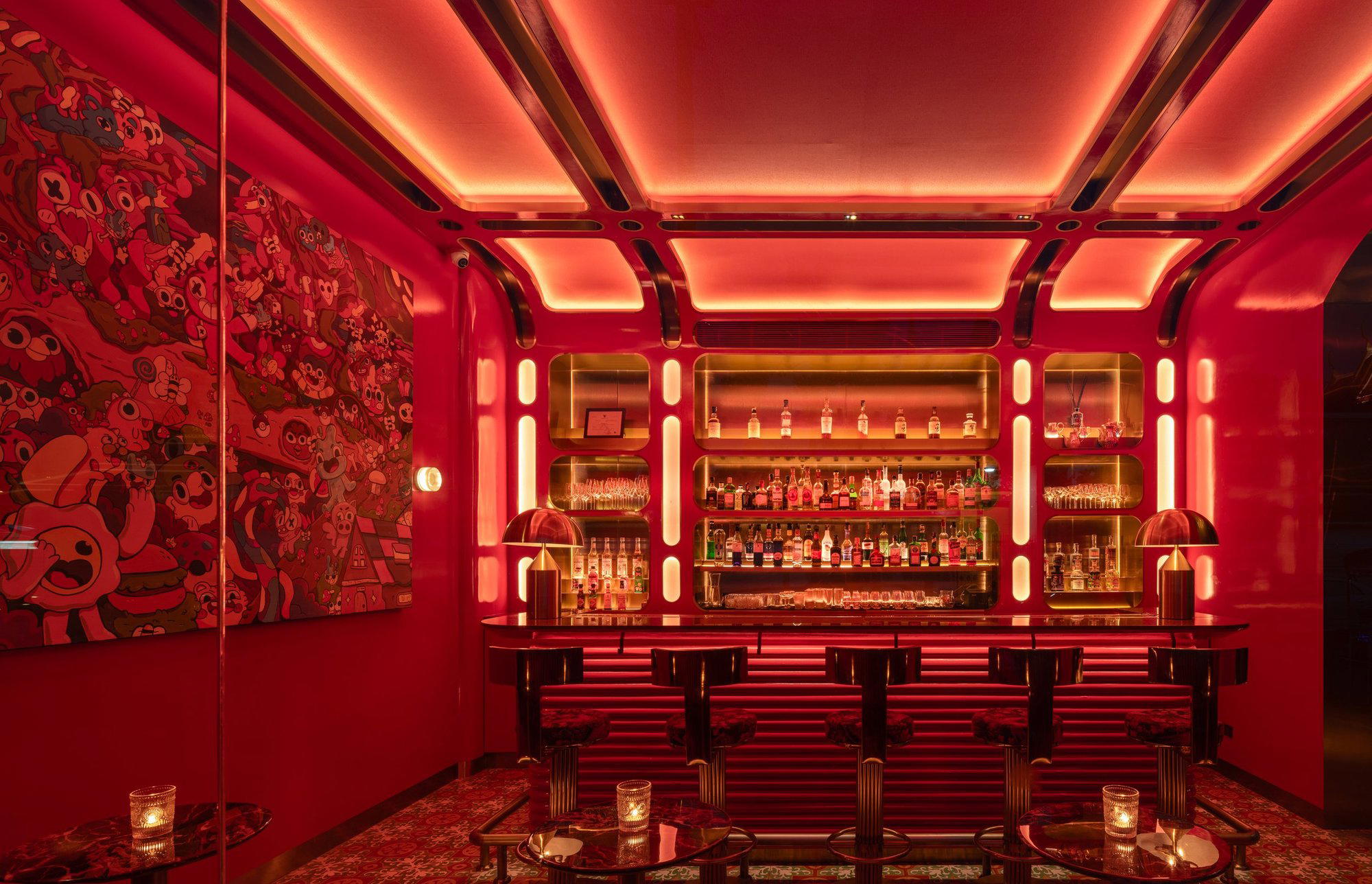
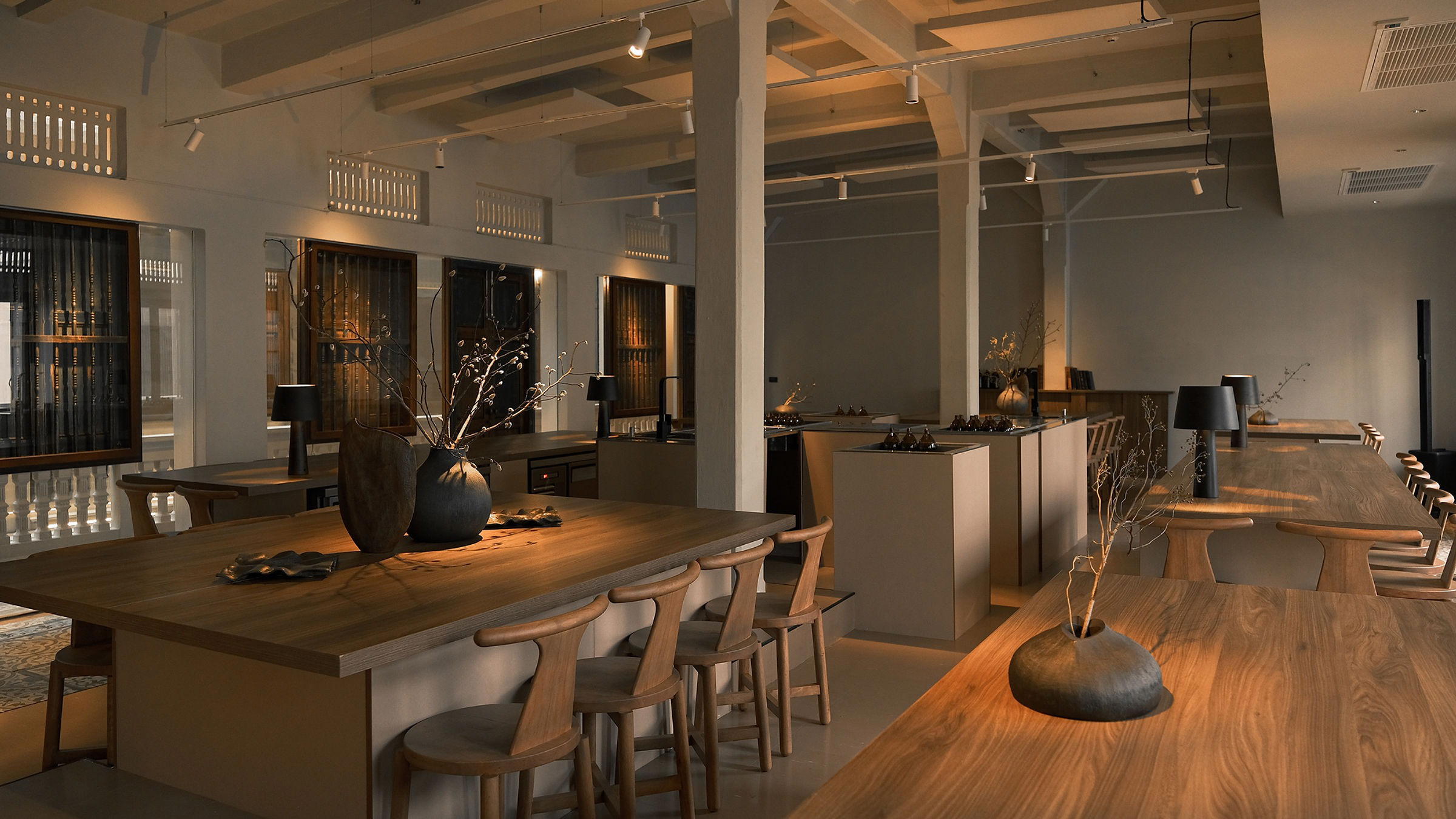
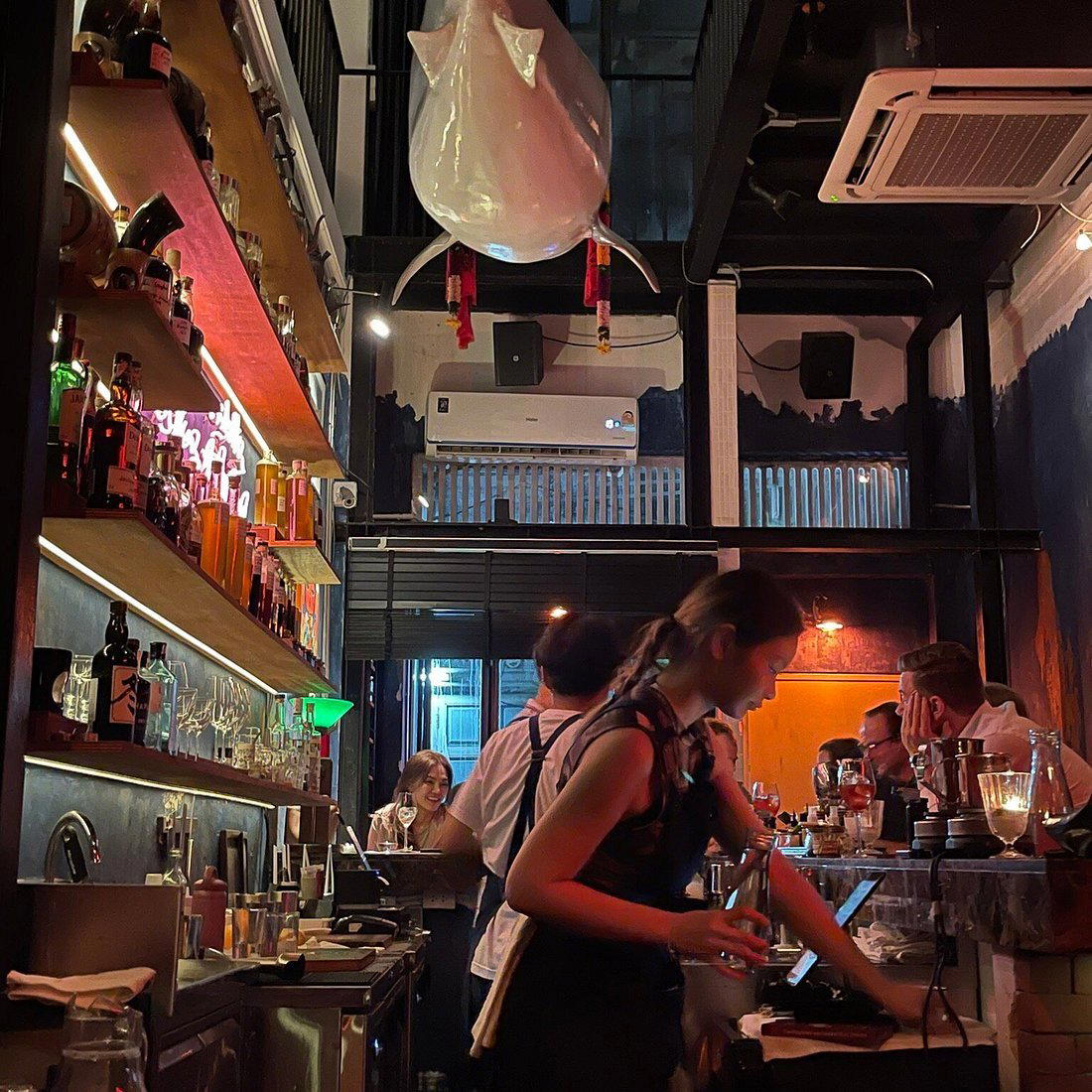
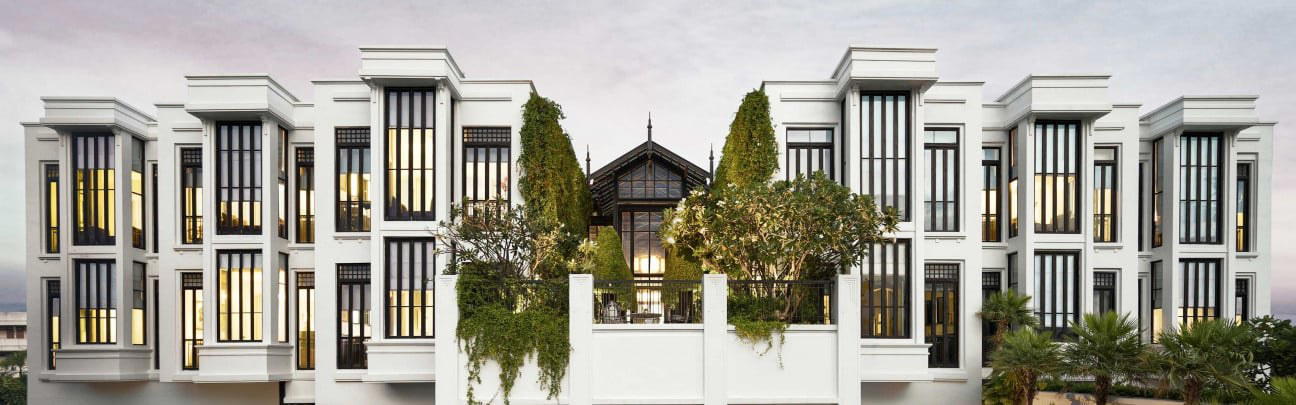
Tranquil and peaceful with soft lighting, lush greenery, lotus ponds, and riverside views; indoor air-conditioned pavilions available alongside outdoor garden seating that feels worlds away from Bangkok's bustle.