Google: 4.7 · 276 reviews


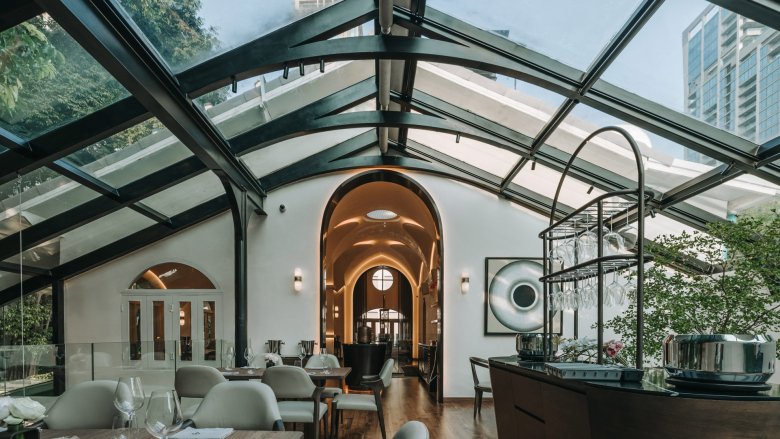
AKKEE is a discreet haven where Thai culinary heritage meets refined modernity. Chef-owner Sittikorn channels a scholar’s precision and an artisan’s soul into bold regional recipes, prepared traditionally in a pared-back kitchen that amplifies their rustic edge and soulful depth. In an intimate, dimly lit room, each course unfolds with quiet confidence—spice, smoke, citrus, and herb weaving through impeccably balanced sauces and delicately textured broths. The seasonal set menu offers the most complete expression, particularly when paired with curated Thai draft beers that enhance the brightness, funk, and floral lift of each dish. For the discerning traveler, AKKEE promises an immersive journey through Thailand’s terroir—elevated, intimate, and unforgettable.
 Discover on Pearl
Pearl is the En Primeur Club membership app — saves, bookings, and concierge access live there. Same editors, same standards.
A Michelin Star in the Bangkok Suburbs
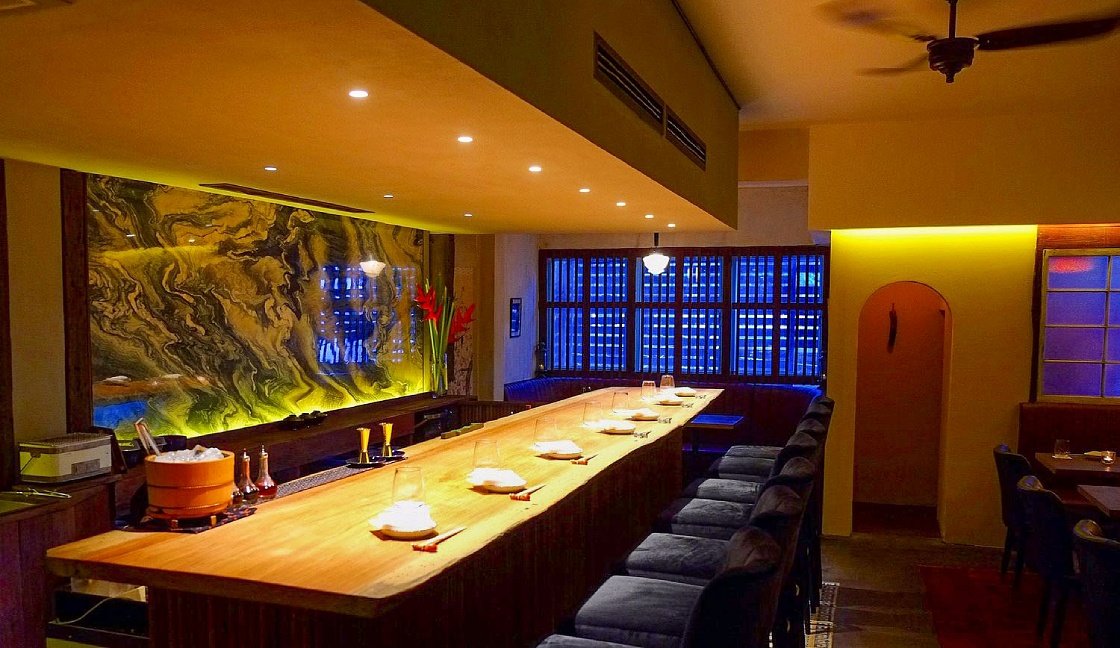
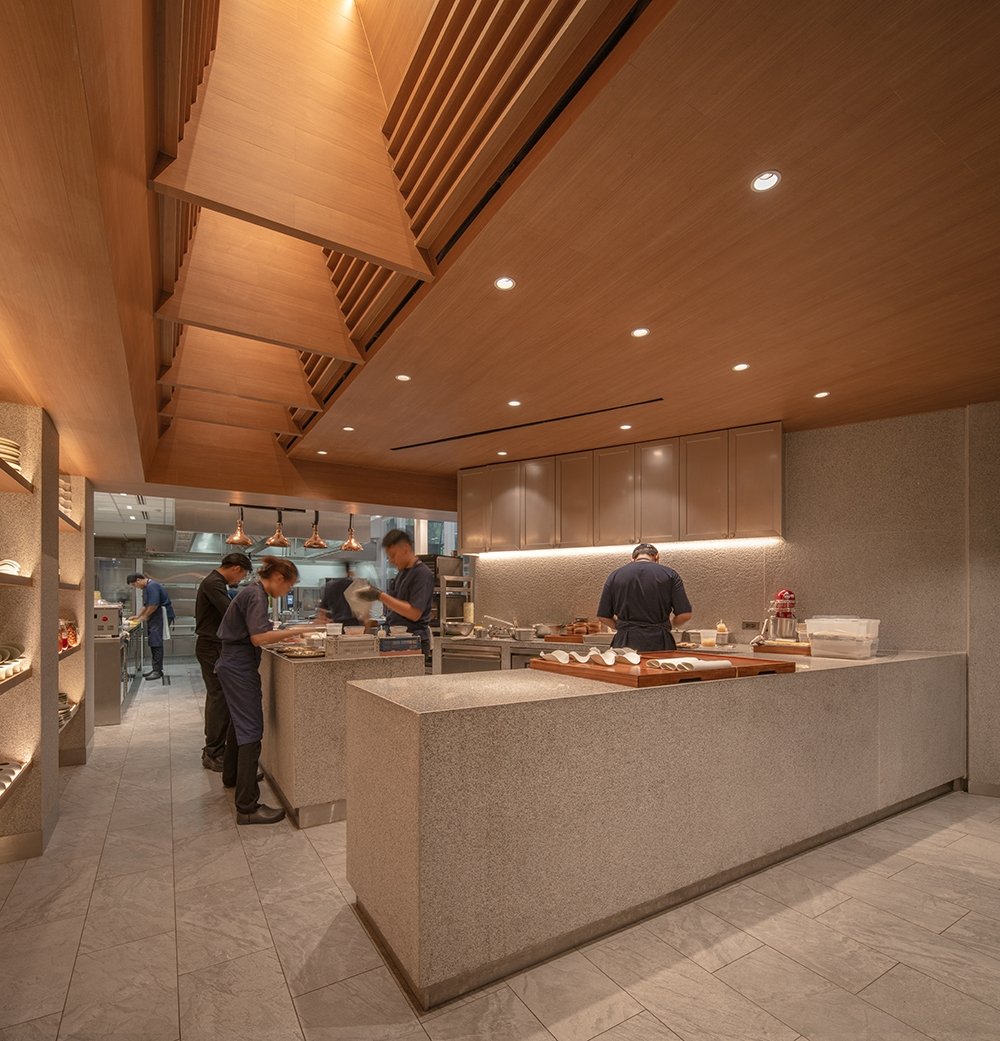
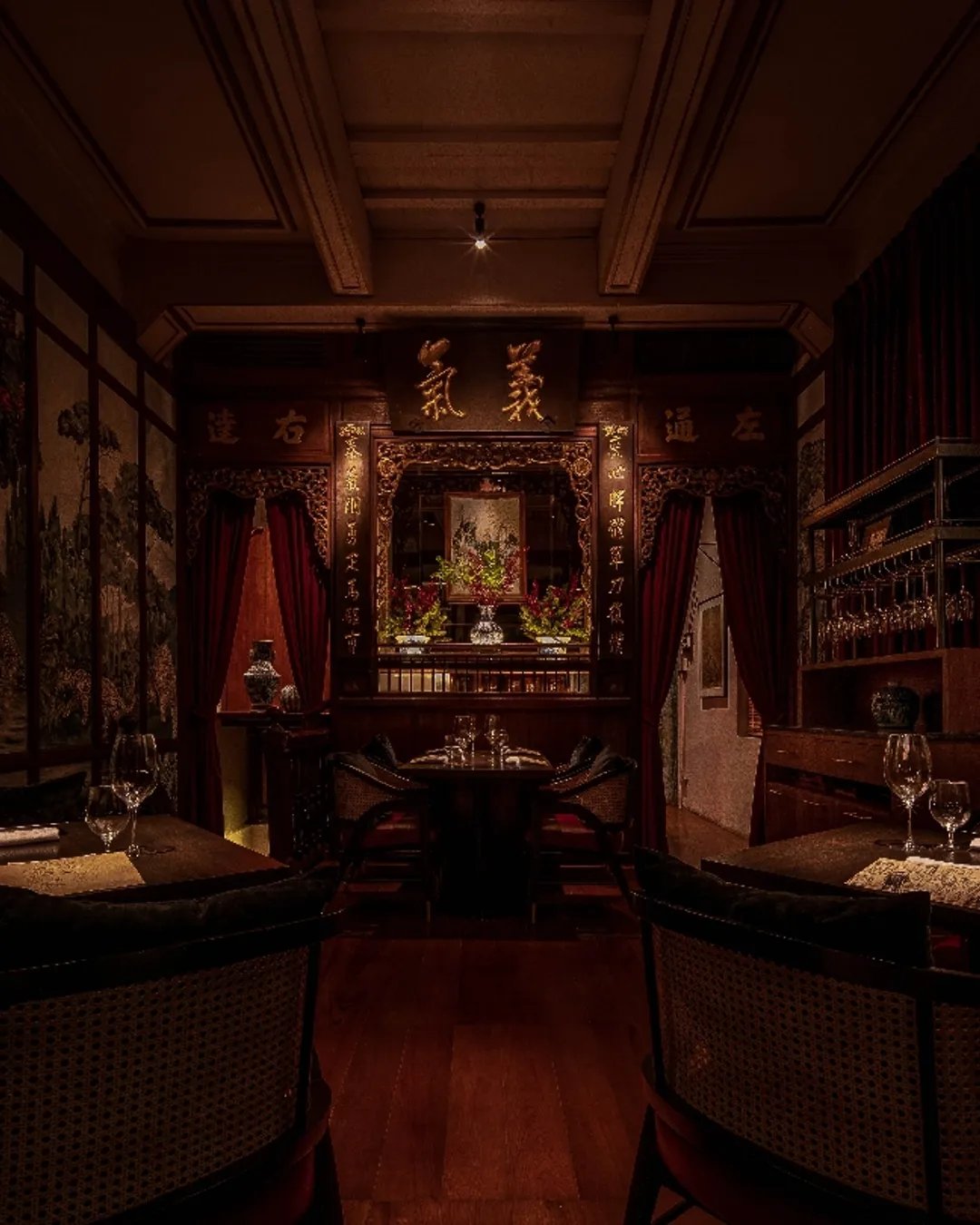
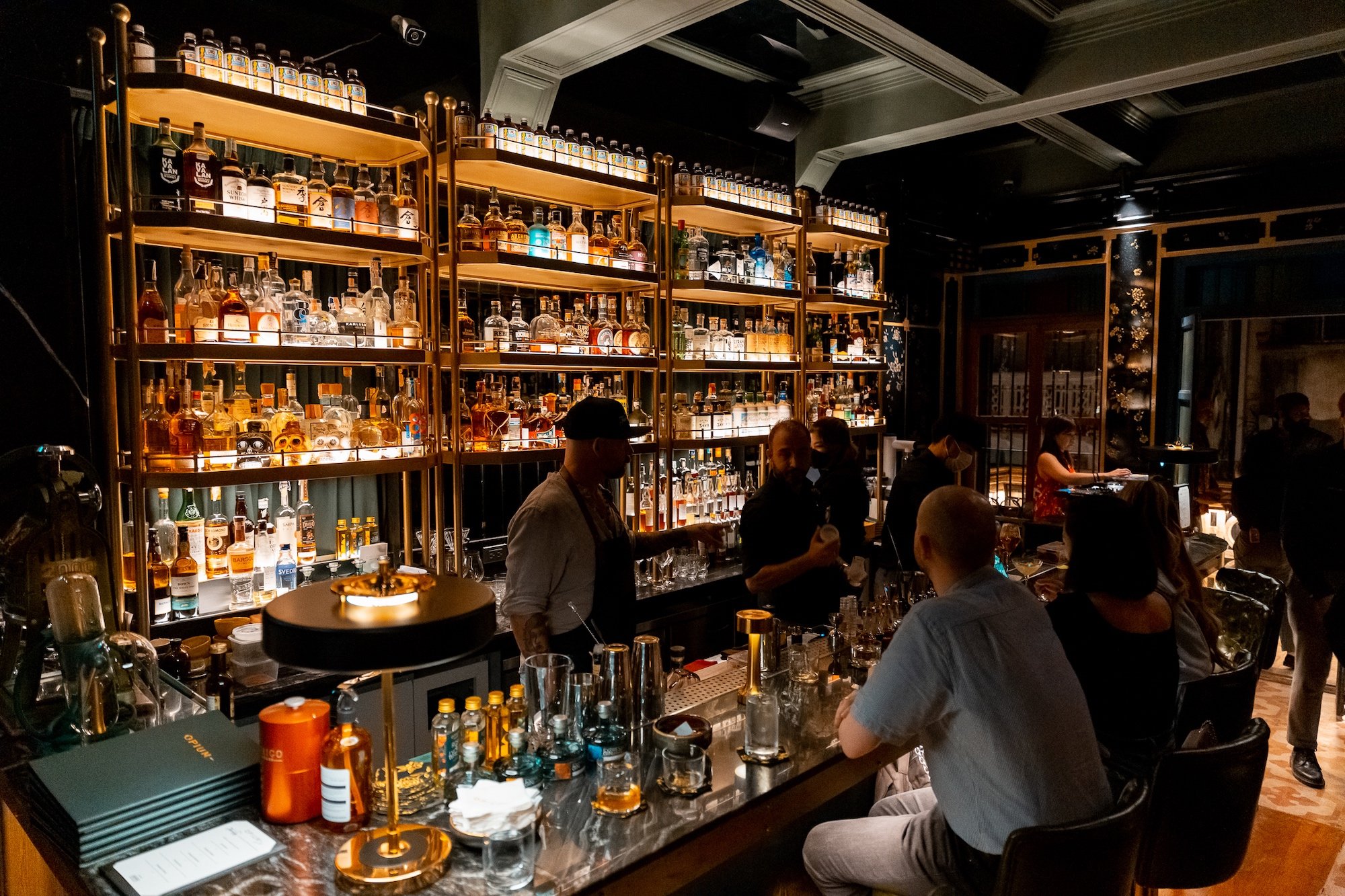
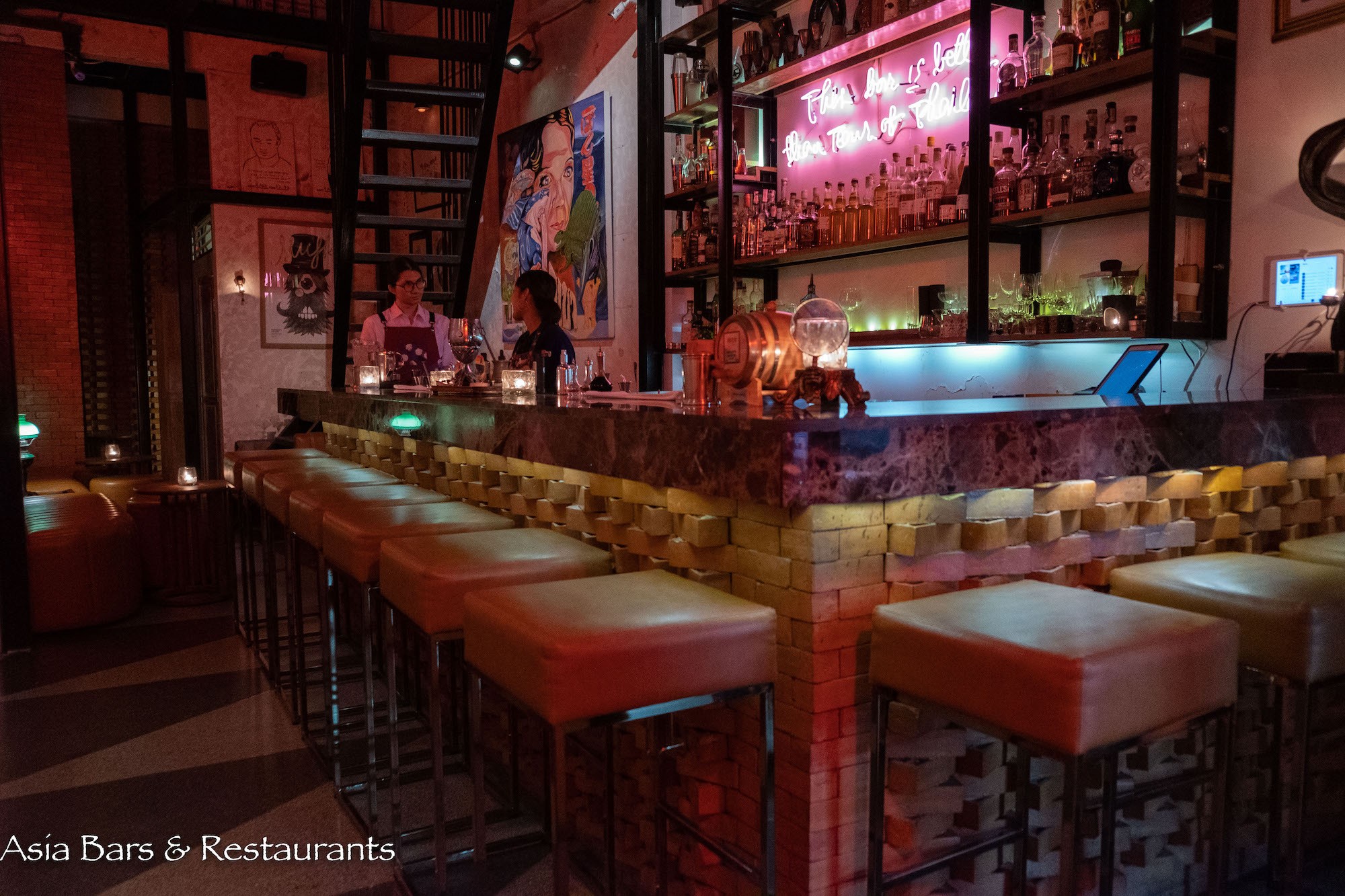
Pak Kret sits on the northern bank of the Chao Phraya, about twenty kilometres from central Bangkok, in a district more associated with canal-side temples and ceramic ware than with destination dining. That context matters for understanding what AKKEE represents: a Michelin-starred Thai kitchen operating outside the capital's recognised restaurant corridors, in a setting that makes no concessions to the visual grammar of fine dining. The room is dimly lit, the kitchen unadorned. The case for coming is built entirely on what arrives at the table.
Within the Nonthaburi province dining scene, where restaurants like Suan Thip and the Thai-Chinese houses Hong Seng and Kaithong Original anchor a mid-range local identity, AKKEE occupies a distinct tier. Its 2024 Michelin one-star recognition places it in a different peer conversation, one that extends north to Aeeen in Chiang Mai and south to PRU in Phuket, rather than within the immediate neighbourhood. In Bangkok itself, the comparison points are restaurants like Sorn and Nahm, both of which have built reputations around the scholarly interrogation of regional Thai tradition. AKKEE arrives at a similar destination by a more direct, less theoretical route.
The Four Pillars and How They Sit Here
Thai cooking is frequently described through the four-pillar framework of sweet, sour, salty, and spicy, but that description understates how demanding the balance actually is. A dish can contain all four and still feel flat if the proportions are miscalibrated or if the ingredients lack depth. What distinguishes kitchens operating at the level Michelin recognises is not the presence of those flavours but the precision with which they resolve into coherence. Sorn in Bangkok works through rare southern ingredients to achieve that resolution. Samrub Samrub Thai does it through archival research into historical recipes. AKKEE's approach, as reflected in its seasonal, regionally grounded menu, works through what the awards description calls meticulous technique applied to classic forms.
The seasonally changing menu is a structural commitment rather than a marketing gesture. Thai cuisine's dependence on fresh aromatics, vegetables, and proteins that shift with the agricultural calendar means that a kitchen serious about flavour balance will necessarily adjust its roster of dishes across the year. A fixed menu in this tradition risks locking in ingredients past their optimal window, which compounds against the flavour precision the format demands. The seasonal rotation at AKKEE is therefore a discipline with direct consequences for what ends up in the bowl.
The set menu format reinforces this. Ordering à la carte across multiple tables spreads the kitchen's attention and allows guests to sidestep dishes the chef has calibrated as a sequence. A set menu concentrates focus and ensures that pacing, flavour arc, and contrast across courses reflect intentional design rather than individual preference. For the context of regional Thai cooking, where a meal traditionally moves through textures and temperatures and heat levels as a considered whole, the format is appropriate.
Rustic Technique and What It Signals
Phrase "rustic edge" in the Michelin recognition for AKKEE is worth examining carefully. In the vocabulary of food criticism, rustic can carry condescension when applied to a certain tier of restaurant, but it carries precision when applied to a kitchen operating at Michelin level. Here it signals a commitment to traditional preparation methods over modernist intervention. No-frills kitchens that achieve starred recognition do so because the technique is sound enough that equipment and presentation theatrics are unnecessary. The food holds the room's attention without external support.
This places AKKEE in a broader tendency within Thai fine dining to resist the overlay of European fine-dining conventions on a cuisine that has its own disciplined logic. Restaurants like Angeum in Phra Nakhon Si Ayutthaya have navigated similar territory by grounding their identity in local culinary heritage. The kitchen at AKKEE sits within that orientation: the "distinct flavours" the awards note are the product of classical method rather than reinterpretation.
Chef Sitthikorn Chantop's role here is contextually relevant without needing to be the editorial subject. What matters is that the kitchen is owner-operated, which in the Thai starred tier tends to produce a consistency of vision that is harder to maintain across a larger brigade or an absent principal. The food and the standard of execution are the chef's direct responsibility in a way that larger, more distributed operations are not always able to claim.
Pak Kret as a Dining Destination
The Nonthaburi corridor has a food culture that is older and more embedded than the Bangkok dining media tends to acknowledge. Canal-side eating houses, family-run Thai-Chinese establishments, and market vendors operating from fixed locations for decades form the substratum on which a restaurant like AKKEE sits. Other local operators worth including in a visit to the area include Chang-Wang-Imm and Chuan Kitchen, both of which represent the mid-range of a food scene with genuine local depth.
The practical geography of Pak Kret is relevant for Bangkok-based visitors planning a visit. The area is accessible by expressway from central Bangkok, though travel times vary substantially with traffic. Evening service begins at 5:30 PM on weekdays; Saturday and Sunday add a lunch service running from noon to 3 PM, which is the only window in the week when a daytime visit is possible. The venue operates seven days a week, which is less common among starred Thai kitchens and reduces the booking pressure that closed days would create. Given the Google rating of 4.7 across 218 reviews, demand is established and booking in advance is advisable. Contact details are not publicly listed in available records, so reservations are leading pursued through direct outreach or third-party booking channels.
For visitors building a broader picture of dining across this part of Thailand, EP Club's guides cover the full range of options: our full Pak Kret restaurants guide, hotels, bars, wineries, and experiences in Pak Kret are all documented separately. For the starred Thai dining tier across the country, the comparisons worth tracking include Agave in Ubon Ratchathani and The Spa in Lamai Beach, both of which represent the regional spread of serious Thai cooking outside Bangkok.
The Pairing Question
Thai draft beer as the recommended pairing with the set menu is a choice that reflects the food rather than an attempt to align the experience with European wine-service conventions. The flavour profile of the cooking, built around the interplay of heat, acidity, sweetness, and salt, calls for a drink that refreshes and resets the palate without competing with the aromatics on the plate. Draft beer at appropriate temperature does that work efficiently. The recommendation to opt for the set menu paired with selected Thai draft beers is, in this context, an honest editorial position rather than a commercial nudge.
Planning Your Visit
AKKEE operates at 42 99, Pak Kret District, Nonthaburi 11120. Dinner service runs from 5:30 PM to 11 PM Monday through Friday. Weekend service extends the schedule with a Saturday and Sunday lunch sitting from noon to 3 PM, then resumes dinner from 5:30 PM. The price point sits at the ฿฿฿ tier for the area, which positions it above the neighbourhood's mid-range Thai-Chinese houses but at a level commensurate with its Michelin standing. For a restaurant of this type, the set menu is the appropriate format for a first visit.
What Regulars Order at AKKEE
The set menu is the consistent recommendation from the available record, both for practical and experiential reasons. It reflects the seasonal rotation that defines the kitchen's approach and ensures the flavour sequencing the chef intends. The pairing with Thai draft beer is noted as the preferred accompaniment. Specific dish names from the current rotation are not available in the published record, and any attempt to describe them here would be speculation. What the Michelin documentation and the sustained 4.7 Google score across 218 reviews confirm is that the output of this kitchen is consistent at a high level, and that the set menu format, rather than individual ordering, is the frame through which the food is designed to be understood. Regulars return for that consistency and for the seasonal variation it contains, not for a fixed roster of signature items that never changes.
Comparison Snapshot
A compact peer snapshot based on similar venues we track.
| Venue | Cuisine | Price | Awards | Notes |
|---|---|---|---|---|
| AKKEE | Thai | ฿฿฿ | Michelin 1 Star | This venue |
| Suan Thip | Thai | ฿฿ | Michelin 1 Star | Thai, ฿฿ |
| Hong Seng | Thai-Chinese | ฿฿ | Thai-Chinese, ฿฿ | |
| Chuan Kitchen | South East Asian | ฿฿ | South East Asian, ฿฿ | |
| Chang-Wang-Imm | Thai | ฿฿ | Thai, ฿฿ | |
| Kaithong Original | Thai-Chinese | ฿฿ | Thai-Chinese, ฿฿ |
At a Glance
- Intimate
- Rustic
- Hidden Gem
- Elegant
- Cozy
- Special Occasion
- Date Night
- Open Kitchen
- Beer Program
- Local Sourcing
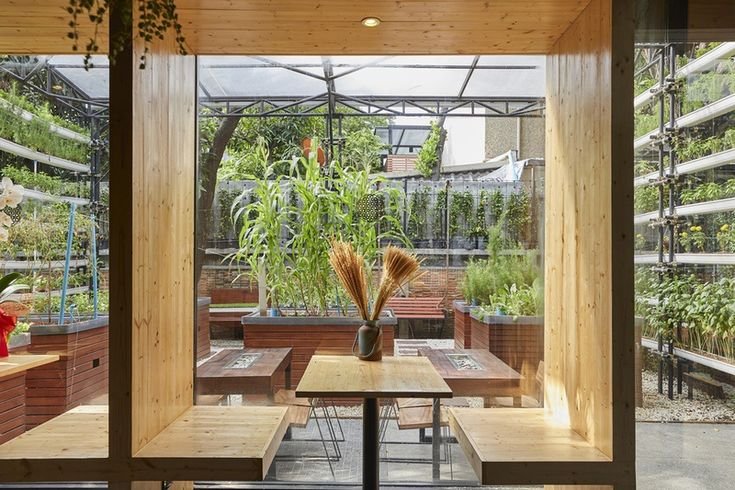
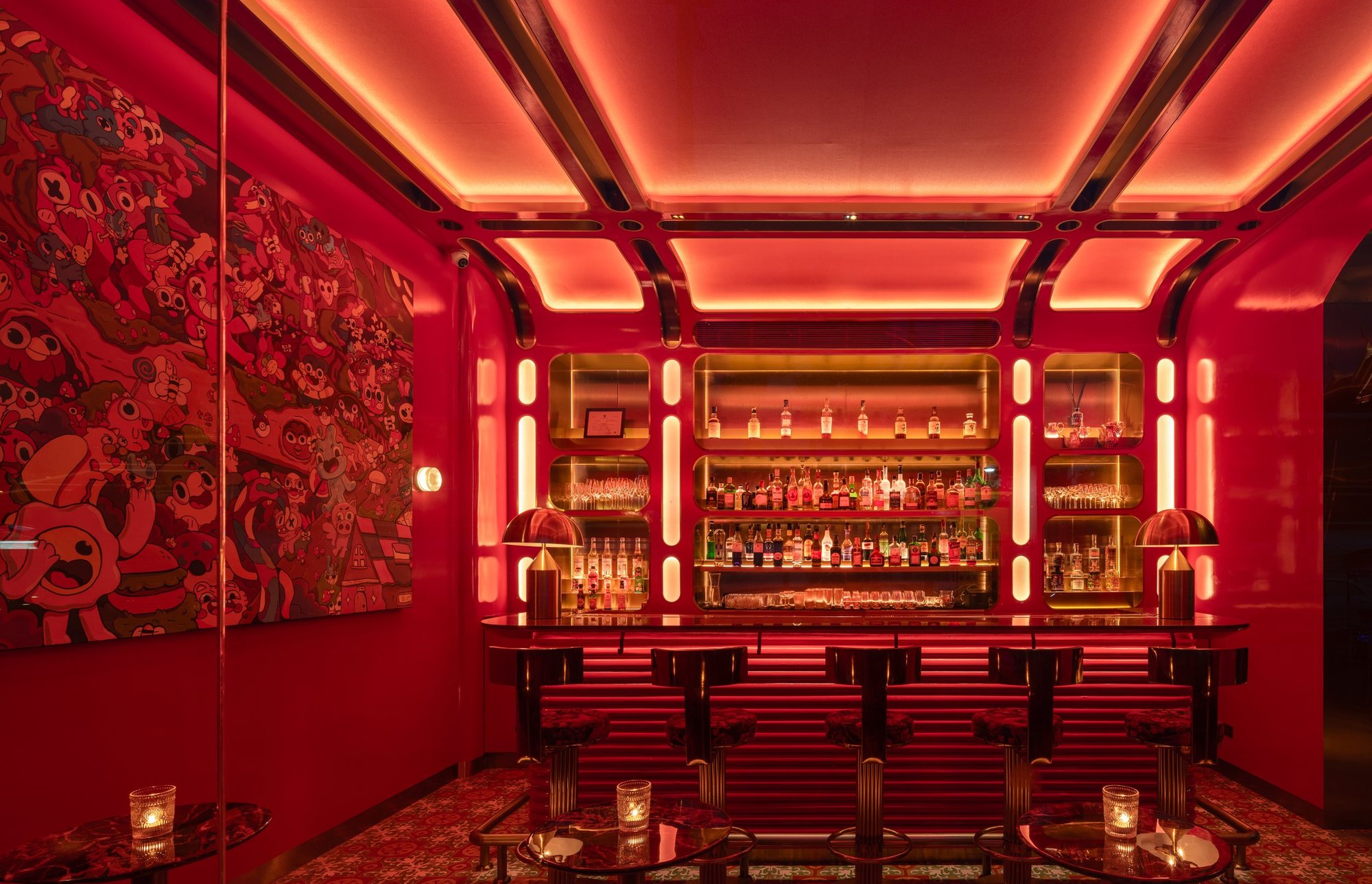
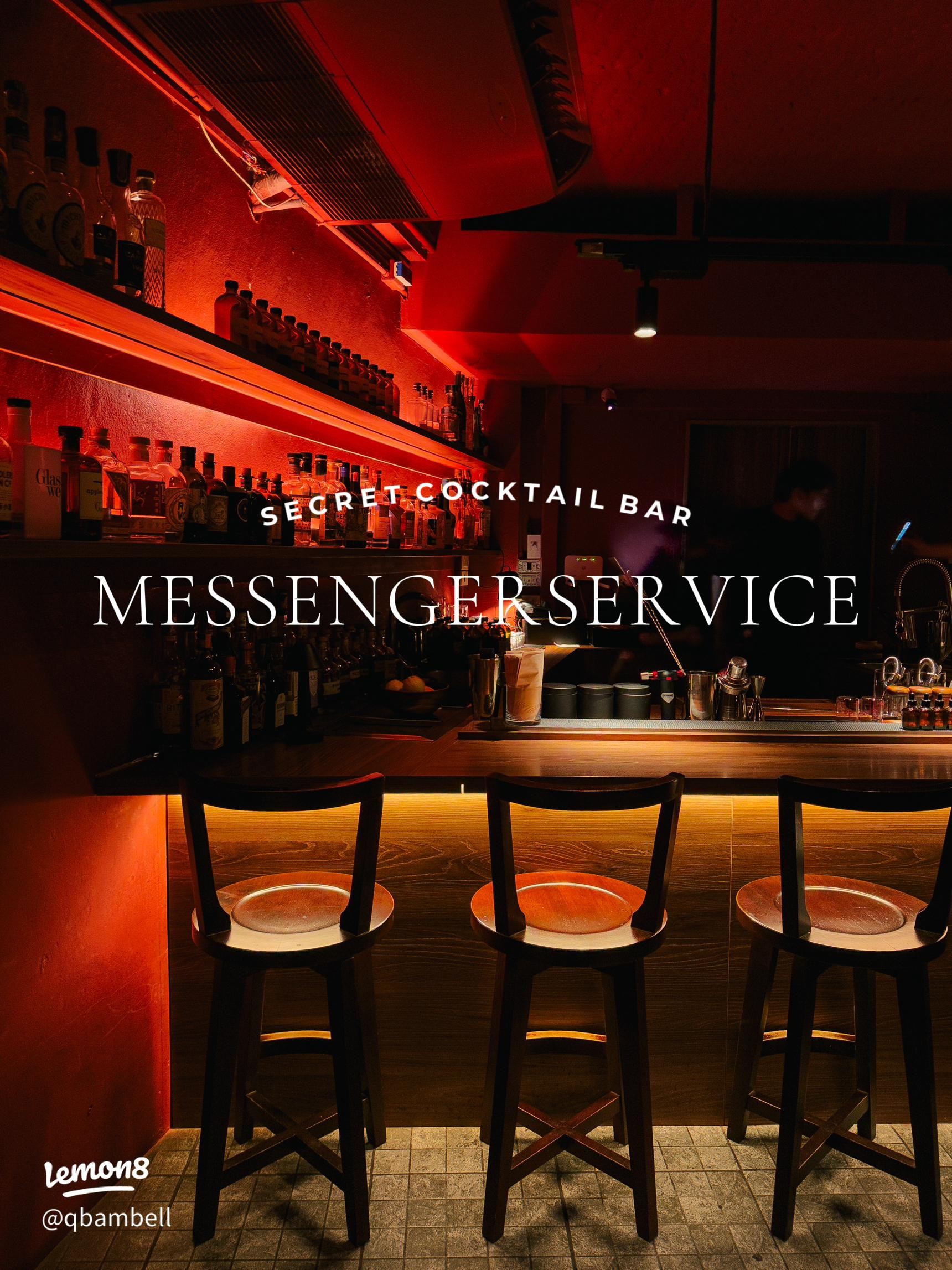
Immersive, dimly lit setting with a rustic, pared-back atmosphere.