Our verdict
At 25 P. Hàng Gà in Hanoi's Hoàn Kiếm district, streetside dining represents the city's most direct expression of Vietnamese food culture: low plastic stools, steam rising from clay pots, and dishes that change character entirely between the morning rush and the evening crowd. This is where Hanoi's culinary identity sits closest to the pavement, before it gets interpreted or refined.

Pearl is the En Primeur Club membership app — saves, bookings, and concierge access live there. Same editors, same standards.
- Address
- 25 P. Hàng Gà, Hàng Bồ, Hoàn Kiếm, Hà Nội 110000, Vietnam
- Phone
- +84911049955
- Hours
- Daily 9:30 AM–10 PM
- Website
- streetsidedining.com
- Directions
- Get directions
The menu
What to order
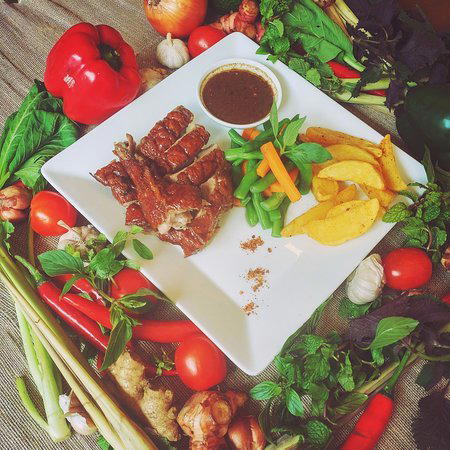
- Honey-grilled chicken
- Spring rolls
- Bun cha
- Nem ran
- Pho
Where Hanoi Eats: The Street as Dining Room
In Hanoi, the street has always been the primary dining room. Long before the city's contemporary Vietnamese restaurants emerged — places like Gia (Vietnamese Contemporary) or the tasting-menu formats at Tầm Vị — Hanoians organised their eating life around specific pavements, specific vendors, and specific hours. The address at 25 P. Hàng Gà sits inside Hoàn Kiếm's Old Quarter, a neighbourhood whose street-food geography has remained remarkably stable even as the broader dining scene has diversified around it.
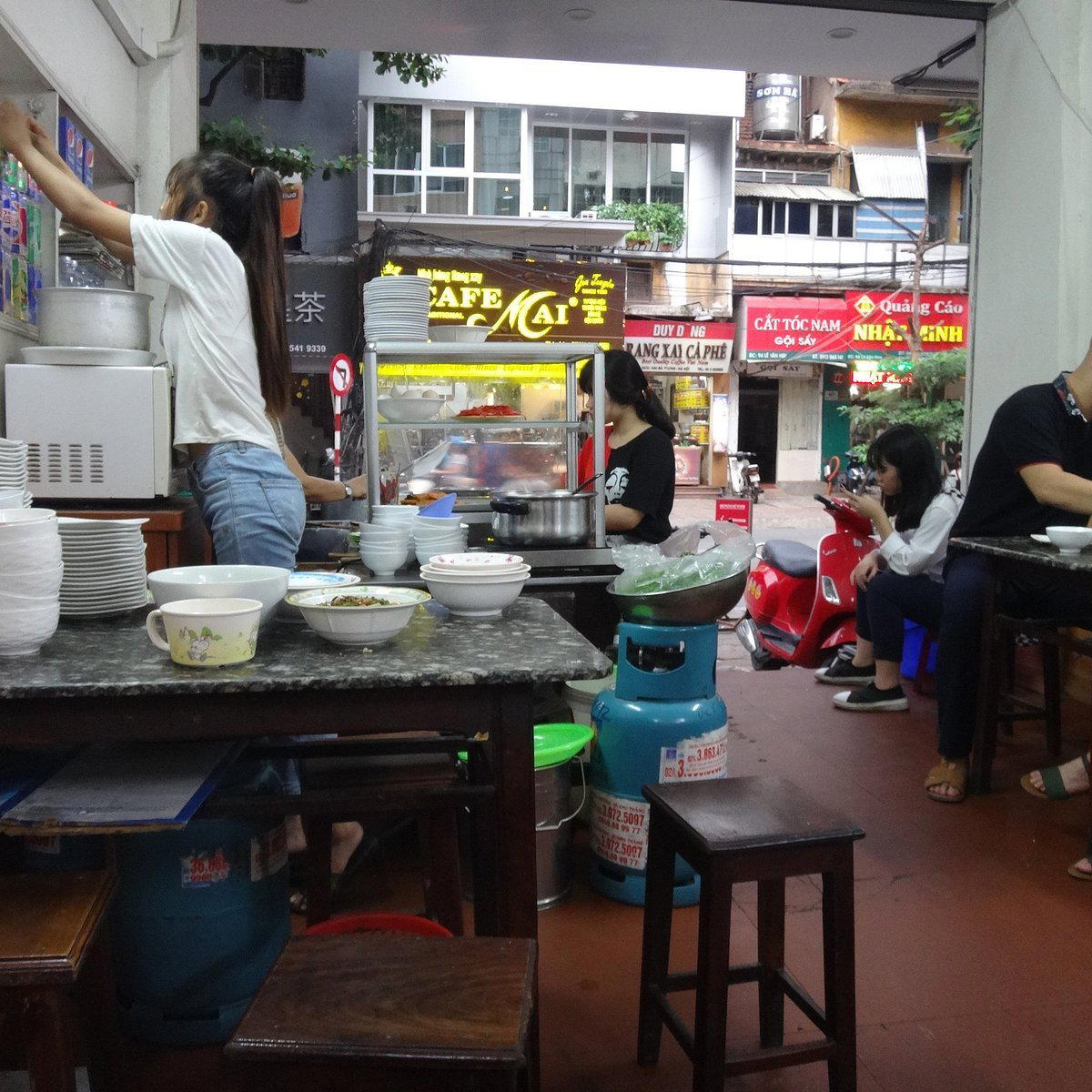
Understanding what streetside dining means in this part of Hanoi requires separating it from the romantic shorthand that travel writing tends to apply. This is not atmospheric colour. It is the functional infrastructure of a city that has historically preferred to eat outside, in public, at all hours, with strangers seated close enough to share condiments. The Old Quarter's narrow phố (streets), each originally associated with a specific trade, developed parallel food cultures at pavement level, and Hàng Gà, located within the Hàng Bồ ward, feeds into that longer pattern.
The Lunch and Dinner Divide
The most important editorial distinction in Hanoi's street-food scene is not between cheap and expensive, or between traditional and modern. It is between day and night, and the two experiences at a pavement address like this one differ enough that they reward separate treatment.
Daytime street dining in the Old Quarter operates at its most concentrated and specific. Vendors who set up before 7am are typically serving single dishes: one version of bún bò, one preparation of bánh mì, one pot of cháo (rice porridge) maintained through the morning. The economics of lunch service in this district run on volume and speed. A regular will arrive, be seated, receive their bowl, eat in under ten minutes, and leave. The daytime crowd skews local, office workers, motorbike delivery riders, residents from the surrounding phố, and the implicit contract is efficiency over lingering.
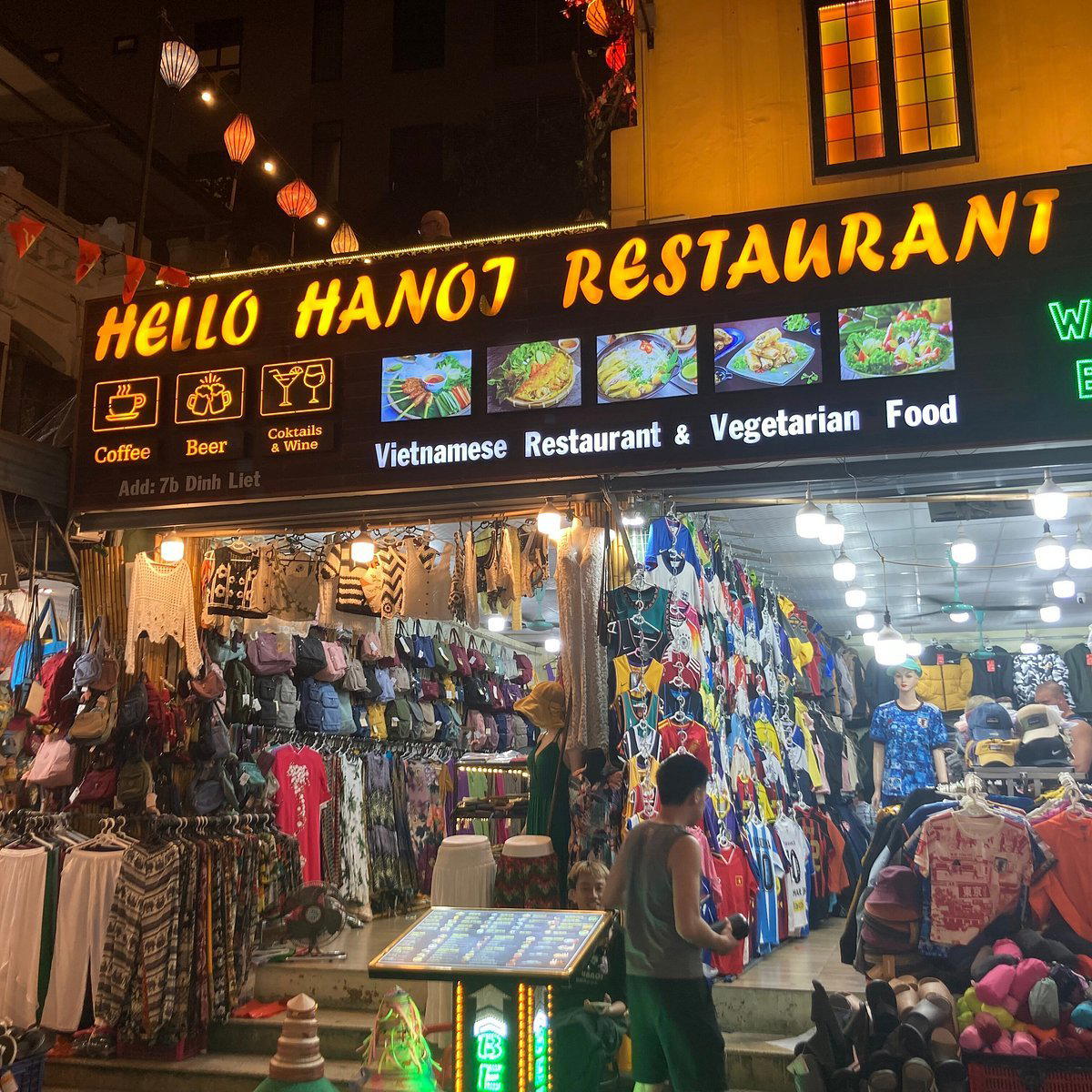
Evening service shifts the register. After around 6pm, the same stretch of pavement accommodates a slower rhythm. Tables multiply, the range of dishes broadens, and the clientele includes more visitors alongside residents who are eating out rather than fuelling up. Beer appears. The cooking becomes more social in orientation, dishes designed to be shared rather than consumed solo. This is when nem, grilled skewers, and steamed preparations that would be impractical at lunch pace come into their own. The experience is the same city, the same pavement, but a different transaction.
This daytime-to-evening shift in mood and menu is not unique to this address. It runs through Old Quarter dining as a structural feature. What makes it worth understanding before you arrive is that it calibrates your expectations correctly: a midday visit rewards those who want the most direct version of Hanoian eating, while an evening visit rewards those who want to participate in something closer to the city's social fabric.
The Old Quarter Context
Hoàn Kiếm remains the district that concentrates Hanoi's visitor attention, and the Old Quarter within it is dense with competing dining formats across a very compressed price range. At the higher end of that range, 1946 Cua Bac represents the kind of preserved Vietnamese dining room that appeals to those who want tradition with more structure, while Hibana by Koki sits at the other extreme of the city's dining register, teppanyaki at international hotel pricing. Streetside eating at pavement level operates at neither of those poles. It is the baseline from which everything else in the city departs.
The distinction matters for anyone mapping Hanoi's dining across a trip. The Vietnamese contemporary format at Gia or at 19 P. Ngũ Xã makes more sense after you have eaten at pavement level, the reference points become legible. Modern Vietnamese cooking in Hanoi frequently engages directly with street-food traditions, recontextualising them rather than replacing them. That relationship reads more clearly when you have experienced both ends of it.
For Vietnamese street dining elsewhere in the country, the regional contrasts are sharper than most visitors expect. White Rose (Bông Hồng Trắng) in Hoi An illustrates how central Vietnamese food culture produces entirely different pavement staples, and Akuna in Ho Chi Minh City shows how the southern dining scene has diverged from Hanoi's in both pace and flavour profile. The country's street-food geography is not uniform, and Hanoi's Old Quarter version, lighter broths, more restrained seasoning, sharper delineation between morning, lunch, and evening service, represents a specific northern tradition rather than a national average.
Planning Your Visit
The address at 25 P. Hàng Gà places you within walking distance of Hoan Kiem Lake and inside the core grid of the Old Quarter. The area is most easily reached on foot from the lake's northern edge, or by motorbike taxi from further points in the city. Phone and website details are not listed for this address, which is consistent with how most pavement operations in this district function, they do not take reservations, and seating is first-come. Arriving before the peak of a service period (before 8am for breakfast, before noon for lunch, or between 6pm and 8pm for evening eating) puts you ahead of the densest crowds. Prices at Old Quarter pavement level remain among the lowest in the city's dining spectrum, making this a meal that sits comfortably before or after visits to pricier formats in the same neighbourhood. For a broader map of where to eat across the city, see our full Hanoi restaurants guide.
Those travelling further in Vietnam can extend their reference points considerably: La Maison 1888 in Da Nang represents the country's French-colonial fine dining tradition, while regional chain formats like King BBQ Vincom Kiên Giang in Rach Gia show how commercialised dining has scaled across the provinces. Neither offers what Old Quarter pavement eating does, which is a meal built around place, time of day, and a cooking tradition that has not needed to explain itself to anyone.
Frequently asked questions
Where is Streetside Dining located?
Streetside Dining is located at 25 P. Hàng Gà, Hàng Bồ, Hoàn Kiếm, Hà Nội 110000, Vietnam, Hanoi.
Is streetside dining in Hanoi's Old Quarter suitable for first-time visitors to Vietnam?
Hanoi's Old Quarter, centred on Hoàn Kiếm district, is where most first-time visitors encounter Vietnamese street food, and 25 P. Hàng Gà sits inside that core grid. The format requires no Vietnamese language skills — pointing, watching what neighbours order, and matching that approach is the standard method. The area around Hoan Kiem Lake is walkable and dense with options, making it a practical entry point into a street-food tradition that has been shaping Hanoi's culinary identity for well over a century.
What do people recommend at Streetside Dining?
Hanoi's street food canon is built around a handful of deeply regional dishes: pho (a northern-style broth that differs sharply from its southern counterpart), bun cha, and banh cuon are the anchors of any serious pavement meal in the Old Quarter. At 25 P. Hàng Gà, you are inside the Hoàn Kiếm grid where these dishes surface across multiple adjacent stalls and storefronts. There is no fixed menu here — the recommendation is to eat what the neighbourhood is cooking that day, and to eat it at the hour it is designed for.
How hard is it to get a table at Streetside Dining?
Reservations are not part of the format. Hanoi's street-food culture operates on plastic stools and shared benches, with turnover measured in minutes rather than hours. Arriving during peak lunch service (11:30am to 1pm) means competing with office workers and locals on tight schedules, so arriving just before or after the rush is the practical approach. No booking system, no waitlist — the seat is yours when it opens.
What's the defining dish or idea at Streetside Dining?
The defining idea is that the street itself is the dining room — a model that predates Hanoi's contemporary restaurant scene by generations. In the Old Quarter specifically, dishes are often time-coded: certain preparations appear only at breakfast, others only at lunch, and the street adapts its offering around those windows. The address at 25 P. Hàng Gà places this tradition inside Hoàn Kiếm, the district where that pavement-dining culture remains most intact.
Where It Fits
Comparable venues nearby, for context on price, style, and recognition.
| Venue | Cuisine | Price | Awards | Notes |
|---|---|---|---|---|
| Streetside DiningThis venue — the venue you are viewing | Vietnamese Street Food | $1–10 | Not listed | Not listed |
| Senté | Modern Vietnamese Lotus Cuisine | $10–20 | Michelin Plate | Hoan Kiem |
| Bánh Cuốn Nóng Kim Thoa | Northern Vietnamese Bánh Cuốn | $1–10 | Not listed | Hoan Kiem |
| Pho Gia Truyen 49 Bat Dan | Traditional Hanoi Beef Pho | $1–10 | Michelin Bib Gourmand | Old Quarter |
| Senté (Nguyen Quang Bich Street) | Modern Vietnamese Lotus Cuisine | $10–20 | Michelin Plate | Hoan Kiem |
| Phở 10 Lý Quốc Sư | Authentic Hanoi Beef Phở | Not listed | Not listed | Hoan Kiem |

Details
- Cozy
- Rustic
- Lively
- Casual Hangout
- Group Dining
- Family
- Open Kitchen
- Standalone
- Local Sourcing
- Street Scene
- A La Carte
- Set Menu
- Family Style
- Vegetarian Friendly
Current opening hours
- Monday
- 9:30 AM–10 PM
- Tuesday
- 9:30 AM–10 PM
- Wednesday
- 9:30 AM–10 PM
- Thursday
- 9:30 AM–10 PM
- Friday
- 9:30 AM–10 PM
- Saturday
- 9:30 AM–10 PM
- Sunday
- 9:30 AM–10 PM
Hours can change for holidays and private events. Last verified .
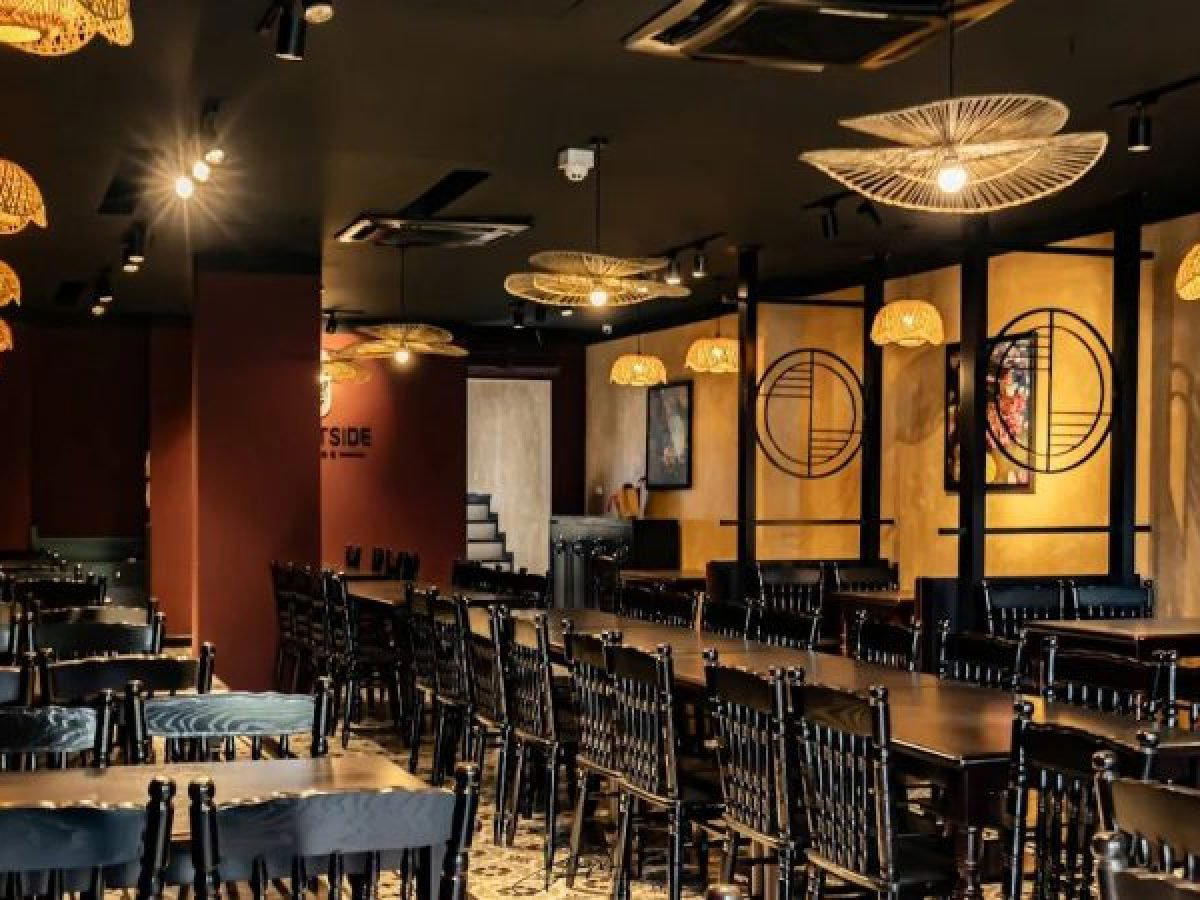
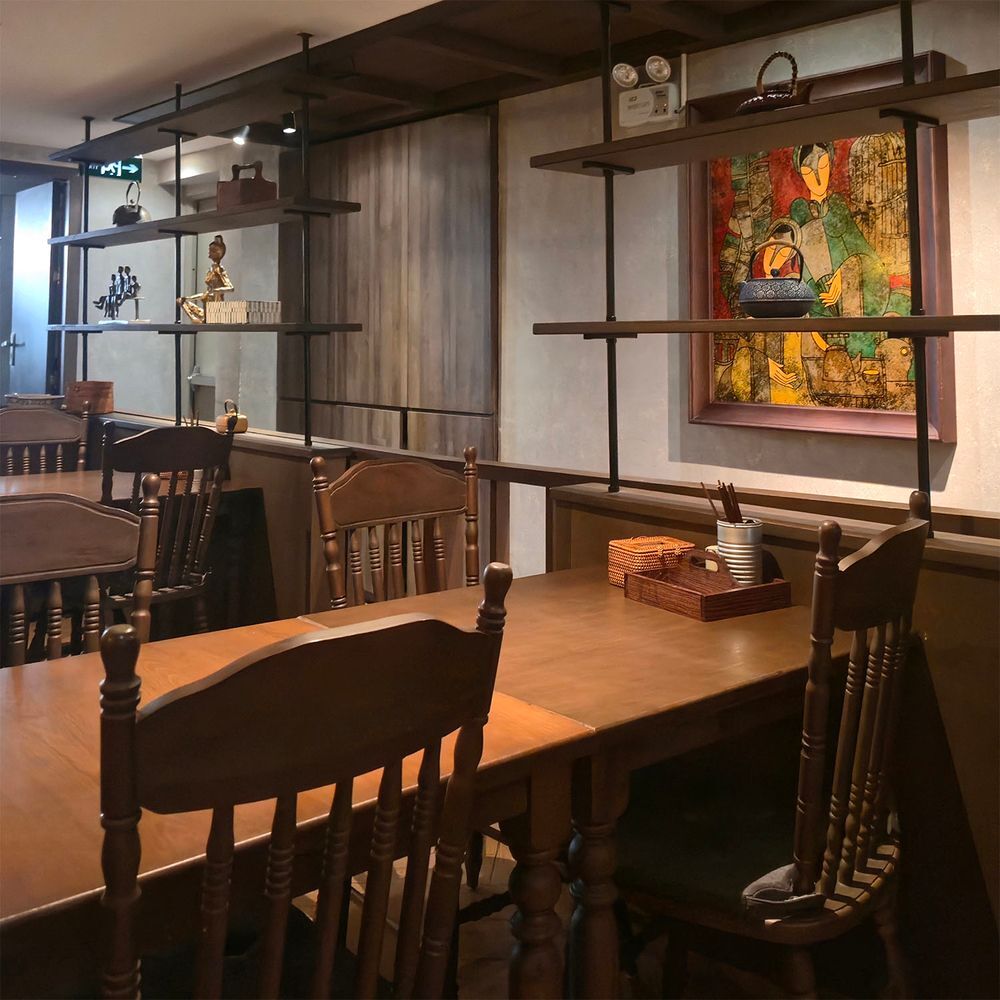
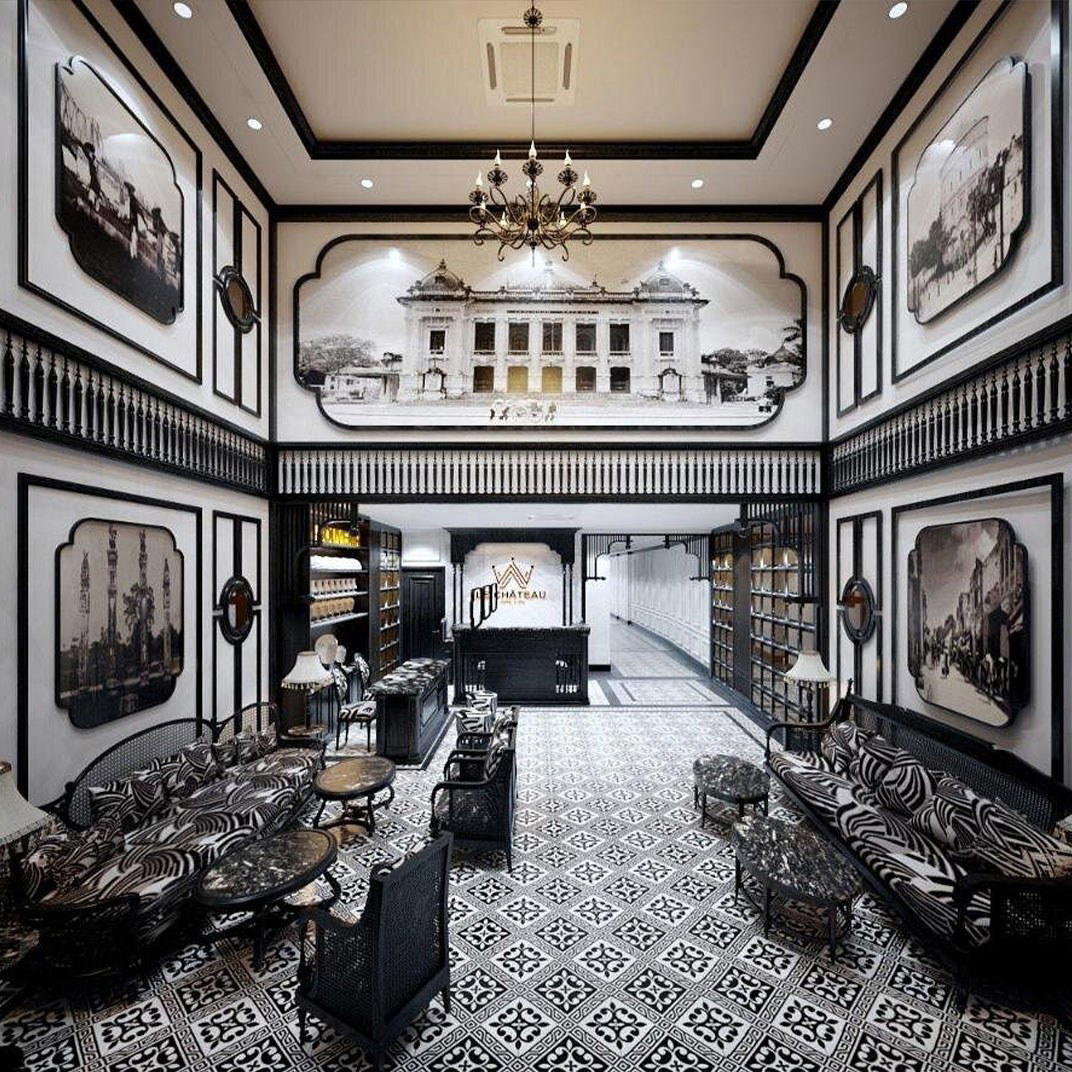
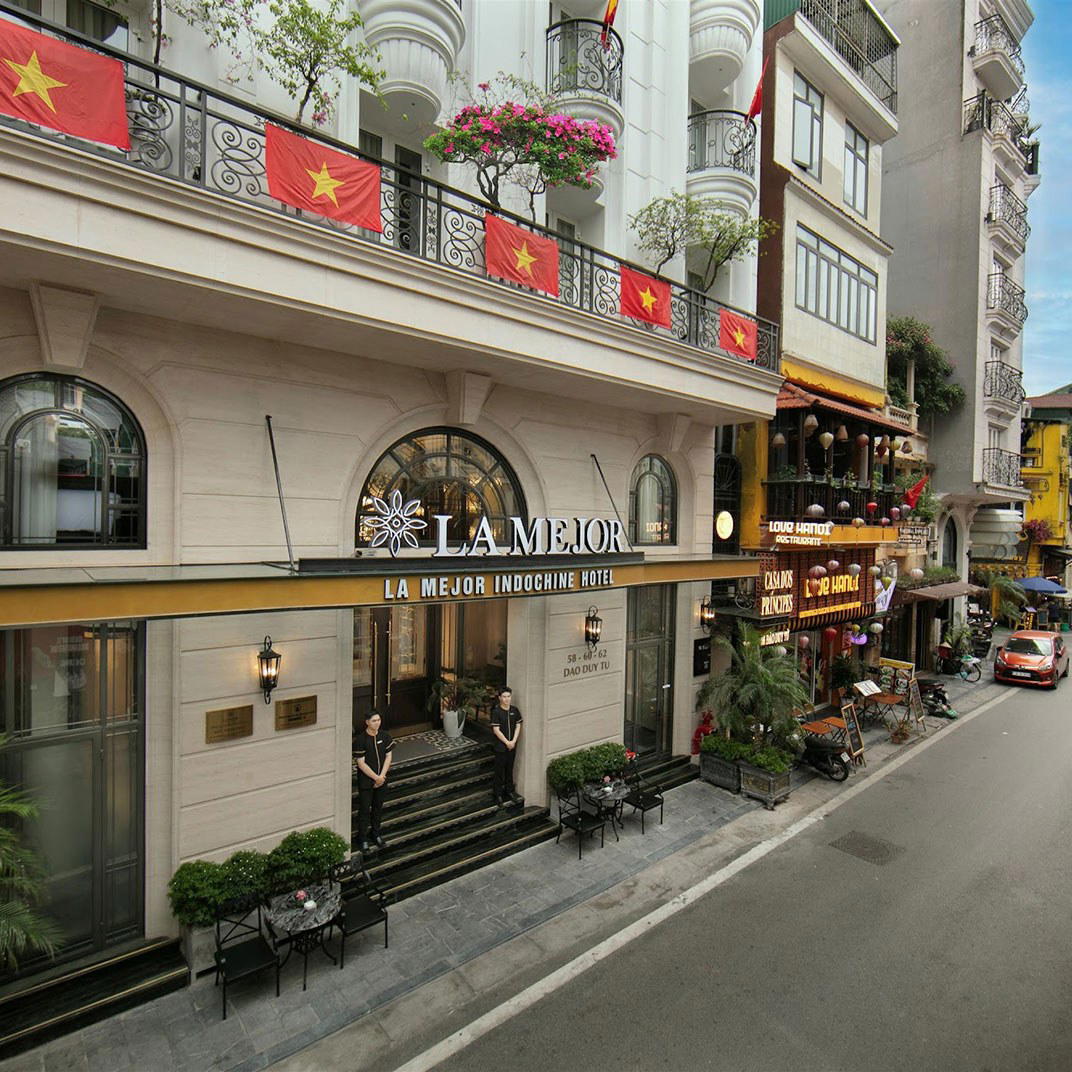
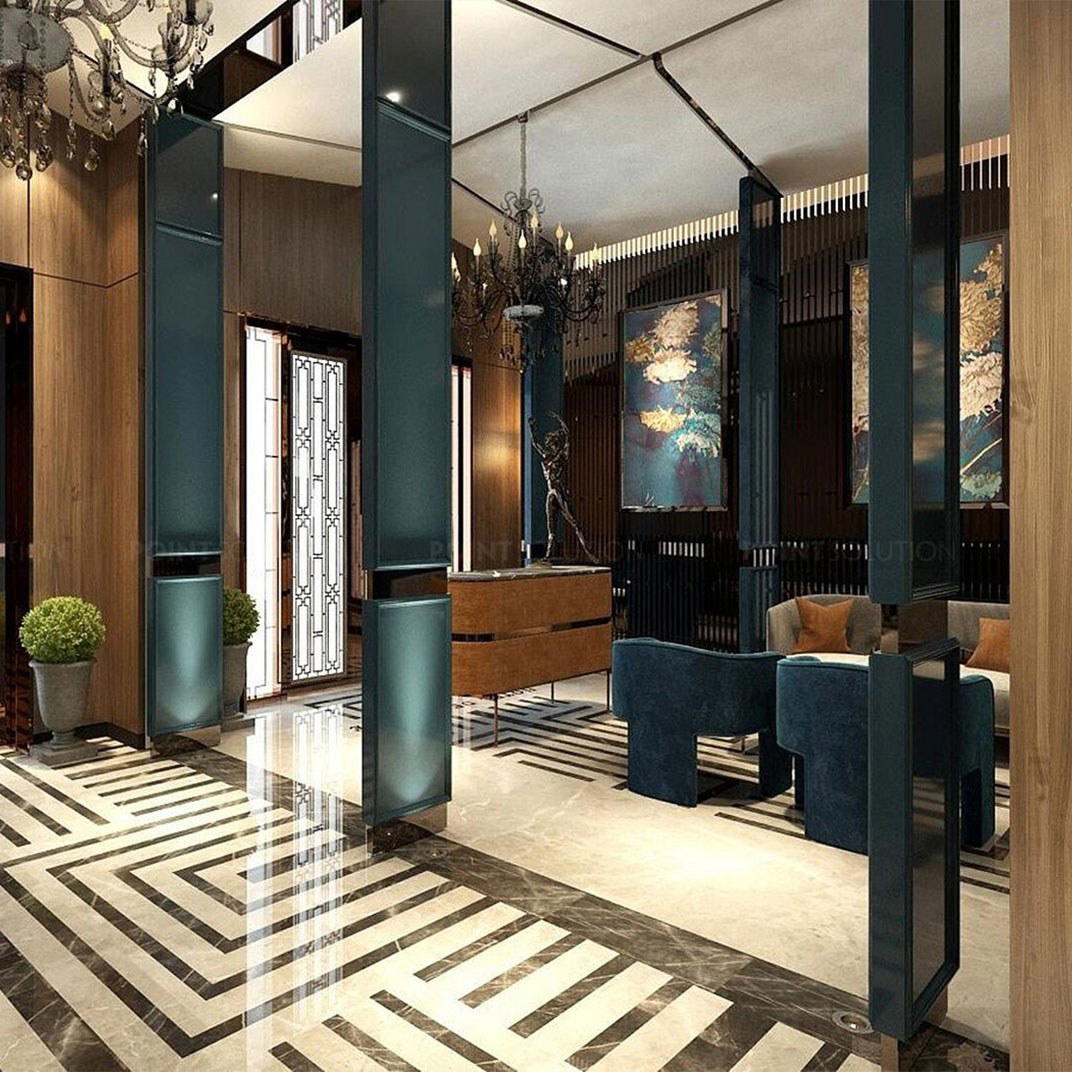
Nostalgic atmosphere capturing the charm of old Hanoi with warm, inviting decor blending warmth and elegance; refined yet lively setting that evokes strolling through the Old Quarter.