

Michelin Plate · We're Smart World 1 Radish
Our verdict
Storm sits on Oostende's working harbour at Hendrik Baelskaai 21, putting Michelin Plate-recognised chef Michiel Rabaey within arm's reach of the North Sea catch that defines his menu. The cooking is modern French in structure but thoroughly Flemish coastal in ingredient: lesser-known North Sea species, polderland meat, and seasonal produce handled with precision and restraint.

Pearl is the En Primeur Club membership app, where members save venues, book tables and use the concierge.
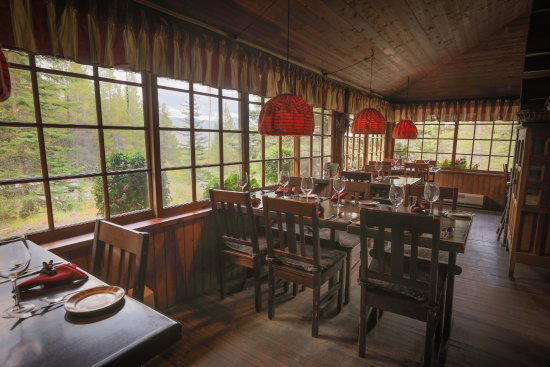
Where the Harbour Shapes the Plate
Approach Hendrik Baelskaai on a weekday morning and the working character of Oostende's inner harbour is impossible to miss: trawlers at the quayside, the smell of salt and diesel, fishmongers moving crates before the tourist trade wakes up. Storm sits on this stretch at number 21, which means the restaurant's address doubles as a daily reminder of where its ingredients come from. This is not harbour-front dining as scenic backdrop. The proximity to the catch is functional, and it shows in how the menu is constructed.
Oostende occupies a specific position in the Belgian fine dining map. The coast has historically sat below the radar compared to Ghent and Bruges, with serious kitchens scattered between resort towns rather than concentrated in a single district. That is changing, and the Hendrik Baelskaai address is part of the shift: a working waterfront that has become one of the more credible places in the country to eat North Sea fish cooked with contemporary French technique. For a broader sense of how the city's restaurant scene is evolving maps the current range.
The Cooking: North Sea Species Through a French Lens
Modern French cooking on the Belgian coast tends to split between two approaches. The first imports Parisian or Brussels idioms and applies them to local seafood with varying conviction. The second starts from what the local waters and polderlands actually produce and uses classical French structure as a organising principle rather than an identity. Storm belongs to the second camp.
Chef Michiel Rabaey builds his dishes from a combination of well-known and lesser-known North Sea fish, seasonal products, and fresh meat from the nearby polders. The Michelin Plate recognition in both 2024 and 2025 signals consistent technical discipline at this price point: the Plate distinction indicates cooking that meets Michelin's quality threshold without yet carrying a star, which places it in a well-defined tier within the Belgian coastal scene.
The documented examples from the kitchen illustrate the approach well. Sea bass with cauliflower, pickles, and soy uses acidity and umami to cut through the fat of the fish without overwhelming its texture. Brill with oxheart tomato, hazelnut, and vermouth is a more complex construction: the vermouth introduces a botanicals register, the hazelnut adds fat and earthiness, and the oxheart provides both sweetness and acidity. These are dishes where the number of components is held to what the plate actually needs, which is a discipline that French-trained kitchens sometimes abandon in pursuit of visual complexity.
The use of lesser-known North Sea species deserves attention as a broader trend. Belgian and Dutch chefs have increasingly pushed back against the dominance of cod, sole, and turbot in fine dining, partly on sustainability grounds and partly because the less-fished species often have more interesting flavour profiles. Placing this alongside polder meat grounds the menu geographically in a way that imported luxury ingredients cannot replicate.
At €€€, Storm occupies the same price bracket as several other serious Oostende addresses. Frenchette works across French brasserie and farm-to-table territory at the same tier, while Bistro Mathilda takes a farm-to-table focus. HAUT sits one tier above at €€€€ and represents the ceiling of current Oostende fine dining ambition. Brasserie David operates at €€, making it a more accessible contemporary option without the Michelin-recognised precision of this level.
The wider Belgian coastal and Flemish fine dining context provides useful calibration. Willem Hiele in Oudenburg and Bartholomeus in Heist represent the coastal region's other serious addresses. Further into Belgium, Boury in Roeselare and Hof van Cleve in Kruishoutem set the ceiling for Flemish modern cooking, while Zilte in Antwerp and Bozar Restaurant in Brussels anchor the urban end of the spectrum. Storm's Michelin Plate positions it below this starred tier but clearly within the cohort of kitchens working at genuine technical level.
For Modern French cooking at this level in a European context, comparisons reach further: Sketch's Lecture Room and Library in London and Schanz in Piesport represent the category in different national markets. d'Eugénie à Emilie in Baudour offers another Belgian reference point in this style.
Planning Your Visit
Storm is at Hendrik Baelskaai 21 in Oostende, on the inner harbour. The €€€ price range puts it in the bracket where a three-course dinner for two with wine sits in recognisable fine dining territory for Belgium. The harbour location means arrival by car is the most practical option; Oostende's train station is within walking distance for those coming from Bruges or Brussels. For accommodation context covers the current range. Bars and evening options around, and wider city experiences in our Oostende experiences guide. If you are building an itinerary around wine in the region is the relevant starting point.
Frequently asked questions
What's the best thing to order at Storm?
The seafood preparations are the clearest expression of what Storm does. Sea bass with cauliflower, pickles, and soy, and brill with oxheart, hazelnut, and vermouth are the documented signatures, both drawing on North Sea species treated with modern French technique. These dishes earned Storm consecutive Michelin Plate recognition in 2024 and 2025, which points to where the kitchen's confidence sits. If meat is preferred, polder-sourced options appear alongside the fish, though the harbour address makes the seafood the stronger argument.
Where is Storm located?
Storm is located at Hendrik Baelskaai 21, 8400 Oostende, Belgium, Oostende.
Recognition Snapshot
| Venue | Cuisine | Price | Awards | Notes |
|---|---|---|---|---|
| StormThis venue (the venue you are viewing) | Modern Belgian Seafood | $50–100 | Michelin Plate · We're Smart World 1 Radish | Not listed |
| Frenchette | Modern French Bistronomy | $50–100 | Michelin Plate · World's Best Wine Lists Awards WBWL 3-Star | Not listed |
| HAUT | Modern French with Asian Influences | $150–200 | 1 Michelin Star · We're Smart World 2 Radishes | Modern French |
| Bistro Mathilda | Modern French-Belgian Bistro | $50–100 | Michelin Plate | Not listed |
| Brasserie David | Contemporary Coastal Brasserie | $50–100 | Michelin Plate | Not listed |
Recognition history
Dated appearances from independent guides and award organizations, with the underlying list record or original source where available.
Michelin Plate
Michelin
We're Smart World 1 Radish
We're Smart World
Full recognition history (4 entries)
Michelin Plate
Michelin
Michelin Plate
Michelin
Continue exploring
More in Oostende
Restaurants in Oostende
All restaurants in Oostende →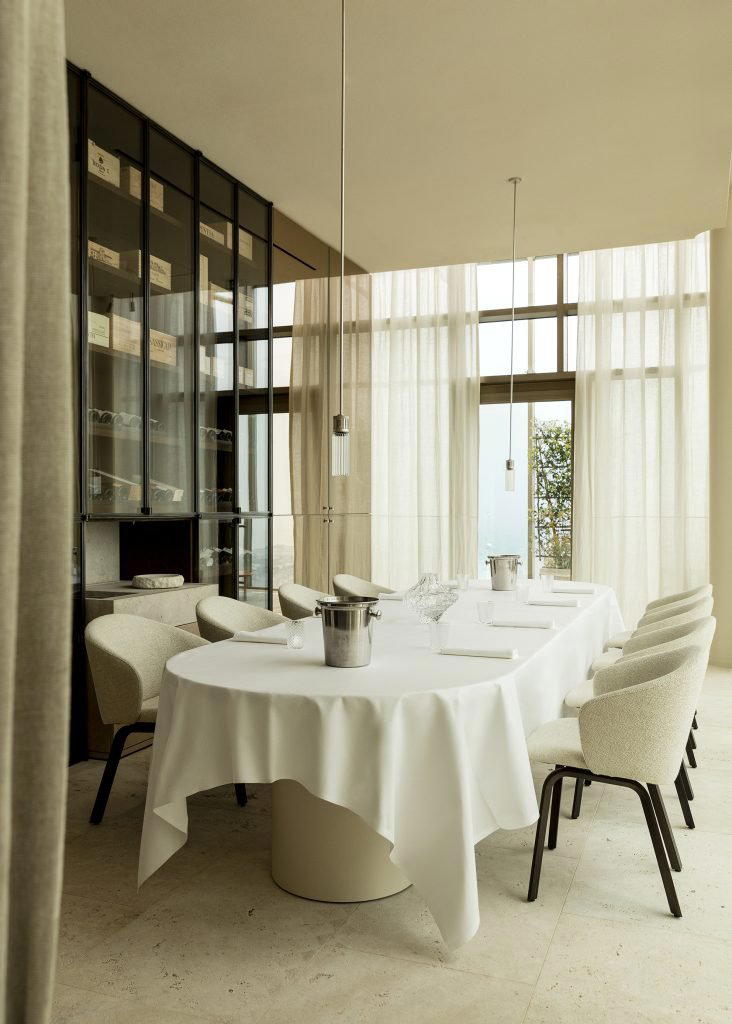
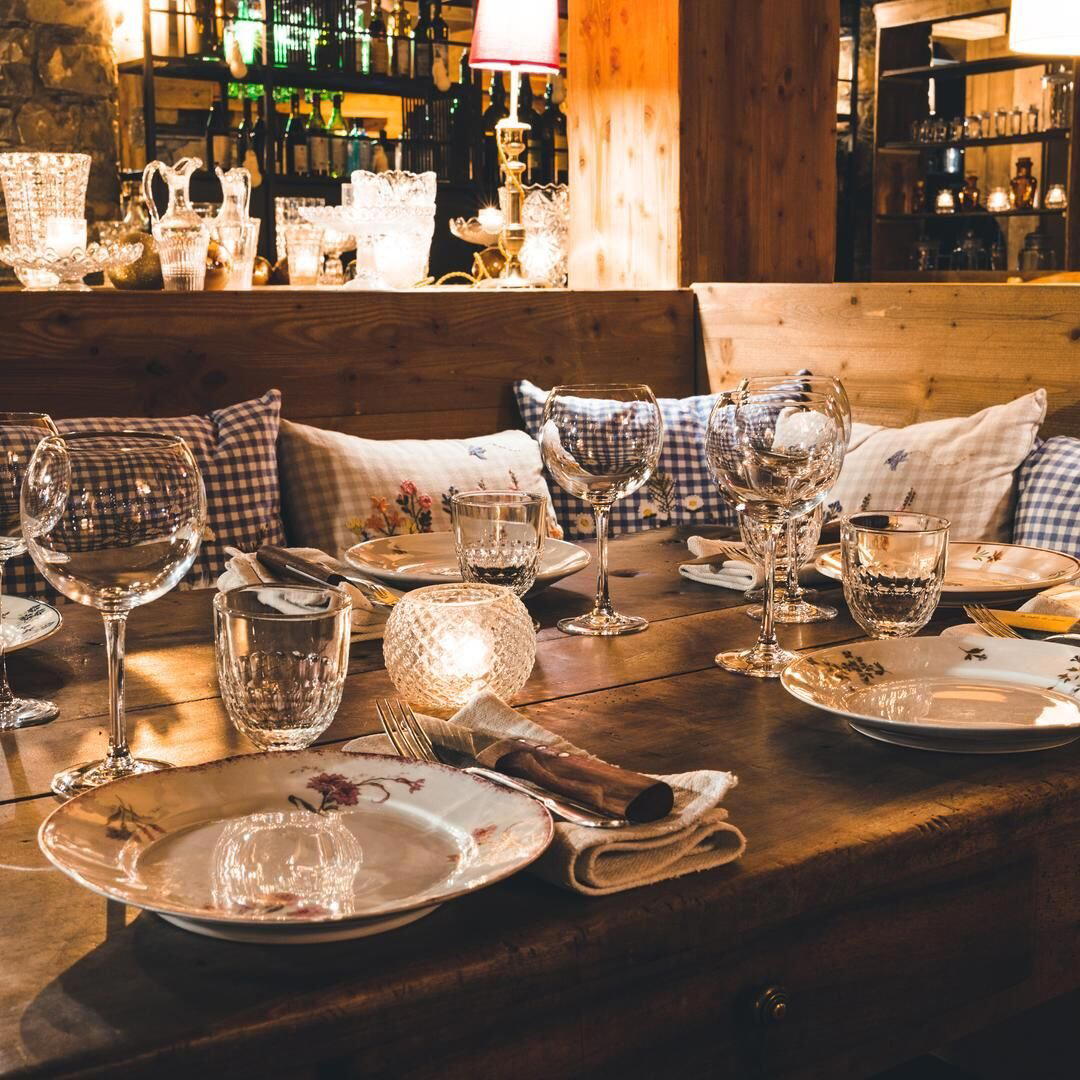
Bars in Oostende
Browse all →
Hotels in Oostende
Browse all →
Wineries in Oostende
Browse all →
Details
- Cozy
- Elegant
- Intimate
- Modern
- Date Night
- Special Occasion
- Open Kitchen
- Waterfront
- Extensive Wine List
- Local Sourcing
- Waterfront
- Set Menu
Current opening hours
- Monday
- 12–12:30 p.m., 7–7:30 p.m.
- Tuesday
- Closed
- Wednesday
- Closed
- Thursday
- 12–12:30 p.m., 7–7:30 p.m.
- Friday
- 12–12:30 p.m., 7–7:30 p.m.
- Saturday
- 12–12:30 p.m., 7–7:30 p.m.
- Sunday
- Closed
Hours can change for holidays and private events. Hours as of .
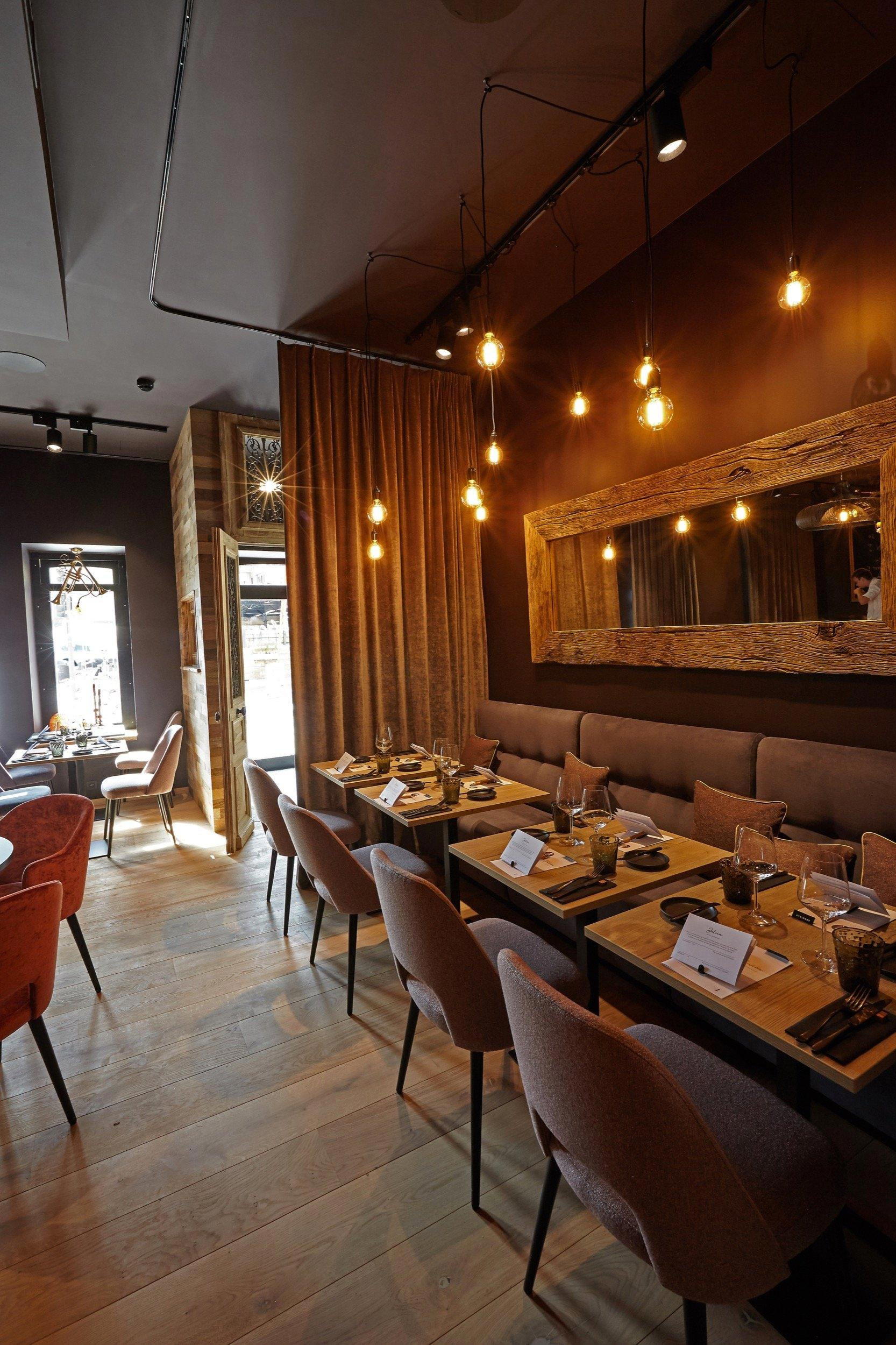
Warm, cozy interior with tasteful decor, open kitchen, and welcoming atmosphere as described in guest reviews.