C-Hotels Silt

C-Hotels Silt occupies a direct seafront position on Middelkerke's Zeedijk promenade, earning MICHELIN Selected status in the 2025 hotel guide. The property sits within Belgium's North Sea coast hotel tier, where proximity to the waterfront and design coherence increasingly define the category. For the Belgian coast, that combination carries genuine weight.
Pearl is the En Primeur Club membership app — saves, bookings, and concierge access live there. Same editors, same standards.
- Address
- Zeedijk 117B, 8430 Middelkerke, Belgium
- Phone
- +32 59 46 47 48
- Website
- silthotel.be
- Directions
- Get directions
 Saves & bookings on Pearl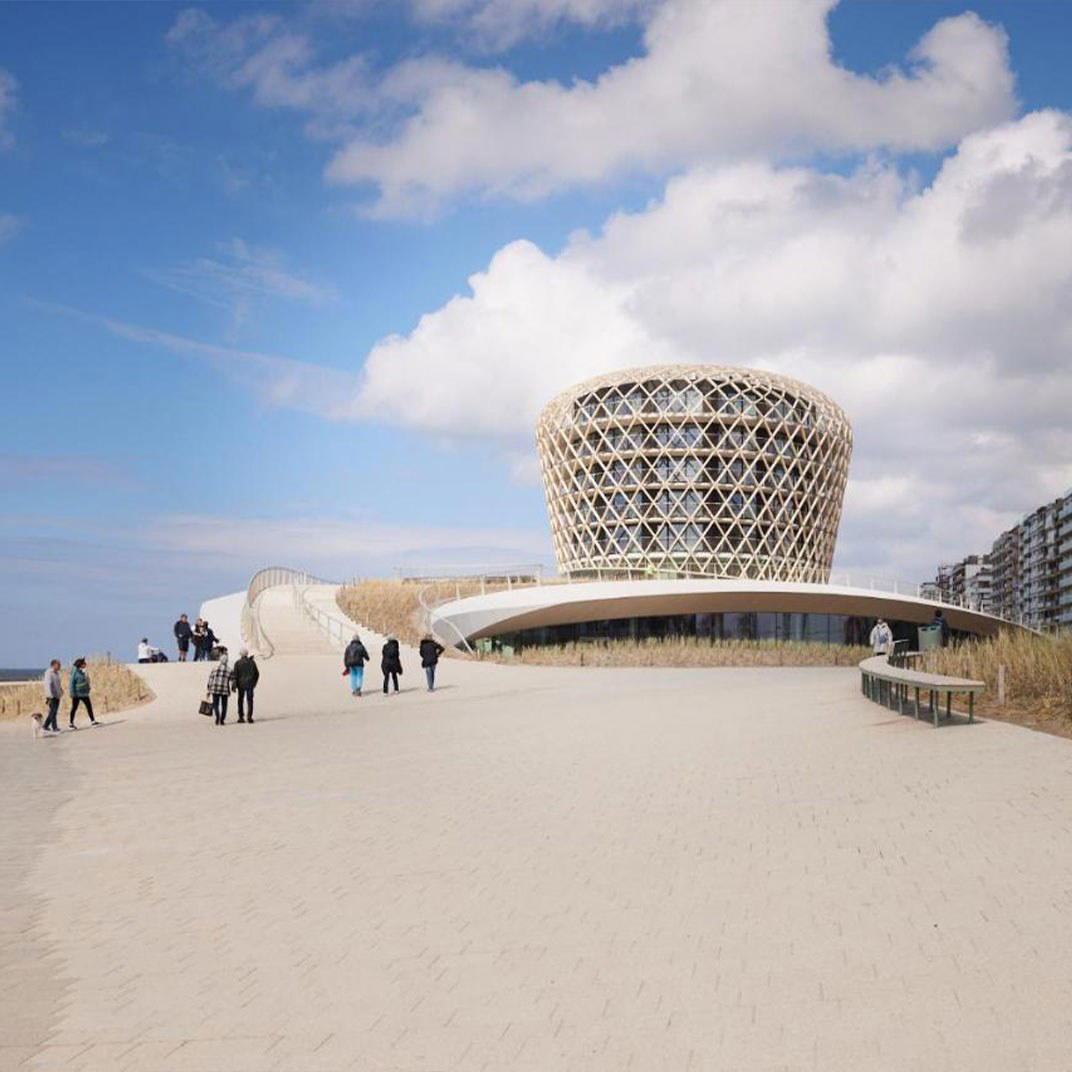
Where the Zeedijk Meets Contemporary Design
Middelkerke sits between Ostend and Nieuwpoort along Belgium's 67-kilometre North Sea coastline, a stretch that has seen a quiet but accelerating shift in its accommodation offer over the past decade. The flat-fronted seafront hotels that defined the Belgian coast for most of the twentieth century are gradually giving way to properties that treat design as a serious differentiator rather than an afterthought. C-Hotels Silt, positioned directly on the Zeedijk at 117D, belongs to that newer cohort.
The address is precise in what it promises: a seaward-facing position on the promenade, where the dunes meet the town's low-rise residential grid and the horizon stays open in every direction. Along this coast, orientation matters more than almost any other variable. A Zeedijk address means the North Sea is your foreground, not a view glimpsed between buildings. That positioning alone places Silt in a different tier from properties one or two streets back.
The Design Register of Belgian Coastal Hotels
Belgium's coastal hotel category has historically lagged behind its urban counterparts in Bruges, Ghent, and Brussels in terms of design ambition. The seaside market was long driven by family tourism and weekend escapes rather than the kind of architecture-led hospitality that characterises, say, Botanic Sanctuary Antwerp or Ganda Rooms & Suites in Ghent. That gap has been narrowing, and C-Hotels Silt's MICHELIN Selected recognition in 2025 is one signal of that shift.
MICHELIN's hotel selection operates on different criteria than its restaurant stars. The guide evaluates comfort, atmosphere, hospitality, and the physical coherence of the property. A MICHELIN Selected designation in 2025 places Silt within a curated national set that includes architecturally considered properties such as Manoir de Lébioles in Liège, Hotel De Orangerie in Bruges, and Le Château de Mirwart in Mirwart. On the Belgian coast specifically, that credential carries particular weight because the regional competition remains thinner than in the major cities.
The C-Hotels group operates across multiple Belgian locations, and the Silt property reflects a brand approach that leans toward contemporary architecture and controlled material palettes rather than the historicist or maximalist registers favoured by some competitors. On a coastline where the prevailing aesthetic can tend toward the generic, a hotel that takes its visual identity seriously reads differently from the surrounding offer.
The Silt Property: Spatial Logic on the Seafront
The name Silt is not decorative. It references the sediment, tide-line, and material language of the North Sea environment directly, an approach to identity that distinguishes thoughtfully positioned coastal hotels from those that simply happen to be near water. Properties that absorb their physical context into their design vocabulary tend to produce a more coherent guest experience than those that import a generic luxury language regardless of setting.
What this means in practice at a seafront property is that the relationship between the building and the sea becomes an active design element rather than a backdrop. The Zeedijk position amplifies this: the promenade runs directly in front of the property, and the proximity to the water is immediate rather than mediated by parkland or service roads. For guests whose primary reason to visit Middelkerke is the North Sea itself, that directness of access is the central proposition.
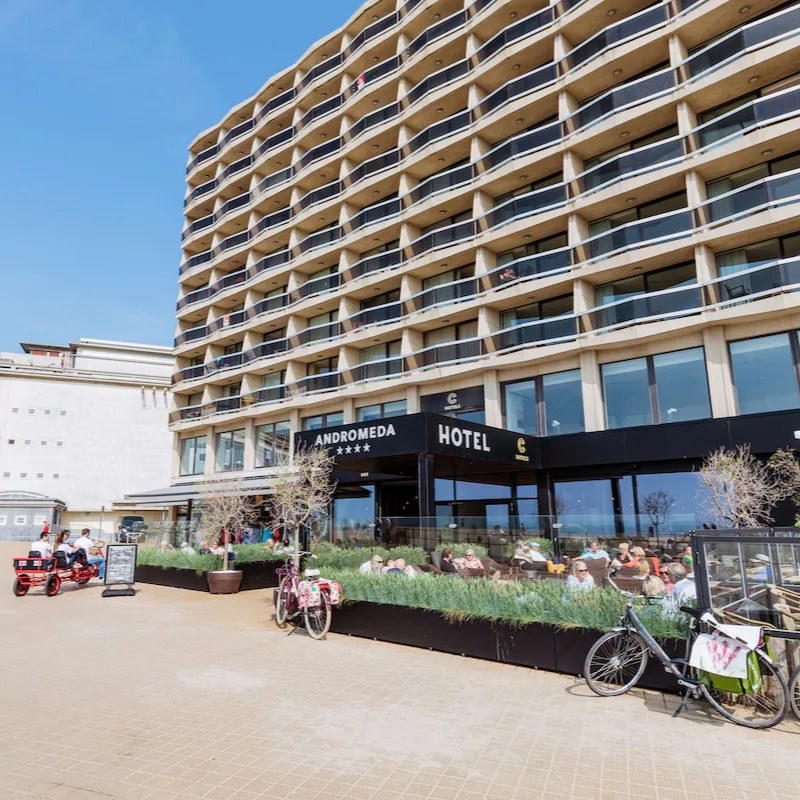
Middelkerke's neighbouring town, Ostend, offers a broader hospitality infrastructure and the historical cachet of a former royal resort. The Andromeda Hotel in Ostend represents that town's more established position in the coastal hotel market. Silt, by contrast, operates in a quieter municipality where the pace is slower and the visitor profile skews toward those who want the coast without the density of Ostend or the more boutique-intensive environment of Knokke-Heist, where La Réserve anchors the upper end of the market.
Belgian Coast in Context
The Belgian coast operates on a distinct rhythm from the country's interior. The North Sea season concentrates heavily into summer weekends and school holidays, with a secondary peak around winter walks when the beach empties of swimmers but fills with a different kind of visitor drawn to the grey light and the open horizon. Hotels that function well outside the summer peak tend to have a spatial coherence that works independent of good weather, which is a different design brief than properties built around a pool terrace or a sunlit garden.
For planning purposes, the Belgian coast is most easily reached by car from Brussels in under ninety minutes, or by coastal tram from Ostend, which connects to the national rail network. The coastal tram is a useful logistical point: it runs the full length of the Belgian coast and makes Middelkerke accessible from both Ostend and De Panne without a car, which matters for visitors arriving by train. Middelkerke itself is a compact town where the Zeedijk, the beach, and the main commercial street cover the essential geography within walking distance of the hotel address.
For those building a broader Belgian itinerary, the coast pairs naturally with inland stays. Properties across different registers include Ariane in Ypres to the south, Louis1924 in Dilbeek near Brussels, and Juliana Hotel Brussels for those ending or beginning their trip in the capital. Further afield, Château Beausaint in La Roche en Ardenne and Le Sanglier des Ardennes in Durbuy offer the Ardennes as a counterpoint to the flat coastal terrain.
Closer to Silt, BONK Suites represents Middelkerke's other notable accommodation entry, positioning the town as one of the few municipalities on the Belgian coast with more than one property of editorial interest. Our full Middelkerke restaurants and hotels guide covers both in the context of the town's broader offer.
Planning Your Stay
C-Hotels Silt is located at 117D Zeedijk, Middelkerke, directly on the seafront promenade. Given its MICHELIN Selected status and the limited supply of design-coherent properties on this stretch of coast, booking in advance is advisable for summer weekends and Belgian public holidays, when coastal demand compresses sharply. The property operates within the C-Hotels group portfolio, and reservations can typically be made through the group's central booking channels.
How C-Hotels Silt Middelkerke: MICHELIN-Selected Hotel compares with similar nearby venues.
| Venue | Awards |
|---|---|
| C-Hotels Silt | MICHELIN Guide, Hotels Selected (2025) |
Recognition history
Dated appearances from independent guides and award organizations, with the underlying list record or original source where available.
Michelin Selected
Michelin
Continue exploring
More in Middelkerke
Hotels in Middelkerke
Browse all →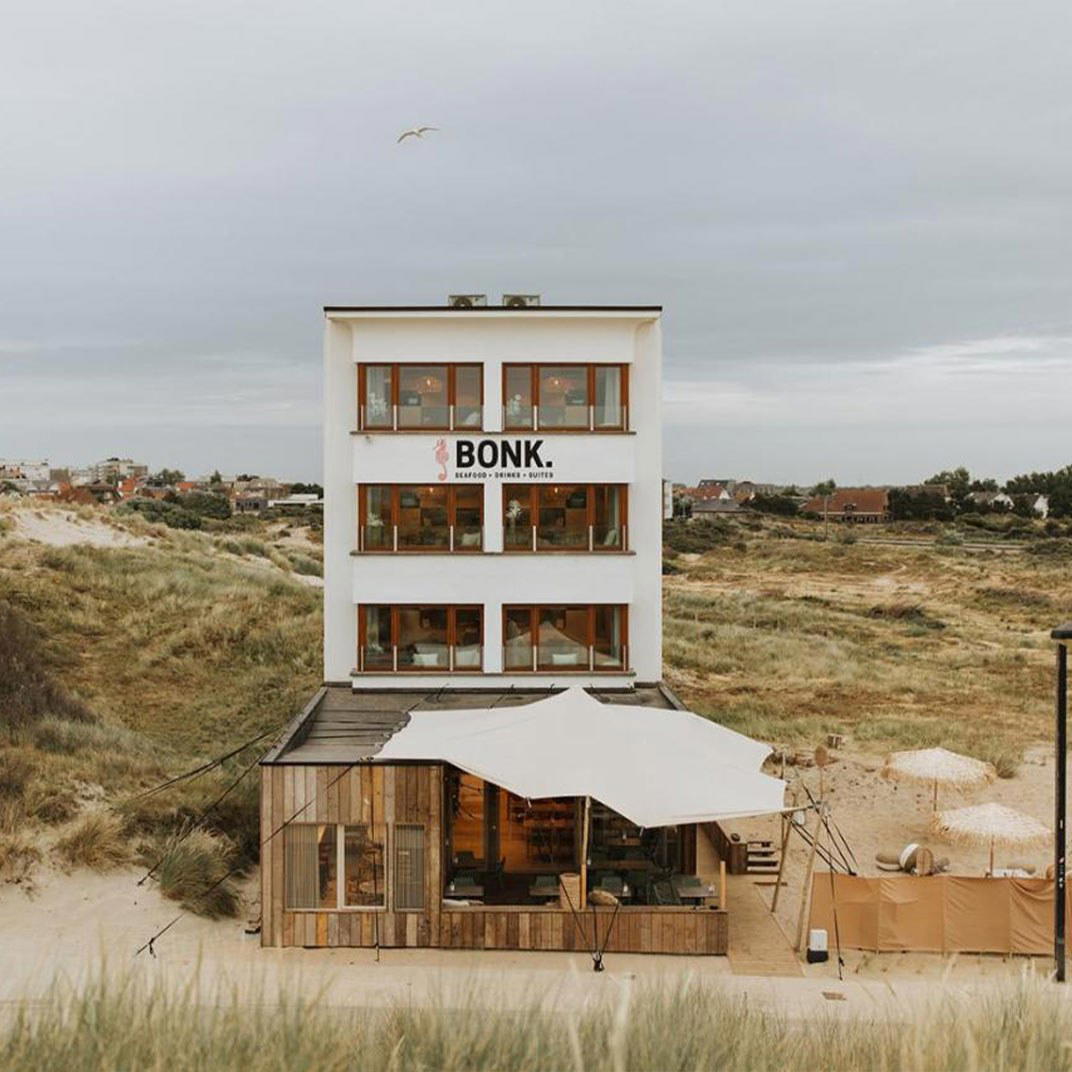
Bars in Middelkerke
Browse all →
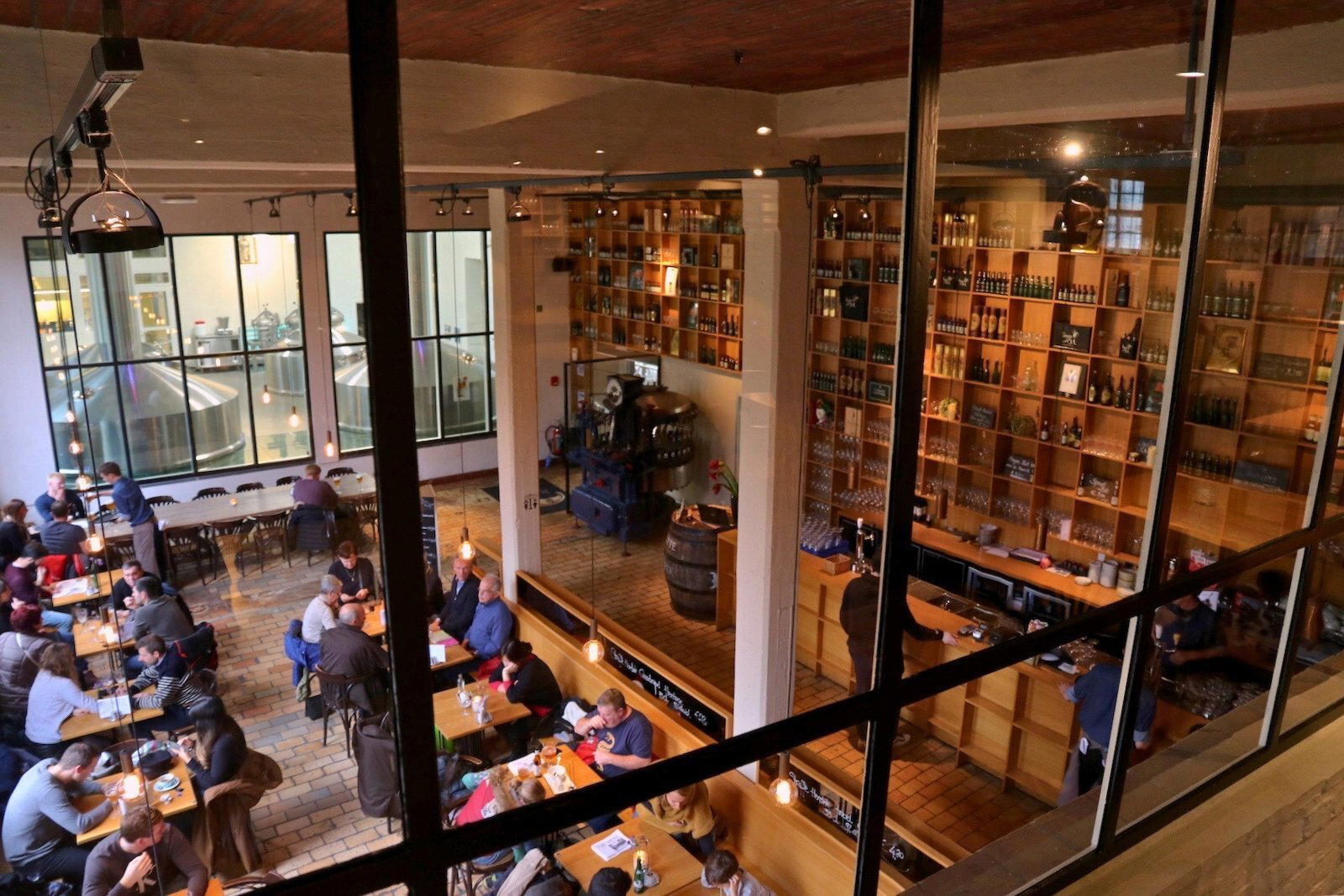
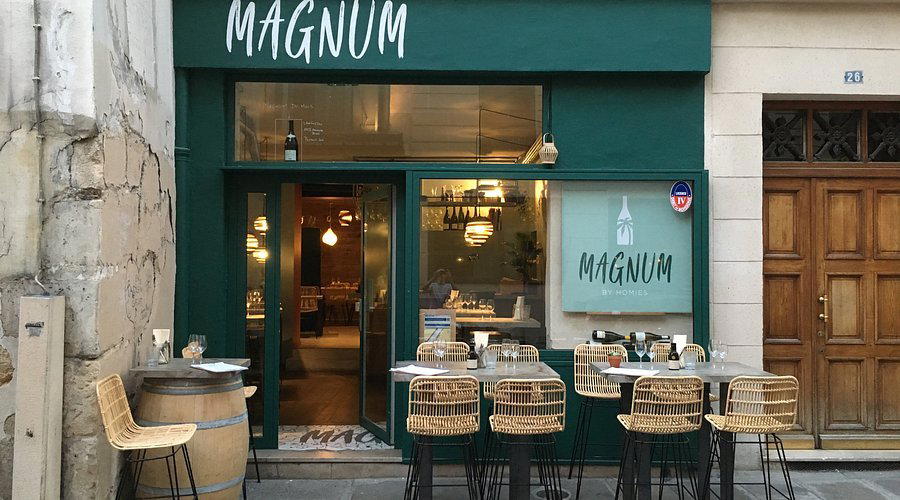
Restaurants in Middelkerke
Browse all →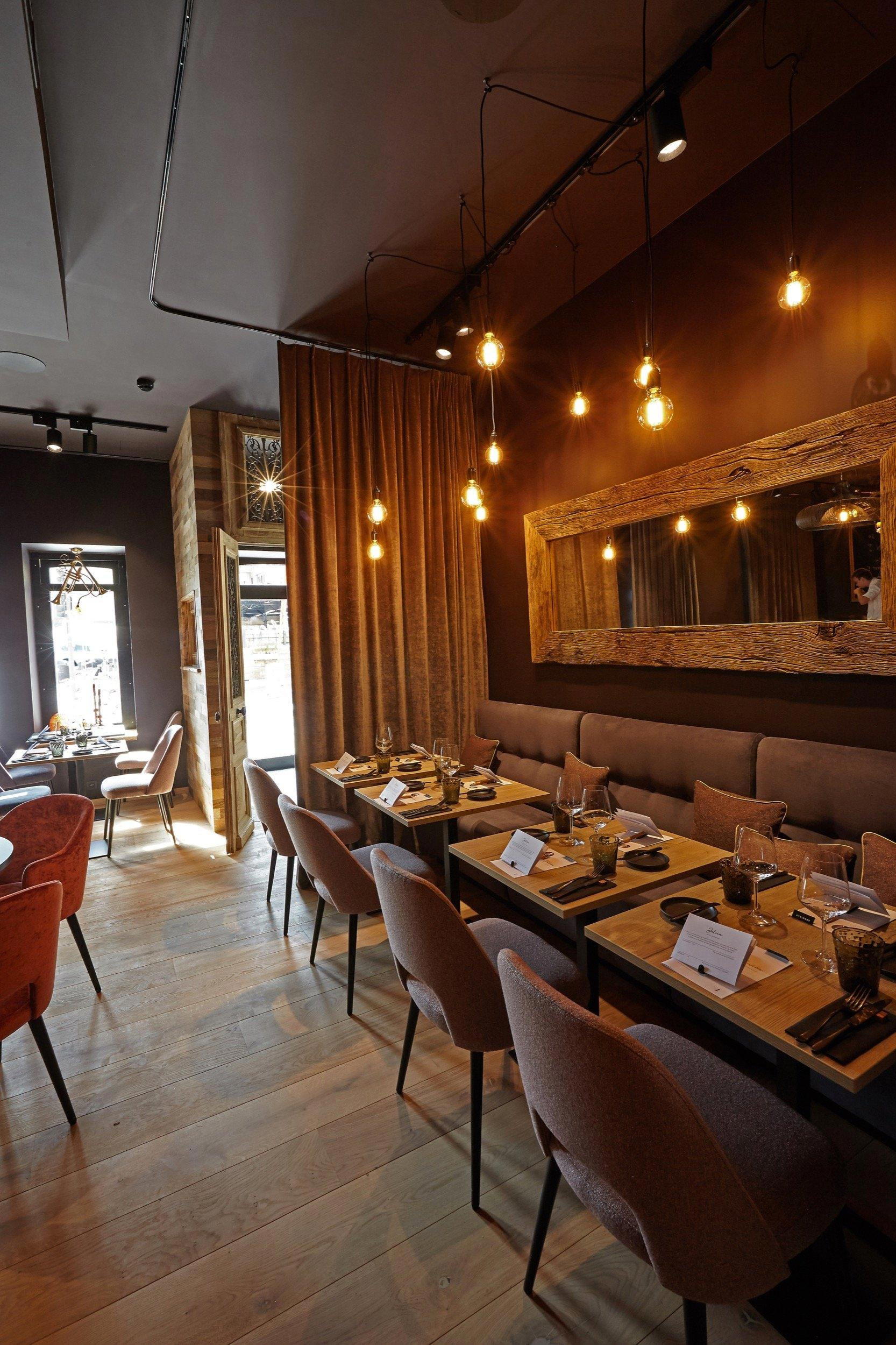
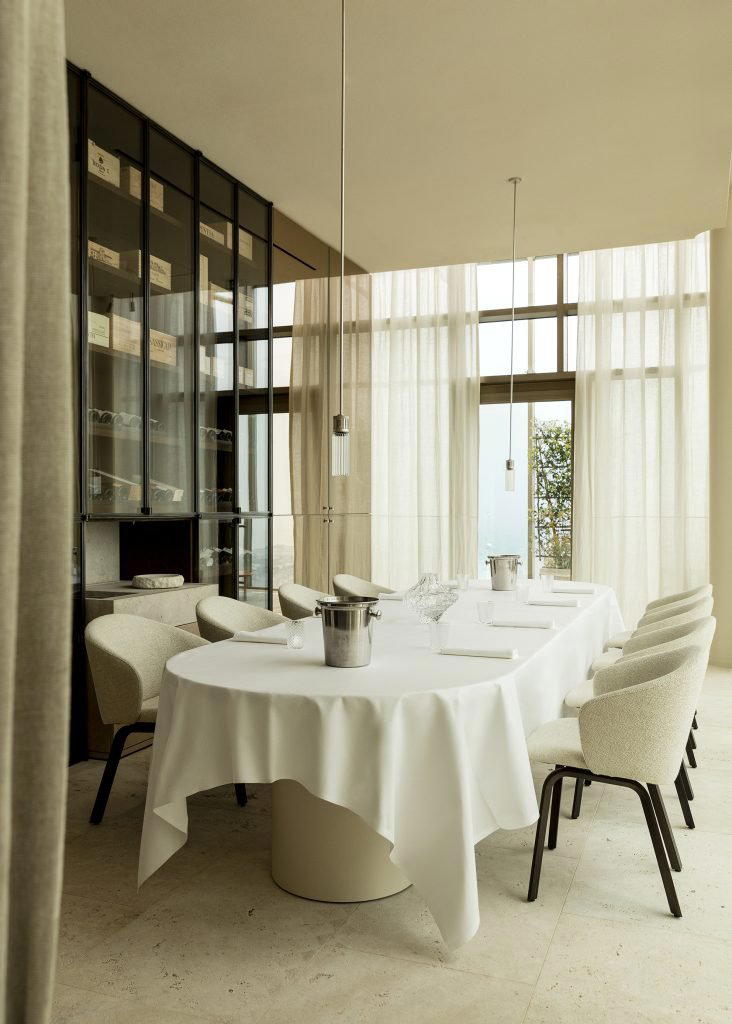
Wineries in Middelkerke
Browse all →
At a Glance
- Elegant
- Scenic
- Modern
- Romantic
- Romantic Getaway
- Wellness Retreat
- Weekend Escape
- Beachfront
- Destination Spa
- Panoramic View
- Waterfront
- Terrace
- Wi Fi
- Spa
- Hot Tub
- Sauna
- Beach Access
- Bar
- Restaurant
- Parking
- 24 Hour Front Desk
- Waterfront
- Wi Fi
- Spa
- Hot Tub
- Sauna
- Beach Access
- Bar
- Restaurant
- Parking
- 24 Hour Front Desk
Elegant and sophisticated with far-reaching sea views, stylish modern decor, and a welcoming atmosphere enhanced by natural light through transparent facades overlooking the North Sea.
Know Before You Go
- Getting there
- Zeedijk 117B, 8430 Middelkerke, Belgium