

Michelin Plate · World's Best Wine Lists Awards WBWL 3-Star
Our verdict
Frenchette brings a farm-to-table sensibility to the Oostende brasserie format, holding a Michelin Plate in both 2024 and 2025. Open daily from Madridstraat 12, the kitchen operates under the direction of Riad Nasr and Lee Hanson, two chefs whose French classical training informs a menu that moves between tradition and restraint. At the €€€ price point, it occupies a focused tier in a city increasingly serious about its dining.

Pearl is the En Primeur Club membership app, where members save venues, book tables and use the concierge.
The menu
What to order
- Wild boar pot-au-feu in Kriek beer
- Escargot with wild mushrooms
- Mussels with Thai sauce and papaya
The Brasserie Reimagined on the Belgian Coast
Oostende has always had a complicated relationship with its food reputation. The city is a seaside resort first, a fishing port second, and a dining destination that serious eaters have historically treated as an afterthought. That framing has been shifting. The restaurants now anchoring Madridstraat and the streets around it are not capitalising on tourist foot traffic so much as building something more considered, a dining culture that competes with what Bruges and Ghent have long offered inland, and increasingly with what coastal counterparts like Bartholomeus in Heist have demonstrated is possible near the water.
Frenchette sits inside that shift. The address at Madridstraat 12 places it in a part of the city that neither performs heritage nor leans on sea views. What it offers instead is a brasserie format applied with enough rigour to earn consecutive Michelin Plate recognition in 2024 and 2025. That designation, while positioned below star level, signals that the inspector found coherent cooking and a consistent kitchen, a meaningful signal in a city where consistency across a long season has historically been the harder thing to maintain.
Classical Technique in a Brasserie Frame
The tension that defines the leading contemporary French brasseries in Western Europe is not between tradition and rebellion. It is between classical technique, which demands precision, repetition, and an honest relationship with product, and the pressure to animate those methods with something that feels current. The most interesting rooms in this genre, from Paris's revival bistrots to the farm-to-table brasseries now appearing in Belgian coastal towns, are the ones that don't resolve this tension prematurely. They let the bones of classical cooking show through, without museum-freezing the result.
Riad Nasr and Lee Hanson are names with French classical weight attached to them. The format they operate here is explicitly a brasserie, not a tasting menu counter, which places Frenchette in a different competitive tier from Michelin-starred neighbours like HAUT, where the price point (€€€€) and modern French ambition position it as a destination experience. Frenchette operates at €€€, which in Oostende's current restaurant ecology puts it above the casual end represented by Brasserie David and alongside peers like Storm and Bistro Mathilda, which apply farm-to-table thinking to accessible formats. In this bracket, the question is always whether the kitchen's discipline matches its ambitions, and the consecutive Plate recognition suggests it does.
The farm-to-table classification alongside the brasserie designation is not decorative. Belgian coastal agriculture and the North Sea supply chain both offer genuine ingredient quality, and the leading operators in this region, Willem Hiele in Oudenburg being the clearest example, have built reputations around sourcing seriousness rather than technique alone. Frenchette's dual designation implies a kitchen that is thinking about where its produce comes from, not simply executing classical recipes against whatever arrives on the truck.
Where It Sits in the Wider Belgian Scene
To understand Frenchette's position, it helps to map the broader Belgian fine-dining spectrum. At the leading end, you have operations like Hof van Cleve in Kruishoutem and Boury in Roeselare, both carrying multiple stars and the kind of infrastructure that turns a meal into a half-day event. Urban flagships like Zilte in Antwerp and Bozar Restaurant in Brussels represent a different archetype: metropolitan, architecturally confident, and positioned for both local regulars and international visitors.
Frenchette is neither of those things. Its reference points sit closer to the bistrot revival that has been reshaping how French technique is consumed across Western Europe, accessible in format but serious in execution. For a useful international comparison, the name itself nods toward the New York Tribeca restaurant of the same name, where Nasr and Hanson built a reputation on precisely that formula: French classics without the formality tax, executed by a kitchen that has done the hard technical work. Whether the Oostende iteration fully shares that lineage or simply the name, the fact that it holds consecutive Michelin recognition suggests the kitchen understands what the format demands. The gap between Frenchette and addresses like Le Bernardin in New York City or Atomix is one of register, not seriousness.
Planning a Visit
Frenchette opens seven days a week, which is operationally significant in a seaside city where seasonal closures and erratic hours have long frustrated visitors. Monday through Friday the kitchen runs from noon to 10 pm. Saturday extends the opening to 11 am, a decision that acknowledges the weekend rhythm of a coastal town where mid-morning meals are part of the leisure pattern. Sunday closes slightly earlier at 9:30 pm.
The address, Madridstraat 12, sits in a part of Oostende that is walkable from the main tourist axis without being embedded in it. For wider context on what to do around a visit, our full Oostende restaurants guide maps the current dining options across price tiers. Those planning an overnight stay will find useful orientation in our full Oostende hotels guide, while our full Oostende bars guide covers where to continue the evening. For those with broader interests in the region, our full Oostende wineries guide and our full Oostende experiences guide round out the picture.
What to Order at Frenchette
at Frenchette?
Without access to the current menu, specific dish recommendations carry the risk of being outdated within a single season's reprint. At a Michelin Plate-recognised brasserie with explicit farm-to-table sourcing and French classical technique as its foundation, the most reliable approach is to prioritise whatever the kitchen is buying in quantity that week, which in a North Sea coastal kitchen, at €€€ pricing, will typically be driven by seasonal catch and local produce rather than a fixed prestige ingredient. Dishes that rely on classical French preparation methods (braising, reduction, careful seasoning) tend to be where kitchens like this show their training most clearly, and where the tension between tradition and contemporary sourcing is most honestly expressed. The Michelin Plate recognition in 2024 and 2025 suggests this is a kitchen worth trusting with that kind of open question. Chef credentials linked to Riad Nasr and Lee Hanson, whose French classical training is consistent with the format, further support a menu that rewards ordering into the kitchen's strengths rather than around them. For the widest context on how Frenchette fits among Oostende's current options, see our full Oostende restaurants guide.
Frequently asked questions
What price level is Frenchette?
Pricing at Frenchette is listed as €€€.
Is Frenchette award-winning?
Frenchette has received recognition including: Michelin Plate (2025); Michelin Plate (2024).
What's the best thing to order at Frenchette?
Frenchette's kitchen operates within a French brasserie and farm-to-table framework, which signals that produce-driven dishes and classically constructed mains are where the cooking is most focused. The Michelin Plate recognition in both 2024 and 2025 points to consistent execution across the menu rather than a single standout dish. Given the €€€ price point, the mid-tier and larger plates are where to concentrate your attention. The current menu changes, so confirming with the restaurant directly on arrival will get you the most accurate read on what's performing that day.
When is Frenchette open?
Hours at Frenchette: Hours: Monday 12–10 pm Tuesday 12–10 pm Wednesday 12–10 pm Thursday 12–10 pm Friday 12–10 pm Saturday 11 am–10 pm Sunday 11 am–9:30 pm.
How do I find Frenchette?
Frenchette is located at Madridstraat 12, 8400 Oostende, Belgium, Oostende.
Who's behind the kitchen at Frenchette?
The chef associated with Frenchette is Riad Nasr & Lee Hanson.
What It’s Closest To
| Venue | Cuisine | Price | Awards | Notes |
|---|---|---|---|---|
| FrenchetteThis venue (the venue you are viewing) | Modern French Bistronomy | $50–100 | Michelin Plate · World's Best Wine Lists Awards WBWL 3-Star | Not listed |
| HAUT | Modern French with Asian Influences | $150–200 | 1 Michelin Star · We're Smart World 2 Radishes | Modern French |
| Bistro Mathilda | Modern French-Belgian Bistro | $50–100 | Michelin Plate | Farm to table |
| Brasserie David | Contemporary Coastal Brasserie | $50–100 | Michelin Plate | Contemporary |
| Storm | Modern Belgian Seafood | $50–100 | Michelin Plate · We're Smart World 1 Radish | Modern French |
Recognition history
Dated appearances from independent guides and award organizations, with the underlying list record or original source where available.
Michelin Plate
Michelin
World's Best Wine Lists Awards WBWL 3-Star
World's Best Wine Lists Awards
Full recognition history (4 entries)
Michelin Plate
Michelin
Michelin Plate
Michelin
Continue exploring
More in Ostend
Restaurants in Ostend
All restaurants in Ostend →
Bars in Ostend
All bars in Ostend →
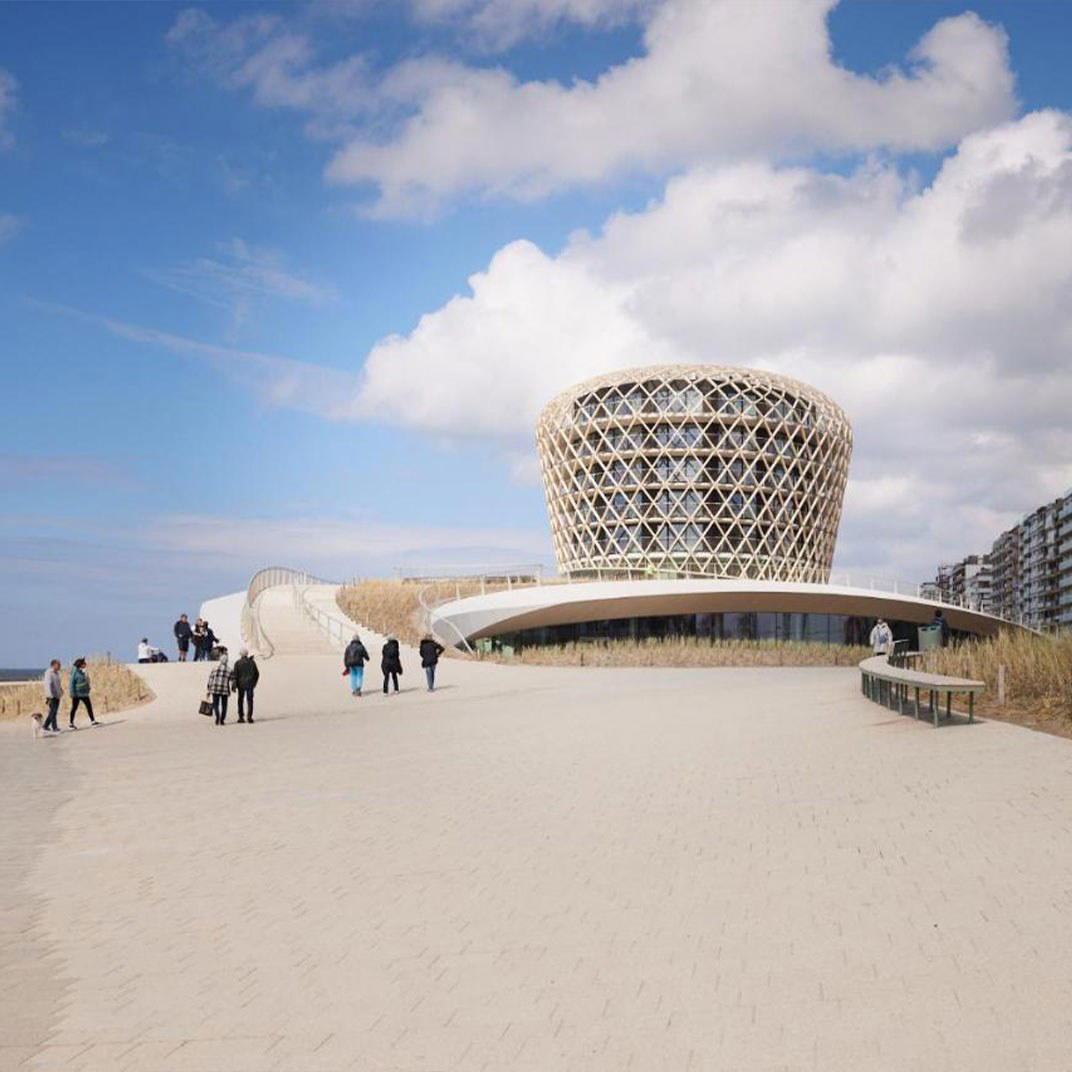
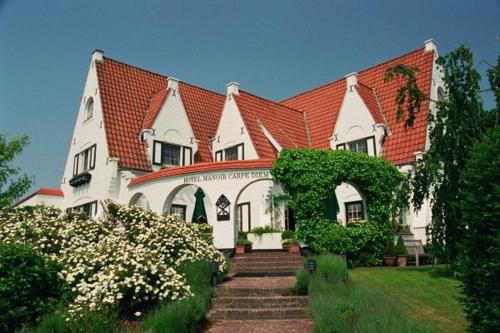
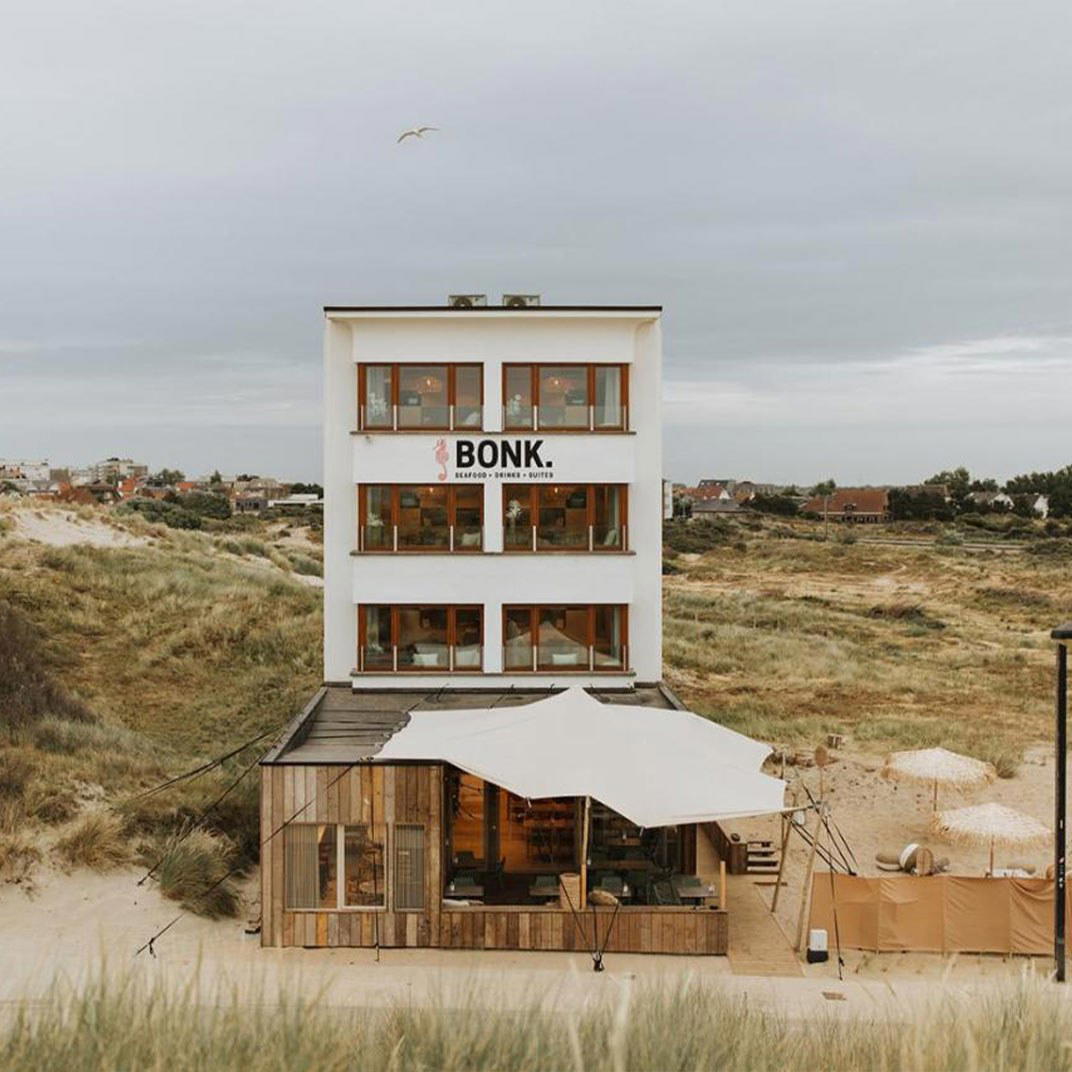
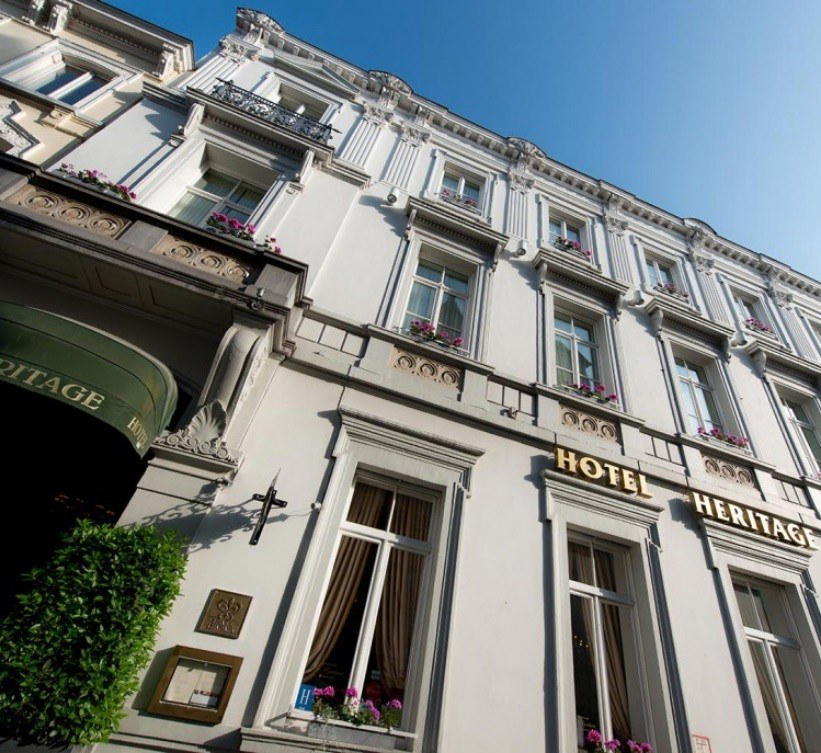
Hotels in Ostend
All hotels in Ostend →
Wineries in Ostend
Browse all →
Details
- Elegant
- Cozy
- Sophisticated
- Intimate
- Date Night
- Special Occasion
- Group Dining
- Open Kitchen
- Extensive Wine List
- Natural Wine
- Craft Cocktails
- Farm To Table
- Local Sourcing
- Set Menu
- Small Plates
- Natural Wine
- Cocktails
Current opening hours
- Monday
- 6–10 PM
- Tuesday
- Closed
- Wednesday
- 6–10 PM
- Thursday
- 6–10 PM
- Friday
- 6–10 PM
- Saturday
- 6–10 PM
- Sunday
- 6–10 PM
Hours can change for holidays and private events. Hours as of .
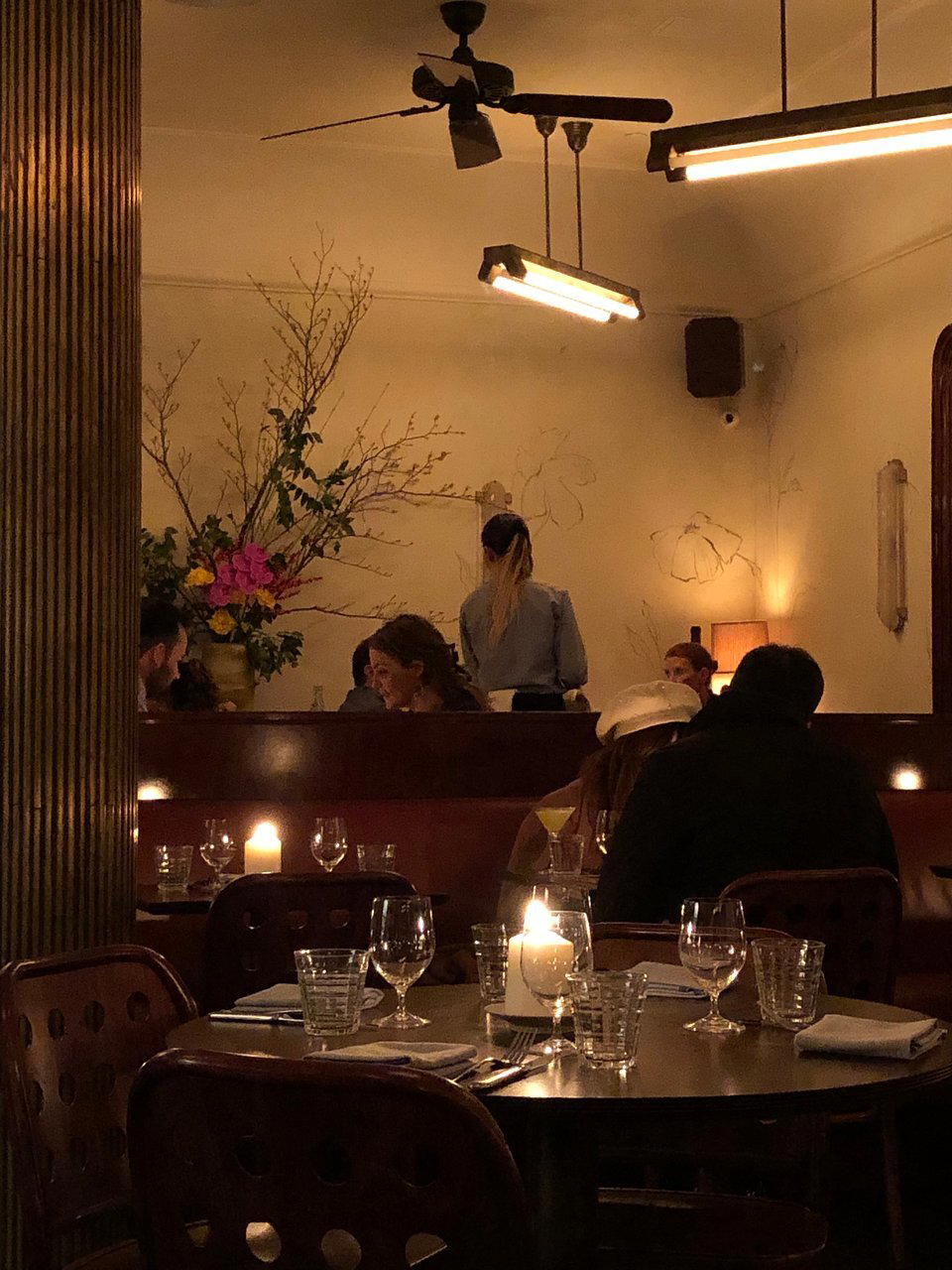
Warm bistro elegance with comfortable banquettes, communal tables, cosy lighting, vintage decor, and a convivial festive atmosphere enhanced by French music.