Google: 4.6 · 119 reviews
.png)
Brasserie David holds consecutive Michelin Plate recognition for 2024 and 2025, placing it among the more consistent contemporary addresses on Oostende's Christinastraat. At the €€ price point, it delivers a calibre of contemporary cooking that sits below the city's starred tier but above the casual seafront offer — a reliable middle register in a town where that gap is often underserved. Google reviewers rate it 4.7 across 107 responses.
 Discover on Pearl
Pearl is the En Primeur Club membership app — saves, bookings, and concierge access live there. Same editors, same standards.
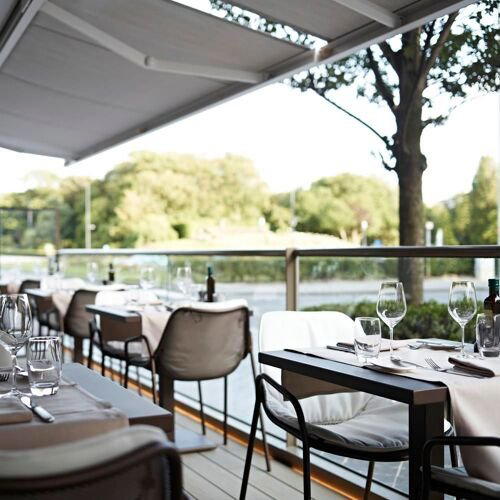
The Brasserie Register in a Coastal City
Oostende has always occupied a complicated position in Belgium's dining conversation. Its identity as a working port and mass-tourism destination has historically made it harder for mid-range contemporary cooking to find sustained footing. The seafront pulls visitors toward casual fish houses and frites stands, while the city's handful of ambition-forward kitchens have tended to cluster at the higher end of the price spectrum. The middle register, where serious cooking meets accessible pricing, has been the least crowded tier on the Christinastraat strip and in the broader city centre.
Brasserie David occupies that middle tier with notable consistency. Back-to-back Michelin Plate recognition in 2024 and 2025 signals a kitchen that is producing at a standard the guide's inspectors consider worth flagging to readers, without yet carrying the single-star weight of addresses like HAUT. The Plate designation is often misread as a consolation credential; it is more accurately a quality floor — an assurance that the fundamentals are in order and that the cooking clears a threshold that the majority of restaurants in any given city do not reach.
Contemporary Cooking on the Belgian Coast
The contemporary category in Belgium spans a wide range of influences, from French-classical foundations reworked with local produce to more technique-forward kitchens drawing on Nordic or Japanese reference points. The Belgian coast adds a specific gravitational pull toward the sea: North Sea sole, mussels from Zeeland, grey shrimp from local trawlers, and the kind of firm-fleshed flatfish that defines coastal Flemish cooking at every price point.
What distinguishes the brasserie format from a full-service gastronomic table is the contract it makes with the diner. The expectation is not a multi-hour progression of small courses but a more direct relationship between ingredient quality and plate, with the kitchen's skill expressed through sourcing discipline and execution rather than elaborate construction. Across Belgium, the brasserie format has proved a durable vehicle for exactly this kind of cooking — one that allows a kitchen to respond to what is available rather than locking into a fixed tasting logic. Frenchette and Bistro Mathilda operate at the €€€ tier in Oostende with farm-to-table and brasserie-adjacent formats, which means Brasserie David's €€ positioning places it at a meaningful price step below both while sharing recognisable cooking values.
Where It Sits in the Oostende Pecking Order
Oostende's contemporary dining tier ranges from HAUT at the four-price-point apex with a Michelin star, through Storm and Frenchette in the mid-upper bracket, down to Brasserie David's accessible contemporary position. This is not a hierarchy of quality in any simple sense , different price points serve different occasions and different visitor profiles. But it is a useful map for understanding what kind of evening each address is designed to produce.
Brasserie David's 4.7 Google rating across 107 reviews is a meaningful data point in this context. In a city where tourist footfall can depress review scores through volume and expectation mismatch, a sustained 4.7 with a three-figure review count suggests a kitchen and floor that are managing diner expectations and delivery consistently across the year, not just in the high-season months when Oostende fills with day-trippers from Ghent and Brussels.
For Belgium-wide context, the coastal contemporary tier connects to a broader West Flemish cluster of kitchens that have built reputations through serious sourcing and disciplined execution. Willem Hiele in Oudenburg and Bartholomeus in Heist define the higher end of that coastal corridor. Boury in Roeselare and Hof van Cleve in Kruishoutem represent the inland West Flemish peak. Brasserie David does not compete in that upper bracket, but it draws from the same regional culinary culture: coastal produce, French-inflected technique, and an instinct for letting the ingredient carry the plate.
The Cultural Roots of Belgian Brasserie Cooking
The brasserie tradition in Belgium carries a different set of cultural codes than its French counterpart. Where a Parisian brasserie historically meant volume, long hours, and a menu built for speed, the Flemish interpretation has tended toward a quieter version of the format , smaller rooms, tighter menus, a kitchen more interested in the provenance of its turbot than in the throughput of its tables. This is partly a function of scale: Belgium's restaurant culture has always been more intimate in format than France's, with fewer large establishments and a stronger emphasis on the table as a considered space rather than a transactional one.
On the coast, this sensibility absorbs the rhythms of the sea. The fishing calendar , the spring migration of sole, the late-summer density of lobster from the Channel, the autumn return of game from the Flemish polders , shapes what a kitchen like Brasserie David can and should be cooking at any given point in the year. Diners who arrive in Oostende expecting a static menu regardless of season are misreading how these kitchens work. The more useful approach is to arrive with an understanding that the plate in front of you is shaped by what came off the boats or out of the fields that week.
That context matters for how to read the Michelin Plate credential too. In a coastal city with strong raw-material access, the Plate signals not just technical competence but editorial restraint , a kitchen that is choosing not to overwork its ingredients, letting the quality of the North Sea catch or the local shellfish carry the case for the cooking.
Planning Your Visit
Brasserie David is at Christinastraat 45 in Oostende's city centre, one of the main commercial streets running parallel to the seafront. The €€ price point places it within reach of most dining budgets visiting the coast, and it offers a materially different proposition from the seafront tourist circuit without requiring the commitment of a four-price-point gastronomic evening. For visitors building an Oostende itinerary around food and drink, the broader city offer is covered in our full Oostende restaurants guide, with accompanying resources for hotels, bars, and experiences.
Phone and booking details are not published in our current database record. Checking the venue directly or via the city's restaurant booking channels is advisable, particularly in July and August when Oostende's seasonal demand compresses availability across the mid-range and above. Midweek visits in shoulder season, particularly September through November, tend to offer the leading combination of availability and ingredient quality as the autumn catch cycle comes in.
For reference points further afield, the contemporary format at this calibre connects to kitchens like Bozar Restaurant in Brussels within Belgium, and to international addresses like César in New York and Jungsik in Seoul for diners who cross-reference contemporary cooking across cities. Closer to the West Flemish coast, Zilte in Antwerp and Castor in Beveren round out the regional peer picture for serious diners mapping Belgium's contemporary tier.
Pricing, Compared
These are the closest comparables we have in our database for quick context.
| Venue | Price | Awards | Notes |
|---|---|---|---|
| Brasserie David | €€ | Michelin Plate (2025); Michelin Plate (2024) | This venue |
| Frenchette | €€€ | French - Brasserie, Farm to table, €€€ | |
| HAUT | €€€€ | Michelin 1 Star | Modern French, €€€€ |
| Bistro Mathilda | €€€ | Farm to table, €€€ | |
| Storm | €€€ | Modern French, €€€ |

At a Glance
- Cozy
- Classic
- Intimate
- Date Night
- Open Kitchen
- Local Sourcing
- Street Scene
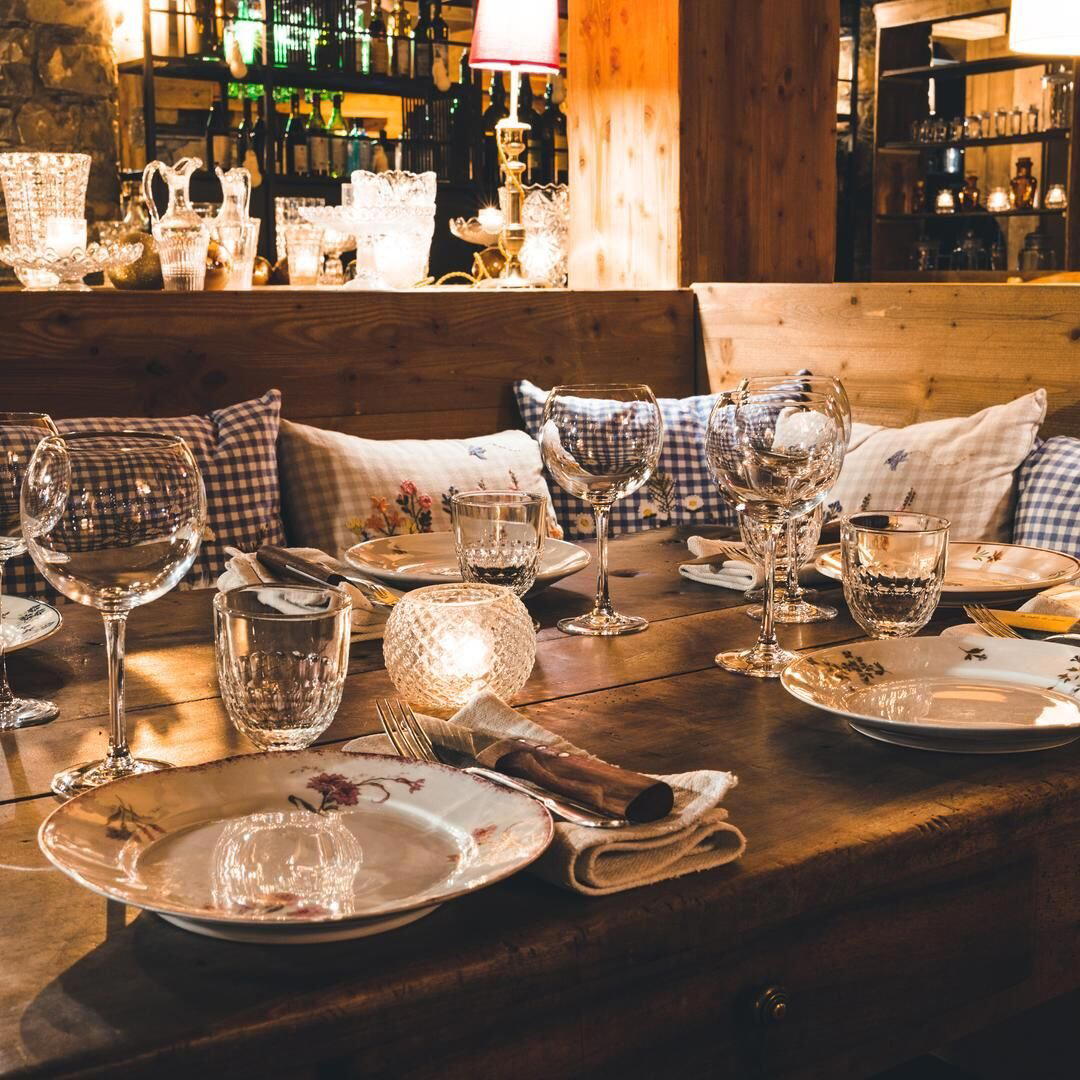
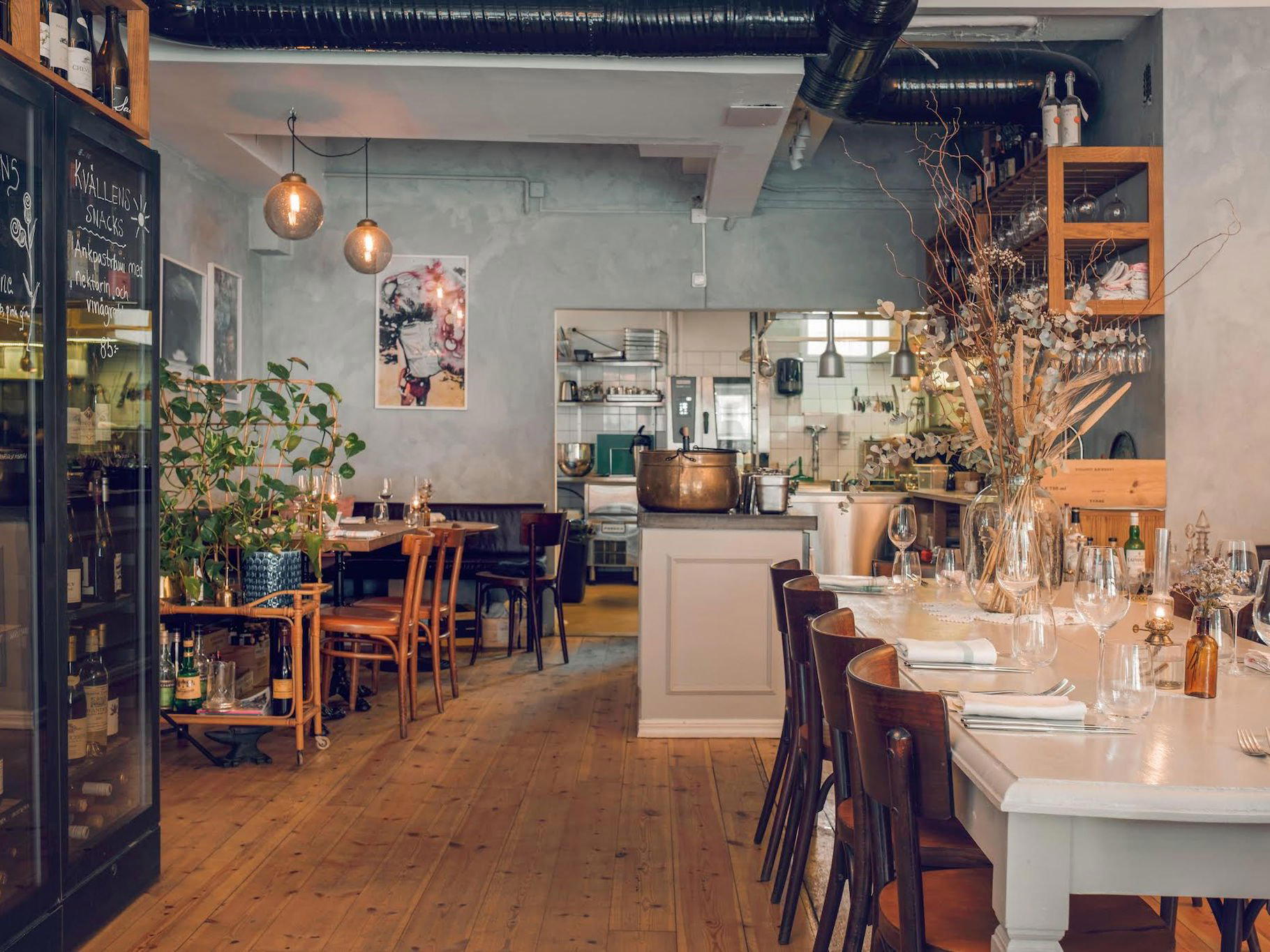
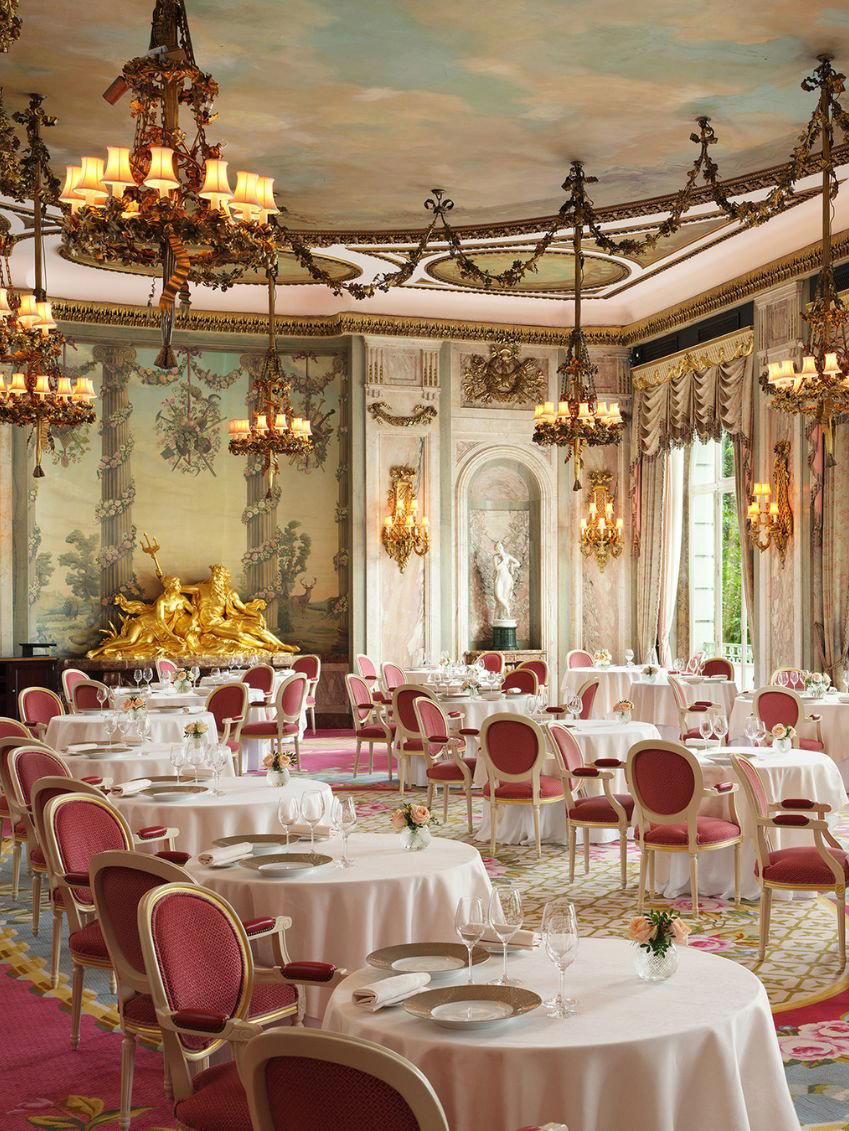
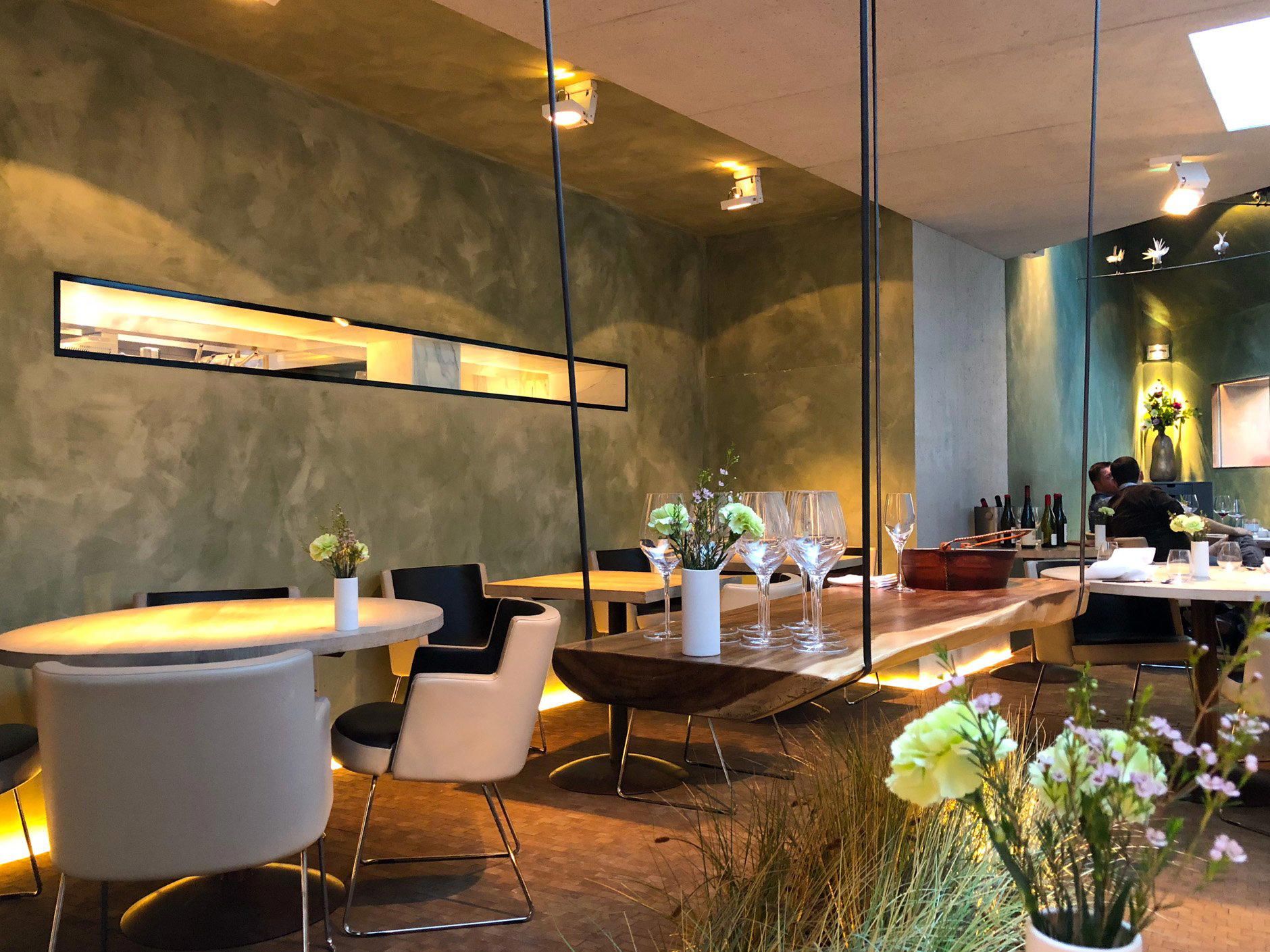
Cozy and atmospheric small space with David Bowie decor, open kitchen view, and warm lighting creating an intimate dining experience.