Storchen

1 Michelin Star
Our verdict
Storchen holds a Michelin star for the second consecutive year in 2025, placing it among a small group of recognised fine-dining addresses in Germany's Baden region. Chef Bryce Bonsack works within a classic cuisine framework in a spa-town setting that draws both local regulars and visitors passing through the Upper Rhine Valley. The €€€ price point sits a tier below Germany's multi-star circuit, making it one of the more accessible starred addresses in the country.

Pearl is the En Primeur Club membership app — saves, bookings, and concierge access live there. Same editors, same standards.
- Address
- Felix-u.-Nabor-Straße 2, 79189 Bad Krozingen, Germany
- Phone
- +49 7633 5329
- Website
- storchen-schmidhofen.de
- Directions
- Get directions
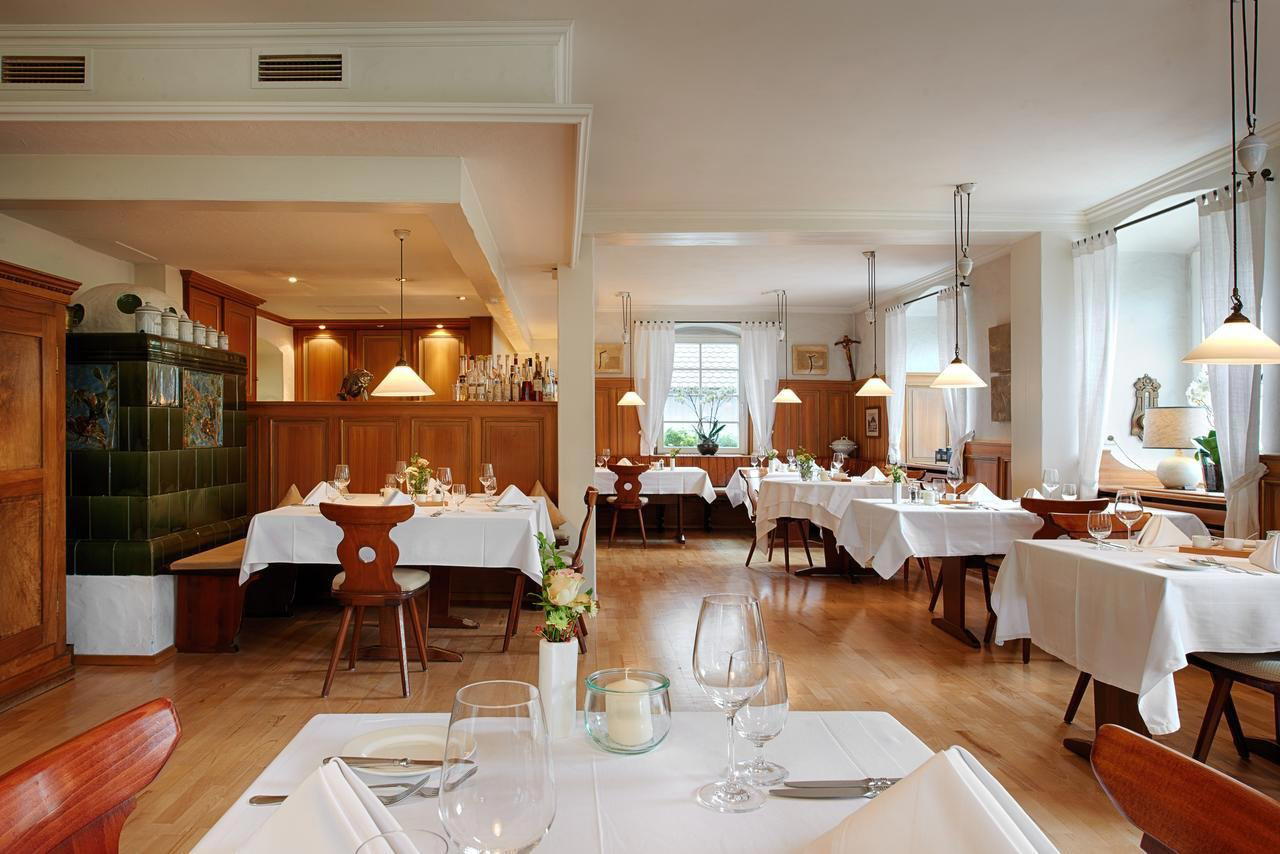
A Starred Counter in Spa-Town Germany
Bad Krozingen sits in the Upper Rhine Plain between Freiburg and the Swiss border, a thermal spa town whose identity has long been shaped by recovery, leisure, and the unhurried rhythm of Kur culture. It is not a city that announces itself through spectacle. The streets are calm, the architecture modest, and the restaurants that attract notice do so through consistency rather than theatre. It is precisely this kind of setting — removed from the competitive noise of Munich or Berlin — where a single-starred kitchen like Storchen can develop a clear identity and hold it across consecutive years.
Storchen earned its first Michelin star in 2024 and retained it through 2025, a two-year run that places it in credible company among Germany's recognised addresses. A retained star carries different weight than a debut: it signals that the kitchen is not performing for inspectors on a given evening but cooking at a level that repeats. Within the context of [our full Bad Krozingen restaurants guide](), Storchen occupies the top tier of the local dining scene by a clear margin.
Classic Cuisine as a Category Choice
Germany's starred restaurant circuit has splintered considerably over the past decade. At the high-spend end, kitchens like Aqua in Wolfsburg and CODA Dessert Dining in Berlin operate in creative and conceptual registers that require significant investment from the diner, financially and intellectually. Further up the Black Forest corridor, Schwarzwaldstube in Baiersbronn anchors the classic French tradition at a €€€€ price point that positions it as destination dining for the region.
Storchen's classification as Classic Cuisine at €€€ places it in a different bracket. Classic Cuisine in the Michelin framework refers to technique-grounded cooking that respects established European culinary conventions without chasing the conceptual edge of contemporary or creative categories. The genre has faced pressure from two directions: chefs moving toward avant-garde expression, and the casual-dining tier absorbing diners who want good food without formality. Those who stay committed to the classic register, as KOMU in Munich does, and as Maison Rostang in Paris has done across generations, tend to build a loyal, less trend-sensitive following. The star retention at Storchen suggests this calculus is working in Bad Krozingen.
Chef Bryce Bonsack and the Baden Context
Bryce Bonsack leads the kitchen at Storchen. The name is not one that surfaces frequently in the broader German fine-dining conversation, which is partly a function of geography: kitchens in spa towns and smaller cities operate outside the media current that flows through Hamburg, Munich, and Berlin. That relative obscurity does not correlate with quality. Germany's Michelin map has long rewarded kitchens in rural and secondary-city settings, Waldhotel Sonnora in Dreis, Schanz in Piesport, and Victor's Fine Dining by christian bau in Perl all demonstrate that the inspector's eye reaches well beyond city-centre postcodes.
For context on how chef-led kitchens in smaller German cities have built reputations within the starred system, JAN in Munich and ES:SENZ in Grassau offer useful reference points, both demonstrate how a single chef's sustained commitment to a defined cooking philosophy can generate recognition that outlasts trend cycles. Bagatelle in Trier similarly shows how a secondary-city address can hold its own within the broader German fine-dining map.
The Price Tier and What It Means for Diners
The €€€ positioning is significant for anyone planning around the German starred circuit. Germany's multi-star kitchens, Vendôme in Bergisch Gladbach and Restaurant Haerlin in Hamburg among them, operate at price points that mark them clearly as occasion dining. Storchen's single star at €€€ puts Michelin-recognised cooking within reach of a broader audience, which is one reason that this price band has historically performed well at retention: the kitchen is not depending on a narrow slice of celebratory spenders to fill tables.
A score maintained across that volume of responses is a more reliable indicator than a higher rating drawn from fewer visits, and it suggests the experience holds up across different guest expectations. For a spa-town address where the dining room likely sees a mix of wellness retreat visitors, local regulars, and regional food travelers, that consistency is operationally meaningful.
Arriving and Planning
Bad Krozingen is accessible by rail from Freiburg im Breisgau, with frequent regional services covering the short distance between the two towns. Freiburg itself connects to Basel and the broader European rail network. Visitors combining a Black Forest wine tour with a dining itinerary will find the geography efficient: the area has its own established viticulture worth exploring through [our full Bad Krozingen wineries guide](), and the surrounding region offers additional diversions documented in our full Bad Krozingen experiences guide.
Booking practices for single-starred kitchens in smaller German towns vary, but the combination of a limited dining room and a returning local clientele tends to mean that advance reservations are advisable, particularly on weekends. No booking method is confirmed in available data, so checking current availability through the restaurant directly is the practical approach. Those planning a full trip around the area will also find [our full Bad Krozingen hotels guide]() and [our full Bad Krozingen bars guide]() useful for completing the stay.
Storchen is located at Felix-u.-Nabor-Straße 2 in Bad Krozingen, within a quiet residential setting that typifies the spa-town character of the area. The €€€ price range positions it as a dinner worth planning around, rather than a casual walk-in, but it stops well short of the financial commitment required at Germany's leading multi-star addresses. For the Upper Rhine region, it represents a clean argument for why small-city fine dining in Germany often delivers more per euro than its metropolitan equivalents.
Frequently asked questions
What price level is Storchen?
Pricing at Storchen is listed as €€€.
What part of town is Storchen in?
Storchen is located at Felix-u.-Nabor-Straße 2, 79189 Bad Krozingen, Germany, Bad Krozingen.
Fast Comparison
| Venue | Cuisine | Awards |
|---|---|---|
| StorchenThis venue — the venue you are viewing | Classic German Fine Dining | 1 Michelin Star |
| Schwarzwaldstube | French, Classic French | Michelin 3 Star |
| Aqua | Contemporary German, Italian/Japanese, Creative | Michelin 3 Star |
| CODA Dessert Dining | Creative | Michelin 2 Star |
| Tantris | Modern French, French Contemporary | Michelin 2 Star |
| Vendôme | Modern European, Creative | Michelin 2 Star |
Recognition history
Dated appearances from independent guides and award organizations, with the underlying list record or original source where available.
Michelin 1 Star
Michelin
Full recognition history (3 entries)
Michelin 1 Star
Michelin
Michelin 1 Star
Michelin
Continue exploring
More in Bad Krozingen
Restaurants in Bad Krozingen
Browse all →
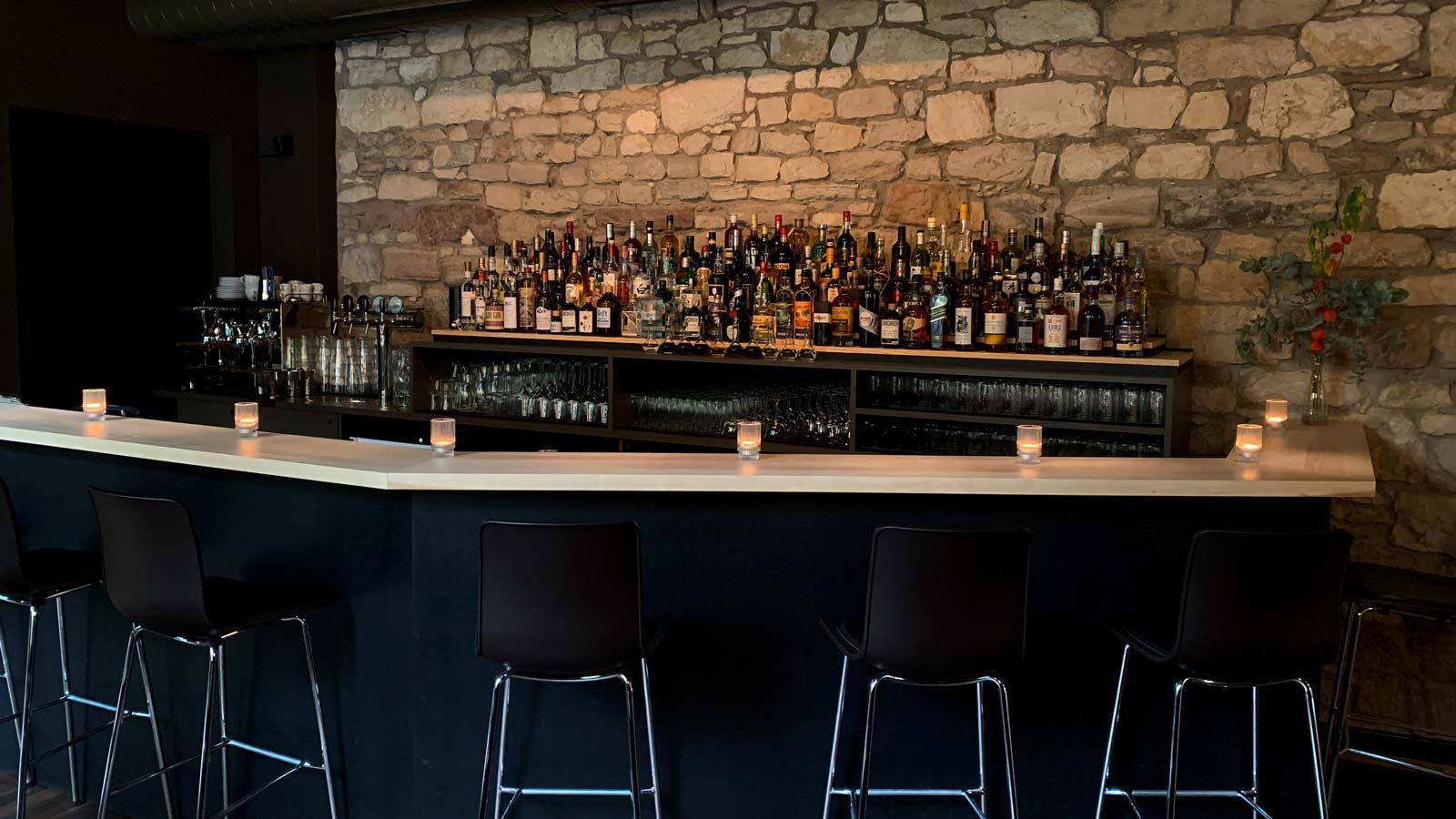
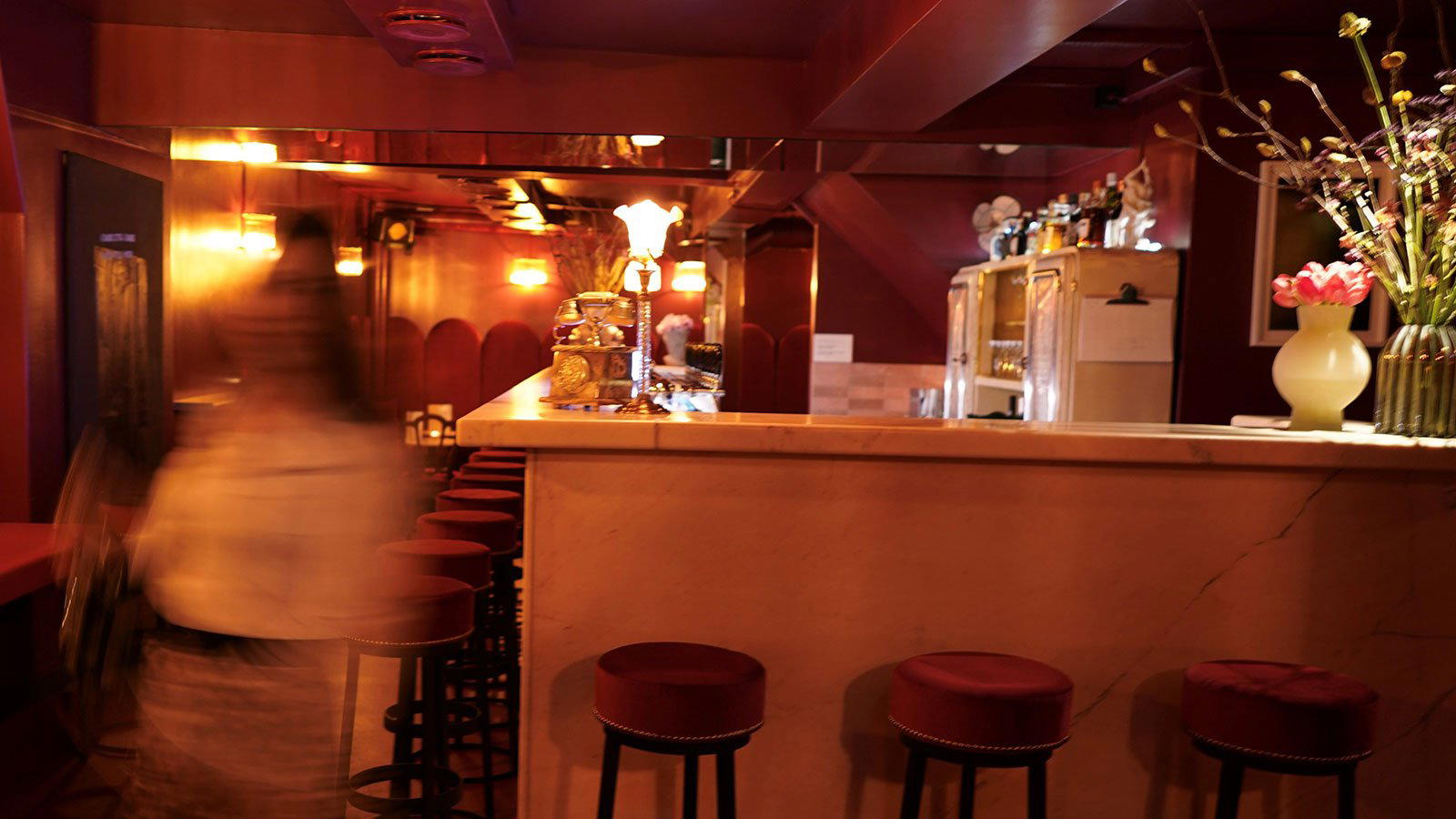
Bars in Bad Krozingen
Browse all →

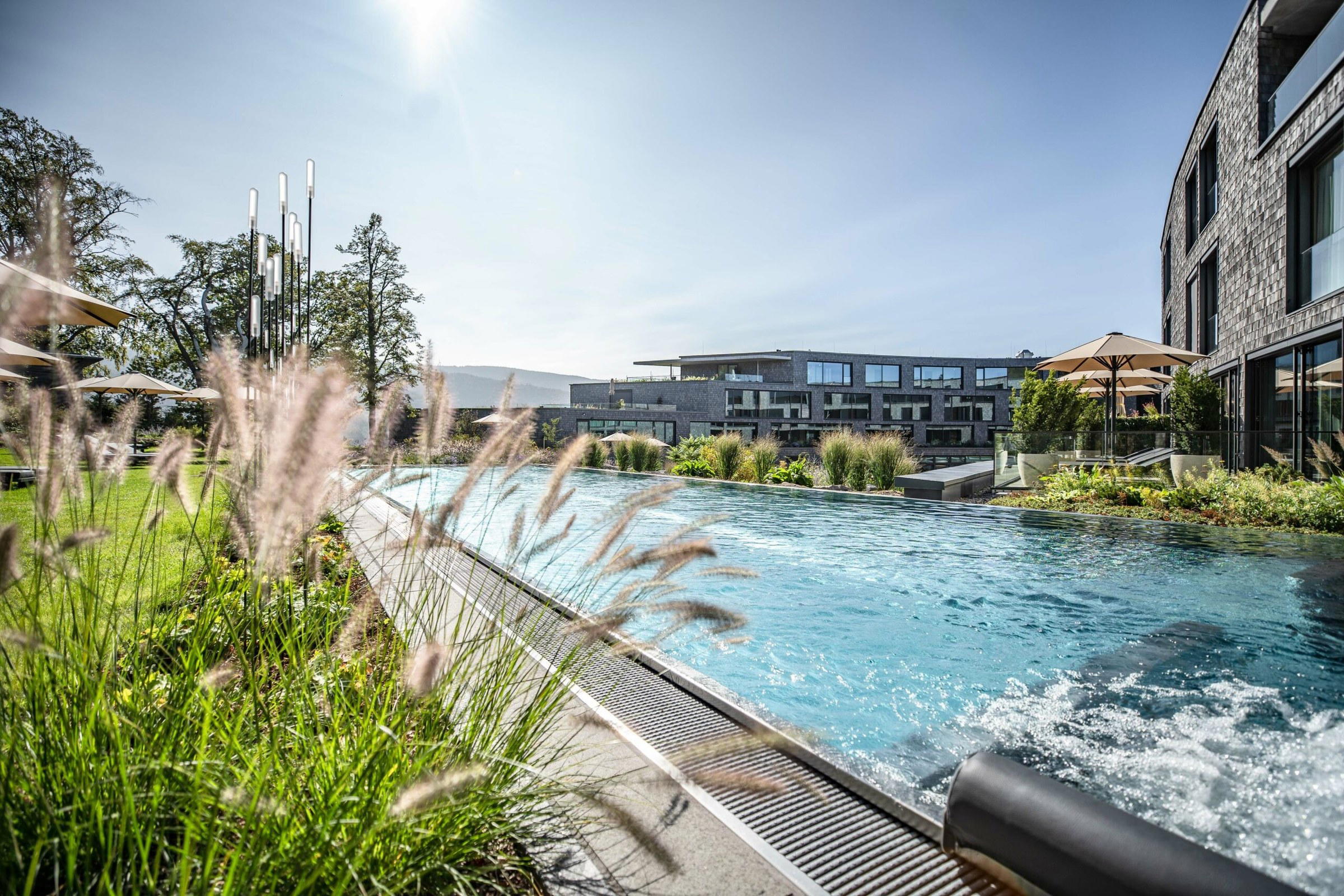
Hotels in Bad Krozingen
Browse all →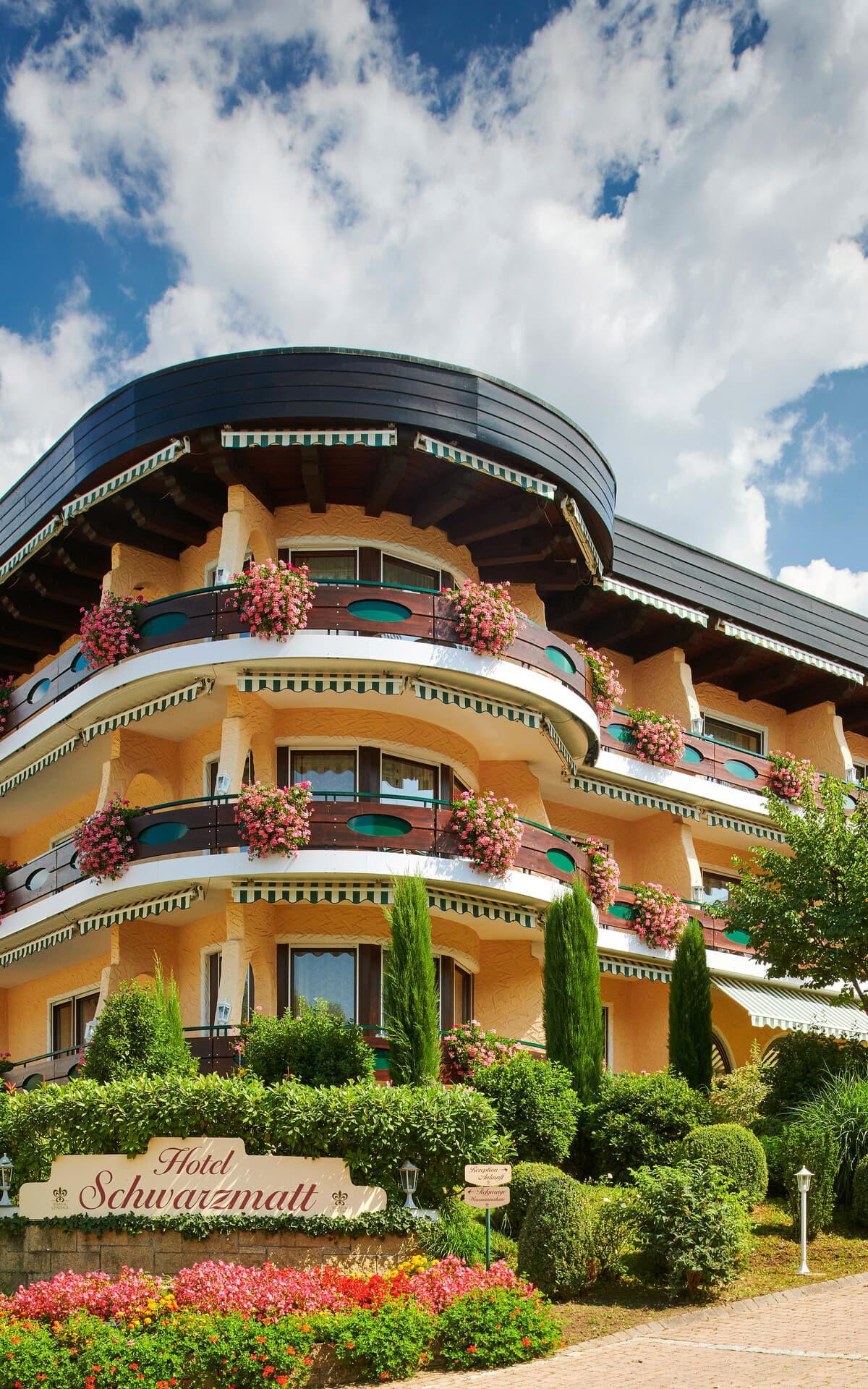
Storchen
The wine
- Wine program
- Curated wine list
- Extensive wine list
Details
- Rustic
- Cozy
- Elegant
- Classic
- Date Night
- Special Occasion
- Garden
- Hotel Restaurant
- Historic Building
- Extensive Wine List
- Farm To Table
- Local Sourcing
- Garden
- Set Menu
- A La Carte
- Vegetarian Friendly
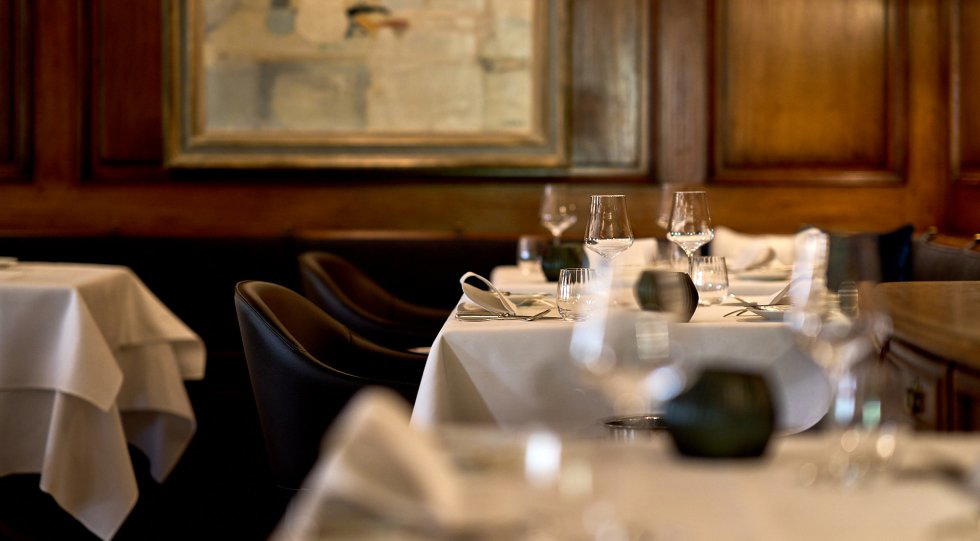
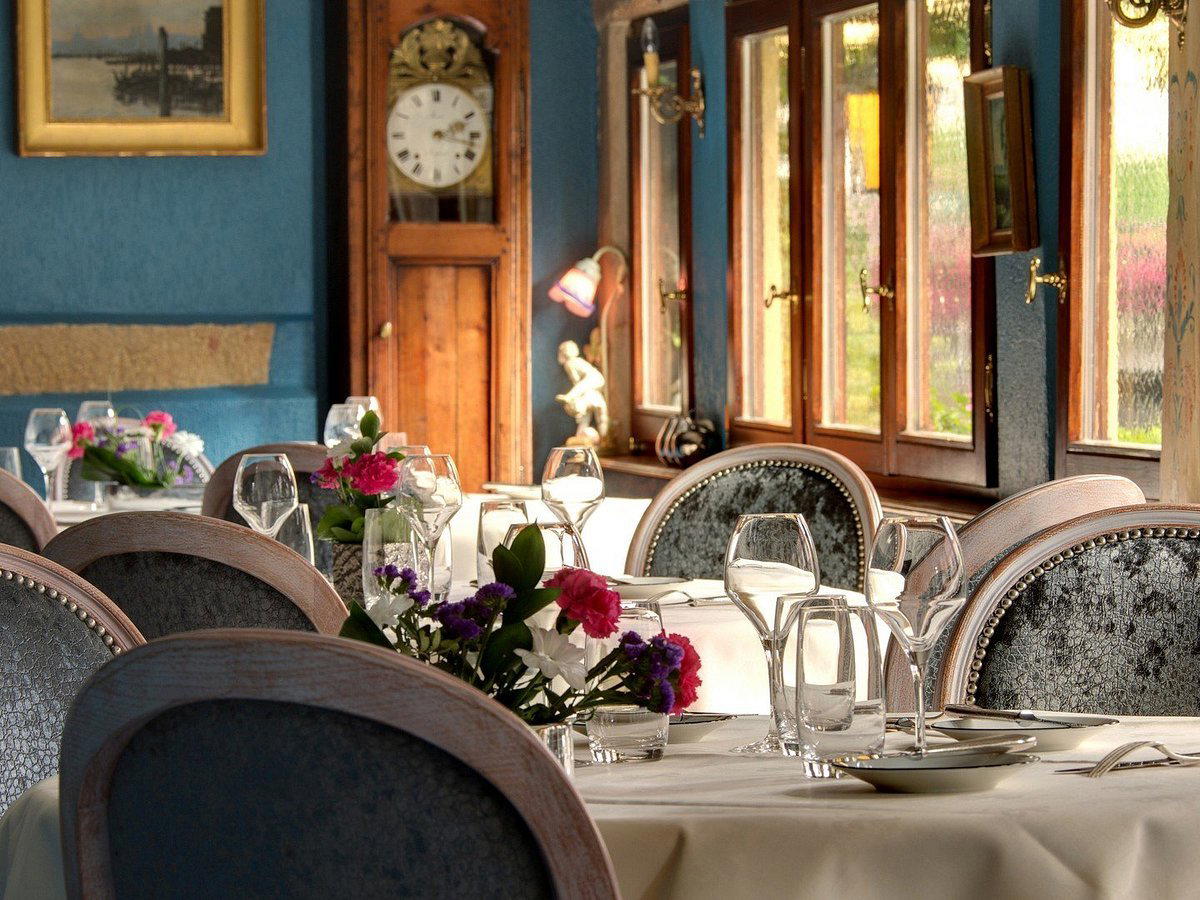
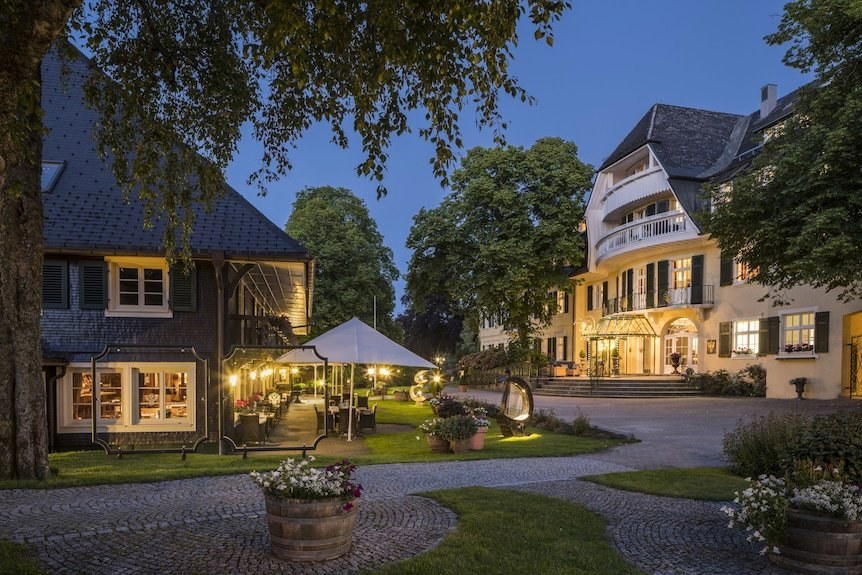
Tastefully decorated dining areas with rustic charm featuring an old tiled stove and wooden panelling, or more modern decor, plus a pretty garden terrace with a pond.