
1 Michelin Star
Our verdict
Schwabenstube in Asperg holds a Michelin star for the second consecutive year (2024–2025), operating within the classic French tradition at the €€€ price tier — a notable position for a town this size in Baden-Württemberg. The kitchen draws on the region's agricultural depth while maintaining the technical vocabulary of French haute cuisine, placing it in a distinct niche within southwest Germany's serious dining circuit.

Pearl is the En Primeur Club membership app — saves, bookings, and concierge access live there. Same editors, same standards.
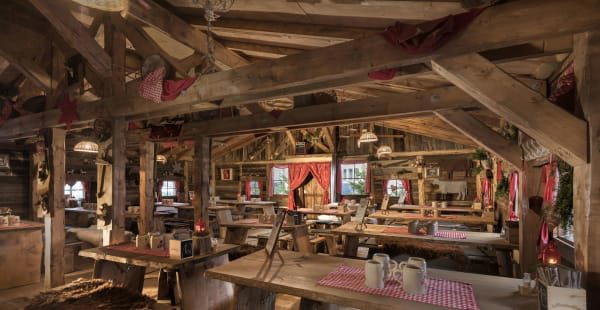
Classic French Discipline in a Swabian Town
Small German towns do not typically anchor Michelin-starred French kitchens. That Asperg — a municipality of fewer than 15,000 people perched above the Stuttgart basin on a hill crowned by the Hohenasperg fortress — does so through Schwabenstube says something pointed about how fine dining distributes itself across southwest Germany. This is not a restaurant that benefits from urban foot traffic or tourism infrastructure. Its presence in the Guide, retained in both 2024 and 2025, is earned against a quieter backdrop, and the result is a room that operates with the focused intensity of a destination rather than a neighbourhood fixture.
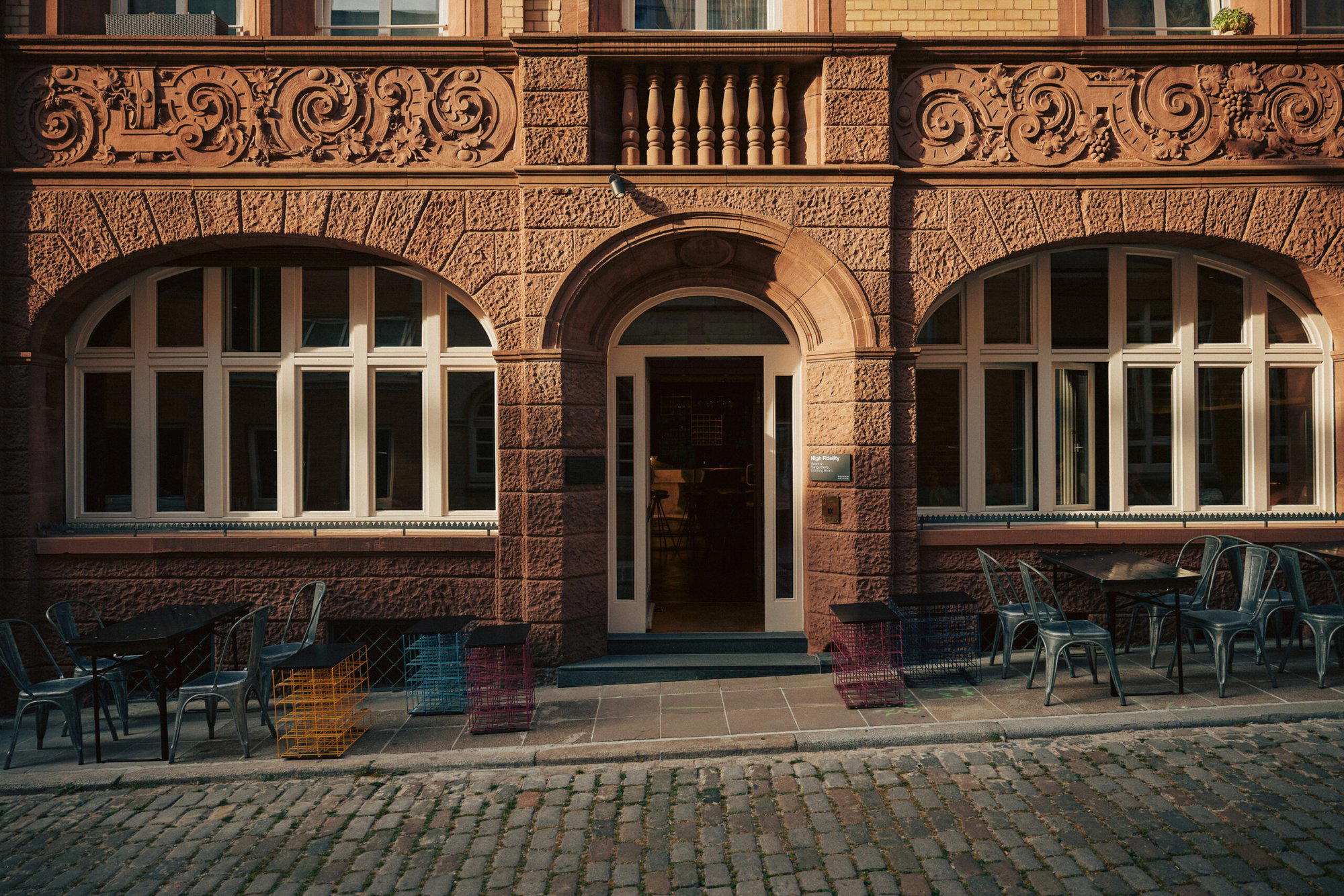
The address on Stuttgarter Strasse places Schwabenstube at a legible point in the town, and the setting carries the particular character of Swabian provincial formality: contained, purposeful, without the performative edge that larger city restaurants sometimes reach for. Approaching the room, there is none of the street theatre of a Stuttgart-centre address. The scale is human, the surroundings residential, and the dining experience that follows sits in deliberate contrast to the setting, technically precise, French in its architecture, and shaped by the agricultural richness of Baden-Württemberg lying immediately outside.
The French Tradition in German Soil
Classic French cooking as practised by German kitchens has a specific history in this part of Europe. The southwest corridor, Baden-Württemberg and Rhineland-Palatinate extending into the Saar, has produced a concentration of high-end French-influenced restaurants that sits alongside, and sometimes outperforms, equivalent establishments in France itself. Schwarzwaldstube in Baiersbronn represents the apex of that tradition; Waldhotel Sonnora in Dreis and Vendôme in Bergisch Gladbach extend the map further. Schwabenstube operates within the same lineage, albeit at the one-star tier and at the €€€ price point, a bracket below the €€€€ houses listed above, which makes it a more accessible entry into comparable cooking.
That accessibility matters. At the €€€ level, Schwabenstube sits in a different competitive band from the three- and two-star flagships. For the diner who wants French technique anchored in German agricultural terroir without the full financial commitment of a multi-star tasting menu, this tier is where the most interesting eating often happens. See also Bagatelle in Trier and Schanz in Piesport for comparable positioning in the wider southwest.
Terroir and Provenance: What Baden-Württemberg Brings to the Plate
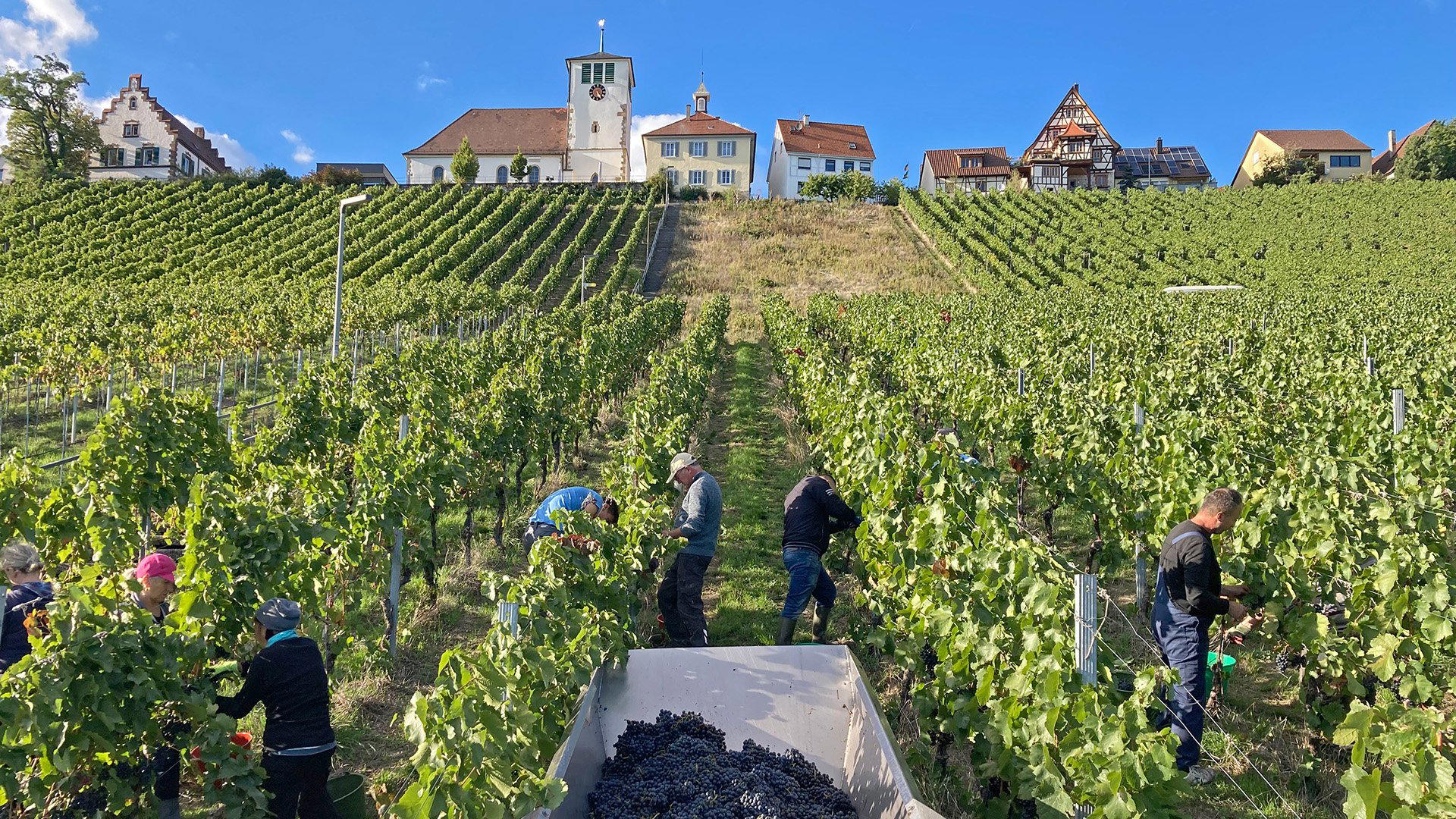
The editorial angle most relevant to Schwabenstube's identity is terroir, not in the wine sense alone, but in the broader sense of a kitchen shaped by its agricultural surroundings. Baden-Württemberg is one of Germany's most productive agricultural regions: Swabian highlands and river valleys generate game, lamb, root vegetables, and herbs that feed kitchens up and down the quality spectrum. The Stuttgart basin, in which Asperg sits, is warmer and more sheltered than the surrounding plateau, historically supporting market gardens and orchards that supplied the city.
Classic French technique applied to this regional larder is a coherent proposition. The French kitchen has always been a discipline of transformation, of extracting the maximum from what the land provides through reduction, emulsification, and patient saucing. When the raw material is Swabian rather than Lyonnais, the results carry a regional imprint that differentiates the cooking from a straight transposition of Parisian or Burgundian norms. This interplay between French method and German provenance is precisely what makes the one-star level in this part of Germany interesting to follow. For comparison across the border, Cheval Blanc by Peter Knogl in Basel and Waterside Inn in Bray represent the classic French tradition at higher star counts, providing useful reference points for what the cuisine looks like at its most formal.
Schwabenstube's sustained Michelin recognition, two consecutive years, is the clearest signal available that this integration is working at a credible level.
Where Schwabenstube Sits in the German Dining Map
Germany's fine dining scene has broadened considerably over the past decade. The country holds more Michelin stars than any other European nation outside France, and the distribution of those stars has shifted, away from hotel dining rooms in industrial cities and toward focused independent kitchens in smaller towns. JAN in Munich and Aqua in Wolfsburg represent different nodes on this map: urban and industrial respectively, each with their own culinary orientation. CODA Dessert Dining in Berlin and ES:SENZ in Grassau push toward the experimental tier. Restaurant Haerlin in Hamburg and Victor's Fine Dining by Christian Bau in Perl anchor the traditional end of the spectrum.
Schwabenstube, within this map, represents something specific: classic French commitment at a price point that makes it genuinely available, in a town that rewards dedicated travel rather than incidental dining. It is not positioning itself as a creative laboratory or a showcase for avant-garde technique. The classic French designation signals a kitchen that respects lineage, that the sauces take time, that the structure of a meal follows established arcs, and that the produce arrives because it is good rather than because it tells a story.
Planning a Visit
Asperg sits roughly 15 kilometres north of Stuttgart, and the most practical approach is by car or regional rail from Stuttgart Hauptbahnhof, trains run frequently on the S4 line to Asperg station, from which the restaurant is a short walk. Given the one-star status and the town's limited hotel capacity, booking ahead is advisable; the restaurant has maintained its star across two consecutive inspection cycles, which suggests consistent demand from regional diners and visitors combining a meal here with time in Stuttgart. For accommodation options in the area, our full Asperg hotels guide covers available properties. Those building a wider programme around the visit will find context in our full Asperg restaurants guide, alongside bars, wineries, and experiences in the area. The €€€ price range positions a meal here below the region's top-tier multi-course commitments, expect to pay at the level of a serious provincial restaurant rather than a destination tasting menu flagship.
Frequently asked questions
Is Schwabenstube suitable for children?
Schwabenstube is a Michelin-starred French kitchen priced at the €€€ tier, which suggests a formal dining context. That does not preclude older children with an appetite for sit-down restaurant meals, but the setting is built around adult fine dining rather than family-casual service. Families with young children would be better served by a casual alternative in the Stuttgart area.
What is the atmosphere like at Schwabenstube?
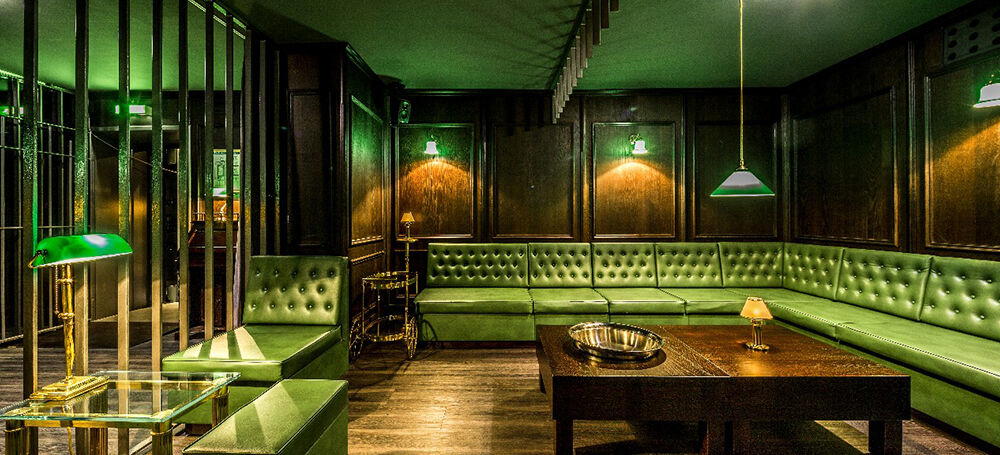
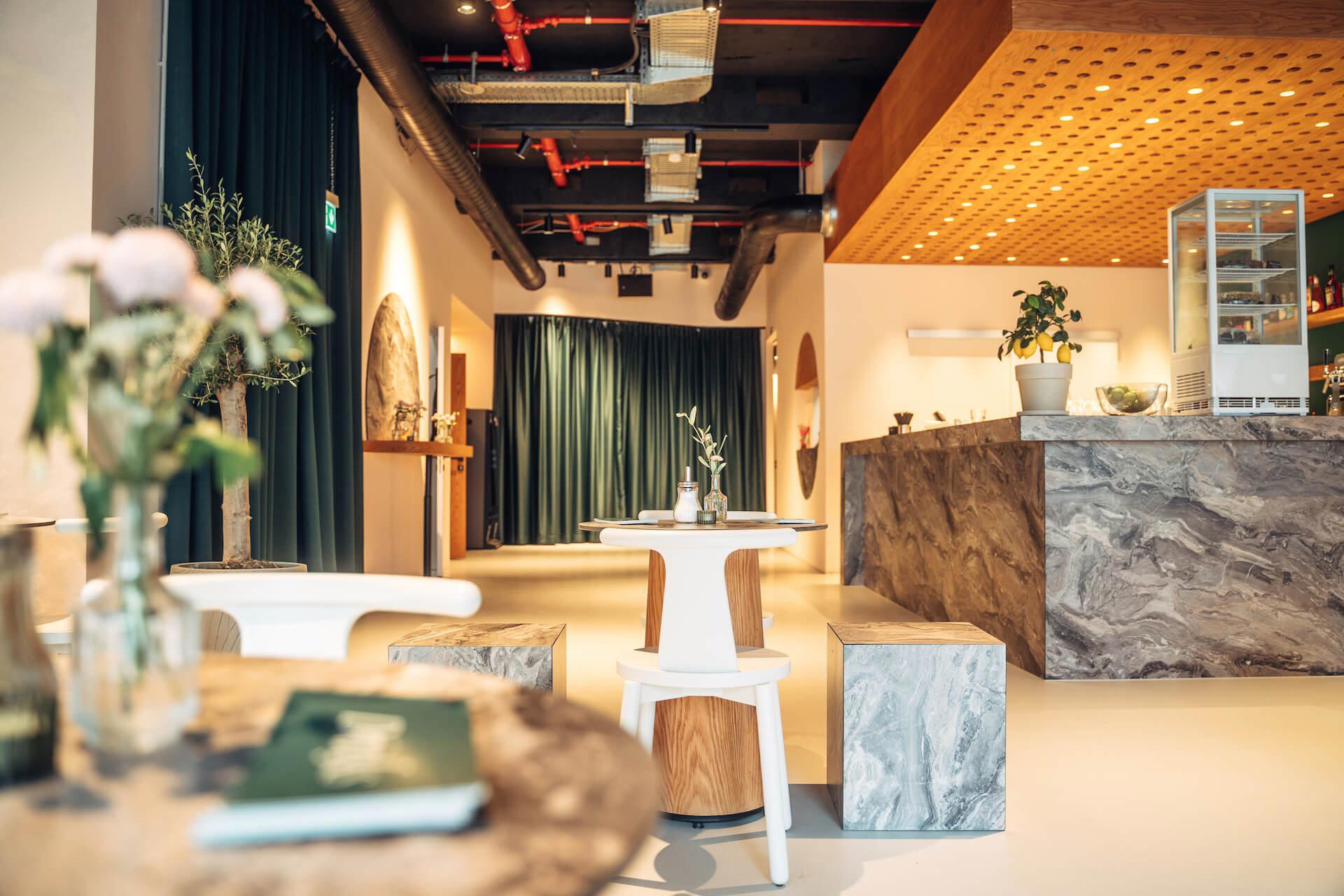
The address — a small Swabian town of fewer than 15,000 people — signals restraint over spectacle. Classic French kitchens operating at Michelin-starred level in provincial German settings tend toward composed, unhurried dining rooms where the food does the talking. Schwabenstube fits that mould: the €€€ price point and consecutive Michelin stars through 2024 and 2025 point to a house that prioritises precision over theatre.
What kind of recognition has Schwabenstube received?
Schwabenstube has received recognition including: Michelin 1 Star (2025); Michelin 1 Star (2024).
What's the must-try dish at Schwabenstube?
What is established is a classic French culinary framework operating in a region with strong local produce from Baden-Württemberg. Visitors expecting a tasting menu built around French technique and seasonal regional ingredients are on solid ground.
Comparable Spots, Quickly
| Venue | Cuisine | Price | Awards |
|---|---|---|---|
| SchwabenstubeThis venue (the venue you are viewing) | Classic Swabian Fine Dining | $50–100 | 1 Michelin Star |
| Schwarzwaldstube | French, Classic French | Not listed | Michelin 3 Star |
| Aqua | Contemporary German, Italian/Japanese, Creative | Not listed | Michelin 3 Star |
| CODA Dessert Dining | Creative | Not listed | Michelin 2 Star |
| Tantris | Modern French, French Contemporary | Not listed | Michelin 2 Star |
| Vendôme | Modern European, Creative | Not listed | Michelin 2 Star |
Recognition history
Dated appearances from independent guides and award organizations, with the underlying list record or original source where available.
Michelin 1 Star
Michelin
Full recognition history (3 entries)
Michelin 1 Star
Michelin
Michelin 1 Star
Michelin
Continue exploring
More in Asperg
Restaurants in Asperg
All restaurants in Asperg →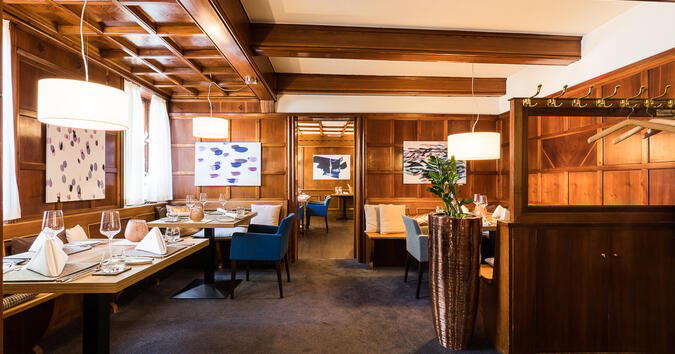
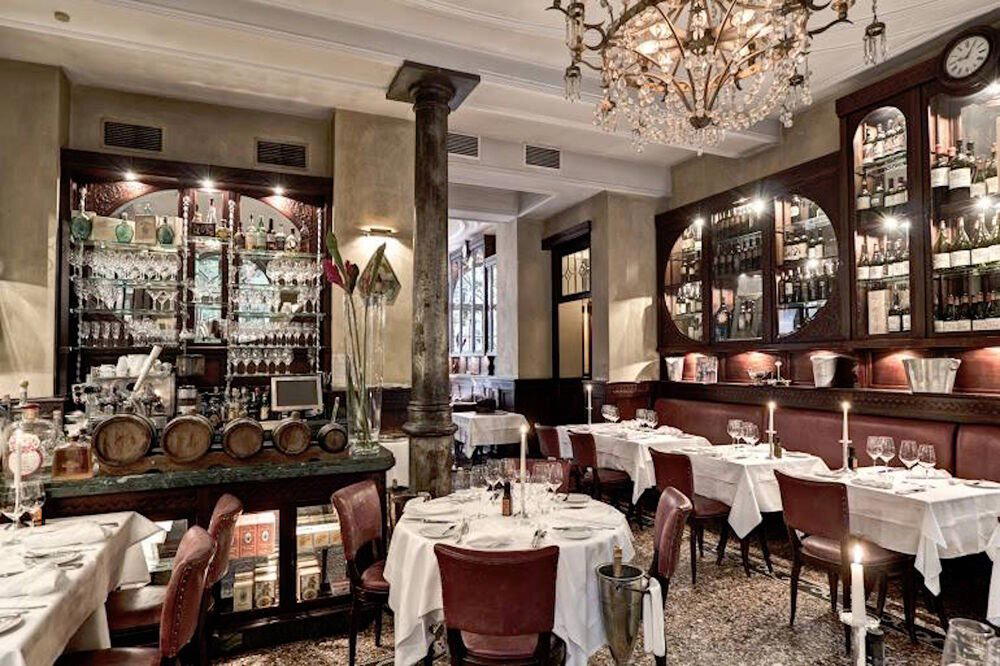
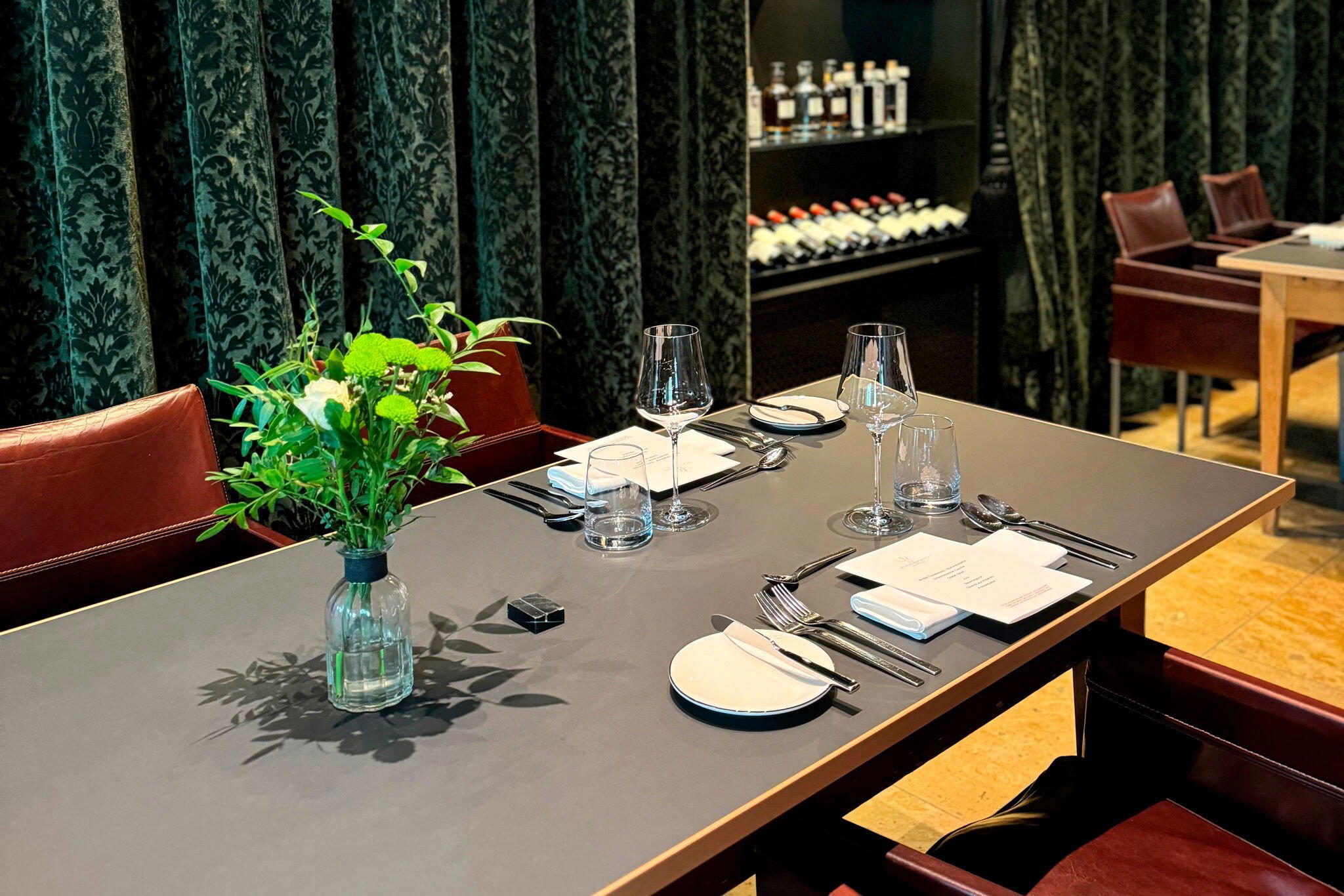
Bars in Asperg
Browse all →

Details
- Classic
- Cozy
- Elegant
- Sophisticated
- Business Dinner
- Special Occasion
- Family
- Historic Building
- Extensive Wine List
- Local Sourcing
- Tasting Menu
- A La Carte
- Vegan Options
Current opening hours
- Monday
- Closed
- Tuesday
- Closed
- Wednesday
- 6–11 PM
- Thursday
- 6–11 PM
- Friday
- 6–11 PM
- Saturday
- 6–11 PM
- Sunday
- Closed
Hours can change for holidays and private events. Last verified .
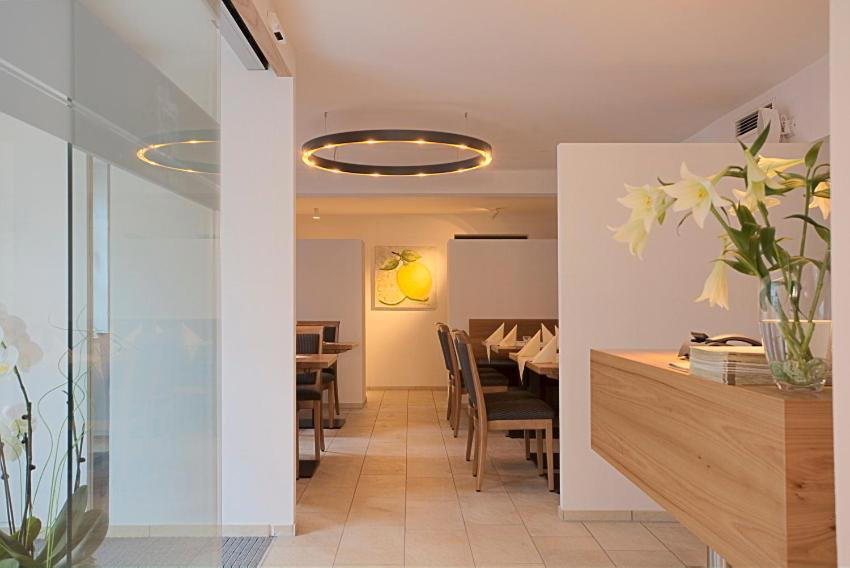
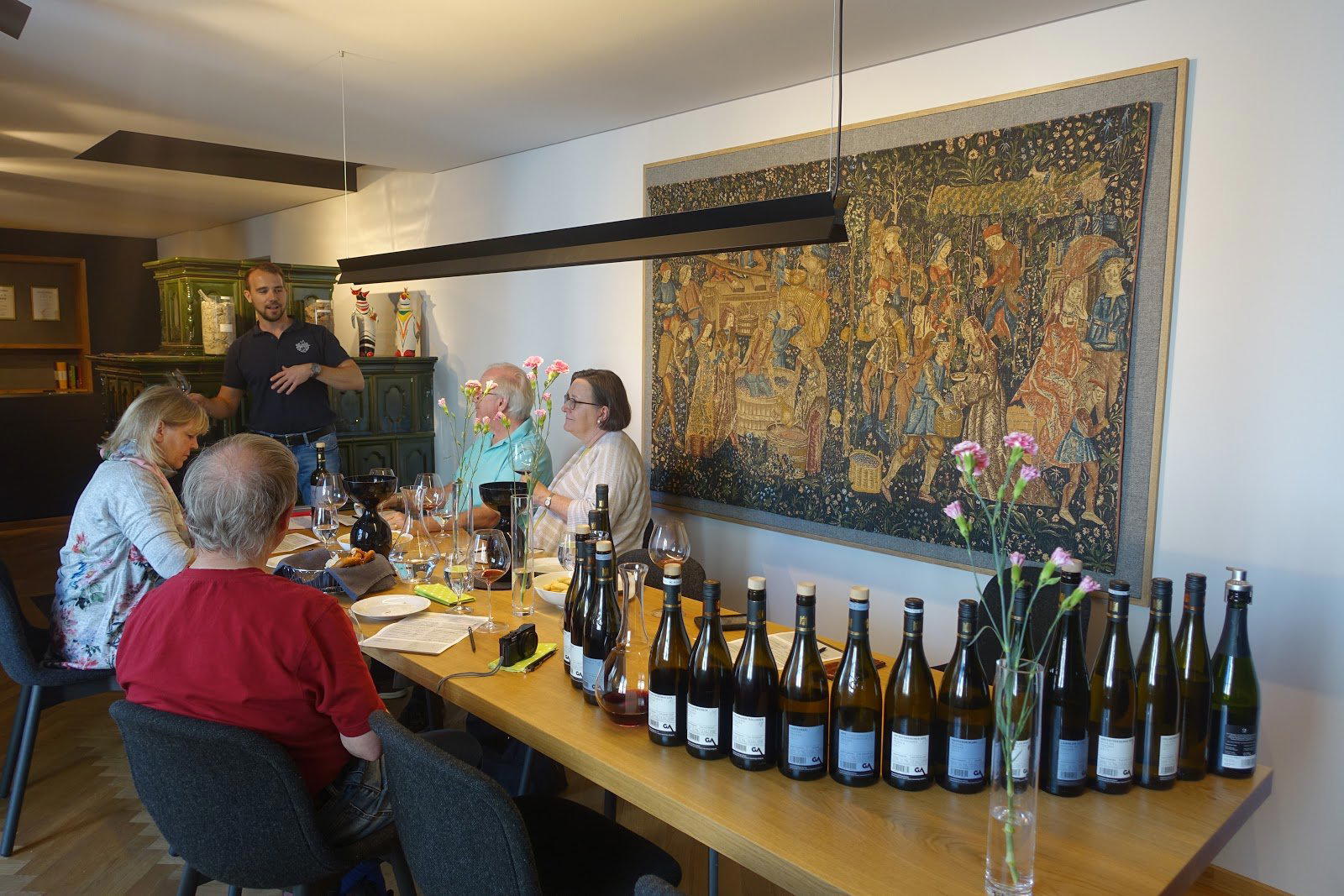
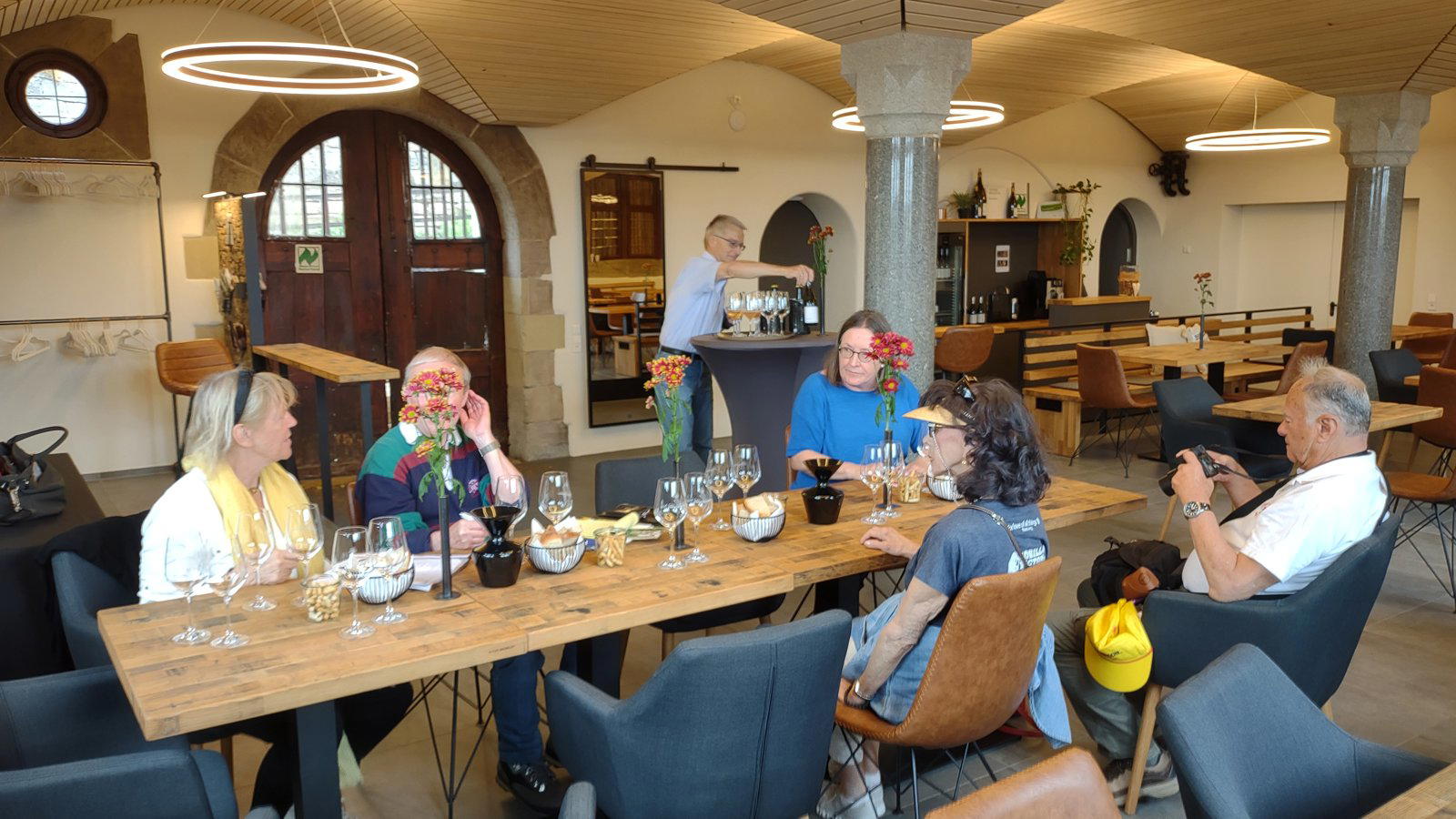
Clean, bright, and comfortable with a classic, relaxed fine-dining atmosphere.