Hirsch

1 Michelin Star
Our verdict
A Michelin-starred address in the Swabian Alb village of Sonnenbühl, Hirsch holds a one-star rating for both 2024 and 2025 under chef Gerd Windhösel. The kitchen works in the classic cuisine register at a mid-range price point unusual for this level of recognition, placing it among the more accessible starred restaurants in southwest Germany.

Pearl is the En Primeur Club membership app — saves, bookings, and concierge access live there. Same editors, same standards.
- Address
- Im Dorf 12, 72820 Sonnenbühl, Germany
- Phone
- +49 7128 92910
- Hours
- Daily Closed
- Website
- romantikhotel-hirsch.de
- Directions
- Get directions
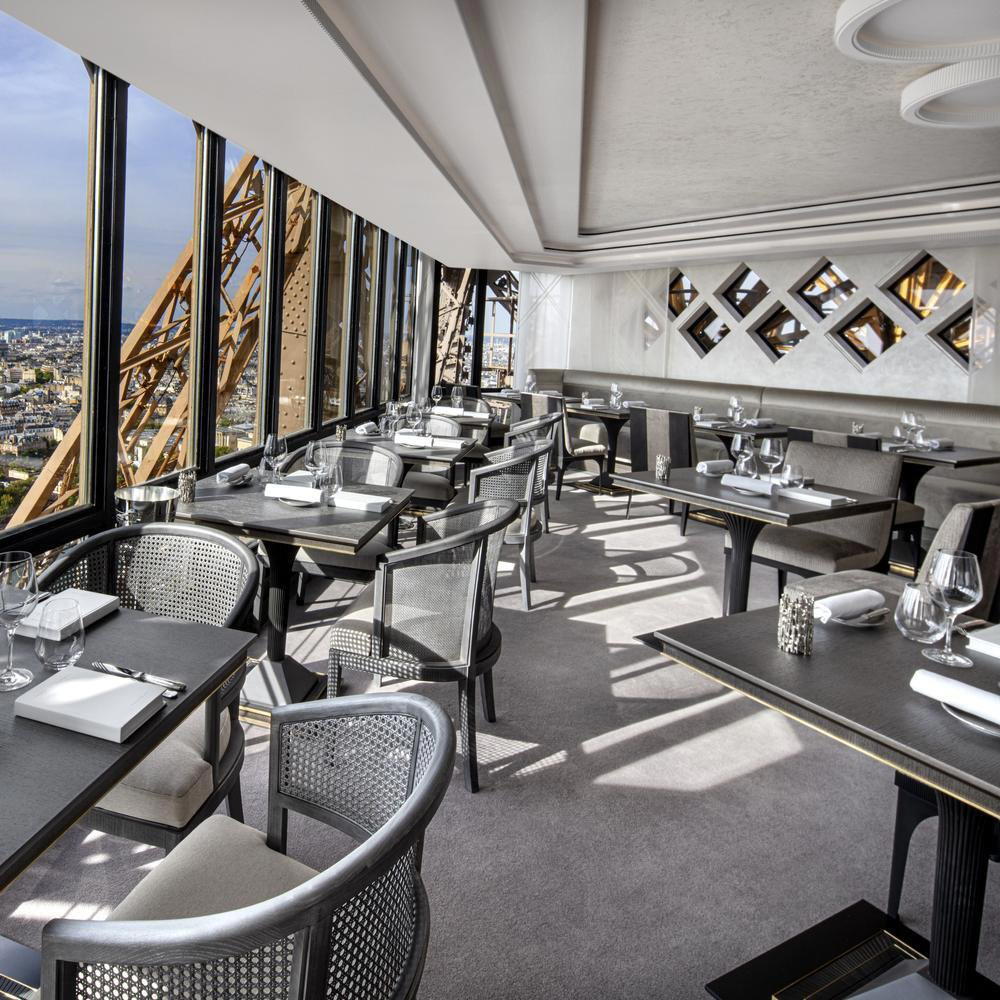
A Village Setting That Earns Attention Beyond Its Postcode
The Swabian Alb is not where most diners go looking for Michelin-starred cooking. The plateau region southeast of Stuttgart is known for its limestone escarpments, Jurassic-era geology, and a rural quietness that keeps it off the usual German fine-dining circuit. That geographic remove is precisely what makes a sustained one-star result here — held across both 2024 and 2025 — worth examining. The village of Sonnenbühl sits on that plateau, and Hirsch, at Im Dorf 12, is the kind of address where the building's exterior reads as local and unassuming before the kitchen reframes expectations. In areas like this across Germany, the classic Gasthof format, a roadside inn serving regional guests, has historically operated at a modest register. That Hirsch has maintained Michelin recognition within that typology, rather than repositioning upward in format or price, is the notable fact about this restaurant.
Classic Cuisine in Its Regional Context
The "classic cuisine" designation matters here. Across the German-speaking fine-dining circuit, the current momentum sits with ambitious creative and contemporary formats: CODA Dessert Dining in Berlin reconstructs the dessert course as a full tasting format; JAN in Munich pushes into product-focused minimalism. At the three-star tier, kitchens like Aqua in Wolfsburg and Schwarzwaldstube in Baiersbronn operate at price points (€€€€) that reflect both the format ambition and the cost of high-specification ingredient procurement. Hirsch sits in a different register entirely. The €€ price point positions it against mid-tier regional restaurants, not against two- and three-star peers like Vendôme in Bergisch Gladbach or Restaurant Haerlin in Hamburg. What Michelin's inspectors appear to be recognizing is the quality of execution within the classic idiom at an accessible price, a combination that has become genuinely rare as starred restaurants in Germany trend toward premium positioning.
Classic cuisine, in Michelin's terminology, refers to cooking rooted in established French and Central European technique: stocks built over time, sauces with depth and reduction, preparations that prioritize coherence and craft over novelty. At the one-star level, this is a stricter test than it may appear. The style offers fewer places to hide behind avant-garde presentation or theatrical service. The plate carries the judgment. For comparable classic cuisine recognition in Germany, see also KOMU in Munich and, at the French end of the same tradition, Maison Rostang in Paris.
Where the Ingredients Come From, and Why That Shapes the Plate
The Swabian Alb's agricultural character directly informs what classic cuisine means in this setting. The region is notable for its Alb Lentil (Alblinse), a heritage variety that had nearly disappeared from cultivation before being revived through protected designation of origin status in 2016, a story common to many German regional products now returning to fine-dining kitchens. The plateau also supports lamb, beef, and game, with grazing conditions shaped by the Alb's distinctive Wacholder (juniper) heathlands. For a kitchen working in the classic style, proximity to these materials is not incidental: classic cuisine's credibility depends heavily on the quality of primary ingredients, since the technique is designed to concentrate and present flavour rather than transform or obscure it.
This stands in contrast to urban starred restaurants, where provenance is often sourced nationally or internationally regardless of local offer. A kitchen in Sonnenbühl operates within a supply geography that reaches Stuttgart and Tübingen markets within an hour, and accesses regional producers across the Alb without the logistics overhead that complicates city-based sourcing. The result, in principle, is a closer relationship between season and plate: what the region produces in a given month is what the kitchen can draw on most credibly. German Michelin inspectors have shown consistent interest in this kind of regional integrity, particularly at the one-star tier where a clear sense of place can compensate for the scale constraints that village restaurants inevitably face.
That regional context also connects Hirsch to the broader Swabian dining tradition. The Swabian kitchen is historically frugal and technically demanding in its own right: handmade Spätzle, slow-braised meats, and preparations that extract maximum result from modest cuts. Classic French technique applied to Swabian materials produces a register that is neither purely French nor traditionally regional, but something that works specifically in this geography. The nearby Dorfstube represents the Swabian end of that local dining spectrum, offering a reference point for how the regional tradition operates in its more vernacular form.
How Hirsch Compares Within the Southwest German Starred Circuit
Southwest Germany carries a concentration of Michelin-starred addresses that is disproportionate to its population. Baden-Württemberg and the adjacent Rhineland-Palatinate account for a significant share of Germany's total starred restaurants, driven by proximity to French culinary influence across the Rhine, strong regional wine production, and a dining culture that has supported fine restaurants in rural settings for decades. Within that circuit, Hirsch's one-star standing at a €€ price point is a specific positioning. Kitchens like Waldhotel Sonnora in Dreis or Schanz in Piesport operate at higher price tiers and with different format ambitions. ES:SENZ in Grassau and Victor's Fine Dining by Christian Bau in Perl push into multi-star territory with corresponding price structures. Hirsch occupies a different lane: a classic-style, village-format restaurant where the price reflects the local market rather than the starred tier. That combination is increasingly rare as the economics of fine dining push starred restaurants toward premium pricing regardless of location.
The audience is local, regional, and deliberate.
Planning a Visit
Sonnenbühl is most practically reached by car from Stuttgart (approximately 50 kilometres southeast) or Tübingen (roughly 25 kilometres north). The village is not served by direct rail. For visitors combining the meal with a broader stay in the Swabian Alb, accommodation options in the area are covered in our full Sonnenbühl hotels guide; the wider dining and drinking picture is mapped across our full Sonnenbühl restaurants guide, our full Sonnenbühl bars guide, our full Sonnenbühl wineries guide, and our full Sonnenbühl experiences guide.
Frequently asked questions
What's the pricing like at Hirsch?
Pricing at Hirsch is listed as €€.
How do I find Hirsch?
Hirsch is located at Im Dorf 12, 72820 Sonnenbühl, Germany, Sonnenbühl.
Price Lens
| Venue | Cuisine | Price | Awards | Notes |
|---|---|---|---|---|
| HirschThis venue — the venue you are viewing | Classic Swabian Fine Dining | $100–150 | 1 Michelin Star | Not listed |
| Schwarzwaldstube | French, Classic French | Not listed | Michelin 3 Star | Not listed |
| Aqua | Not listed | Not listed | Michelin 3 Star | Contemporary German, Italian/Japanese, Creative |
| CODA Dessert Dining | Creative | Not listed | Michelin 2 Star | Not listed |
| Tantris | Modern French, French Contemporary | Not listed | Michelin 2 Star | Not listed |
| Vendôme | Modern European, Creative | Not listed | Michelin 2 Star | Not listed |
Recognition history
Dated appearances from independent guides and award organizations, with the underlying list record or original source where available.
Michelin 1 Star
Michelin
Full recognition history (3 entries)
Michelin 1 Star
Michelin
Michelin 1 Star
Michelin


Continue exploring
More in Sonnenbühl
Restaurants in Sonnenbühl
Browse all →
Bars in Sonnenbühl
Browse all →
Hotels in Sonnenbühl
Browse all →

Details
- Cozy
- Elegant
- Rustic
- Romantic
- Classic
- Special Occasion
- Date Night
- Standalone
- Extensive Wine List
- Farm To Table
- Local Sourcing
- Set Menu
- A La Carte
- Vegetarian Friendly
Current opening hours
- Monday
- Closed
- Tuesday
- Closed
- Wednesday
- Closed
- Thursday
- Closed
- Friday
- Closed
- Saturday
- Closed
- Sunday
- Closed
Hours can change for holidays and private events. Last verified .
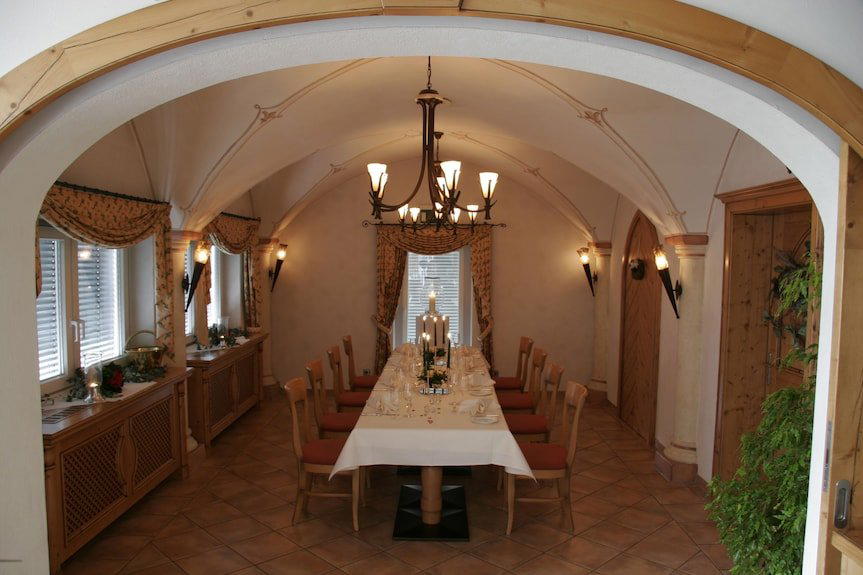
Cozy and elegant with cordial service in a traditional Alpine wooden parlor atmosphere.