STELLA.
On First Hill at 900 Madison St, STELLA. occupies a position in Seattle's fine-dining tier where sourcing ethics and environmental accountability are increasingly the differentiating argument. The address places it at the edge of a neighbourhood still finding its culinary identity, making it a reference point for how sustainability-oriented programs operate outside the city's established dining corridors.
Pearl is the En Primeur Club membership app — saves, bookings, and concierge access live there. Same editors, same standards.
- Address
- 900 Madison St, Seattle, WA 98104
- Phone
- +12063436156
- Website
- hotelsorrento.com
- Directions
- Get directions
 Saves & bookings on Pearl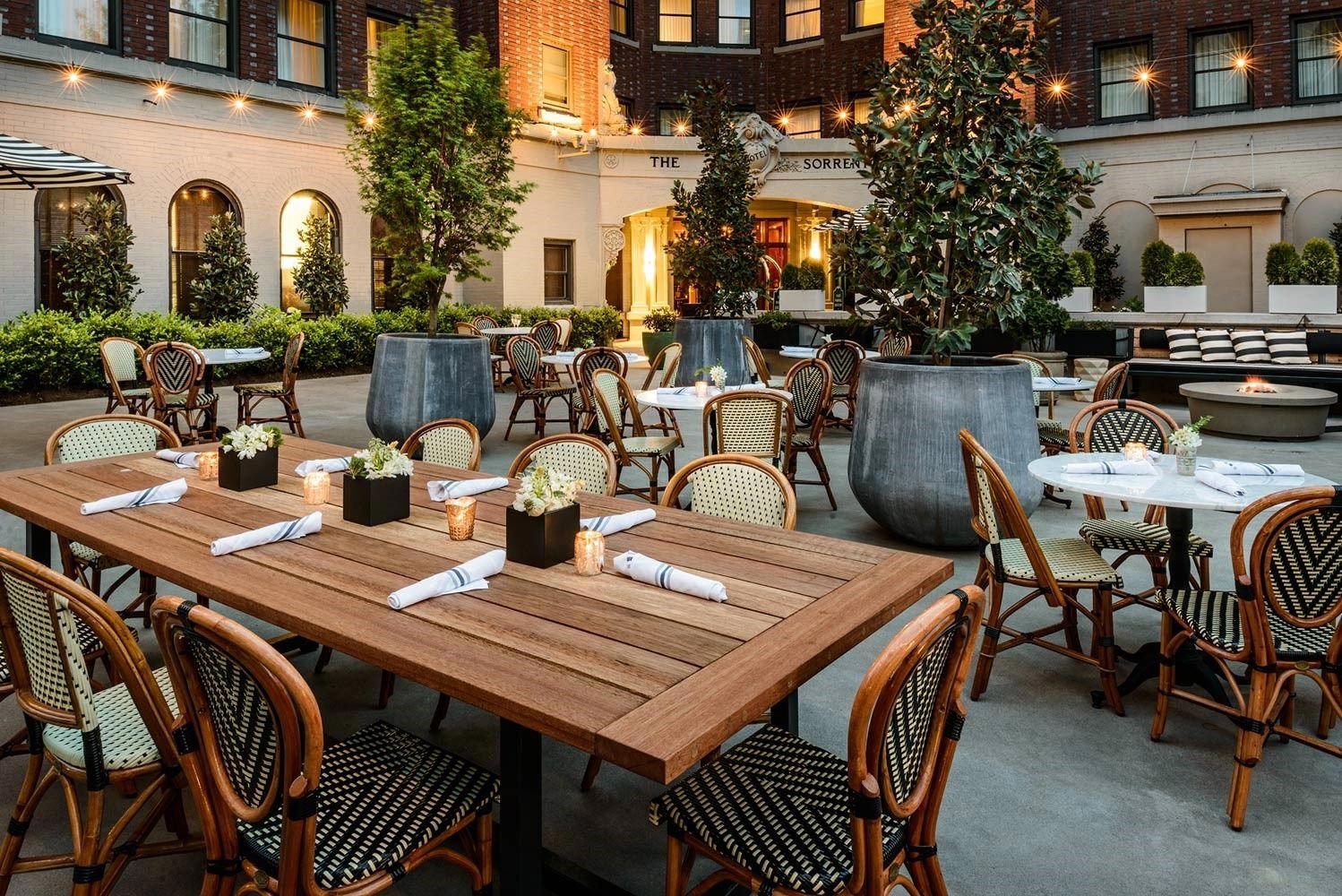
First Hill's Argument for a Different Kind of Fine Dining
Seattle's fine-dining conversation has long been anchored to neighbourhoods like Capitol Hill, South Lake Union, and the waterfront. First Hill, historically defined by hospitals and mid-century apartment blocks rather than restaurant rows, represents a quieter bet. STELLA. at 900 Madison St, sits at that edge, not in the city's most trafficked dining corridor, but in a position that, in cities from San Francisco to Copenhagen, often signals a deliberate choice: when a restaurant doesn't need foot traffic to survive, it's usually because the program itself is doing the pulling.
That geography matters when considering what kind of dining culture STELLA. is trying to participate in. Across North American fine dining, the restaurants that have most consistently drawn critical attention in the past decade are not always those in prime real estate. Blue Hill at Stone Barns in Tarrytown built its reputation on a working farm, deliberately removed from Manhattan. Single Thread Farm in Healdsburg tied its dining program to an on-site farm operation. The pattern is consistent: as sourcing ethics became a credible differentiator, physical distance from city centres started carrying meaning rather than costing it.
The Sustainability Frame in Pacific Northwest Fine Dining
Washington State's agricultural and marine resources have long given its chefs a sourcing argument that restaurants in less biodiverse regions can't easily replicate. Puget Sound provides Dungeness crab, geoduck, and multiple salmon species. The Skagit Valley delivers grains, produce, and dairy with a supply chain short enough to make genuine farm-to-table claims verifiable rather than decorative. For any fine-dining program operating in Seattle, ignoring this infrastructure is now less a stylistic choice and more a missed competitive signal.
The restaurants that have earned sustained recognition in the Pacific Northwest have generally been those that treat sourcing as structure rather than marketing. Canlis, the city's most enduring fine-dining institution, has used local provenance as a foundation for decades. Joule on the New Asian end of the spectrum has built its menu logic around market-driven sourcing. The question STELLA. answers, or needs to, is how a program on First Hill positions itself within that tradition, and whether it extends the argument or restates it.
Nationally, the sustainability-forward fine-dining tier has produced particularly closely watched programs of the past decade. Lazy Bear in San Francisco built its communal format partly around a nose-to-tail sourcing philosophy. Providence in Los Angeles has made sustainable seafood certification central to its identity for years. Addison in San Diego and The French Laundry in Napa have both invested in on-site gardens that function as sourcing anchors rather than decorative features. What connects these programs is a common premise: that environmental accountability, when built into the kitchen's operating logic rather than the marketing copy, produces both better cooking and a more defensible identity in an increasingly crowded premium tier.
What a First Hill Address Implies for the Format
Restaurants on First Hill operate against a different set of assumptions than those in Capitol Hill or Belltown. The neighbourhood's resident base skews toward healthcare professionals and long-term residents rather than the younger, trend-responsive crowd that animates Seattle's more active dining districts. That demographic reality tends to push restaurants either toward reliability-over-novelty conservatism, or toward a sufficiently distinct program that draws a destination audience willing to travel for it.
The destination-dining model is well-established across American cities. Alinea in Chicago, Atomix in New York City, and The Inn at Little Washington each drew audiences across significant distances before any of them sat in particularly commercially obvious locations. What justified the trip in each case was program specificity: a reason to go that couldn't be replicated two blocks away. For STELLA. on Madison St, the question of what makes it worth crossing the city follows the same logic.
Seattle's broader dining scene, covered in depth in our full Seattle restaurants guide, has expanded significantly in reach and ambition over the past decade. Venues at addresses like 1415 1st Ave, 1744 NW Market St, and 2963 4th Ave S each represent different neighbourhood bets on where the city's dining energy is moving. First Hill's inclusion in that conversation is newer, and STELLA. operates in that context.
comparable set and Critical Context
For a Seattle fine-dining program with sustainability positioning, the relevant comparable set extends beyond the city. On the national level, Le Bernardin in New York City offers the durable model of how ethical sourcing, particularly around seafood, can become so embedded in a restaurant's identity that it functions as both culinary argument and trust signal. Emeril's in New Orleans demonstrated how regional sourcing pride, when executed at a high technical level, can sustain a program across decades. Internationally, 8 1/2 Otto e Mezzo Bombana in Hong Kong shows how premium programs in complex urban markets build identity through sourcing specificity when the local market alone won't carry the argument.
These references matter because they illustrate what sustainability positioning at a fine-dining level actually requires to produce lasting recognition: consistency of sourcing standards across seasons, transparency about supplier relationships, and a kitchen technical level that makes the ethical sourcing visible on the plate rather than only in the press materials. Programs that treat sustainability as a talking point without the plate-level evidence tend to wash out of critical consideration within a few years.
Planning Your Visit
STELLA. is located at 900 Madison St on First Hill. Full booking details, hours, and contact information should be confirmed directly, as current operational data is not available here. Given the neighbourhood's limited restaurant density, arriving by rideshare or using the First Hill Streetcar, which runs along Broadway a short walk east, are particularly practical options.
Category Peers
Comparable venues nearby, for context on price, style, and recognition.
| Venue | Cuisine | Price | Notes |
|---|---|---|---|
| STELLA.This venue — the venue you are viewing | Coastal Italian | $$$ | Not listed |
| The Pink Door | Italian with Live Entertainment | $$$ | Seattle Waterfront |
| Vendemmia | Italian Farm-to-Table Pasta | $$$ | Madrona |
| Cafe Lago | Tuscan Italian | $$$ | Montlake |
| Il Terrazzo Carmine | Classic Tuscan Italian | $$$ | Pioneer Square |
| Serafina | Authentic Italian Neighborhood Trattoria | $$$ | Eastlake |
Continue exploring
More in Seattle
Restaurants in Seattle
Browse all →
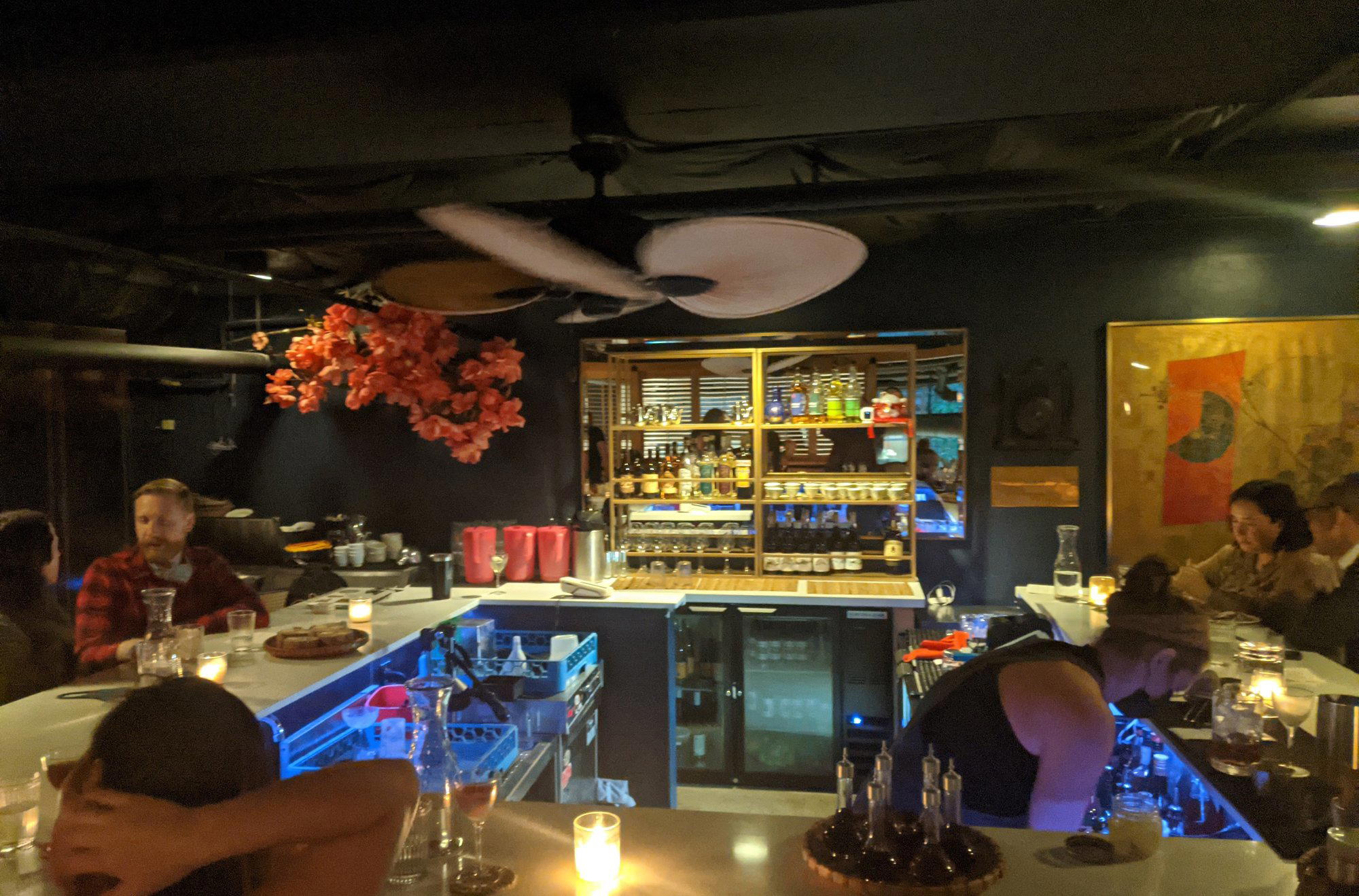
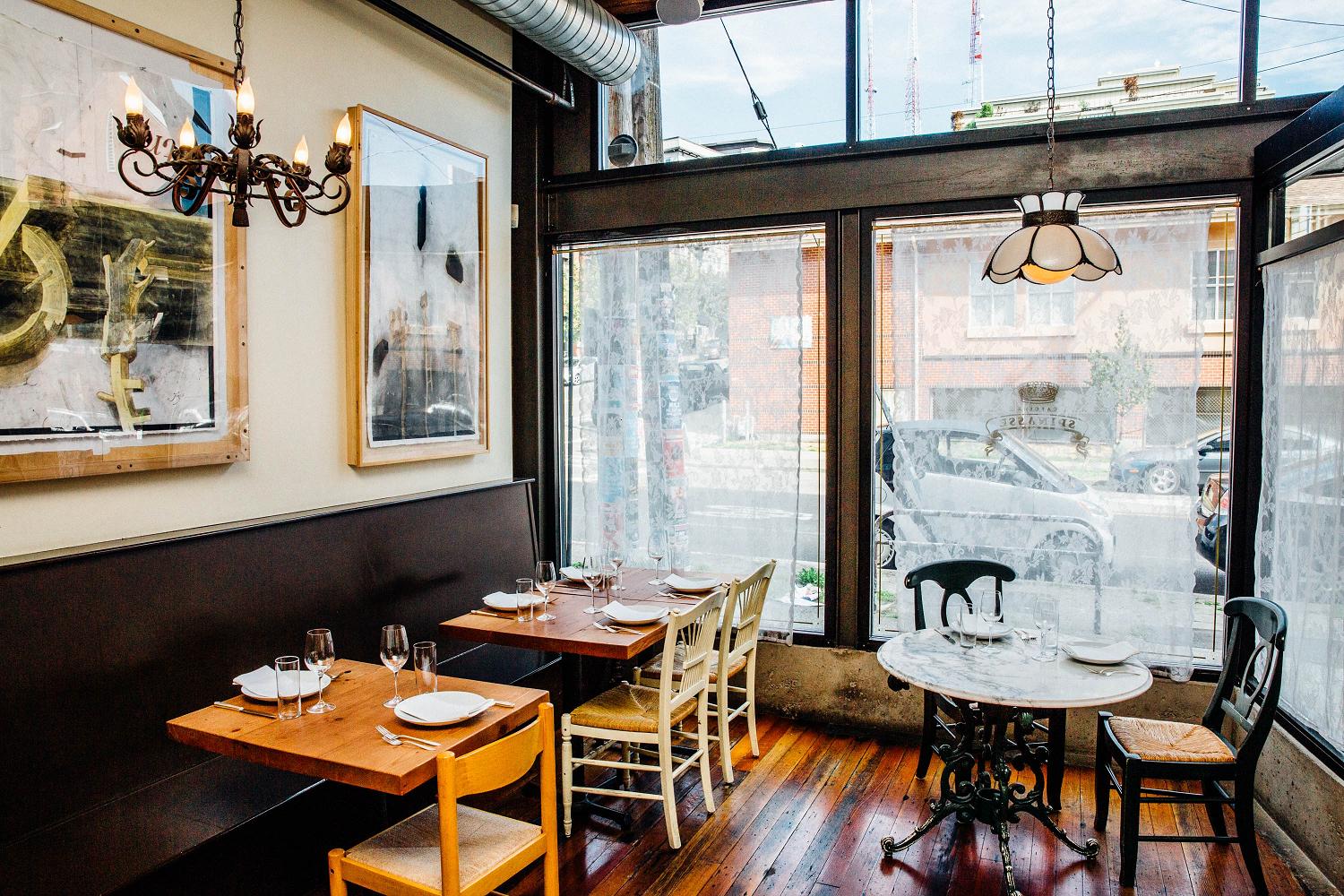
Bars in Seattle
Browse all →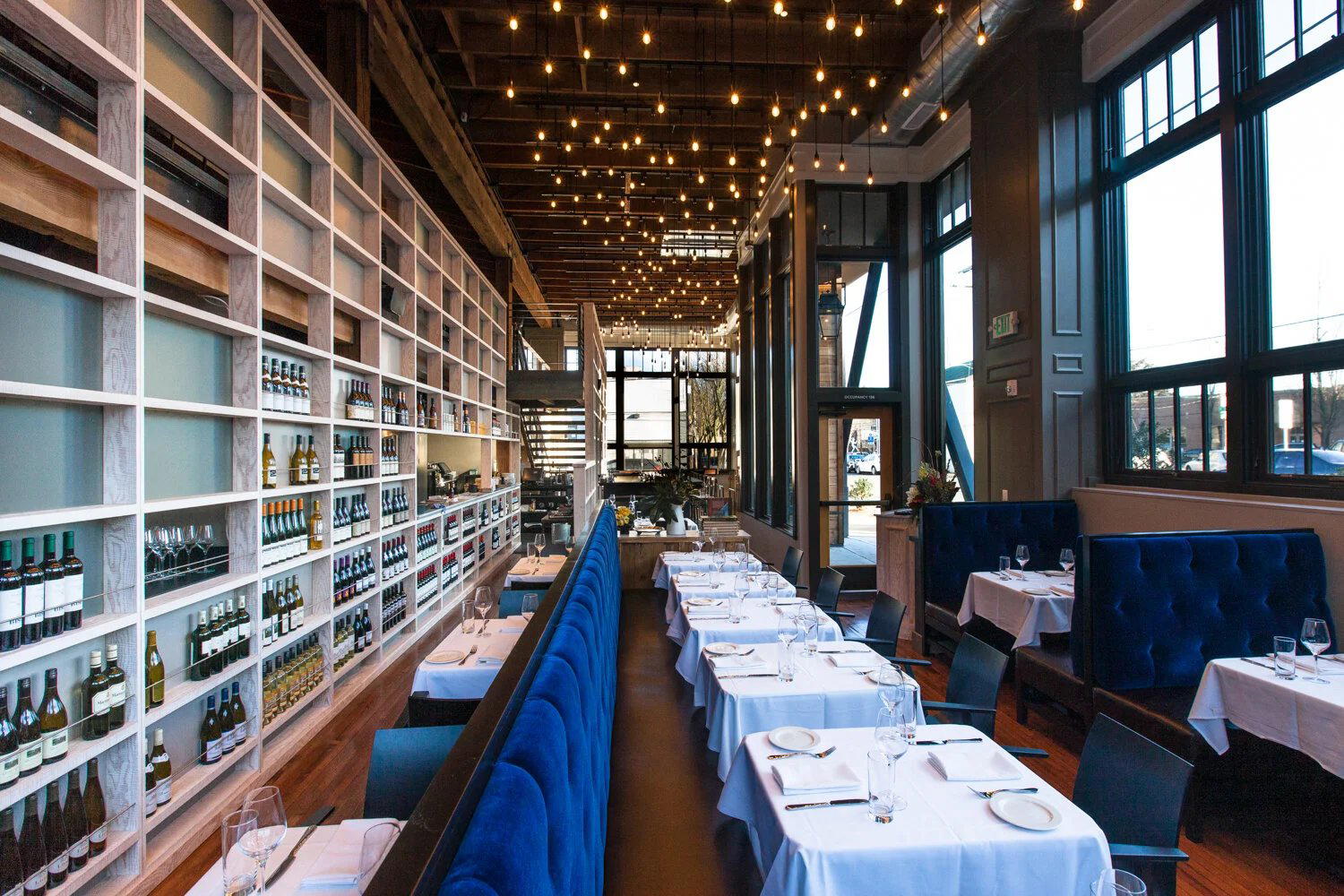
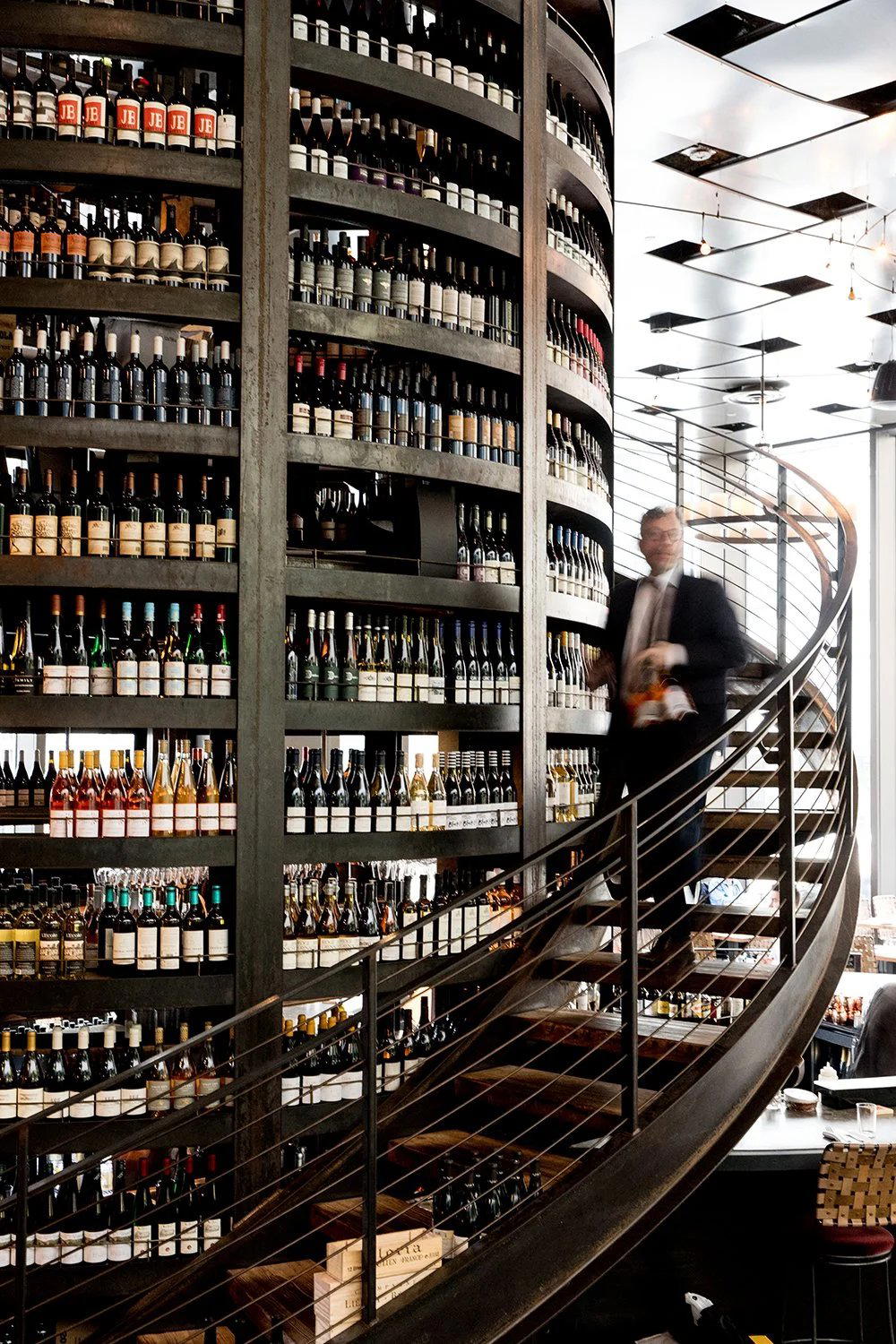
Hotels in Seattle
Browse all →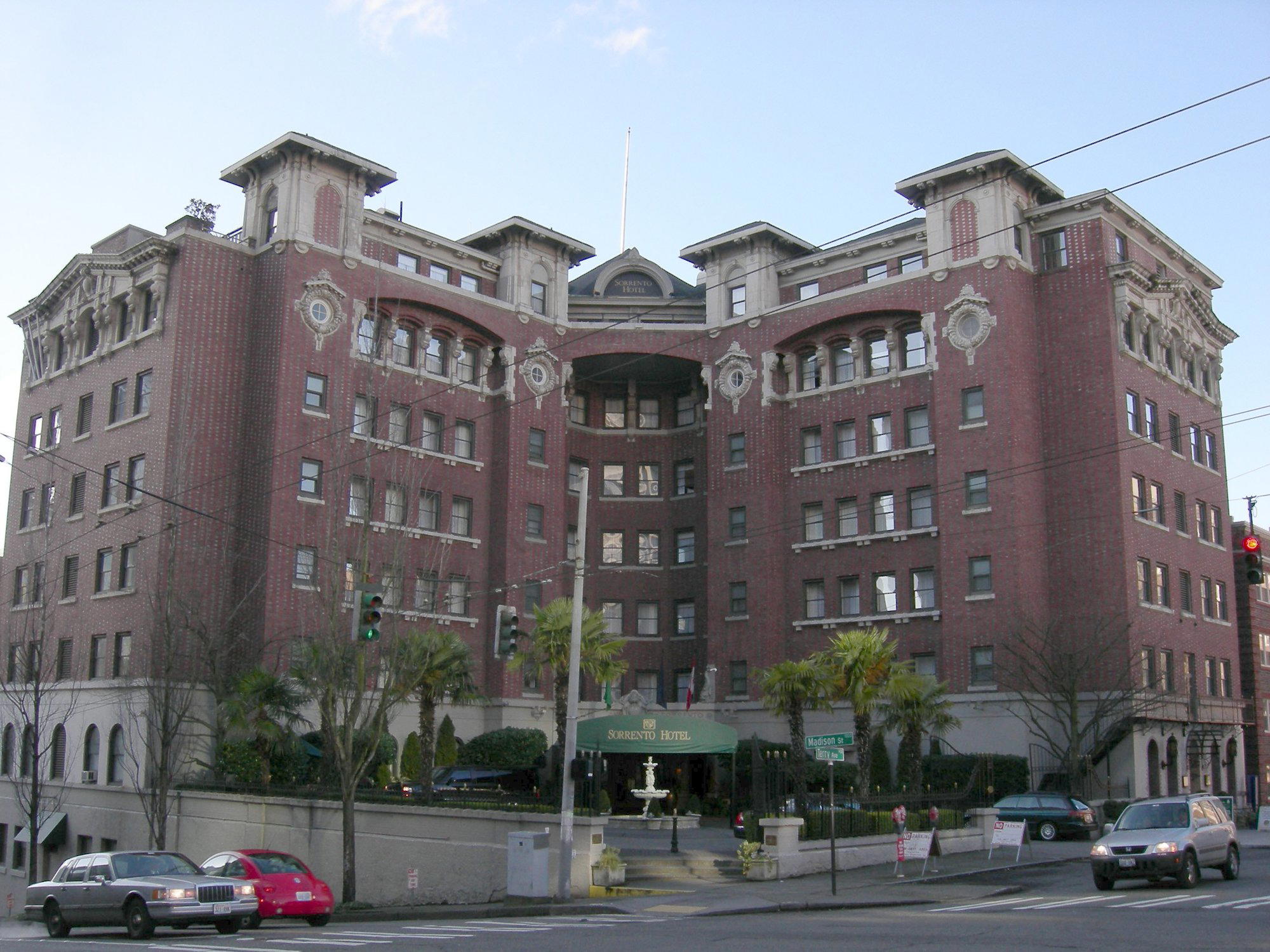

At a Glance
- Elegant
- Cozy
- Intimate
- Sophisticated
- Date Night
- Special Occasion
- Brunch
- Garden
- Hotel Restaurant
- Live Music
- Craft Cocktails
- Local Sourcing
- Garden
Current opening hours
- Monday
- 7:30 AM–11 PM
- Tuesday
- 7:30 AM–11 PM
- Wednesday
- 7:30 AM–11 PM
- Thursday
- 7:30 AM–11 PM
- Friday
- 7:30 AM–11 PM
- Saturday
- 8 AM–11 PM
- Sunday
- 8 AM–11 PM
Hours can change for holidays and private events. Last verified .
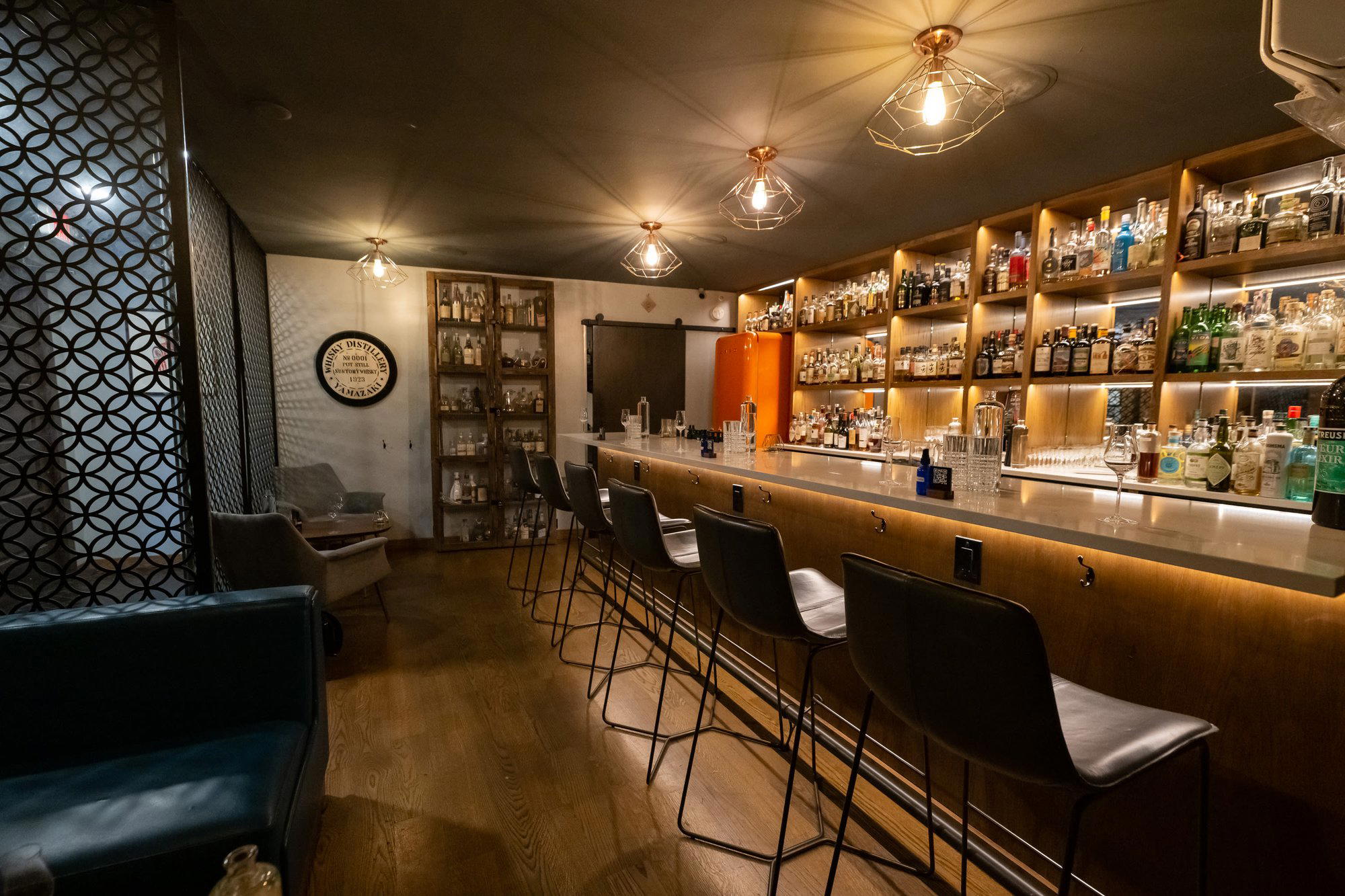
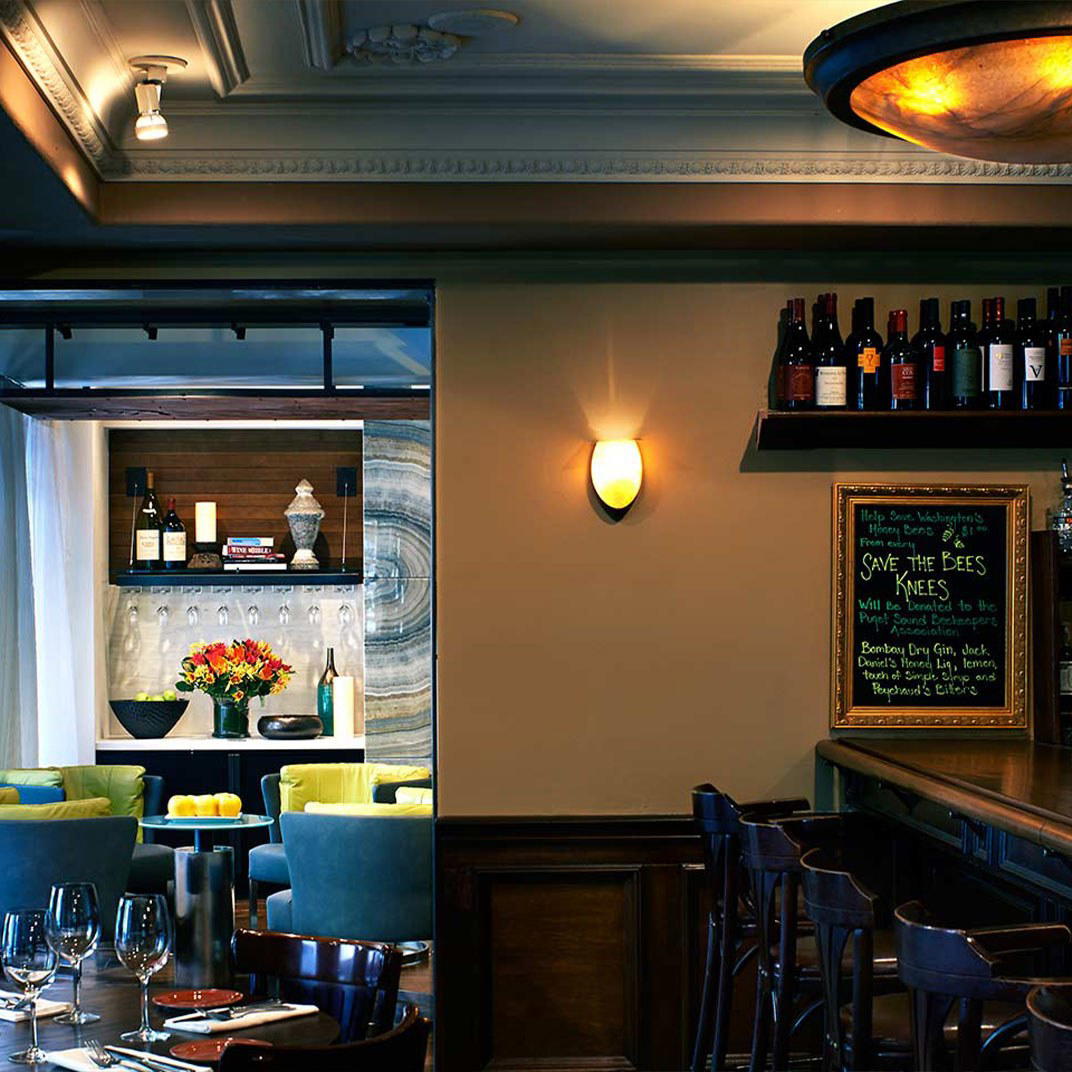
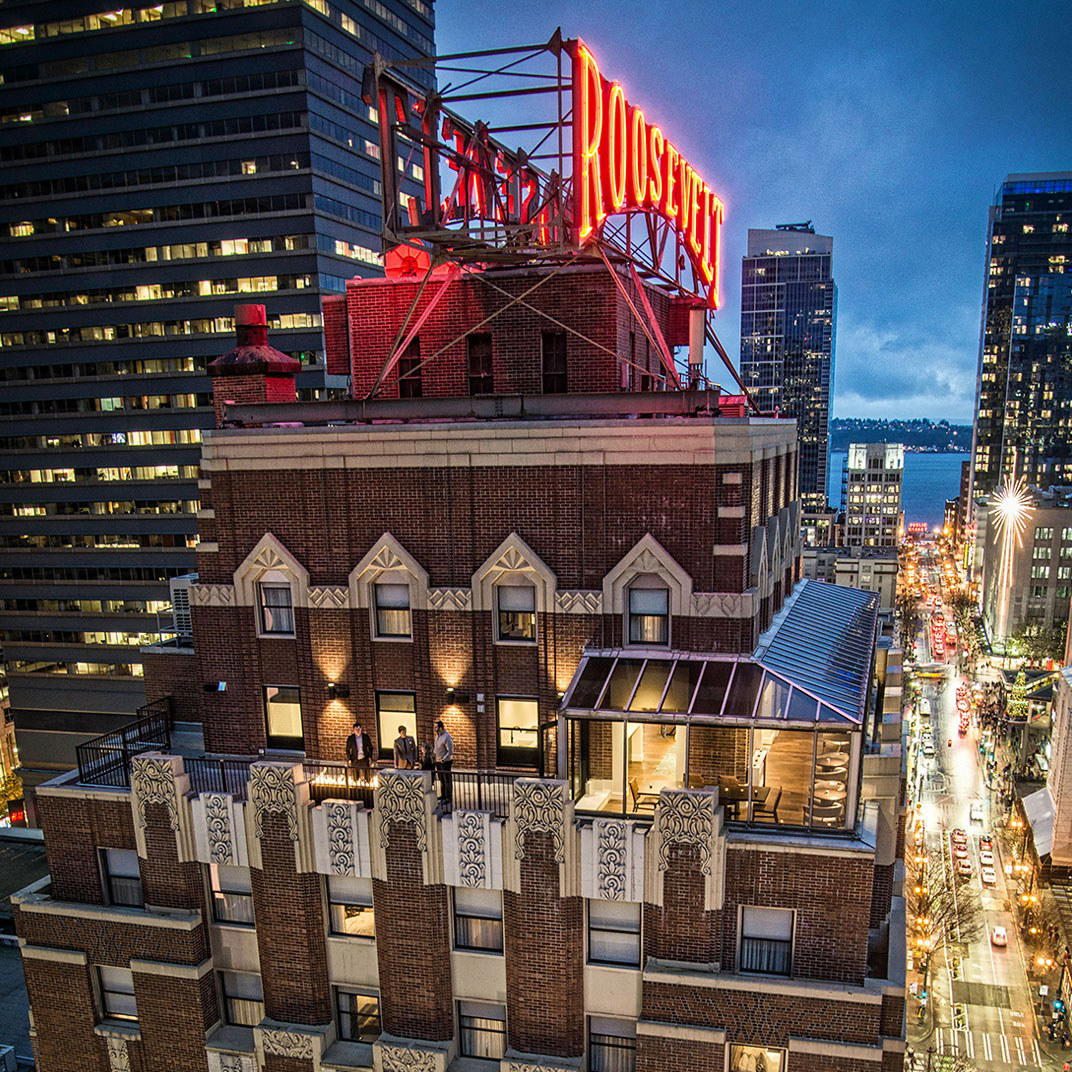
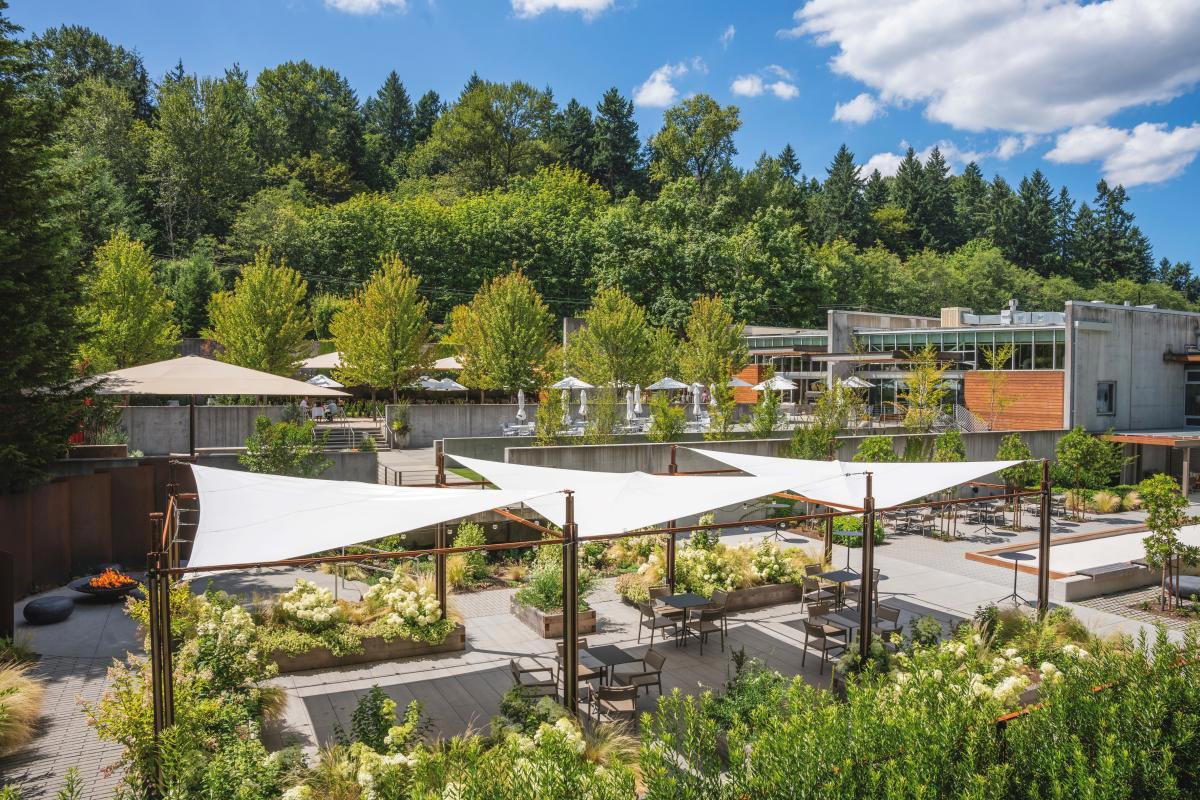
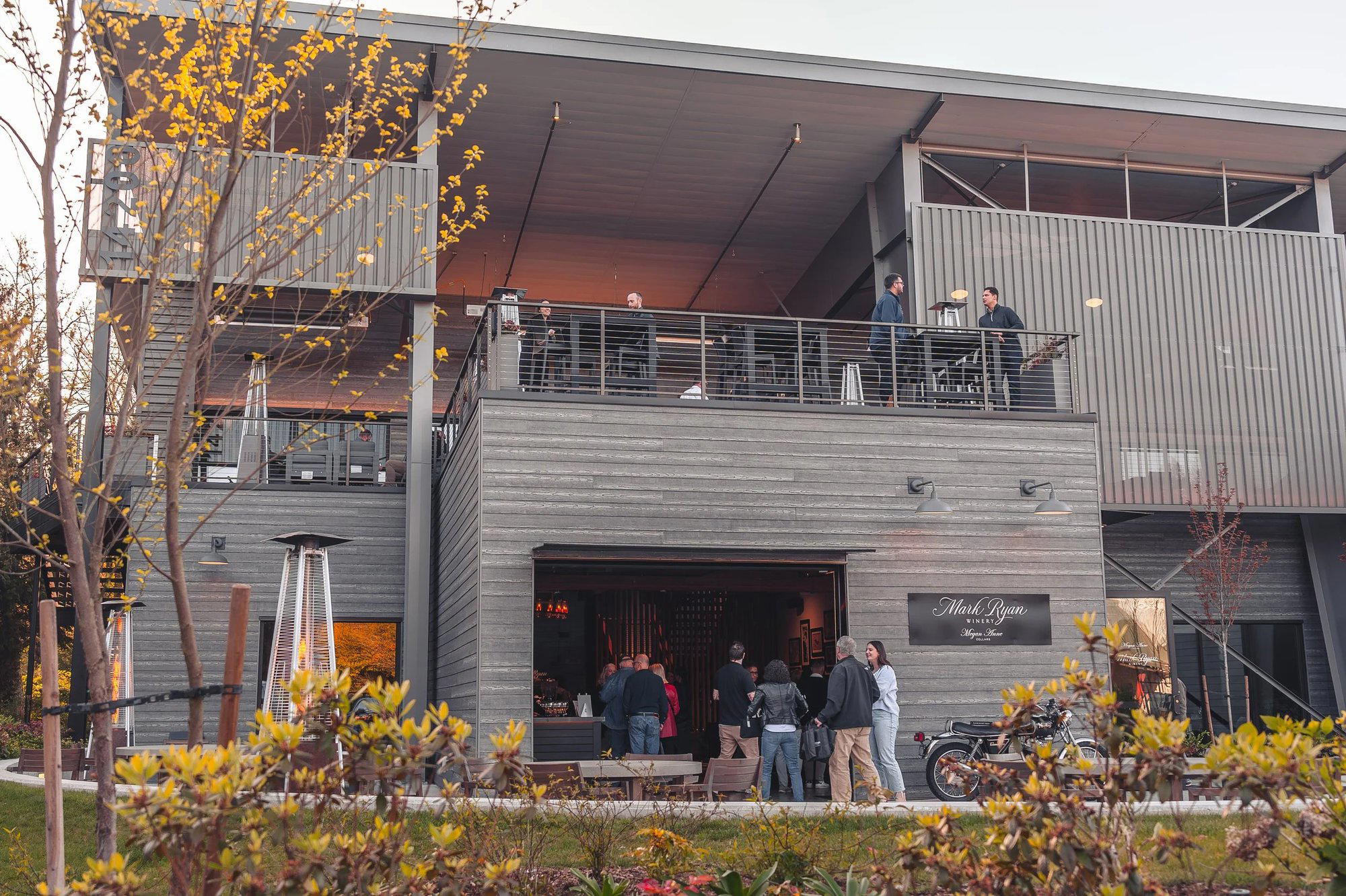
Warm and inviting with retro lighting, soft leather seating, rich mahogany paneling, and a cozy speakeasy bar vibe.