The Pink Door

OpenTable Top 100 Restaurants
Our verdict
Operating from Post Alley inside Pike Place Market since 1981, The Pink Door has held its place in Seattle's dining conversation through Italian-American cooking, a produce-driven menu, and nightly entertainment that ranges from trapeze to cabaret. The views across Elliott Bay and the convivial room make it a reliable anchor on the waterfront end of the Market.

Pearl is the En Primeur Club membership app, where members save venues, book tables and use the concierge.
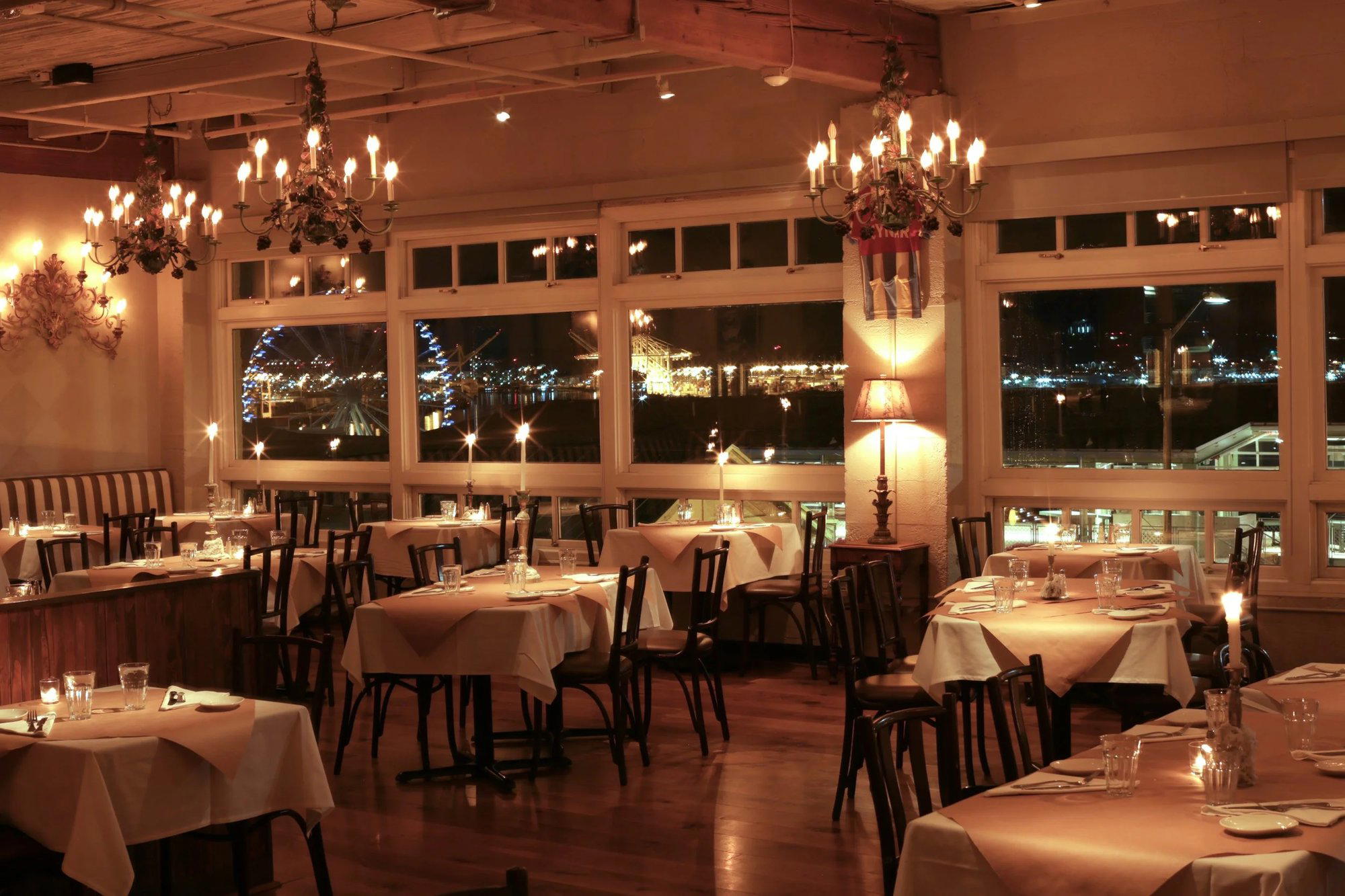
A Forty-Year Presence in Post Alley
Most restaurants that survive four decades in a single city do so by becoming something the city agrees to keep. The Pink Door, operating at 1919 Post Alley since 1981, occupies that position in Seattle. It sits tucked into the Pike Place Market corridor where the alley narrows toward the waterfront, a location that gives it proximity to one of the most visited public markets in the United States without borrowing its tourist-facing energy. The approach is unmarked by any prominent signage at street level, which means first-time visitors arrive by intention or by word of mouth rather than by accident.
That forty-plus-year run positions The Pink Door in a specific tier of Seattle dining: not the modernist Pacific Northwest tasting-menu format occupied by venues like Archipelago or Atoma, and not the fine-dining New American register of Canlis. Instead, it holds a middle ground: Italian-American cooking built around seasonal produce from the Market, served in a room with views over Elliott Bay, alongside nightly performance programming. That combination has proven durable in a city that has cycled through multiple dining generations around it.
Italian-American Cooking at the Pike Place End
Italian-American restaurants occupy a specific position in the American dining ecosystem. They are rarely the subject of awards-season coverage, but they carry significant cultural weight as community anchors and reliable repositories of classical technique applied to familiar formats. In Seattle, the tradition sits alongside the city's stronger public identities in seafood and Pacific Northwest foraging, which means an Italian-American room with a produce-driven menu and a forty-year address has to earn its relevance through consistency rather than novelty.
The Pink Door's menu operates on classic structures: pasta, antipasti, proteins, and seasonal produce drawn from the Market immediately above. The proximity to Pike Place is not incidental. The Market is one of the few remaining urban public markets in the United States where farmers and producers sell directly to the public, and restaurants operating within its corridors have access to produce at a different point in the supply chain than most urban kitchens. A produce-driven menu benefits concretely from that relationship. For comparable Italian-American cooking with serious produce sourcing in a different American city context, Emeril's in New Orleans offers a useful reference point for how regional ingredient access shapes a kitchen's output.
The menu sits in a register that favors accessibility over architectural ambition. Diners who arrive expecting the kind of tasting-menu precision found at Altura or the contemporary Asian compositions at Joule will be reading a different kind of room. The Pink Door is built around convivial dining rather than critical dining, and that distinction matters when setting expectations.
Entertainment as a Structural Feature
Nightly entertainment in a restaurant context usually signals one of two things: a venue using performance as a distraction from the food, or a venue where the entertainment is genuinely integrated into the room's identity. The Pink Door has operated with trapeze acts and cabaret programming long enough that the entertainment is now part of the institutional character rather than a promotional feature layered on top of it.
The trapeze element in particular is notable because it requires ceiling height and spatial planning that most restaurants never commission. It signals a long-term commitment to the performance format rather than an occasional booking. Cabaret programming follows a similar logic: venues that sustain it over decades build an audience that treats the entertainment as a reason to return, not a novelty to experience once. In cities like New York, where venues such as Le Bernardin or Atomix have built reputations on culinary precision alone, the entertainment-dining hybrid occupies a different category entirely. The Pink Door's approach reflects a West Coast sensibility where the room's social function carries equal weight to what arrives on the plate.
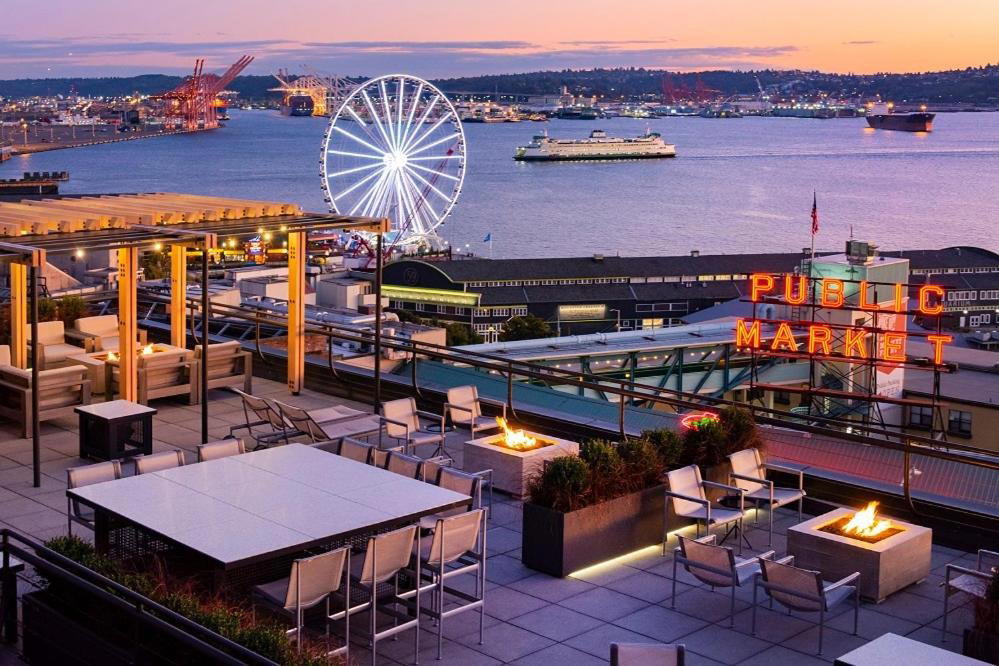
The terrace with views over Elliott Bay adds another dimension to the dining experience, particularly in the late-spring through early-fall window when Seattle's weather permits outdoor seating. The combination of water views, Market proximity, and live performance gives the venue a density of sensory context that most single-format restaurants don't attempt.
Reputation Built Without Critical Infrastructure
Pink Door does not appear on major award shortlists in the way that technically driven venues like Alinea in Chicago, The French Laundry in Napa, or Lazy Bear in San Francisco do. Its reputation operates through a different mechanism: longevity, local loyalty, and a room that delivers a specific experience consistently over a very long period. In a city where ambitious newer openings absorb most of the critical attention, a forty-year-old Italian-American room with live trapeze and Bay views survives not because it wins awards but because a portion of the dining public actively chooses it, year after year.
That model of reputation is arguably more stable than award-cycle recognition. Venues built around a moment of critical acclaim often face pressure to maintain or exceed a documented peak. A venue that has built its audience through word-of-mouth and repeat visits over four decades has a different relationship with its customer base, one grounded in expectation management rather than anticipation of revelation. For readers planning a broader Seattle visit, our full Seattle restaurants guide maps out how The Pink Door fits within the wider dining picture, alongside our Seattle bars guide, hotels guide, wineries guide, and experiences guide.
For Italian-American dining in an international comparison context, 8½ Otto e Mezzo Bombana in Hong Kong and Single Thread Farm in Healdsburg represent what the category looks like when pursued at award-winning precision. The Pink Door is playing a different game, and it has been doing so longer than most of its Seattle contemporaries have existed.
Planning Your Visit
The Pink Door is located at 1919 Post Alley in Pike Place Market, a short walk from the Market's main entrance and from the downtown Seattle waterfront. The Post Alley address places it within the Market's lower level, where the alley's compressed scale creates a different arrival experience than the upper Market floor. Evening visits, when the entertainment programming runs, represent the room in its fullest form. The performance schedule and entertainment calendar vary by night, so checking in advance is sensible for anyone whose visit depends on a specific program. Given the venue's reputation and the seasonal concentration of visitors to Pike Place Market, booking ahead for weekend evenings is the practical approach rather than walking in on the chance of a table.
Frequently asked questions
What's the standout thing about The Pink Door?
The combination of Italian-American cooking with live trapeze and cabaret in a Post Alley room that overlooks Elliott Bay, sustained consistently since 1981, is what sets it apart from other Seattle restaurants in the same price and format tier. The longevity is the credential: it has outlasted multiple generations of Seattle dining trends while holding to the same basic proposition.
Is The Pink Door formal or casual?
Room leans convivial rather than formal. The entertainment format and the communal energy of a dining room with live performance both point toward a casual-to-smart-casual register. Seattle's dining culture generally runs less formal than equivalent rooms in New York or Chicago, and The Pink Door reflects that. Diners looking for the kind of quiet, precise service associated with venues like Canlis or a tasting-menu format will find a different atmosphere here.
What do regulars order at The Pink Door?
Kitchen's orientation is toward classic Italian-American structures: pasta, antipasti, and seasonal produce from the Market. Regulars return for the consistency of those formats rather than for innovation or menu reinvention. The produce-driven approach means the seasonal offering shifts, but the structural logic of the menu stays familiar visit to visit.
How far ahead should I plan for The Pink Door?
For weekend evenings, particularly during the late spring through early autumn window when the terrace is in use and Pike Place Market tourism peaks, booking in advance is advisable. Midweek visits and off-season timing allow for more flexibility, but given the venue's established local following and the limited seating that a Post Alley room implies, treating it as a reservation-required dinner rather than a walk-in is the safer approach.
Does The Pink Door work for a family meal?
The entertainment format and convivial atmosphere make it a workable choice for families with older children who can engage with a dinner that runs longer than a standard restaurant visit. The trapeze and cabaret programming give the meal a structure beyond the food, which tends to work well in a mixed-age group. Younger children and the format's late-evening entertainment schedule are less compatible, and the Post Alley location, with its narrower access, is worth noting for families managing strollers or mobility considerations.
In Context: Similar Options
A small set of peers for context, based on recorded venue fields.
| Venue | Cuisine | Price | Awards | Notes |
|---|---|---|---|---|
| The Pink DoorThis venue (the venue you are viewing) | Italian with Live Entertainment | $50–100 | OpenTable Top 100 Restaurants | Not listed |
| Canlis | Modern American Fine Dining | $200–300 | Star Wine List · James Beard Award Semi Finalist | New American |
| Joule | Korean-Fusion Steakhouse | $50–100 | James Beard Award Outstanding Bar Program | New Asian |
| Altura | Italian-Inspired Pacific Northwest Tasting Menu | $150–200 | Not listed | New American |
| Ba Bar | Authentic Vietnamese Street Food | $20–30 | Not listed | Vietnamese |
| Bakery Nouveau | Bakery | $10–20 | Not listed | Not listed |
Recognition history
Dated appearances from independent guides and award organizations, with the underlying list record or original source where available.
OpenTable Top 100 Restaurants
OpenTable
Continue exploring
More in Seattle
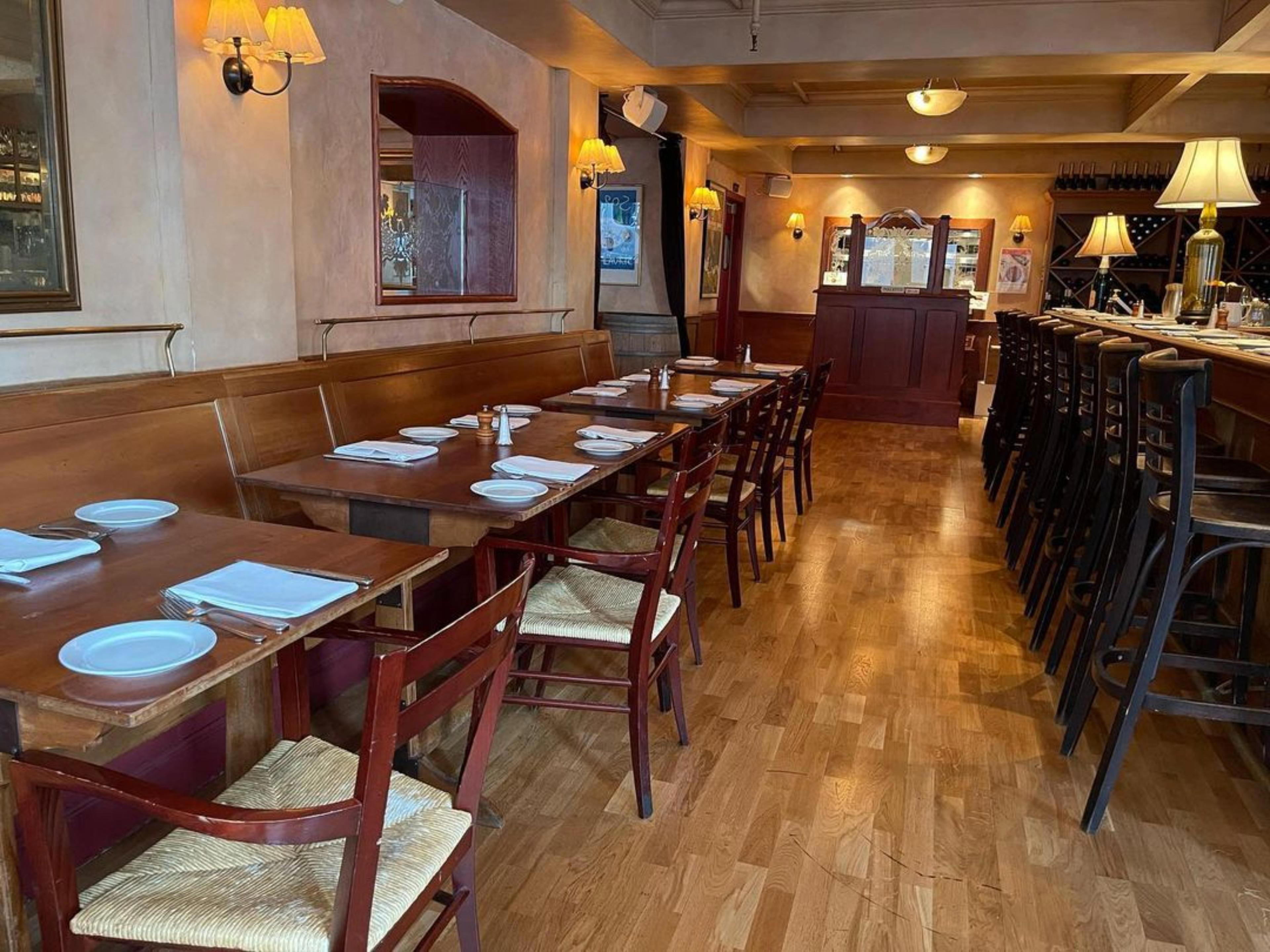
Restaurants in Seattle
All restaurants in Seattle →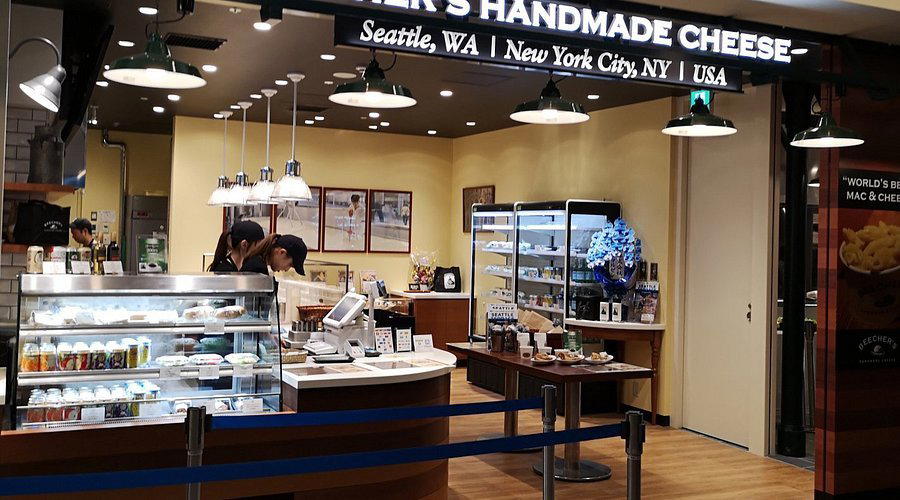
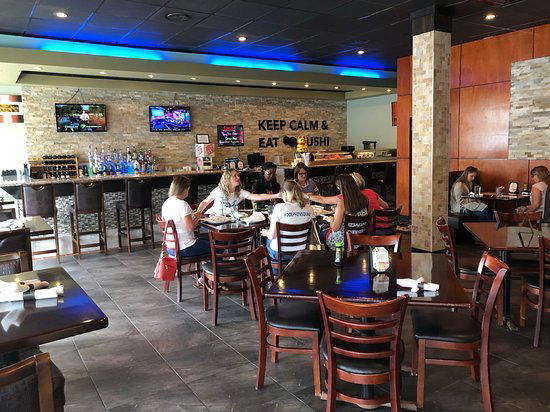
Bars in Seattle
All bars in Seattle →

Details
- Romantic
- Cozy
- Whimsical
- Intimate
- Lively
- Date Night
- Special Occasion
- Celebration
- Live Music
- Open Kitchen
- Waterfront
- Historic Building
- Craft Cocktails
- Extensive Wine List
- Local Sourcing
- Waterfront
- A La Carte
- Small Plates
- Vegetarian Friendly
Current opening hours
- Monday
- Closed
- Tuesday
- 11:30 AM–10 PM
- Wednesday
- 11:30 AM–10 PM
- Thursday
- 11:30 AM–10 PM
- Friday
- 11:30 AM–10 PM
- Saturday
- 11:30 AM–10 PM
- Sunday
- Closed
Hours can change for holidays and private events. Hours as of .
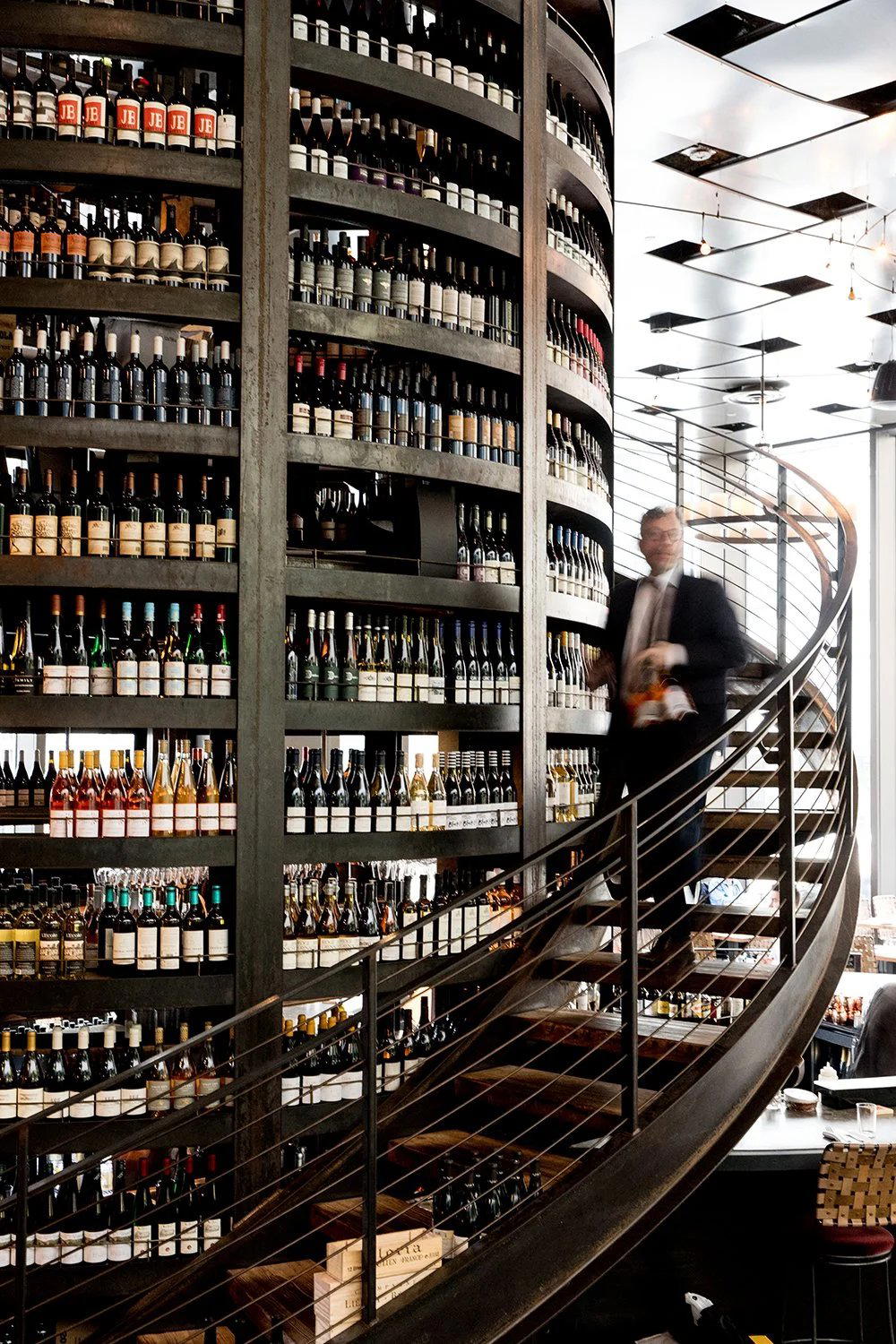
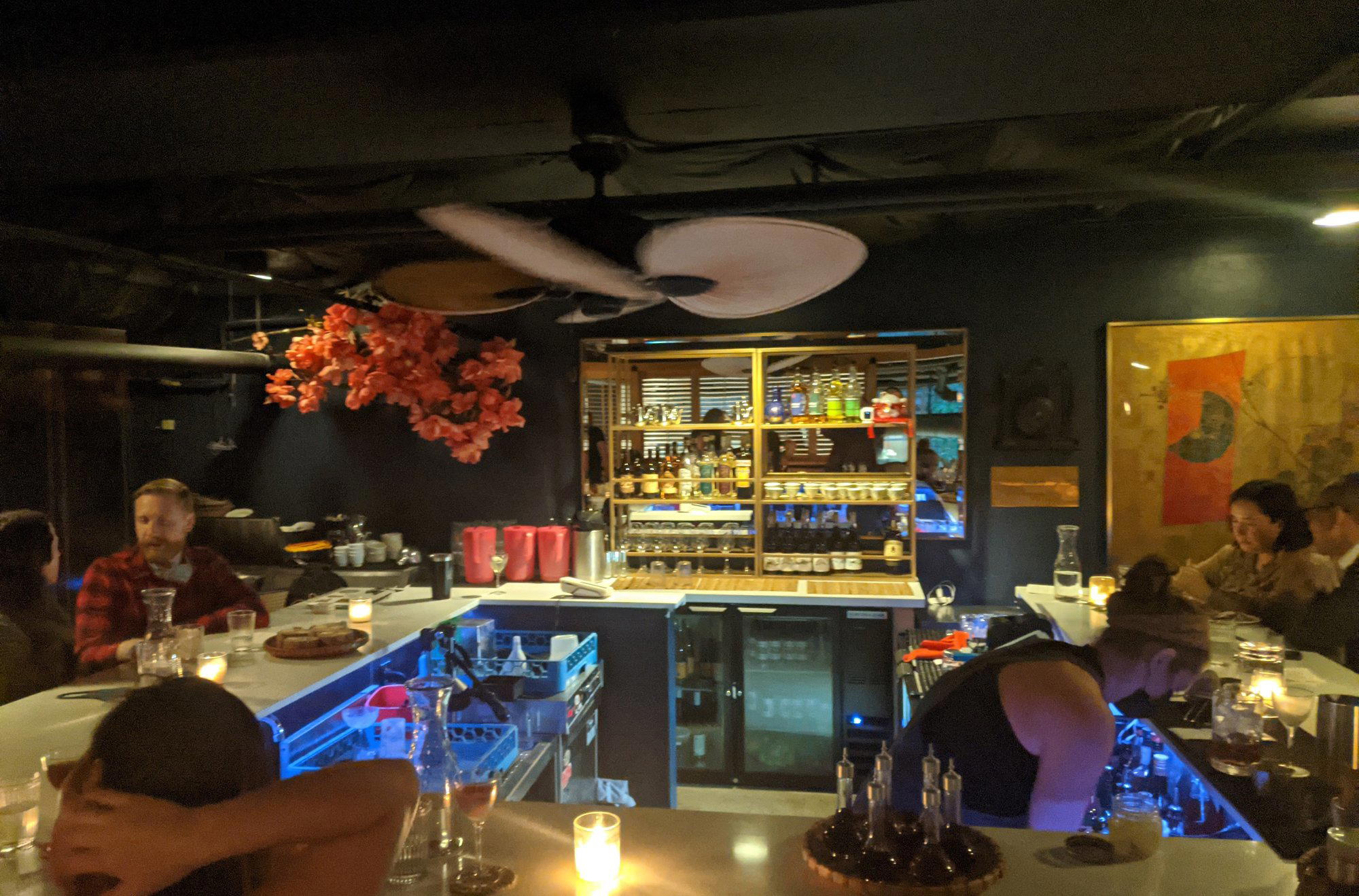
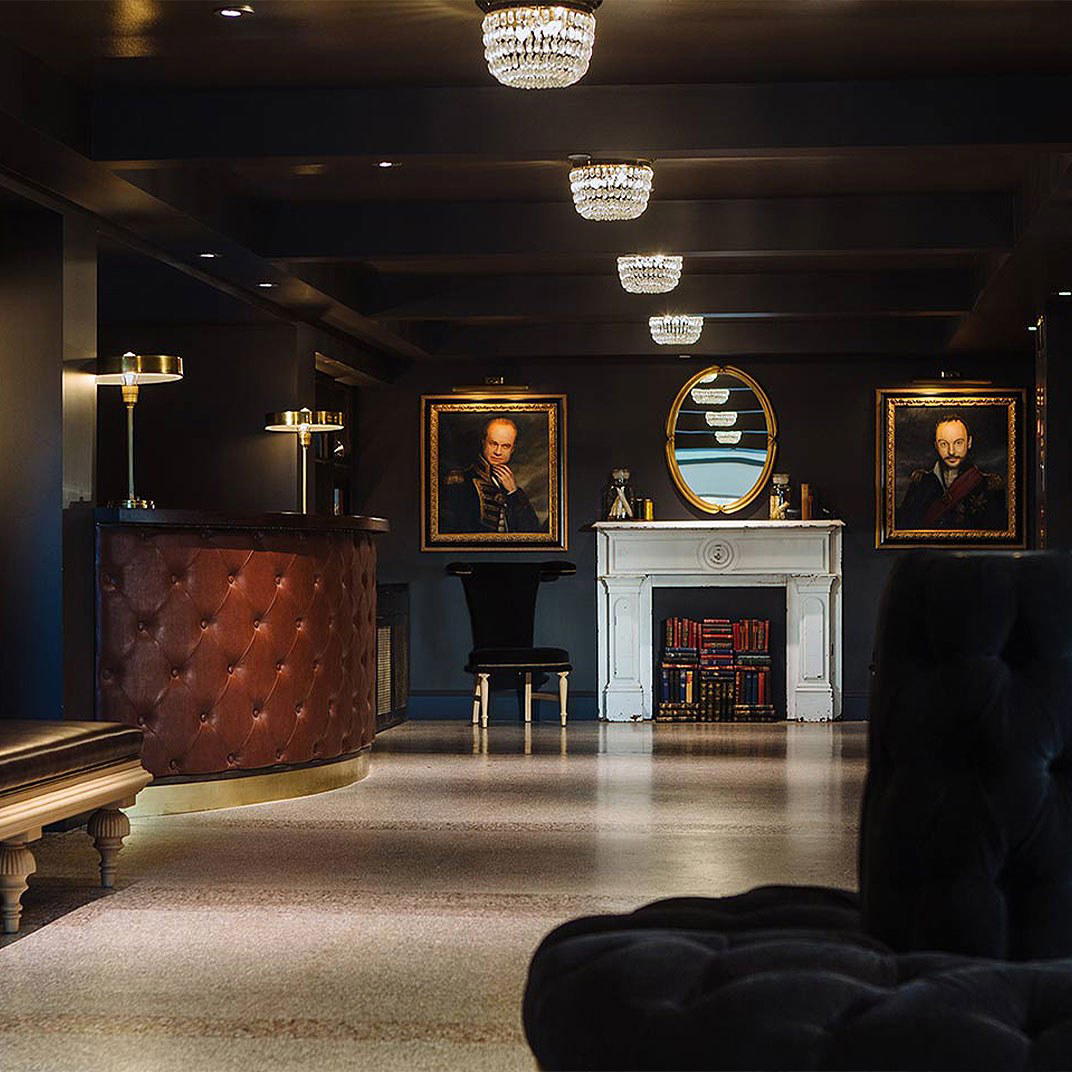
Quirky, cozy, and eclectic with Tuscan and industrial elements, warm intimate lighting, lively atmosphere enhanced by live music and performances.