Serafina
Our verdict
Serafina occupies a quietly considered address on Eastlake Avenue East, positioning it within Seattle's mid-density dining corridor between Capitol Hill and Eastlake proper. The restaurant draws from a tradition of neighborhood-anchored Italian cooking that has shaped Seattle's relationship with the cuisine for decades. For visitors planning around the city's broader dining calendar, it warrants a place in the itinerary alongside the neighborhood's evolving independent restaurant scene.

Pearl is the En Primeur Club membership app, where members save venues, book tables and use the concierge.

The menu
What to order
- Rigatoni Bolognese
- Agnolotti dal Plin
Eastlake's Dining Register: Where Serafina Sits
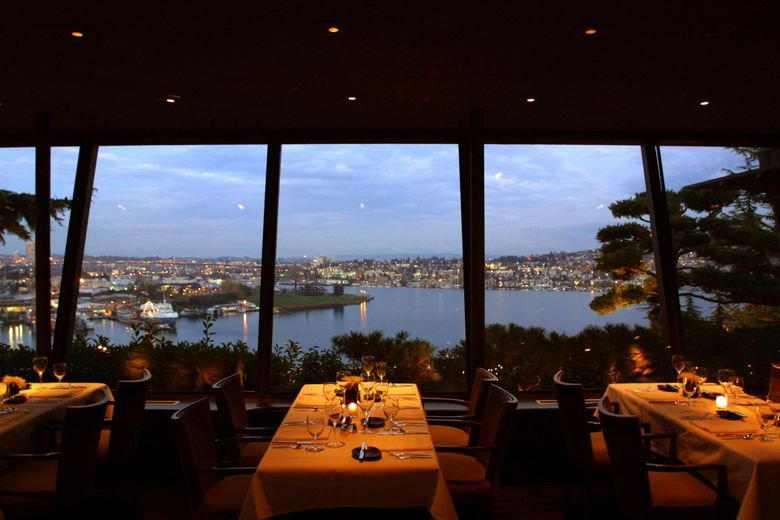
Seattle's restaurant geography has never been uniform. The city's dining identity consolidates around a handful of corridors, each carrying a distinct character: Capitol Hill's density and chef-driven ambition, Ballard's market-adjacent confidence, and the quieter stretch of Eastlake Avenue East, which runs between the two without fully belonging to either. It is in this in-between register that Serafina, at 2043 Eastlake Ave E, has maintained its address. The location is deliberate in what it signals: this is neighborhood dining in the older sense, where the room and the regulars share a mutual understanding that doesn't require a reservation dashboard or a months-long waitlist to validate.
Eastlake as a dining destination sits outside the radius that most out-of-town visitors map instinctively. That positioning has consequences for the booking experience, which tends to be more accessible than Capitol Hill's tighter tables, but it also means Serafina operates in a context where word-of-mouth and local loyalty carry more weight than award-cycle visibility. Contrast this with Canlis, Seattle's long-standing formal dining landmark with a view of Lake Union and a reservation culture that demands planning weeks or months ahead, or with Joule, which holds its own competitive tension on the Capitol Hill side. Serafina occupies a different tier in the booking calculus, which for many diners is precisely the point.
The Italian Neighborhood Restaurant in an American City
Italian cooking in American cities has bifurcated sharply over the past two decades. On one side sits the high-concept, pasta-as-fine-dining format, where tasting menus built around housemade shapes and cured regional salumi command prices that align the category with new American ambition. On the other sits the trattoria model, where the kitchen's credibility comes from consistency, from a dish arriving the same way it did six months ago, and from a room that treats its regulars as participants rather than guests. Serafina's Eastlake address and neighborhood positioning place it in the second tradition.
This distinction matters when planning a Seattle dining itinerary. The Italian trattoria format tends to absorb impromptu visits better than tasting-menu operations. It also tends to reward repeat visits, where familiarity with the menu allows a diner to move through it more confidently. For travelers building a multi-night program in Seattle, this makes Serafina a useful counterweight to the more structured experiences available elsewhere in the city. The broader Seattle restaurants guide maps that full range, including venues at 1415 1st Ave, 1744 NW Market St, and 2963 4th Ave S.
Booking Serafina: What the Logistics Tell You
The booking experience at any restaurant is a reliable proxy for what kind of operation you are entering. Venues with multi-month waitlists and online-only reservation systems signal that the transaction has been systematized, that demand has outpaced the room's ability to absorb it organically. Venues that are reachable on shorter notice signal something different: either they have excess capacity, or they have cultivated a local clientele that fills seats through direct channels rather than third-party platforms.
Serafina reads as the latter type. For visitors arriving in Seattle from other dining markets, the contrast with headline-level reservations is worth noting. Restaurants like Lazy Bear in San Francisco or Alinea in Chicago operate on ticket-based models with lead times that require planning before the trip is even confirmed. At the other end of the West Coast spectrum, The French Laundry in Napa and Single Thread Farm in Healdsburg function as destination bookings that shape the itinerary around them. Serafina sits in neither of those tiers, which means it can be incorporated into a trip with more flexibility, whether that means booking a few days ahead or arriving earlier in the week when neighborhood restaurants across Seattle's mid-density corridors tend to have more room.
For context on what the broader reservation landscape looks like at the top of the American dining market, Le Bernardin in New York City, Atomix in New York City, Providence in Los Angeles, Addison in San Diego, Blue Hill at Stone Barns in Tarrytown, The Inn at Little Washington, and Emeril's in New Orleans each carry their own booking logic, from online release windows to concierge-only access. Knowing where a venue sits in that hierarchy helps calibrate expectations before you arrive. Serafina's position in the Eastlake neighborhood removes much of that friction.
International reference points reinforce the point. Operations like 8 1/2 Otto e Mezzo Bombana in Hong Kong demonstrate how Italian fine dining at the highest tier functions globally, with reservation timelines and price points that place them in an entirely different competitive set. Serafina is not in conversation with that tier, and its value proposition is precisely that it doesn't need to be.
Seasonal Timing and the Neighborhood Calendar
Eastlake Avenue dining benefits from Seattle's spring and summer rhythm in ways that matter for visitors. The corridor's proximity to Lake Union means that the months between May and September carry a different character: outdoor seating becomes viable, evening light extends the usable hours of the street, and foot traffic from the lake's boating culture adds an informal energy to the blocks around it. For a restaurant operating on the neighborhood register that Serafina occupies, this seasonal shift in ambient character affects how the room functions as much as any menu change might.
Winter visits to Eastlake carry a different logic. Seattle's grey-season evenings push dining rooms toward warmth by necessity, and Italian formats, with their emphasis on long-cooked sauces, bread, and wine service that functions as a pacing mechanism, tend to translate well to that context. The practical implication for planning: summer visits to Serafina benefit from the surrounding neighborhood energy, while winter visits benefit from the format itself. Neither requires the same level of advance logistics as the city's more sought-after reservation targets.
Planning Details at a Glance
Frequently asked questions
Where is Serafina in Seattle?
Serafina is located at 2043 Eastlake Ave E, Seattle, WA 98102, Seattle.
Is Serafina a long-established restaurant in Seattle's Eastlake neighborhood?
Serafina has operated on Eastlake Avenue East long enough to have become part of the neighborhood's dining fabric, which in Seattle's restaurant geography is a meaningful distinction. The city's Italian dining scene has consolidated around a small number of durable neighborhood anchors, and Serafina sits within that category. Visitors looking for context should note its address at 2043 Eastlake Ave E, within practical reach of Capitol Hill and South Lake Union.
What dish is Serafina famous for?
Serafina has built its reputation around the wood-fired and slow-cooked formats central to Italian neighborhood cooking. On Eastlake Avenue East, the restaurant's kitchen has operated long enough to develop a consistent identity around those techniques rather than rotating concepts. Specific current menu items should be confirmed directly with the restaurant before visiting.
What's the best way to book Serafina?
Serafina operates as a genuine neighborhood restaurant rather than a high-concept reservation-driven destination, which means booking logistics differ from Seattle's more competitive dining rooms. Visitors building a multi-night dining itinerary in Seattle should plan Serafina alongside other Eastlake or Capitol Hill reservations. Contacting the restaurant directly by phone or walk-in inquiry is the most reliable approach given that real-time availability details are not published centrally.
What's Serafina best at?
Serafina holds its position in Seattle's Italian dining register by doing what neighborhood restaurants do well over time: developing a room with a consistent rhythm, a familiar staff, and a clientele that returns by habit rather than hype. That format, rooted in the Italian trattoria model, places Serafina closer to the community-anchor end of the spectrum than the chef-driven fine-dining end. The Eastlake Avenue address at 2043 reinforces that identity, situated in a residential-commercial corridor rather than a high-traffic tourist zone.
Peers in This Market
Comparable venues nearby, for context on price, style, and recognition.
| Venue | Cuisine | Price | Awards | Notes |
|---|---|---|---|---|
| SerafinaThis venue (the venue you are viewing) | Authentic Italian Neighborhood Trattoria | $50–100 | Not listed | Not listed |
| Tulio | Northern Italian with Pacific Northwest influences | $50–100 | Not listed | Central Business District |
| Dino's Tomato Pie | New Jersey & Sicilian Pizza | $20–30 | Not listed | Broadway |
| Uncle Dom’s Italian Kitchen | Old-School Italian Red Sauce | $30–50 | Not listed | Broadway |
| Willmott's Ghost | Roman-Style Italian Pizza | $20–30 | Not listed | Denny Triangle |
| Assaggio | Authentic Central Italian | $30–50 | Wine Spectator Award of Excellence | Denny Triangle |