
Tabelog 100 #94
Our verdict
Steak Tsuji belongs to Osaka’s compact, high-spend steak circuit, where the room matters almost as much as the beef. In Kitashinchi, the city’s after-dark dining district, its Tabelog Steak / Teppanyaki WEST 100 selections in 2024 and 2025 place it among a defined regional set rather than the casual steakhouse category.

Pearl is the En Primeur Club membership app — saves, bookings, and concierge access live there. Same editors, same standards.
The menu
What to order
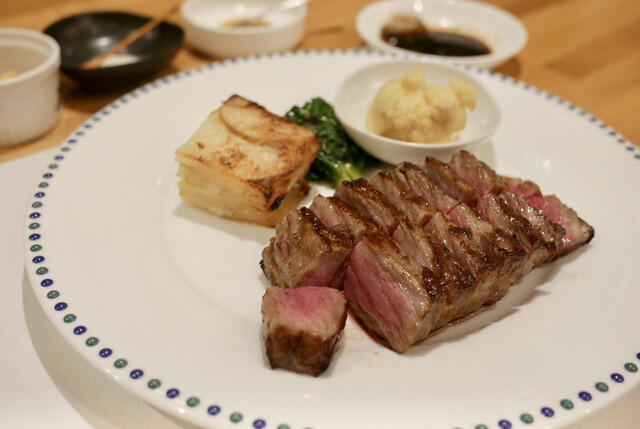
- Wagyu steak course
- Appetizer trio (salmon and onion marinade, beef tataki, horse meat tartare)
Osaka changes register after office hours: narrow entrances, discreet signs, and rooms built for small groups rather than street spectacle. Steak here is rarely just beef; sightlines, pacing, and controlled rooms can do work louder restaurants assign to branding. Steak Tsuji fits that grammar as an Osaka steak restaurant with a contained dinner identity. Before ordering, the message is clear: a focused evening format, not a sprawling dining room built for turnover.
Osaka’s premium beef culture sits between nationally familiar beef traditions and local habits that reward socially useful places for friends, clients, and late meals after work. In that context, a steak restaurant included in Tabelog’s 2025 Hyakumeiten recognition enters a regional conversation, not a tourist checklist. The comparison is the small group of Osaka steak rooms where spend, category focus, and repeat local attention matter.
Osaka's steak rooms are built around control, not spectacle
Japanese steak dining is often misunderstood from outside the country. The drama is not necessarily flame or performance; in higher-spend Osaka rooms, it is management: smoke, pacing, sound, proximity, and social comfort for a meal that can stretch without feeling exposed. For Steak Tsuji, the shared-room impression matters because the restaurant’s appeal is tied to a controlled evening rather than a spectacle-driven format. In Osaka, where restaurants extend the city’s business and social life, that matters.
The category handles luxury differently from sushi and kaiseki. Sushi counters make hierarchy visible through seat count, cadence, and chef lineage. Kaiseki leans on season, ceramics, and formal sequence. Osaka steak often communicates through restraint: room, beef focus, quiet confidence, and occasion-level spend. Kitashinchi Fukutatei, another Osaka steakhouse in the same broad city conversation, shows how narrow and competitive this lane can be. Sushidokoro Kurosugi Shinkan is a different genre, but competes for the same diner deciding how to spend a serious Osaka evening.
That is why Tabelog recognition matters. Hyakumeiten lists are not Michelin stars and should not be read as such, but in Japan they capture category-specific attention across tightly defined fields. A 2025 Hyakumeiten signal places the restaurant inside a steak-focused cohort; it is more useful than vague praise for diners filtering Osaka by genre. For planning, it says the restaurant belongs in the serious Osaka steak conversation.
The beef-led format sits between occasion dining and Osaka practicality
The listed dinner budget of JPY 20,000 - JPY 29,999 puts the restaurant in serious dinner territory, though not automatically in the most extreme bracket of the city’s rarest counters. That middle-upper tier matters in Osaka: it attracts diners wanting focused steak without making dinner a ceremonial tasting-menu commitment. Pineapple, with a different dining profile, and capi, in another creative lane, show the split: Osaka premium dining is not one lane but competing formats for the same night, from beef-led rooms to inventive menus and sushi counters.
Steak is a sharper Osaka choice than outsiders may assume. The city’s food reputation still leans toward casual staples, quick snacks, and department-store sweets, but its high-spend dining culture is wider and disciplined. A serious itinerary can move from informal daytime eating to precision rooms while keeping the city’s appetite for directness. The same trip might include unnamed local references for daytime eating and a room like this for dinner. That range is the point: Osaka rewards eaters who treat it as a full dining system, not a single famous dish.
For premium food routes, the question is not whether steak belongs in Osaka. It does. The question is whether the evening should be shaped by beef, counter culture, sushi, or an experimental kitchen. Steak Tsuji suits the diner who wants a contained room, a recognized 2025 Tabelog category signal, and a dinner rhythm suited to Osaka after dark. It is less useful for those chasing chef biography, named signature dishes, or visible spectacle as the central attraction.
How to place it inside an Osaka itinerary
Osaka works as a dinner anchor after a day elsewhere in the city. It is practical after shopping, meetings, or hotel check-in, and the city rewards sequencing: lighter lunch, late afternoon pause, then beef-led dinner, rather than stacking it after a heavy tasting menu. For planning, Our full Osaka restaurants guide gives the stronger frame, while Our full Osaka hotels guide helps position the stay around the city’s broader dining patterns.
Osaka’s appeal is strongest when high and low formats sit together. Casual and specialist addresses across the city show international and local habits coexisting, from daytime cafés to pizza, bakeries, and small-format restaurants. Drinks can be planned separately through Our full Osaka bars guide, while Our full Osaka experiences guide and Our full Osaka wineries guide cover the trip beyond dinner.
For comparing Japanese dining formats beyond Osaka, contrast is more useful than substitution. Other dining rooms in Japan may frame beef through sukiyaki, charcoal cooking, or quieter regional codes, while still answering a different question from a steak-focused Osaka dinner. Outside Kansai, regional context changes a meal’s meaning again: local habits, room scale, and social use can make the same broad category feel entirely different. Overseas Japanese dining references underline the same point: categories travel, but room, city, and social purpose decide their weight.
The editorial case for Steak Tsuji is precise: an Osaka steak address with 2025 Tabelog Hyakumeiten recognition, serious dinner spend, and a format favoring controlled evenings over visual theater. In a city often reduced to street-food shorthand, it is a useful corrective: Osaka can be casual, loud, and quick, but its premium beef rooms are built for a slower, more deliberate appetite.
Frequently asked questions
Where exactly is Steak Tsuji?
Osaka.
What price level is Steak Tsuji?
Pricing at Steak Tsuji is listed as JPY 20,000 - JPY 29,999 View spending breakdown.
What are Steak Tsuji's hours?
Current opening hours are not provided in the available venue facts.
What is Steak Tsuji known for?
Steak Tsuji is known as an Osaka steak restaurant with 2025 Tabelog Hyakumeiten recognition and a listed score of 3.65.
Local
Comparable venues for orientation by cuisine and category.
| Venue | Cuisine | Price | Awards | Notes |
|---|---|---|---|---|
| Steak TsujiThis venue (the venue you are viewing) | Teppanyaki Steakhouse | $150–200 | Tabelog 100 #94 | Not listed |
| Konishi | Kappo | $300–500 | Michelin Plate | Not listed |
| Sushidokoro Kurosugi Shinkan | Edomae Sushi | $100–150 | Michelin Plate | Sushi |
| Pineapple | Teppanyaki Kuroge Wagyu Steakhouse | $50–100 | Tabelog 100 #31 | JPY 15,000 - JPY 19,999 |
| Kitashinchi Fukutatei | Modern Wagyu Steakhouse | $150–200 | Michelin Plate · Tabelog 100 #79 | Steakhouse |
| capi | Innovative Fusion Omakase | $200–300 | 1 Michelin Star · Tabelog 100 #25 | Innovative |
Recognition history
Dated appearances from independent guides and award organizations, with the underlying list record or original source where available.
Tabelog 100 #94 · No. 94
Tabelog · Tabelog 100 - Steak / Teppanyaki - WEST - 2025
Continue exploring
More in Osaka
Restaurants in Osaka
All restaurants in Osaka →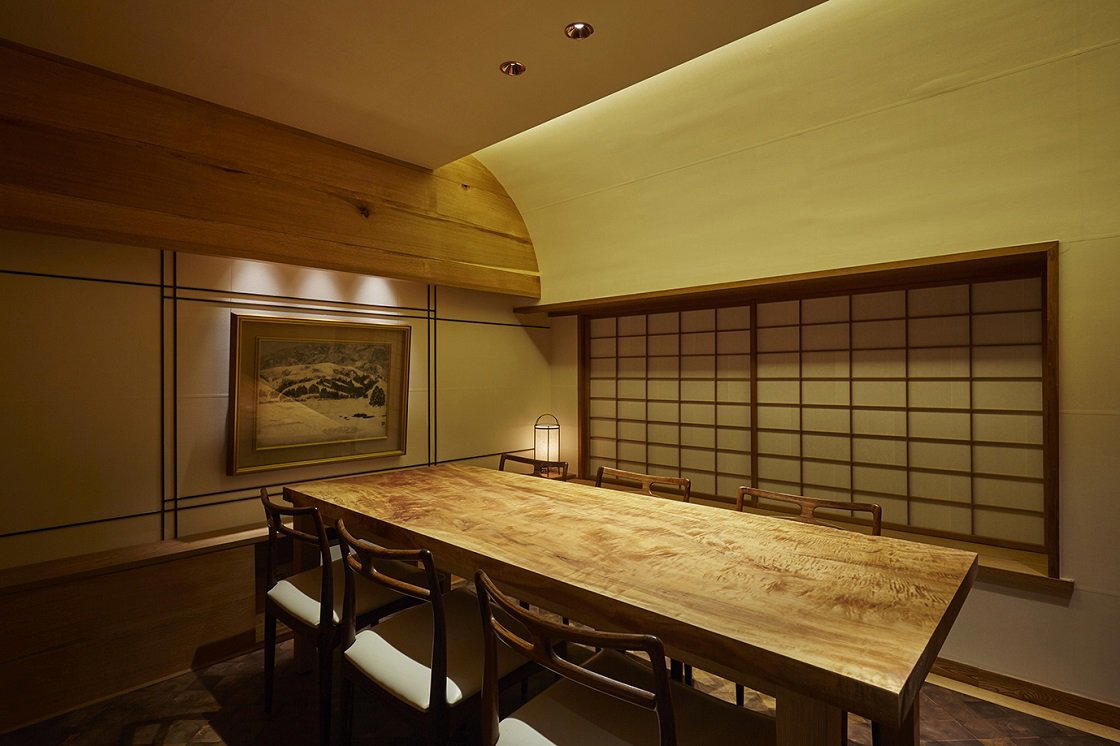


Bars in Osaka
All bars in Osaka →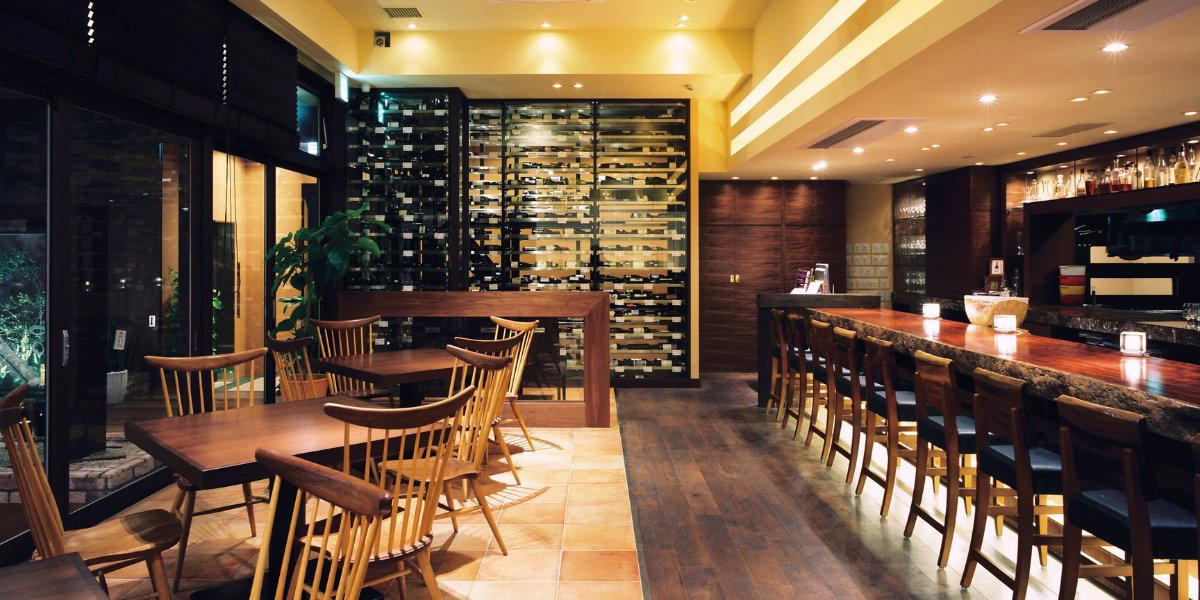
Hotels in Osaka
All hotels in Osaka →

Wineries in Osaka
Browse all →
Steak Tsuji
The wine
- Wine program
- Curated wine list
- Extensive wine list
- Sommelier-led
Details
- Cozy
- Intimate
- Elegant
- Business Dinner
- Date Night
- Special Occasion
- After Work
- Celebration
- Chefs Counter
- Standalone
- Sommelier Led
- Extensive Wine List
- Counter Dining
- Set Menu
- Wine
- Beer
Current opening hours
- Monday
- 5–10 PM
- Tuesday
- 5–10 PM
- Wednesday
- 5–10 PM
- Thursday
- 5–10 PM
- Friday
- 5–10 PM
- Saturday
- 5–10 PM
- Sunday
- Closed
Hours can change for holidays and private events. Last verified .
Cozy and intimate counter-only steakhouse with a calm, elegant atmosphere suited to relaxed conversations over carefully prepared wagyu and wine, typical of Kitashinchi’s refined night-time dining scene.